Last updated: August 29, 2026
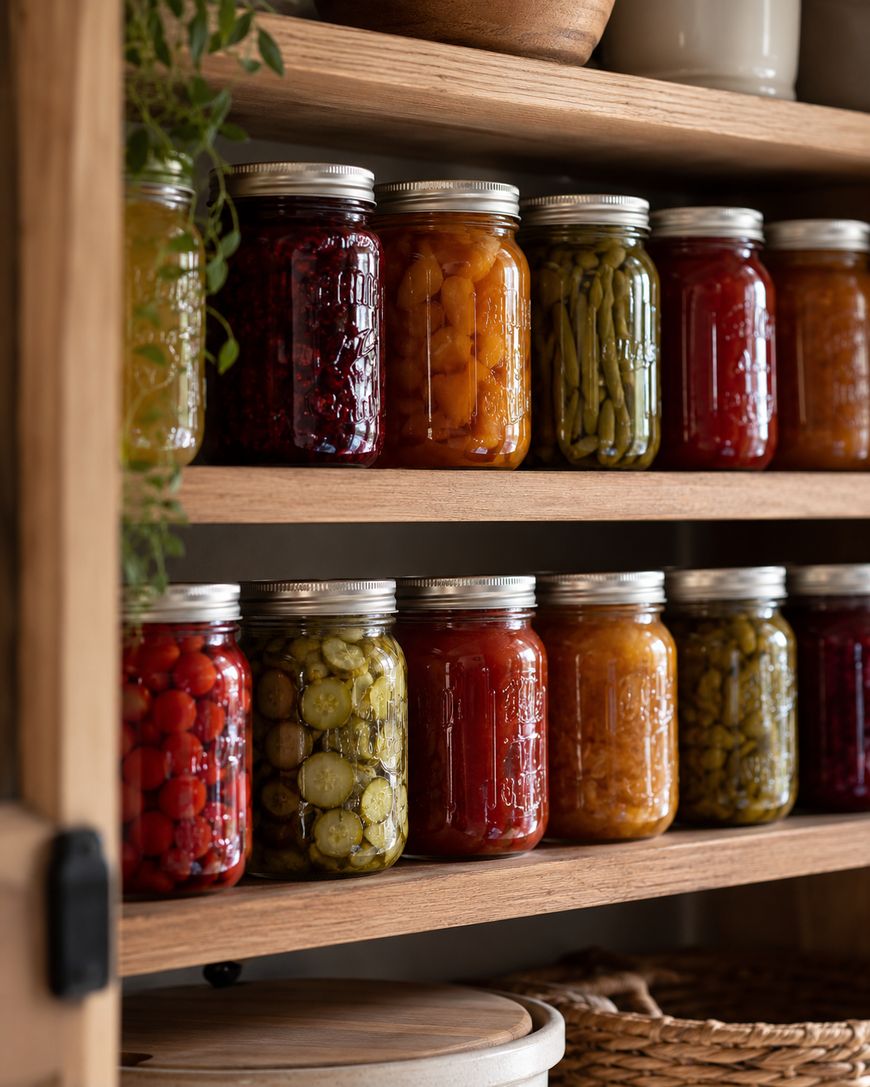
Canning recipes let you preserve the best flavors of every season and stock your pantry with homemade jams, pickles, sauces, and more. This guide covers the most reliable, tested canning recipes organized from beginner to advanced, so you can start safely and build your skills with confidence.
The Best Beginner Canning Recipes to Start With
The safest and most rewarding place to start with home canning is high-acid foods processed in a water bath canner. High-acid foods including fruits, pickles, and tomatoes with added acid are safe for water bath canning because the acidity prevents the growth of harmful bacteria.
Classic Strawberry Jam
Strawberry jam is the most popular first canning recipe for good reason: it uses simple ingredients, requires no pectin if you cook it long enough, and produces a result that tastes dramatically better than anything store-bought. Use fresh, ripe strawberries at peak season for the best flavor and natural gel.
The basic ratio is four cups of crushed strawberries to three cups of granulated sugar, cooked to 220 degrees Fahrenheit, which is the gel point at sea level. Process half-pint jars in a boiling water bath canner for ten minutes and allow them to cool on a towel-lined counter without moving for 12 to 24 hours.
Bread and Butter Pickles
Bread and butter pickles are a sweet-tangy classic that use the water bath canning method and come together in under two hours. Slice cucumbers and onions thin, toss them with pickling salt, and let them sit for one hour before rinsing and cooking in a brine of white vinegar, sugar, mustard seed, celery seed, and turmeric.
The Ball Complete Book of Home Preserving and the National Center for Home Food Preservation both publish tested bread and butter pickle recipes that are proven safe. Always use a tested recipe for pickling, as the vinegar-to-water ratio must be correct to achieve safe acidity.
Simple Tomato Salsa
Homemade tomato salsa is one of the most satisfying canning projects because a single batch of peak-season tomatoes yields a pantry full of vibrant, fresh-tasting salsa that outperforms every commercial brand. Use Roma tomatoes for the lowest water content and firmest texture.
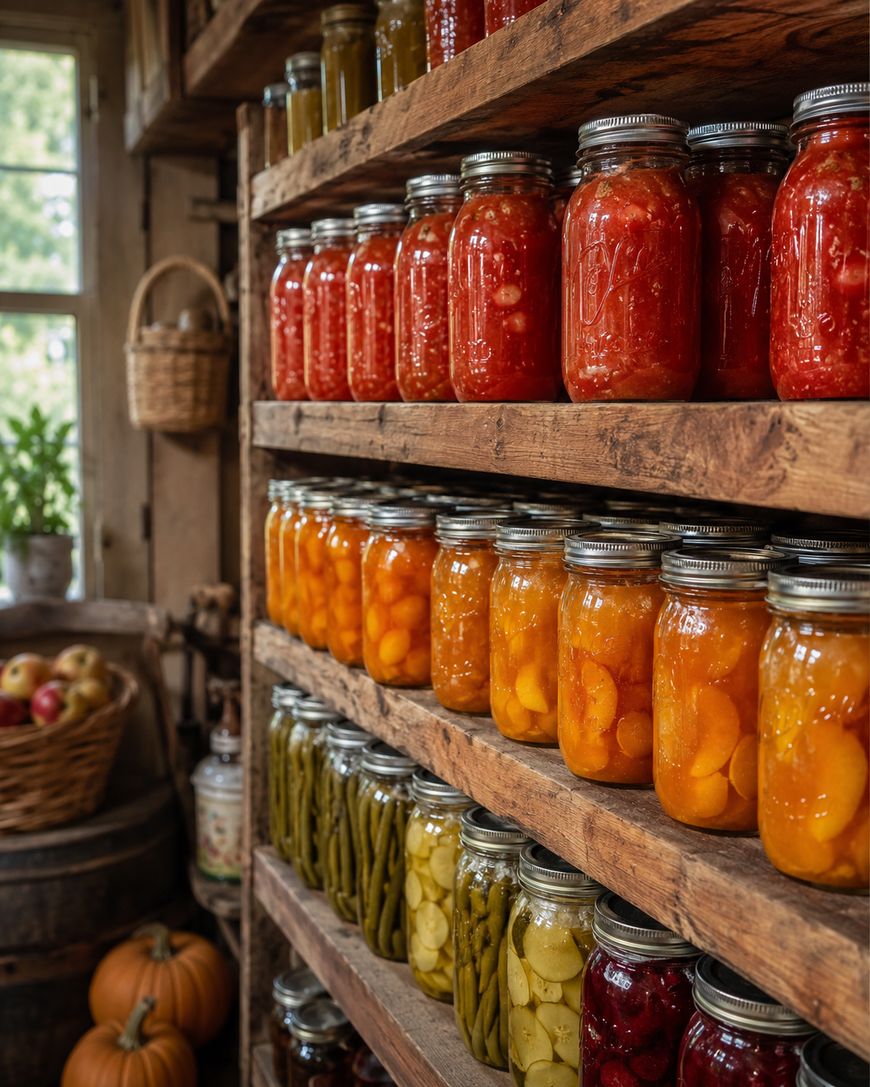
You must use a tested salsa recipe to ensure safe acidity. The Ball Fiesta Salsa recipe and the Salsa for Canning recipe from the National Center for Home Food Preservation are both reliable, tested choices that include the correct ratio of tomatoes to peppers, onions, and vinegar.
Dill Pickles (Classic Cucumber Spears)
Crisp, garlicky dill pickles are one of the most requested homemade canned goods, and with the right technique they are genuinely easy to achieve. The key to crunchiness is using pickling cucumbers rather than salad cucumbers and processing them for no longer than ten minutes to avoid overcooking.
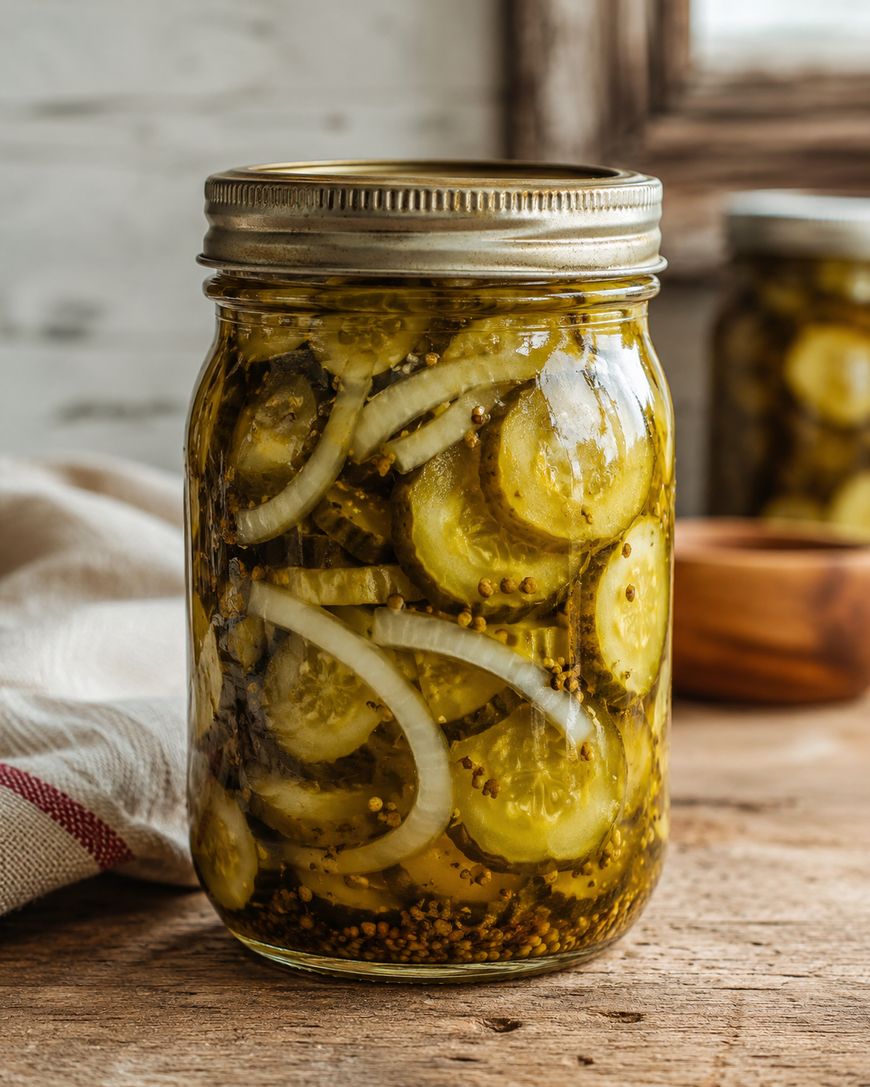
Add a grape leaf or oak leaf to each jar: the tannins in these leaves help maintain crunch by inhibiting the enzymes that cause softening. Use Ball Pickle Crisp granules as an alternative if fresh leaves are not available.
Intermediate Canning Recipes Worth Mastering
Once you are comfortable with water bath canning, these recipes expand your repertoire and your pantry considerably.
Peach Jam
Peach jam made from tree-ripened peaches is one of summer’s most rewarding preserves. The natural pectin in peaches is moderate, so most recipes call for added pectin (such as Sure-Jell or Pomona’s Pectin) to achieve a reliable set without overcooking the fruit.
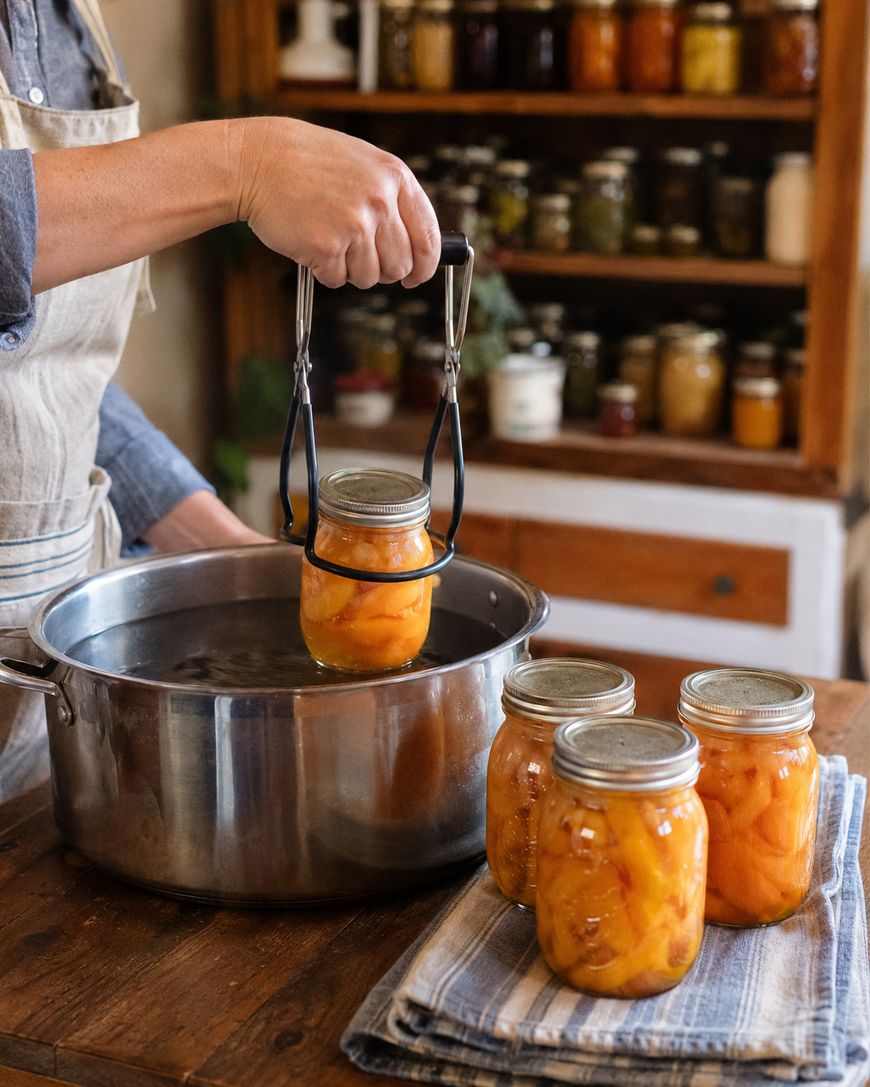
For a looser, more natural jam, skip the added pectin and cook the peaches slowly with sugar and lemon juice until the mixture reaches 220 degrees Fahrenheit. Ladle into sterilized half-pint jars and process for ten minutes.
Apple Butter
Apple butter is a concentrated, spiced apple spread that cooks low and slow until the natural sugars caramelize and the texture becomes dense and silky. Use a mix of apple varieties for complexity: Honeycrisp or Fuji for sweetness paired with Granny Smith for tart balance.
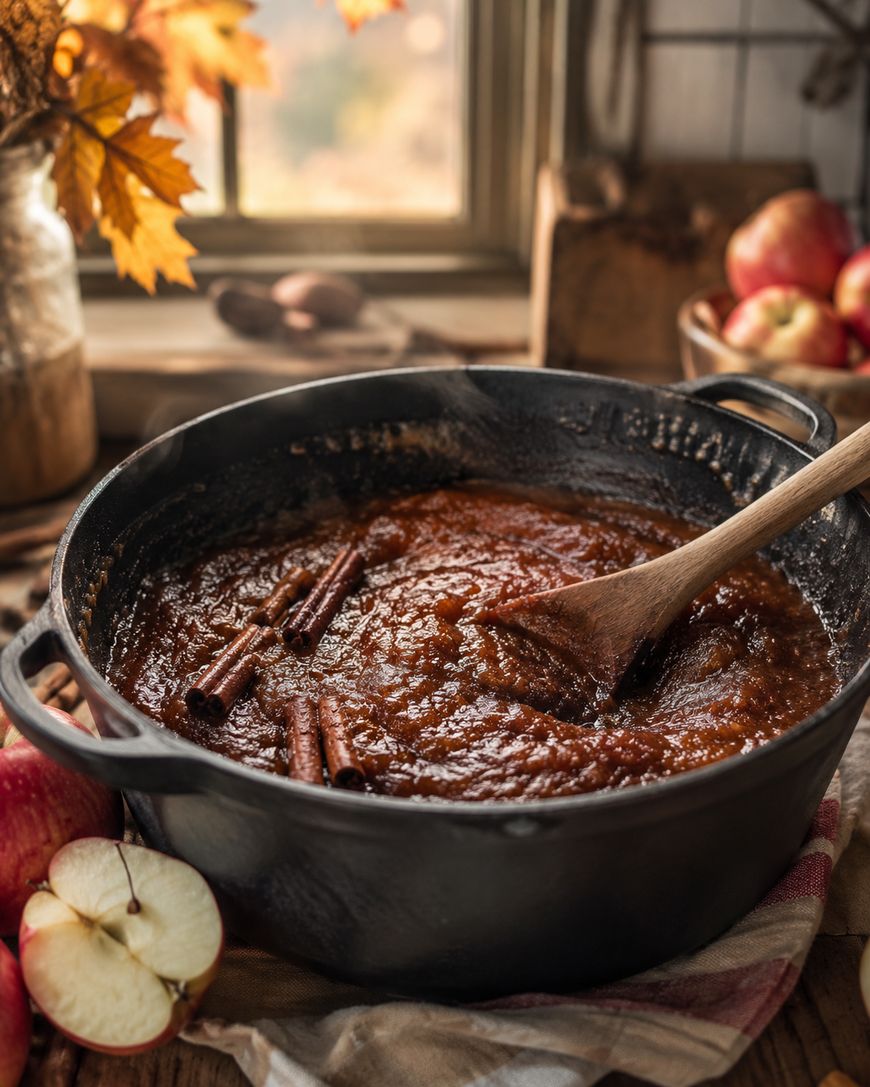
The slow cooker method makes apple butter almost entirely hands-off: fill the slow cooker with peeled, cored, sliced apples, cook on low for eight hours, add cider vinegar, brown sugar, cinnamon, cloves, and allspice, then blend smooth and continue cooking until thick. Process in half-pint jars for ten minutes.
Crushed Tomatoes
Home-canned crushed tomatoes are the workhorse of the winter pantry, forming the base for pasta sauces, soups, braises, and stews. San Marzano and Roma tomatoes produce the richest, least watery result.
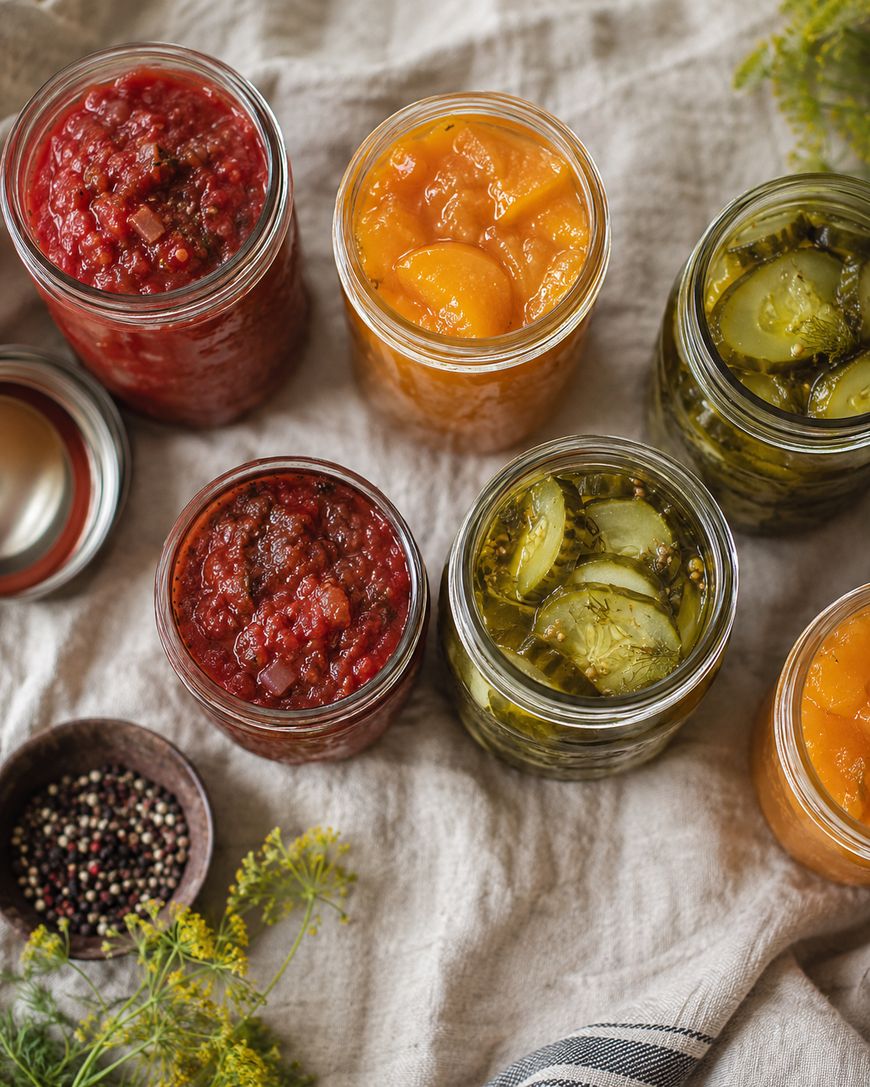
Add two tablespoons of bottled lemon juice per quart jar (or one tablespoon per pint) to ensure safe acidity, as required by the USDA guidelines for canning tomatoes. Process quart jars for 45 minutes in a boiling water bath canner at sea level, adding additional processing time at higher altitudes per the standard altitude adjustment table.
Pickled Jalapeños
Pickled jalapeños are one of the most useful items in a well-stocked pantry, useful for tacos, nachos, sandwiches, and eggs. Slice fresh jalapeños into rings, pack into hot pint jars, and cover with a brine of equal parts white vinegar and water with pickling salt and garlic.
Process for ten minutes in a water bath canner. The heat of the finished pickles depends entirely on the heat of the jalapeños you start with: peppers grown in hot, dry conditions are consistently hotter than those grown in cool, wet conditions.
Advanced Canning Recipes for the Experienced Preserver
These recipes reward the canner who has mastered water bath technique and is ready to move into pressure canning or more complex preserves.
Pressure Canned Green Beans
Green beans are a low-acid vegetable and must be processed in a pressure canner, not a water bath canner. This is one of the most important safety rules in home canning: never attempt to water bath can low-acid foods including green beans, corn, carrots, or meat.
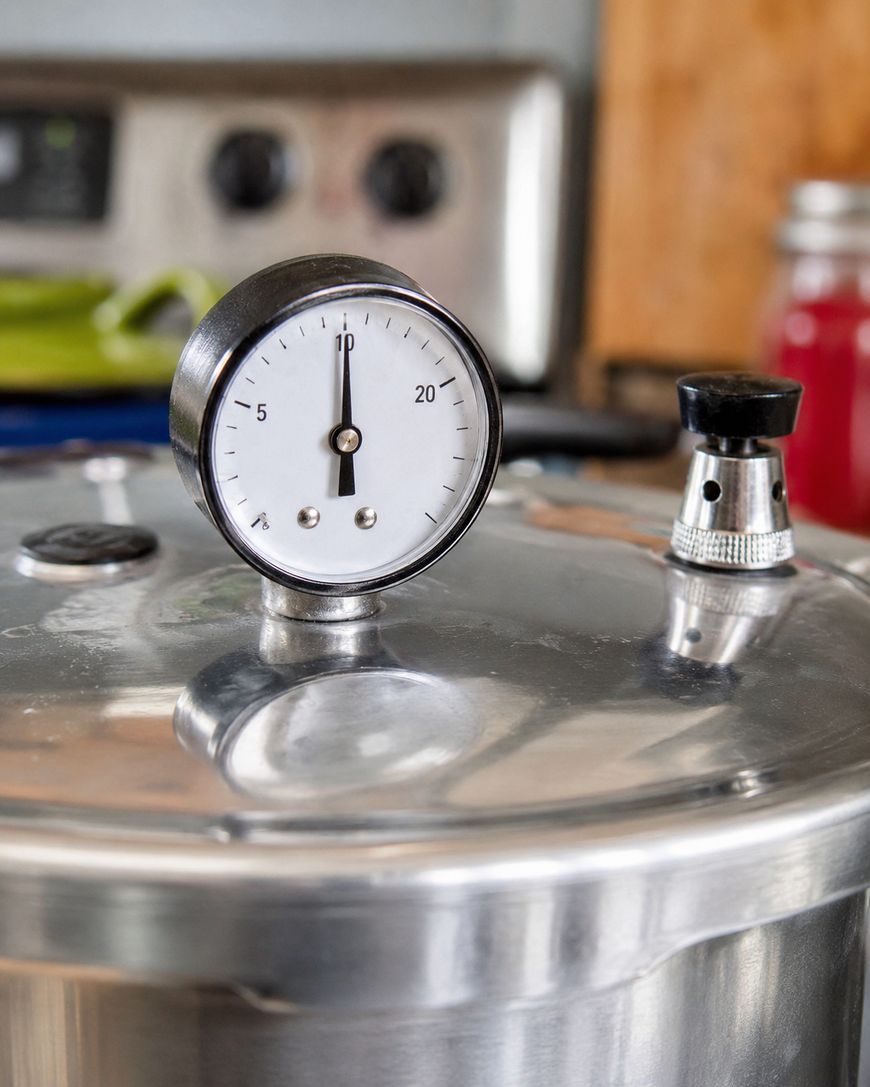
A note on pressure and altitude before you use any of the figures below. The pressures given here assume a weighted-gauge canner at under 1,000 feet. A dial-gauge canner needs 11 pounds rather than 10 for the same recipes, and above 1,000 feet the pressure must go up, not the time: a weighted gauge moves to 15 pounds, and a dial gauge climbs on a sliding scale with elevation. Under-processing low-acid food is the scenario that carries a botulism risk, so check your own altitude against the charts in the USDA Complete Guide to Home Canning or at the National Center for Home Food Preservation before you start, and follow their figures over any you read elsewhere.
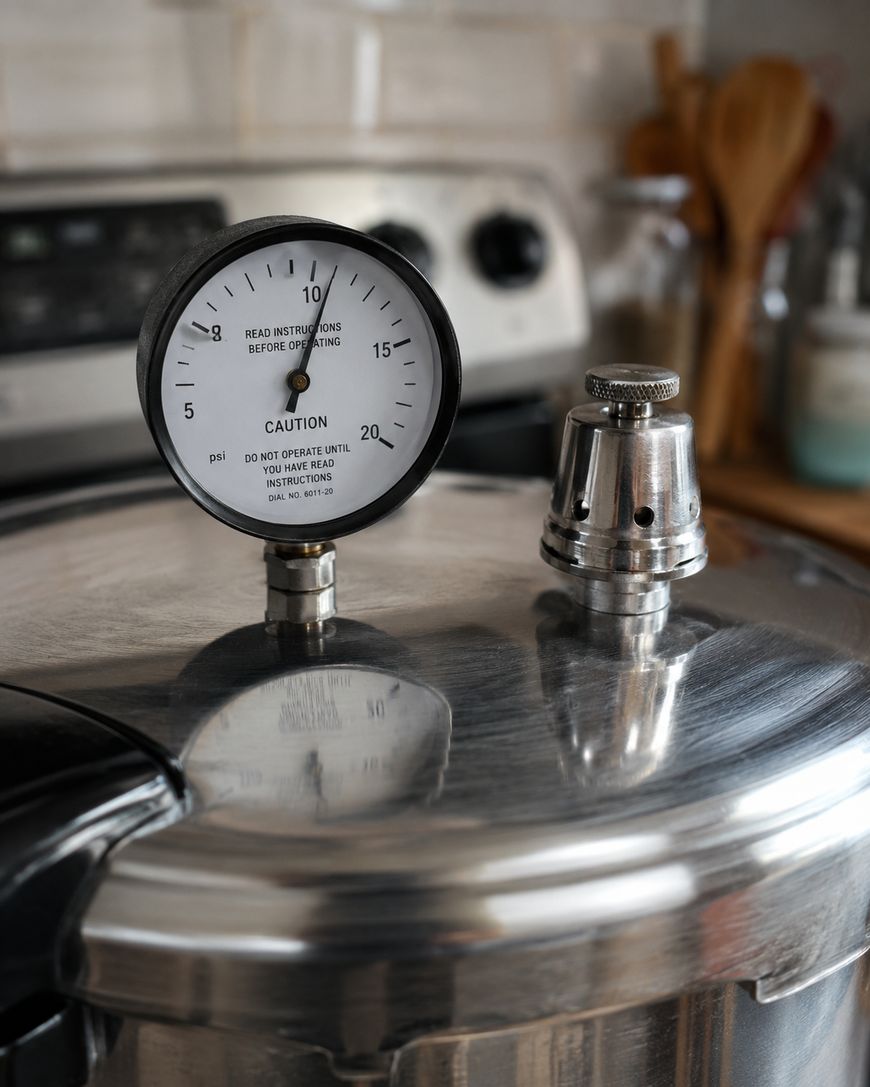
Pack clean, trimmed green beans tightly into sterilized quart jars with one teaspoon of canning salt, cover with boiling water, and process at 10 pounds of pressure for 25 minutes (for quarts). Use a Presto or All American pressure canner and always follow the manufacturer’s instructions for venting and pressure management.
Bone Broth (Pressure Canned)
Home-canned bone broth processed in a pressure canner is one of the most practical things a serious preserver can make. A shelf-stable quart of rich homemade chicken or beef broth is far superior to anything sold in a carton.
Process quart jars of strained, fat-skimmed broth at 10 pounds of pressure for 25 minutes. Always use a tested recipe from the USDA Complete Guide to Home Canning or the National Center for Home Food Preservation, as improperly canned low-acid foods carry a risk of botulism.
Whole Peeled Tomatoes
Whole peeled tomatoes canned at home have a texture and flavor that commercially canned tomatoes rarely match. Blanch tomatoes in boiling water for 30 to 60 seconds, transfer to ice water, peel, and pack into hot quart jars.
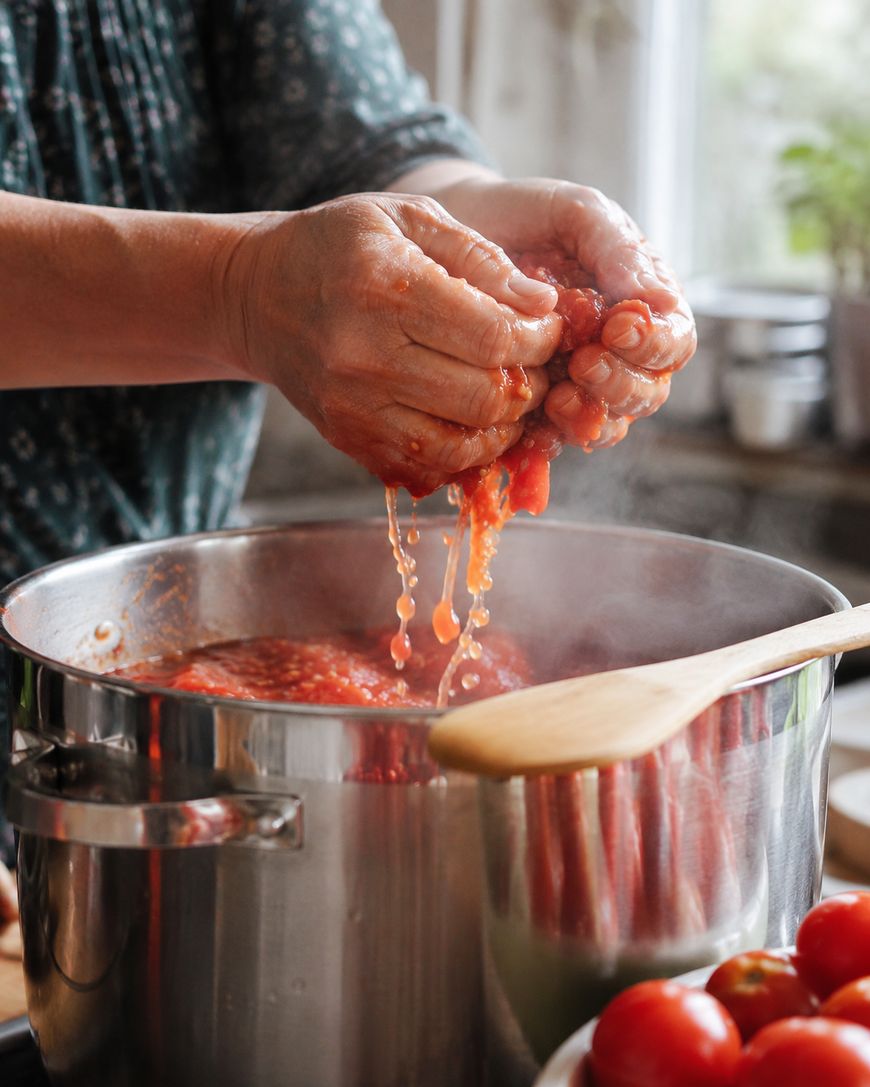
Add two tablespoons of bottled lemon juice per quart, fill with boiling cooking liquid or water, remove air bubbles, and process for 45 minutes in a boiling water bath. The result is a glossy, firm, deeply flavored canned tomato that transforms any winter sauce into something worth the extra effort.
Essential Canning Safety Rules
Safe canning depends on following tested recipes exactly and using proper equipment. Do not modify tested recipes by adding extra vegetables, reducing vinegar quantities, or changing jar sizes, as these changes alter the pH and heat penetration required for safety.
Use Tested Recipes Only
The National Center for Home Food Preservation (nchfp.uga.edu) and the Ball Blue Book of Canning are the two most authoritative and widely trusted sources for safe, tested canning recipes. These organizations conduct scientific testing to ensure that each recipe achieves the correct internal temperature and acidity for shelf stability.
Recipes found on general food blogs or social media may not be tested for safety. When in doubt, cross-reference any recipe against the NCHFP database before canning.
Understand Water Bath vs. Pressure Canning
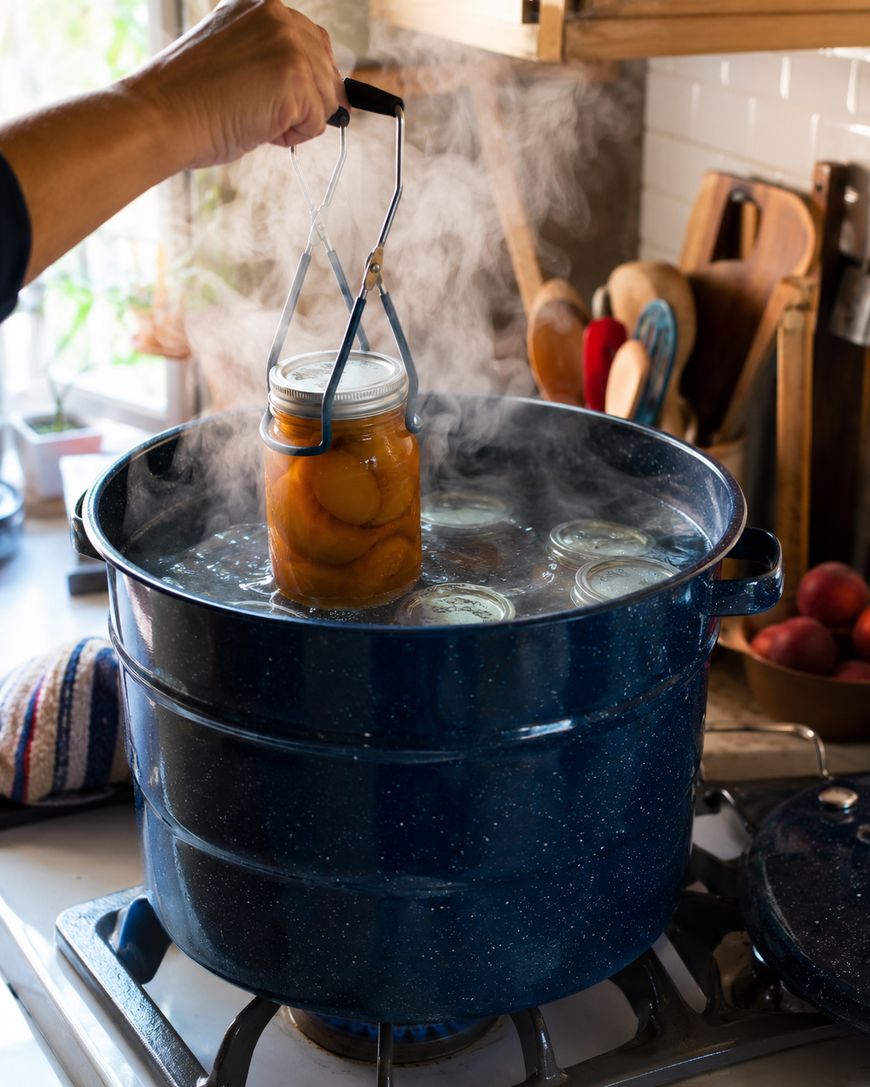
Water bath canning is safe for high-acid foods only: fruits, jams, jellies, pickles, and tomatoes with added acid. Pressure canning is required for all low-acid foods including vegetables, meats, beans, and soups.
Attempting to water bath can low-acid foods is dangerous and can result in botulism, a potentially fatal illness. A pressure canner is a worthwhile investment for any serious home preserver.
Questions About Canning Recipes
What canning recipes are safe for beginners?
Strawberry jam, bread and butter pickles, and fruit preserves are the safest and most approachable canning recipes for beginners. All three use the water bath canning method and high-acid ingredients that provide a natural safety margin.
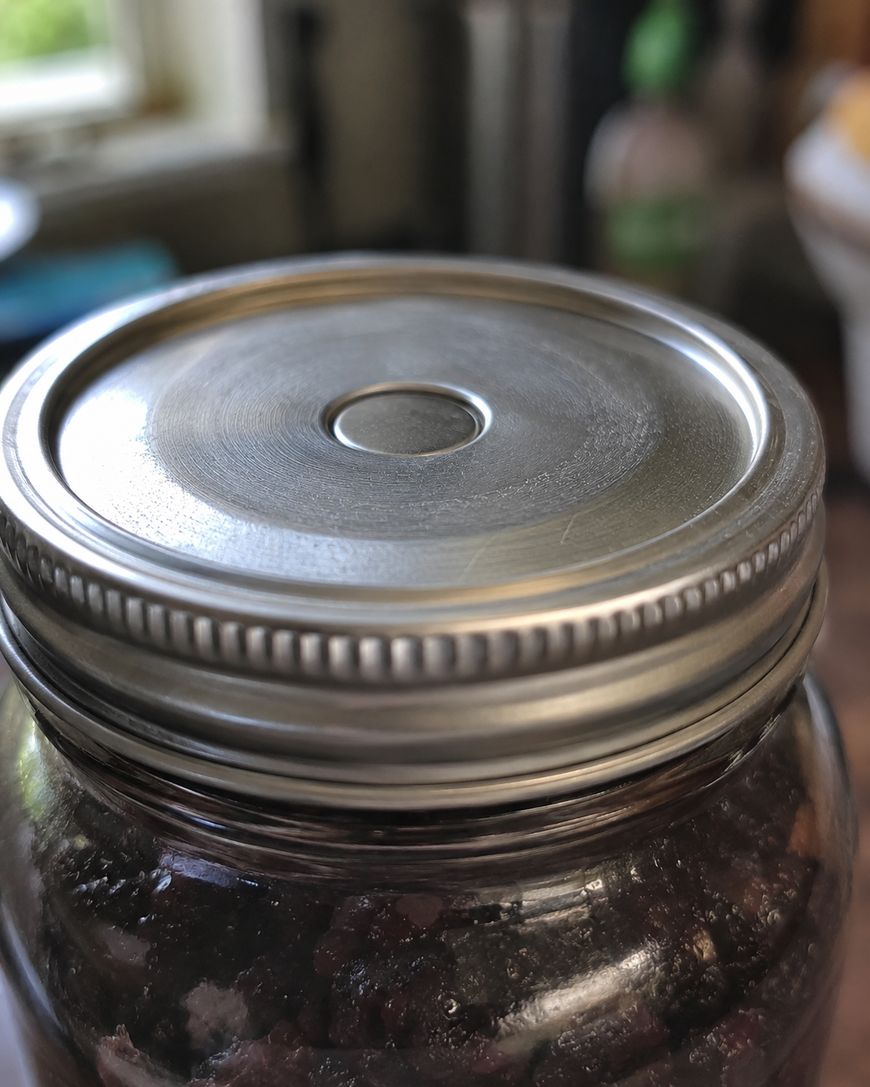
Always use a tested recipe from a reliable source like the Ball Blue Book or the National Center for Home Food Preservation. Do not improvise ingredient ratios in your first attempts.
Do canning recipes need to be followed exactly?
Yes, tested canning recipes must be followed exactly for food safety. The ratio of acidic to non-acidic ingredients, the jar size, and the processing time all work together to ensure the food is safe for shelf storage.
You can adjust flavorings like herbs and spices in small amounts, but you should never reduce vinegar, lemon juice, or other acidic ingredients, and you should never add extra low-acid vegetables to a tested recipe.
What equipment do you need for canning recipes?
For water bath canning you need a large pot with a rack, canning jars (Ball or Kerr are the most widely available brands), new lids, and a jar lifter. For pressure canning you additionally need a pressure canner with a working gauge.
Canning funnels, bubble removers, and headspace tools are inexpensive and genuinely useful accessories. A wide-mouth funnel prevents messy fills and a bubble remover ensures proper headspace.
How long do home-canned foods last?
Properly sealed, home-canned foods are safe to eat for 12 to 18 months at peak quality. After that the food remains safe if the seal is intact, but flavor, color, and texture may gradually decline.
Store canned goods in a cool, dark location away from direct light and temperature extremes. Always check the seal before opening: the lid should be concave and should not flex up and down when pressed in the center.
Can you reuse canning lids?
Standard two-piece metal canning lids should not be reused for water bath or pressure canning. The sealing compound on the lid is designed for a single-use seal, and reusing it risks seal failure.
Tattler reusable rubber sealing lids are a tested exception and are safe for repeated use when used according to the manufacturer’s instructions. Standard metal screw bands can be reused as long as they are free of rust and dents.
Start Stocking Your Pantry with Homemade Canning Recipes
The best canning recipes are the ones that capture what you grow or find at peak season and make it available all year long. Strawberry jam in January, dill pickles on a summer sandwich, and home-canned tomato sauce on a cold night are among the most satisfying things a home cook can experience.
Start with one beginner canning recipe this season, build your confidence, and expand your pantry year by year. With the right equipment and a tested recipe, canning is one of the most rewarding and practical skills in the kitchen.
Canning diced tomatoes