Last updated: November 26, 2026
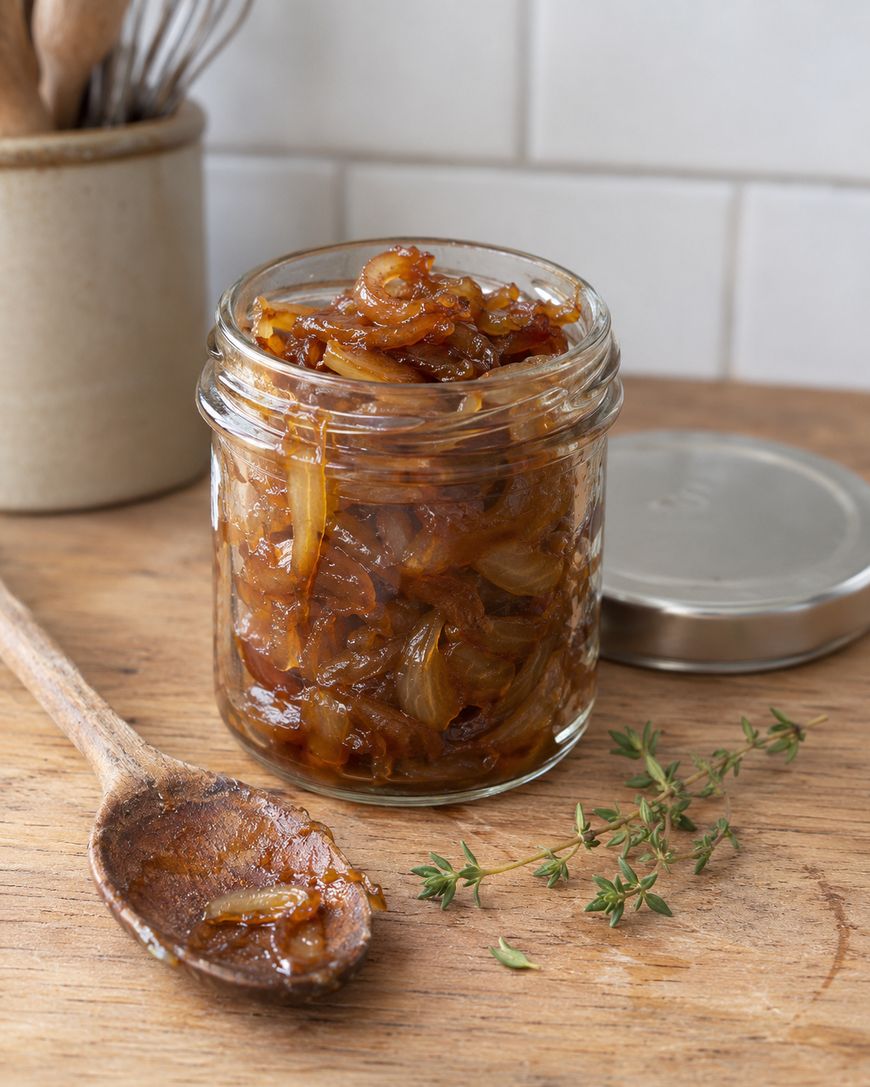
Caramelized onions turn a big pile of sliced yellow onions into a small, jammy heap of deep golden sweetness with nothing more than butter, olive oil, salt, and patience. Every stage is walked through below, and the full printable recipe card is waiting further down the page.
What You Need for Caramelized Onions
Caramelized onions need only five ingredients, so each one matters. You need yellow onions, a mix of butter and olive oil, kosher salt, and a little water for scraping up the browned bits in the pan.
Choosing the Onions
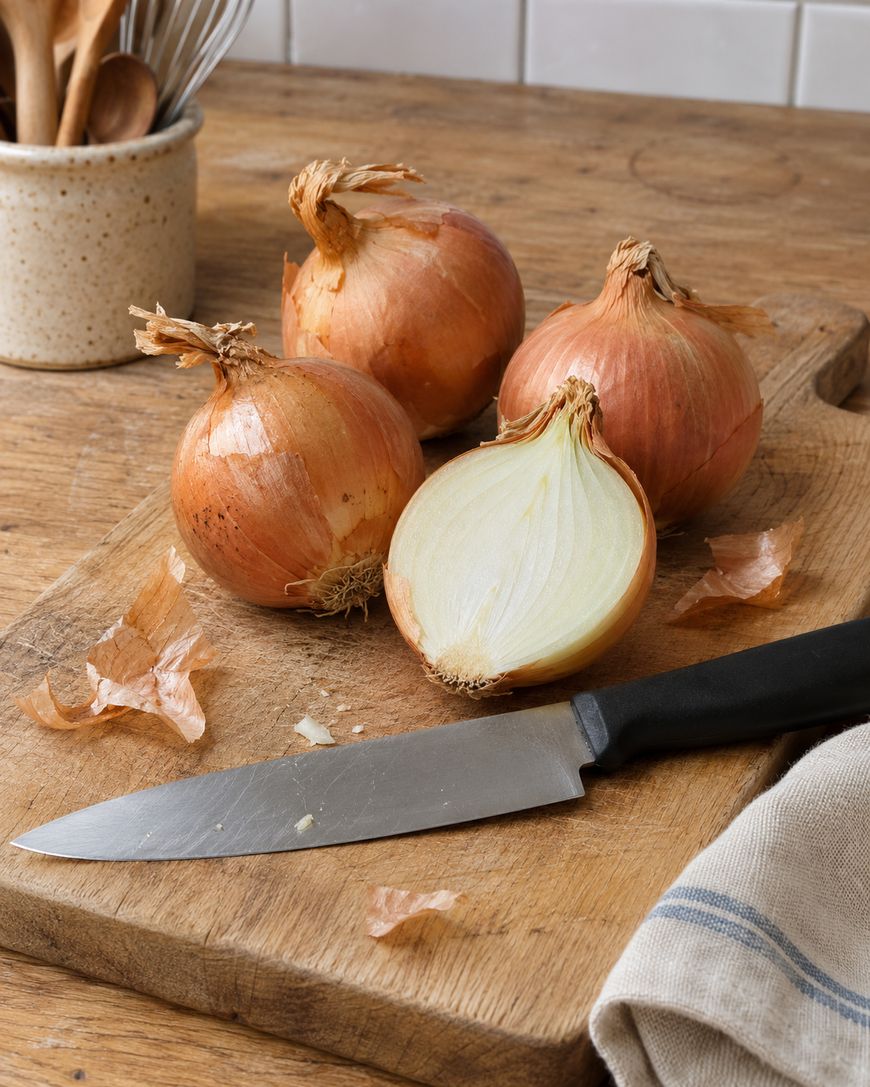
Start with 3 pounds of yellow onions, which is about 4 large ones. Yellow onions have the best balance of natural sugar and sharp, savory flavor, and that sharpness mellows into something rich and almost beefy as they cook.
Sweet onions like Vidalia or Walla Walla work too, but they hold more water and taste milder and sweeter once browned. Red onions caramelize into a darker, slightly purple jam that suits burgers and cheese boards, while white onions stay a little sharper.
Butter and Olive Oil
The fat is 2 tablespoons of unsalted butter plus 1 tablespoon of olive oil. Butter brings the nutty, toasty flavor that makes caramelized onions taste like a restaurant side, and the olive oil keeps the butter solids from scorching during the long cook.
Using unsalted butter lets you control the seasoning, since the onions shrink so much that salt concentrates as they reduce. A regular olive oil is fine here, so save your best extra virgin bottle for drizzling.
Salt and Water
Add 1/2 teaspoon of kosher salt along with the onions. The salt seasons them and also draws out moisture early, which helps the slices soften and collapse instead of frying at the edges.
Keep a cup of water next to the stove, since you will add 3 to 6 tablespoons of it, one spoonful at a time. Each splash lifts the browned layer off the pan and folds that flavor back into the onions.
The Right Pan
Use a 12-inch heavy skillet made of stainless steel or cast iron. A wide pan gives the onions room to spread out, and a heavy base holds steady heat so they brown evenly instead of burning in hot spots.
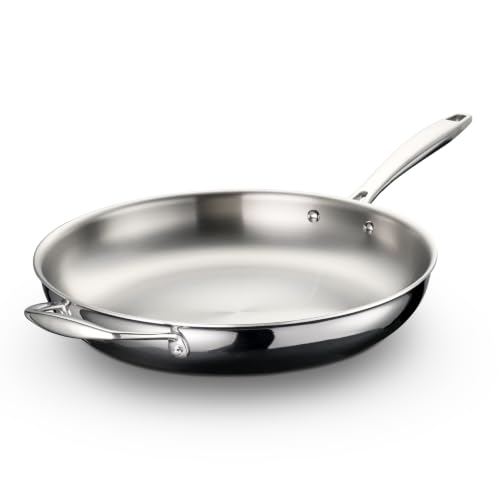
- 12-Inch Fry Pan: Spacious design for family cooking. Generously sized for cooking larger meals, stir-fries, and searing multiple portions at once.
- Tri-Ply Clad Construction: Features an aluminum core for even heat distribution and precise cooking control
- Durable Stainless Steel Construction: NSF-certified for safety and quality, this non-reactive, rust-resistant cookware is built to last. Featuring a mirror-polished exterior and satin-finished interior for a sleek, professional look, it comes backed by a lifetime warranty for your peace of mind.

A nonstick pan works in a pinch, but it does not build up the brown film on the bottom that gives caramelized onions so much of their depth. A smaller pan crowds the slices, so they steam and stew rather than turning golden.
How to Make Caramelized Onions on the Stove
Making caramelized onions on the stove takes about 10 minutes of slicing and about 55 minutes of gentle cooking. Most of that time is hands-off, with a quick stir every few minutes while you get on with the rest of dinner.
Slice the Onions Evenly
Trim the root and stem ends off each onion, peel away the papery skin, and cut it in half from root to tip. Lay each half flat and slice it lengthwise, following the lines on the onion, into strips about 1/4 inch thick.
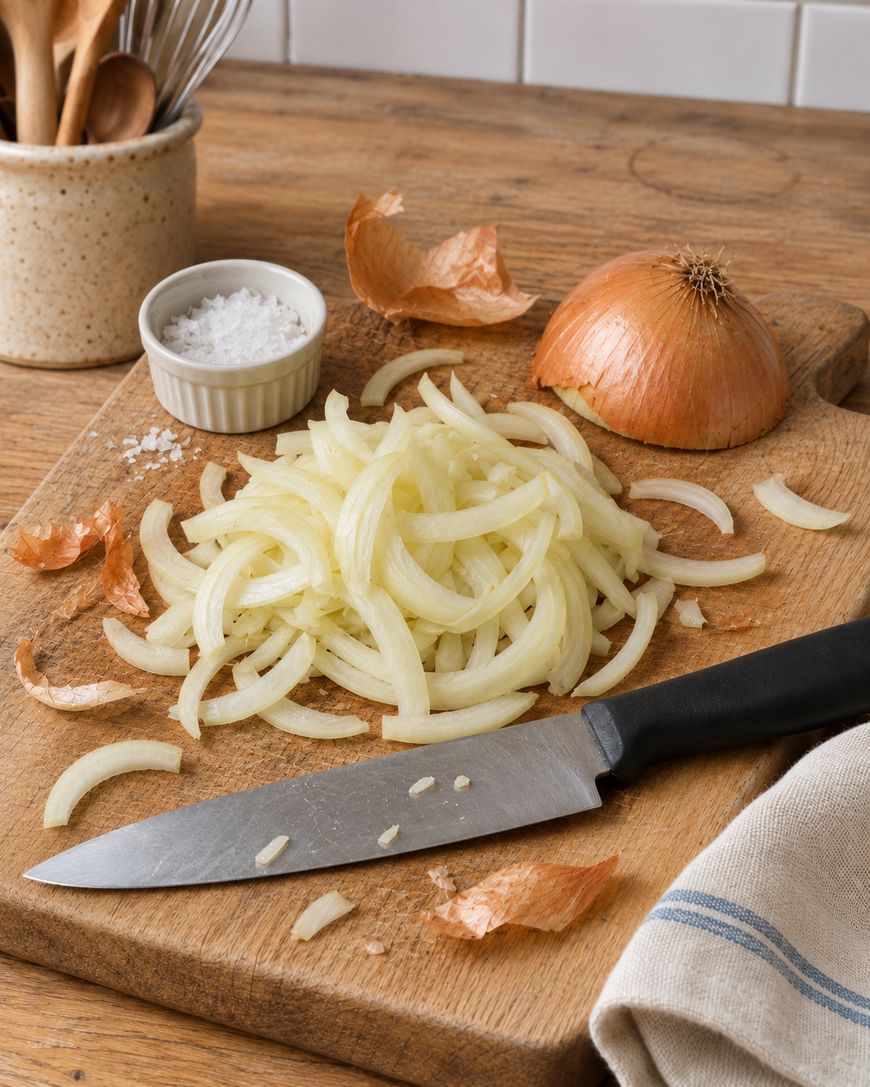
Slicing from root to tip, rather than across the rings, helps the strips keep a little shape so they turn silky instead of mushy. Keeping the slices the same thickness means they all finish at the same time.
Start Over Medium Heat
Set the skillet over medium heat and add the butter and olive oil. When the butter has melted and the foaming dies down, add all the onions and the salt and toss them with a wooden spoon until every strip is coated.
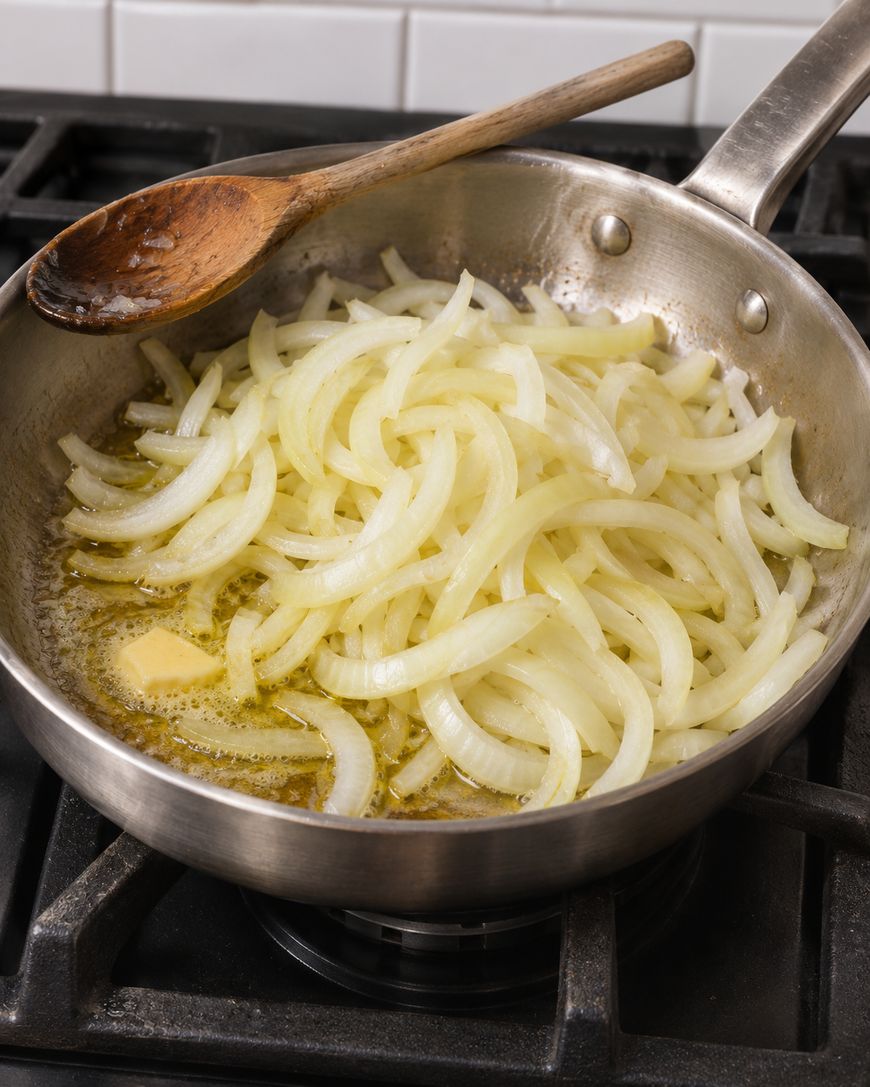
The pan will look overfull at first, but the onions shrink fast. Cook them for about 10 minutes, stirring every couple of minutes, until they soften, release their liquid, and collapse to about half their volume.
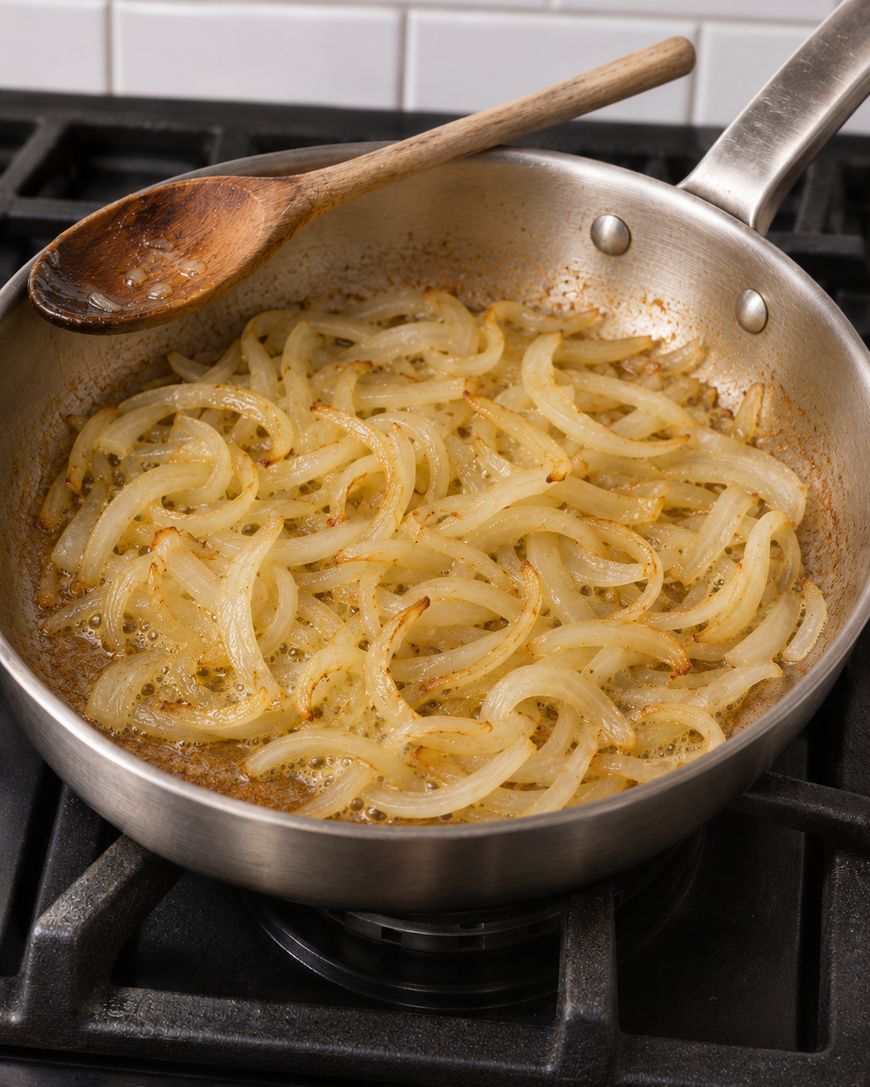
Turn It Down and Let Them Brown
Lower the heat to medium-low and keep cooking for 40 to 45 minutes more. Stir every 5 minutes or so, then spread the onions back into an even layer so they have time to sit against the hot pan and color.
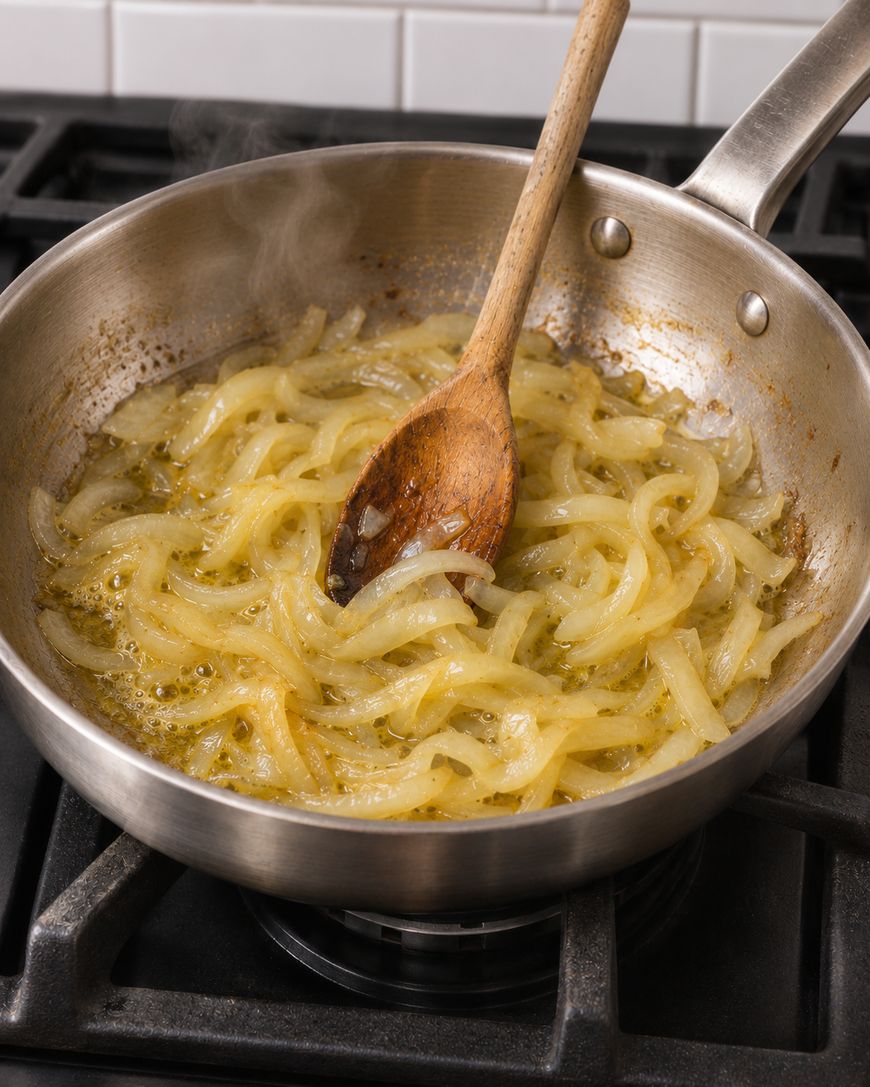
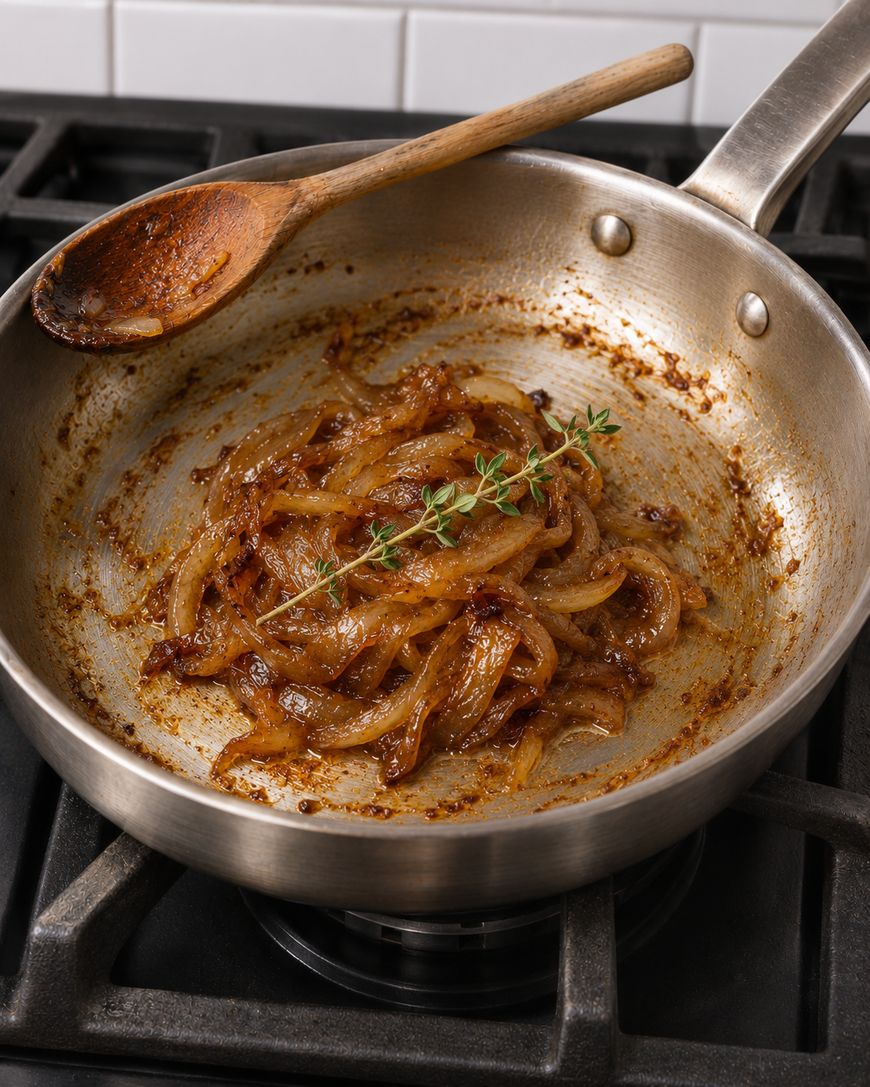
The onions move slowly through stages, from soft and pale to light gold, then to a toasty caramel color, and finally to a deep amber brown. If they start to look dark at the edges before the middle has colored, turn the heat down a touch.
Deglaze as You Go
As the onions cook, a brown film builds up on the bottom of the skillet. Whenever it looks deep brown, add 1 tablespoon of water and scrape the film up with the wooden spoon, stirring it back through the onions.

The water sizzles and evaporates within a minute or so, and the onions pick up a little more color each time. Plan on doing this 3 to 6 times over the full cook.

- Perfect for sauteing vegetables and stir-frying
- Made of solid beechwood, natural oil finish
- Safe for non-stick cookware
Know When They Are Done
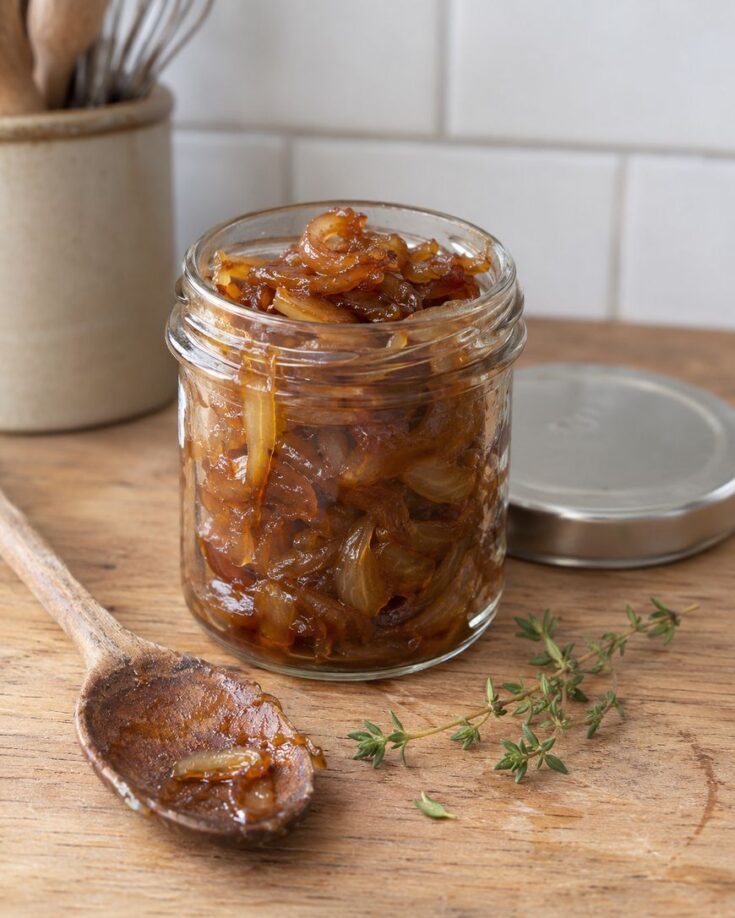
Caramelized onions are done when they are deep amber brown, soft enough to mash with the spoon, and jammy rather than wet or crisp. The full 3 pounds of onions should cook down to about 1 1/2 cups.

Taste them and add a pinch more salt if needed. Use them right away, or let them cool for storing.
Flavor Variations for Caramelized Onions
Caramelized onions are easy to tweak once you have the basic method down. None of these additions are in the ingredient list below, so treat each one as optional and add it on top of the base recipe.
Balsamic Caramelized Onions
For a tangy, glossy finish, stir in 1 tablespoon of balsamic vinegar during the last 2 minutes of cooking. The vinegar cuts through the sweetness and gives the onions a darker, shinier look that is lovely on crostini and pizza.
Thyme and Garlic
Add a few sprigs of fresh thyme along with the onions when you turn the heat down, then pull out the stems at the end. One thinly sliced garlic clove stirred in for the last 5 minutes adds a savory note without any risk of the garlic burning.
Sherry, Wine, or Broth
Swap one or two of the water splashes for dry sherry, red wine, or beef broth. Each one deepens the flavor, and beef broth in particular makes the onions taste ready for French onion soup or a French dip sandwich.
A Little Brown Sugar
If your onions are not very sweet, stir in 1/2 teaspoon of brown sugar with the salt. It helps them color a little faster and rounds out sharper onions, though good yellow onions rarely need it.
Substitutions and Swaps
Caramelized onions are forgiving, so most swaps come down to what is already in your kitchen. Each change shifts the flavor a little, but the method stays exactly the same.
For a dairy-free or vegan batch, replace the butter with another tablespoon of olive oil plus a tablespoon of vegan butter, or use 3 tablespoons of olive oil in total. The onions will taste a little cleaner and less nutty, but they still brown beautifully.
If you only have salted butter, use it and cut the kosher salt to 1/4 teaspoon, then taste at the end. Table salt is saltier by volume than kosher salt, so use about half as much if that is all you have.
Shallots can stand in for some or all of the onions for a more delicate, slightly garlicky result. They are smaller and cook a little faster, so start checking them about 10 minutes early.
How to Store and Freeze Caramelized Onions
Caramelized onions keep well, which is why so many cooks make a big batch on a quiet afternoon. A little planning means you always have a spoonful ready for eggs, sandwiches, and weeknight pasta.
In the Fridge
Let the onions cool, then pack them into an airtight container or a clean glass jar. Refrigerate them within 2 hours of cooking and use them within 4 days, which follows the USDA guidance of 3 to 4 days for cooked leftovers.
In the Freezer
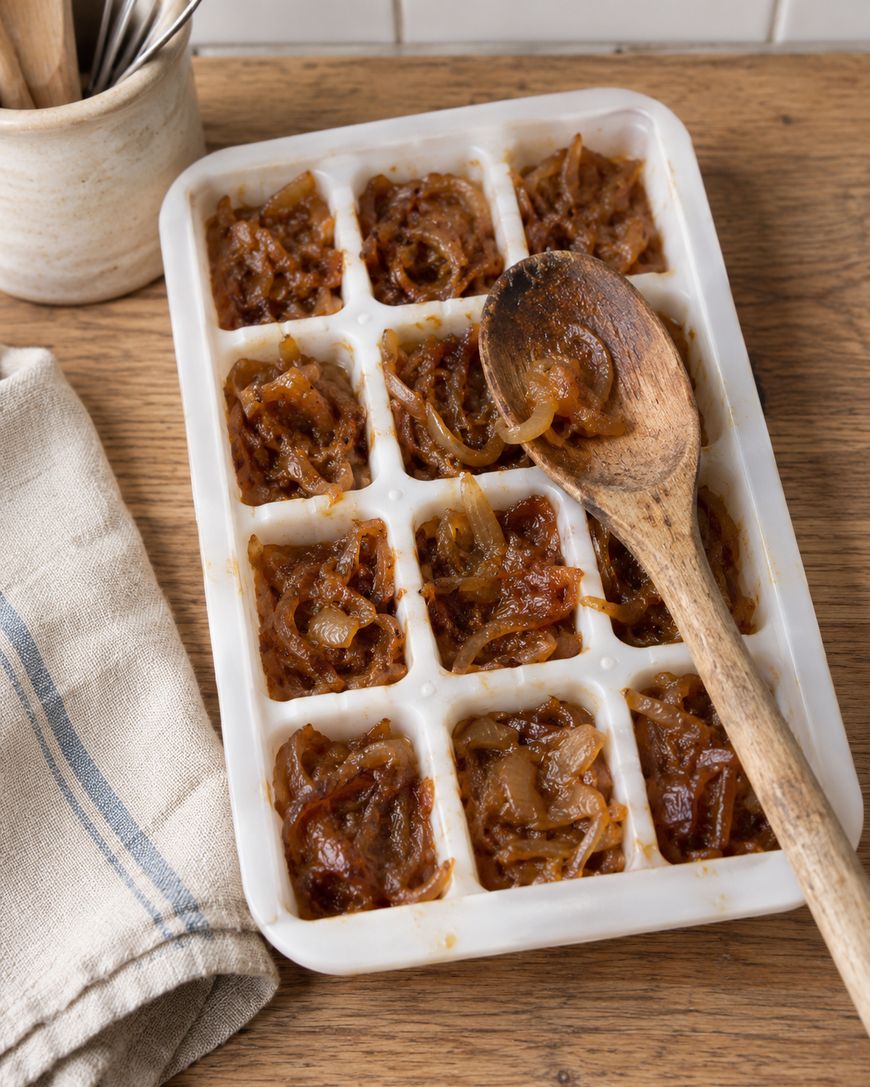
For longer storage, spoon the cooled onions into an ice cube tray, freeze until solid, then pop the cubes into a freezer bag. They keep their best flavor for up to 3 months, and each cube is about 2 tablespoons, which is the perfect amount for a burger or an omelet.
Reheating
Thaw frozen caramelized onions overnight in the fridge, or drop the cubes straight into a warm skillet with a splash of water. Warm them over low heat for a few minutes, stirring, until they are heated through and glossy again.
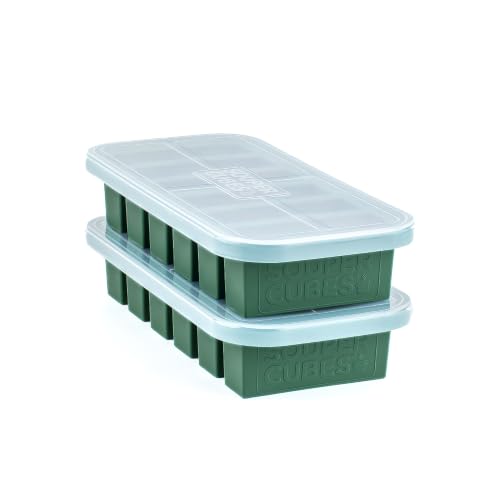
- SAVE TIME & MONEY: Freeze food in perfect 1/2-cup portions and use only what you need, so less food goes to waste. Made from 100% platinum-cured silicone, Souper Cubes freezer trays are microwave, dishwasher & oven safe up to 415°F (without lid) and each tray comes with a lifetime warranty.
- PORTION, FREEZE & REHEAT WITH EASE: Each tray has 1/2 cup and 1/4 cup fill lines in standard & metric units, so you can reheat just what you need for a homemade meal anytime. Ideal for busy parents, meal prep, postpartum recovery, singles & empty nesters.
- STURDY, EASY-RELEASE DESIGN: Thick walls, a steel-reinforced rim & a snug, secure plastic lid makes freezing and stacking mess-free. Frozen portions easily pop out so you can transfer them to freezer or vacuum seal bags, helping keep your freezer organized.
Ways to Serve Caramelized Onions
Caramelized onions add sweet, savory depth to almost anything they touch. Think of them as a ready-made flavor boost rather than a side dish on their own.
Pile them onto burgers with melted Swiss or Gruyere, or onto a grilled steak with a pat of butter. They are also the heart of a patty melt and make a simple grilled cheese taste like something from a bistro.
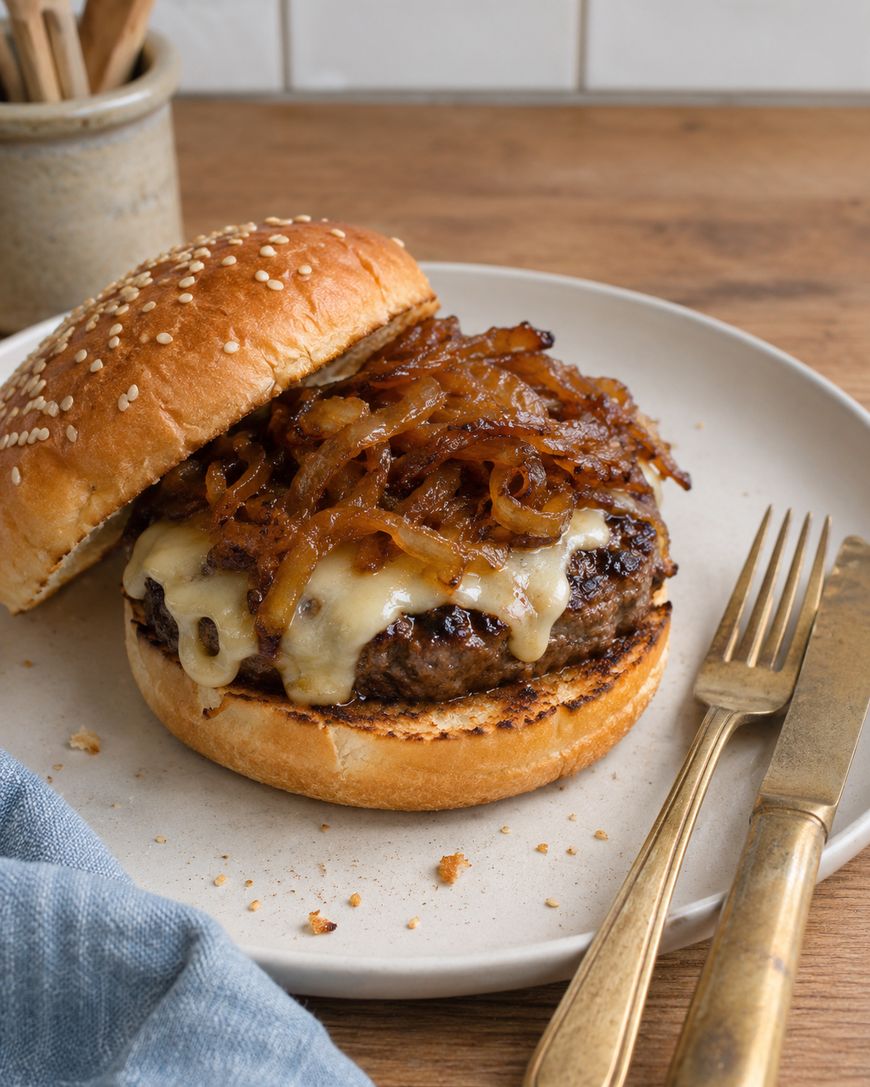
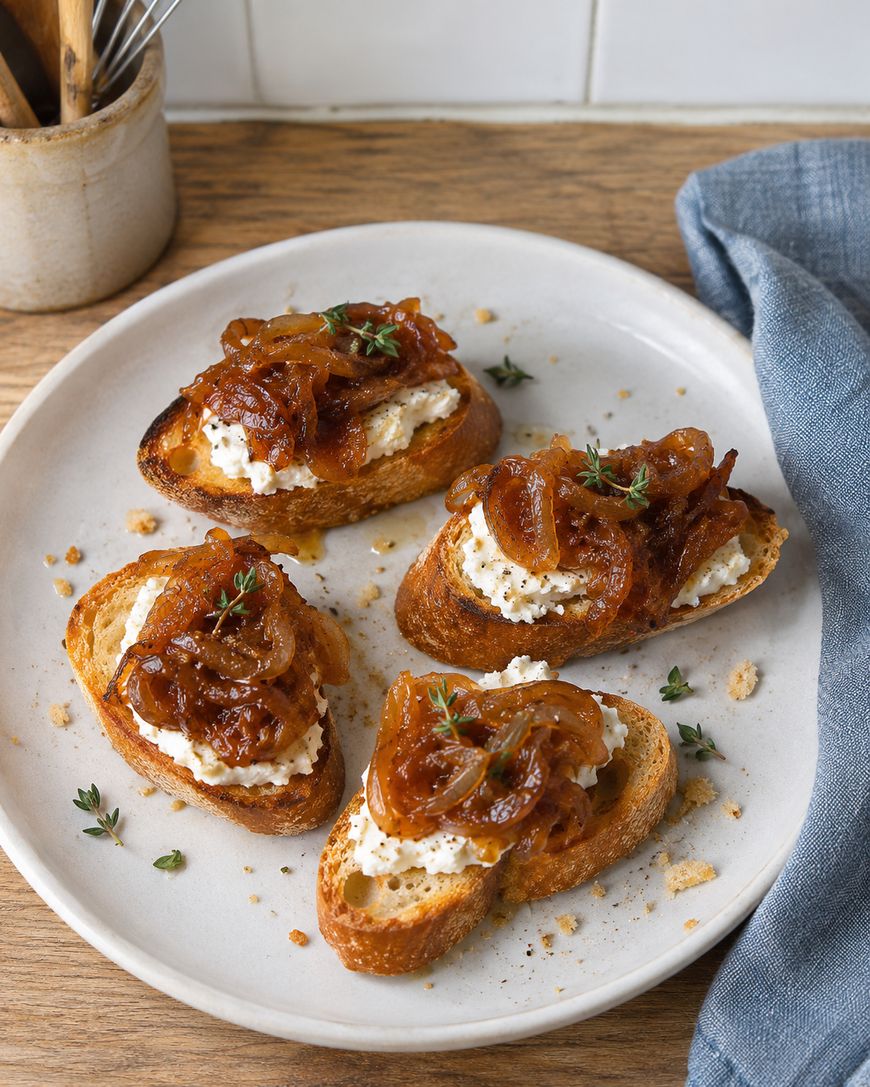
Spread them onto pizza with goat cheese and arugula, or spoon them over toasted crostini with whipped ricotta or Brie for an easy appetizer. A spoonful stirred into French onion dip, mashed potatoes, or a pan of mac and cheese gives the whole dish a deeper, richer flavor.
For breakfast, fold them into an omelet or a frittata with Gruyere and spinach. They also make a quick pasta sauce when tossed with butter, Parmesan, and a splash of pasta water.
Where Caramelized Onions Come From
Slowly browned onions show up in kitchens all over the world, but the French made them famous. Soupe a l’oignon, the French onion soup of Parisian bistros, starts with onions cooked down for close to an hour before any broth goes in.
The southern French tart called pissaladiere, from Nice, tops bread dough with a thick layer of slow-cooked onions, olives, and anchovies. Lyonnaise potatoes from the city of Lyon pair browned onions with crisp sliced potatoes, and onion jam and confit have been spread on bread and cheese boards for generations.
The flavor itself comes from two kinds of browning happening at once. Caramelization breaks down the natural sugars in the onions, while the Maillard reaction between sugars and proteins creates the savory, roasted notes that make them taste so much more complex than raw onions.
When you are ready to cook, the recipe card below has every quantity and step in one printable place.
Caramelized Onions
Sliced yellow onions cooked low and slow in butter and olive oil until they turn soft, jammy, deep amber brown and naturally sweet, perfect for burgers, toast, pizza and pasta.
Ingredients
- 3 pounds yellow onions (about 4 large)
- 2 tablespoons unsalted butter
- 1 tablespoon olive oil
- 1/2 teaspoon kosher salt
- 3 to 6 tablespoons water, for deglazing
Instructions
- Trim the ends off the onions, peel them, cut each one in half from root to tip, and slice each half lengthwise into strips about 1/4 inch thick.
- Set a 12-inch heavy stainless steel or cast iron skillet over medium heat and add the butter and olive oil.
- When the butter has melted and the foaming dies down, add the onions and the salt and toss with a wooden spoon to coat.
- Cook for about 10 minutes, stirring every couple of minutes, until the onions soften, release their liquid and collapse to about half their volume.
- Lower the heat to medium-low and cook for 40 to 45 minutes more, stirring about every 5 minutes and spreading the onions back into an even layer.
- Whenever a deep brown film builds up on the bottom of the pan, add 1 tablespoon of water and scrape it up, stirring it back through the onions.
- Cook until the onions are deep amber brown, soft and jammy, and have reduced to about 1 1/2 cups; turn the heat down a touch if the edges darken before the middle colors.
- Taste, add a pinch more salt if needed, and use right away or cool for storage.
Notes
A wide, heavy stainless steel or cast iron pan gives the best browning; a nonstick pan works but builds less flavor. For balsamic caramelized onions, stir in 1 tablespoon of balsamic vinegar during the last 2 minutes. If using salted butter, cut the kosher salt to 1/4 teaspoon. Refrigerate cooled onions within 2 hours of cooking in an airtight container and use within 4 days, in line with USDA guidance of 3 to 4 days for cooked leftovers. To freeze, portion into an ice cube tray, freeze until solid, then bag for up to 3 months; thaw overnight in the fridge or reheat from frozen in a skillet with a splash of water.
Nutrition Information:
Yield:
6Serving Size:
1/4 cupAmount Per Serving: Calories: 145Total Fat: 6gSaturated Fat: 3gSodium: 105mgCarbohydrates: 21gFiber: 4gSugar: 10gProtein: 2g
Caramelized Onion Questions and Answers
How long does it take to caramelize onions?
Properly caramelized onions take about 55 minutes on the stove, plus about 10 minutes of slicing. Recipes promising 10 or 15 minutes usually produce browned or fried onions, which taste good but lack the soft, jammy texture and deep sweetness.
Why are my caramelized onions burning?
Burning usually means the heat is too high or the onions are spread too thin in a pan that is too big for the batch. Turn the heat down, add a tablespoon of water to lift any dark spots, and stir a little more often.
What are the best onions for caramelizing?
Yellow onions are the best all-around choice because they balance sweetness with savory depth. Sweet onions turn milder and sweeter, red onions give a darker jam, and shallots make a more delicate version.
Do you need sugar to caramelize onions?
No, onions have plenty of natural sugar on their own and will caramelize without any help. A small pinch of brown sugar can help very mild or very sharp onions along, but it is optional.
Can you make caramelized onions ahead of time?
Yes, and they are an ideal make-ahead ingredient. Refrigerate them in an airtight container for up to 4 days, or freeze them in portions for up to 3 months.
Why This Recipe Works
This recipe works because it gives the onions enough time at a gentle heat for their sugars to brown slowly instead of scorching. Starting over medium heat drives off the water quickly, and then dropping to medium-low lets the color build evenly through the whole pan.
The butter and olive oil team up so you get butter’s toasty flavor without the milk solids burning over a long cook. Salting at the start pulls moisture from the onions so they collapse and soften before they begin to brown.
Deglazing with small splashes of water is the step that turns good onions into great ones. The brown film on the pan is concentrated onion flavor, and scraping it back in again and again layers that flavor through every strip.
Make a Batch of Caramelized Onions This Week
These caramelized onions turn 3 pounds of humble yellow onions into a jar of jammy, deep golden flavor that makes burgers, toast, pasta, and eggs taste better. Set aside an hour this week, put on a podcast, and keep a few cubes in the freezer so you are always one spoonful away from a better dinner.
Tennessee Onions With Tender Sweet Layers and a Buttery Ritz Cheddar Crust
This post contains affiliate links. A full disclosure is available from the main menu.