Last updated: October 22, 2026
This chimichurri sauce takes just 15 minutes of chopping and stirring, plus a short chill, and gives you a bright, garlicky herb sauce for steak, chicken, and roasted vegetables.
Scroll down to the recipe card for the full ingredient list and steps, or keep reading for every detail you need to get it right the first time.
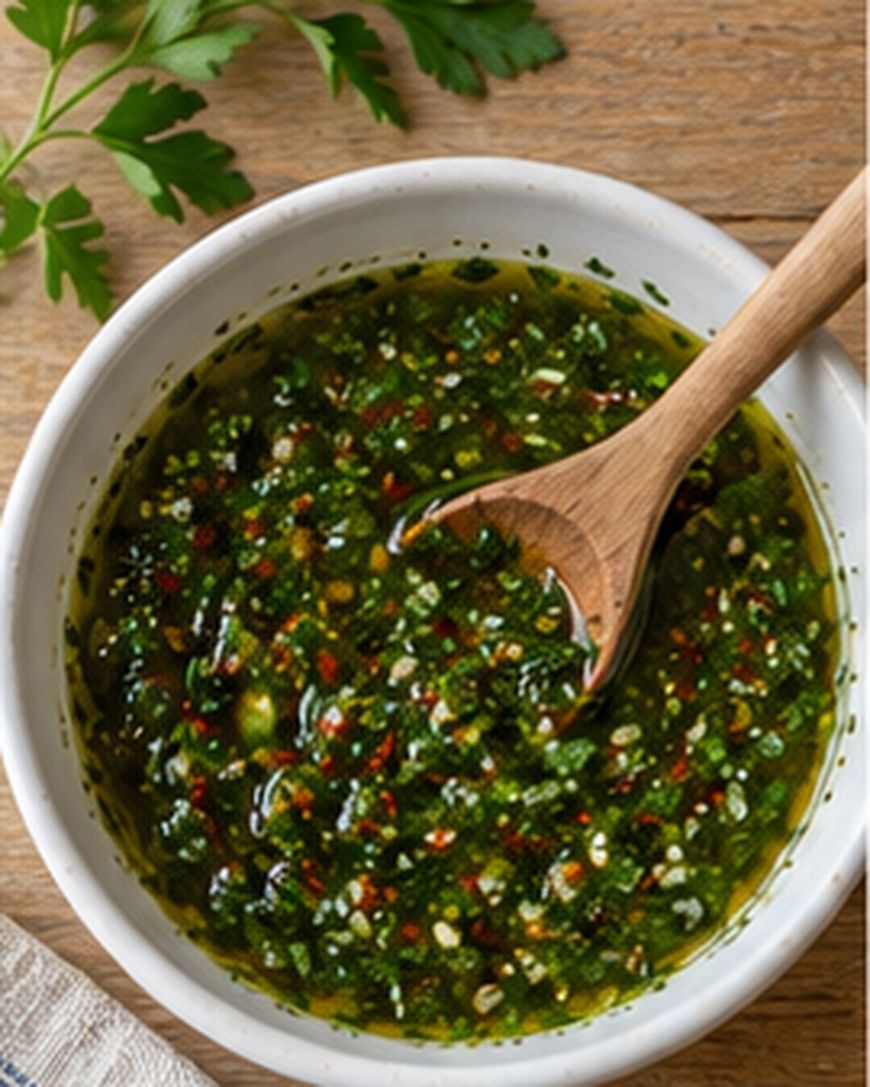
How to Make Chimichurri Sauce Step by Step
Chimichurri sauce is a no-cook mix of finely chopped parsley, garlic, oregano, red wine vinegar, and olive oil, and the whole process takes about 15 minutes of hands-on time. This method makes about 1 cup, which is enough for eight 2 tablespoon servings.
What You Need
For one batch, gather 1 cup of tightly packed fresh flat-leaf parsley, which is about one large bunch with the thick stems trimmed off. You also need 2 tablespoons of fresh oregano leaves, 4 garlic cloves, 1/2 cup of extra virgin olive oil, and 3 tablespoons of red wine vinegar.
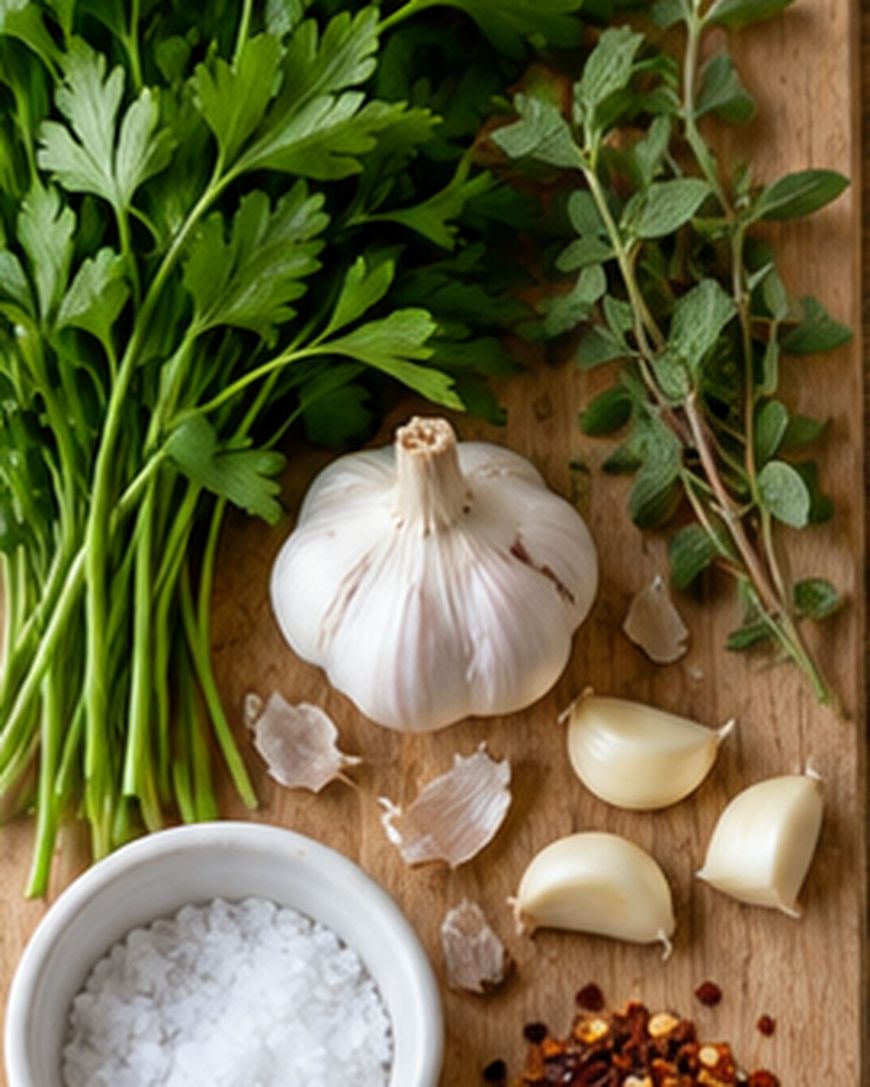
Round it out with 1/2 teaspoon of red pepper flakes, 3/4 teaspoon of kosher salt, and 1/4 teaspoon of black pepper. Beyond that, all you need is a sharp chef’s knife and a medium bowl.
Chop the Herbs by Hand
Wash the parsley and oregano, then dry them completely with a clean towel or a salad spinner. Wet herbs turn the sauce watery and dull the flavor.
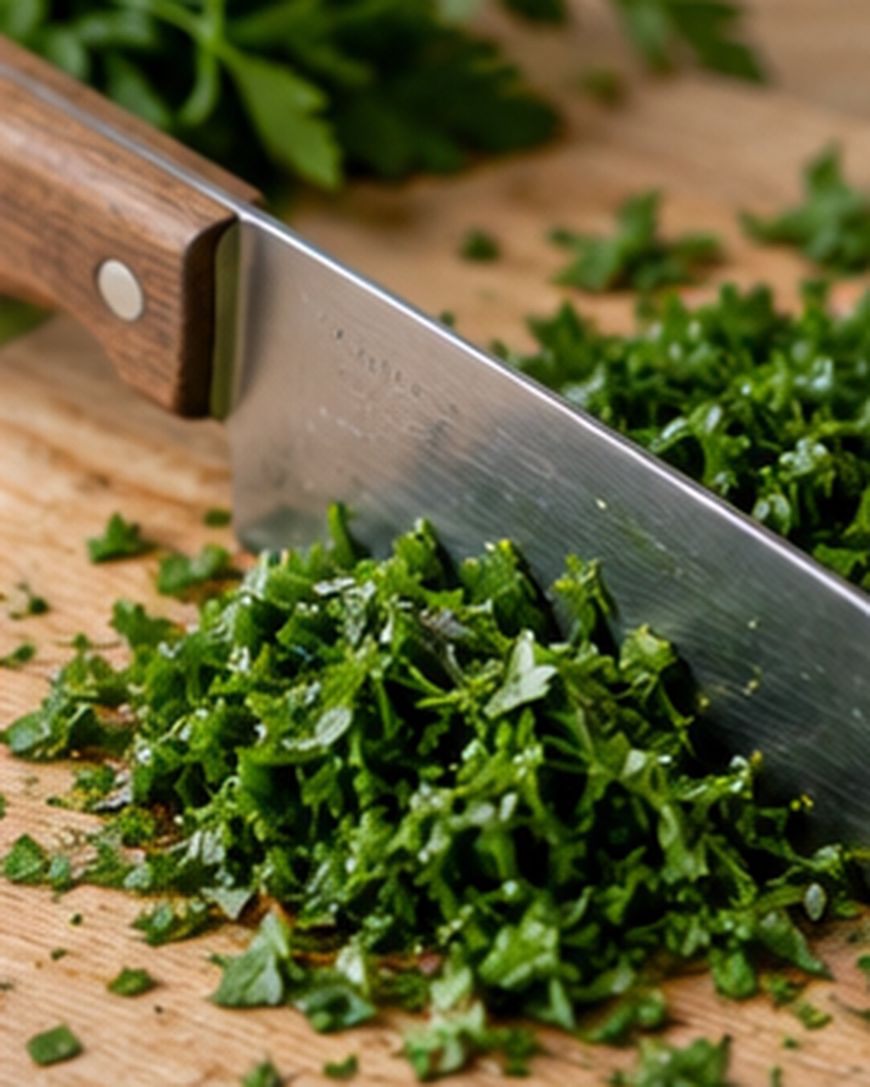
Chop the parsley and oregano finely, until the pieces are about the size of coarse sand, then scrape them into the bowl. A sharp blade slices the leaves cleanly, while a dull one bruises them and leaves the sauce dark and muddy.

Add the Garlic and Seasonings
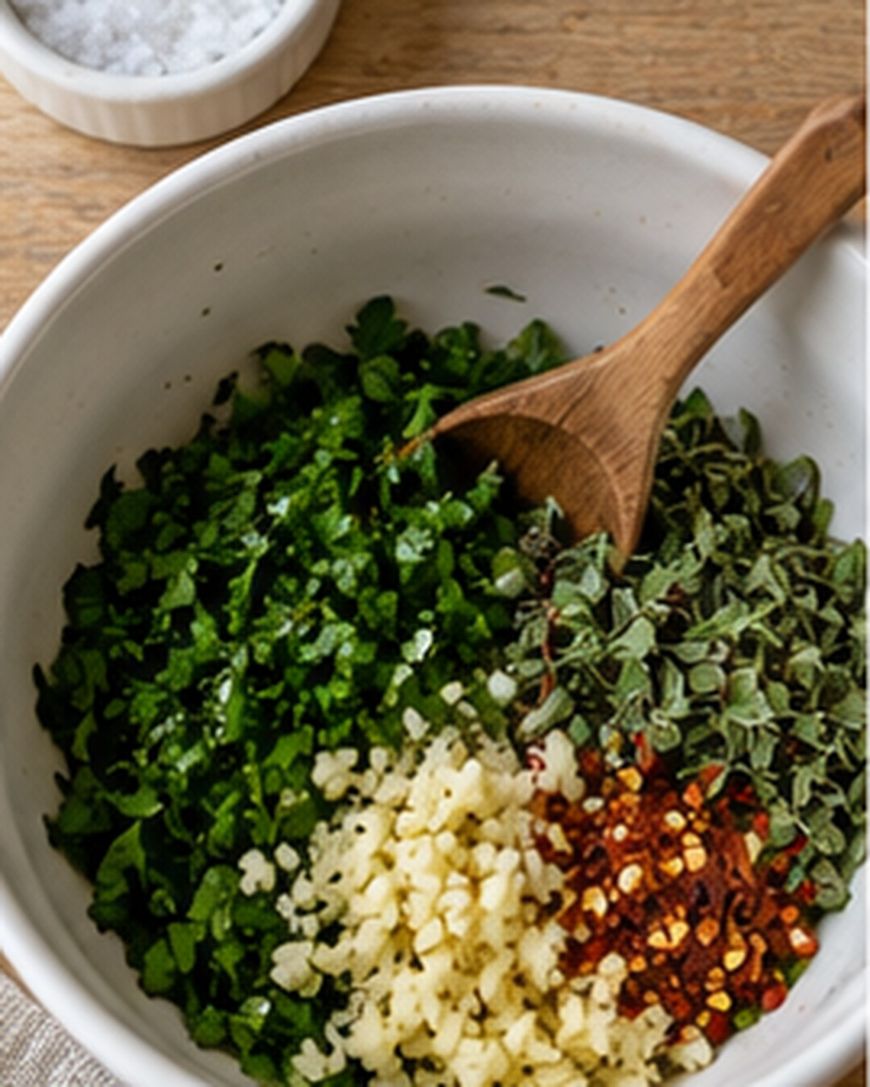
Mince the 4 garlic cloves as finely as you can and add them to the bowl with the red pepper flakes, kosher salt, and black pepper. Stir until the garlic is spread evenly through the herbs.
Add the Vinegar First, Then the Oil
Pour in the 3 tablespoons of red wine vinegar, stir, and let the bowl sit for 10 minutes. This short rest softens the raw bite of the garlic and lets the salt start pulling flavor out of the herbs.

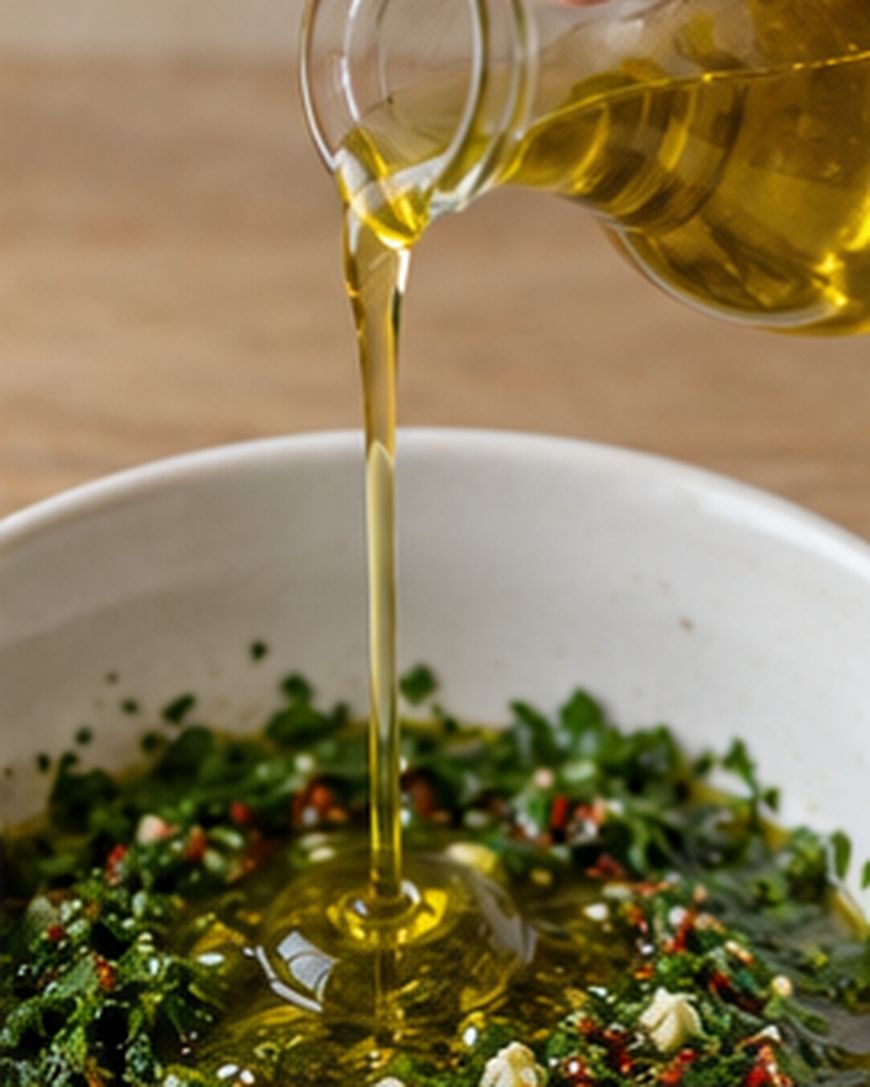
Stir in the 1/2 cup of olive oil until every bit of herb is coated and the sauce looks loose and spoonable. Adding the oil last lets the vinegar and salt work on the garlic and herbs first, which gives you a brighter, more balanced flavor.
Chill Before Serving
Cover the bowl and refrigerate it for at least 30 minutes so the flavors can blend. Because this sauce contains fresh garlic in oil, keep it in the refrigerator until you are ready to serve.
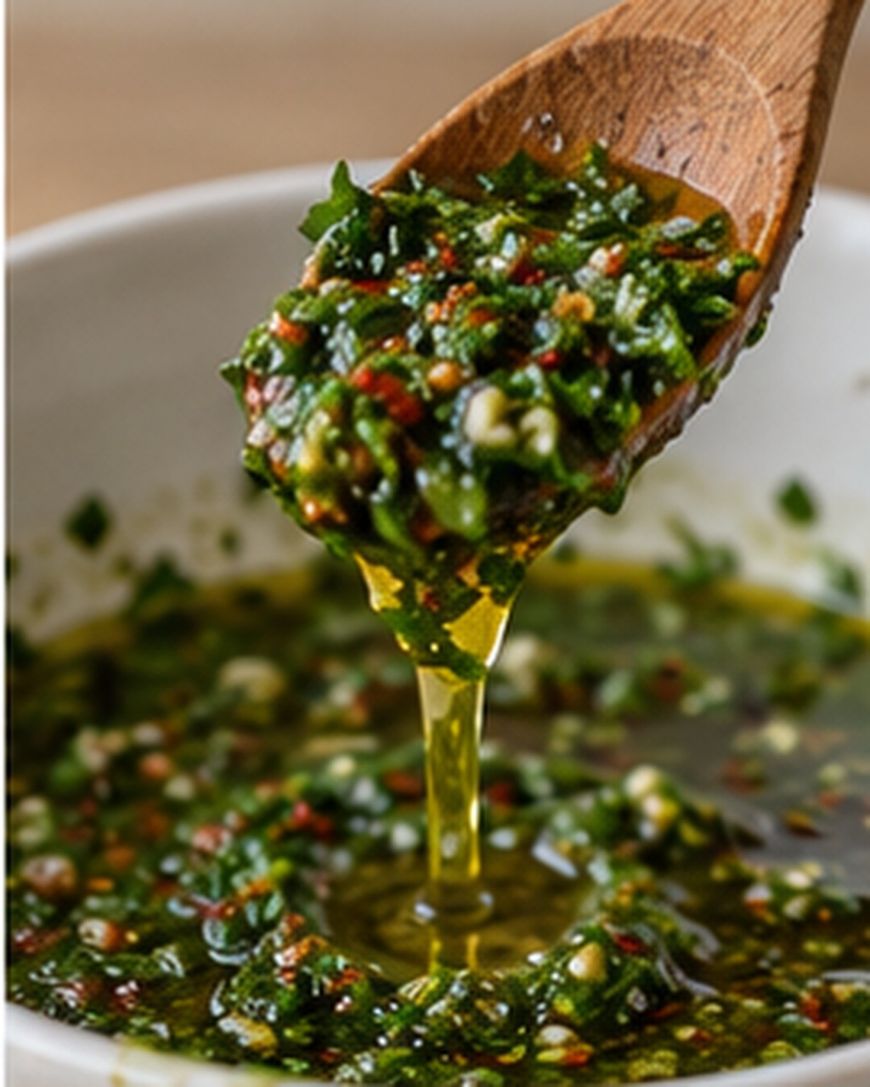
Give it a final stir, taste it, and add a pinch of salt or a splash of vinegar if it needs it. The sauce should taste bright, salty, and tangy, with a gentle kick from the red pepper flakes.
Tips for the Best Chimichurri Sauce
Choose the Right Parsley
Flat-leaf parsley, also called Italian parsley, is the best choice because it has a stronger, grassier flavor than curly parsley. Curly parsley works in a pinch, but the sauce tastes milder and the texture turns fluffy instead of crisp.
Trim off the thick lower stems and use the leaves and tender top stems only. Tough stems make the sauce stringy and can add a bitter edge.
Why Hand Chopping Beats a Blender
Hand chopping gives you distinct flecks of herb suspended in the oil, which is the classic look and texture of chimichurri. A blender turns the sauce into a smooth green paste, and the heat from the blades can dull the color.
A food processor is faster and works if you pulse in short bursts, but the card below chops by hand, so that is the method we recommend. Stop pulsing as soon as the herbs look coarsely chopped.
Substitutions and Variations
If you only have dried oregano, use 2 teaspoons in place of the fresh, although the card below calls for fresh. Sherry vinegar or fresh lemon juice can replace the red wine vinegar one for one, and the card below leaves both out, so treat them as optional swaps.
A handful of chopped cilantro stirred in is a popular twist, and it is also not part of the card, so treat it as optional too. For a milder sauce, cut the red pepper flakes in half, or add a minced fresh chile if you want more heat.
How to Store Chimichurri Sauce Safely
Store chimichurri sauce in a covered container in the refrigerator at 40°F or lower for no more than 4 days. That limit comes from the National Center for Home Food Preservation, which warns that garlic and oil mixtures stored at room temperature are at risk for botulism.
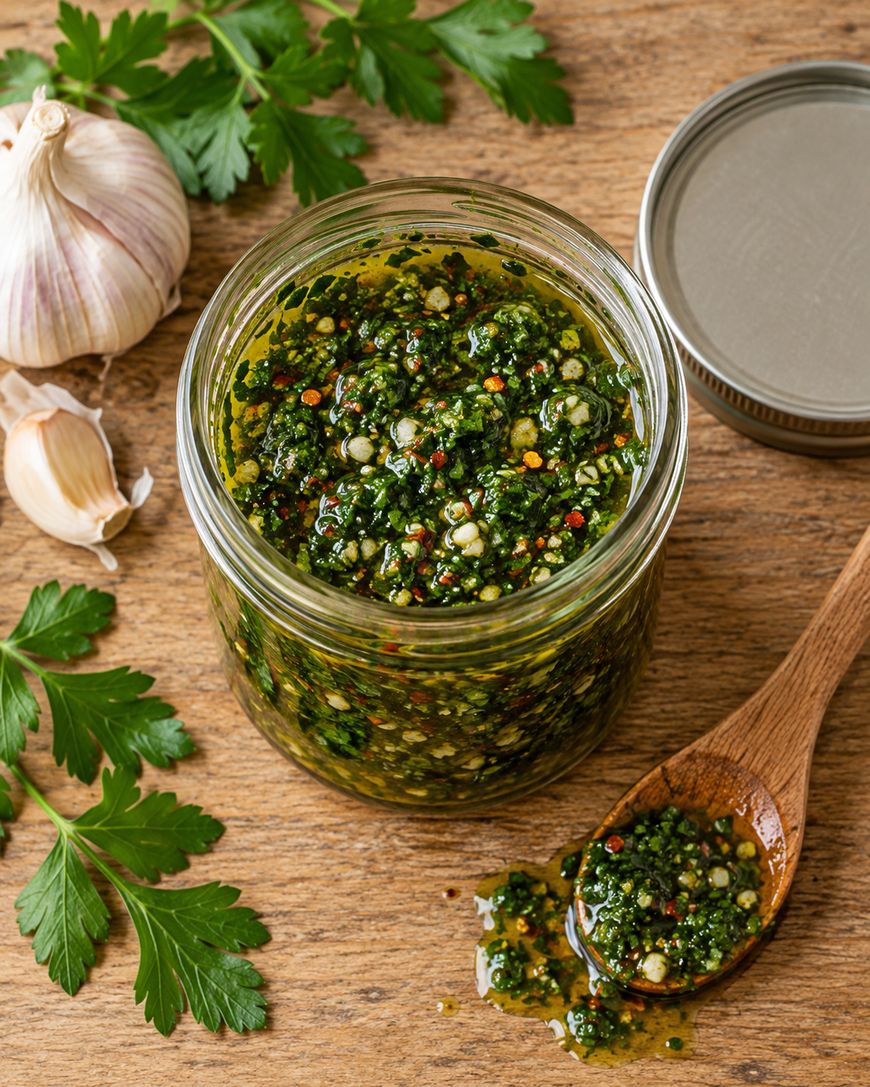
The vinegar in this recipe adds acidity, but we follow the same cautious guidance and never leave chimichurri sitting on the counter. When you serve it, put leftovers back in the fridge within 2 hours, or within 1 hour if it is hotter than 90°F outside, which matches the general USDA rule for perishable foods.
For longer storage, the National Center for Home Food Preservation says garlic in oil can be frozen. Spoon the sauce into an ice cube tray, freeze until solid, then move the cubes to a freezer bag and thaw only what you need in the refrigerator.
Keep thawed sauce cold and use it promptly. Never serve sauce that has been brushed onto raw meat, and set aside a separate portion for the table before you start cooking.
What to Serve With Chimichurri Sauce
Steak and Grilled Meats
The classic pairing is grilled steak, especially skirt steak, flank steak, and ribeye. Spoon the sauce over sliced meat just before serving so the herbs stay bright green.
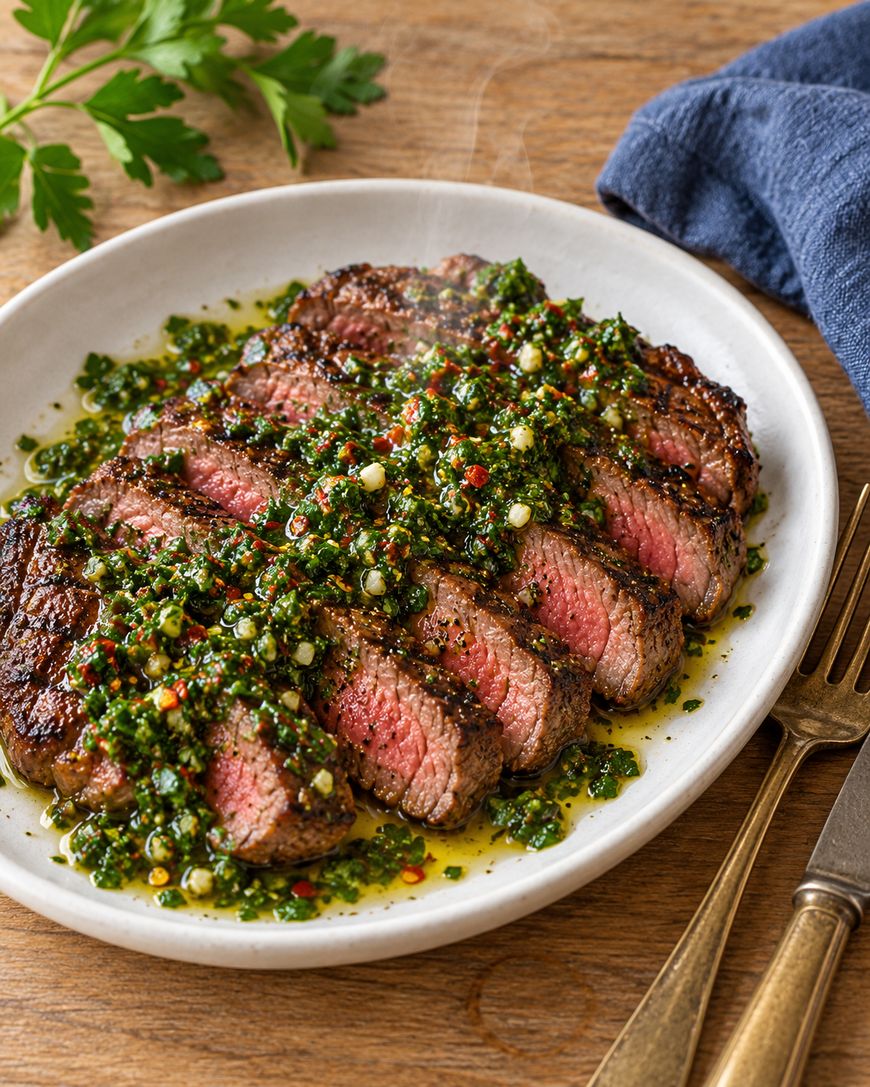
Chimichurri sauce is just as good on grilled chicken thighs, pork chops, and sausages. The tangy vinegar and fresh parsley cut through rich, charred meat.
Chicken, Fish, and Vegetables
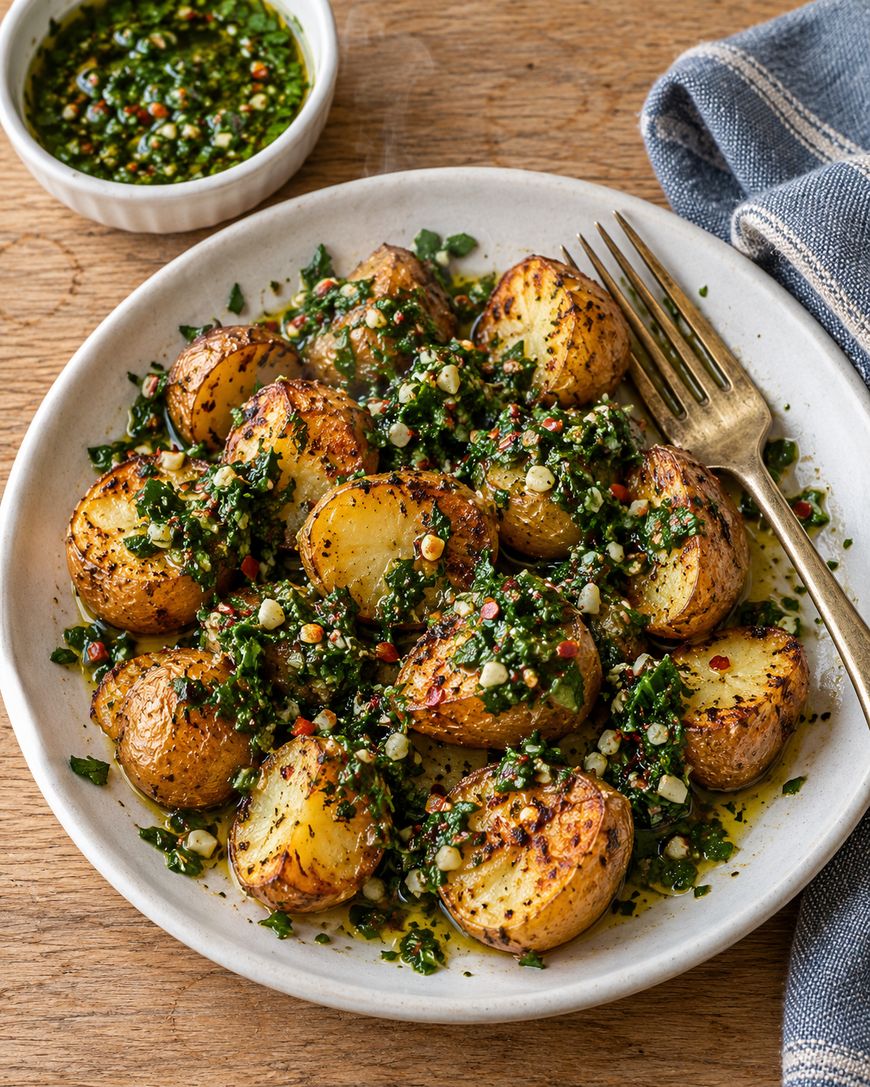
Spoon chimichurri sauce over seared shrimp, baked salmon, or grilled white fish for a fresh, herby finish. It also turns roasted potatoes, grilled zucchini, and roasted cauliflower into a main dish.
Breads, Eggs, and Bowls
Spread chimichurri sauce on toasted crusty bread, or serve a small bowl alongside for dipping. It also wakes up scrambled eggs, grain bowls, and sandwiches.

Where Chimichurri Sauce Comes From
Chimichurri sauce is the signature condiment of Argentina, where it is served alongside grilled meats at an asado, and it is also popular in Uruguay. The classic green version, chimichurri verde, uses parsley, garlic, oregano, vinegar, and oil, much like the recipe here.
Food writers have offered several stories about where the name came from, but none of them is firmly proven. A red version, chimichurri rojo, adds paprika and sometimes red pepper or tomato for a deeper, slightly sweeter flavor.
The sauce has since spread far beyond South America and now shows up on steakhouse tables around the world. Its fresh, sharp flavor is a big reason why.
Ready to cook? Use the recipe card below for the full ingredient list and step-by-step directions.
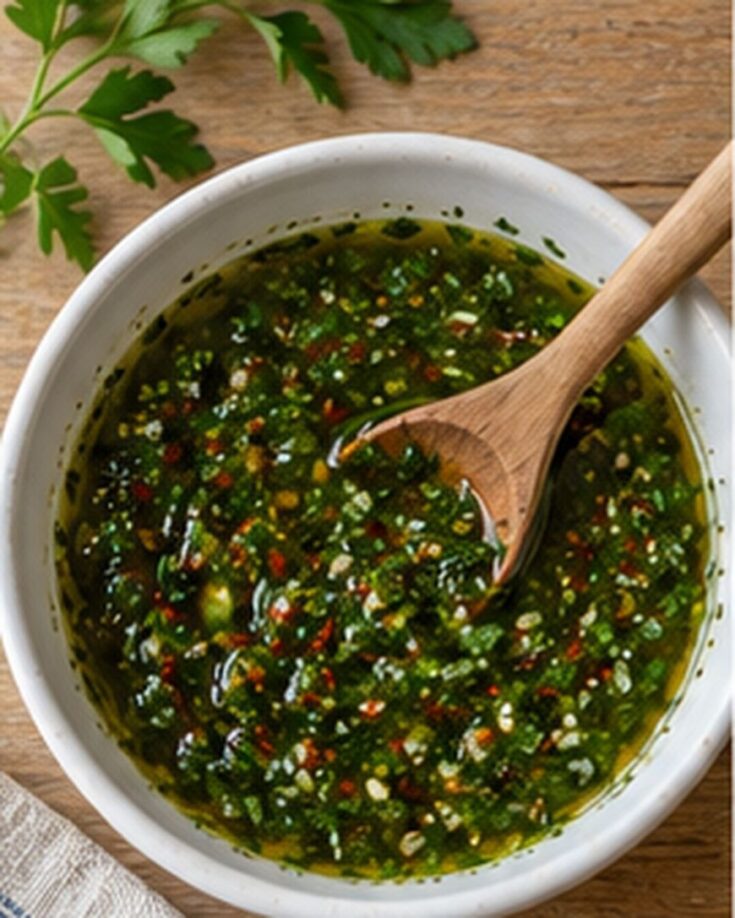
Chimichurri Sauce
A bright, garlicky Argentine-style herb sauce made with fresh parsley, oregano, garlic, red wine vinegar, and olive oil. Spoon it over grilled steak, chicken, or roasted vegetables.
Ingredients
- 1 cup packed fresh flat-leaf parsley leaves, finely chopped
- 2 tablespoons fresh oregano leaves, finely chopped
- 4 garlic cloves, minced
- 1/2 cup extra virgin olive oil
- 3 tablespoons red wine vinegar
- 1/2 teaspoon red pepper flakes
- 3/4 teaspoon kosher salt
- 1/4 teaspoon black pepper
Instructions
- Wash the parsley and oregano and dry them completely. Finely chop both by hand and add them to a medium bowl.
- Mince the garlic and add it to the bowl with the red pepper flakes, kosher salt, and black pepper. Stir to combine.
- Pour in the red wine vinegar, stir, and let the bowl sit for 10 minutes.
- Stir in the olive oil until all of the herbs are coated.
- Cover and refrigerate for at least 30 minutes so the flavors can blend.
- Stir, taste, and add a pinch of salt or a splash of vinegar if needed. Serve cool over grilled steak, chicken, fish, or vegetables.
Notes
Because this sauce contains fresh garlic in oil, keep it refrigerated. Store in a covered container in the refrigerator at 40°F or lower for no more than 4 days (National Center for Home Food Preservation). Do not store at room temperature. To keep longer, freeze in an ice cube tray, transfer the frozen cubes to a freezer bag, and thaw only what you need in the refrigerator. Do not serve sauce that has touched raw meat; set aside a separate portion for the table. Dried oregano (2 teaspoons), sherry vinegar, lemon juice, or chopped cilantro are optional swaps and additions.
Nutrition Information:
Yield:
8Serving Size:
2 tablespoonsAmount Per Serving: Calories: 125Total Fat: 13.5gSaturated Fat: 1.9gSodium: 230mgCarbohydrates: 1.5gFiber: 0.6gSugar: 0.1gProtein: 0.4g
Chimichurri Sauce Questions Answered
How long does chimichurri sauce last?
Chimichurri sauce keeps for no more than 4 days in the refrigerator at 40°F or lower, according to the National Center for Home Food Preservation. Do not store it at room temperature.
Can you make chimichurri sauce ahead of time?
Yes, and the flavor improves as it sits. Make it up to 4 days ahead, keep it refrigerated the whole time, and stir it well before serving because the oil separates as it chills.
Why is my chimichurri sauce bitter?
Bitterness usually comes from too many thick parsley stems or from over-processing the herbs in a blender. Use mostly leaves, chop by hand, and use fresh extra virgin olive oil.
Is chimichurri sauce spicy?
This version has a mild warmth from 1/2 teaspoon of red pepper flakes. Cut the flakes in half for a gentler sauce or add more if you like heat.
Can you freeze chimichurri sauce?
Yes, freezing is the safest way to keep it longer. Freeze the sauce in an ice cube tray, move the frozen cubes to a freezer bag, and thaw only what you need in the refrigerator.
Why This Chimichurri Sauce Recipe Works
This chimichurri sauce works because every step is simple and each ingredient has a job. Hand chopping the parsley and oregano gives you distinct flecks of herb that stay bright green and hold their flavor in the oil.
Stirring the garlic, salt, and red pepper flakes with the vinegar and letting the bowl sit for 10 minutes softens the raw bite of the garlic before the oil goes in. The ratio of 1/2 cup of olive oil to 3 tablespoons of red wine vinegar keeps the sauce loose and spoonable while still tasting tangy.
Chilling the finished sauce for at least 30 minutes lets the flavors blend, and keeping it cold is also what keeps it safe to store. There is no cooking, no special equipment, and very little cleanup.
Make Chimichurri Sauce for Your Next Meal
Now you have everything you need to make chimichurri sauce at home, from choosing the right parsley to storing leftovers safely. Grab a bunch of flat-leaf parsley, stir up a batch, and spoon it over whatever is on the grill tonight.
Save the recipe so it is ready for your next cookout, and let us know in the comments how you served your chimichurri sauce.
The Easy Sofrito Recipe That Makes Every Pot of Beans Taste Better
Silky Lemon Caper Sauce Ready in 25 Minutes for Chicken, Fish, and Veggies