Last updated: August 23, 2026
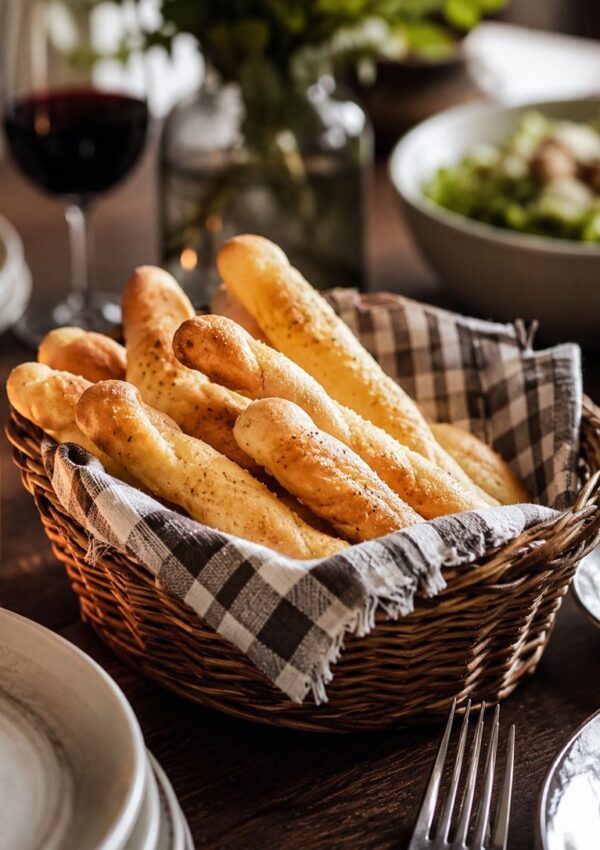
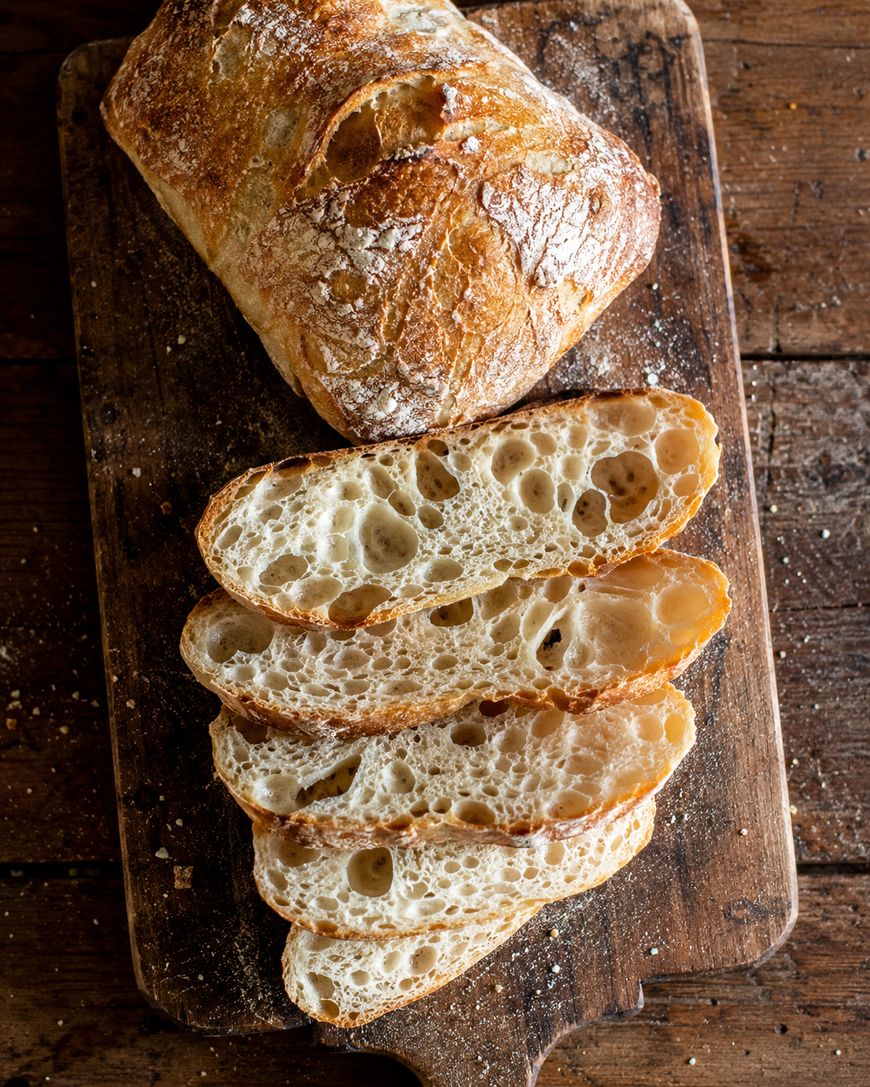
This ciabatta bread recipe delivers an authentic Italian loaf with a crackling crust and a light, hole-filled crumb that soaks up olive oil and holds sandwich fillings without turning soggy.
Check out the recipe card below for exact measurements and a printable version you can take straight to the kitchen.
What Is Ciabatta and Where Did It Come From
Ciabatta, which translates from Italian as “slipper,” was created in 1982 by Arnaldo Cavallari in Adria, a town in the Veneto region of northeastern Italy.
Cavallari developed the bread in direct response to the French baguette, which had become popular throughout Italy, threatening traditional Italian baking culture.
The name was inspired by the flat, elongated shape of the loaf, which resembles a worn slipper.
Within a decade, ciabatta had spread across Europe and into North America, where it became a staple of artisan bakeries and home kitchens alike.
Unlike most European breads, ciabatta relies on a very wet dough, known as a high-hydration dough, which is what creates its signature open crumb and chewy interior.
Understanding the Dough: High Hydration and the Biga
The hallmark of a great ciabatta bread recipe is the biga, a pre-ferment made from flour, water, and a tiny amount of yeast that develops complex flavor overnight.
The biga ferments for eight to twelve hours at room temperature, building acidity and depth that a same-day dough simply cannot replicate.
The Biga
To make the biga, combine 250 grams of bread flour, 175 grams of room-temperature water, and a quarter teaspoon of instant yeast in a bowl.
Stir until no dry flour remains, cover tightly with plastic wrap, and leave it at room temperature for at least eight hours, or up to twelve.
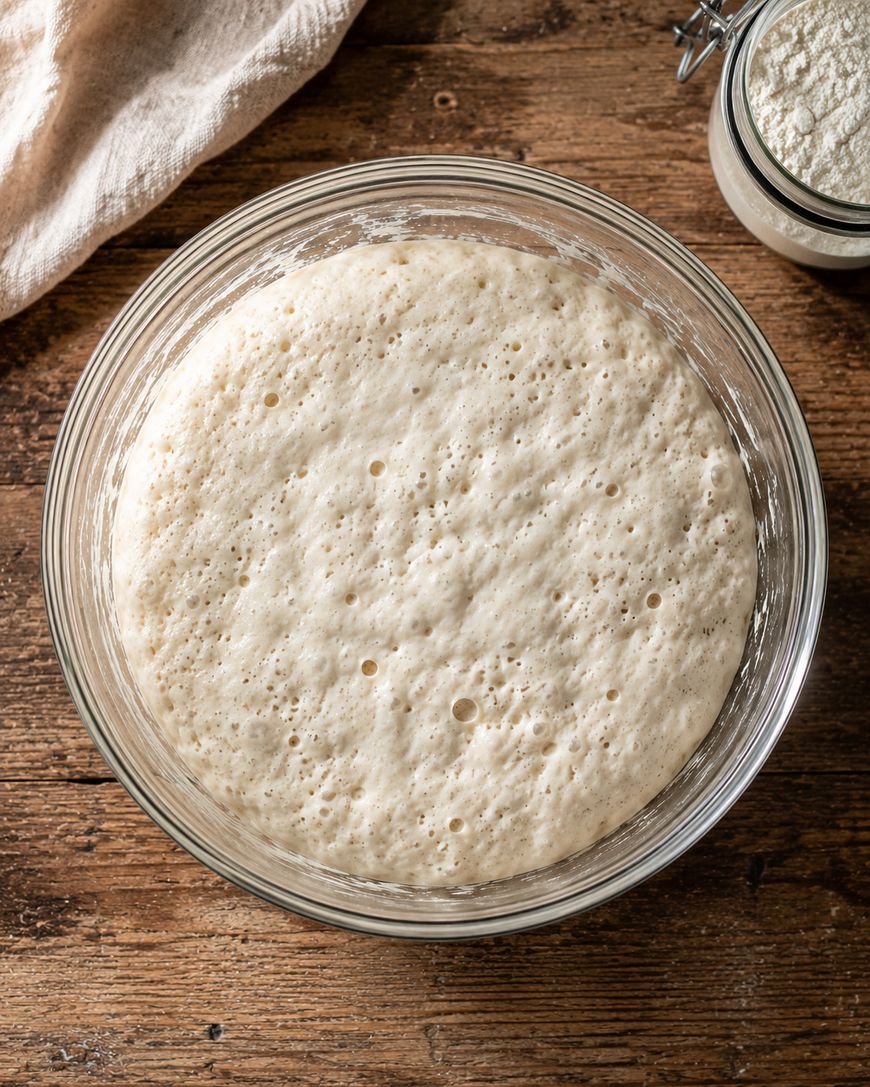
When the biga is ready, it will look bubbly and slightly domed, and it should smell pleasantly tangy and yeasty.
Main Dough Ingredients
The main dough requires 250 grams of bread flour, 200 grams of warm water (around 75 degrees Fahrenheit), one teaspoon of instant yeast, one and a half teaspoons of fine sea salt, and the entire rested biga.
Bread flour, with its higher protein content compared to all-purpose flour, gives ciabatta its chewy structure and helps the gluten network trap the gas produced during fermentation.
Mixing and Developing the Dough
Combining the Biga and Main Dough
Add the warm water and yeast to the biga in a large bowl and use your hands or a fork to break the biga into rough chunks.
Add the flour and salt, then mix until a shaggy dough forms.
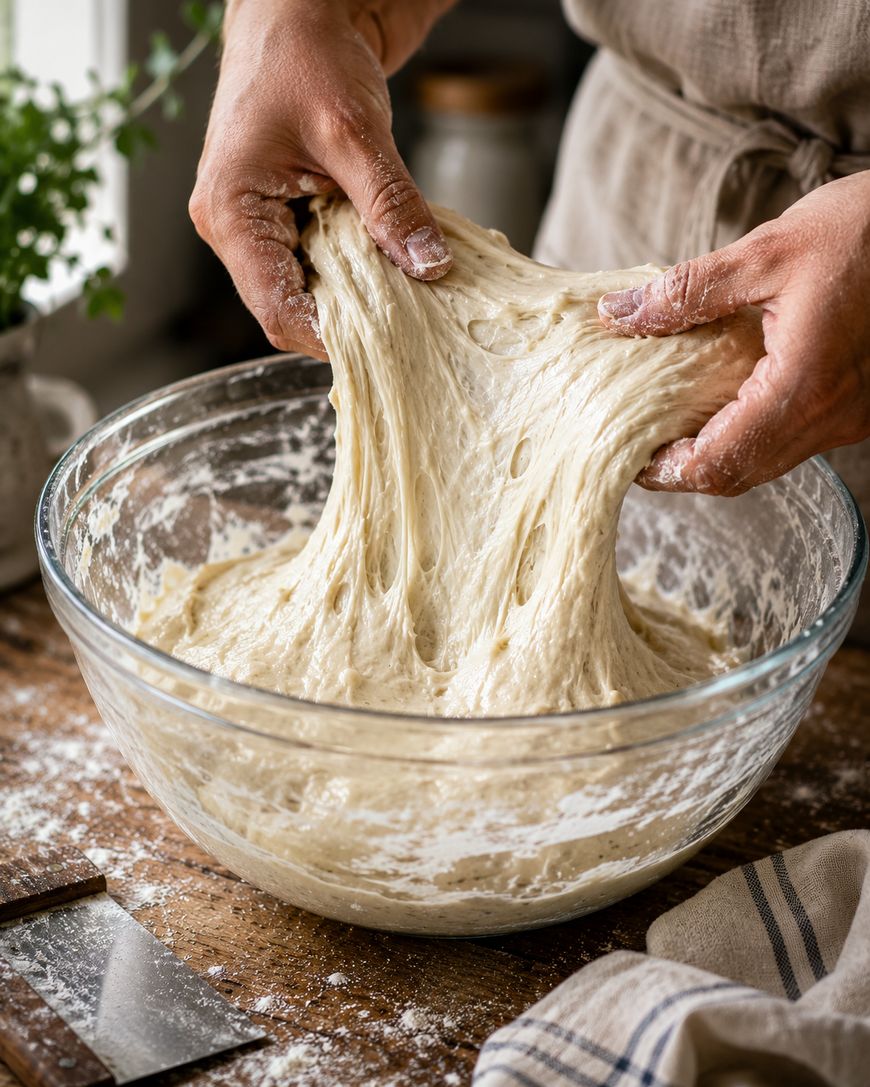
The dough will look rough and sticky at this stage, which is completely normal for a high-hydration dough.
Stretch and Fold Method
Rather than traditional kneading, ciabatta dough is developed through a series of stretch and fold cycles performed during bulk fermentation.
With wet hands to prevent sticking, grab one side of the dough, stretch it upward as far as it will go without tearing, and fold it over the top of the dough.
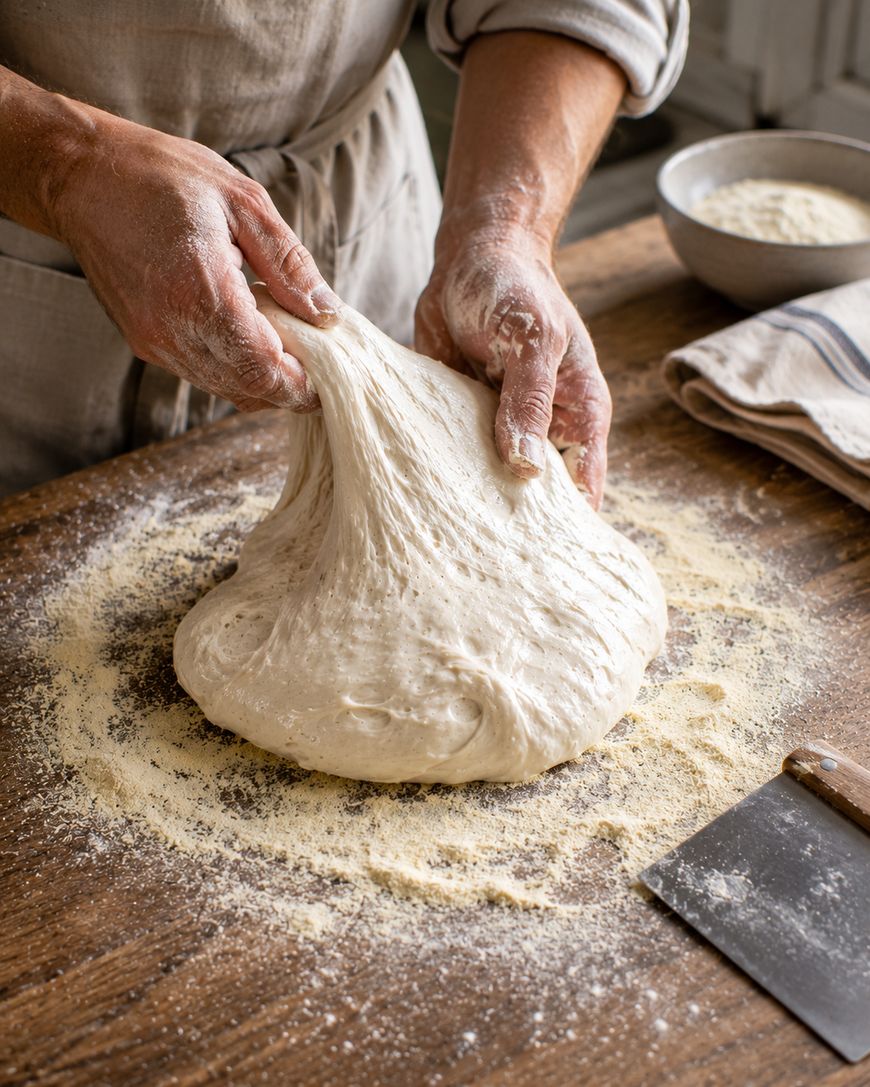
Rotate the bowl ninety degrees and repeat, performing four stretches per set.
Complete four sets of stretches and folds spaced thirty minutes apart over the first two hours.
After the final set, the dough should feel noticeably stronger, smoother, and more elastic than when you started.
Bulk Fermentation
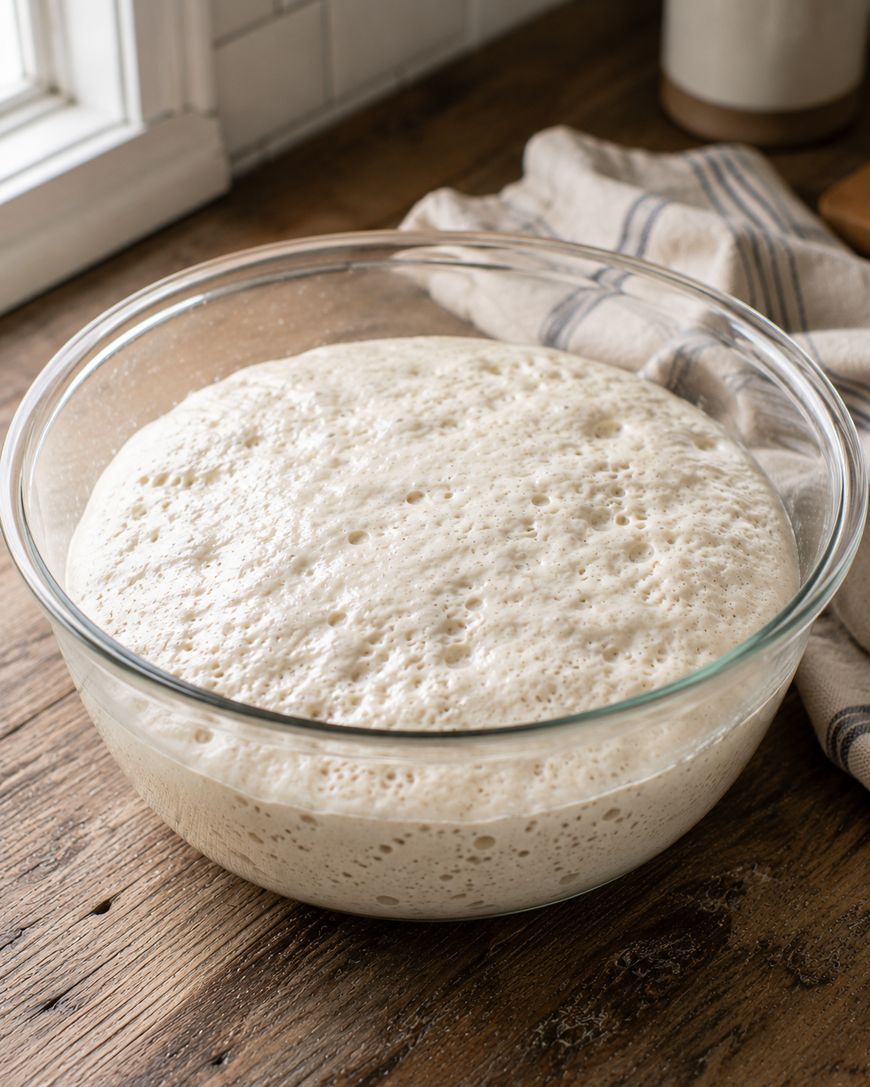
After the stretch and fold cycles are complete, cover the bowl and allow the dough to bulk ferment at room temperature until it has increased in volume by roughly seventy-five percent.
This typically takes two to three additional hours at a kitchen temperature of around seventy degrees Fahrenheit, but cooler kitchens will require longer fermentation times.
The dough is ready when it looks bubbly, jiggly, and slightly domed, and when a small piece dropped in a glass of water floats to the surface.
Shaping and Final Proof
Shaping Ciabatta
Generously flour your work surface with a mixture of bread flour and semolina, as semolina adds grip and prevents sticking without incorporating into the dough.
Turn the dough out gently onto the floured surface, being careful not to deflate the bubbles you have spent hours building.
Use a bench scraper to divide the dough into two equal pieces.
Gently stretch each piece into a rough rectangle about twelve inches long and four inches wide.
Fold the long sides in toward the center, then flip the loaf seam-side down onto a well-floured sheet of parchment paper.
Do not over-handle the dough at this stage, as aggressive shaping will destroy the open crumb structure.
Final Proof
Dust the tops of the loaves generously with flour and cover loosely with a clean kitchen towel.
Allow the loaves to proof at room temperature for forty-five minutes to one hour, until they look puffy and slightly relaxed.
Baking Ciabatta Bread
Setting Up the Oven
Place a Dutch oven or a baking stone on the middle rack of the oven and a metal roasting pan on the rack below.
Preheat the oven to 475 degrees Fahrenheit for at least forty-five minutes to ensure the baking surface is thoroughly heated.
The intense initial heat is what creates the dramatic oven spring and the blistered, caramelized crust that defines a great ciabatta.
Creating Steam
Steam during the first fifteen minutes of baking keeps the crust soft enough to allow the loaf to expand fully before it sets.
Carefully pour one cup of boiling water into the preheated roasting pan just before closing the oven door.
If using a Dutch oven, cover the loaf for the first fifteen minutes, then remove the lid for the remaining baking time.
Baking Time and Temperature
Slide the parchment paper with the loaves onto the preheated baking stone or transfer one loaf into the Dutch oven.
Bake at 475 degrees Fahrenheit for fifteen minutes with steam, then remove the steam source and reduce the temperature to 450 degrees Fahrenheit.
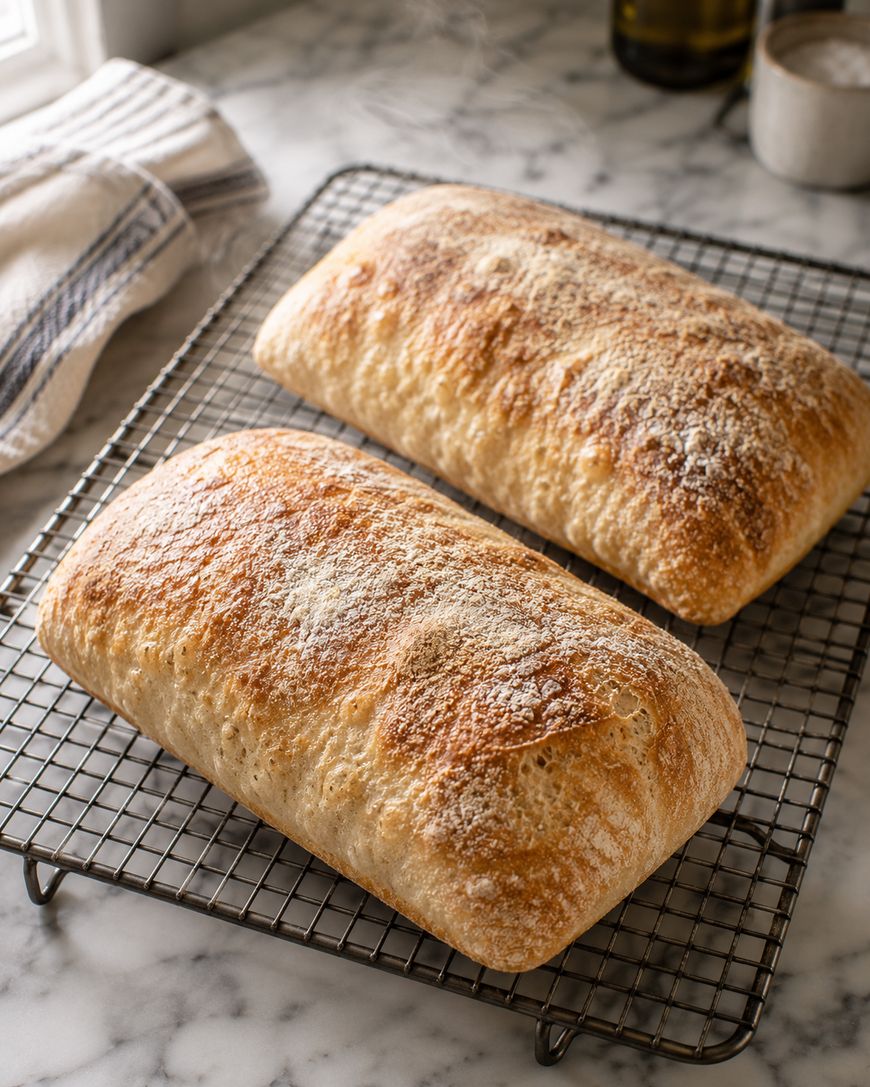
Continue baking for an additional fifteen to twenty minutes until the crust is deep golden brown and the loaf sounds hollow when tapped on the bottom.
An internal temperature of 205 to 210 degrees Fahrenheit confirms the bread is fully baked through.
Variations and Substitutions
Rosemary Ciabatta
Press two tablespoons of fresh rosemary leaves and one teaspoon of flaky sea salt into the surface of each loaf just before baking.
The rosemary oils perfume the entire loaf as it bakes and the salt creates bursts of flavor in each bite.
Olive and Sun-Dried Tomato Ciabatta
Fold half a cup of chopped kalamata olives and a quarter cup of finely chopped sun-dried tomatoes into the dough during the final stretch and fold set.
The bold, briny flavors pair exceptionally well with fresh mozzarella and basil.
Whole Wheat Ciabatta
Replace up to thirty percent of the bread flour with whole wheat flour to add a nutty, earthy flavor.
Keep in mind that whole wheat flour absorbs more water, so the dough may feel slightly stiffer than a white flour version.
No Biga Shortcut
If time is short, the biga can be replaced with an additional quarter teaspoon of instant yeast added to the main dough and a longer bulk fermentation of four to five hours.
The flavor will be noticeably less complex, but the texture and structure will still be excellent.
Storage and Reheating
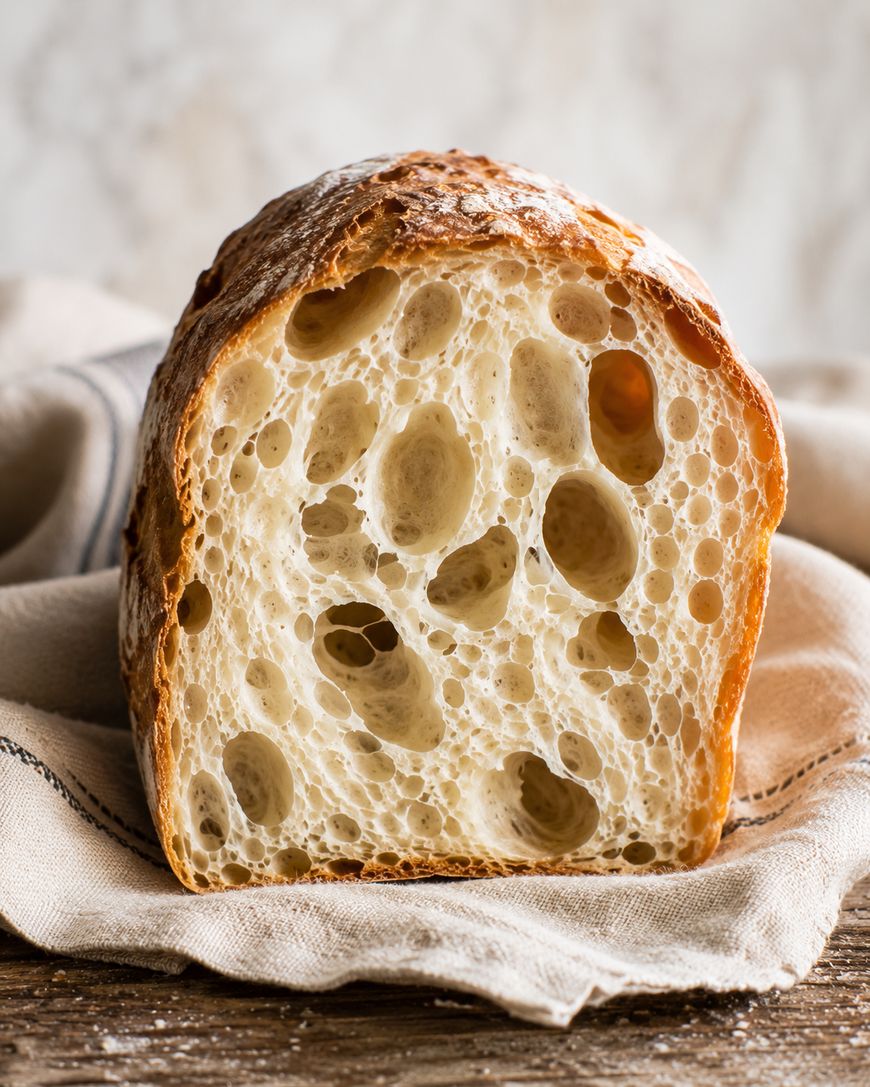
Ciabatta is best eaten the day it is baked, as the open crumb structure begins to stale more quickly than a denser loaf.
Store leftovers cut-side down on a wooden cutting board at room temperature for up to two days, wrapped loosely in a clean cloth, not plastic, which traps moisture and softens the crust.
To refresh a day-old loaf, run the cut surface briefly under cold water, shake off the excess, and bake at 400 degrees Fahrenheit for eight to ten minutes.
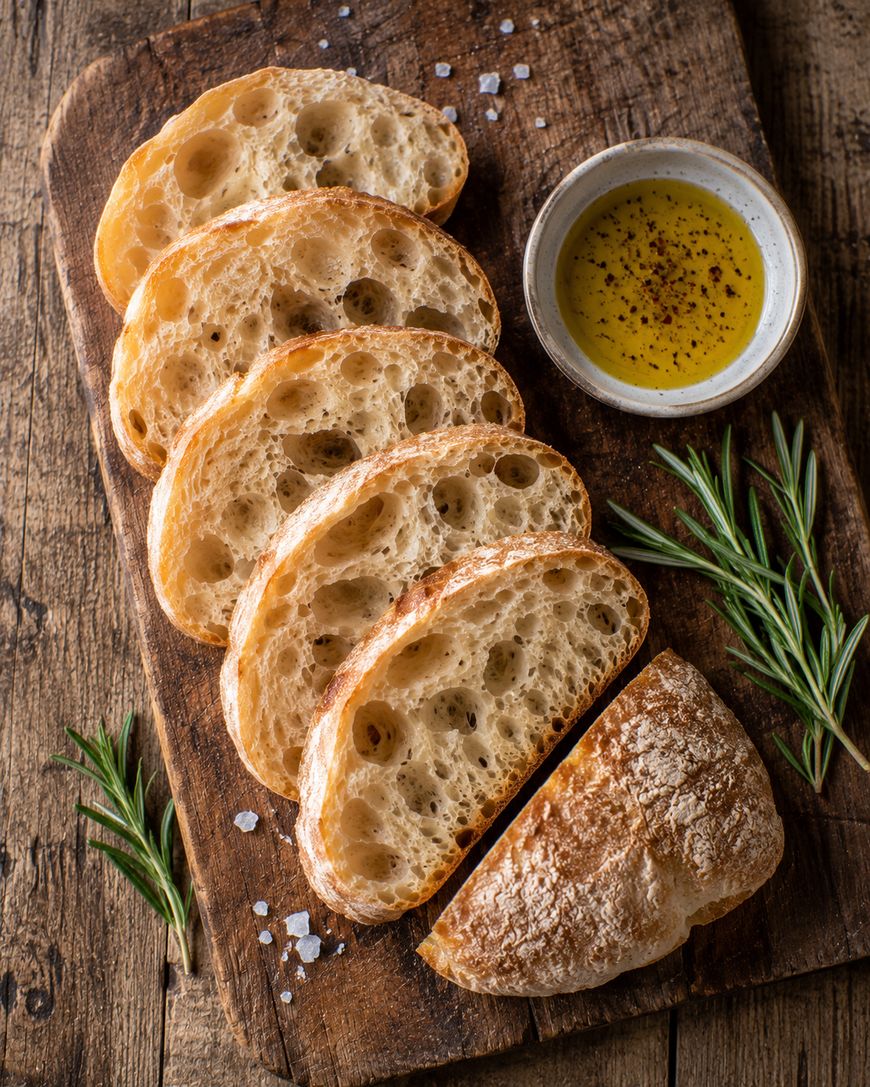
The steam from the water inside the crumb will revive the crust and make the bread taste freshly baked.
Ciabatta freezes exceptionally well for up to three months when wrapped tightly in plastic wrap and sealed in a zip-lock freezer bag.
Thaw at room temperature for one to two hours, then refresh in a hot oven for five minutes before serving.
Serving Suggestions
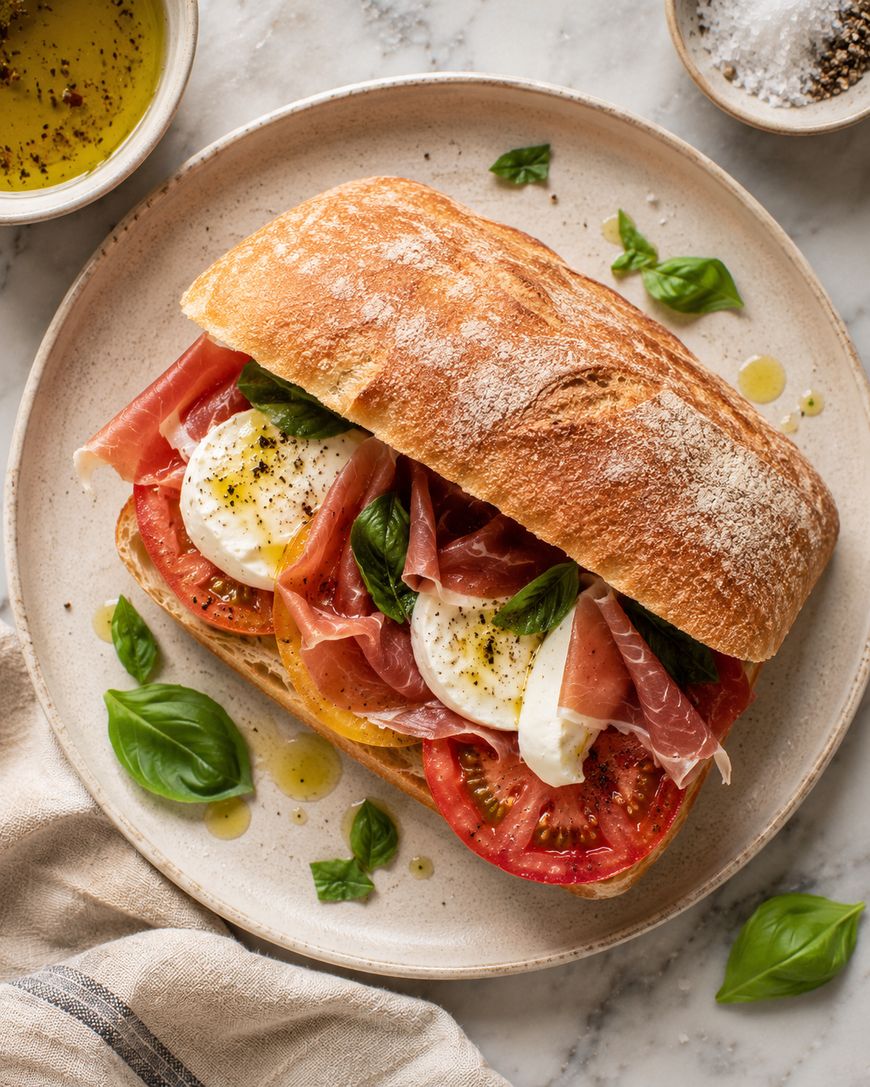
Ciabatta is the foundation for a great Italian sandwich, loaded with prosciutto di Parma, fresh buffalo mozzarella, ripe heirloom tomatoes, and a drizzle of extra-virgin olive oil from Liguria.
Split a loaf horizontally, brush the cut surfaces with garlic-infused olive oil, and grill on a cast iron griddle for bruschetta that crushes anything made on supermarket bread.
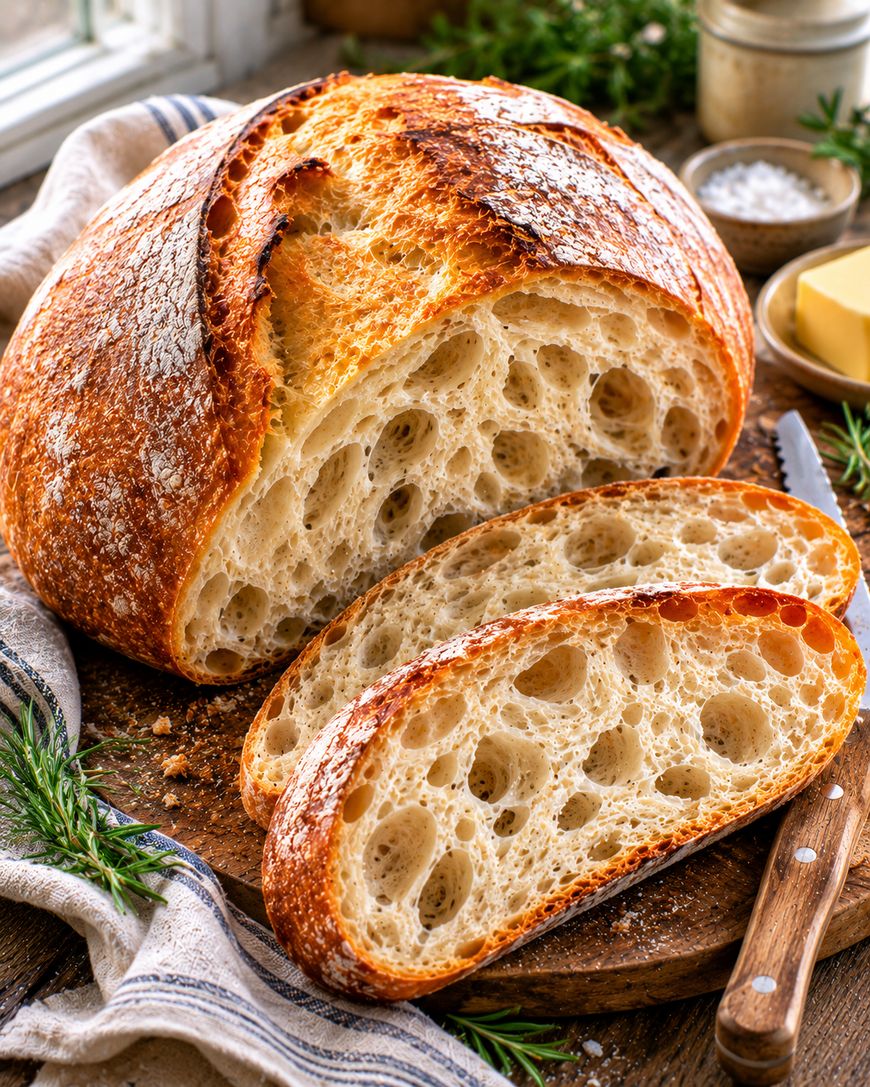
Thick slices served alongside a bowl of ribollita or minestrone are the traditional Tuscan way to use ciabatta, where the bread is meant to absorb the broth and become part of the dish.
Tear the bread into rough chunks for a classic Italian bread salad, panzanella, combined with ripe tomatoes, red onion, cucumber, capers, and red wine vinegar.
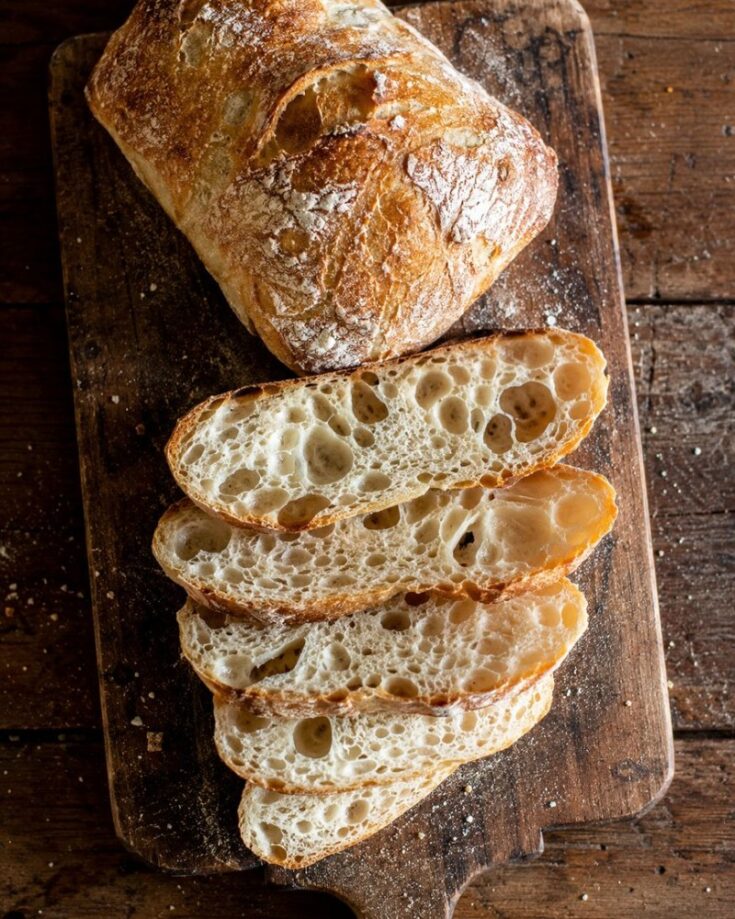
Use the recipe card below for the full, printable ciabatta bread recipe with exact quantities and step-by-step instructions.
Ciabatta Bread Recipe
A classic Italian ciabatta bread recipe made with an overnight biga for exceptional flavor, a crackling crust, and a light, open crumb. Perfect for sandwiches, bruschetta, and dipping in olive oil.
Ingredients
- For the Biga
- 250 grams bread flour
- 175 grams room-temperature water
- 1/4 teaspoon instant yeast
- For the Main Dough
- 250 grams bread flour, plus more for dusting
- 200 grams warm water (around 75 degrees F)
- 1 teaspoon instant yeast
- 1 1/2 teaspoons fine sea salt
- All of the biga (above)
- Semolina flour for dusting the work surface
Instructions
- Make the biga: Combine 250g bread flour, 175g water, and 1/4 tsp instant yeast in a bowl. Stir until no dry flour remains, cover tightly, and rest at room temperature for 8 to 12 hours.
- Mix the dough: Add 200g warm water and 1 tsp yeast to the biga and break it up into chunks. Add 250g bread flour and the salt. Mix until a shaggy dough forms.
- Stretch and fold: With wet hands, perform 4 sets of stretch and folds spaced 30 minutes apart over 2 hours, doing 4 stretches per set.
- Bulk ferment: Cover and ferment at room temperature for 2 to 3 more hours until the dough has grown by about 75 percent and looks bubbly and jiggly.
- Preheat: Place a Dutch oven or baking stone on the middle rack and a roasting pan below. Preheat oven to 475 degrees F for at least 45 minutes.
- Shape: Turn the dough onto a well-floured surface dusted with semolina. Divide into two pieces and gently stretch each into a 12 by 4-inch rectangle. Fold the long sides in, flip seam-side down onto floured parchment.
- Final proof: Dust loaves with flour, cover loosely, and proof for 45 to 60 minutes until puffy.
- Bake with steam: Pour 1 cup of boiling water into the roasting pan, then slide the loaves on the parchment onto the baking stone. Bake at 475 degrees F for 15 minutes.
- Finish baking: Remove the steam source, reduce oven to 450 degrees F, and bake for 15 to 20 more minutes until deep golden brown and hollow-sounding when tapped. Internal temperature should reach 205 to 210 degrees F.
- Cool: Transfer loaves to a wire rack and cool for at least 30 minutes before slicing.
Notes
The biga is the key to great flavor. Do not skip it. If you are short on time, you can reduce the biga fermentation to 6 hours, but 8 to 12 hours produces the best results. Handle the shaped dough as gently as possible to preserve the open crumb.
Nutrition Information:
Yield:
16Serving Size:
1 sliceAmount Per Serving: Calories: 148Total Fat: 0.5gSaturated Fat: 0gSodium: 221mgCarbohydrates: 31gFiber: 1gSugar: 0gProtein: 5g
This site provides estimated nutritional information. This information comes from online calculators. Although we try to provide accurate nutritional information, these figures are only estimates.
Frequently Asked Questions
Why is my ciabatta dough so sticky?
Ciabatta dough is supposed to be extremely sticky because it contains a much higher proportion of water than most bread doughs. The hydration level in this recipe sits between seventy-five and eighty percent, which is what creates the open, airy crumb. Resist the urge to add extra flour, as this will close the crumb and result in a denser loaf. Wet hands and a bench scraper are your best tools for managing the dough without adding flour.
Can ciabatta bread be made without a biga?
Yes, ciabatta can be made without a biga using a straight dough method with slightly more yeast and a longer bulk fermentation period of four to five hours. The flavor will be milder and less complex than a biga-based loaf, but the texture and structure will still be very good. For the best possible flavor, the overnight biga is worth the extra planning.
Why did my ciabatta come out flat?
A flat ciabatta is almost always caused by one of three things: under-fermented dough that has not developed enough gas, over-handling during shaping that deflates the bubbles, or a baking surface that was not hot enough when the loaf went in. Make sure the oven and baking stone or Dutch oven are fully preheated for at least forty-five minutes before baking, and handle the shaped loaves as gently as possible.
What flour is best for ciabatta?
Bread flour with a protein content of twelve to thirteen percent is the best choice for ciabatta because the higher gluten content gives the dough the strength to support its open crumb structure. King Arthur Bread Flour and Central Milling Type 70 are both excellent options widely available in the United States. All-purpose flour can be used in a pinch, but the crumb will be slightly less chewy and the rise a little more modest.
Can the dough be refrigerated overnight?
After completing the stretch and fold cycles, the dough can be placed in a covered bowl in the refrigerator for an overnight cold ferment of eight to sixteen hours. Remove it from the refrigerator one to two hours before shaping to allow it to come back to room temperature and become workable. Cold fermentation adds additional complexity to the flavor and can make the schedule more manageable for home bakers.
How do I know when the bread is fully baked?
The most reliable way to check doneness is with an instant-read thermometer. The internal temperature should read between 205 and 210 degrees Fahrenheit when the bread is fully baked. The crust should also be deep golden brown to mahogany in color, and the bottom of the loaf should sound hollow when tapped firmly with a knuckle.
The Best Ciabatta Bread Recipe Is Worth the Wait
This ciabatta bread recipe rewards patience with a loaf that rivals anything from a dedicated Italian bakery, with a crisp, caramelized crust and a moist, open crumb full of irregular holes.
The technique of building a biga the night before, followed by gentle stretch and fold development and a hot oven, is what separates truly great ciabatta from the ordinary.
Once you have made this ciabatta bread recipe a few times, the process becomes second nature, and you will find yourself baking it every weekend without a second thought.