Last updated: September 25, 2026
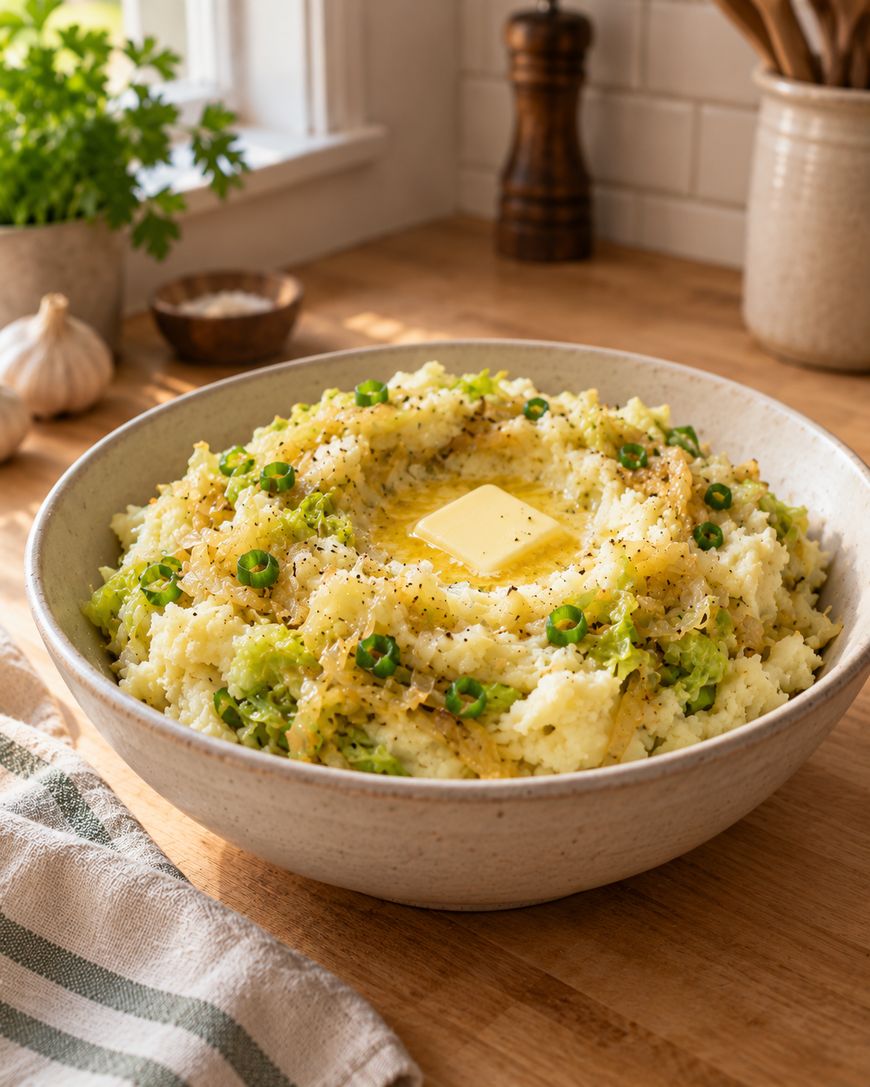
You can have a bowl of creamy colcannon on the table in about forty minutes with just a handful of pantry staples. This colcannon recipe layers buttery mashed potatoes with softened cabbage and scallions, then finishes with a pool of melted butter in the center.
What Is Colcannon
Colcannon is a traditional Irish dish made by folding cooked cabbage or kale into mashed potatoes, usually with butter, milk, and scallions stirred through. You will find versions of it across Ireland, with some cooks favoring cabbage and others reaching for kale depending on the season.
The dish grew out of humble ingredients that most Irish households kept on hand year round. Potatoes and cabbage were both affordable and easy to grow, so colcannon became a natural way to stretch a simple dinner into something warm and satisfying.
Cabbage or Kale
Green cabbage gives you a milder, slightly sweet flavor once it softens in butter, while curly kale brings a heartier, more mineral taste. Either one works well in this colcannon recipe, so use whichever you have in the fridge or prefer on your plate.
Ingredients You Will Need
You will need about two pounds of starchy potatoes such as Russets or Yukon Golds, since these break down into a smooth, fluffy mash. You will also need half a head of green cabbage, a bunch of scallions, whole milk or cream, and a generous amount of salted butter.
Kosher salt and black pepper round out the seasoning, and you can add a pinch of ground nutmeg if you want a little warmth in the background. Nothing here is hard to find, which is part of why this dish has stayed a weeknight favorite for generations.
Choosing the Right Potato
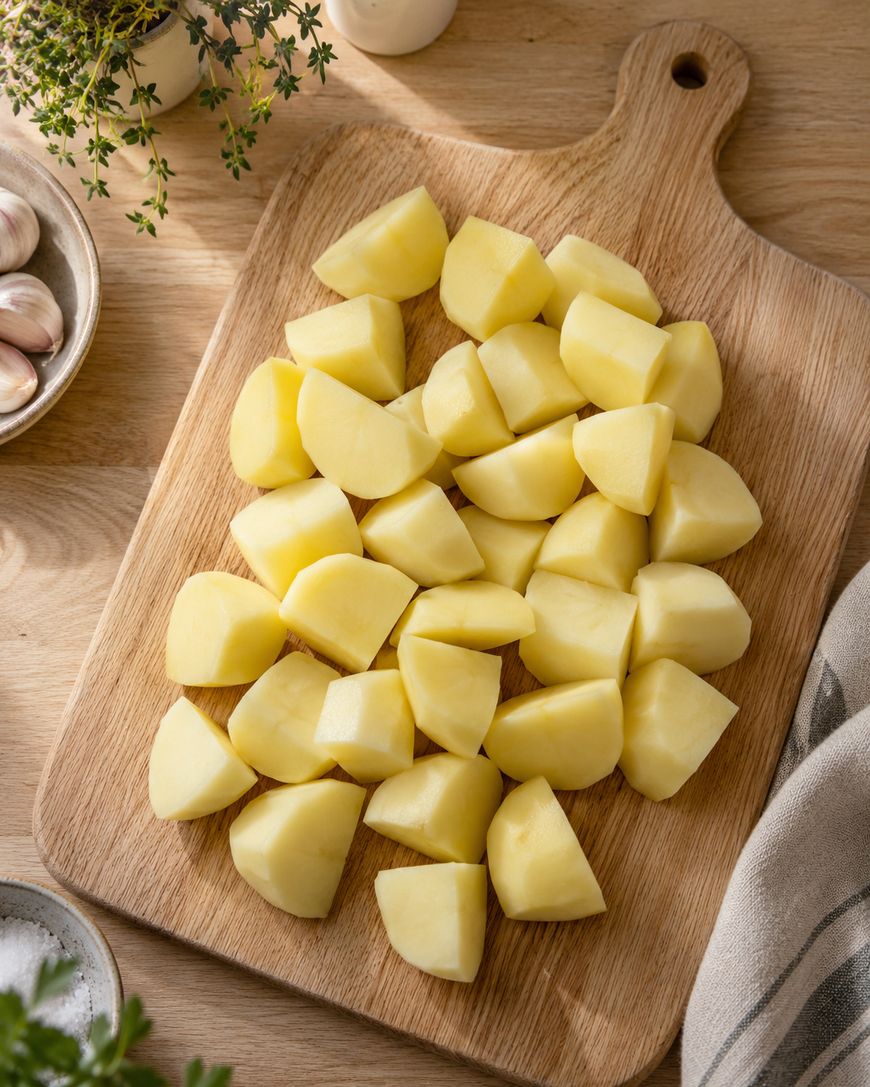
Russet potatoes give you the fluffiest texture because of their high starch content, while Yukon Golds add a naturally buttery flavor and a slightly denser bite. You can mix the two if you want the best of both, or use whichever variety your grocery store carries most reliably.
How to Make Colcannon
You start by peeling and cutting the potatoes into even chunks, then covering them with cold salted water in a large pot. Bring the water to a boil and cook the potatoes for fifteen to twenty minutes, until a fork slides through them without resistance.
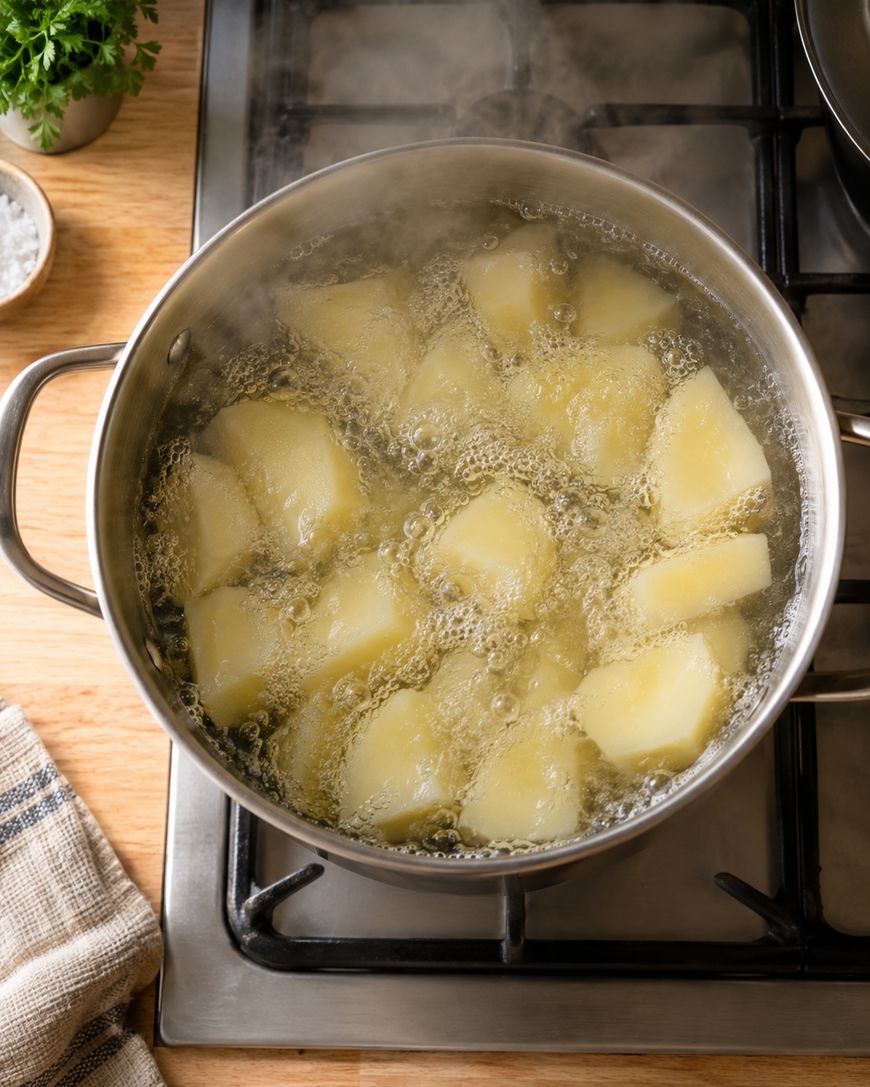
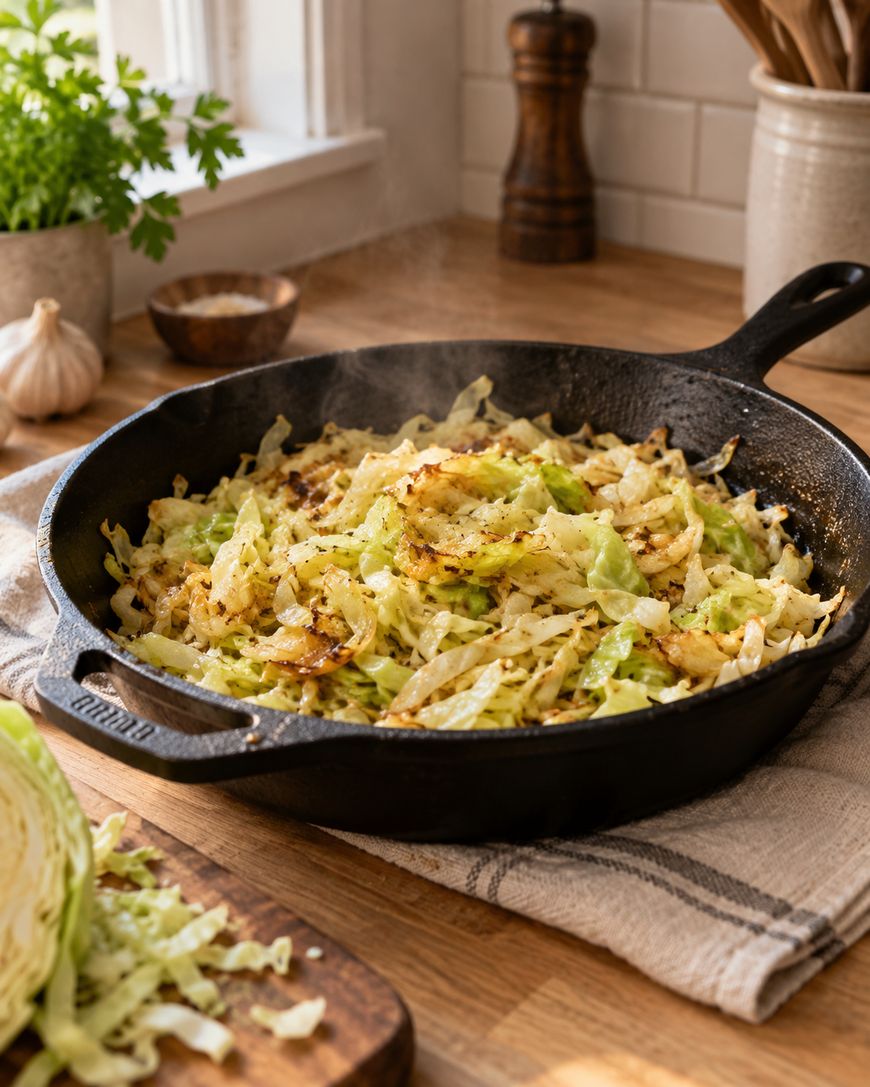
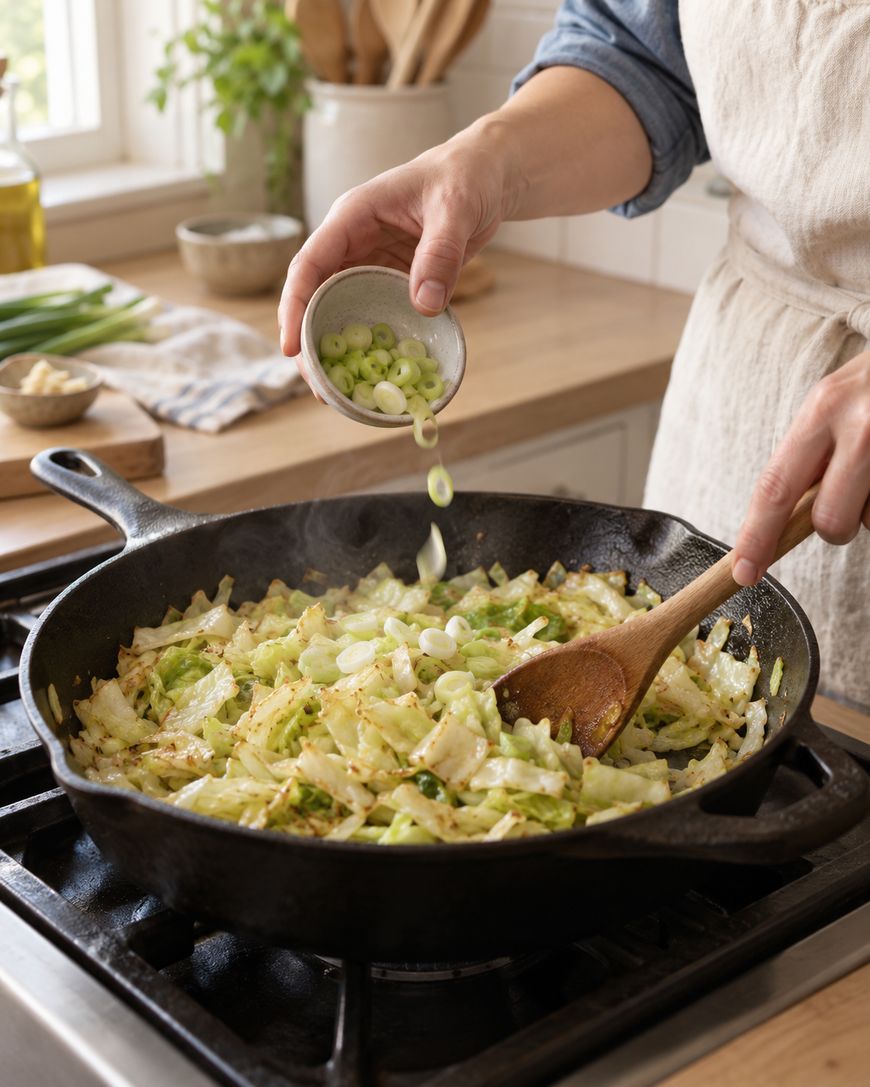
While the potatoes cook, you shred the cabbage thinly and slice the scallions, keeping the white and green parts separate. Melt butter in a wide skillet over medium heat, then add the cabbage with a pinch of salt and cook it for eight to ten minutes until it turns soft and lightly golden at the edges.
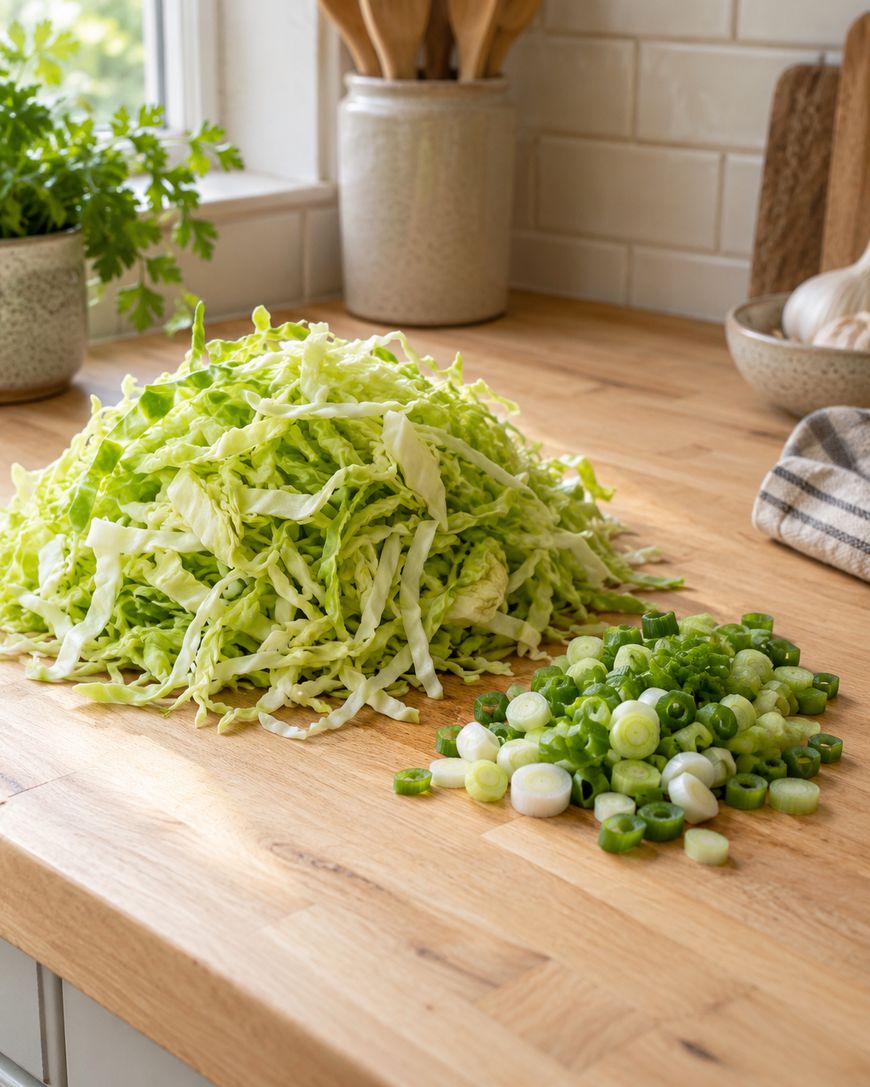
Stir in the white parts of the scallions during the last two minutes of cooking the cabbage, just long enough to take the raw bite off them. Drain the potatoes well and return them to the warm pot so any extra moisture can steam off before mashing.
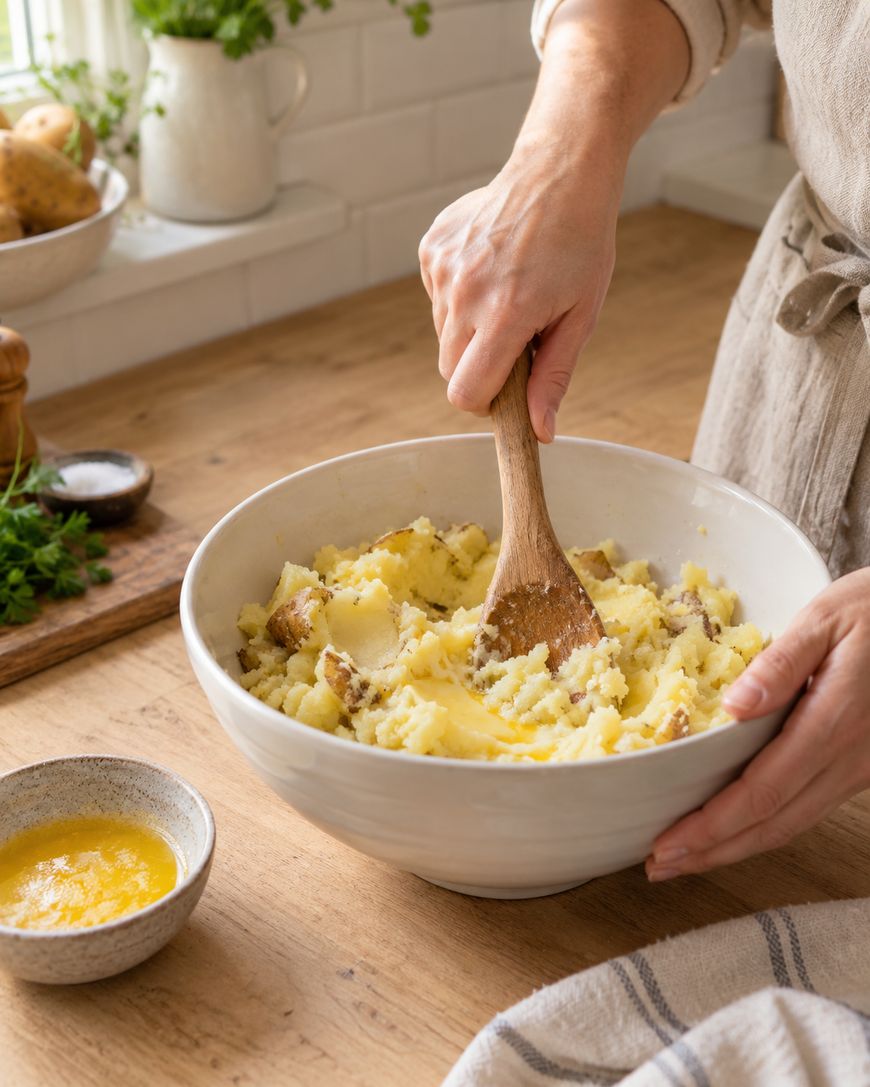
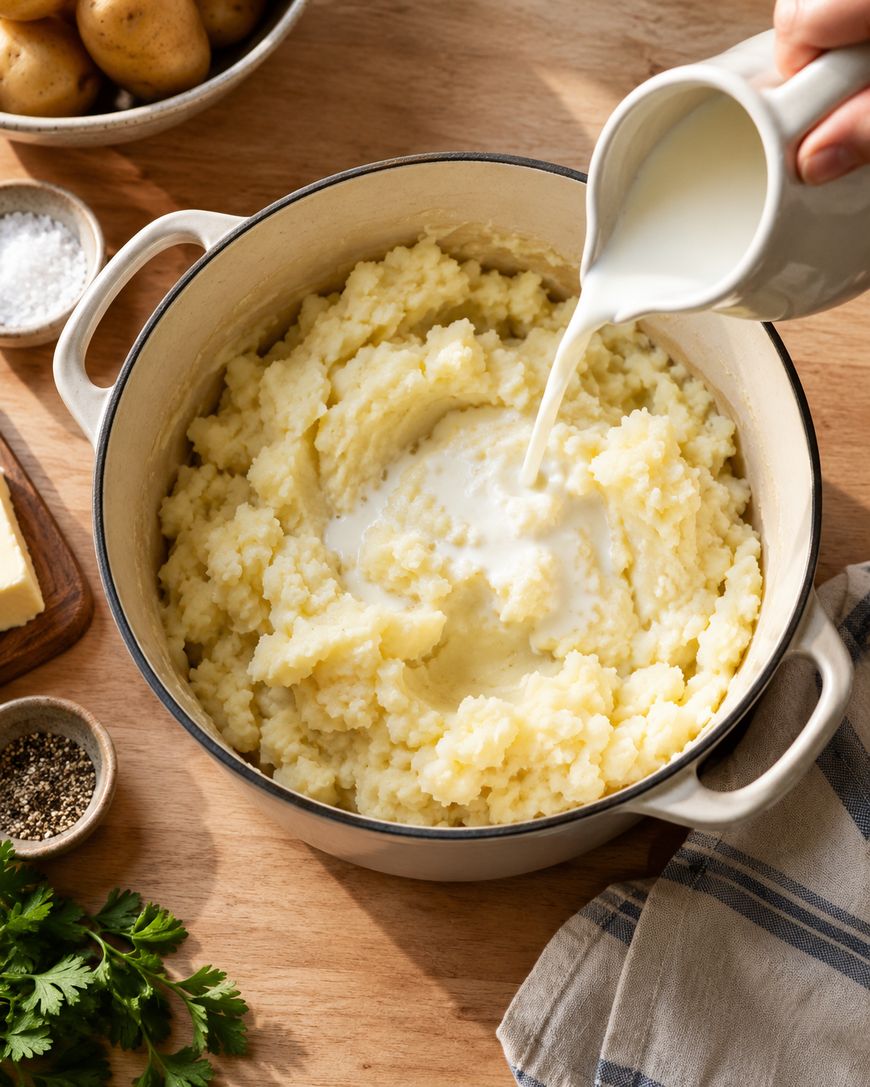
Warm the milk or cream in a small saucepan or the microwave, then mash the potatoes with butter first, followed by the warm milk, until the texture turns smooth and creamy. Fold in the cooked cabbage and scallion whites, along with most of the scallion greens, saving a few for garnish on top.
Getting the Texture Right
Adding the milk warm rather than cold keeps the mash from turning gluey, since a sudden temperature drop can make starchy potatoes seize up. You want to fold the cabbage in gently at the end rather than mashing it in, so the colcannon keeps some texture instead of turning completely uniform.
Serving Colcannon the Traditional Way
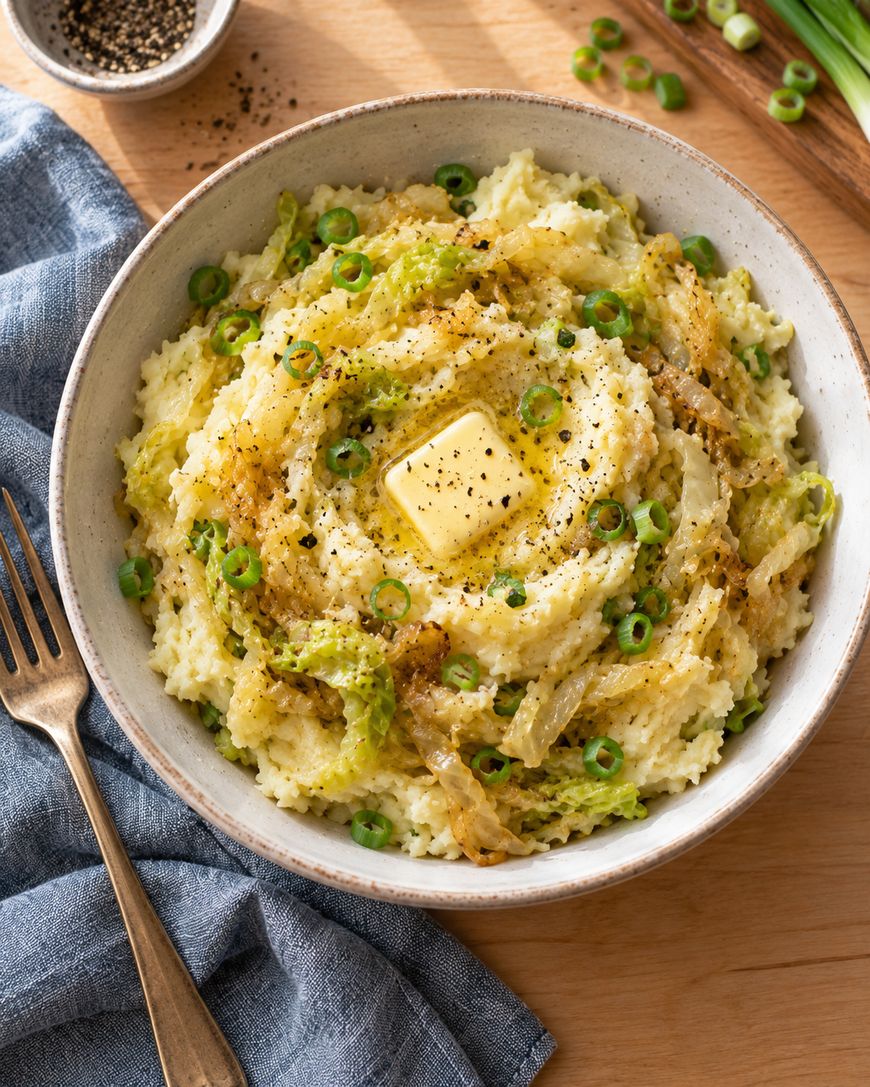
Spoon the finished colcannon into a shallow bowl and press a well into the center with the back of a spoon. Drop a generous piece of butter into that well so it melts slowly as everyone digs in from the edges toward the middle.
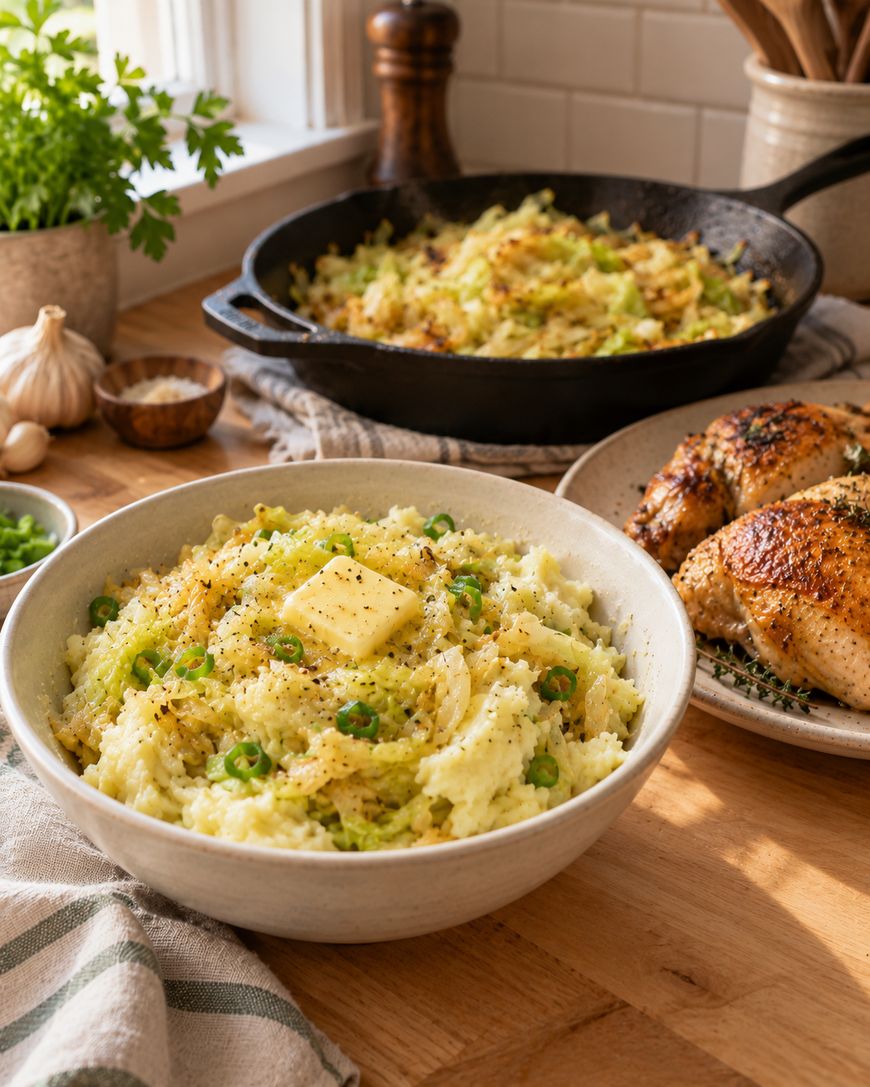
Colcannon pairs naturally with bangers, roasted chicken, corned beef, or a simple pan-seared piece of salmon. You can also serve it alongside a bowl of stew, since the mash does a wonderful job of soaking up rich, savory broth.
Make-Ahead and Storage
You can make colcannon up to two days ahead and store it in an airtight container in the refrigerator. Reheat it gently on the stovetop with a splash of milk to loosen the texture, stirring often so it warms evenly without scorching on the bottom.
Leftover colcannon also freezes well for up to two months in a freezer-safe container. Thaw it overnight in the refrigerator before reheating, since the potatoes hold their texture better with a slow thaw than a quick one.
This colcannon recipe comes together with a simple recipe card below, so you have exact quantities and timing in one place while you cook.
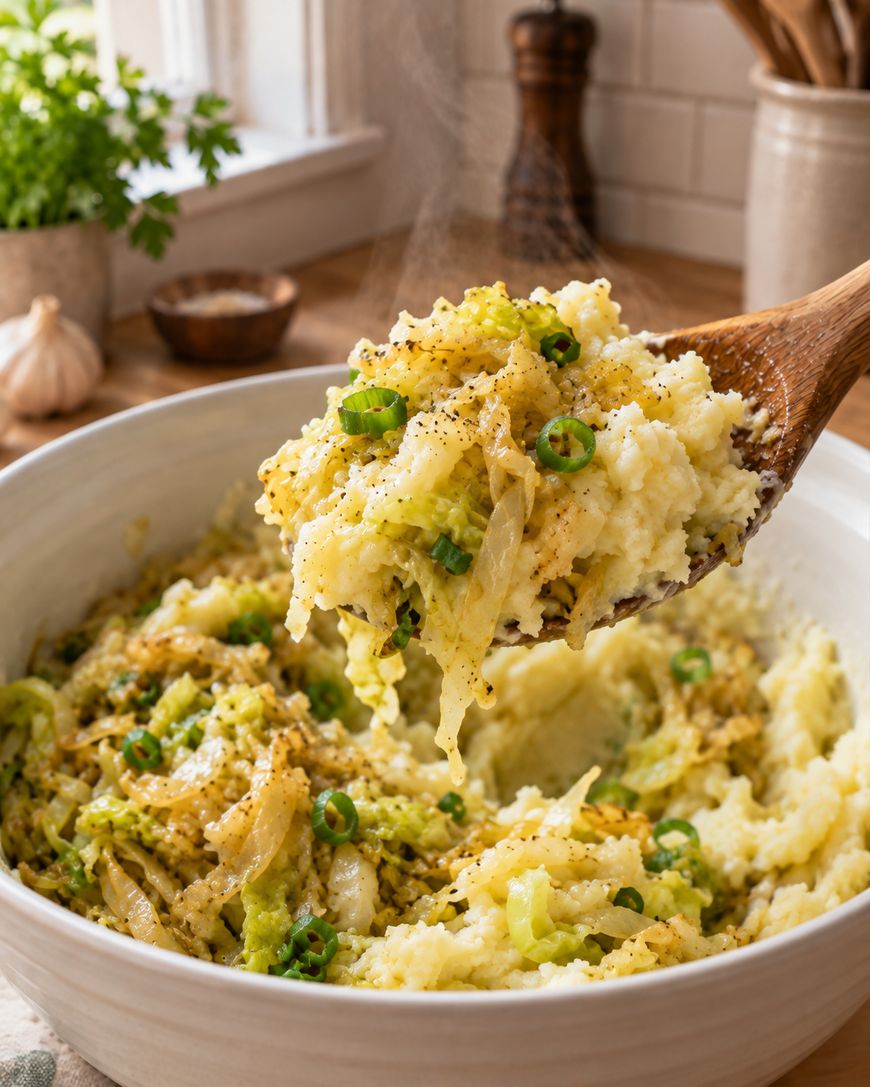

Colcannon
Creamy mashed potatoes folded with buttery sauteed cabbage and scallions, finished with a pool of melted butter.
Ingredients
- 2 pounds Russet or Yukon Gold potatoes, peeled and cut into chunks
- 1/2 head green cabbage, thinly shredded
- 1 bunch scallions, white and green parts separated and sliced
- 6 tablespoons salted butter, divided, plus more for serving
- 1/2 cup whole milk or cream, warmed
- 1 teaspoon kosher salt, plus more to taste
- 1/2 teaspoon black pepper
- 1/8 teaspoon ground nutmeg (optional)
Instructions
- Place the potato chunks in a large pot, cover with cold salted water, and bring to a boil.
- Cook the potatoes for 15 to 20 minutes, until a fork slides through easily, then drain well.
- While the potatoes cook, melt 2 tablespoons of butter in a wide skillet over medium heat.
- Add the shredded cabbage and a pinch of salt, and cook for 8 to 10 minutes, stirring occasionally, until soft and lightly golden.
- Stir in the scallion whites during the last 2 minutes of cooking the cabbage.
- Return the drained potatoes to the warm pot and let them sit for a minute to steam off excess moisture.
- Mash the potatoes with the remaining 4 tablespoons of butter, then add the warmed milk and mash until smooth and creamy.
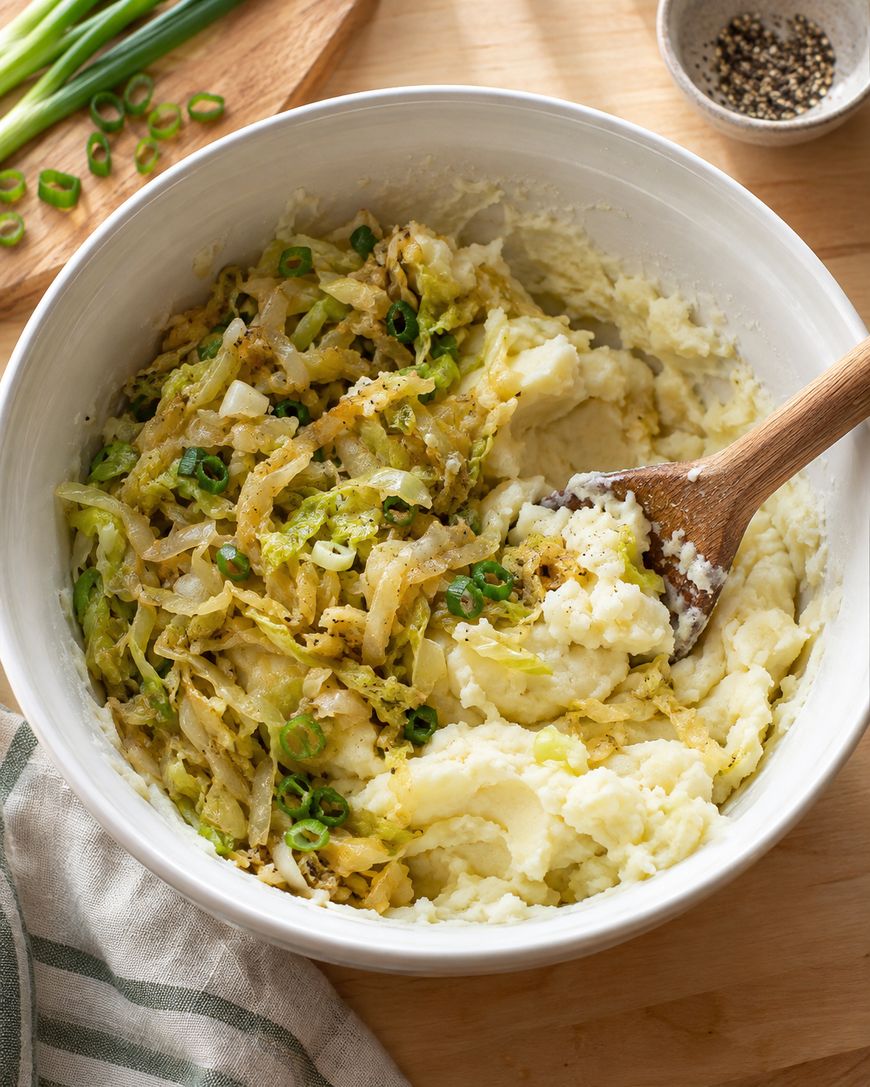
- Fold in the cooked cabbage, scallion whites, and most of the scallion greens, reserving a few for garnish.
- Season with salt, pepper, and nutmeg if using.
- Spoon into a serving bowl, press a well in the center, and add a pat of butter to melt before serving.
Notes
Store leftovers in an airtight container in the refrigerator for up to 2 days, or freeze for up to 2 months. Reheat gently on the stovetop with a splash of milk.
Nutrition Information:
Yield:
6Serving Size:
about 1 cupAmount Per Serving: Calories: 260Total Fat: 14gSaturated Fat: 9gSodium: 430mgCarbohydrates: 29gFiber: 4gSugar: 3gProtein: 5g
Frequently Asked Questions
Can you make colcannon with kale instead of cabbage?
Yes, kale works beautifully in colcannon and is actually the traditional choice in many Irish households. Strip the tough stems before chopping, and cook it a few minutes longer than cabbage since kale takes a bit more time to soften.
Why is my colcannon watery?
Watery colcannon usually means the potatoes were not drained well enough, or the cabbage released extra liquid that never had a chance to cook off. Let the cabbage cook uncovered so steam can escape, and give the potatoes a minute back over low heat after draining to dry them out.
Can you make colcannon without dairy?
You can substitute a plant-based butter and unsweetened oat or soy milk for a dairy-free version without losing much creaminess. The cabbage and scallions still bring plenty of flavor, so the dish holds up well even with the swap.
What is the difference between colcannon and champ?
Champ is a similar Irish mashed potato dish, but it uses only scallions folded into the mash without any cabbage or kale. Colcannon is the heartier cousin, since the added greens give it more body and a slightly different flavor profile.
Can you add bacon to colcannon?
Bacon is a popular addition, and you can crisp a few strips, crumble them, and fold them in with the cabbage for a smoky, salty note. Some cooks also save a spoonful of the bacon fat to cook the cabbage in for extra flavor.
Why This Recipe Works
This colcannon recipe works because the potatoes and cabbage are cooked separately before combining, so each ingredient reaches its ideal texture on its own timeline. Boiling the potatoes whole in chunks keeps them from absorbing excess water, while sauteing the cabbage in butter concentrates its flavor instead of diluting it.
Warming the milk before adding it to the potatoes is a small step that makes a real difference in the final texture. It keeps the starches relaxed, which is why this version turns out silky rather than gummy or stiff.
Folding the cabbage in at the very end, rather than mashing everything together at once, preserves a bit of bite in the greens. That contrast between the smooth potato and the tender-but-distinct cabbage is what makes colcannon so much more interesting than plain mashed potatoes.
Bring This Colcannon Recipe to Your Table
This colcannon recipe turns a few humble ingredients into a comforting side dish that works for a weeknight dinner or a holiday table. Give it a try this week, and keep the recipe card handy for the exact quantities and timing you need.
Turnip Greens Recipe: Southern-Style Braised Greens Done Right