Last updated: September 11, 2026
Basil salt is a simple way to capture the peppery sweetness of fresh basil in a pantry staple you will reach for constantly, and the recipe card below has the exact ratios and drying method.
What Basil Salt Is and Why You Will Love It
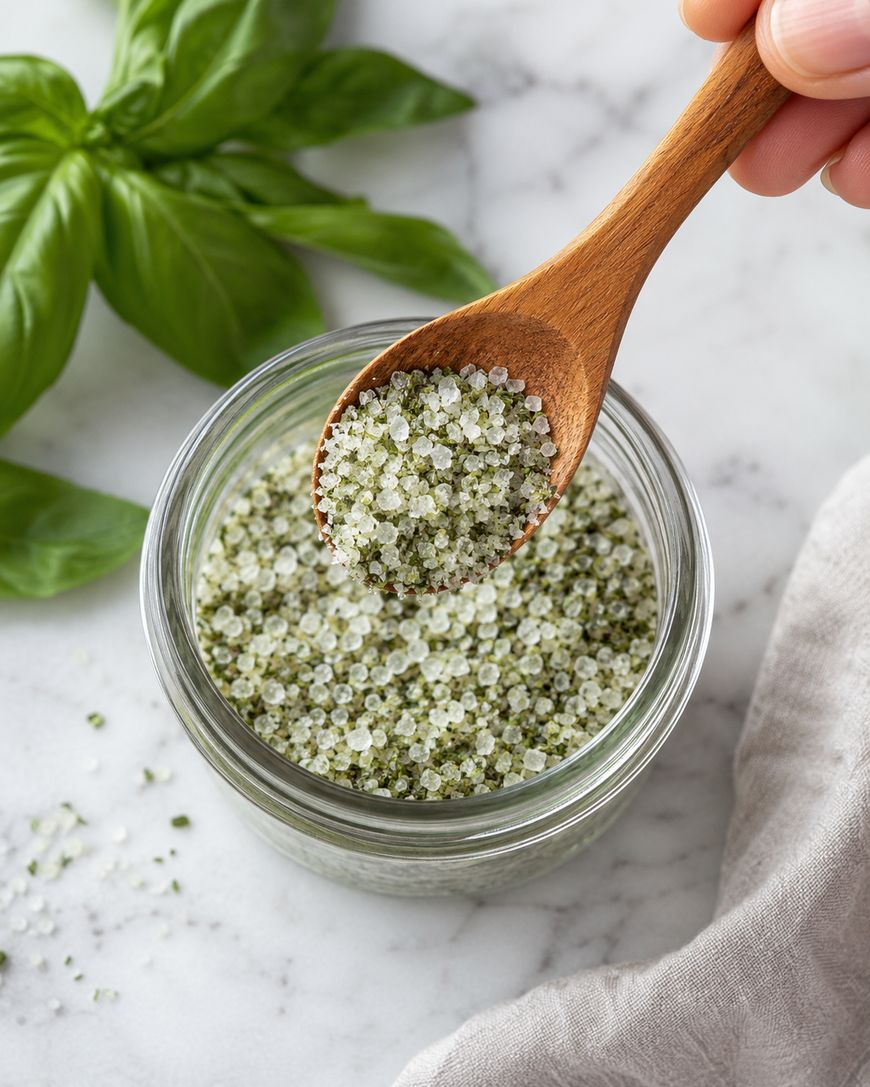
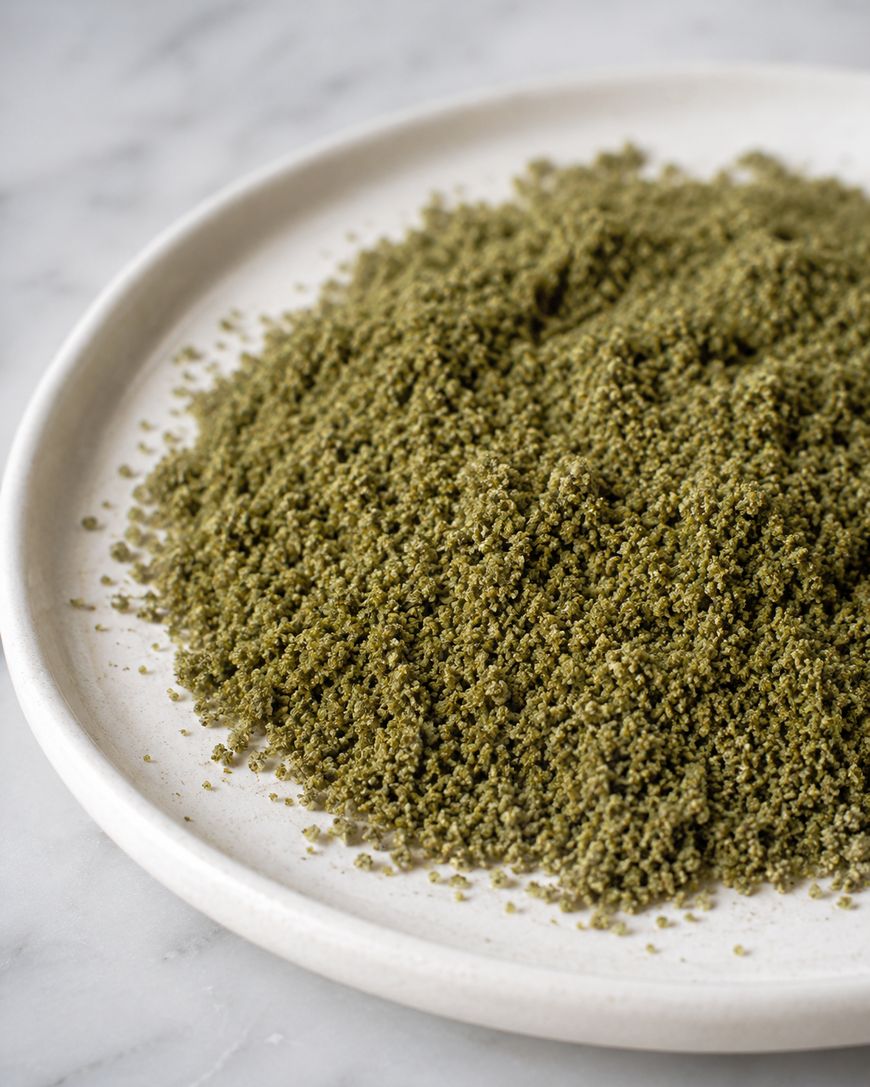
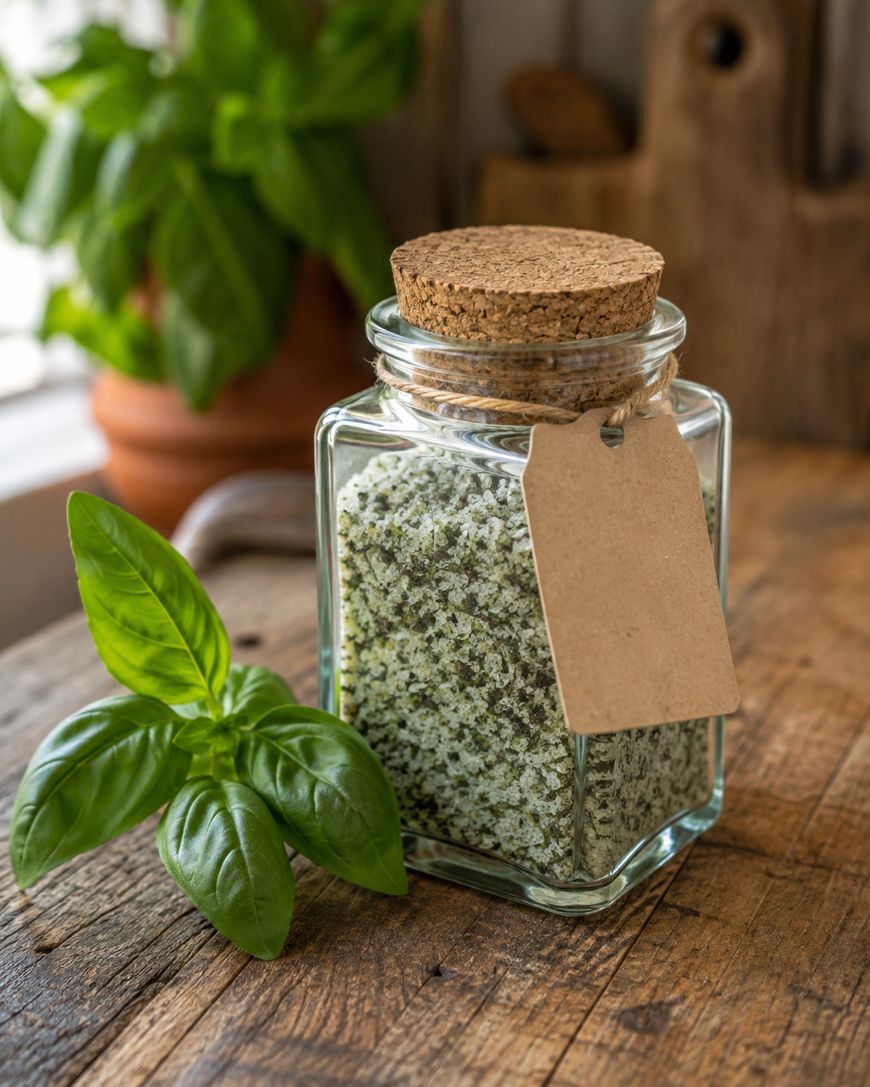
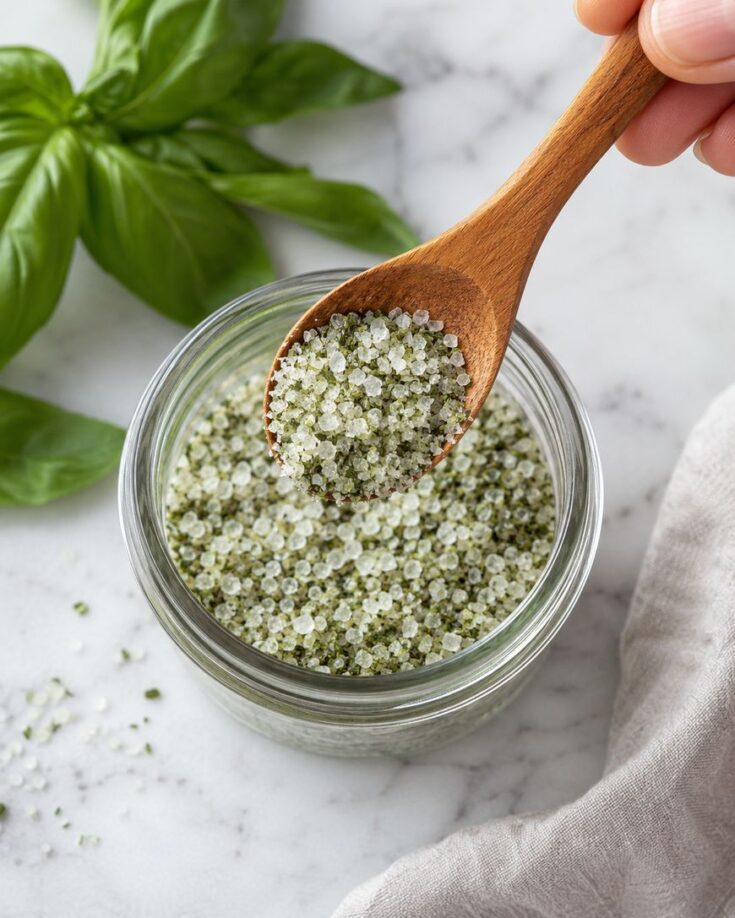
Basil salt is a finishing salt made by drying fresh basil leaves and grinding them together with coarse sea salt until the mixture turns a soft, mossy green.
You get all the aromatic punch of fresh basil in a shelf-stable form, so you can sprinkle it over tomatoes, pasta, eggs, or grilled bread any time of year, even when basil is out of season at the market.
Home cooks in Genoa have long preserved basil in salt as a precursor to pesto, and this version leans into that tradition while staying simple enough for a weeknight kitchen.
Why This Method Works
Salt draws moisture out of the basil leaves as they dry, which concentrates the herb’s essential oils instead of letting them evaporate away.
Kosher salt or a flaky sea salt like Maldon gives you the best texture, since fine table salt can clump and mute the basil’s color once it is ground.
Ingredients for Basil Salt
You only need two ingredients for a classic basil salt, though a few additions can round out the flavor depending on how you plan to use it.
The Core Ingredients
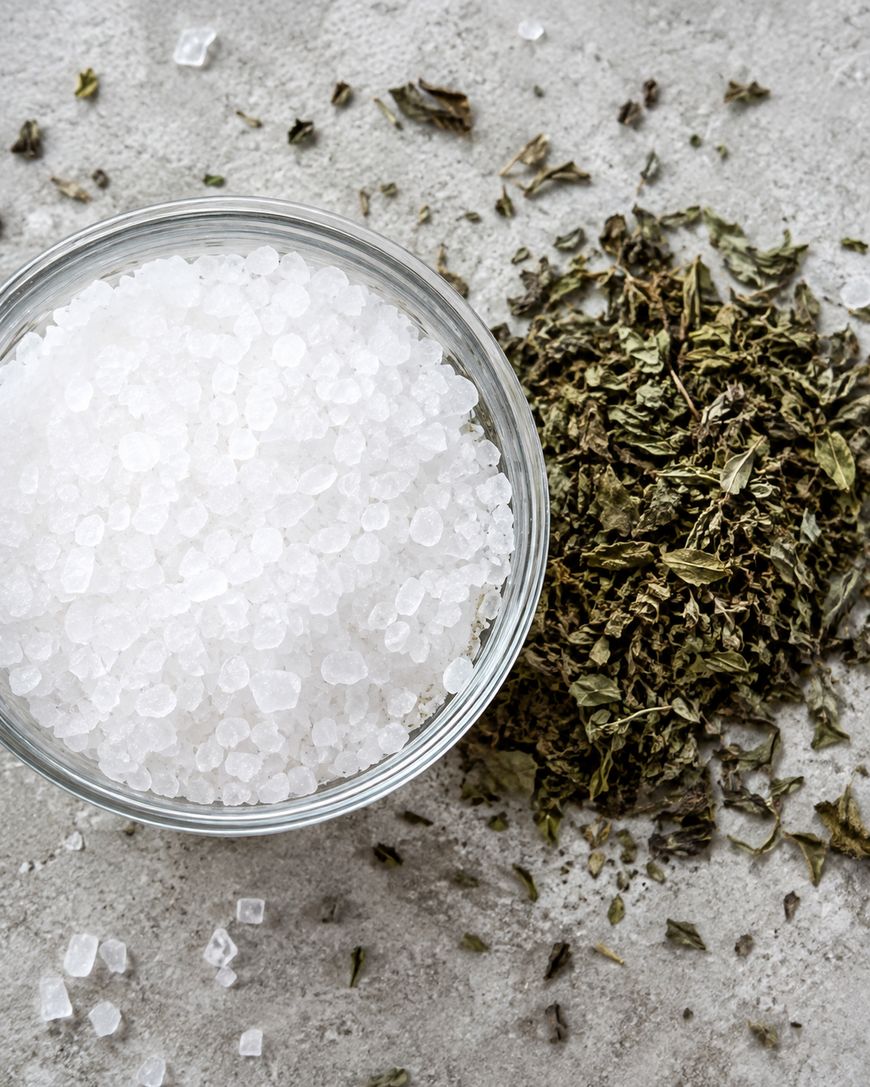
Fresh basil leaves, ideally Genovese basil, provide the herbal backbone, and you will want about one packed cup of leaves for every half cup of salt.
Coarse kosher salt or flaky sea salt acts as the preserving and carrying agent, and its texture matters more here than in most recipes because it needs to grind evenly with the dried leaves.
Optional Additions
A small amount of lemon zest brightens the finished salt and pairs especially well with basil salt used on seafood or roasted vegetables.
A single clove of garlic, dried alongside the basil, adds depth if you plan to use the salt on popcorn, roasted potatoes, or homemade focaccia.
How to Make Basil Salt Step by Step
The process breaks down into three stages: washing and drying the basil, dehydrating it, and grinding it with the salt.
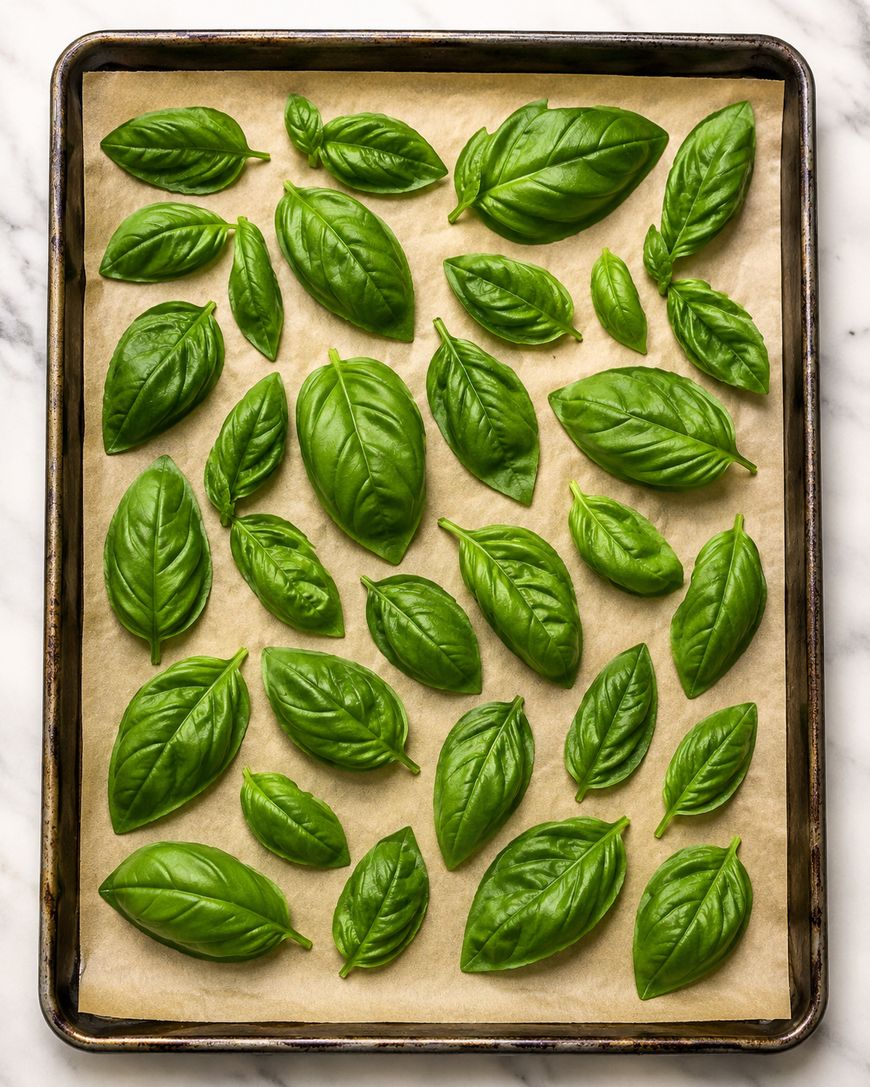
Washing and Drying the Leaves
Rinse the basil leaves under cool water and pat them completely dry with a clean kitchen towel, since any residual moisture will slow down the drying process and can encourage mold.
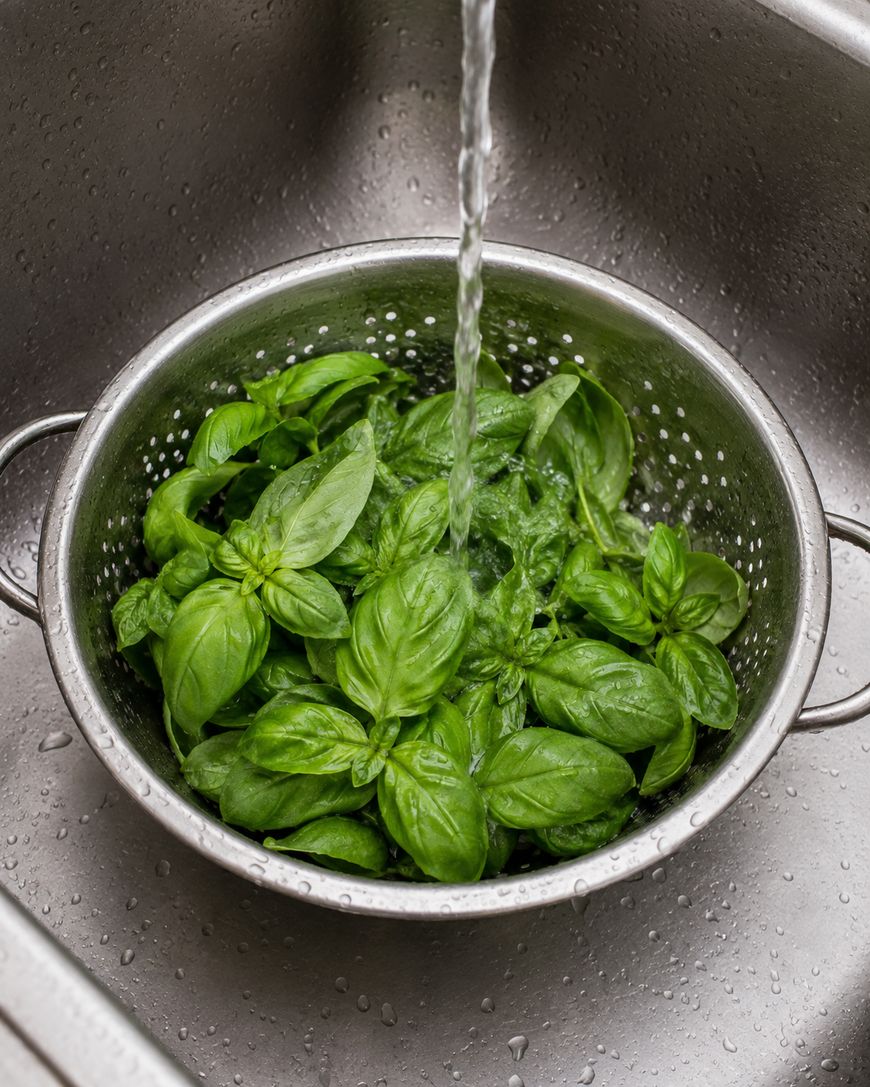
Spread the leaves in a single layer so no leaf overlaps another, which helps them dry evenly whether you use an oven, a dehydrator, or open air.
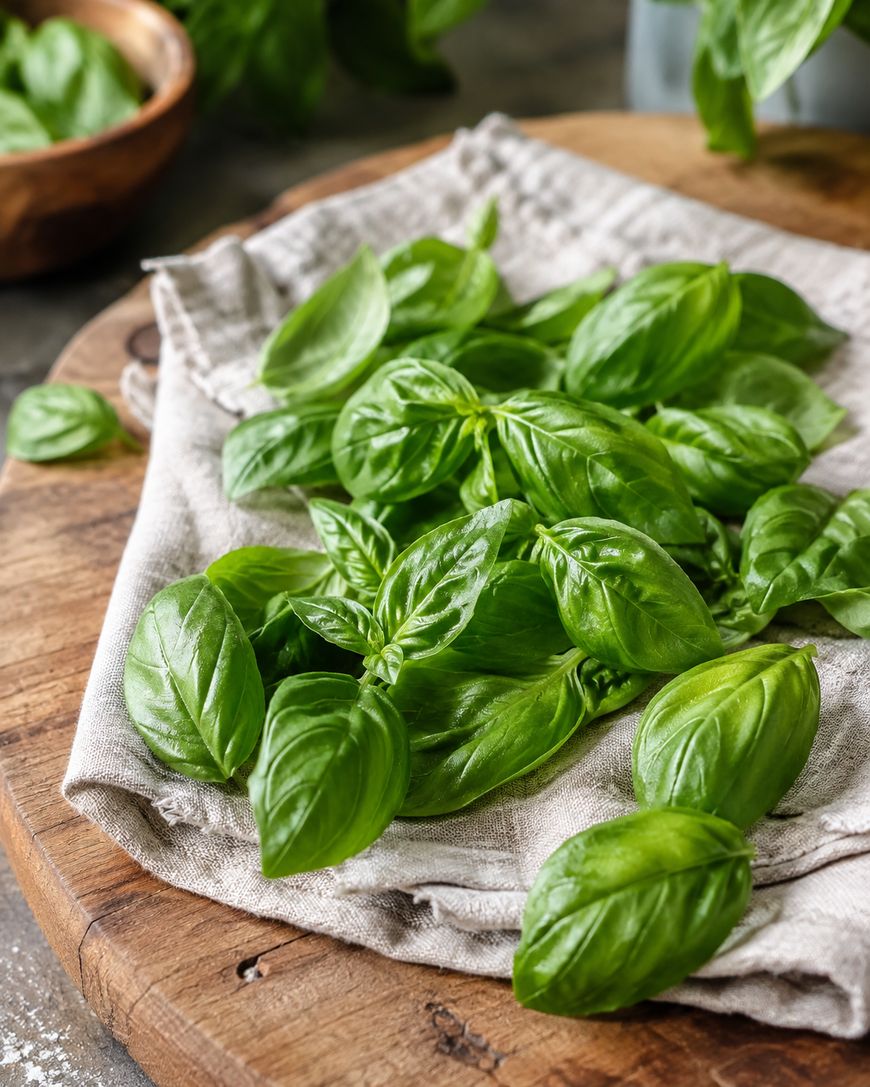
Dehydrating the Basil
For oven drying, set your oven to its lowest setting, usually around 170 degrees Fahrenheit, and lay the leaves on a parchment-lined baking sheet for 20 to 30 minutes, checking every 10 minutes so they do not scorch.

For a dehydrator, arrange the leaves on the trays and run the machine at 95 degrees Fahrenheit for 2 to 4 hours until they crumble easily between your fingers.
For air drying, hang small bundles of basil in a warm, dry spot out of direct sunlight for three to five days, which works well if you are not in a hurry and want to preserve more of the leaf’s volatile oils.
Grinding the Salt and Basil Together
Once the leaves crumble easily and feel completely brittle, combine them with the coarse salt in a food processor, spice grinder, or mortar and pestle.
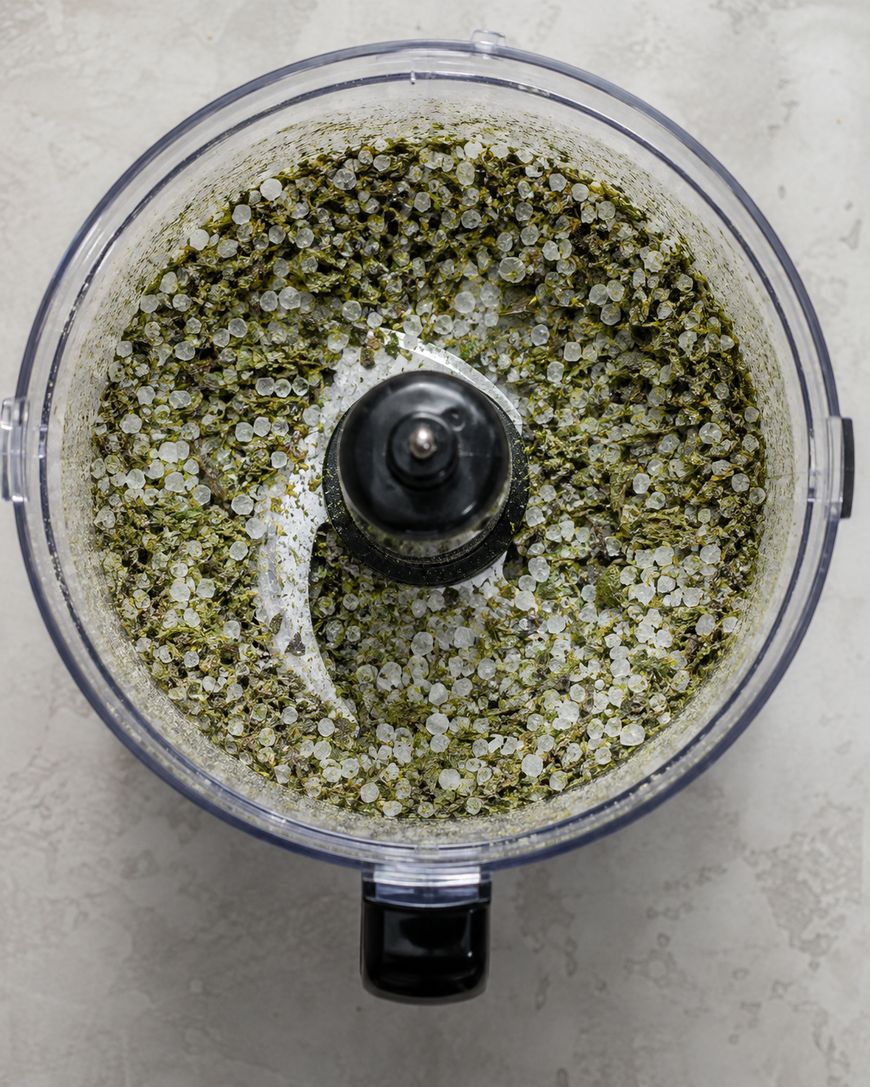
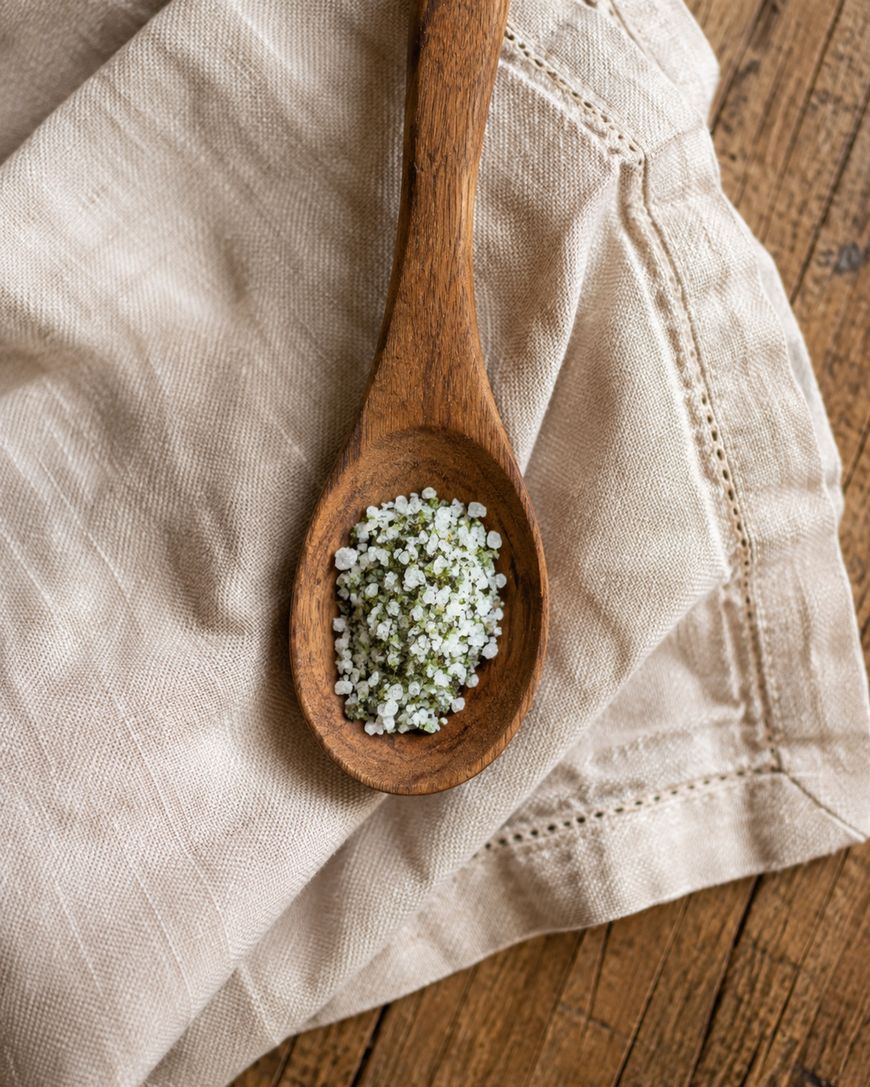
Pulse or grind until the basil breaks down into small green flecks throughout the salt, stopping before the mixture turns into a fine powder so you keep some texture.
Spread the finished basil salt on a plate for an hour to let any last trace of moisture escape before transferring it to a jar.
Storage Tips
Store basil salt in an airtight glass jar away from direct light and heat, where it will keep its color and aroma for up to six months.
A small pinch of dried rice or a food-safe silica packet tucked into the jar can help absorb any stray humidity and keep the salt from clumping over time.
Avoid storing it near the stove, since heat speeds up the fading of both color and flavor in dried herb salts.
Variations and Substitutions
Swap in Thai basil for a slightly anise-forward version that works beautifully in Southeast Asian-inspired dishes.
Blend in dried oregano or thyme alongside the basil for an Italian herb salt blend suited to roasted chicken and pizza dough.
If fresh basil is not available, you can use freeze-dried basil in a pinch, cutting the drying step entirely, though the color will be slightly less vibrant than air-dried leaves.
For a smaller batch, halve the ratio to a half cup of basil leaves and a quarter cup of salt, which is plenty for testing the recipe before committing a full harvest of basil to it.
Serving Suggestions
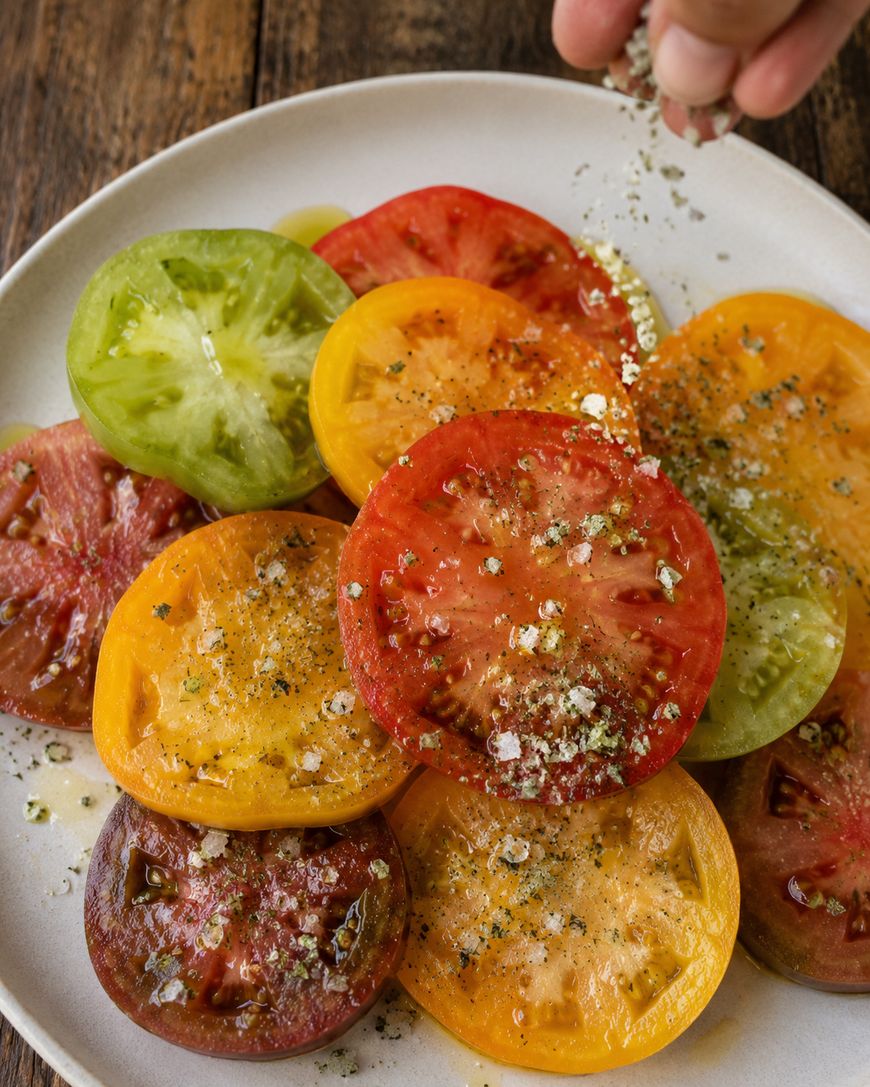
Sprinkle basil salt over sliced heirloom tomatoes with a drizzle of olive oil for a simple summer appetizer.
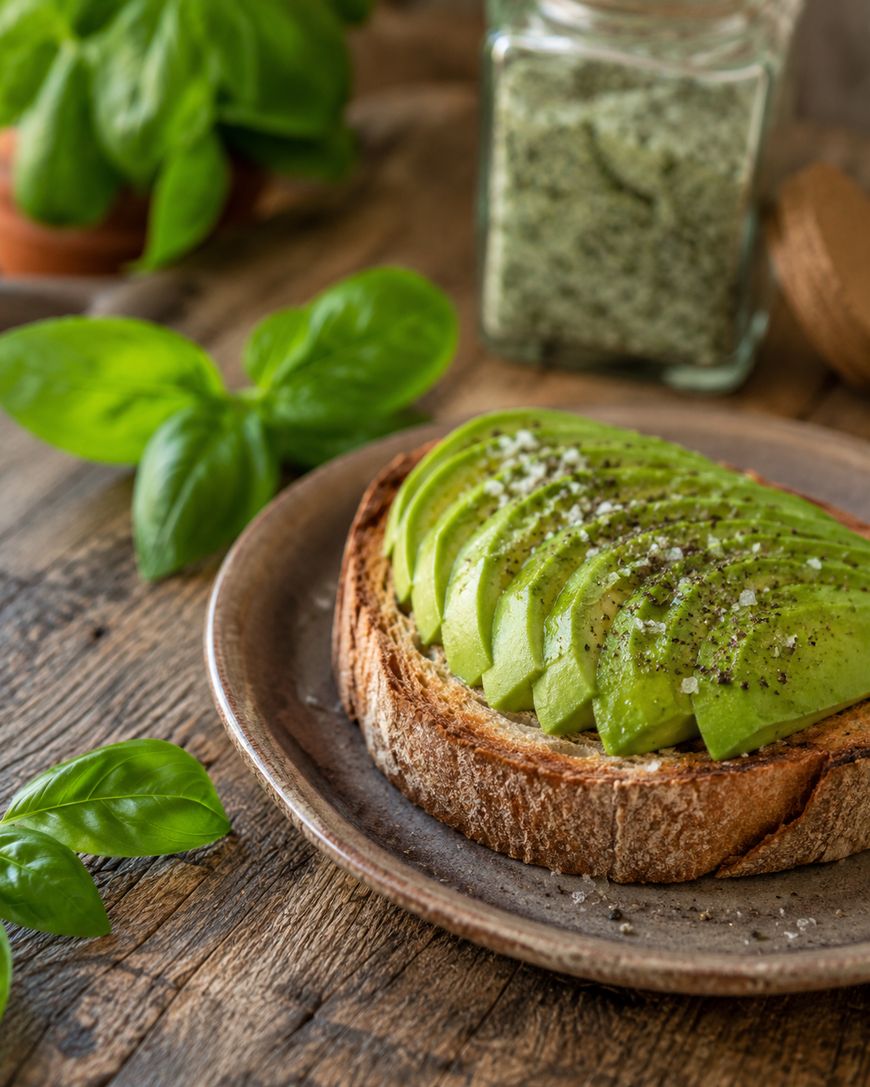
Finish scrambled eggs, avocado toast, or a caprese salad with a pinch just before serving, since the aroma is strongest right after it touches warm or oily food.
Rim a Bloody Mary glass with basil salt for a herbaceous twist on the classic brunch cocktail.
The Origin of Herb Salts Like This One
Preserving herbs in salt dates back centuries in Mediterranean cooking, where cooks needed a way to carry summer’s abundance of basil, rosemary, and sage through the colder months.
Ligurian households in particular developed basil-salt techniques as a stepping stone toward pesto, packing layers of salted basil into jars long before food processors made grinding pesto by hand unnecessary.
Today, basil salt has become a popular gift from home gardeners with more basil than they know what to do with, since a small jar makes a thoughtful, low-cost present.
Ready to put this together in your own kitchen? Use the recipe card below for exact quantities and step-by-step timing.
Basil Salt
A fragrant homemade finishing salt made from dried fresh basil and coarse sea salt, ready to sprinkle over tomatoes, pasta, eggs, and more.
Ingredients
- 1 cup fresh basil leaves, packed
- 1/2 cup coarse kosher salt or flaky sea salt
- 1 teaspoon lemon zest (optional)
- 1 clove garlic, thinly sliced (optional)
Instructions
- Rinse the basil leaves under cool water and pat completely dry with a clean kitchen towel.
- Preheat the oven to 170 degrees Fahrenheit and line a baking sheet with parchment paper.
- Arrange the basil leaves in a single layer on the baking sheet, making sure no leaves overlap.
- Dry the leaves in the oven for 20 to 30 minutes, checking every 10 minutes, until they crumble easily between your fingers.
- Let the dried basil cool completely on the baking sheet for 5 minutes.
- Combine the dried basil, salt, and optional lemon zest or garlic in a food processor or spice grinder.
- Pulse until the basil breaks into small green flecks evenly distributed through the salt, stopping before it becomes a fine powder.
- Spread the finished basil salt on a plate and let it sit uncovered for 1 hour to release any remaining moisture.
- Transfer the basil salt to an airtight glass jar for storage.
Notes
For a stronger green color, use the air-drying or dehydrator method instead of the oven, and keep the jar away from direct light and heat to preserve color and aroma.
Nutrition Information:
Yield:
16Serving Size:
1 teaspoonAmount Per Serving: Calories: 2Total Fat: 0gSaturated Fat: 0gSodium: 580mgCarbohydrates: 0gFiber: 0gSugar: 0gProtein: 0g
This site provides estimated nutritional information. This information comes from online calculators. Although we try to provide accurate nutritional information, these figures are only estimates.
Basil Salt Questions and Answers
Can I use dried basil instead of fresh?
You can, but the flavor and color will be noticeably milder since store-bought dried basil has already lost much of its essential oil.
If dried basil is your only option, use about a third of the volume called for in fresh leaves and skip the dehydrating step entirely.
Why did my basil salt turn brown instead of staying green?
Basil oxidizes quickly once cut, so browning usually means the leaves sat too long before drying or were exposed to too much direct heat during the oven method.
Working quickly from harvest to dehydrator and keeping oven temperatures low will preserve more of that bright green color.
Do I need special equipment to make this?
No, a home oven or even a warm, airy windowsill works fine, and you can grind the finished mixture with a mortar and pestle if you do not own a food processor or spice grinder.
How long does basil salt actually last?
Properly dried and stored basil salt keeps its best flavor for about three to six months, though it remains safe to eat well beyond that as long as it stays completely dry.
You will notice the aroma gradually fading over time, which is a good cue that it is time to make a fresh batch.
Can I make this with other fresh herbs?
Absolutely, the same drying and grinding method works for rosemary, sage, thyme, and mint, so you can build a whole shelf of herb salts using this basil salt technique as your template.
Is basil salt the same thing as pesto salt?
They are related but different: basil salt is just dried basil ground with salt, while pesto typically includes pine nuts, garlic, olive oil, and cheese blended into a wet paste.
Wrapping Up This Basil Salt Recipe
This basil salt recipe turns a handful of garden basil into a pantry staple that brightens tomatoes, eggs, pasta, and cocktails for months to come.
Once you taste how much brighter fresh basil salt is compared to the jarred version at the store, you will likely find yourself drying a new batch every time your basil plant gets ahead of you.