Last updated: August 22, 2026
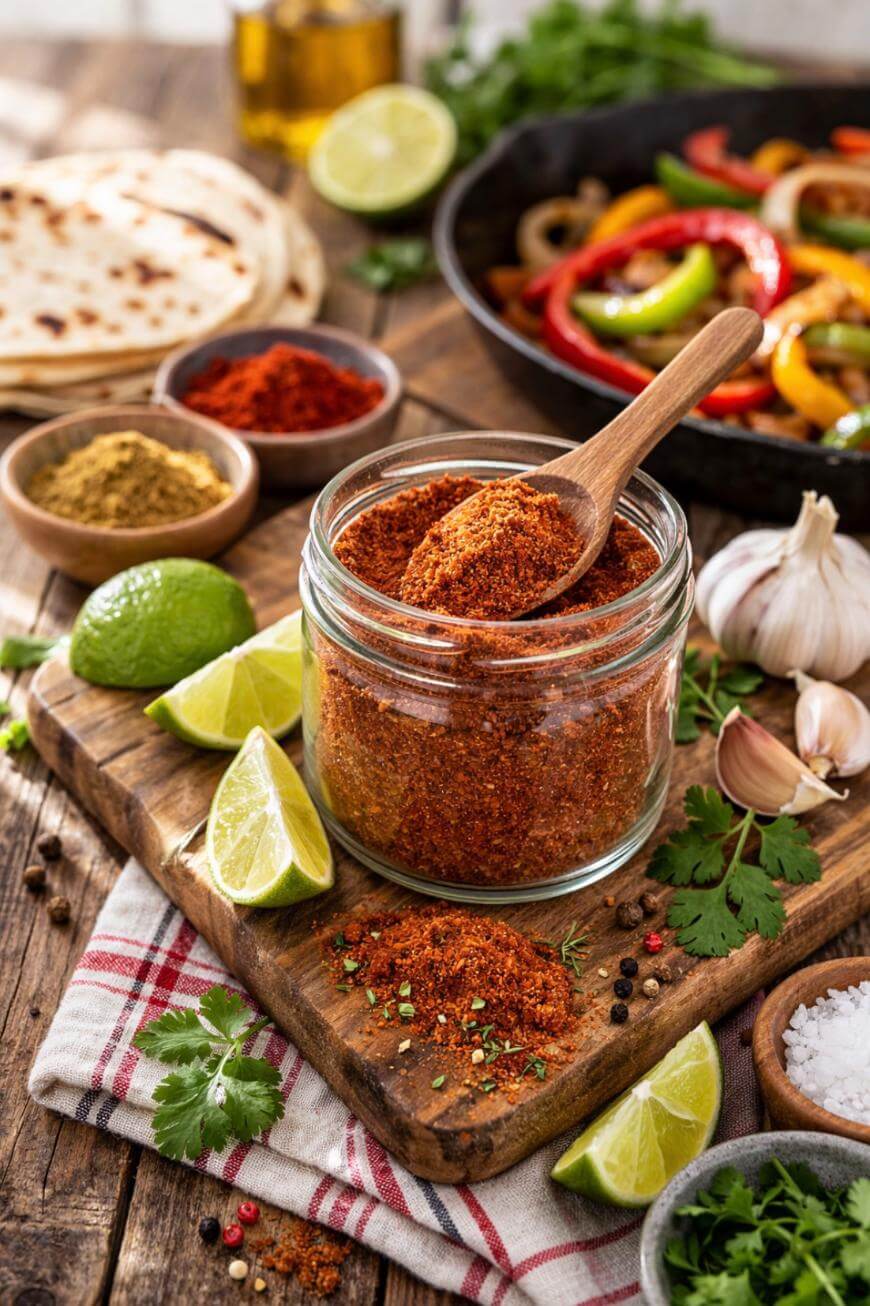
This classic homemade fajita seasoning is a DIY blend of common spices you mix once, then use anytime you want that classic fajita flavor without opening a packet. The simplest method is to whisk together chili powder, cumin, paprika, garlic powder, onion powder, salt, pepper, and a little oregano, then store it in a jar for fast weeknight cooking.
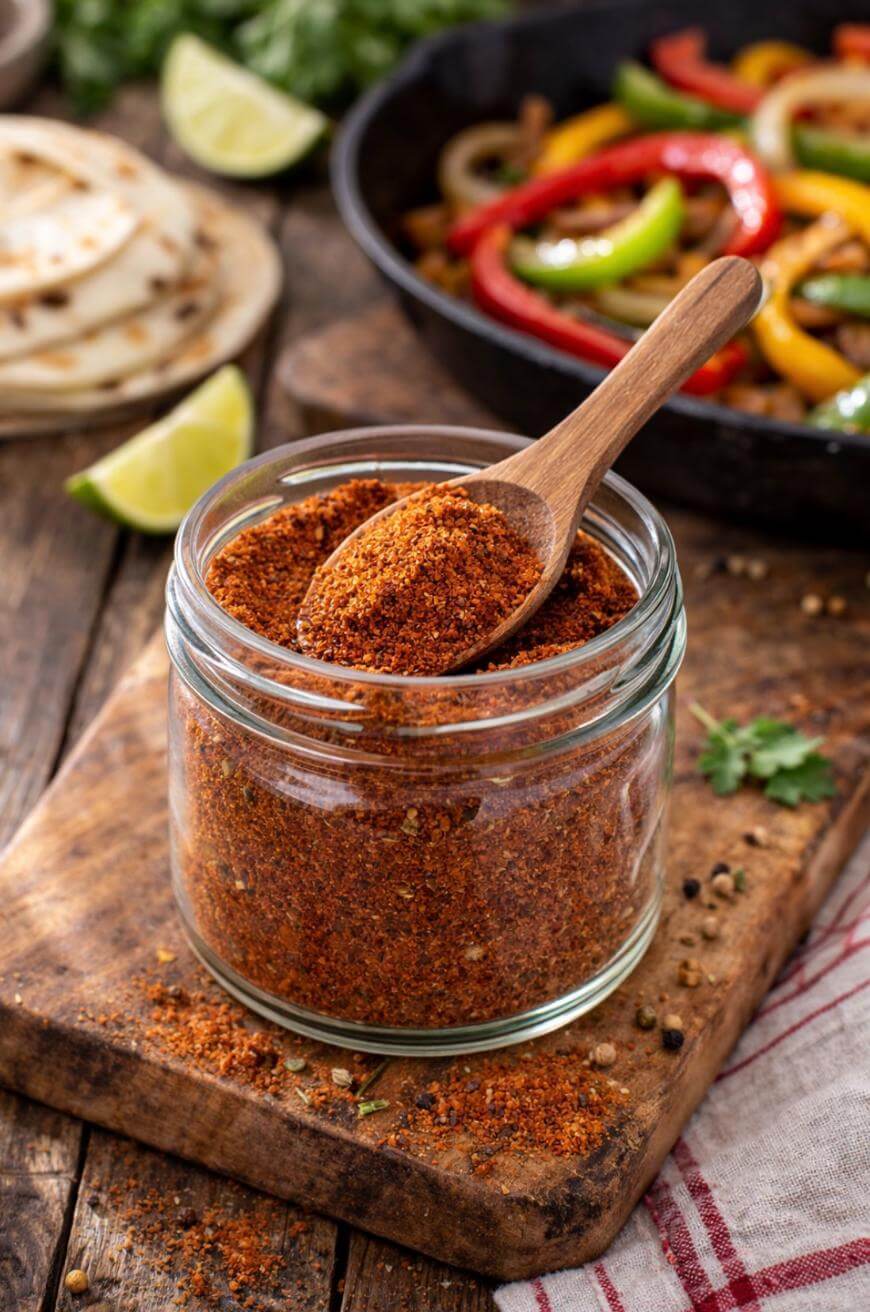
Homemade Fajita Seasoning Ingredients (Basic Batch, About 1/4 Cup)
Chili Powder – 2 tablespoons
Ground Cumin – 1 tablespoon
Paprika – 1 tablespoon
Garlic Powder – 2 teaspoons
Onion Powder – 2 teaspoons
Dried Oregano – 1 teaspoon
Fine Salt – 1 teaspoon
Black Pepper – 1/2 teaspoon
Optional Add-Ins (Use Only If You Want These Effects)
Cayenne Pepper – 1/8 to 1/2 teaspoon (for heat)
Crushed Red Pepper Flakes – 1/4 teaspoon (for a sharper heat)
Smoked Paprika – swap for regular paprika (for a smoky note)
Sugar – 1/4 teaspoon (for “packet-style” balance)
Cornstarch – 1 teaspoon (for light coating and cling)
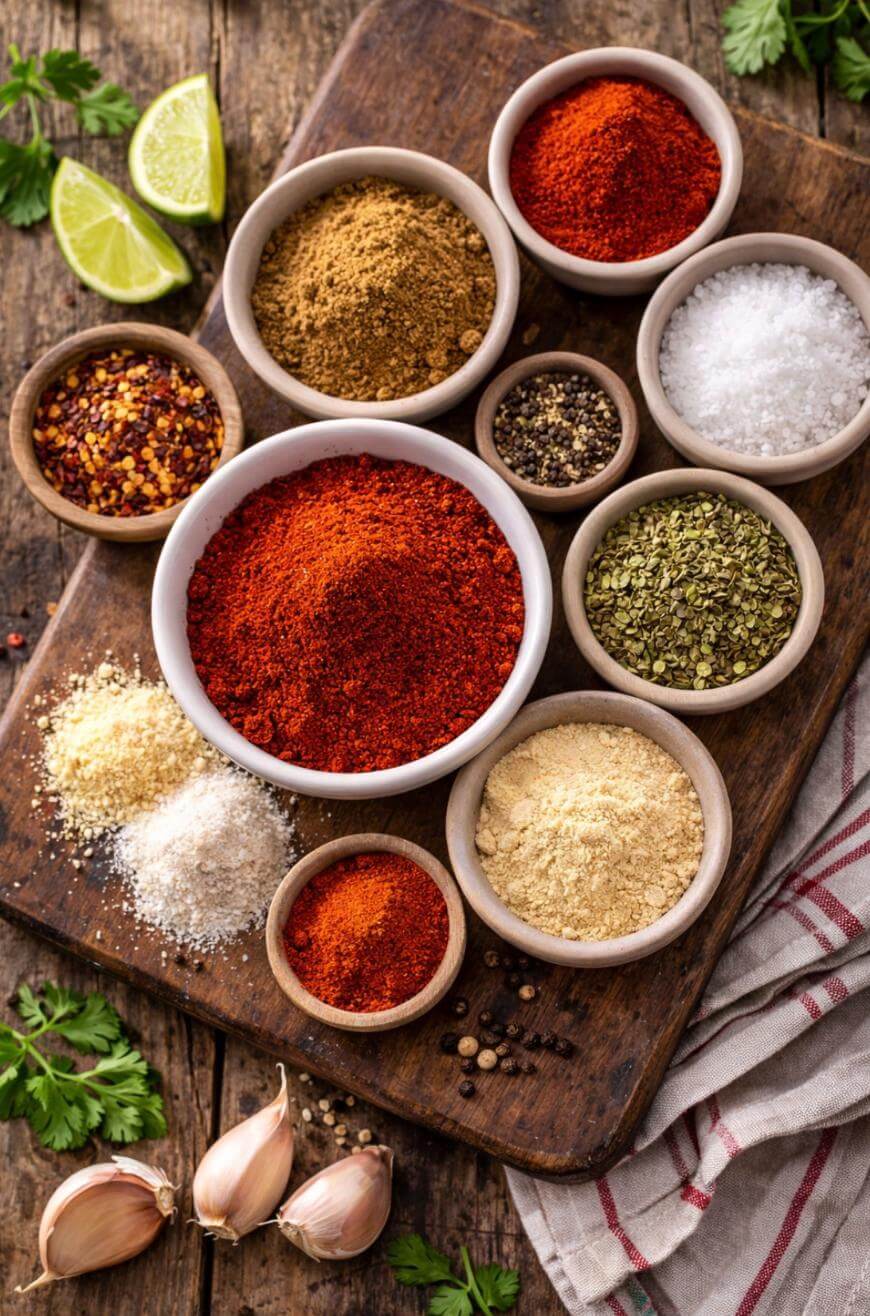
Homemade Fajita Seasoning Recipe Overview
1. Start With A Simple Base Ratio You Can Remember
You’ll get the most “traditional” fajita vibe by building around chili powder and cumin as your anchors. A reliable starting point is 2 parts chili powder to 1 part cumin, then you round it out with paprika, garlic, onion, oregano, salt, and pepper.
If you want an easy mental shortcut, think “chili-cumin first, everything else supports it.” That mindset keeps the blend tasting like fajitas instead of generic taco seasoning.
2. Use Chili Powder As The Main Flavor, Not Just Heat
Chili powder (the blend, not pure ground chiles) brings the warm, slightly sweet backbone that reads as familiar fajita seasoning. If your chili powder is very mild, you can add a pinch of cayenne later for heat without changing the core flavor.
If your chili powder is old and dusty, your seasoning will taste flat no matter what you do. For the best results, replace it if it’s been sitting open for a year or more.
3. Choose Cumin That Smells Strong And Toasty
Cumin is what makes fajitas taste like fajitas, especially when it hits hot oil in a skillet. If you open the jar and it barely smells, you’ll need more to compensate, and that can make the blend taste bitter.
If you can, buy cumin in smaller containers so you finish it sooner. Fresh cumin lets you use less while getting a bolder, more balanced result.
4. Add Paprika For Color And A Rounded Peppery Sweetness
Paprika gives your blend that classic reddish tint and a mild sweetness that keeps the seasoning from tasting harsh. If you like a subtle smoky restaurant note, smoked paprika works, but keep it modest so it doesn’t overpower the cumin.
A good starting point is roughly half as much paprika as chili powder. If you go heavy-handed, the blend can lean too “barbecue” instead of fajita.
5. Use Garlic Powder For Savory Depth Without Burning
Garlic powder blends evenly and holds up well in a dry spice mix. It gives you a steady savory flavor that blooms in oil without the risk of burning like fresh garlic can in a quick sear.
If you only have garlic salt, you can use it, but you’ll need to reduce added salt elsewhere. That swap is fine, but it’s easier to control salt when you stick with garlic powder.
6. Use Onion Powder To Mimic That Skillet Onion Flavor
Onion powder adds the “cooked onion” impression that fajitas are known for, even before you slice a real onion. It also softens the edges of the spices so the blend tastes more integrated.
If your onion powder is clumpy, break it up before measuring. Those little clumps can create salty, sharp pockets in the finished seasoning.
7. Add Dried Oregano For A Traditional Tex-Mex Note
A small amount of dried oregano adds a herbal lift that makes the blend feel complete. Mexican oregano is especially good if you have it, but regular dried oregano still works well.
Keep oregano as a background note, not the lead. Too much can make your seasoning taste “pizza-adjacent,” which is not the goal here.
8. Use Fine Salt So The Blend Mixes Evenly
Fine salt distributes more consistently through the mix, which helps every pinch taste the same. A practical guideline is about 1 teaspoon fine salt per 1/4 cup of finished seasoning, then you adjust based on how you cook.
If you often season meat with salt separately, you can reduce the salt in the blend. That’s especially helpful if you meal prep and don’t want to accidentally double-salt later.
9. Add Black Pepper For Bite, Not Heat
Black pepper adds a gentle sharpness that supports the cumin and chili powder. It’s not there to make things spicy, so you don’t need a lot to notice the difference.
If you use freshly ground pepper, the flavor is brighter and more aromatic. If you use pre-ground, you may want a touch more to get the same pop.
10. Decide If You Want A Little Heat And Add It Last
A traditional fajita seasoning can be mild, medium, or hot depending on the restaurant and region. Cayenne pepper or crushed red pepper lets you dial heat without changing the blend’s main flavor.
Start small, like 1/8 teaspoon cayenne per 1/4 cup seasoning, then taste and increase. Heat climbs quickly, and it’s much harder to fix “too spicy” after the fact.
11. Mix A Classic Batch Size You’ll Actually Use
A practical “recipe-sized” batch is 1/4 cup, which typically seasons about 2 pounds of meat plus vegetables. That amount is big enough to be useful and small enough to stay fresh in your spice cabinet.
If you cook fajitas weekly, doubling is fine. If you only make them occasionally, keep the batch smaller so the flavors stay bold.
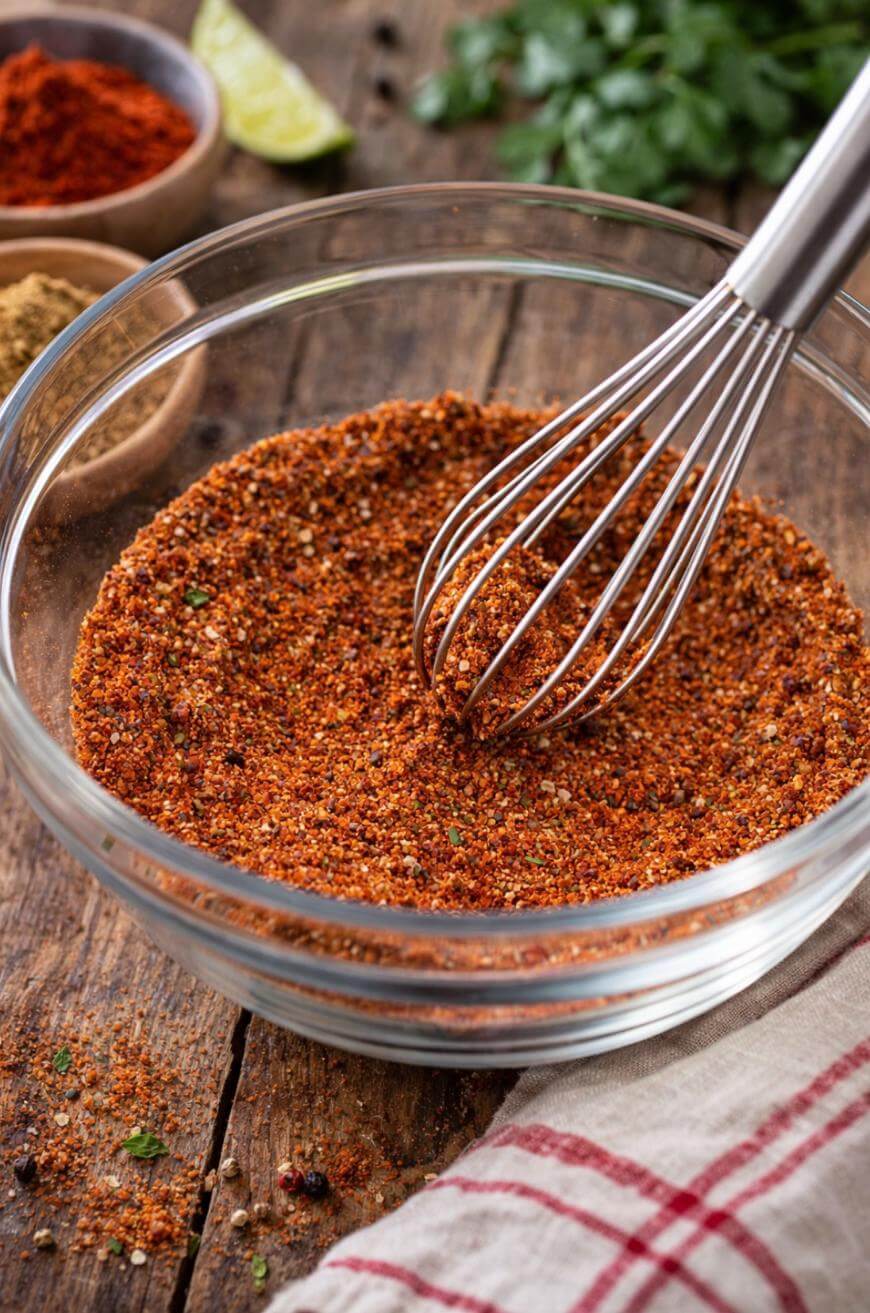
12. Whisk Thoroughly So No Spice Pockets Remain
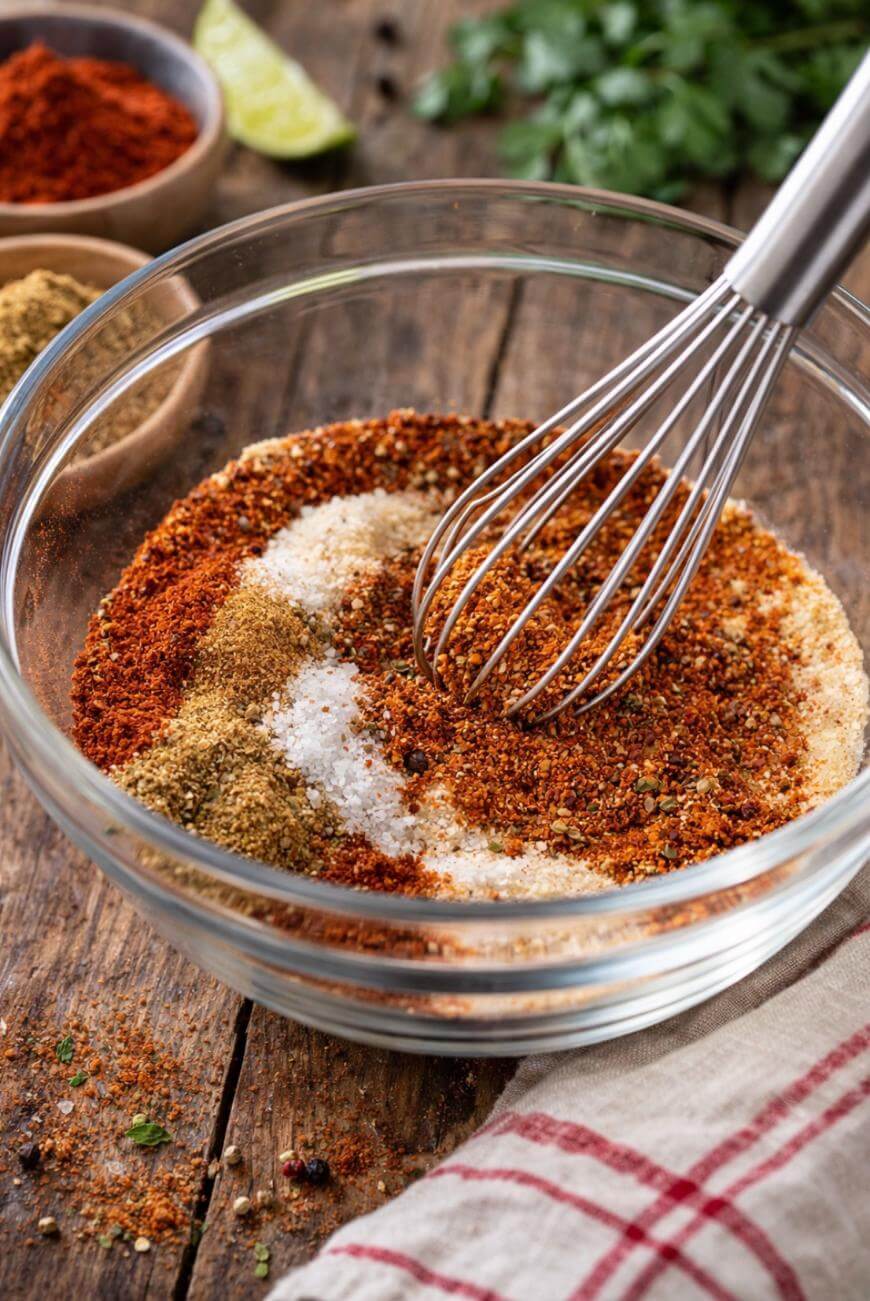
When you mix, whisk or stir longer than you think you need to. Powders like garlic and onion can settle into little clusters, and salt can sink into a corner of the bowl.
If you want a foolproof mix, pour everything into a jar and shake vigorously for 20 seconds. That quick shake usually beats a lazy stir.
13. Taste The Blend The Right Way Before Adjusting
To taste a dry seasoning, you’ll get a better read if you bloom a pinch in a teaspoon of warm oil. That’s closer to how it will taste on meat and peppers than tasting it raw off your finger.
If it tastes flat after blooming, you usually need more salt or cumin. If it tastes sharp, you usually need a touch more paprika or chili powder to round it out.
14. Make It More “Restaurant-Style” With A Tiny Sugar Pinch
Many store-bought mixes taste slightly sweeter because a small amount of sugar balances bitterness in spices. If you want that familiar finish, add a pinch of sugar to the batch, not enough to make it sweet.
A useful guideline is 1/4 teaspoon sugar per 1/4 cup seasoning. If you’re cooking with sweet bell peppers and onions, you may not need any at all.
15. Add A Hint Of Cornstarch If You Like A Light Coating
Some packet seasonings include starch to help the spices cling and to lightly thicken any pan juices. If you want that effect, a small amount of cornstarch can help, especially when you add a splash of water or lime.
Keep it minimal so it doesn’t taste starchy. About 1 teaspoon cornstarch per 1/4 cup seasoning is plenty for a subtle, traditional “packet-like” texture.
16. Keep It Bright With Citrus Added At Cooking Time
A dry spice mix can’t fully replicate the brightness you get from fresh lime. The most traditional-tasting move is to season with the blend, cook hot and fast, then finish with a squeeze of lime.
If you try to add dried citrus powders, the flavor can skew artificial depending on the product. Fresh lime at the end is usually the easiest upgrade.
How To Use Homemade Fajita Seasoning Like A Traditional Recipe
17. Use The Right Amount Per Pound For Balanced Flavor
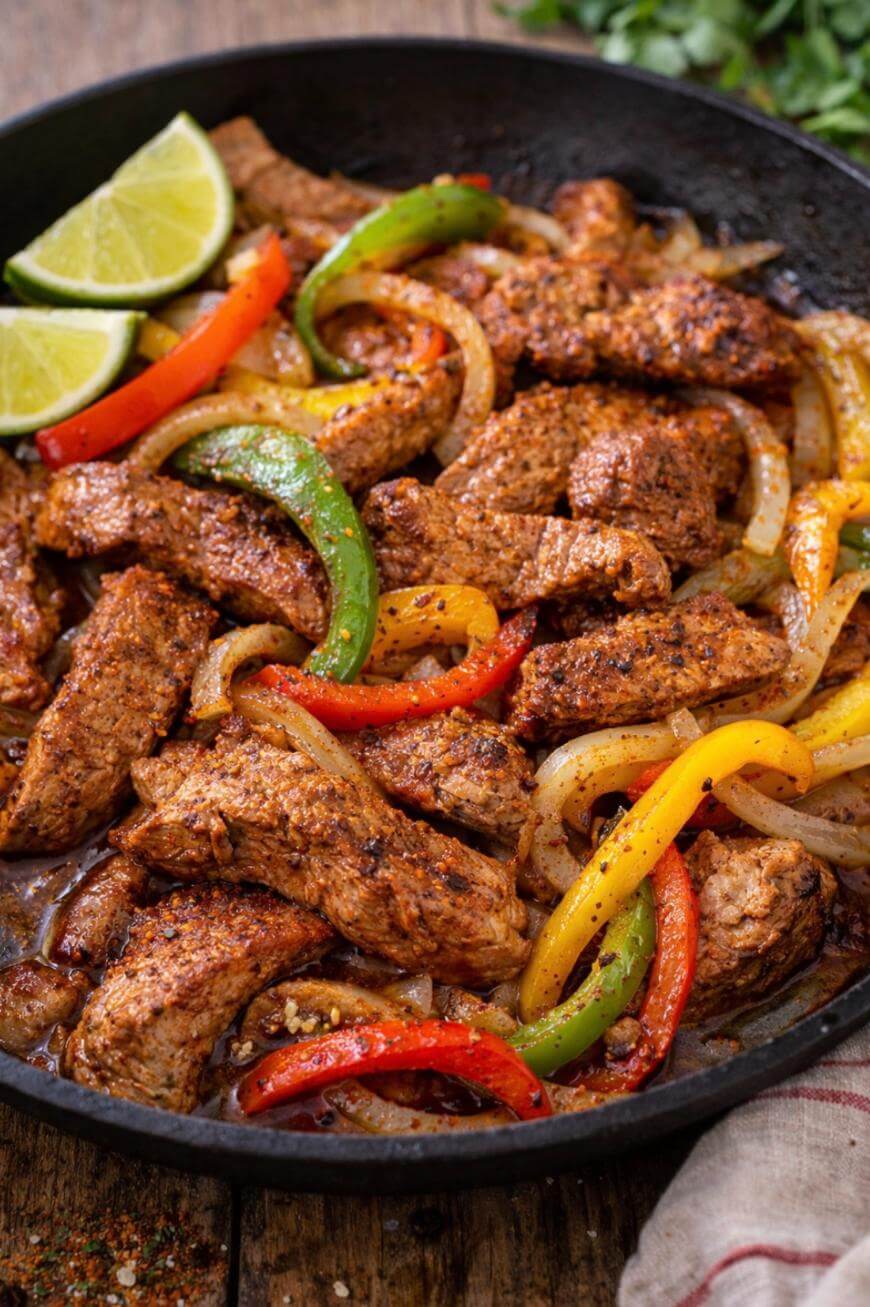
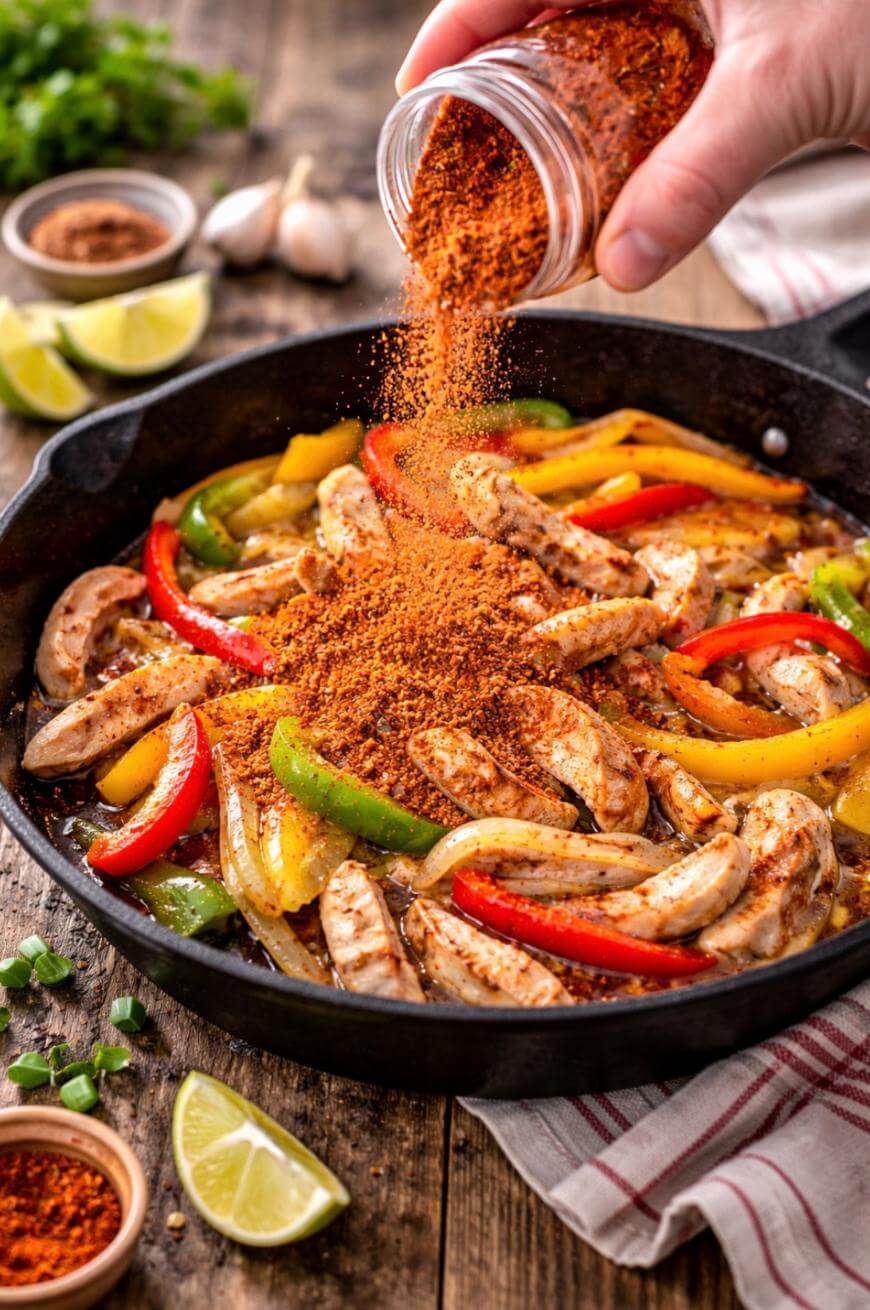
A solid starting point is 1 tablespoon seasoning per 1 pound of meat, then you adjust based on your salt preference. If you’re seasoning vegetables too, add an extra 1 to 2 teaspoons to cover everything evenly.
If you go way heavier, you can end up with a chalky spice coating. If you go too light, it tastes like “seasoned meat” instead of fajitas.
18. Add A Little Oil First So The Spices Bloom
For the most traditional skillet flavor, toss meat with 1 to 2 teaspoons oil per pound before adding seasoning. Oil helps the spices dissolve and toast lightly, which makes the whole dish smell more like a restaurant fajita plate.
If you skip oil and your pan is very hot, the spices can scorch on contact. That’s when you get bitterness instead of that warm, toasted aroma.
19. Marinate Briefly If You Want Deeper Flavor
You don’t need a long marinate, but 15 to 30 minutes makes a noticeable difference, especially with chicken. Mix seasoning with oil and a splash of lime juice, then coat the meat and refrigerate.
If you marinate for hours with a lot of acid, some proteins can get a little mushy. Short and simple is the traditional, weeknight-friendly approach.
20. Cook Hot And Fast, Then Rest Before Slicing
Fajitas taste best when you sear over medium-high heat so you get browning without steaming. After cooking, rest the meat for 5 minutes, then slice against the grain for tenderness.
If you slice immediately, juices run out and the meat tastes drier. Resting is a small step that makes your seasoning taste like it “worked better.”
Storage, Shelf Life, And Make-Ahead Tips
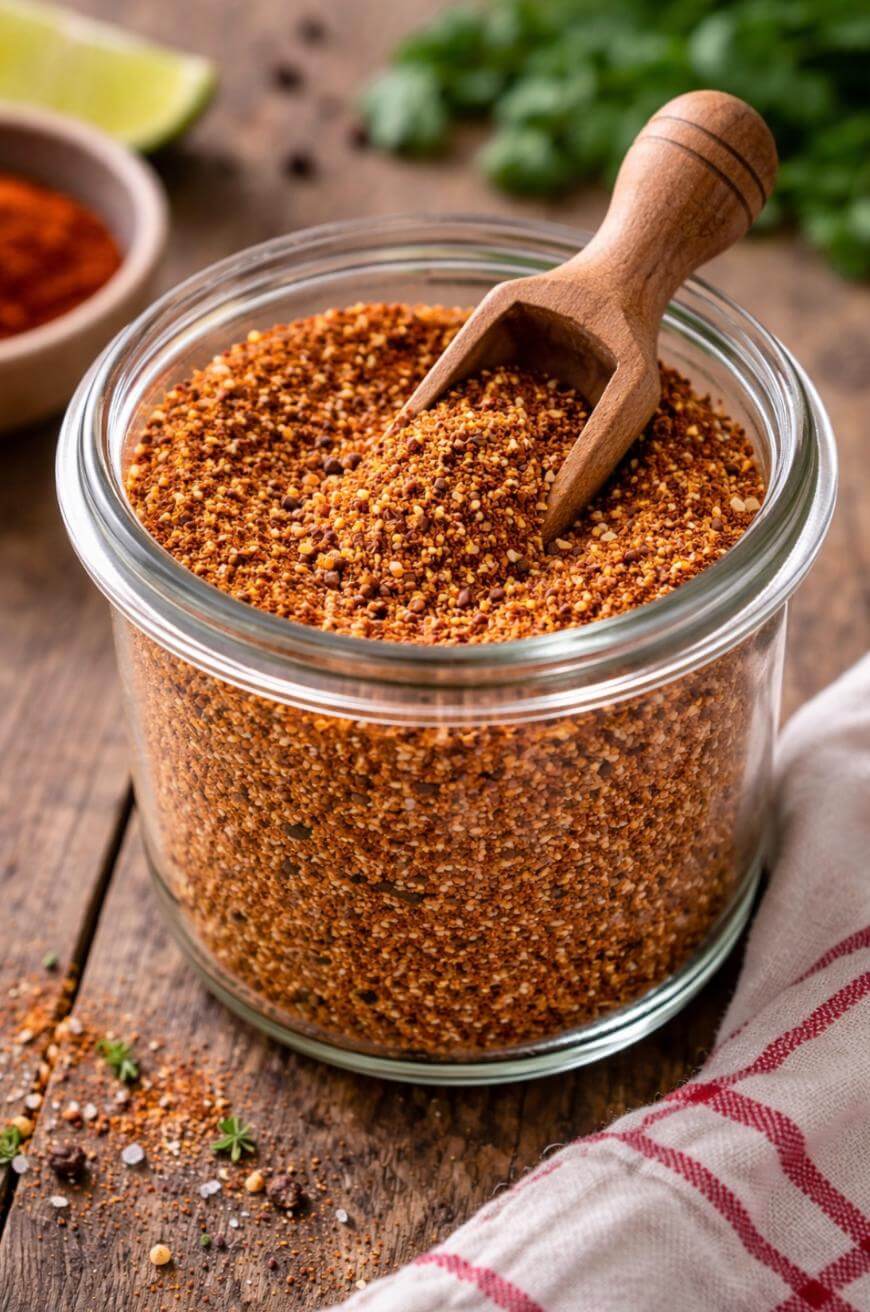
21. Store In An Airtight Jar Away From Heat And Light
A small glass jar with a tight lid is ideal because it keeps moisture out and odors from getting in. Keep it in a cabinet away from the stove so heat doesn’t dull the flavor over time.
If your kitchen is humid, consider adding a food-safe silica packet from a spice jar you already own. Moisture is the main reason spice blends clump and lose potency.
22. Use A Realistic Shelf-Life So It Still Tastes Fresh
Most spice blends taste best within 3 to 6 months, even though they’re safe longer. If you want consistent fajita flavor, make smaller batches and refresh them a few times a year.
If it starts smelling weak, double the batch and replace it rather than trying to “save” it with random additions. Fresh spices are cheaper than disappointing dinner.
Troubleshooting And Easy Variations
23. Fix A Blend That Tastes Too Bitter Or Too Smoky
Bitterness often comes from too much cumin, too much smoked paprika, or spices that have toasted too hard in the pan. To fix the blend, add a little more chili powder and paprika, then a small pinch of sugar if needed.
When cooking, lower the heat slightly and add the seasoning after the meat has a little color. That timing helps prevent scorching, which is a common bitterness culprit.
24. Build Two Variations So You Always Have The Right One
A “mild family” jar can skip cayenne and keep black pepper modest, while a “spicy” jar adds cayenne and a pinch of crushed red pepper. Keeping two jars lets you cook for different heat preferences without guessing every time.
Label the lids with a date and the heat level so you don’t mix them up. That small habit makes your homemade fajita seasoning feel like a true pantry staple.

Homemade Fajita Seasoning
A quick DIY blend of pantry spices that tastes just like your favorite fajita seasoning packet, ready in about 5 minutes.
Ingredients
- 2 tablespoons chili powder
- 1 tablespoon ground cumin
- 1 tablespoon paprika
- 2 teaspoons garlic powder
- 2 teaspoons onion powder
- 1 teaspoon dried oregano
- 1 teaspoon fine salt
- 1/2 teaspoon black pepper
Instructions
- Add the chili powder, cumin, paprika, garlic powder, onion powder, oregano, salt, and pepper to a small bowl or jar.
- Whisk or stir until the spices are evenly combined with no clumps.
- Transfer to an airtight container or jar and store in a cool, dry place for up to 6 months.
- Use about 1 tablespoon of seasoning per pound of meat or vegetables when cooking.
Notes
For a smoky note, swap in smoked paprika. For heat, add 1/8 to 1/2 teaspoon cayenne pepper. Double or triple the batch to keep extra on hand for weeknight cooking.
Nutrition Information:
Yield:
4Serving Size:
1 tablespoonAmount Per Serving: Calories: 21Total Fat: 0.7gSaturated Fat: 0.1gSodium: 583mgCarbohydrates: 4gFiber: 1.7gSugar: 0.5gProtein: 0.9g
This site provides estimated nutritional information. This information comes from online calculators. Although we try to provide accurate nutritional information, these figures are only estimates.
Key Takeaways
You’ll get the most traditional flavor by leading with chili powder and cumin.
Aim for about 1 tablespoon seasoning per pound of meat as your starting point.
Bloom the spices in a little oil for a stronger, restaurant-style aroma.
Finish with fresh lime after cooking for the brightest fajita taste.
Store airtight and use within 3 to 6 months for best flavor.
Make two jars if you cook for both mild and spicy preferences.
FAQ
Can you use this seasoning for vegetables only?
Yes, you can use it on vegetables only. Start with about 2 teaspoons per pound of sliced peppers and onions, then add more in small pinches as they cook.
How do you keep the seasoning from tasting gritty?
You keep it from tasting gritty by not over-seasoning and by blooming it in oil. If it still feels powdery, add a tablespoon of water or lime juice to the pan and toss to coat.
Is it cheaper than store-bought packets?
Yes, it’s usually cheaper if you already keep basic spices on hand. A homemade batch commonly costs a few dollars total and replaces multiple $1–$2 packets, depending on your spice prices.
What if you don’t have chili powder?
You can substitute a mix of paprika plus a small amount of cumin and a pinch of cayenne. It won’t taste exactly the same, but it will still give you a solid fajita-style profile.