Last updated: July 18, 2026
If you have ever wondered how to turn a simple vegetable plate into something guests actually get excited about, you are in the right place. We are sharing the best crudite platter ideas—covering what to include, how to arrange everything beautifully, and which dips make the whole thing sing.
Whether you are hosting a casual get-together or a holiday party, a well-made crudite platter is one of the easiest appetizers you can put together with impressive results. Keep reading and we will walk you through everything, from the freshest vegetable picks to creative themes that will have everyone reaching for more.
The Best Vegetables to Include on Your Crudite Platter
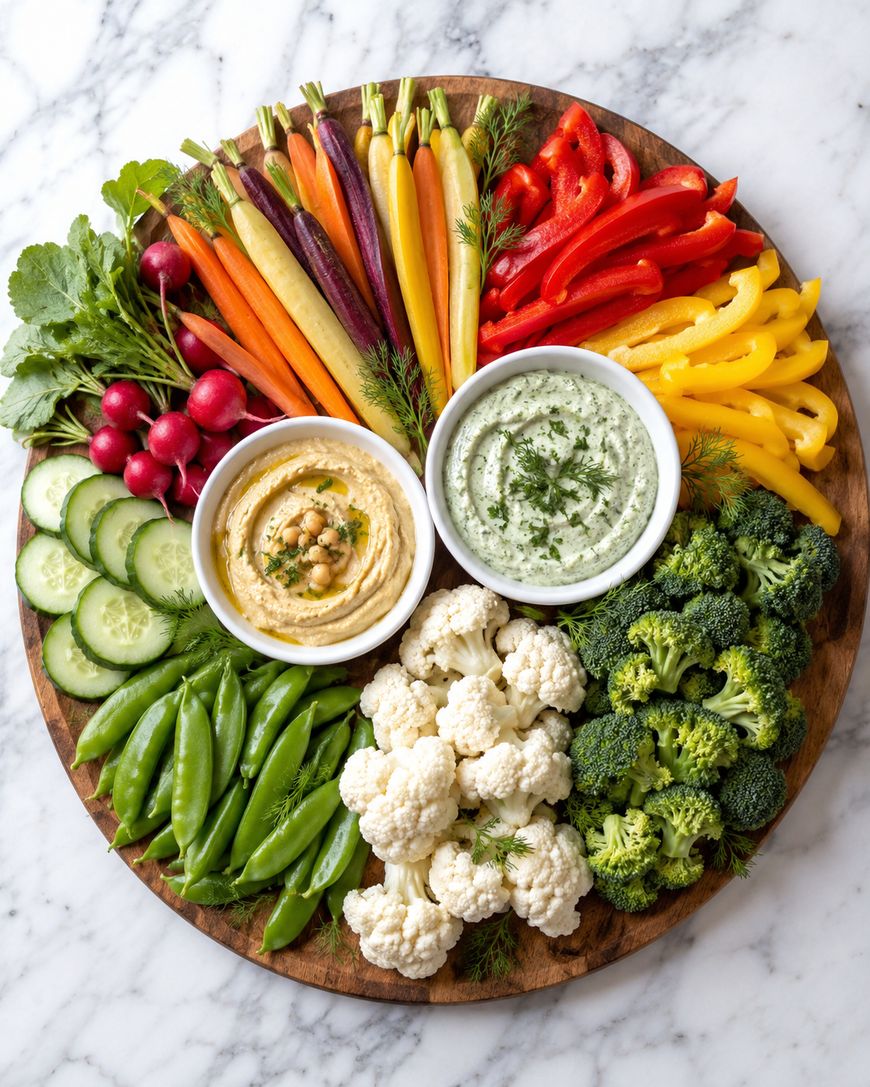
The foundation of any great crudite platter is the vegetable selection. Choosing the right mix ensures you have visual variety, a range of textures, and flavors that complement your dips. Here are the best options to build from when brainstorming crudite platter ideas.
Carrots are a non-negotiable staple. Whether you use classic orange carrots, rainbow varieties, or petite baby carrots, they hold up well, have a satisfying crunch, and pair beautifully with virtually any dip. Cut them into sticks or use whole baby carrots for an effortless look.
Celery adds a refreshing, mild bite and a pale green color that balances bolder vegetables. Cut it into sticks of similar length to your carrots so the platter looks cohesive. Cucumber rounds or spears are another crowd favorite—they are cool, hydrating, and especially good with hummus or tzatziki.
Bell peppers are one of the most visually impactful vegetables you can add. Use red, yellow, and orange varieties sliced into strips to inject warm, jewel-toned color throughout the platter. They are naturally sweet, which makes them approachable for guests who are less enthusiastic about vegetables.
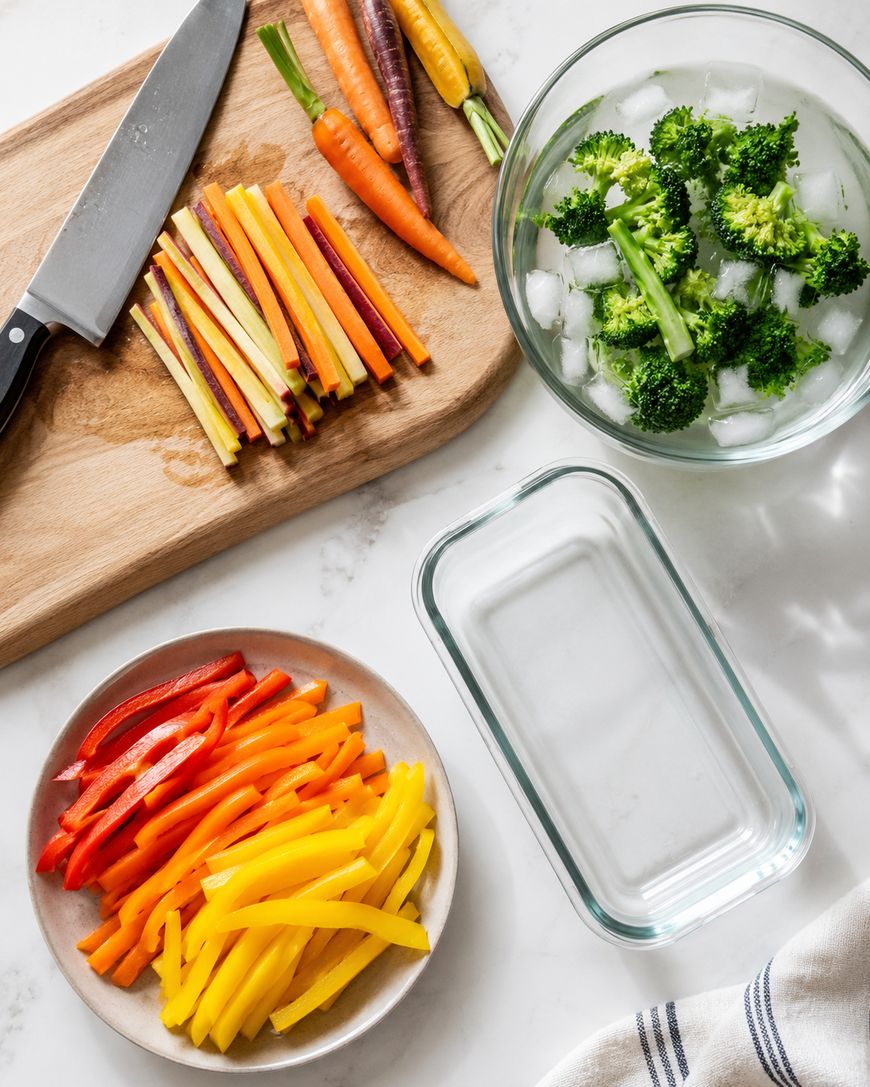
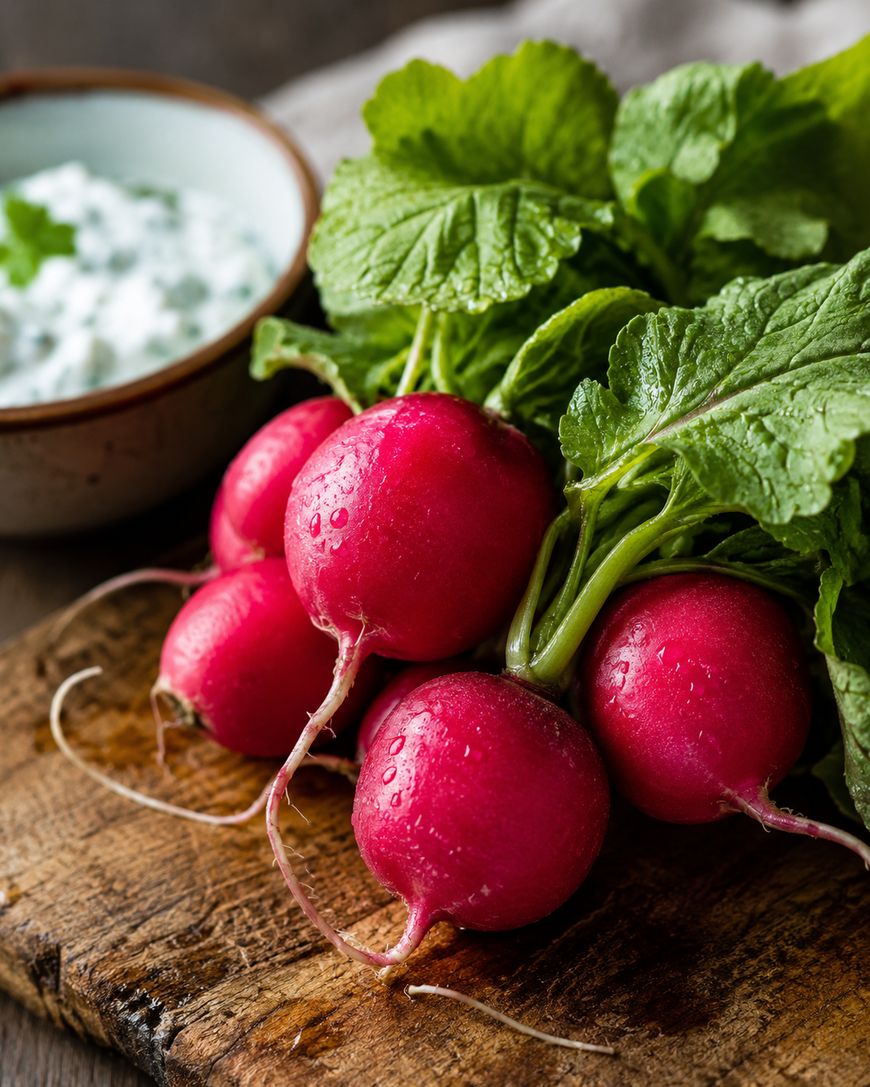
Broccoli and cauliflower florets add height and textural interest. You can serve them completely raw, or give them a quick blanch in salted water followed by an ice bath to soften them slightly while retaining their color and crunch. Radishes—sliced or kept whole with their green tops—bring a peppery punch and a pop of magenta that is hard to beat visually.
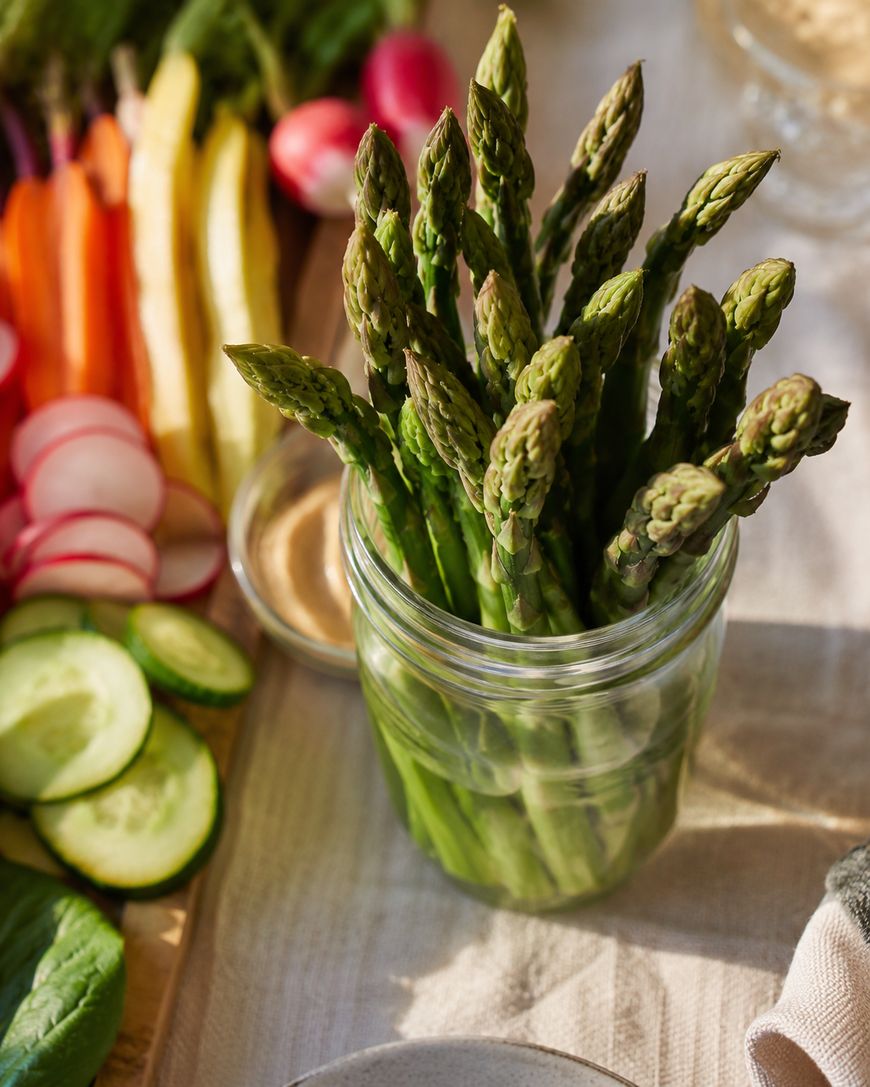
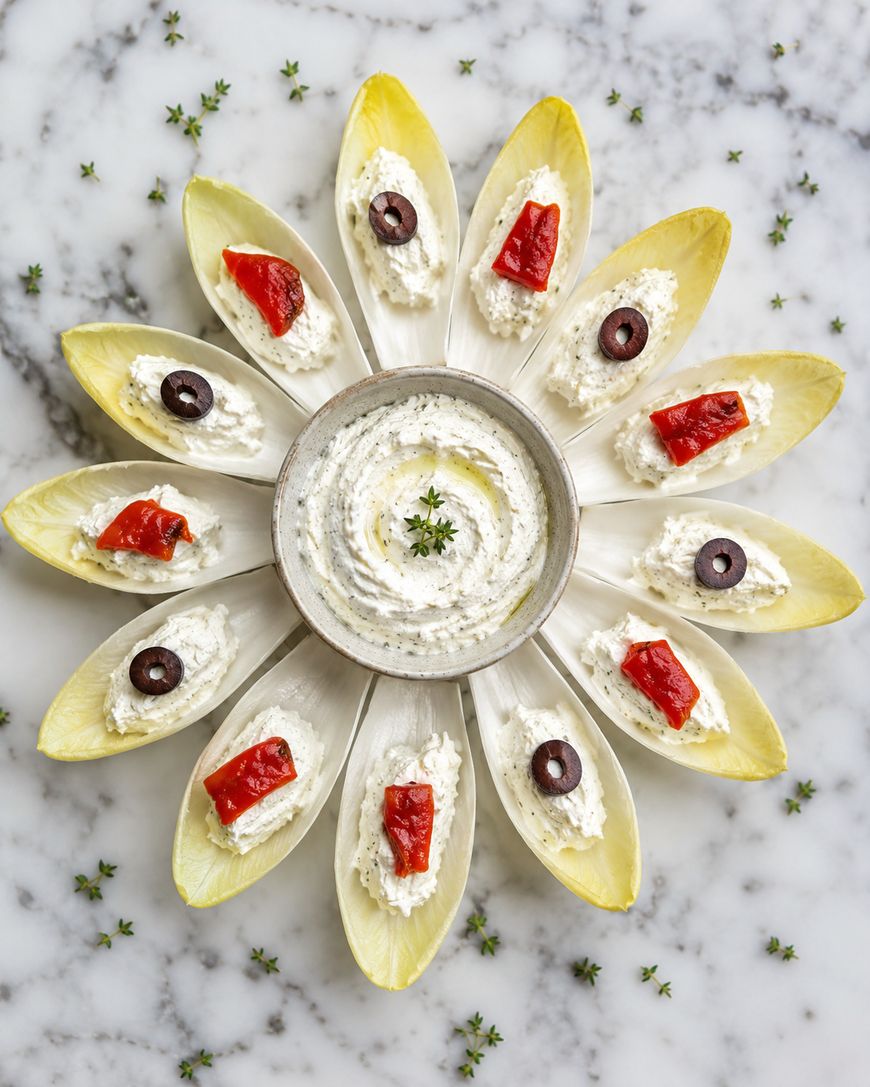
Do not overlook snap peas, asparagus spears, endive leaves, and cherry tomatoes. These bring unique shapes and varying flavors that keep things interesting. Endive leaves in particular work beautifully as natural scoops, and asparagus spears give the platter an elegant, upscale feel.
Top Dip Ideas to Pair With Your Crudite Platter
No list of crudite platter ideas would be complete without a deep dive into the dips. The right dipping sauce can elevate even the simplest vegetable selection, so it is worth putting thought into what you serve alongside your produce.
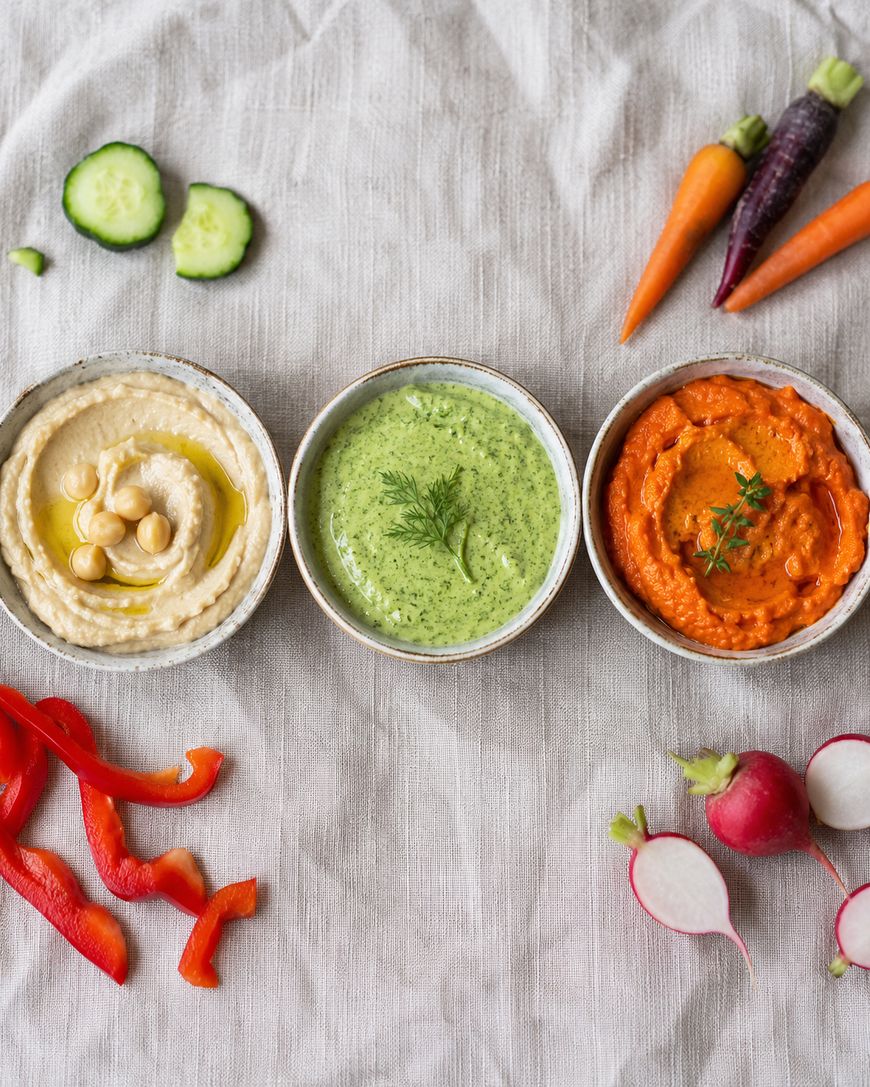
Classic hummus is always a winner. You can stick with traditional chickpea hummus or branch out into roasted red pepper, beet, or lemon-herb varieties. Offering two hummus flavors side by side is an easy way to add visual interest and give guests a choice.
Tzatziki is another standout option—creamy, garlicky, and packed with fresh cucumber and dill. It pairs especially well with bell peppers, carrots, and pita bread if you choose to include any. For a richer, more indulgent option, a whipped feta dip or a blue cheese dip adds serious flavor depth.
Green goddess dressing doubles beautifully as a dip and brings a gorgeous, vibrant color to your spread. Made with herbs like basil, chives, tarragon, and parsley blended with buttermilk or yogurt, it is fresh and bright. A simple French onion dip made from caramelized onions and sour cream is another nostalgic crowd-pleaser that works for casual gatherings.
For something with a bit more heat, consider a roasted jalapeño ranch or a smoky chipotle yogurt dip. These bolder options contrast nicely with the coolness of raw vegetables and tend to disappear quickly. Aim for at least two dips per platter—one mild and creamy, one punchy and herbaceous—so every guest finds something they love.
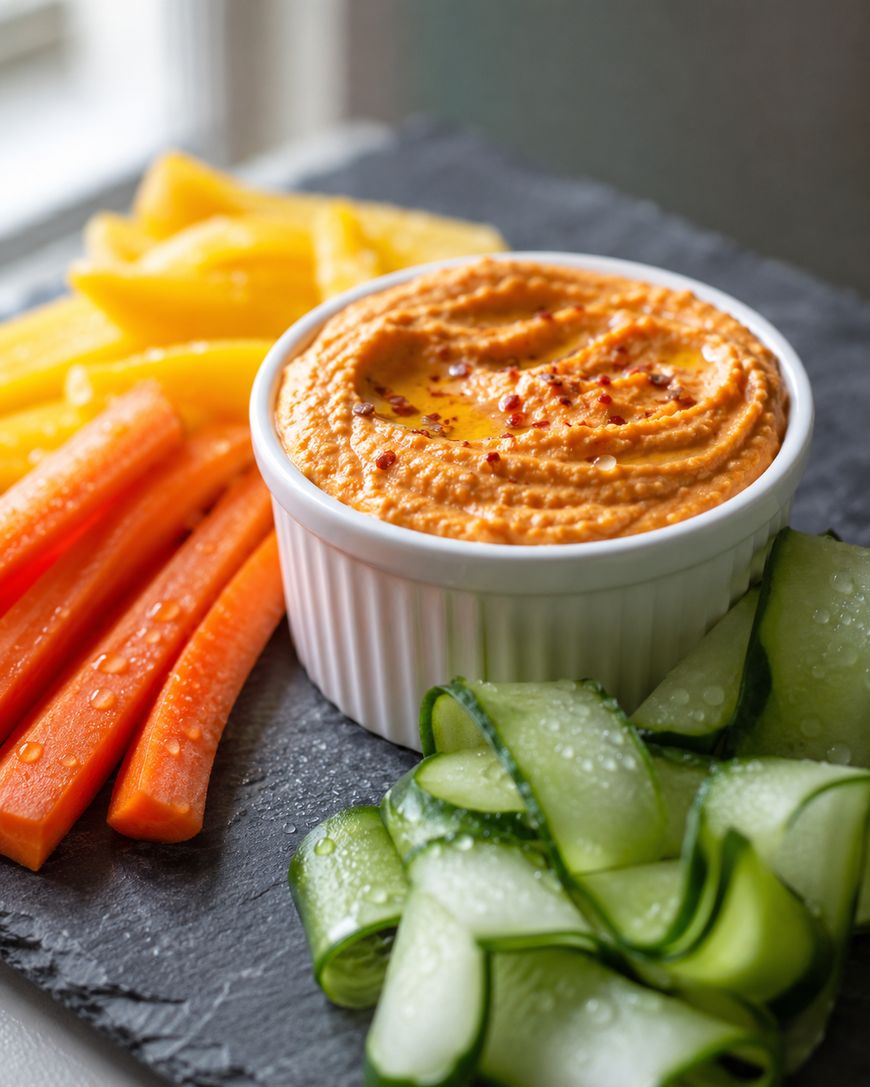
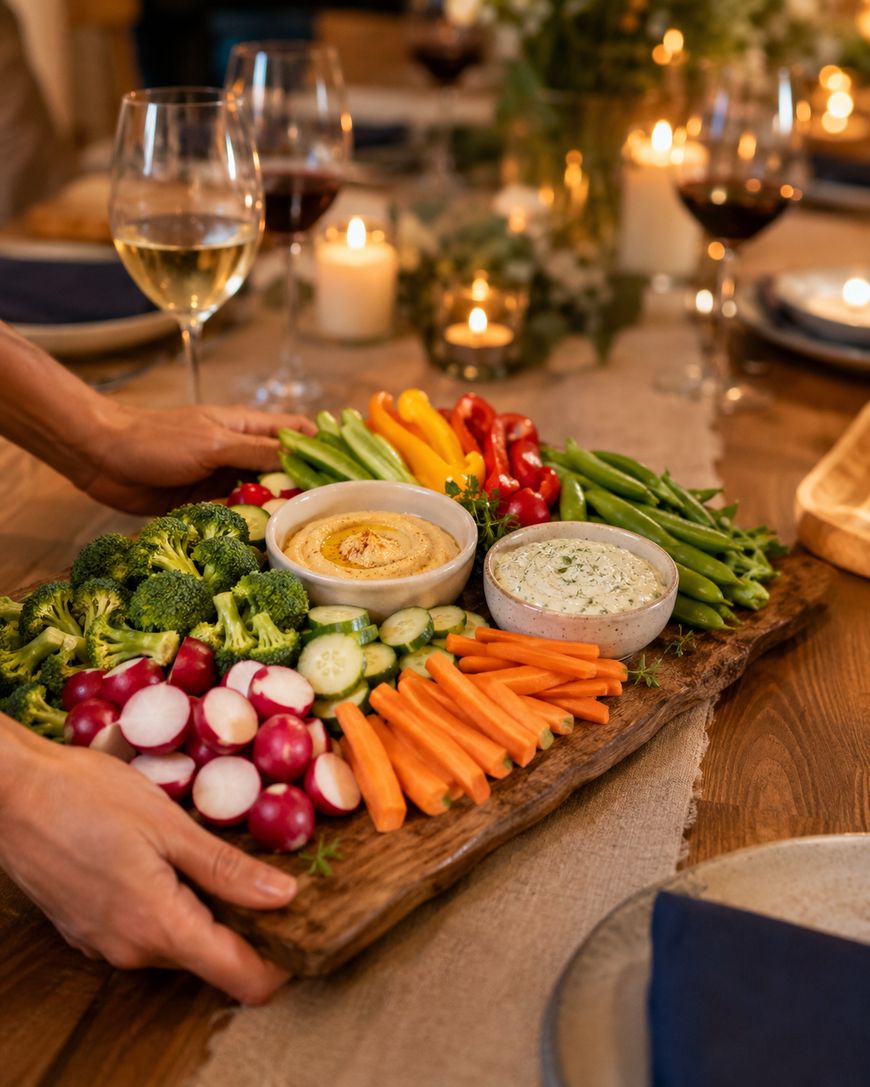
Place your dips in small bowls or ramekins and nestle them into the platter surrounded by vegetables. This approach looks intentional and makes it easy for guests to dip without having to reach past the vegetables to find the sauce.
How to Arrange a Stunning Crudite Platter
The difference between a platter that looks thrown together and one that looks professionally styled comes down to a few simple arrangement techniques. When you are putting your crudite platter ideas into action, how you lay everything out matters as much as what you choose to include.
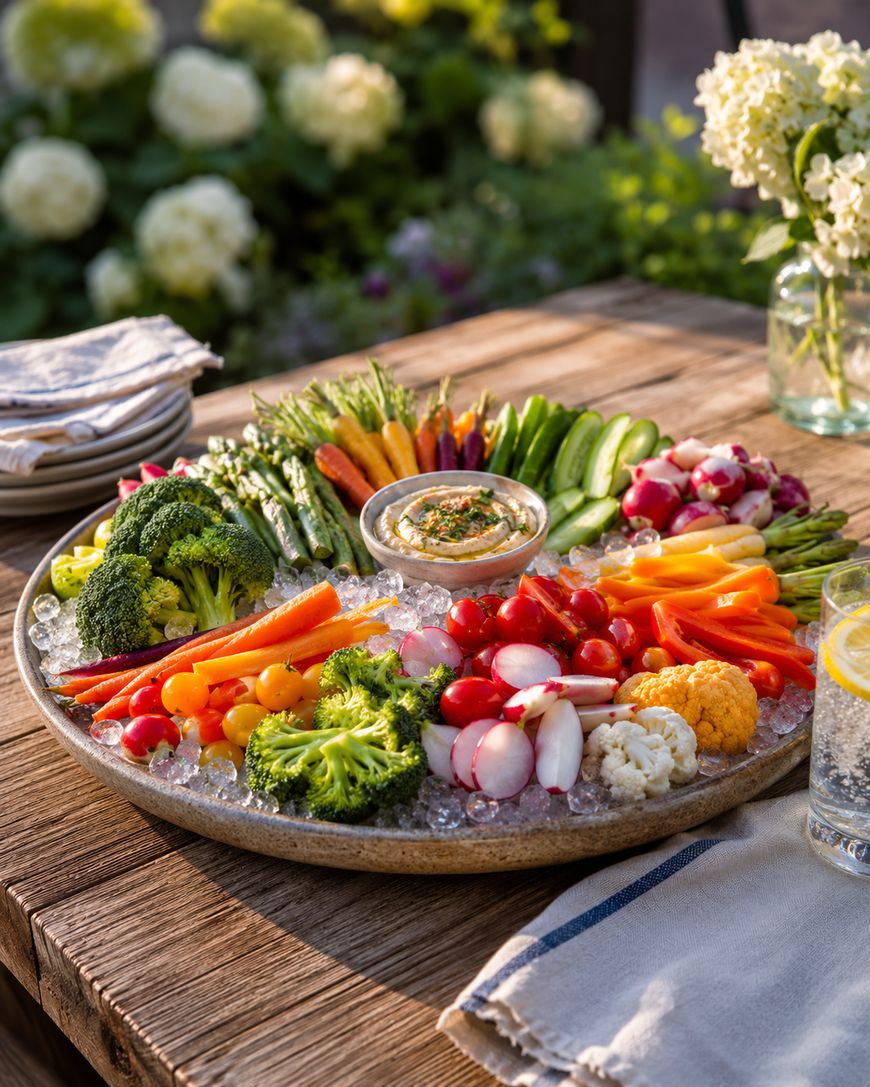
Start with your dip bowls first. Place them in the spots where they will anchor the arrangement—typically in the center or offset slightly toward one side of the board or tray. Once the bowls are in place, you can build the vegetables around them in a way that feels balanced.
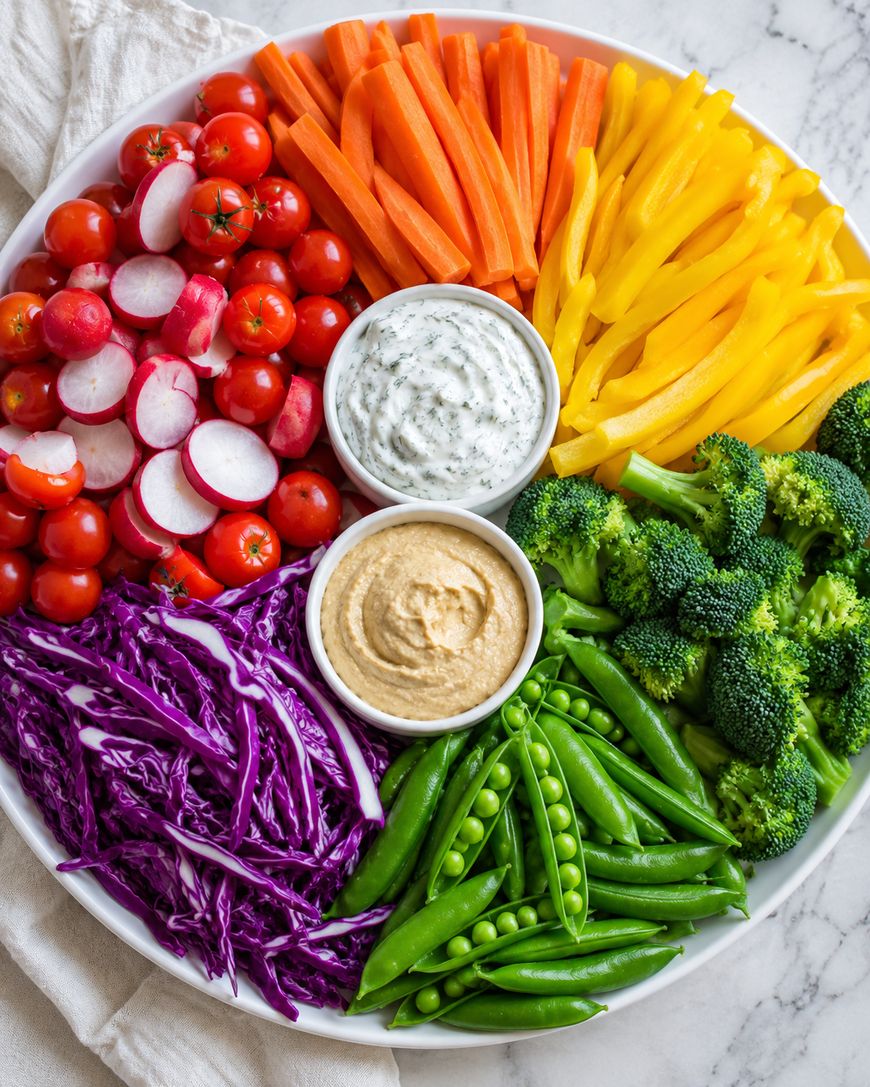
Group vegetables by type rather than mixing everything together. Fanning out sliced bell peppers in one section, mounding broccoli florets in another, and lining up carrot sticks in a third creates visual order that makes the platter easy to navigate. Use the grouping method to create color blocks—keep like colors together rather than scattering them randomly.
Vary the heights within your arrangement. Taller elements like asparagus spears or celery sticks can stand in a glass or small jar to add dimension. Lower, rounder vegetables like cherry tomatoes or radishes can fill in the gaps between taller groupings. This layering effect gives the platter a full, abundant look.
Fill in any empty spaces with small garnishes like fresh herbs, lemon wedges, or edible flowers. A few sprigs of fresh dill or parsley tucked in here and there add color and a touch of elegance without requiring much effort. The goal is to make the platter look generous and inviting, with no visible gaps in the arrangement.
Creative Crudite Platter Themes to Try
Once you have the basics down, you can have a lot of fun taking your crudite platter ideas in a themed direction. A themed platter adds a conversation-starting element to your spread and makes the whole setup feel more intentional and festive.
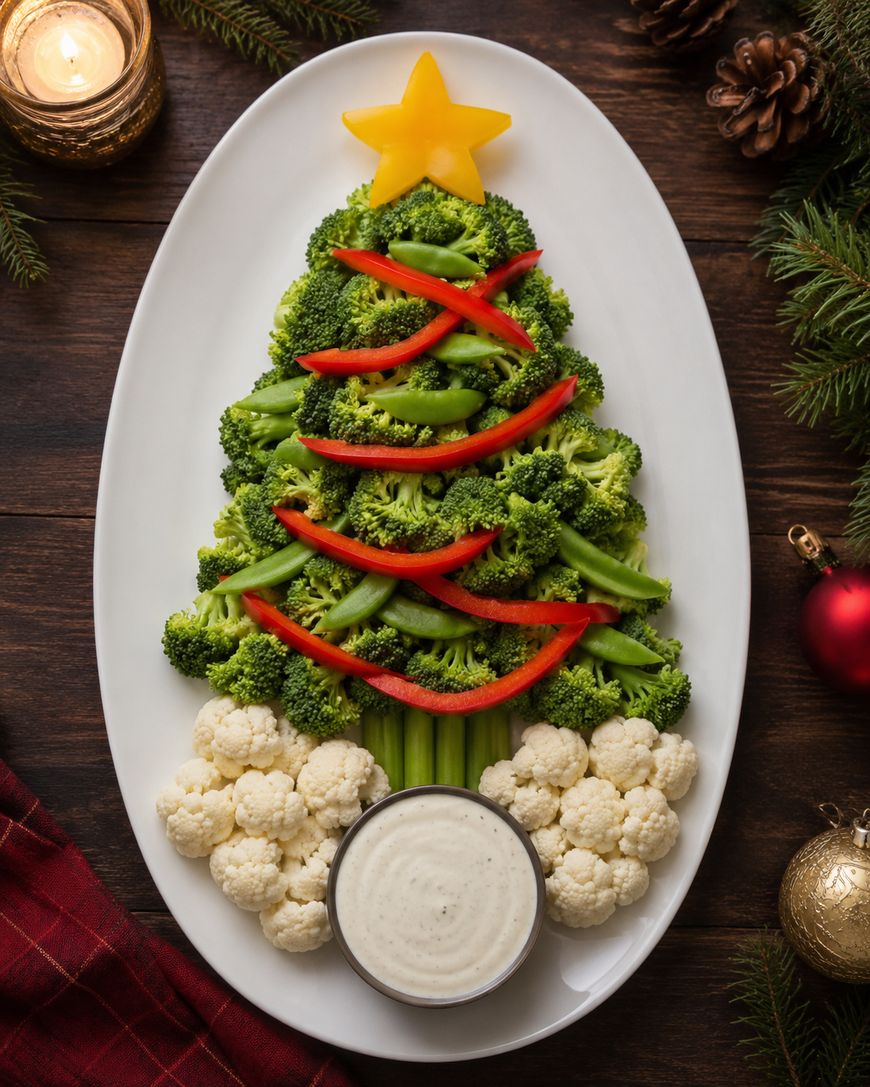
For a holiday-season platter, arrange your vegetables in the shape of a Christmas tree or wreath. Use broccoli and snap peas for the green base, add red bell pepper strips for ornament-like color, and top with a yellow bell pepper star. It is a playful, eye-catching presentation that guests will photograph before they dig in.
A patriotic summer platter works beautifully for Fourth of July gatherings. Layer red cherry tomatoes and radishes, white cauliflower, and blue—well, purple—cabbage strips or blueberries into a flag or striped pattern. Pair it with a classic ranch dip and it becomes an instant party centerpiece.
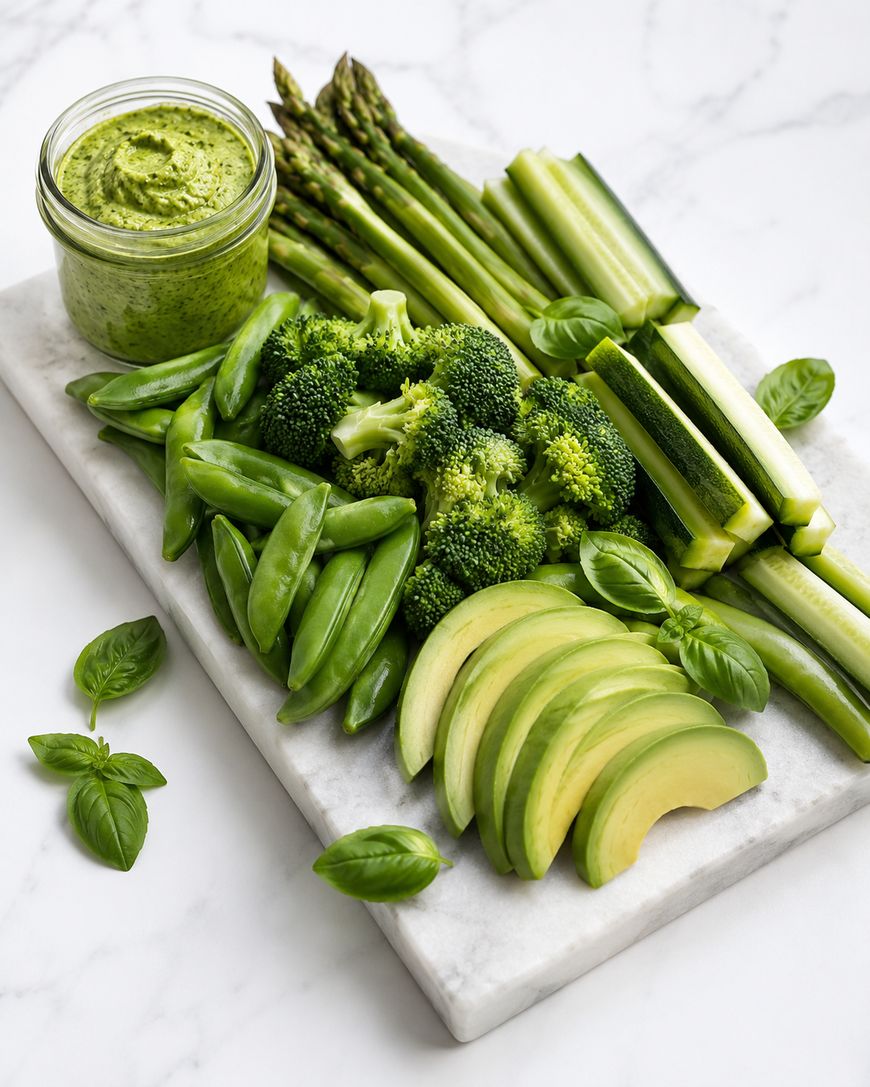
For an upscale dinner party, lean into a more minimalist, monochromatic theme. A “green goddess” platter featuring only green vegetables—cucumber, broccoli, snap peas, asparagus, zucchini, and avocado slices—feels sophisticated and cohesive. Serve it with a vibrant green goddess dip to tie the whole look together.
A rainbow platter arranged in the order of the color spectrum is always impressive and works for any occasion. It requires a bit more planning to source all the colors, but the payoff is a platter that looks like a piece of art. This style photographs especially well and is perfect for events where you know guests will be snapping pictures.
Make-Ahead Tips for Stress-Free Entertaining
One of the biggest advantages of crudite platter ideas is that so much of the prep can be done in advance. Knowing how to get ahead saves you valuable time on the day of your event and makes the whole hosting experience more enjoyable.
Most raw vegetables can be cut and stored in the refrigerator for up to two days before your party. Place them in airtight containers or zip-top bags with a damp paper towel to keep them crisp and fresh. Carrots, celery, bell peppers, broccoli, and cauliflower all hold up exceptionally well when prepped ahead.
Dips can also be made a day or two in advance. Hummus, tzatziki, and green goddess dressing actually improve with a little time in the refrigerator as the flavors meld together. Store dips in sealed containers and give them a good stir before transferring them to serving bowls.
On the day of your event, all you need to do is assemble the platter. This takes about 15 to 20 minutes when everything is prepped and waiting. Pull the vegetables from the refrigerator about 20 minutes before serving so they are not ice-cold, which can mute their flavors slightly.
Avoid assembling the platter more than an hour or two before guests arrive if possible. While the vegetables will stay fresh, some—like avocado, which you might include for creaminess—can discolor, and the visual impact of a fresh, just-assembled platter is hard to beat.
What Is a Crudite Platter and Why Does It Work So Well?
A crudite platter is a classic French-inspired appetizer featuring raw or lightly blanched vegetables served alongside one or more dipping sauces. The name comes from the French word for “raw,” and the concept is refreshingly simple: fresh, colorful vegetables displayed in an appealing way that invites grazing.
What makes crudite platter ideas so popular is their versatility. You can scale them up or down for any crowd, adapt them to seasonal produce, and customize the dips to match the flavor profile of your event. They also happen to be naturally gluten-free, easy to prep ahead, and visually stunning when done right.
Unlike cheese boards or charcuterie spreads, a crudite platter tends to feel lighter and more approachable. Guests who are watching what they eat appreciate having a beautiful, satisfying option that does not feel like a compromise. When your vegetable display looks as good as it tastes, even the most devoted snack-board skeptics will come back for seconds.
The best crudite platters balance color, texture, and flavor. You want a mix of crunchy and crisp vegetables in a range of hues—think deep purples, bright oranges, vivid greens, and clean whites. Pair that rainbow of produce with at least two contrasting dips, and you have an appetizer that checks every box.
Frequently Asked Questions About Crudite Platter Ideas
What vegetables are best for a crudite platter?
The best vegetables combine visual variety with a range of textures and mild flavors that pair well with dips. Carrots, bell peppers, cucumber, broccoli, cauliflower, celery, snap peas, and radishes are the most reliable choices. You can also add more unusual options like endive leaves, jicama sticks, or fennel fronds for a platter that feels unique.
How far in advance can I make a crudite platter?
You can prep the individual vegetables up to two days ahead by cutting and storing them in airtight containers in the refrigerator. Assemble the platter no more than one to two hours before your event to keep everything looking its freshest. Dips can be made a day or two ahead and actually taste better after some time for the flavors to develop.
How many dips should I include on a crudite platter?
Two to three dips is the sweet spot for most platters. You want enough variety to give guests options without overwhelming the spread or making the arrangement feel cluttered. Aim for one creamy, mild dip like hummus or ranch and one brighter, more herbaceous option like green goddess or tzatziki.
What size platter or board should I use?
The size depends on how many guests you are serving. A large wooden cutting board, a marble slab, or a wide, shallow serving bowl all work well. As a rough guide, plan for about a half cup of vegetables per person as part of a larger spread, or up to a full cup if the crudite platter is the main appetizer.
Can I include fruit on a crudite platter?
Absolutely. Sliced radishes, cherry tomatoes, and even grapes or strawberries can all appear on a crudite-style platter to add sweetness and color. If you go this route, position the fruits in a distinct section of the platter so guests know what they are reaching for. A honey-yogurt dip can serve double duty alongside both sweet and savory selections.
How do I keep vegetables from drying out on the platter?
Cover the platter loosely with plastic wrap and refrigerate it until about 20 minutes before guests arrive. If your event is outdoors or will last several hours, set the platter over a tray of crushed ice to keep everything cool and crisp. Misting the vegetables lightly with water before serving also helps maintain that fresh, bright appearance.
Make Your Next Gathering Memorable With These Crudite Platter Ideas
A beautiful crudite platter is one of those appetizers that looks like it took more effort than it did—and your guests will always appreciate it. By choosing the right vegetables, pairing them with thoughtful dips, and taking a few extra minutes on the arrangement, you can create something that is as gorgeous to look at as it is delicious to eat.
We hope these crudite platter ideas give you everything you need to put together your best spread yet. Start with the vegetables and dips that excite you most, try one of the themed arrangements the next time you have a reason to celebrate, and do not forget how much of the work you can do ahead of time.
The most important thing is to have fun with it. Pull out your favorite board or tray, gather the freshest produce you can find, and build something you are proud to set out for the people you love.