Last updated: July 13, 2026
Most people walk into a custom fitting consultation without any real plan, then leave convinced they’ve forgotten something essential. The outcome? Extra appointments. Delayed timelines. A finished garment that doesn’t quite match what you actually envisioned.
Your first consultation lays the groundwork for everything that comes next. Arrive prepared, and the whole thing moves faster, fits better, and lands much closer to what you want. Here’s what you need to bring.
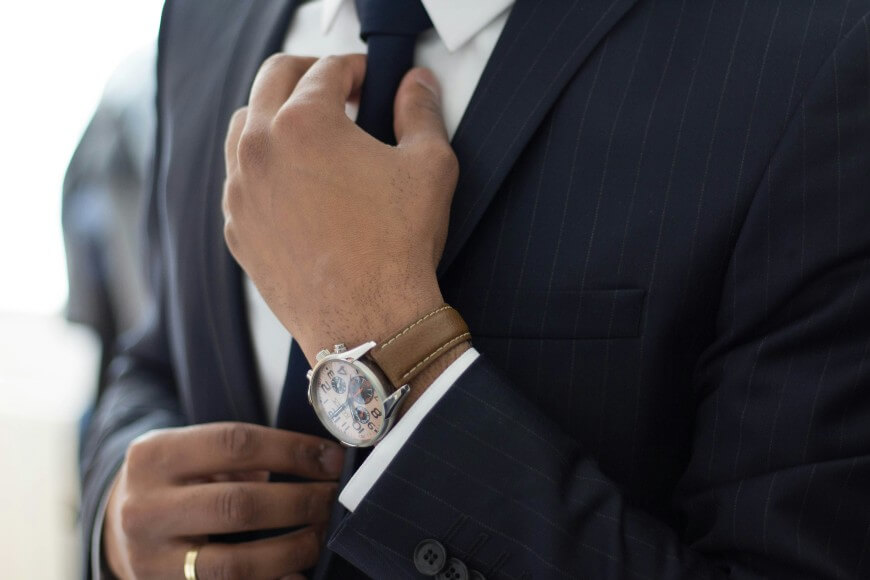
Style Inspiration and a Clear Garment Vision
Spend some time before your appointment gathering reference material. There’s a world of difference between someone who shows up with a hazy idea and one who brings three photos of lapel styles they like, and you’ll see that difference in the finished product.You don’t have to be a fashion expert. What matters is showing what appeals to you visually; tailors are skilled professionals, not psychics.
Photos That Communicate Your Taste
Gather images from wherever you find them: magazine spreads, celebrity looks, a screenshot from a movie. Look for silhouette, lapel shape, button stance, and jacket length. Bring at least three to five images. And here’s the thing: photos of things you dislike work just as well, because they help your tailor narrow the direction without second-guessing. If you want a slim cut, show it. Prefer a classic drape? Bring that. The sharper your visual language, the more accurately the tailor translates it into measurements and pattern decisions.
A List of Occasions You Plan to Wear the Garment
Jot down where you’ll wear what you’re commissioning. A suit destined for corporate board meetings lives a different life than one heading to a spring wedding outdoors; fabric weight, lining choices, and construction details all depend on how you’ll use it. Mention the climate, whether you’ll wear it with a tie or an open collar, and how often you expect to reach for it. Your tailor will make different decisions based on this context, and it’s surprisingly easy to blank on these details once you’re sitting across from them. For example Alan David, custom suits tailor or other similar tailors point out that most people walk into a first fitting having thought hard about the suit itself and barely at all about themselves – and it’s usually the second kind of information that ends up mattering more.
Garments That Already Fit You Well
Bring one or two pieces from your existing wardrobe that you genuinely enjoy wearing. A well-fitting dress shirt. Trousers with a rise that suits your body. A jacket whose shoulders land exactly right. These give your tailor concrete, immediate information about your proportions and preferences without any guesswork.
The Item That Fits You Best
Don’t bring something aspirational; bring what actually works on you now. Your tailor will look at seam placement, the seat, chest allowance, and hem break. Existing data points like these are often more reliable than verbal descriptions of fit. If you’re uncertain which item to bring, grab the one you reach for most often; repeated wear usually signals it fits you well where it counts.
Details You Want to Replicate or Change
Think about what you’d keep and what you’d fix while you’re at it. Maybe the shoulders are perfect but the waist suppression feels too tight. Maybe the inseam length is right but the thigh has too much room. Write those notes down before your appointment. Tailors appreciate that level of specificity; it cuts down on the back-and-forth conversation that eats time when you’re struggling to describe a vague discomfort in real time.
Your Budget and Event Timeline
Two numbers matter more than anything else: how much you’re willing to spend and when you need the garment. Show up without those figures and your tailor has to guess, which wastes everyone’s time.
Your Price Range
Be upfront about your budget from the start. Custom tailoring ranges widely depending on fabric, construction method, and turnaround time. When you share your ceiling, your tailor can steer you toward fabrics and options that work within it. Avoiding the budget conversation usually means you end up with options you can’t actually afford, or you feel pressured into something that doesn’t fit your finances. A solid tailor works with your number without hesitation or judgment.
Your Deadline
If you have a fixed event date, say so right away. Bespoke garments don’t rush; standard timelines often run four to five weeks or longer, and some tailors offer expedited services for extra cost. A wedding six weeks out isn’t the same as commissioning a suit with no particular deadline. Your tailor needs to know whether to schedule standard production or flag your project for priority handling. Don’t assume there’s always flexibility; sometimes, there simply isn’t.
Questions to Ask During the Consultation
A first consultation isn’t just about handing over measurements and picking a fabric. It’s your moment to understand the process before you commit. Jot down a short list of questions so you won’t walk out wondering about things you should’ve asked.
Fabric and Construction Questions
Ask where the fabrics come from, what weights work best for your intended use, and what separates fully canvassed from fused construction. Ask whether hand stitching is included or available. These details shape how the garment wears and how long it lasts. You don’t need to know the answers beforehand; you just need to ask. A tailor who can explain these things clearly understands what they’re building for you.
Fit and Follow-Up Questions
Find out how many fittings are included and what happens if something doesn’t feel right after delivery. Ask if your measurements get kept on file for future orders. Ask how alterations work if your body changes. These aren’t uncomfortable questions; they’re exactly what any informed client should ask. The answers tell you plenty about how a tailor operates and stands behind their work.
Conclusion
Arriving at your first tailor consultation prepared makes a tangible difference. Bring style references, a well-fitting garment from your closet, your honest budget, your event deadline, and a short list of questions. The answer to what you should bring to your first tailor consultation is straightforward: the more specific your inputs, the better the result. Your tailor’s skill handles the rest.