Last updated: August 7, 2026
Charleston’s humid subtropical climate is genuinely rough on HVAC systems. Between the coastal moisture, pollen seasons that drag on for months, and heat that lingers well into fall, your air ducts take a beating.
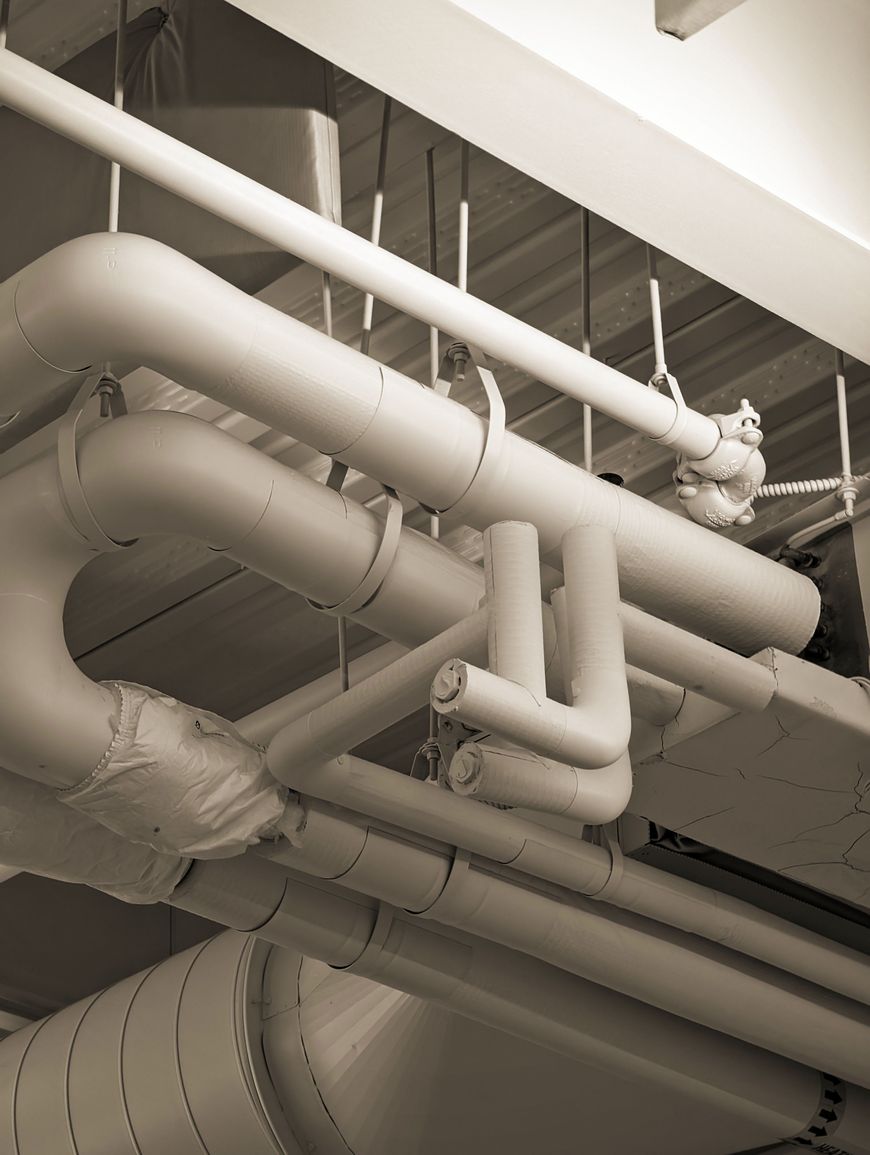
What are the most common signs of dirty air ducts in Charleston homes? The answer matters more than most people realize. Dirty ducts don’t just push dust around; they can chip away at your health, inflate your energy bills, and quietly wreck your indoor air quality in ways that aren’t obvious until things have already gotten bad. Here are seven signs worth taking seriously.
Visible Dust and Debris Around Your Vents
Gray or brownish crust building up around your vent covers is one of the clearest signals that something’s off in your duct system. A trusted air duct cleaning company in Charleston will tell you that a thin film of dust on a vent is pretty normal, but thick, dark gunk caked around the grille is a different story. And what you see on the cover? That’s just a fraction of what’s packed deeper inside. Charleston’s humidity and warmth mean dust, pet dander, and pollen compact inside ducts faster than they would in a drier climate. Mold spores latch onto that debris and multiply in the moisture-rich air. So if you wipe a vent clean and it looks filthy again within a few days, the buildup inside the ductwork is probably substantial. Don’t write this off as a surface cleanliness issue; the system itself needs a proper look before the debris spreads any further.
Musty or Stale Odors When the System Runs
A functioning HVAC system should move air through your home without you noticing any smell at all. But if a musty, damp, or vaguely stale odor hits you the moment the system kicks on, the ducts are the first place to investigate. Moisture gets trapped inside ductwork with surprising ease in Charleston’s climate; that trapped moisture gives mold and mildew exactly what they need to take hold on interior duct walls. Once mold is established, the system becomes a delivery vehicle, blowing spores and that telltale smell into every room it serves. The odor is usually strongest on the first run of the day or after the system has sat idle for a few hours. People often blame the unit itself, but the smell typically clears up once the ducts are cleaned and any moisture issues are dealt with. Don’t ignore it. Mold inside ductwork won’t sort itself out.
Inconsistent Airflow Between Rooms
Your HVAC system is supposed to deliver reasonably even airflow across the whole house. One bedroom that’s stuffy while another is perfectly comfortable, or rooms that never quite hit the thermostat setting – those are red flags. Over time, dust, insulation fragments, and other material pile up in bends and longer duct runs, restricting airflow and forcing the system to work harder to compensate. In older Charleston homes especially – where the ductwork may not have been touched in decades, this kind of accumulation is pretty common. It’s worth ruling out a blocked register or a disconnected duct section first, but if the system checks out mechanically and certain areas still struggle, dirty ducts are a strong candidate. The trick is catching it early; airflow problems that get ignored tend to stress the blower motor over time, turning an air quality headache into a much more expensive mechanical repair.
Increased Allergy or Respiratory Symptoms Indoors
If allergy symptoms, congestion, or irritated eyes tend to flare up at home more than they do outdoors, your duct system may be recirculating allergens throughout the house. Charleston sits in a high-pollen region, and during peak seasons, pollen works its way inside through the return air system. Once in the ducts, it mixes with dust, pet dander, and mold spores already living in there. Every HVAC cycle pushes those particles back into the air you’re breathing. Households with children, older adults, or anyone dealing with asthma or respiratory sensitivities tend to feel this most acutely. It’s different from typical outdoor seasonal allergies, symptoms show up year-round and are often worse in rooms directly below or next to supply vents. Cleaning the ducts removes the accumulated material that keeps cycling through your air supply, and most people notice a real difference in how they feel inside the home afterward.
Visible Mold Near Vents or Inside the System
Mold on a vent cover or inside an accessible section of ductwork isn’t something you can sit on. It needs attention right away. Charleston’s climate makes mold one of the most common issues local HVAC technicians run into – high indoor humidity, especially through the summer, lets mold colonize the cool interior surfaces of ducts near supply vents where condensation forms. Look for dark spots or fuzzy discoloration on metal vent covers, around register edges, or on walls and ceilings close to vents. A single moldy section doesn’t stay put; the airflow carries spores into every connected duct and room. Mold remediation in ductwork isn’t a DIY situation – it takes professional equipment and, often, treatment of the interior duct surfaces after cleaning to stop regrowth. If you see it, act fast.
Higher-Than-Normal Energy Bills
A spike in utility costs without an obvious explanation is worth tracing back to the HVAC system. Dirty ducts restrict airflow, so the system runs longer cycles just to bring your home to the set temperature. That reduced efficiency shows up as measurable increases in electricity or gas use. Charleston summers put constant, relentless demand on air conditioning; the effect is outsized here compared to cooler climates. If your bills have been creeping up for several months and your habits haven’t changed, duct condition is one of the first things a technician will look at. The relationship between duct cleanliness and energy consumption is direct, a clean, unobstructed system moves air freely and needs fewer resources to hold your indoor temperature. Honestly, many homeowners are surprised to find that a professional duct cleaning brings their energy costs back down without any changes to the unit itself.
Excessive Dust Settling on Furniture and Surfaces
Every home picks up some dust. But if you’re wiping down furniture, shelves, and countertops every few days only to find them coated again almost immediately, your duct system may be the source. Here’s the thing – constant, fast-returning dust is frequently chalked up to a housekeeping problem when it’s actually a duct problem. A heavily contaminated duct system releases particles into the air every time the HVAC runs, and those particles settle on every horizontal surface in the room. Homes near the coast, which covers a lot of the Charleston area, also deal with salt air and fine particulate matter that gets pulled into the return air system. If the ducts haven’t been cleaned in several years, you’re likely cycling the same debris load over and over again. Clean the ducts, remove the source – and most homeowners notice a clear difference in how quickly surfaces get dirty in the weeks that follow.
Conclusion
Air ducts work invisibly, which is exactly why problems build for years before anyone notices. Fast-returning dust, musty smells, uneven airflow, unexplained allergy flares, visible mold, rising energy bills, these are your home’s way of flagging that something needs attention. Charleston’s climate accelerates every one of these issues, making regular duct inspections more important here than in most parts of the country. If more than one of these signs sounds familiar, get a professional in before the buildup turns into something bigger.