Last updated: October 19, 2026
Eggnog bread is a moist, nutmeg-scented quick bread that turns a carton of holiday eggnog into a tender loaf with about 15 minutes of hands-on work.
Read the full walkthrough below, or scroll to the recipe card to start baking right away.
What Eggnog Bread Is and Why It Bakes So Tender
Eggnog bread is a quick bread, which means it rises with baking powder instead of yeast. There is no kneading and no waiting for dough to double, so the whole loaf goes from mixing bowl to oven in a short afternoon.

The star ingredient is a full cup of eggnog stirred into the batter in place of the milk you would find in most quick breads. Eggnog already contains cream, sugar, egg yolks, and warm spices, so it adds richness and a soft, custardy crumb that plain milk cannot match.
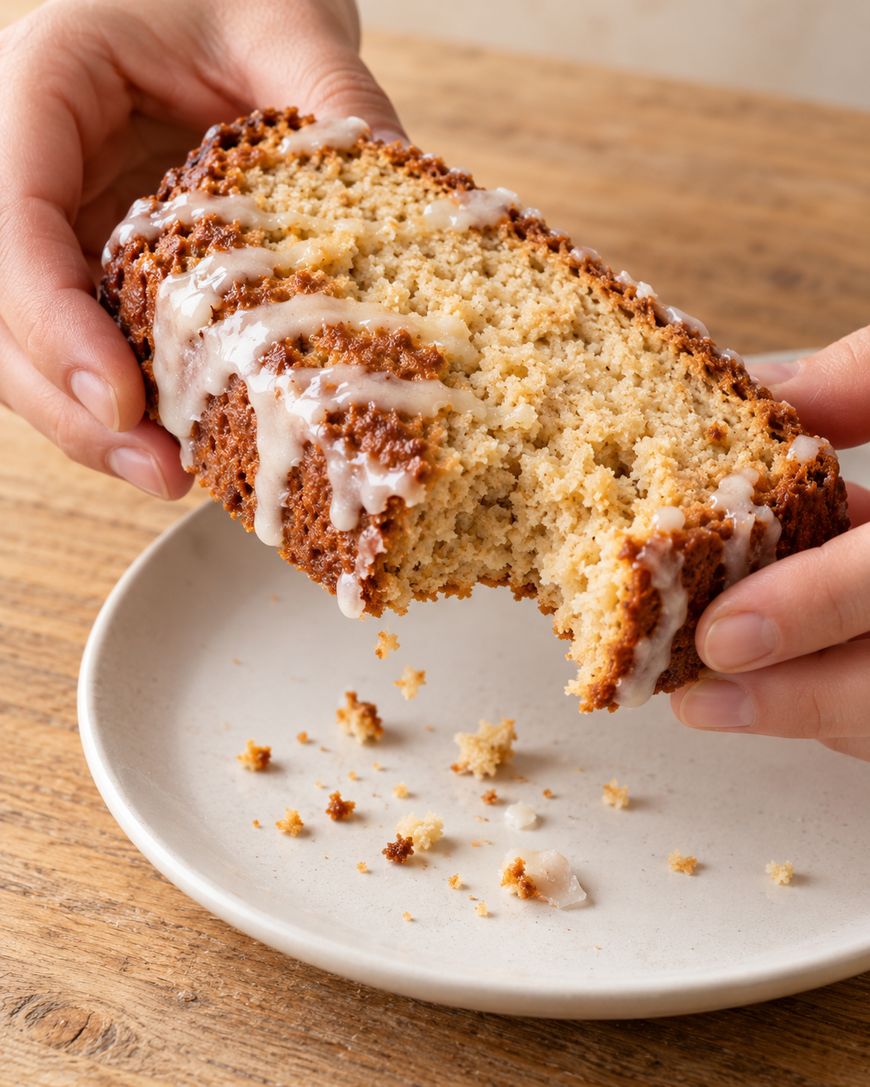
The flavor is gentle rather than boozy or overpowering. You get a buttery vanilla sweetness with a clear note of nutmeg, and a sweet eggnog glaze on top makes every slice taste like the holidays.
This loaf bakes in a standard 9×5-inch pan and slices neatly once it cools. It is a great way to use up the half carton of eggnog that always lingers in the refrigerator after the first week of December.
Ingredients You Need for Eggnog Bread
Every ingredient in this loaf has a job, and none of them are hard to find at a regular grocery store. Here is what goes into the bowl and why it matters.

The Eggnog
You need 1 cup of eggnog for the batter and about 2 tablespoons more for the glaze. Full-fat refrigerated eggnog from the dairy case, whether a grocery store brand or a local dairy, gives the richest flavor and the softest crumb.
Shake the carton well before measuring, because the spices and cream settle at the bottom. Cold eggnog is fine to use straight from the refrigerator.
Flour and Leavening
Use 2 cups of all-purpose flour, which is about 250 grams. Spoon the flour into your measuring cup and level it off with a knife, because scooping straight from the bag packs in extra flour and dries out the loaf.
Leavening is 2 teaspoons of baking powder plus 1/2 teaspoon of salt. Baking powder alone is enough here because the batter has no sour ingredient that would need baking soda to balance it.
Butter, Sugar, and Eggs
The batter starts with 1/2 cup of unsalted butter, which is one stick, softened to room temperature. Cream it with 3/4 cup of granulated sugar until the mixture looks pale and fluffy.
Two large eggs at room temperature go in one at a time, along with 1 teaspoon of vanilla extract. Room temperature eggs blend smoothly into the butter and keep the batter from looking curdled.
Spices and the Glaze
The spice blend is 1 teaspoon of freshly grated or ground nutmeg and 1/2 teaspoon of ground cinnamon. Freshly grated whole nutmeg tastes noticeably brighter than the jarred kind, so use it if you have it.
The glaze is just 1 cup of powdered sugar, about 2 tablespoons of eggnog, and 1/4 teaspoon of nutmeg. That small amount of extra eggnog gives the topping a creamy flavor that plain milk or water cannot.
How to Make Eggnog Bread Step by Step
The method is simple, and the order matters more than speed. Follow the stages below and the loaf comes out tall, tender, and evenly golden.
Prep the Oven and Pan
Heat the oven to 350°F and position a rack in the center. Grease a 9×5-inch loaf pan and line it with parchment paper, leaving an overhang on the long sides so you can lift the loaf out later.
Mix the Dry Ingredients
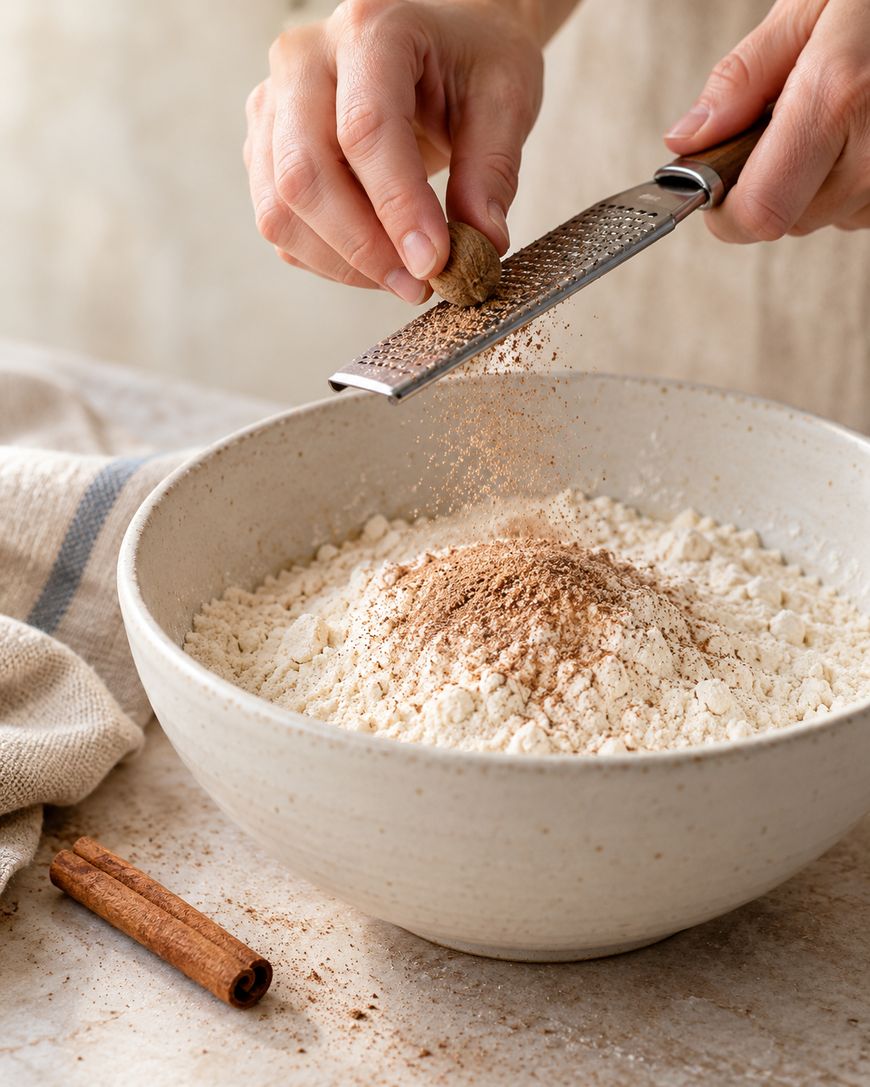
Whisk the flour, baking powder, salt, nutmeg, and cinnamon together in a medium bowl. Whisking spreads the leavening and spices evenly, which prevents bitter pockets and uneven rise.
Cream the Butter, Sugar, and Eggs
In a large bowl, beat the softened butter and granulated sugar for 2 to 3 minutes with a hand mixer or a sturdy whisk until pale and fluffy. Beat in the eggs one at a time, then add the vanilla.

Do not worry if the mixture looks slightly separated at this stage. It comes back together as soon as the flour goes in.
Alternate the Flour and Eggnog
Add one third of the flour mixture and stir gently, then pour in half of the eggnog and stir again. Repeat with another third of the flour, the rest of the eggnog, and finally the last of the flour.
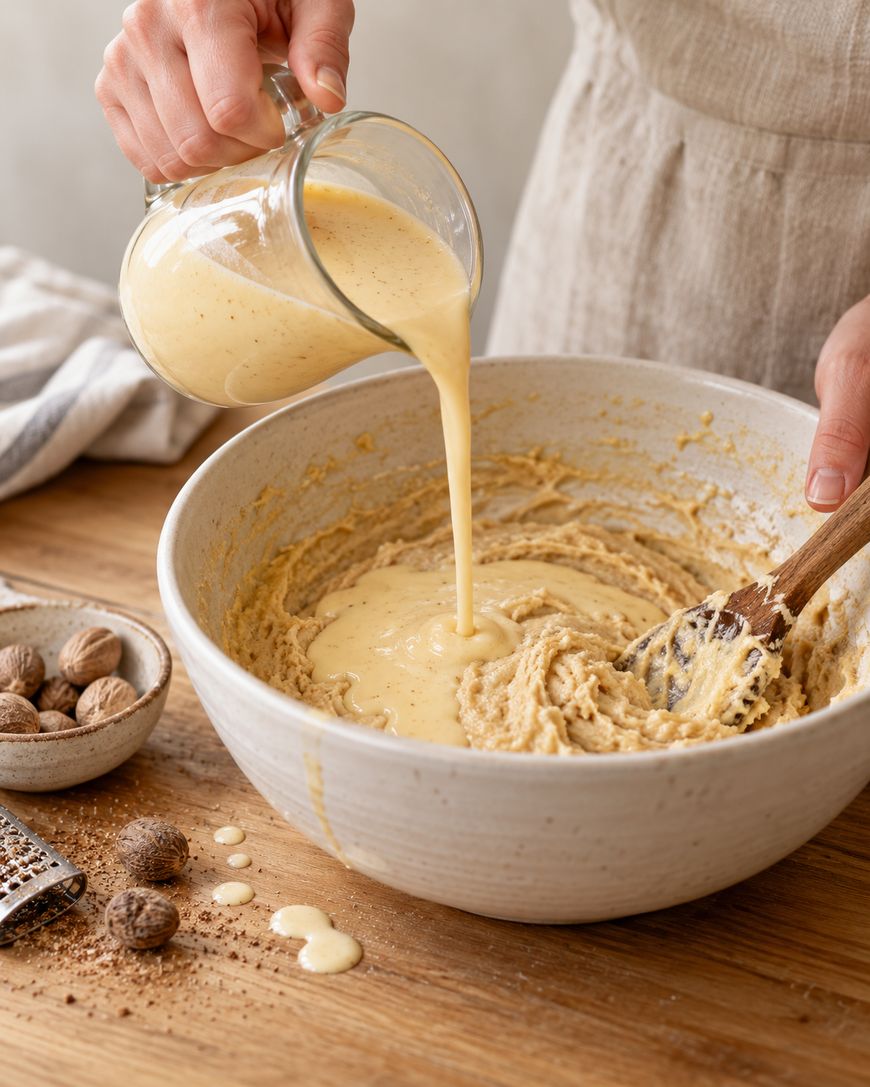
Stop mixing as soon as no dry streaks remain. Overmixing builds gluten and turns a tender quick bread into a tough, rubbery one.
Bake the Loaf
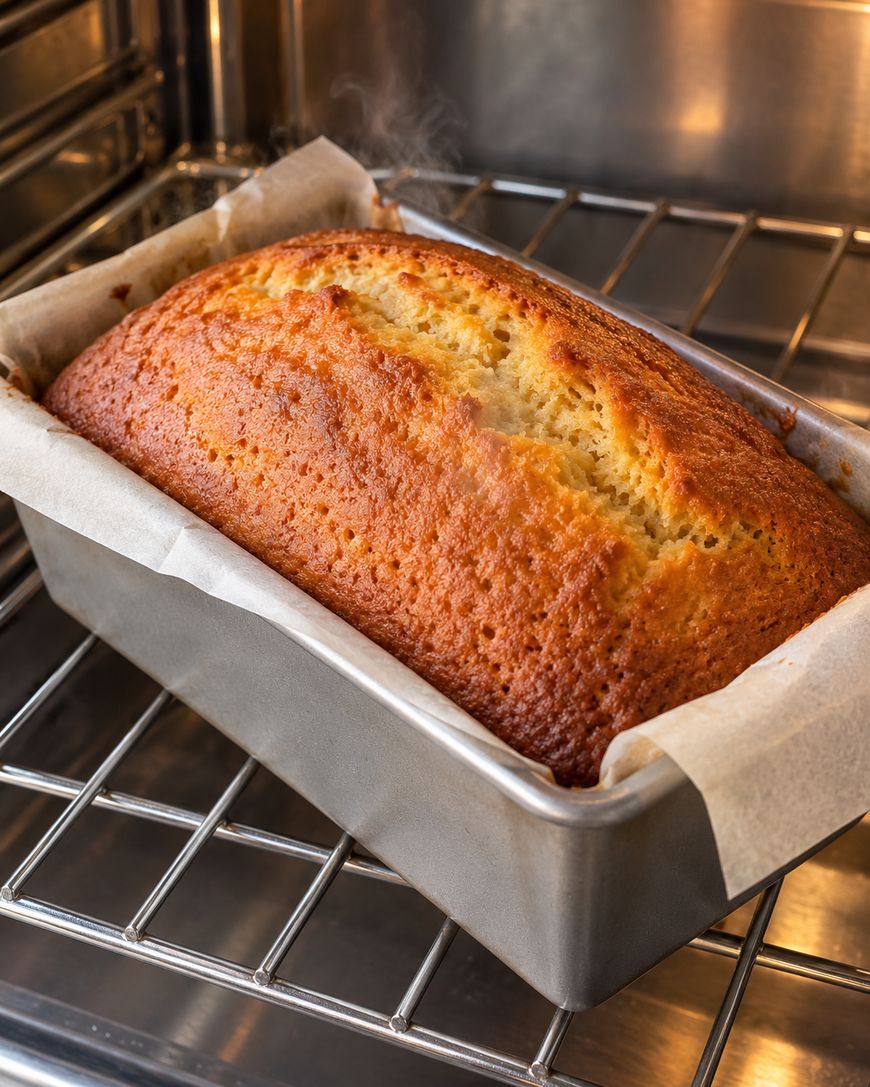
Scrape the batter into the prepared pan and smooth the top with a spatula. Bake for 55 to 65 minutes, until a toothpick inserted into the center comes out clean or with a few dry crumbs.

If the top browns too quickly, tent the loaf loosely with foil after about 40 minutes. Ovens vary, so start checking at the 55 minute mark.
Cool and Glaze
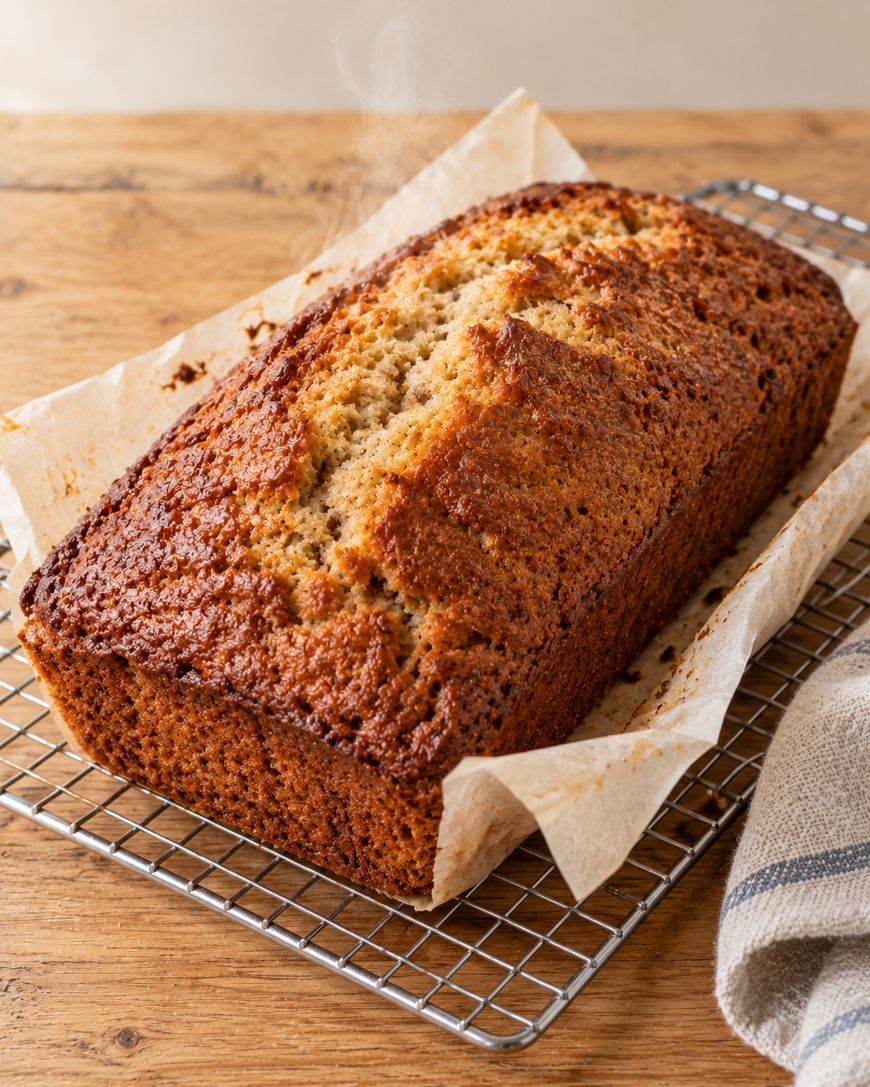
Let the loaf cool in the pan for 15 minutes, then lift it out using the parchment overhang and move it to a wire rack. Cool for at least 45 minutes until the bread is completely cool, because glaze poured over a warm loaf melts and slides right off.
Whisk the powdered sugar, eggnog, and nutmeg until smooth and drizzle it over the top. If the glaze looks too thick to pour, add a few drops more eggnog until it flows in a thick ribbon.

Tips for the Best Eggnog Bread
A few small habits make the difference between a good loaf and a great one. These are the details that matter most.
Choose Full-Fat Eggnog
Full-fat eggnog gives the most tender, flavorful crumb. Light eggnog works in a pinch, but the loaf will taste a little less rich and may bake slightly drier.
Use Room Temperature Ingredients
Softened butter and room temperature eggs trap air during creaming, and that air helps the loaf rise evenly. Cold ingredients can leave the batter lumpy and the crumb dense.
Set the butter and eggs on the counter about 30 minutes before you begin. Cold eggnog straight from the carton is fine because it goes in after the butter and eggs are already combined.
Measure the Flour Carefully
Too much flour is the most common reason quick breads turn out dry. Spoon the flour into the cup and level it, or weigh out 250 grams for the most reliable result.
Watch the Top
Eggnog contains sugar, so the crust browns faster than a plain loaf. A loose foil tent partway through baking keeps the top golden instead of dark.
Eggnog Bread Variations and Substitutions
This loaf is flexible, and a few easy changes let you make it your own. The card keeps the recipe simple, so treat every idea in this section as optional.
Add a Little Crunch
Fold 1/2 cup of chopped pecans or walnuts into the batter at the very end for a toasty crunch. The card leaves nuts out, so treat them as an optional extra, and note that the nutrition estimate does not include them.
Boost the Holiday Flavor
A 1/2 teaspoon of rum extract stirred in with the vanilla gives the loaf a classic spiked eggnog aroma without any alcohol. The card leaves this out, so add it only if you like a stronger eggnog flavor.
Swap the Eggnog
Homemade eggnog works as long as it is cold and pourable, and plant-based eggnog made with oat or almond milk also works. Dairy-free versions are usually thinner, so expect a slightly less rich crumb.
How to Store, Freeze, and Serve Eggnog Bread
Once the glaze sets, wrap the cooled loaf tightly in plastic wrap or foil, or store it in an airtight container. Eggnog bread keeps well at room temperature for up to 2 days, and in the refrigerator for up to 5 days.
For longer storage, freeze the unglazed slices. Wrap each slice well, place them in a freezer bag, and freeze for up to 3 months, then thaw at room temperature and glaze before serving.
Serve thick slices plain with a cup of coffee, or warm a slice for 15 seconds in the microwave and spread it with butter. It also makes a cozy Christmas morning breakfast alongside fresh fruit and scrambled eggs.
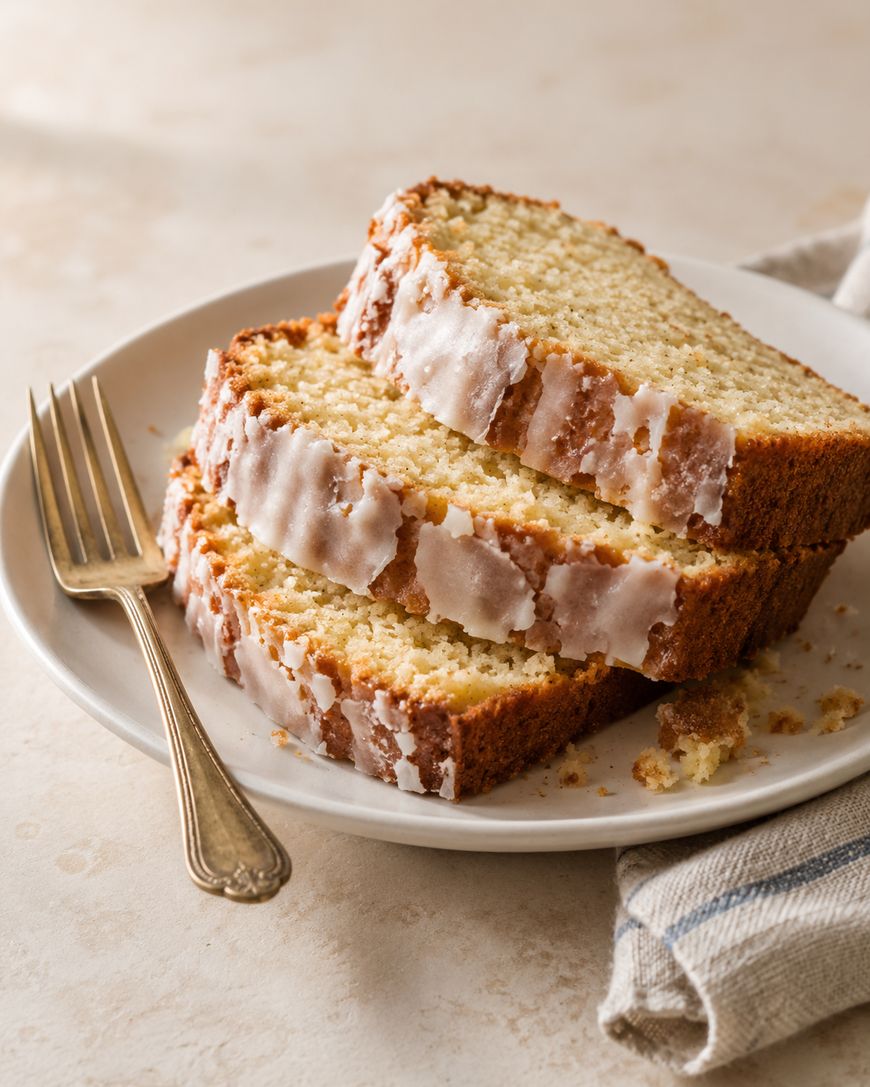
For a dessert twist, toast a slice in a buttered skillet until the edges crisp and top it with whipped cream and a pinch of nutmeg. It tastes a bit like French toast, only easier.
The Story Behind Eggnog Bread
Eggnog itself goes back centuries to medieval Britain, where people drank a warm, milky drink called posset made with eggs and spirits. The recipe traveled to colonial America, where rum was easier to find than brandy and the drink became a holiday tradition.

Bakers eventually realized that eggnog already holds everything a quick bread needs, which is dairy, eggs, sugar, and spice. Swapping it for the milk in a basic loaf recipe was a natural next step, and eggnog bread has been showing up on holiday tables ever since.
Ready to bake? Use the recipe card below for the full ingredient list, exact steps, and nutrition details.
Eggnog Bread
Moist, tender eggnog bread with warm nutmeg and a sweet eggnog glaze, mixed with a simple creaming method and ready for the oven in 15 minutes.
Ingredients
- 2 cups (250 g) all-purpose flour
- 2 teaspoons baking powder
- 1/2 teaspoon salt
- 1 teaspoon ground nutmeg
- 1/2 teaspoon ground cinnamon
- 1/2 cup (1 stick) unsalted butter, softened
- 3/4 cup granulated sugar
- 2 large eggs, room temperature
- 1 teaspoon vanilla extract
- 1 cup eggnog, shaken well
- 1 cup powdered sugar
- 2 tablespoons eggnog, plus more as needed
- 1/4 teaspoon ground nutmeg
Instructions
- Preheat the oven to 350°F. Grease a 9x5-inch loaf pan and line it with parchment paper, leaving an overhang on the long sides.
- Whisk the flour, baking powder, salt, 1 teaspoon nutmeg, and cinnamon together in a medium bowl.
- In a large bowl, beat the softened butter and granulated sugar for 2 to 3 minutes until pale and fluffy. Beat in the eggs one at a time, then the vanilla.
- Add one third of the flour mixture and stir gently, then add half of the 1 cup eggnog and stir. Repeat with another third of the flour, the rest of the eggnog, and the last of the flour, stirring just until no dry streaks remain.
- Scrape the batter into the prepared pan and smooth the top. Bake for 55 to 65 minutes, until a toothpick inserted into the center comes out clean or with a few dry crumbs. If the top browns too quickly, tent loosely with foil after 40 minutes.
- Cool in the pan for 15 minutes, then lift the loaf out using the parchment and cool on a wire rack for at least 45 minutes until completely cool.
- Whisk the powdered sugar, 2 tablespoons eggnog, and 1/4 teaspoon nutmeg until smooth, adding a few drops more eggnog if too thick. Drizzle over the cooled loaf.
Notes
Store cooled bread wrapped tightly at room temperature for up to 2 days or in the refrigerator for up to 5 days. Freeze unglazed slices wrapped for up to 3 months, then thaw and glaze before serving. Spoon and level the flour for accurate measuring. Full-fat eggnog gives the richest flavor.
Nutrition Information:
Yield:
10Serving Size:
1 slice with glazeAmount Per Serving: Calories: 330Total Fat: 12gSaturated Fat: 7gSodium: 240mgCarbohydrates: 49gFiber: 1gSugar: 30gProtein: 5g
Eggnog Bread Questions and Answers
Does eggnog bread taste like eggnog?
Yes, but in a mild and cozy way. The loaf tastes buttery and custardy with a clear nutmeg flavor, and the glaze adds a little extra eggnog sweetness on top.
Can you use homemade eggnog?
Yes, homemade eggnog works well as long as it is cold and pourable like the store-bought kind. Measure 1 cup for the batter and use a splash more for the glaze.
Why did my eggnog bread sink in the middle?
A sunken center usually means the loaf needed more time in the oven or the batter was overmixed. Bake until a toothpick comes out clean, and avoid opening the oven door during the first 40 minutes.
Can you make eggnog bread ahead of time?
Yes, bake the loaf a day ahead and keep it wrapped at room temperature. Add the glaze just before serving so it stays smooth and glossy.
Can you freeze eggnog bread?
Yes, freeze wrapped slices for up to 3 months. Leave off the glaze before freezing, then thaw at room temperature and drizzle on fresh glaze.
Can you use light eggnog?
Yes, light eggnog works in this recipe. The loaf will taste a little less rich, but it still bakes up soft and flavorful.
Why This Eggnog Bread Recipe Works
This eggnog bread starts by creaming the butter and sugar until pale and fluffy. That step whips tiny air bubbles into the fat, and those bubbles expand in the oven for a fine, even crumb.
The eggs go in one at a time so the batter stays smooth and emulsified. Adding the flour and eggnog in alternating stages keeps the batter from becoming too wet or too stiff at any point, which means less stirring and a more tender loaf.
Two teaspoons of baking powder provide a steady rise without any soda aftertaste. Nutmeg and cinnamon give the loaf its holiday character, and the extra eggnog in the glaze echoes the flavor inside.
Make Eggnog Bread This Holiday Season
Eggnog bread is the easiest way to turn leftover eggnog into a cozy, giftable loaf that tastes like the season. With simple pantry ingredients and about 15 minutes of work, you can have a tender, glazed loaf cooling on the counter before the afternoon is over.
Bake a loaf this weekend, slice it while the house still smells like nutmeg, and share it with someone you love.