Last updated: September 22, 2026
A good face serum restores, rejuvenates and refines the skin to its natural glow.A good face serum restores, rejuvenates and refines the skin to its natural glow.
A healthy, glowing complexion is likely to look moisturized, soft and even. Cleansers and moisturizers are the basis of the skin care regime, but face serums offer more specific help. Their light formulas provide potent ingredients that treat issues like dry, dull, dark spots, uneven texture and signs of aging.
The most expensive or popular serum is not necessarily the best. Should correspond to skin type, concern and tolerance. Knowing the various kinds of serums and how to use them properly can help you create a simple serum regimen that helps you maintain a naturally fresh, radiant-looking complexion.
What Is a Face Serum?
A face serum is a light skin care product that contains a stronger concentration of skin products. Serums generally have a fluid or gel-like consistency, which allows them to penetrate the skin quickly and blend seamlessly with other skincare products, unlike many creams.
Various serums have various functions. There are those that replenish hydration, and those that focus on dullness, tone, visible pores, fine lines, or rough texture. By taking a look at some of the active ingredient formulas, you can choose a formula that will work for you and your skin care objectives.
Typically, serums are not to be used in place of moisturizers. A serum will carry the active ingredients to the right places and a moisturizer will help keep skin moist and will create an outer barrier of protection.
Hydrating Serums for Plump-Looking Skin
Dehydration may cause the skin to look tired, dry, and tight. It can also highlight lines and wrinkles. Because oil production and water content are separate, even oily and combination skin types can suffer from dehydration.
Lightweight hydrating powders replenish moisture without the richness of a cream. Hyaluronic acid, glycerin, panthenol, and calming botanicals such as lavender and eucalyptus are common hydrating ingredients.
Apply a few drops to slightly moistened skin after cleansing to use a hydrating serum to get plumpy skin.. After applying sunscreen, apply moisturizer to hold moisture. This pairing can result in a softer, smoother, natural shimmery complexion.
Brightening Serums for Dull Skin
If the skin is well hydrated but appears dull or uneven, a brightening serum could be recommended. The formulas are formulated to improve the look of radiance and not to alter the natural skin tone.
Brightening serums designed for dull skin are generally made with vitamin C, niacinamide, alpha arbutin, or botanical extracts. Vitamin C offers antioxidant protection; niacinamide could enhance tone, texture, and apparent pores.
Use a brightening serum after you cleanse and before you moisturize. There are some formulas that can be worn during the day, but sun protection is still necessary for the skin and to achieve visible results.
Dark Spot Serums for Uneven Tone
Acne, sun damage, hormonal shifts, and aging are among the causes of dark spots. While they’re no big deal, they can create an unevenly toned complexion.
Specific formulation of serums to remove dark spot decrease the noticeable difference between darkened spots and other parts of the skin. The formulas might include niacinamide, vitamin C, alpha arbutin, kojic acid, or mild abrasives.
Use the serum as directed, either on visible spots or all over the face. Use it slowly, and don’t use multiple strong treatments at once; also apply sunscreen each morning to help minimize discoloration.
Flawless Bloom Retinol and Peptide Serums
Retinol serums are often utilized to treat wrinkles, uneven skin tone and texture, and fine lines. Retinol can sometimes be drying or irritating, so it is advisable to introduce it slowly if you are beginning to use it. Begin one or two times per week and slowly build up if it is not making the skin feel uncomfortable.
For those who prefer to have smoother or firmer-looking skin, peptide serums are also available. They tend to be more easily integrated into the morning or evening routine, and tend to work well with hydrating ingredients.
If using retinol or peptides, read the instructions on the product. Apply moisturizer after, and use a broad-spectrum sun cream daily in the morning.
How to Choose the Best Serum
Start by determining your predominant skin care problem. If the skin is tight or not plump, use a hydrating serum. For texture and fine lines, a retinol or peptide serum may be the ideal choice, while a brightening serum is good for general dullness and a dark spot serum for dark spots.
There is also a factor of skin type. It is generally a good idea to use an ingredient that is humectant and supportive of the barrier in a dry skin product. If you have oily skin, you might want to use a light serum with a water-based base. Simple, fragrance-free formulas that are introduced one at a time are good choices for sensitive skin.
Read the ingredient list rather than the claims. It is often better to choose one that is appropriate rather than beginning with many concentrated formulas.
How to Use Face Serum Correctly
The ideal order for using a face serum is after the cleansing and toning step and before the moisturizer. Use the following steps:
- Use a mild facial cleanser to cleanse your face.
- Dry skin but not completely off with water.
- If you use toner in your skincare regimen, do so.
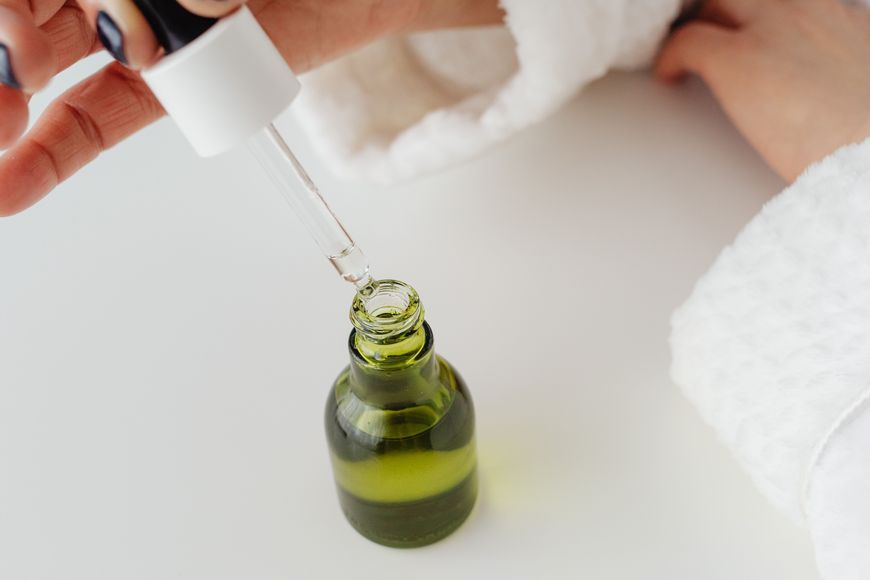
- Apply 2-4 drops of serum onto your fingertips.
- Smooth or pat the serum into your face and neck.
- Let it soak for about 1 minute.
- Apply moisturizer.
- Apply broadband sun cream as part of the morning routine.
Avoid using excess serum. Do not exceed recommended rates; excess will be wasted or cause irritation.
Morning and Evening Serum Routines
Morning, evening, or both, hydration serums and niacinamide serums can be used. Many vitamin C serums and antioxidant formulas are used in the morning since they can be used in addition to sun cream and give some environmental support.
Retinol typically is only used at night. Depending on their instructions, strong exfoliating formulas can be used in the evening.
Separate two active ingredients if they are known to cause sensitivity if used together. For instance, in the morning use a brightening serum, and at night use retinol. This way, you will enjoy the advantages of both products without damaging your skin.
How to Layer Multiple Serums
Serums can be used one on top of the other, but it’s also important to understand that the more you have, the better results are not guaranteed. In most treatments, a single treatment will suffice along with a hydrating serum.
Use the thinnest, most watery formula first, followed by the thicker version. Allow time for each layer to settle before proceeding. Never use strong active ingredients in combination that have not been approved for that purpose.
Retinol and exfoliating acids, when used in combination with a concentrated vitamin C product, can lead to drying or irritation. If you are in any doubt, alternate use of serums on alternate days or split up between morning and evening.
How Often Should You Use a Serum?
There isn’t one set frequency for using a serum; this varies based on the ingredients and strength of the serum. Products with gentle hydrating ingredients can be used twice a day, while retinol and exfoliating serums are typically used less often.
Always follow the instructions on a product label. If sensitive skin, apply a new serum 2-3 times a week. If the skin is comfortable, increase the frequency.
Always do a patch test before applying a product to your whole face. Discontinue application of the serum if burning, swelling, or persistent redness occurs and see a qualified dermatologist if needed.
How Long Does Serum Take to Work?
Consequently, the results vary depending on the formula, concern, frequency of use, and the response of the skin. A hydrating serum could leave your skin feeling softer within a short period of time. This may take some weeks of regular use to improve texture, fine lines, uneven tone, and dark spots.
Do not make a judgment on a product after a few uses, unless it is irritating. If the lighting is the same, taking pictures in the same light every week or two will allow one to see how things change over time.
It’s better to stick to one formula than to constantly change it. Do as you are told, stick to a normal drive and leave enough time to assess the product’s performance. Skin care enhancements are typically a gradual occurrence.
Final Thoughts
The ideal face serum for glowing skin is formulated to treat your particular concern without overwhelming your skin. The best hydrating serums can help plump up skin, and the brightening formulas can help give dull-looking skin a renewed glow. The dark spot treatments are effective for visible dark spots, while peptide and retinol can work for texture and fine lines.
Cleanse and apply a serum before moisturizer; apply a small amount and introduce active ingredients slowly. Most importantly, finish each and every morning routine by applying a sun cream.
A routine with just a couple of products will often be more effective over time than a complicated regimen.
Frequently Asked Questions
1. What does a face serum do?
A face serum is a treatment packed with concentrated active ingredients that target certain skin care problems, for example, dry, dull, dark spots, uneven texture or fine lines. It is also light in texture, permitting it to be layered alongside other skin care products.
2. Which face serum is best for glowing skin?
The best serum will be determined by your main concern. Use a moisturizing serum if your skin is dehydrated, a brightening serum if it has dullness, and a dark spot serum if it has uneven pigmentation.
3. Can I use a face serum every day?
There are numerous gentle serums available that can be used on a daily basis. For stronger products, however, with retinol or exfoliating acids, this should be done slowly. Follow the manufacturer’s instructions for each product.
4. How should I apply face serum?
Apply a few drops after cleansing and toning, but before applying moisturizer. Apply the product to the face and neck, gently massage it in and absorb it, then apply moisturizer.
Sources
Skin Pigmentation Types, Causes and Treatment—A Review
https://pmc.ncbi.nlm.nih.gov/articles/PMC10304091
Hyaluronic Acid
https://www.ncbi.nlm.nih.gov/books/NBK482440
Retinoids in the treatment of skin ageing: an overview of clinical efficacy and safety