Last updated: July 3, 2026
Home security is something many people only think about after a problem has already happened. However, reviewing your setup before there is an issue can help you feel more confident, protect your property, and make everyday life easier. Whether you have recently moved, renovated, welcomed a new family member, or simply have older equipment, it is worth taking a closer look at how secure your home really is.
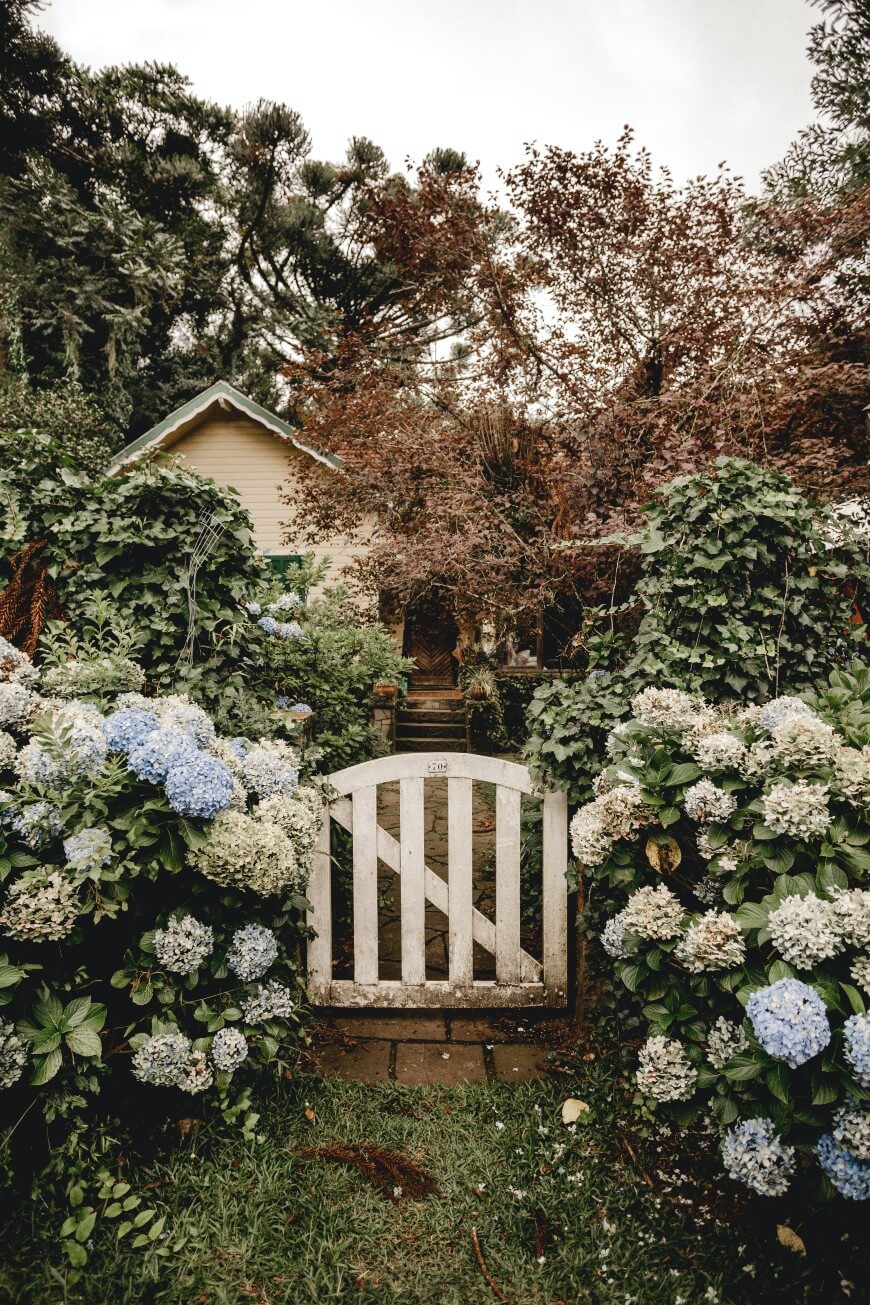
Check Your Entry Points
Start with the most obvious areas: doors, windows, garages, and side entrances. These are the places most likely to be targeted, so they should be secure, visible, and easy to monitor. Check that locks work properly, frames are strong, and exterior doors close tightly. If you have sliding doors, make sure they have reliable locks and consider extra reinforcement.
Windows should not be overlooked, especially on the ground floor or near flat roofs, porches, or fences. Simple additions such as window locks, sensors, or security film can make a noticeable difference without requiring major work.
Review Your Outdoor Lighting
Good lighting is one of the simplest ways to improve home security. Dark pathways, driveways, side gates, and back gardens can make it easier for someone to approach unnoticed. Motion sensor lights are especially useful because they activate only when movement is detected, helping to draw attention to activity around your property.
Think about everyday convenience, too. Lighting near the front door, garage, and bins can make your home safer to navigate at night, especially during the winter months.
Update Your Cameras And Monitoring
If your current cameras are outdated, poorly placed, or no longer working as they should, it may be time to upgrade. Modern systems can offer clearer images, wider coverage, remote access, and better night vision. Homeowners comparing options may want to explore video surveillance systems that can help monitor entrances, driveways, yards, and other key areas.
Placement matters just as much as the equipment itself. Cameras should cover main access points without creating blind spots. Avoid positioning them where trees, glare, or poor lighting could affect visibility.
Think About Smart Home Features
Smart locks, doorbell cameras, alarms, and sensors can give you more control over your home security. These systems often allow you to check alerts, lock doors, or view camera footage from your phone. This can be especially useful if you travel often, work long hours, or want to keep an eye on deliveries.
Before adding smart devices, make sure your Wi-Fi connection is reliable and that you use strong passwords. Security technology is only effective when it is properly protected.
Reassess Daily Habits
Even the best equipment cannot replace good habits. Lock doors and windows when leaving the house, avoid hiding spare keys in obvious places, and be cautious about sharing travel plans online. It is also worth checking who has access to your home, especially if you have recently changed tenants, housemates, cleaners, or contractors.
Plan For The Future
Home security should grow with your needs. Review your setup every year, test devices regularly, and replace anything that is no longer dependable. By looking at your entry points, lighting, monitoring, smart features, and daily routines, you can create a safer home without unnecessary stress or major renovations.




Leave a Reply