Last updated: August 20, 2026
If you have ever torn into a warm loaf of Italian bread and wondered how bakeries get that perfect crust and chewy interior, you are in the right place. This guide walks you through the most beloved Italian bread recipes, from pillowy focaccia to rustic ciabatta, so you can recreate that experience in your own kitchen. You will have everything you need to start baking with confidence today.
Essential Ingredients for Authentic Italian Bread
Before you start baking, it helps to understand what goes into a proper Italian loaf. The ingredient list is short, but each item plays an important role.
Bread flour is the foundation of most Italian bread recipes. Its higher protein content creates more gluten structure, which gives you that satisfying chew and helps the bread hold its shape during baking. All-purpose flour works in a pinch, but bread flour produces noticeably better results.
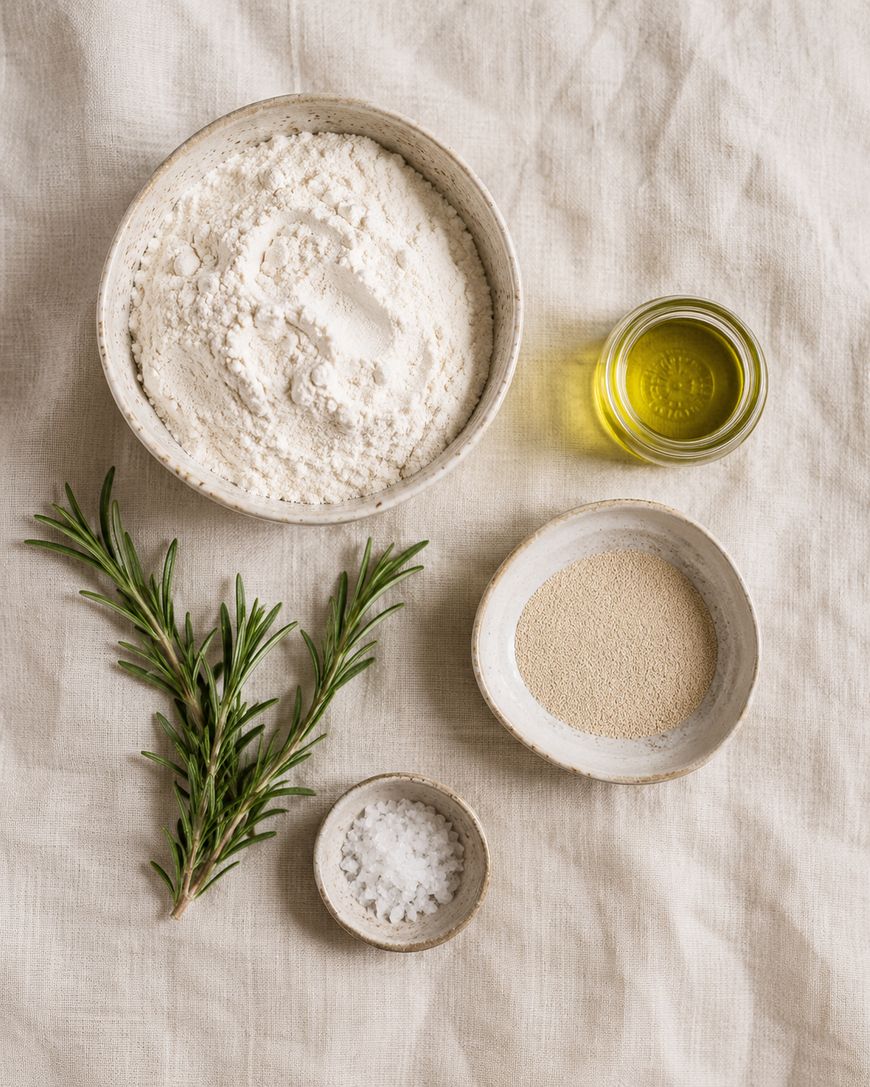
Active dry yeast or instant yeast drives fermentation and gives the bread its lift. For the most flavorful results, many bakers prefer a slow, cold fermentation overnight, which develops a deeper, more complex taste. Salt enhances flavor and controls the fermentation process, so use the amount your recipe specifies.
Extra virgin olive oil shows up in several Italian bread recipes, particularly focaccia and pane di casa. It contributes richness, moisture, and a subtle fruitiness that pairs naturally with the bread’s mild flavor. Water temperature also matters more than you might expect. Warm water between 100 and 110 degrees Fahrenheit activates yeast quickly, while cooler water slows fermentation for a more gradual rise.
Focaccia: The Beginner-Friendly Italian Bread Recipe
Focaccia is often the first Italian bread recipe beginners tackle, and for good reason. It is forgiving, flexible, and deeply satisfying to make.
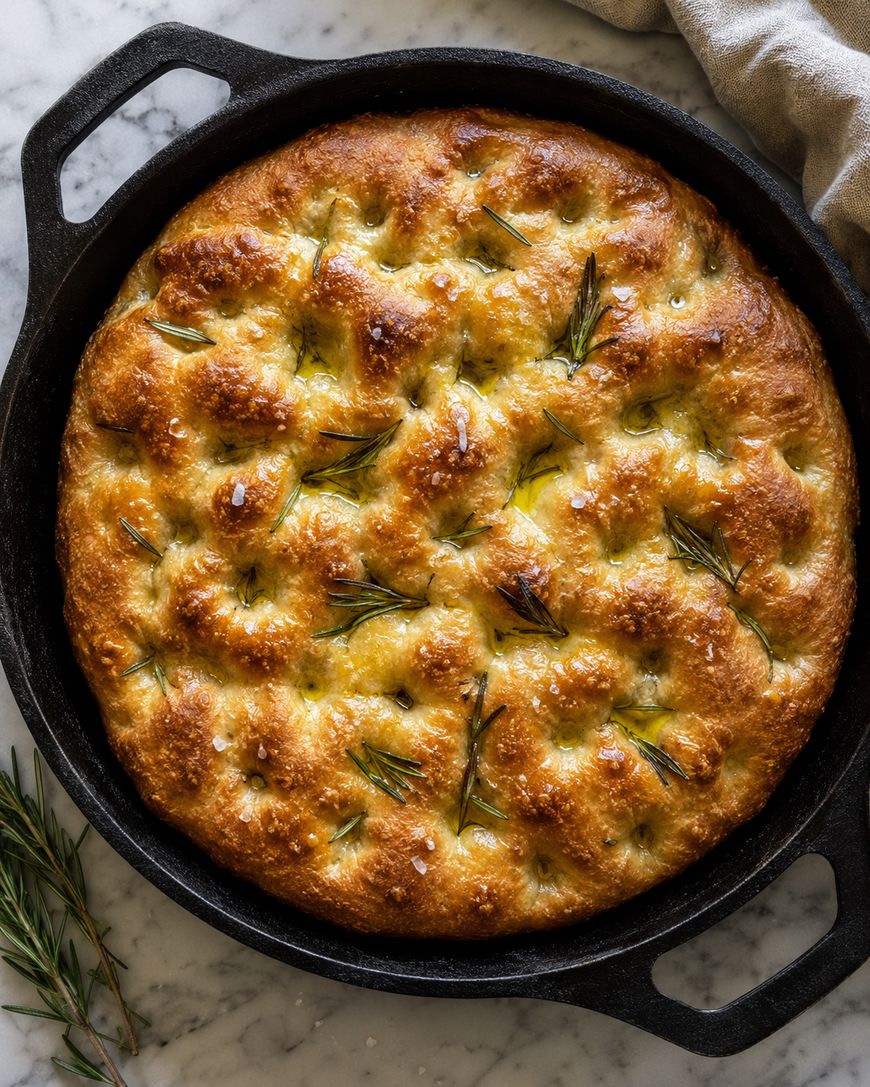
The dough is wetter than most bread doughs, which can feel unfamiliar at first, but that high hydration is what creates the focaccia’s signature open crumb. You spread the dough into an oiled pan rather than shaping it by hand, which removes much of the intimidation.
To make focaccia, combine these ingredients:
- 500 grams bread flour
- 400 milliliters warm water
- 7 grams instant yeast
- 10 grams salt
- 3 tablespoons olive oil
Mix until a shaggy dough forms, then let it rise for one hour at room temperature.
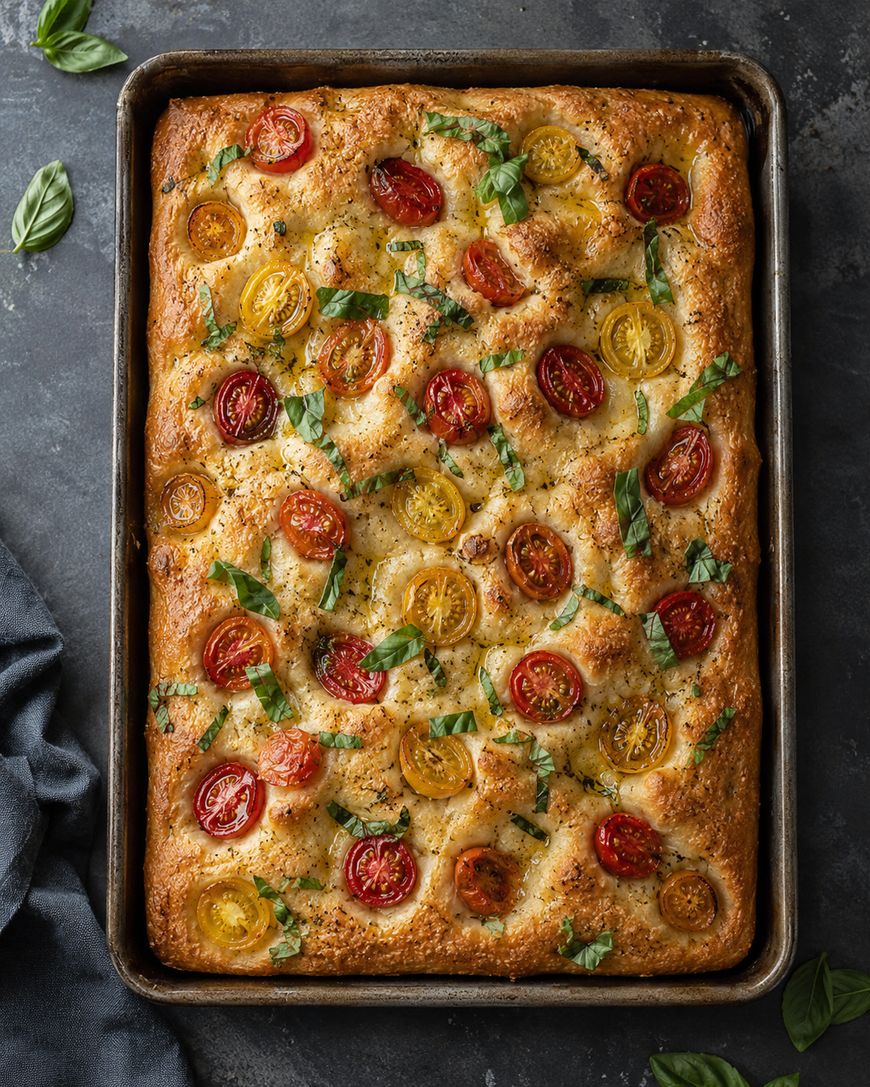
Transfer the dough to a well-oiled 9×13 baking pan and stretch it gently to fit. Let it rest another 45 minutes until it looks puffy and dimpled. Press your fingers deep into the surface to create the classic focaccia craters, drizzle generously with olive oil, and top with flaky sea salt and fresh rosemary.
Bake at 425 degrees Fahrenheit for 20 to 25 minutes until golden brown on top and slightly crisp on the bottom. The result is a flat, pillowy bread with a crispy edge and a tender, oily interior that is impossible to resist warm from the oven.
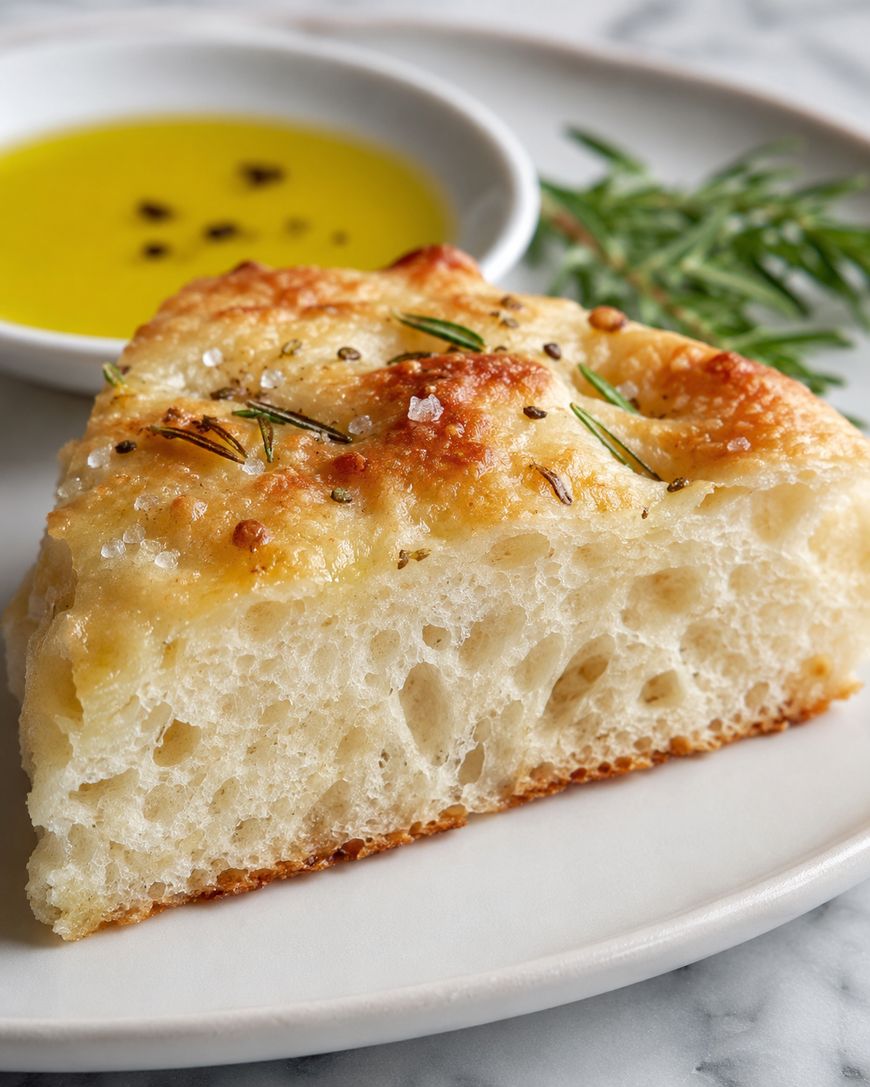
Focaccia also welcomes creative toppings. Try sliced cherry tomatoes, caramelized onions, olives, or thinly sliced potatoes. Each variation gives you a new reason to bake another batch.
Ciabatta: The Italian Bread Recipe with an Open Crumb
Ciabatta is named for the Italian word for slipper, a nod to its flat, elongated shape. It is the bread that makes exceptional sandwiches and is equally wonderful alongside soups and salads.
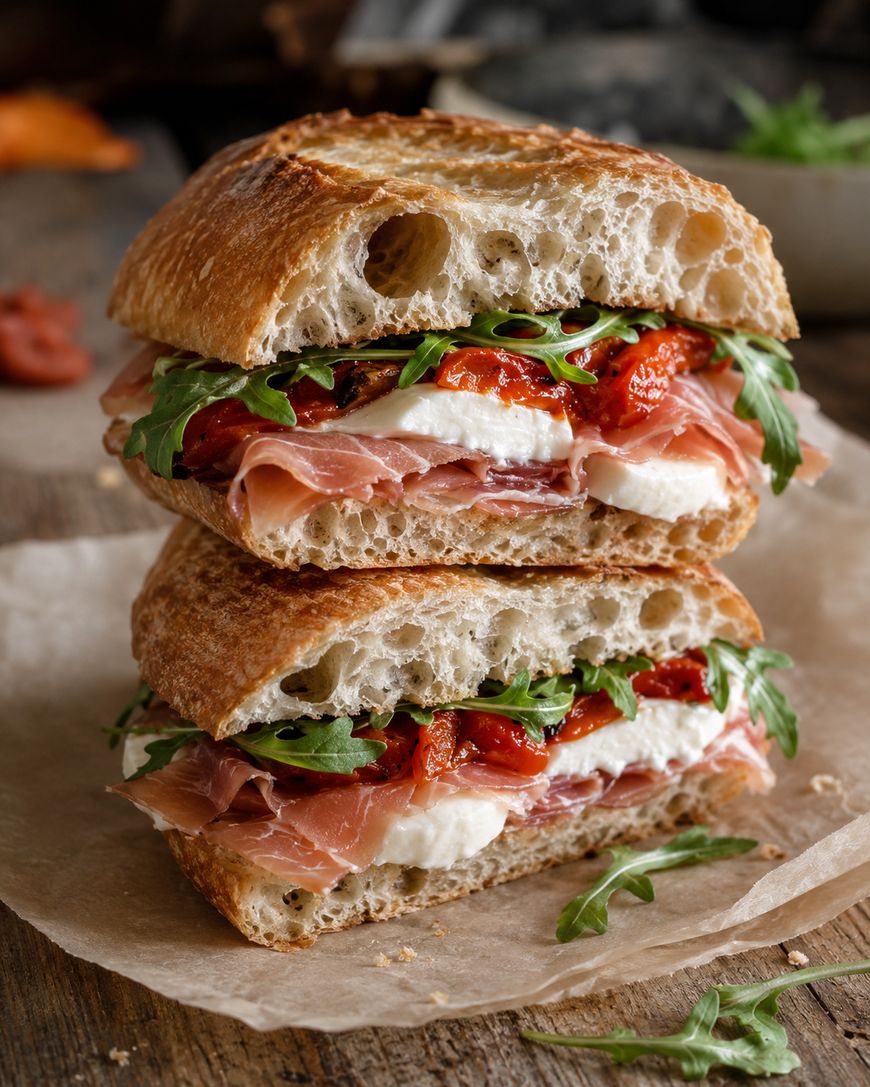
What defines ciabatta is its extraordinarily open crumb, those large, irregular holes that form during a long fermentation. Achieving that texture requires a very wet dough and a hands-off approach that lets gluten develop naturally over time.
To make ciabatta at home, start with a biga, which is a simple pre-ferment of flour, water, and a small amount of yeast mixed the night before. This starter ferments slowly overnight and contributes tremendous flavor and structure to the final loaf.
The next day, combine your biga with additional flour, water, salt, and olive oil. The dough will be very sticky, almost pourable, and that is exactly what you want. Rather than kneading, use a series of stretch-and-fold techniques over the first two hours to build strength without deflating the dough.
Shape the dough gently into two elongated loaves and bake on a preheated baking stone or heavy sheet pan at 450 degrees Fahrenheit. Steam the oven during the first ten minutes using a pan of hot water on the lower rack. This steam prevents the crust from setting too early and allows the bread to spring up fully before the crust crisps.
Ciabatta is one of those Italian bread recipes that rewards patience. The longer you give the dough to ferment and the gentler you handle it during shaping, the more dramatic those beautiful holes will be in the final slice.
Pane di Casa: Classic Italian Everyday Bread
Pane di casa, or house bread, is the everyday loaf you will find on Italian dinner tables. It has a moderately open crumb, a golden crust, and a clean, slightly tangy flavor that works with almost any meal.
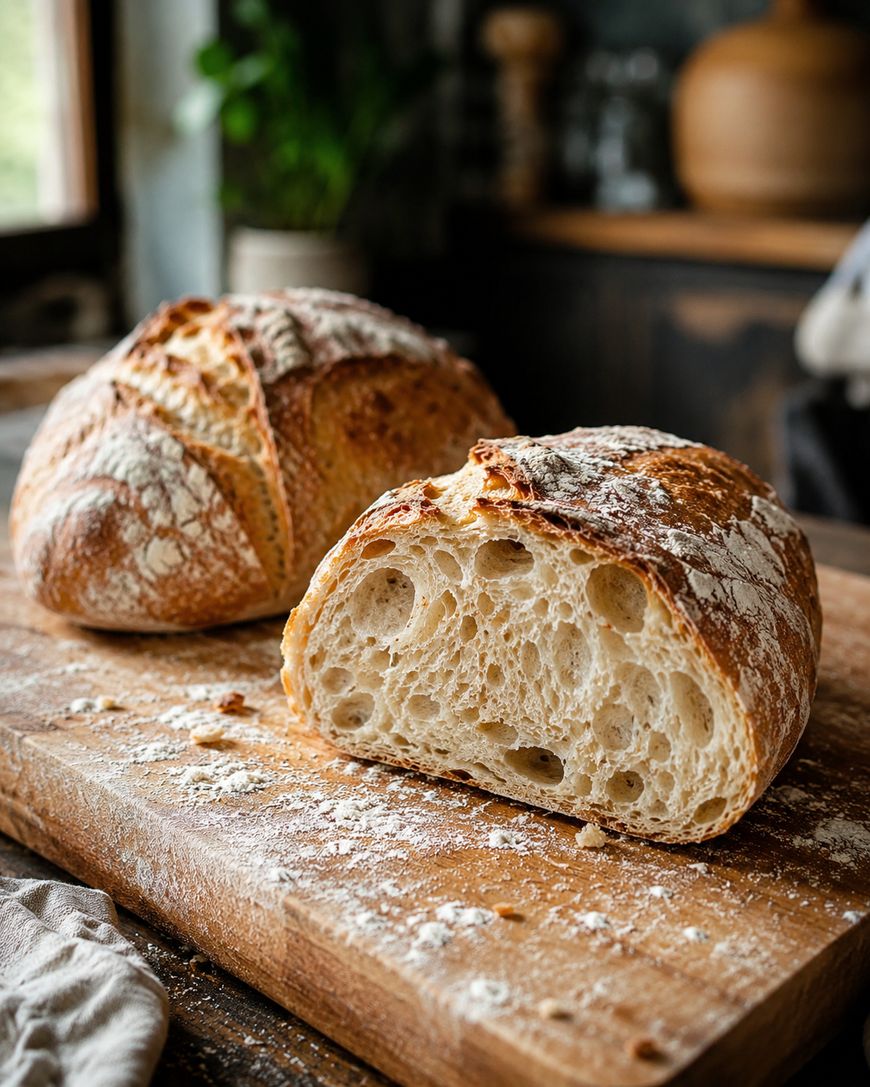
This is one of the more straightforward Italian bread recipes, making it a great weekday bake when you want something homemade without an all-day project. A simple dough of bread flour, water, yeast, salt, and a small amount of olive oil comes together quickly and rises in about an hour.
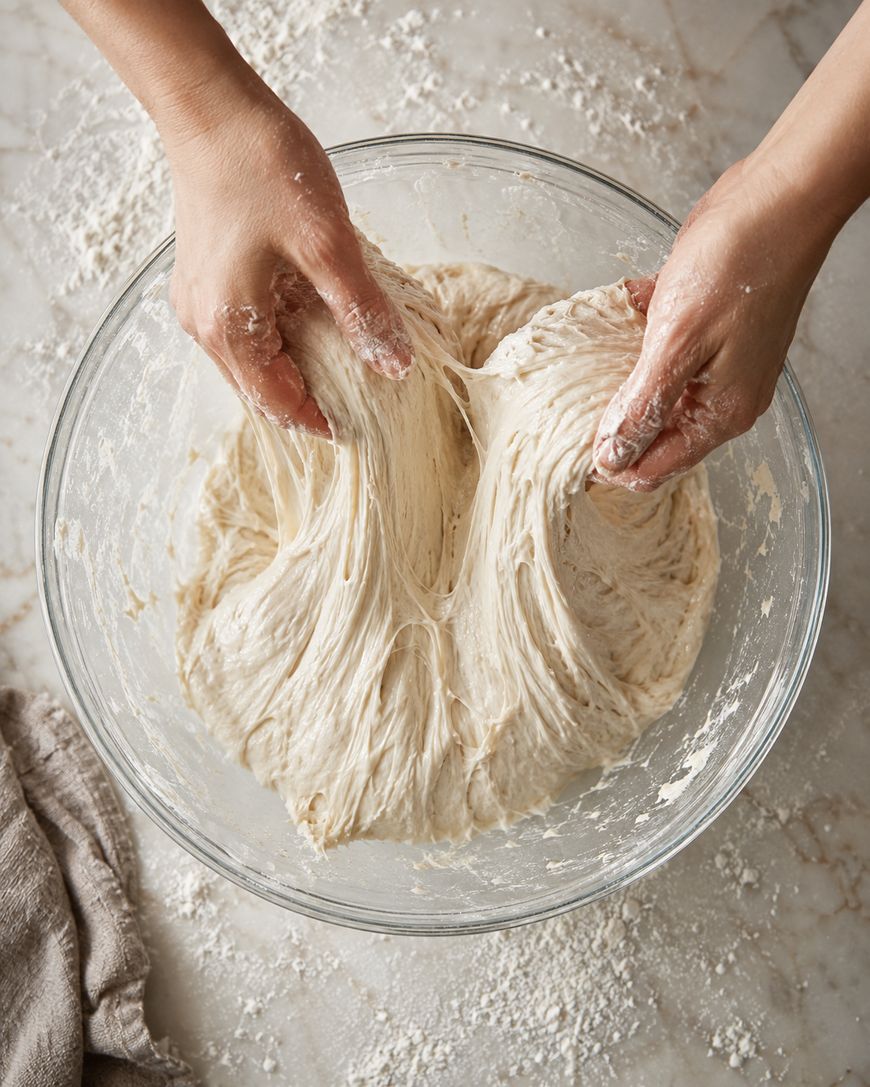
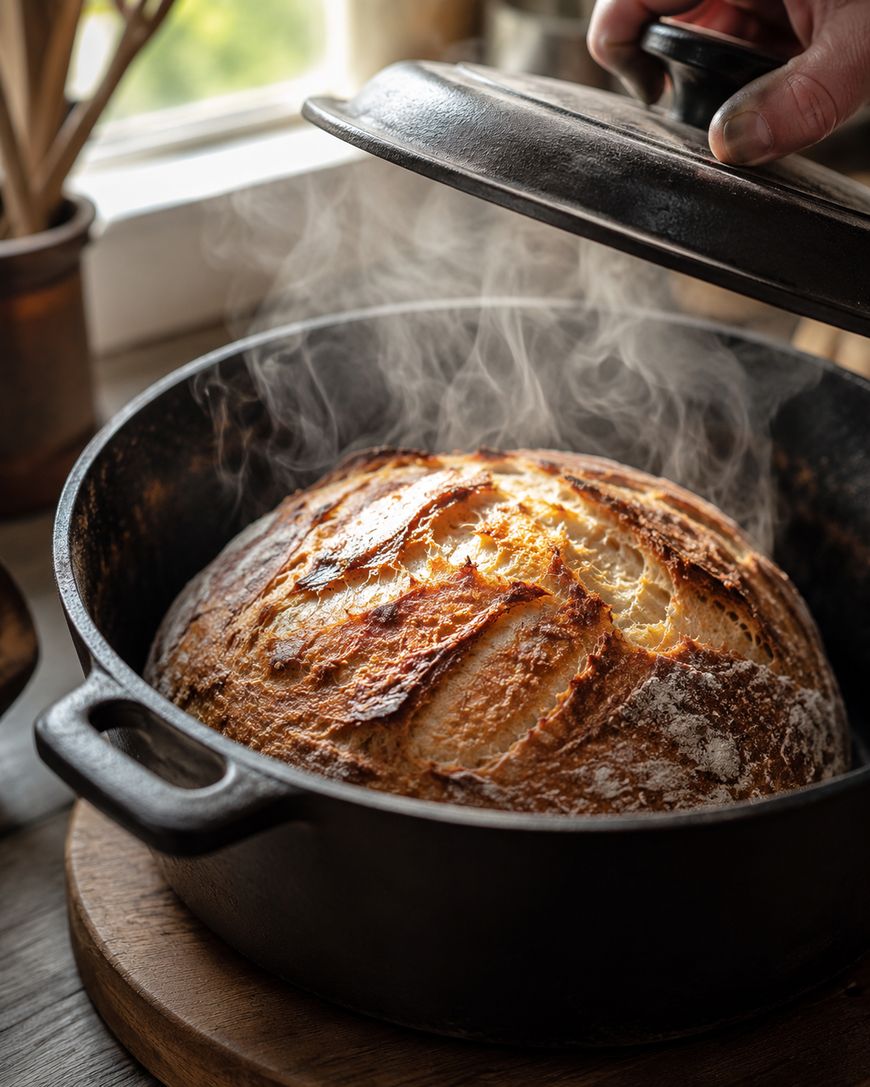
Shape the dough into a round boule or an oblong batard, score the top with a sharp knife or bread lame, and bake in a Dutch oven for best results. The covered pot traps steam during the first portion of baking, replicating the environment of a professional deck oven and giving you that bakery-style crust at home.
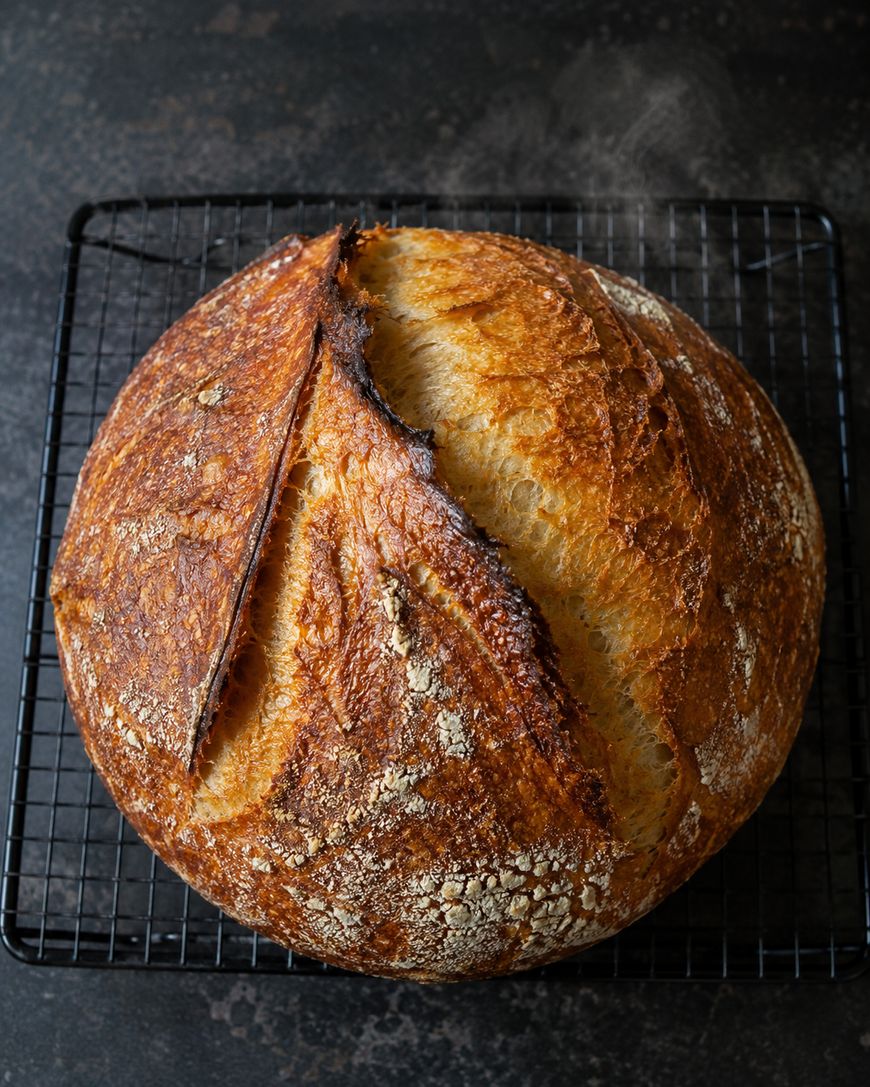
Bake covered at 450 degrees Fahrenheit for 20 minutes, then remove the lid and continue baking for another 20 to 25 minutes until the crust is deep golden brown. Let the loaf cool on a wire rack for at least 30 minutes before slicing. Cutting into bread too early lets steam escape and results in a gummy interior, so the wait is worth it.
Grissini: Italian Breadsticks for Appetizers and Snacking
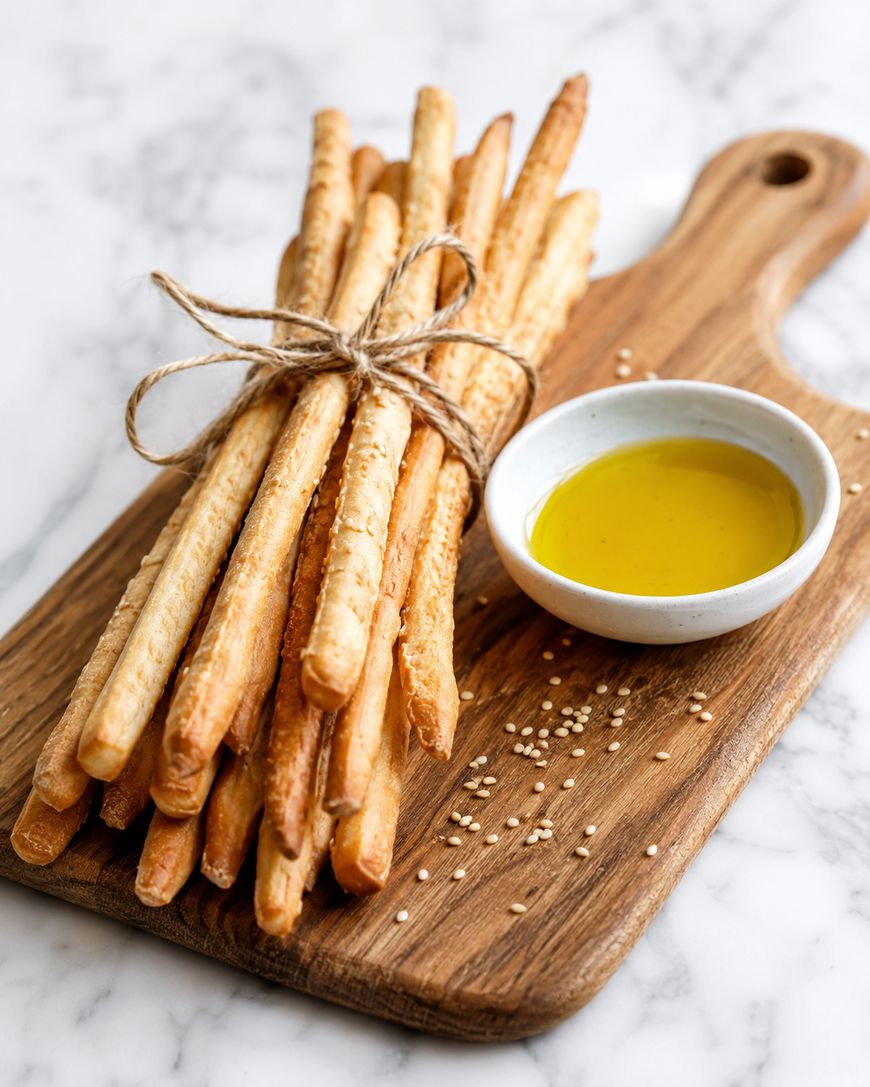
Grissini are the long, thin breadsticks you often see wrapped in paper at Italian restaurants. They are crispy all the way through, perfect for dipping in olive oil, wrapping with prosciutto, or serving alongside an antipasto spread.
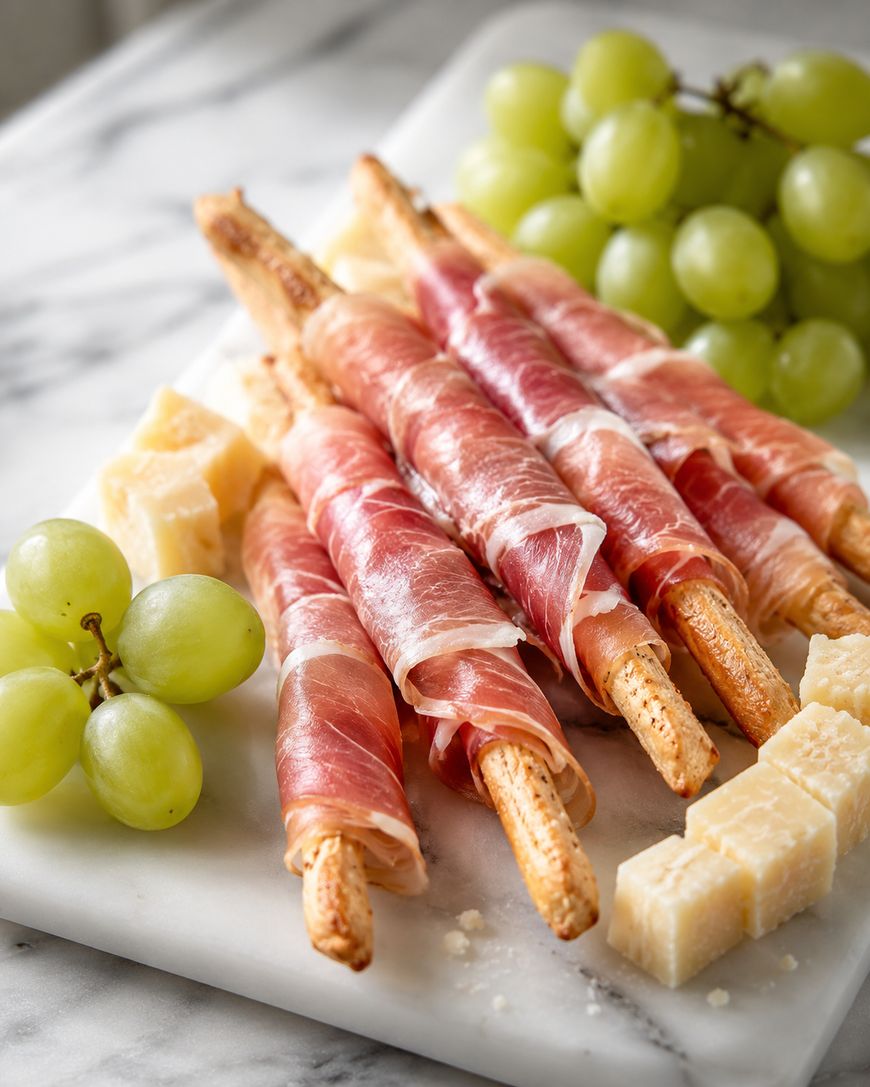
Making grissini at home is simpler than it looks. The dough is a basic bread dough with olive oil mixed in for tenderness, rolled into thin ropes and baked at a high temperature until fully dried and crisp.
You can flavor grissini in many ways. Rosemary and coarse salt is a classic combination. Sesame seeds, fennel seeds, Parmesan cheese, or a pinch of chili flakes all work beautifully. Grissini also store well in an airtight container for several days, making them an easy make-ahead option when you are planning a dinner party or holiday gathering.
Tips for Getting the Best Crust on Italian Bread
Crust is often what home bakers find hardest to replicate. Professional bakeries use deck ovens with steam injection that create the ideal baking environment from the very first minute.
You can approximate that environment at home with a few straightforward strategies. Preheating a baking stone, baking steel, or even a cast iron skillet in the oven for at least 45 minutes before baking ensures a burst of bottom heat when the dough hits the surface.
Adding steam to your home oven during the first ten to fifteen minutes of baking prevents the crust from setting too soon. You can do this by placing a pan of boiling water on the lowest oven rack, spritzing the oven walls with water, or using a covered Dutch oven as described above.
Baking at high temperatures, typically between 425 and 475 degrees Fahrenheit, is also essential. Italian breads need that intense heat to develop the Maillard reaction on the crust, that caramelization that creates both color and flavor.
Q&A: Your Italian Bread Questions Answered
What flour is best for Italian bread recipes?
Bread flour is the top choice for most Italian bread recipes because its higher protein content creates stronger gluten networks, resulting in better structure and chew. For a more authentic flavor in some regional Italian breads, you can also experiment with Italian 00 flour, which is very finely milled and produces a slightly softer crumb.
Can you make Italian bread without a stand mixer?
Yes, you absolutely can make Italian bread without a stand mixer. Many Italian bakers work entirely by hand, using techniques like stretch-and-fold to develop gluten in high-hydration doughs like ciabatta and focaccia. It takes a little more time and patience, but the results are just as good.
How do you store homemade Italian bread?
Store homemade Italian bread at room temperature, wrapped loosely in a clean kitchen towel or placed cut-side down on a cutting board. Avoid sealing it in plastic, which traps moisture and softens the crust. Most Italian loaves stay best for one to two days. For longer storage, freeze sliced bread in an airtight bag and toast directly from frozen.
Why is my Italian bread dense instead of airy?
Dense Italian bread usually comes from under-proofing, too little yeast activity, or over-handling the dough during shaping. Make sure your yeast is active and not expired, give the dough enough time to rise fully at each stage, and handle the shaped loaf gently to preserve the gas bubbles you worked to build during fermentation.
What is the difference between focaccia and ciabatta?
Focaccia is a flatbread baked in a pan with lots of olive oil, producing a thick, soft, dimpled loaf. Ciabatta is a free-form loaf with a much more open crumb and crispier crust, shaped without a pan. Both are high-hydration breads, but their textures and uses are quite different. Focaccia is wonderful as a side or snack, while ciabatta excels as a sandwich bread.
Can Italian bread recipes be made ahead?
Yes, most Italian bread recipes are well suited to make-ahead preparation. You can refrigerate shaped loaves overnight and bake them cold the next morning, which often improves flavor. You can also bake bread fully, cool it completely, and freeze it for up to three months. Reheat in a 350-degree oven for ten to fifteen minutes to restore the crust.
Bring Italian Bread Recipes Into Your Regular Rotation
There is something deeply satisfying about pulling a golden Italian loaf from your oven, and these Italian bread recipes make that experience accessible to every home baker. Whether you start with a simple focaccia or dive straight into ciabatta, each bake teaches you something new about fermentation, hydration, and the beautiful chemistry of bread.
We encourage you to try at least one of these recipes this week. Once you taste homemade Italian bread fresh from the oven, you will understand why bakers keep coming back to these traditions. The ingredients are simple, the techniques are learnable, and the reward is a loaf worth sharing at every table.
Why Italian Bread Recipes Are Worth Mastering
Italian bread is more than a side dish. It is a tradition passed down through generations of Italian home cooks, built on simple ingredients and time-honored techniques.
What makes these breads special is the balance between a crispy exterior and a soft, airy crumb. That contrast comes from high-hydration doughs, quality olive oil, and the patience to let fermentation do its work.
Once you understand a few core principles, you will find that most Italian bread recipes follow a familiar rhythm. You mix, rest, shape, and bake, and the results are consistently impressive with every loaf you pull from the oven.
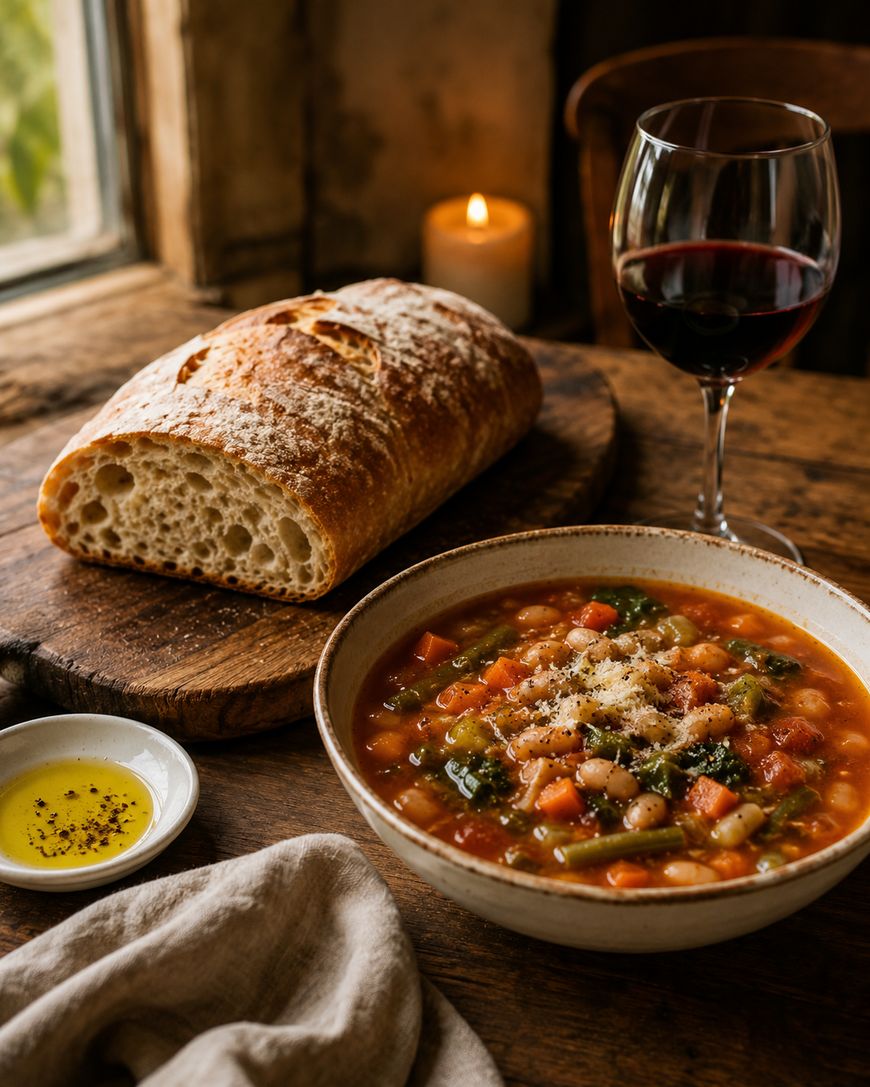
Italian bread also pairs beautifully with so many meals. Whether you are serving it alongside a bowl of minestrone, using it as the base for a bruschetta appetizer, or simply dipping it in olive oil, these loaves earn a place at every table.
What to make with sourdough discard