Last updated: September 11, 2026
Looking for a lemon ricotta pancakes recipe that delivers restaurant-quality results at home? You’ve come to the right place, and if you’d like to jump straight to the recipe card, simply scroll down to find it below.
Why Ricotta Changes Everything About Pancakes
Ricotta cheese transforms pancakes from ordinary breakfast fare into something genuinely special. The curds in ricotta create tiny pockets of air throughout the batter, resulting in a texture that’s simultaneously fluffy and substantial. Unlike traditional pancakes that deflate within minutes of cooking, lemon ricotta pancakes maintain their structure and tenderness for hours.
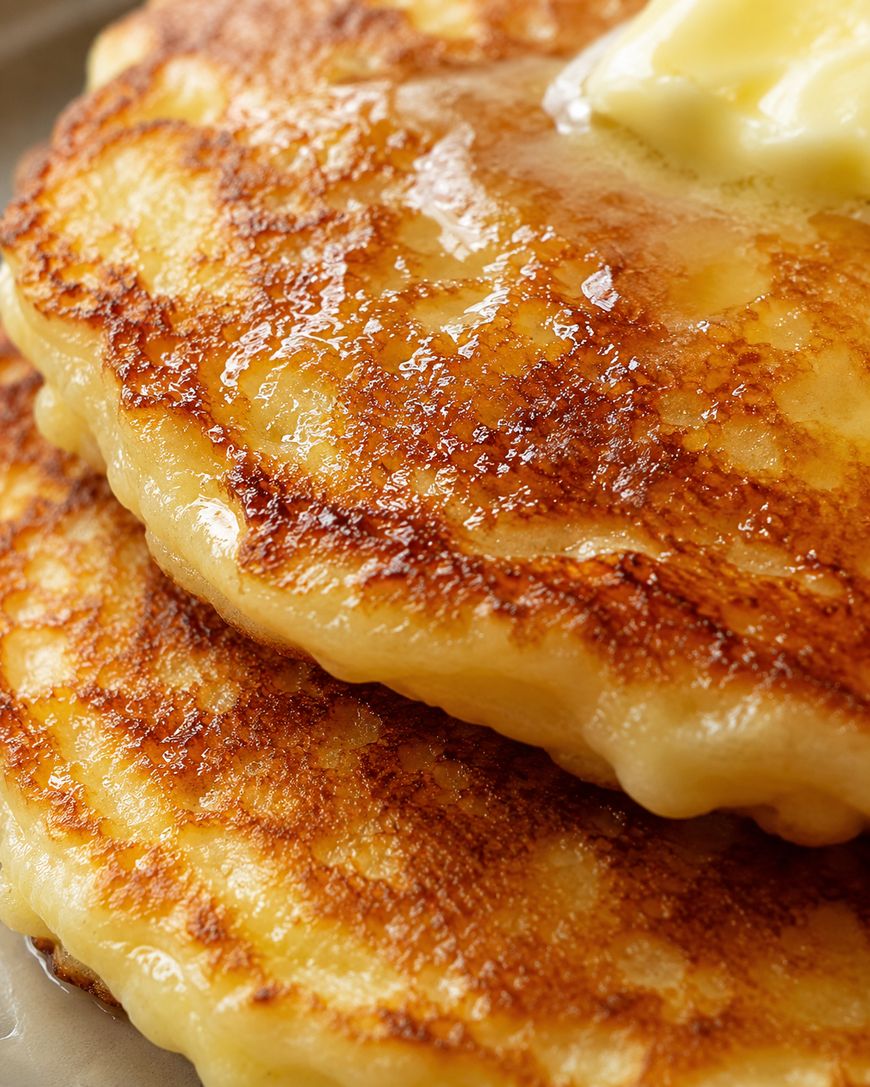
The secret lies in the protein structure that ricotta brings to the batter. When beaten into the mix, ricotta aerates naturally while the eggs provide structure and the lemon juice adds brightness. This combination creates pancakes that taste like they came from a professional kitchen but require only basic techniques.
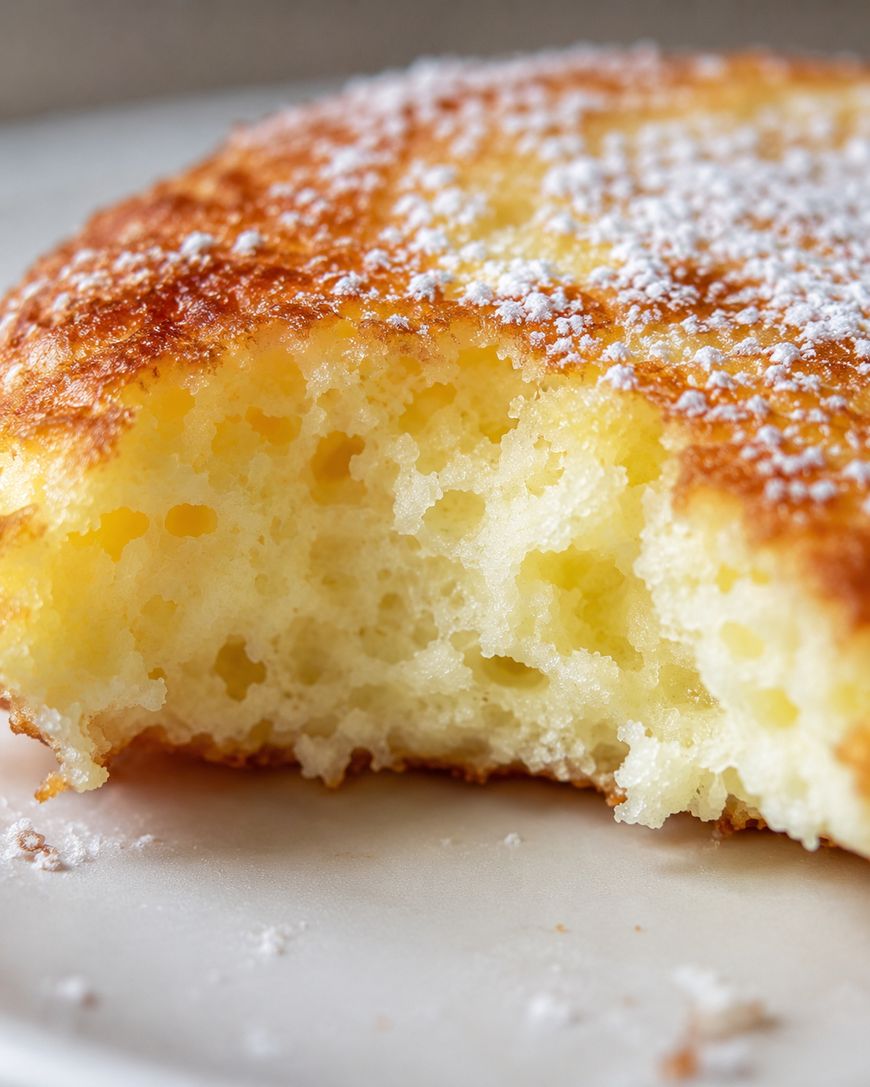
The tartness of fresh lemon juice complements the subtle sweetness of ricotta beautifully. Together, they create a flavor profile that works equally well for weekend brunches and special breakfast celebrations. The result is a pancake that feels indulgent yet light, rich yet refreshing.
Ingredients That Matter for Lemon Ricotta Pancakes
The quality of your ingredients directly impacts your final result. Start with fresh ricotta cheese from the dairy section, not the shelf-stable version. Fresh ricotta has a creamier texture and more delicate flavor that makes a noticeable difference.
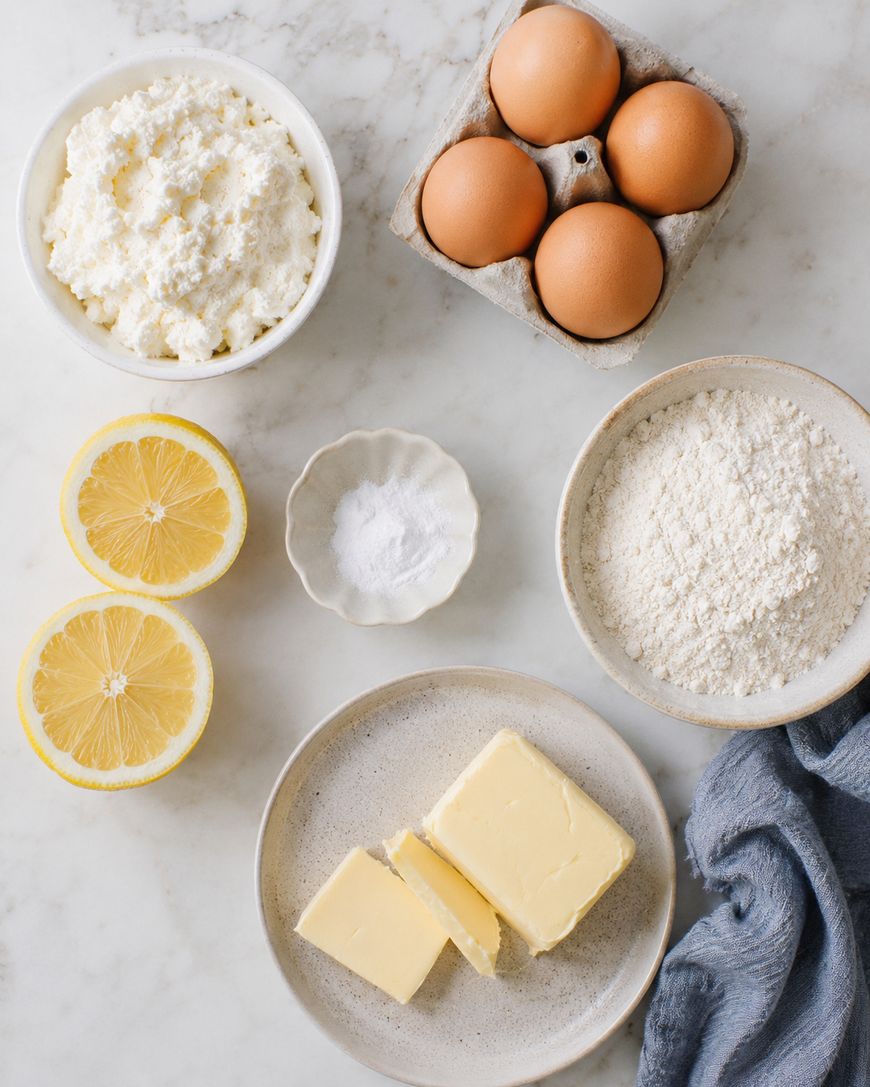
Whole milk ricotta works better than part-skim for these pancakes. The additional fat creates a more luxurious texture and prevents the pancakes from becoming dry as they cool. Room-temperature ricotta blends more smoothly into the batter than cold ricotta.
Fresh lemon juice is absolutely essential here. Bottled juice contains additives that can create an unpleasant aftertaste in your pancakes. You need only one large lemon to yield enough juice for a full batch.
Eggs should be separated for the fluffiest possible result. The egg whites create most of the lift in these pancakes, while the yolks add richness and help bind the batter. This separation technique is what transforms an ordinary pancake into something exceptional.
All-purpose flour works perfectly, though you can substitute cake flour for an even more delicate texture. Cake flour has less gluten and creates pancakes with a more tender crumb. If you use cake flour, add just one tablespoon to maintain the right consistency.
Baking powder is your leavening agent, providing the initial rise that helps the ricotta do its work. Fresh baking powder matters more than you might think. If your baking powder sits open in the pantry for longer than six months, replace it for the best results.
Butter brings flavor and creates a beautiful golden exterior. Use unsalted butter so you can control the salt level in your batter. Melted butter incorporates more evenly than cold butter and prevents lumps in the final batter.
The Method: Building Fluffy Lemon Ricotta Pancakes
Preparing Your Ingredients
Begin by separating your eggs into two clean bowls. Make sure no yolk gets into the whites, as even a tiny bit of fat will prevent the whites from whipping properly. Pat the ricotta dry with a paper towel before measuring to remove excess moisture.
Zest your lemon directly over the ricotta bowl, then cut the lemon in half and juice both pieces. You should have about three tablespoons of fresh juice. This fresh juice is crucial for both flavor and for creating the tender crumb texture these pancakes require.
Making the Batter
Combine your egg yolks with the ricotta in a large mixing bowl. Stir together gently, then add the lemon juice and zest. The mixture should look slightly curdled at this point, which is completely normal and actually helps create structure in your pancakes.
In a separate bowl, whisk together your dry ingredients: flour, baking powder, sugar, and salt. Make these measurements generous but level for consistent results across batches.
Pour the dry ingredients directly into your wet ingredients and stir just until combined. This batter should be lumpy, thick, and textured. Overmixing develops gluten, which creates tough pancakes instead of fluffy ones.
In your separate bowl with egg whites, beat until stiff peaks form. This usually takes about three to four minutes with an electric mixer on high speed. The whites should look like clouds and hold their shape when you lift the beaters.
Gently fold one-third of the egg whites into the batter first. This lightens the mixture and makes folding the remaining whites easier. Then fold in the remaining whites in two additions, being as gentle as possible.
Stop folding as soon as no white streaks remain. A few lumps of egg white are fine and actually preferable to overmixing. Every gentle fold you make preserves the air that creates the fluffy texture.
Cooking the Pancakes
Heat a griddle or nonstick skillet to medium heat. You can test the temperature by dropping a tiny bit of batter on the surface. If it sizzles immediately without smoking, your griddle is ready.
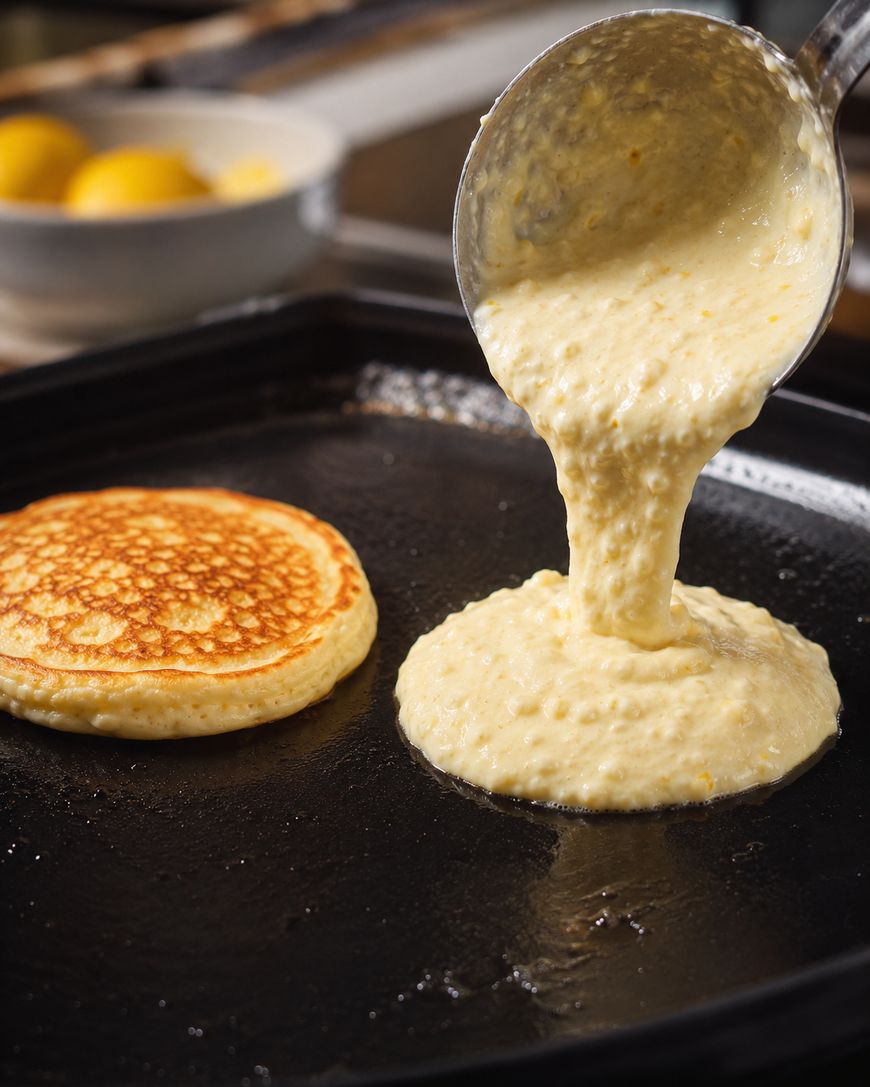
Use a quarter-cup measure to portion each pancake. This size cooks evenly and allows you to flip easily without losing the fluffy interior. The batter will be thick, so pressing it gently onto the griddle helps distribute heat evenly.
Cook the first side for about two minutes, watching for bubbles to form on the surface. When bubbles appear and the edges look set, flip gently. The first pancake is often a temperature tester, so don’t judge your batch by this one.
Cook the second side for about one and a half minutes until golden brown and set. These pancakes cook faster than traditional ones because of the additional moisture from ricotta. Resist the urge to flip multiple times, as this creates dense pancakes.
Transfer finished pancakes to a warm plate and cover loosely with foil. This keeps them warm without trapping steam that would make them soggy. Serve these pancakes as soon as your batch is complete for the best texture.
Flavor Variations and Additions
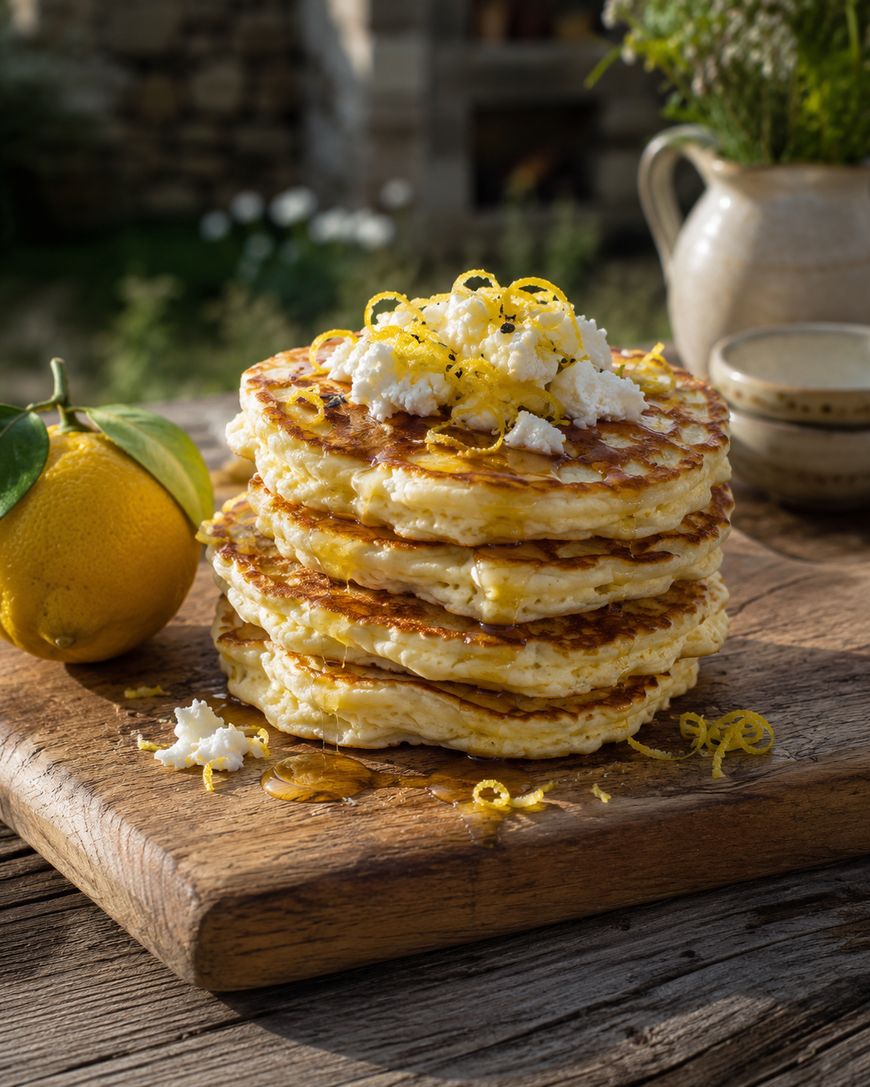
The lemon base welcomes many additions and modifications. Poppy seeds add a subtle texture and visual appeal to the batter. Add two tablespoons of poppy seeds to your dry ingredients for a classic pairing with lemon.
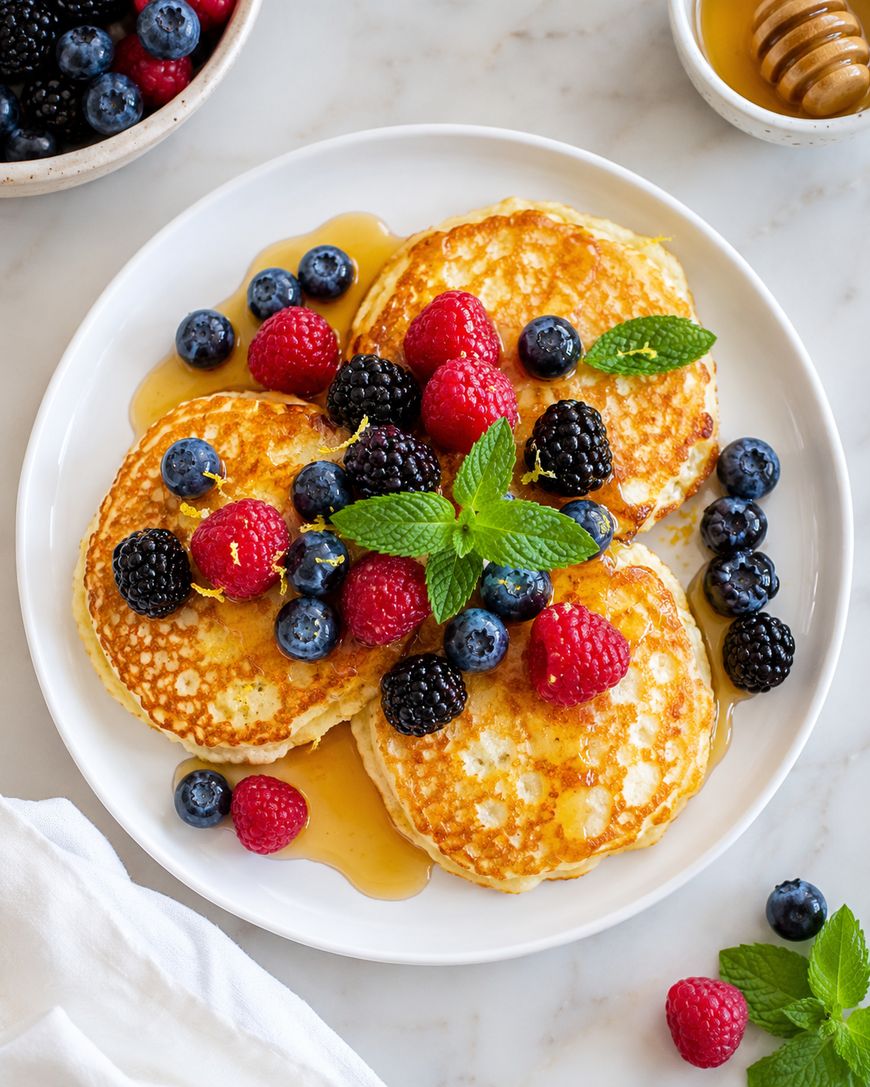
Fresh berries can be folded gently into the batter just before cooking. Blueberries, raspberries, and blackberries all work beautifully. Use no more than half a cup of berries to avoid weighing down the batter.
Vanilla extract brings warmth and depth to the lemon flavor. Add one teaspoon to your egg yolk mixture for a more complex flavor profile. The vanilla supports the lemon rather than competing with it.
Almond extract is a more unusual addition that creates a sophisticated flavor combination. Use just a quarter teaspoon, as almond extract is potent. This variation works especially well with blueberries folded into the batter.
Some bakers add a pinch of nutmeg to enhance the warmth of these pancakes. A light dusting of nutmeg in the dry ingredients creates a subtle depth without announcing itself. This works particularly well if you’re serving these for a brunch celebration.
Substitutions and Dietary Adaptations
If gluten sensitivity is a concern, replace all-purpose flour with a one-to-one gluten-free flour blend. The structure will be slightly different, but these pancakes will still be delicious. Xanthan gum helps bind the batter, so use a blend that includes it.
For a dairy-free version, replace ricotta with silken tofu blended until completely smooth. The resulting pancakes will be slightly less fluffy but still tender and pleasant. The lemon juice remains essential for creating structure and flavor.
Reducing sugar slightly creates pancakes that taste less cloying and more like the lemon shines through. Try using seven tablespoons of sugar instead of eight, then adjust to your preference. These pancakes don’t need to be very sweet to feel indulgent.
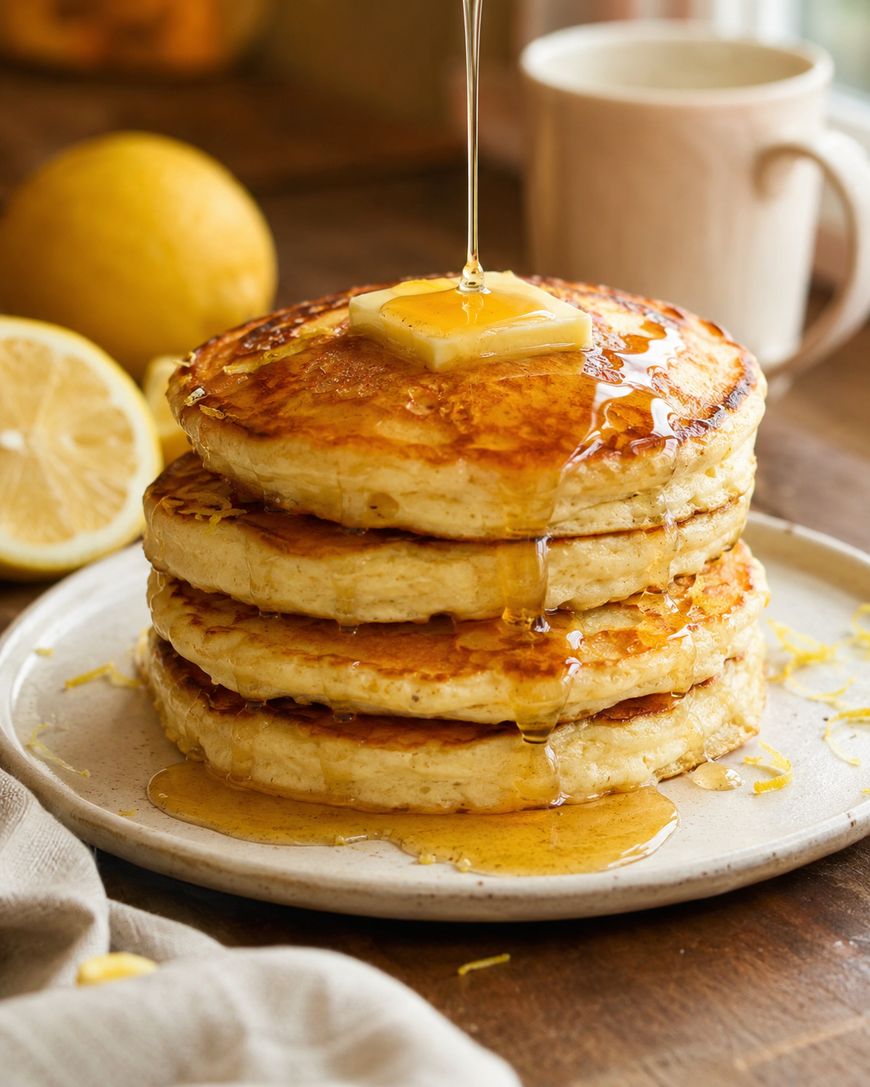
Honey can replace up to half the sugar for a different sweetness profile. Honey adds moisture, so reduce the milk very slightly if you make this swap. The honey flavor will be subtle but pleasant in the final pancakes.
Storage and Make-Ahead Instructions
Cooked lemon ricotta pancakes keep beautifully in the refrigerator for up to four days. Store them in an airtight container with parchment paper between layers to prevent sticking. Reheat gently in a 300-degree oven for about five minutes until warm through.
You can also freeze these pancakes for up to three months. Lay them flat on a baking sheet to freeze individually, then transfer to a freezer bag once solid. Toast frozen pancakes directly in a toaster for a quick breakfast anytime.
The batter keeps overnight in the refrigerator, though it’s best used within a few hours. Cover it tightly and fold in the egg whites just before cooking. The pancakes won’t be quite as fluffy if the batter sits longer than this.
For a true make-ahead approach, separate and beat your egg whites the morning you plan to serve these. Prepare all other ingredients the night before, then combine everything just before cooking. This strategy gives you fluffy pancakes with minimal morning effort.
Serving Suggestions
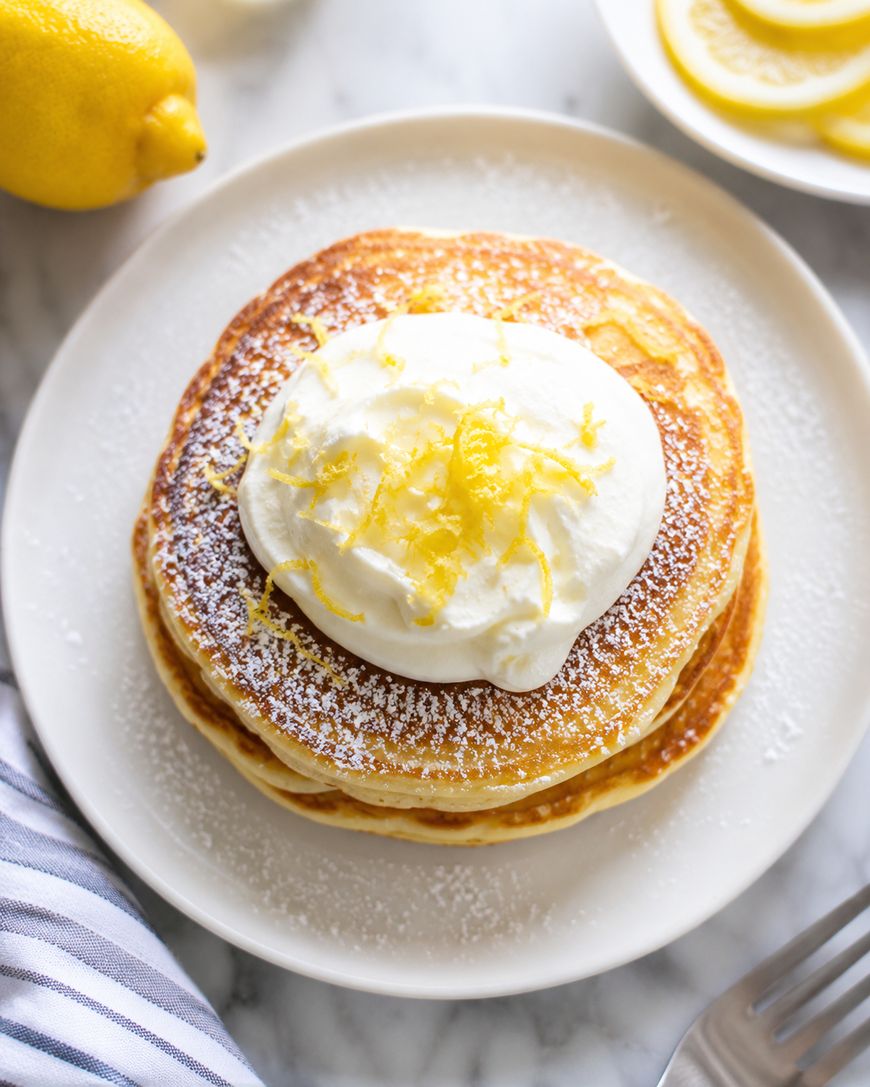
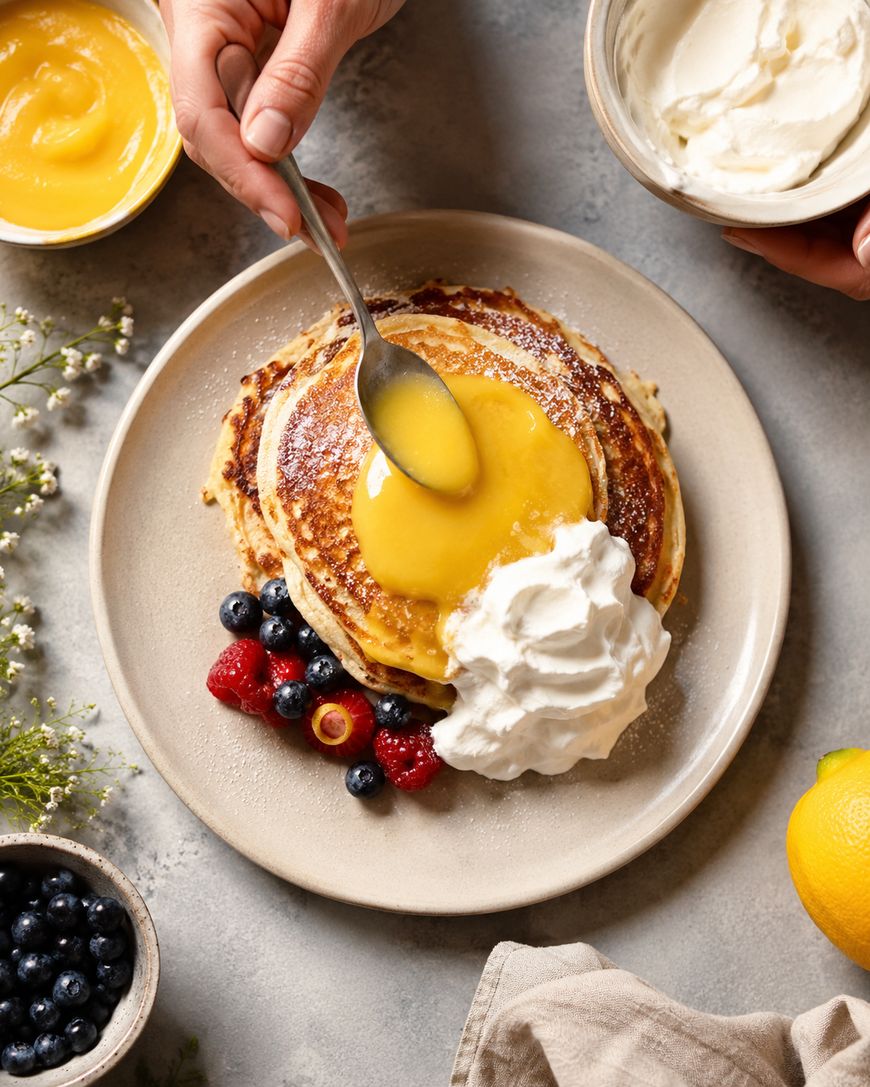
Classic lemon curd and whipped cream create an elegant topping for these pancakes. The tanginess of curd complements the ricotta while whipped cream adds richness. This combination feels special enough for a weekend brunch or celebration.
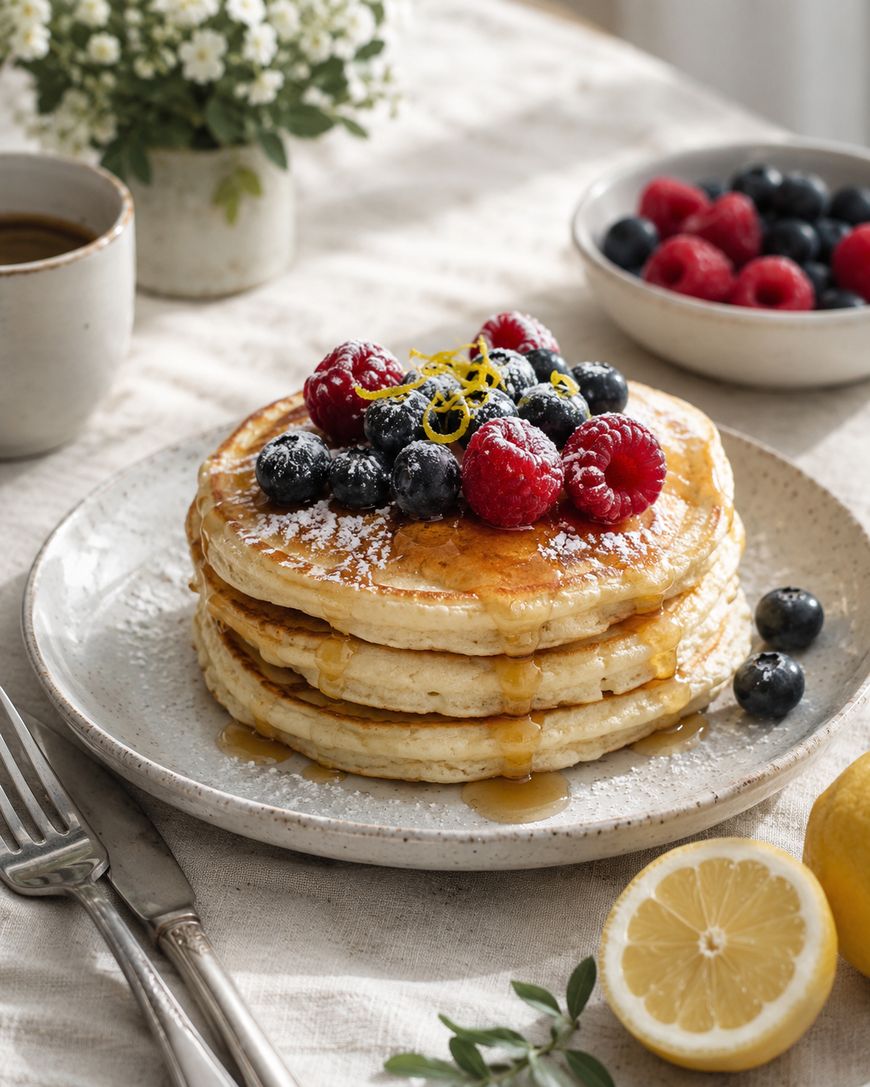
Fresh berries and a drizzle of honey offer a lighter topping option. Blueberries, raspberries, or sliced strawberries all work beautifully. A modest drizzle of honey lets the pancakes’ natural flavor shine through.
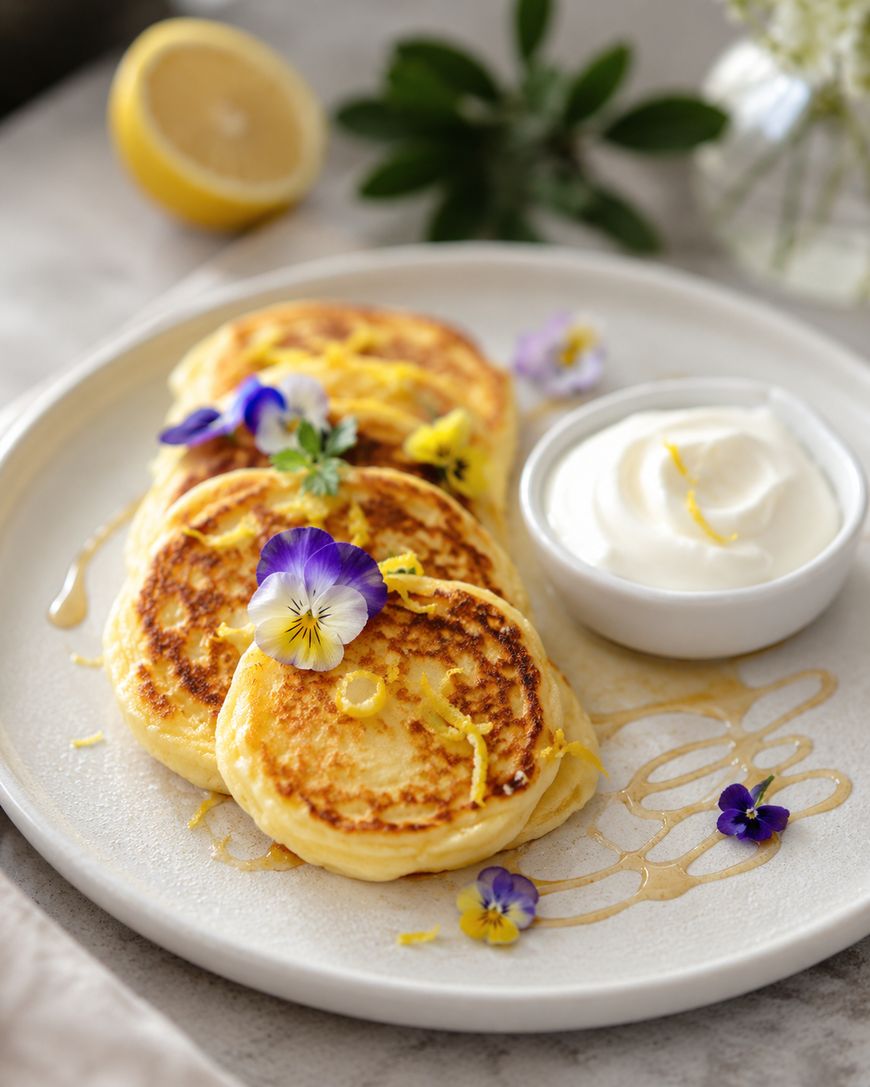
Greek yogurt mixed with a touch of honey creates a creamy, protein-rich topping. The tartness of yogurt echoes the lemon in the pancakes themselves. This option works well for a satisfying breakfast that keeps you full.
Maple syrup is always appropriate, particularly if you’ve made these pancakes for a special breakfast. Use pure maple syrup rather than the imitation version for better flavor. A generous pour finishes these pancakes beautifully.
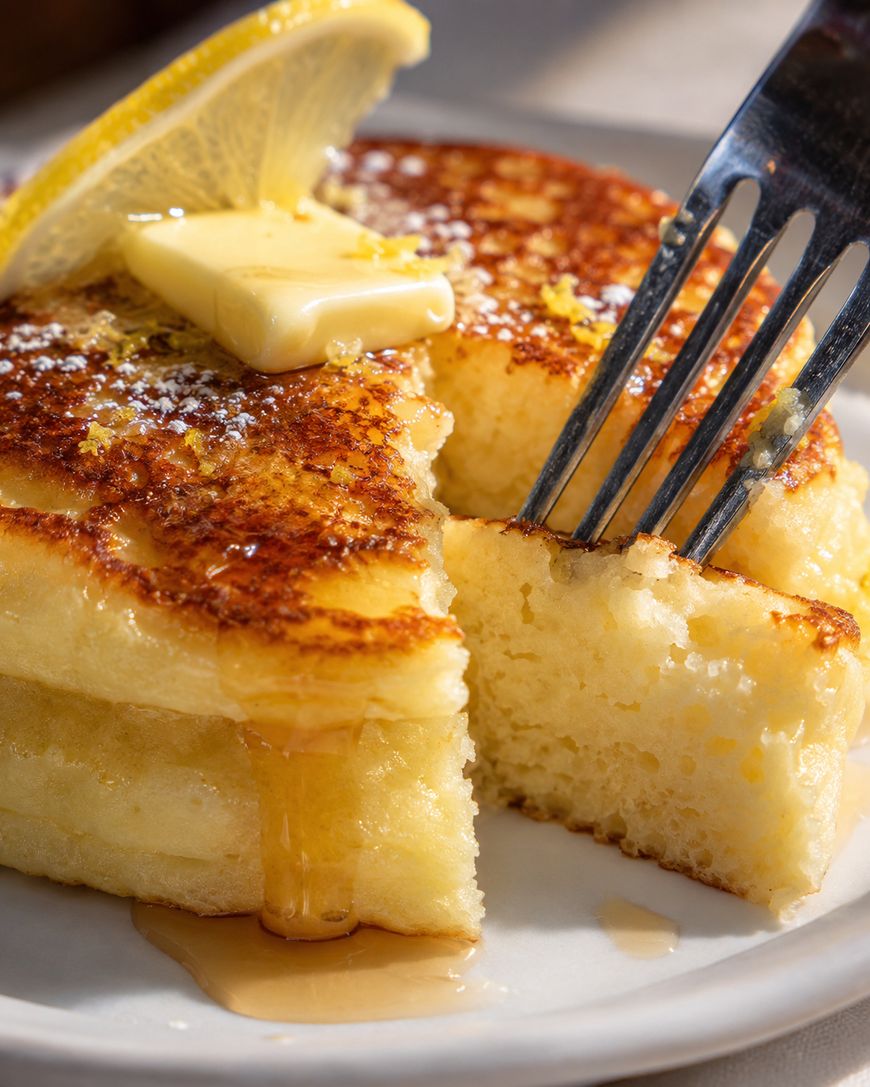
Ricotta mixed with a touch of honey becomes a spread almost like a mascarpone cream. Dollop it on warm pancakes and let it melt slightly before eating. This approach creates layers of ricotta flavor and richness.
The Story Behind Lemon Ricotta Pancakes
These pancakes have roots in Italian breakfast traditions where ricotta appears in both sweet and savory applications. Italian cooks have long understood that ricotta creates extraordinary texture and subtle flavor in breakfast dishes. Pairing ricotta with lemon brings out the brightness in both ingredients.
The technique of separating eggs and folding in beaten whites comes from classical French cooking. This method creates the lightest possible texture by incorporating air at multiple stages of the batter-making process. When combined with ricotta’s natural air pockets, the result is genuinely fluffy pancakes.
American breakfast culture has increasingly embraced this Italian-influenced approach to pancakes. Home cooks discovered that ricotta delivers superior texture compared to traditional flour-based recipes. The lemon addition makes these pancakes feel fresh and refined rather than heavy or ordinary.
Today, lemon ricotta pancakes appear on brunch menus at restaurants worldwide. The combination works equally well in home kitchens, proving that you don’t need fancy equipment or rare ingredients to create exceptional breakfast. Technique and understanding the role of each ingredient matter far more than complexity.
Questions About Making Lemon Ricotta Pancakes
Can you make this batter ahead of time?
The complete batter can be refrigerated overnight, but you should fold in the egg whites just before cooking. Beaten egg whites deflate over time, so this step must happen close to cooking. The yolk mixture and dry ingredients can absolutely be prepared the night before, saving you time in the morning.
What’s the best way to tell when to flip these pancakes?
Watch for bubbles to form across the surface and the edges to look set and slightly dry. When most of the bubbles have popped and the top looks no longer shiny, it’s time to flip. The timing is usually around two minutes, though griddle temperature varies, so watch for visual cues rather than relying solely on time.
Why aren’t my pancakes fluffy?
The most common reason is overmixing the batter, which develops gluten and creates tough pancakes instead. Another possibility is that your baking powder has lost its potency. Also ensure you’re properly beating your egg whites to stiff peaks and folding them gently into the batter just before cooking.
Can you use whole milk instead of the ricotta?
Ricotta is essential to the structure and flavor of these pancakes, so whole milk isn’t an adequate substitute. If you don’t have ricotta available, Greek yogurt or silken tofu can work as alternatives. They won’t create exactly the same texture, but they’ll produce pancakes that are still fluffy and delicious.
How do you prevent these pancakes from sticking to the griddle?
A nonstick skillet or well-seasoned griddle is ideal, but you can also lightly butter the cooking surface. Do this before heating the griddle rather than after, so the butter doesn’t burn. For each batch, you may need to re-butter slightly if pancakes begin sticking.
What if your lemon juice is very tart or not tart enough?
You can adjust the amount of lemon juice within a range of two to four tablespoons depending on the lemons you’re using and your tartness preference. Start with three tablespoons and taste a small piece of cooked pancake, then adjust for your next batch. The zest contributes flavor too, so don’t skip this even if you reduce the juice.
Why These Pancakes Belong on Your Breakfast Table
Lemon ricotta pancakes represent the perfect balance between comfort and sophistication. They taste indulgent enough for a special occasion yet simple enough for a regular Tuesday morning. The combination of ricotta’s subtle flavor with bright lemon creates something memorable that turns ordinary breakfast into something worth celebrating.
Making these pancakes teaches you valuable baking techniques that apply far beyond breakfast cooking. The method of folding beaten egg whites incorporates air while maintaining structure, a technique used in souffles, angel food cakes, and mousses. Learning to make truly fluffy pancakes builds confidence in the kitchen and opens doors to many other recipes.
Once you master this recipe, you’ll find yourself making these pancakes regularly. They freeze beautifully, so you can prepare a batch ahead and enjoy them throughout the week. Your family will request them by name, and you’ll enjoy the reputation of making exceptional breakfast at home.
Lemon Ricotta Pancakes
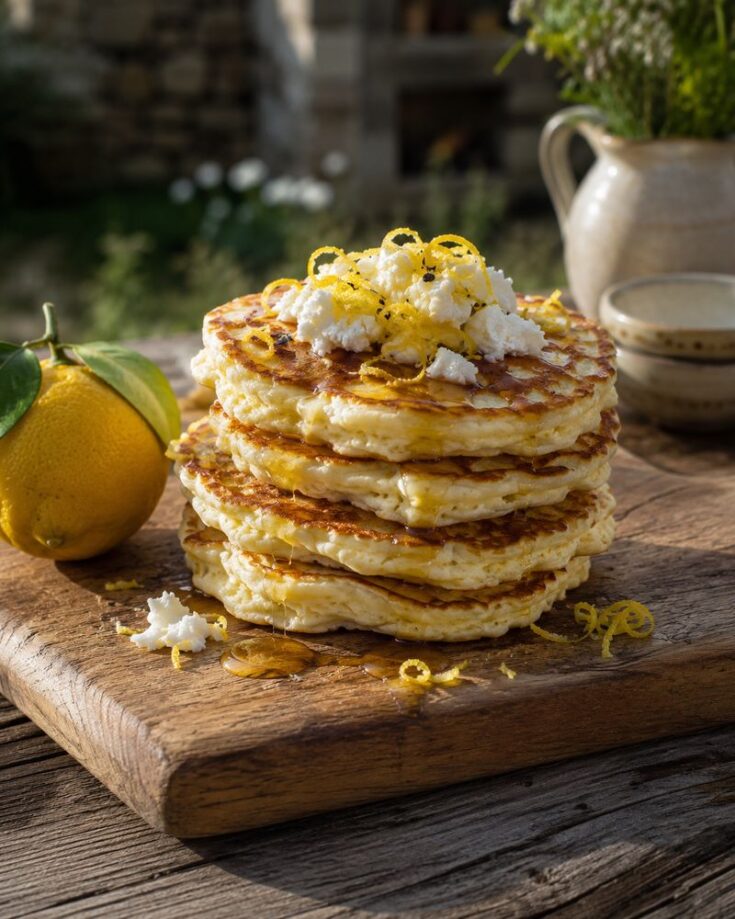
Fluffy lemon ricotta pancakes that stay tender all morning, made with fresh lemon juice and creamy ricotta cheese. Tender, light, and bright.
Ingredients
- 1 cup (8 oz) fresh whole milk ricotta cheese, room temperature
- 4 large eggs, separated
- 3 tablespoons fresh lemon juice
- 1 tablespoon lemon zest
- 1 cup all-purpose flour
- 2 tablespoons sugar
- 1.5 teaspoons baking powder
- 0.25 teaspoon salt
- 0.5 cup whole milk
- 3 tablespoons unsalted butter, melted
Instructions
- 1. Pat ricotta dry with paper towels and place in a large mixing bowl.
- 2. Add egg yolks, lemon juice, and lemon zest to the ricotta. Stir until combined and slightly curdled.
- 3. In a separate bowl, whisk together flour, sugar, baking powder, and salt.
- 4. Pour dry ingredients into wet ingredients and stir until just combined with lumps remaining.
- 5. Stir in milk and melted butter until batter is thick and textured.
- 6. In another clean bowl, beat egg whites on high speed until stiff peaks form, about 3-4 minutes.
- 7. Fold one-third of beaten egg whites into batter, then fold in remaining whites in two additions until no white streaks remain.
- 8. Heat a nonstick griddle or skillet to medium heat.
- 9. Portion batter using a quarter-cup measure onto griddle.
- 10. Cook until bubbles form on surface and edges look set, about 2 minutes.
- 11. Flip gently and cook second side until golden brown, about 1.5 minutes.
- 12. Transfer to a plate and cover loosely with foil. Serve warm.
Notes
Separate eggs into two completely clean bowls to ensure egg whites whip properly. Pat ricotta dry to remove excess moisture before mixing. Use fresh lemon juice, not bottled, for best flavor and texture. Do not overmix batter; lumps are desirable and create fluffy pancakes. Fold egg whites gently to preserve air and maintain fluffy texture. Cook on medium heat to allow pancakes to cook through without burning. Serve immediately for best texture, or keep warm under loose foil covering. Refrigerate leftovers in airtight container with parchment between layers for up to 4 days. Freeze cooked pancakes individually on baking sheet, then transfer to freezer bags for up to 3 months. Reheat frozen pancakes in toaster or gently in 300-degree oven for about 5 minutes. Batter can be made ahead: prepare everything except fold in egg whites the night before. Top with lemon curd and whipped cream, fresh berries and honey, Greek yogurt, maple syrup, or ricotta honey spread. For variations, try adding poppy seeds (2 tbsp), vanilla extract (1 tsp), or almond extract (1/4 tsp) to batter. Works with gluten-free flour blend or silken tofu as dairy-free substitute.
Nutrition Information:
Yield:
14Amount Per Serving: Calories: 95Total Fat: 3gSaturated Fat: 1.5gSodium: 135mgCarbohydrates: 14gFiber: 0gSugar: 3gProtein: 3g
This site provides estimated nutritional information. This information comes from online calculators. Although we try to provide accurate nutritional information, these figures are only estimates.
Common Questions Readers Ask About This Recipe
Is there a dairy-free version of lemon ricotta pancakes?
Yes, silken tofu blended until completely smooth substitutes for ricotta. The texture will be slightly less fluffy but still delicate and tender. Use the same quantity and follow the rest of the recipe identically, keeping all other ingredients the same.
How many pancakes does this recipe yield?
This recipe makes approximately twelve to fourteen pancakes depending on the size you portion. A quarter-cup measure creates medium-sized pancakes that cook evenly and are easy to flip. If you prefer smaller pancakes, the recipe yields more, and larger pancakes yield fewer from the same batter.
Can you double this recipe?
Doubling works perfectly, though you may need to work in two batches to avoid griddle overcrowding. Prepare all ingredients in a larger bowl and follow the same folding technique for the egg whites. The technique remains the same even when doubling the quantity.
What’s the nutritional content of these pancakes?
Without toppings, each pancake contains approximately 95 calories, with 3 grams of protein and 2 grams of fat. The ricotta and eggs contribute protein while keeping the pancakes relatively light. Toppings like cream or syrup add calories, so adjust portions based on your dietary goals.
Are these pancakes suitable for meal prep?
Absolutely, these pancakes freeze beautifully for up to three months. Prepare a double batch, freeze them individually on a baking sheet, then transfer to freezer bags. Toast them directly from frozen in a toaster or reheat gently in the oven anytime you want fresh-tasting pancakes.
Conclusion
Lemon ricotta pancakes deliver exceptional flavor and texture that rivals restaurant versions while remaining straightforward to make at home. The combination of ricotta’s subtle creaminess with bright lemon juice creates pancakes that taste special without requiring advanced techniques or unusual ingredients. Whether you’re cooking for a quiet weekday breakfast or preparing a memorable brunch, these pancakes will impress everyone at your table.
The secret to success lies in treating each component of the recipe with care. Fresh ingredients matter, separating and beating your eggs creates the fluffy texture, and gentle folding preserves the air you’ve worked to incorporate. Make these pancakes once, and you’ll understand why they’ve become a favorite in kitchens everywhere.
Start your next breakfast with this recipe and discover why lemon ricotta pancakes have earned their reputation for being both delicious and genuinely special.