Last updated: June 15, 2026
This lime vinaigrette dressing is the kind of recipe that earns a permanent spot in your refrigerator door. It takes five minutes, uses pantry staples, and transforms everything from a simple green salad to grilled chicken thighs into something worth eating twice.
The full recipe card is below, but keep reading for ingredient tips, variations, and serving ideas that will help you get the most out of every batch.
What Makes a Great Lime Vinaigrette Dressing
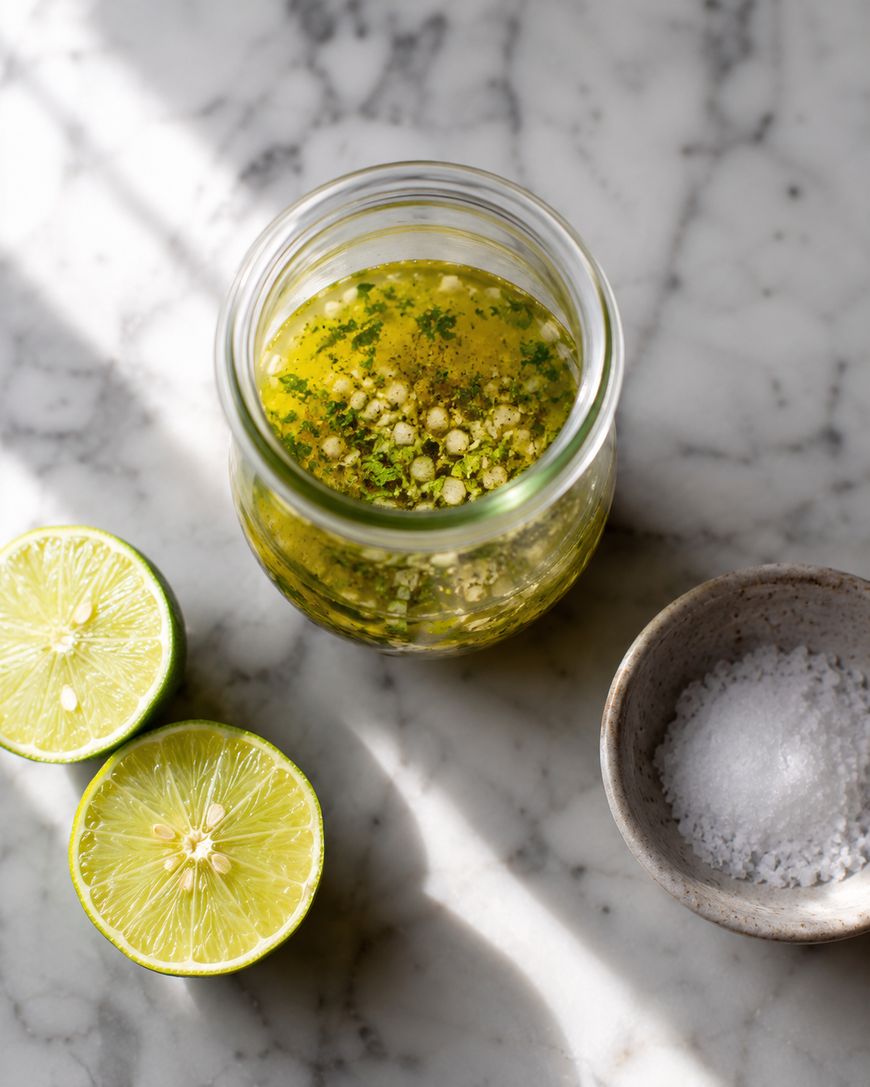
A well-balanced lime vinaigrette sits at the intersection of acid, fat, salt, and sweetness. The lime juice provides the sharp citrus edge that wakes up the palate, while extra-virgin olive oil rounds it out with body and richness.
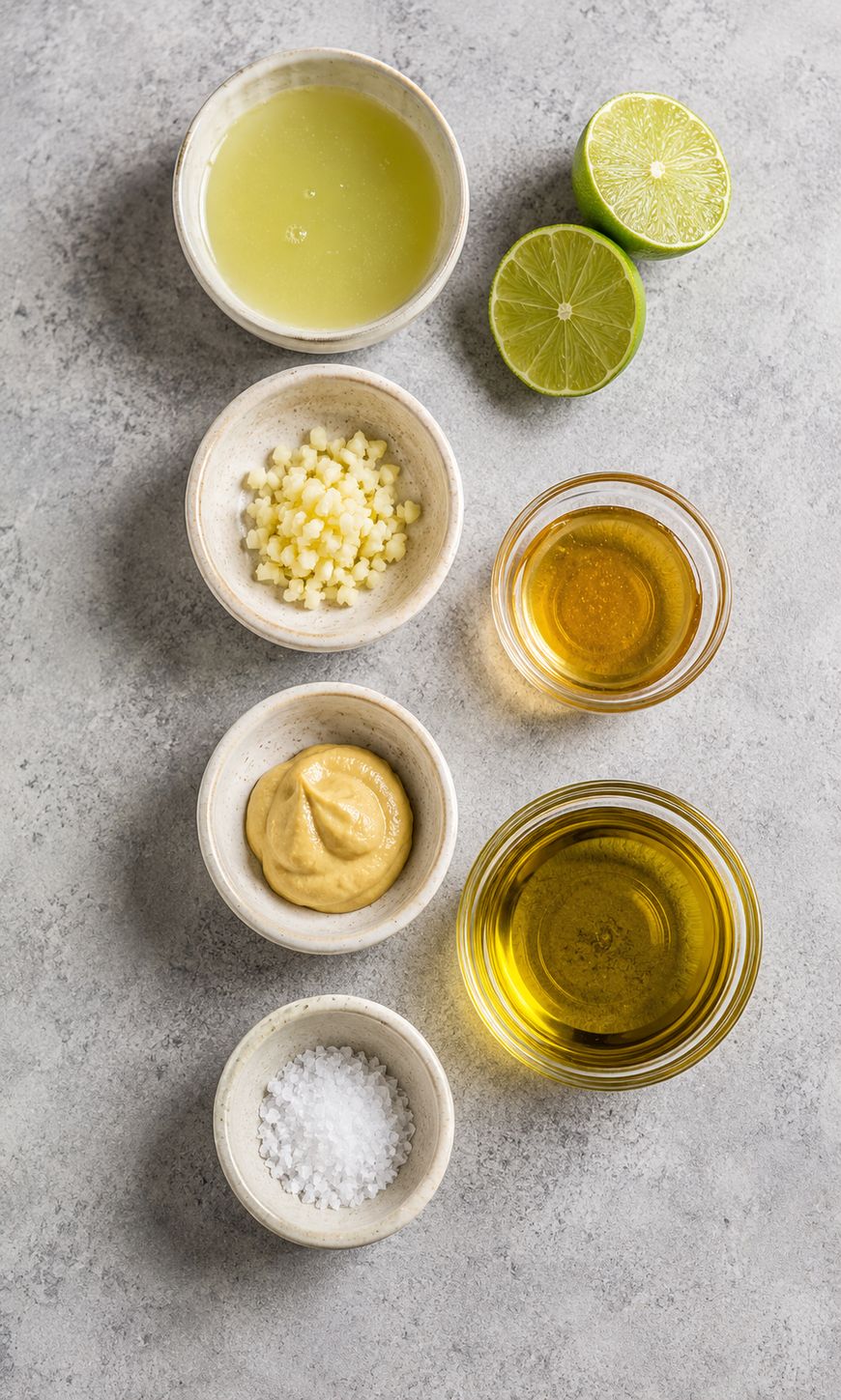
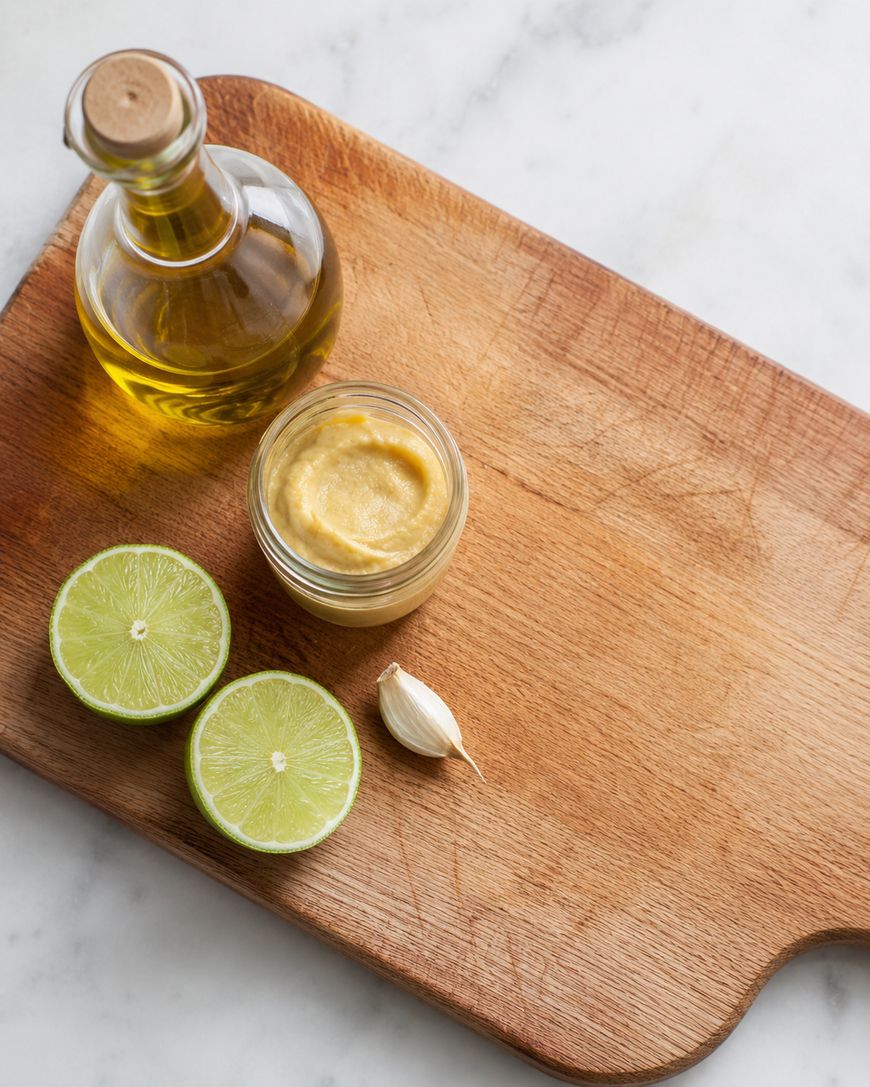
Dijon mustard does double duty here. It adds a mild, slightly tangy depth, and its emulsifying properties keep the oil and juice from separating as quickly. That means a dressing that stays cohesive on the salad rather than pooling at the bottom of the bowl.
Choosing the Right Limes
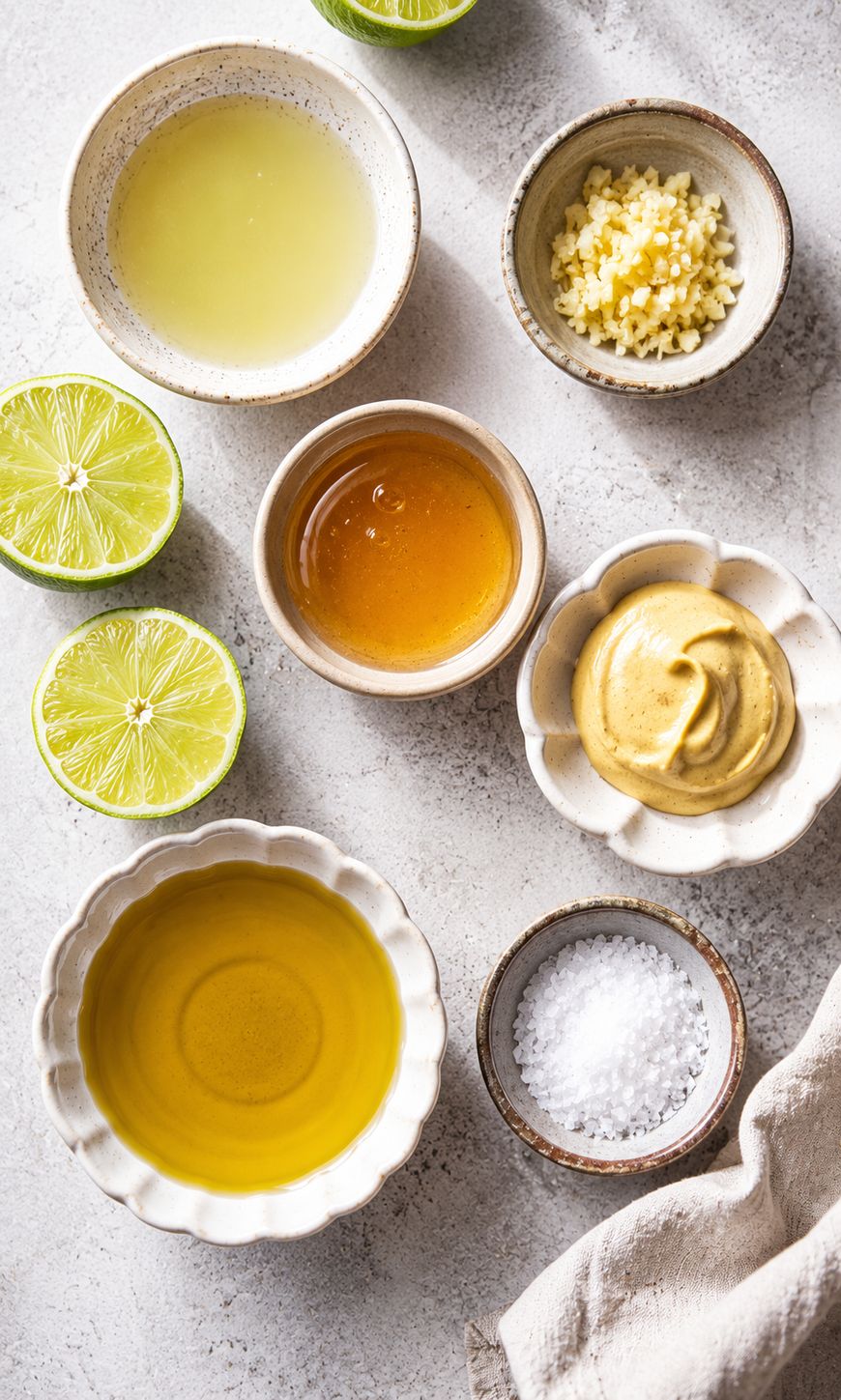
Persian limes, the familiar dark green variety sold year-round at most grocery stores in the United States, work well in this recipe. Key limes can be used in a pinch, but their flavor is sharper and more bitter, so reduce the quantity slightly and taste as you go.
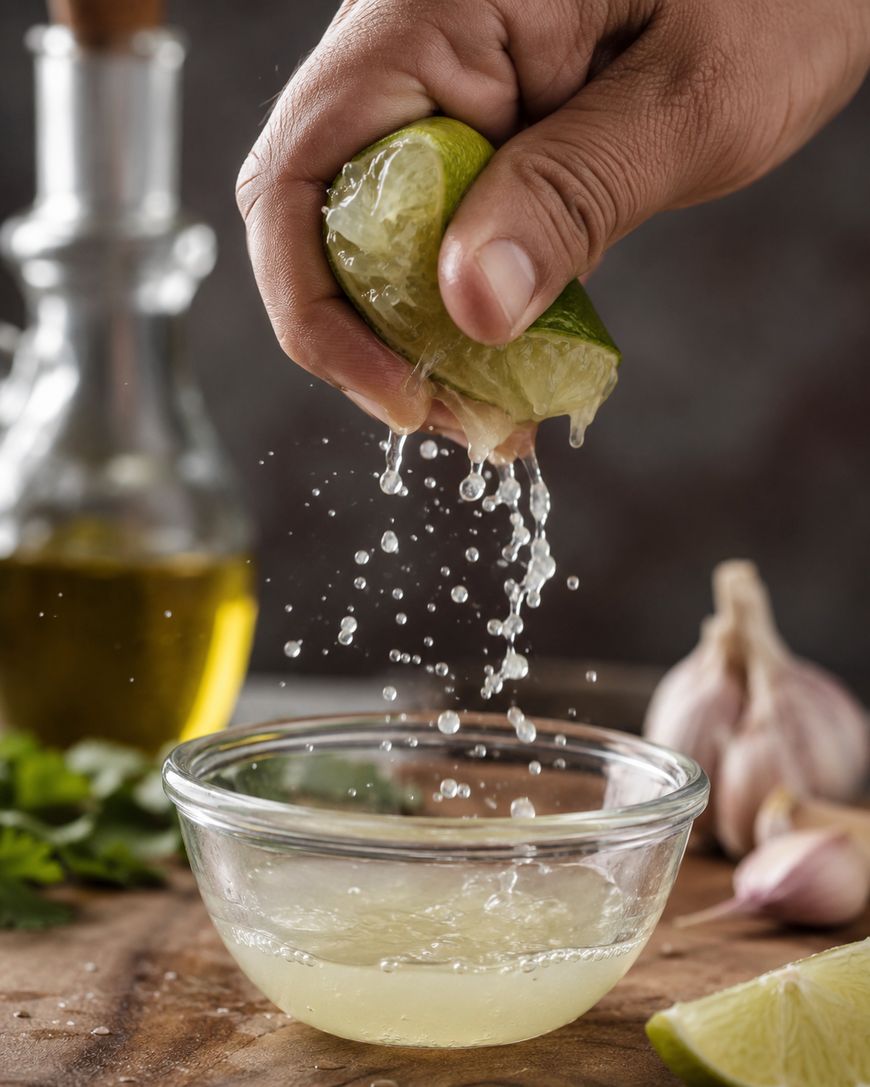
Fresh lime juice is non-negotiable. Bottled lime juice is typically pasteurized and often contains preservatives that flatten the flavor entirely. Two medium Persian limes yield approximately three tablespoons of juice, which is the target for this recipe.
The Oil Ratio
The classic vinaigrette ratio is three parts oil to one part acid. This recipe leans slightly toward two-and-a-half to one, which produces a brighter, more forward lime flavor that works especially well on heavier ingredients like grains, roasted vegetables, and proteins.
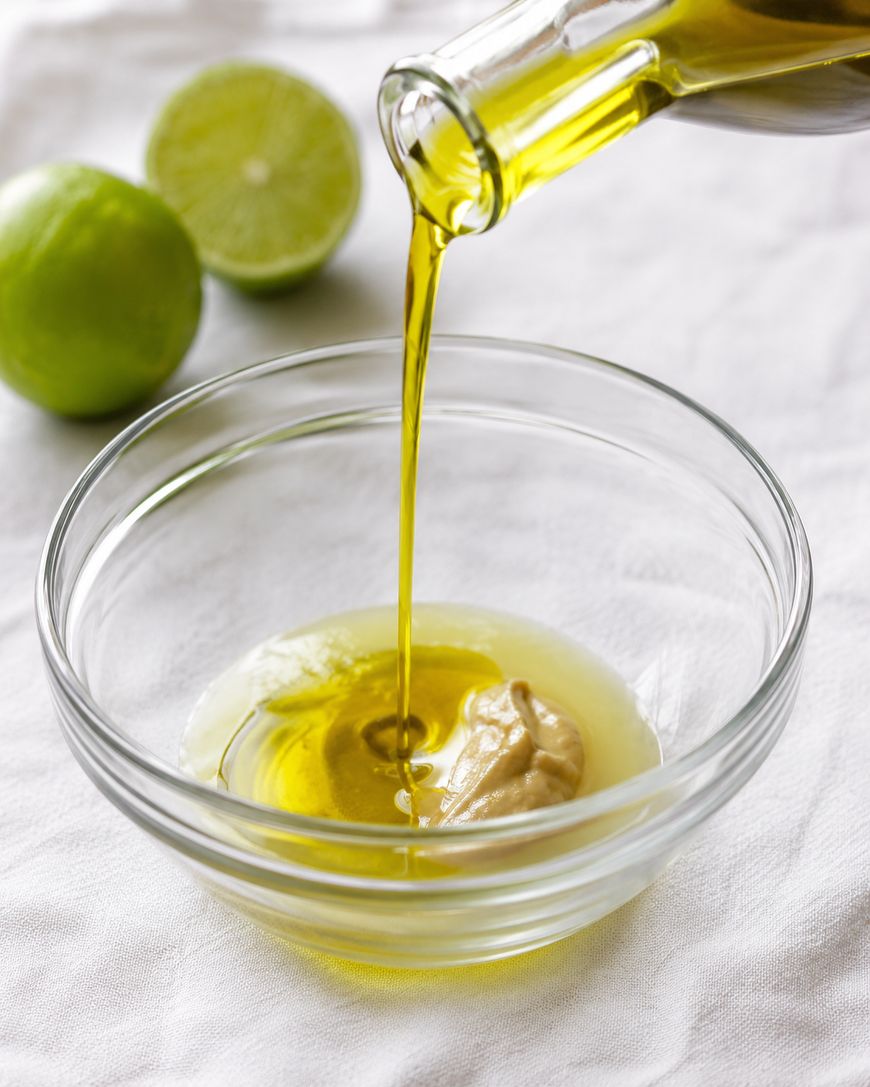
Cold-pressed extra-virgin olive oil is the first choice here. Avocado oil is a neutral alternative that works well when a subtler flavor is preferred, particularly in dishes where the lime needs to be the dominant note.
How to Make Lime Vinaigrette Dressing
Making lime vinaigrette is a matter of combining the right ingredients in the right order. The process takes about five minutes and requires nothing more than a jar with a tight lid or a small whisk and bowl.
Start by juicing the limes directly into the mixing vessel to catch any seeds before they get into the dressing. A fine mesh strainer placed over the bowl takes care of any pulp if a smoother texture is preferred.
Emulsifying the Dressing
Add the Dijon mustard, minced garlic, honey, salt, and black pepper to the lime juice first. Whisk these together until fully combined before adding any oil. This step matters because the mustard and juice need to form a base that the oil can bind to.
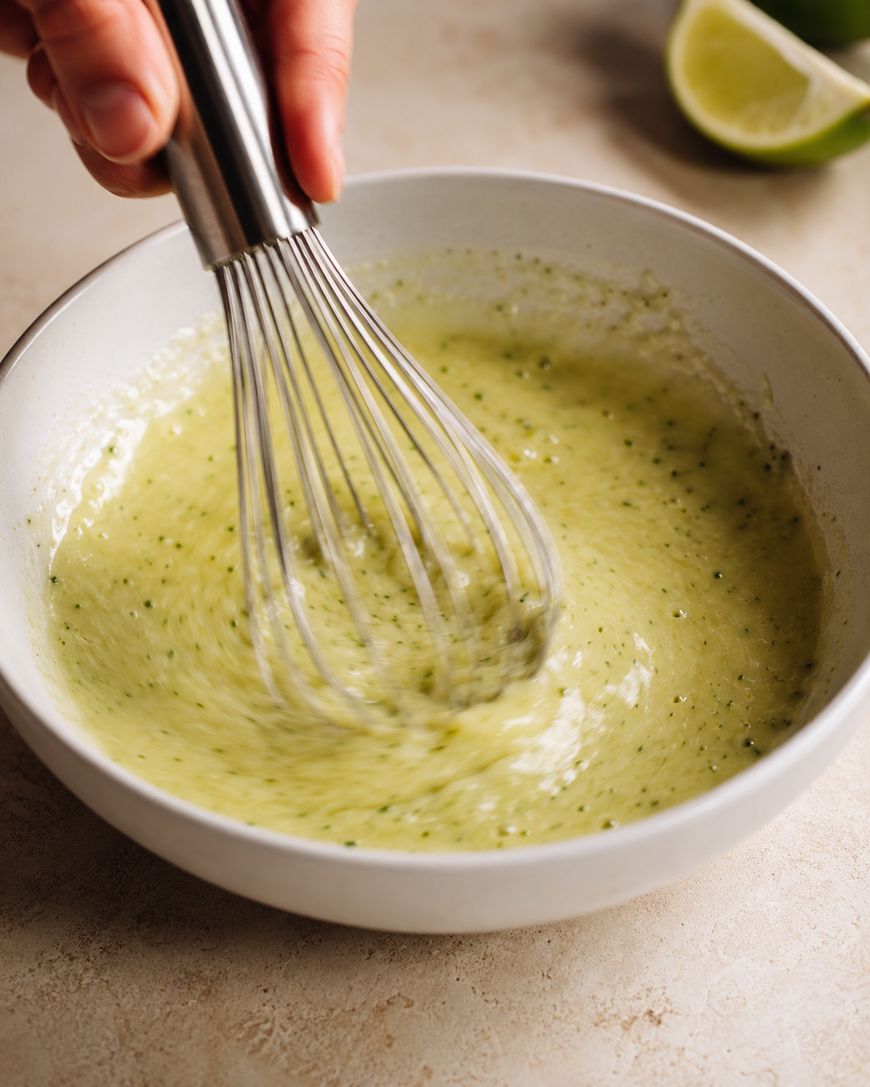
Pour the olive oil in a slow, steady stream while whisking continuously. This gradual incorporation allows the fat droplets to disperse evenly throughout the acidic liquid, creating a temporary emulsion. The dressing will eventually separate on standing, which is completely normal.
The Jar Method
The jar method is the easiest approach for most home cooks. Combine all ingredients in a mason jar, seal the lid tightly, and shake vigorously for about fifteen seconds. The result is a lightly emulsified dressing that is ready to use immediately and easy to re-shake before each use.
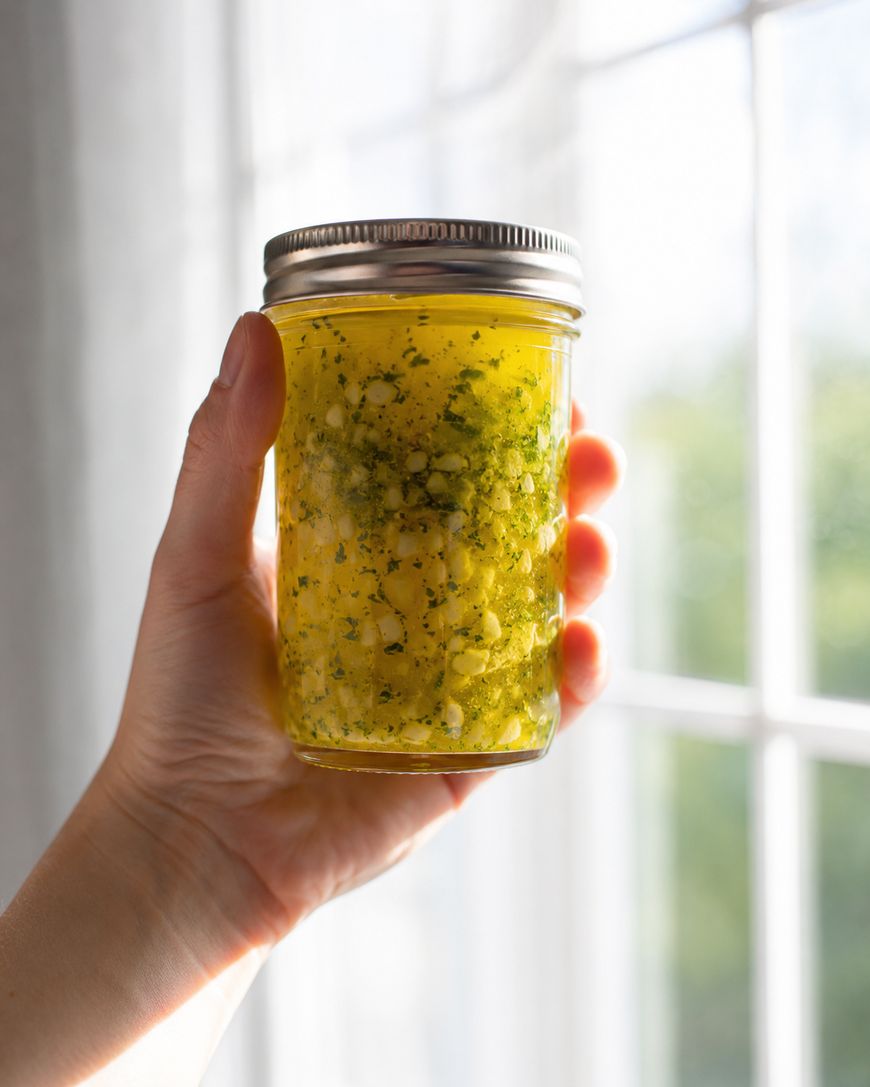
Glass jars also simplify storage. The dressing keeps well for up to a week in the refrigerator, and there is no transfer between containers required.
Variations and Substitutions
This lime vinaigrette dressing is a flexible base that responds well to small adjustments. Each variation shifts the flavor profile enough to suit a different dish without requiring a completely new recipe.
Honey-Lime Vinaigrette
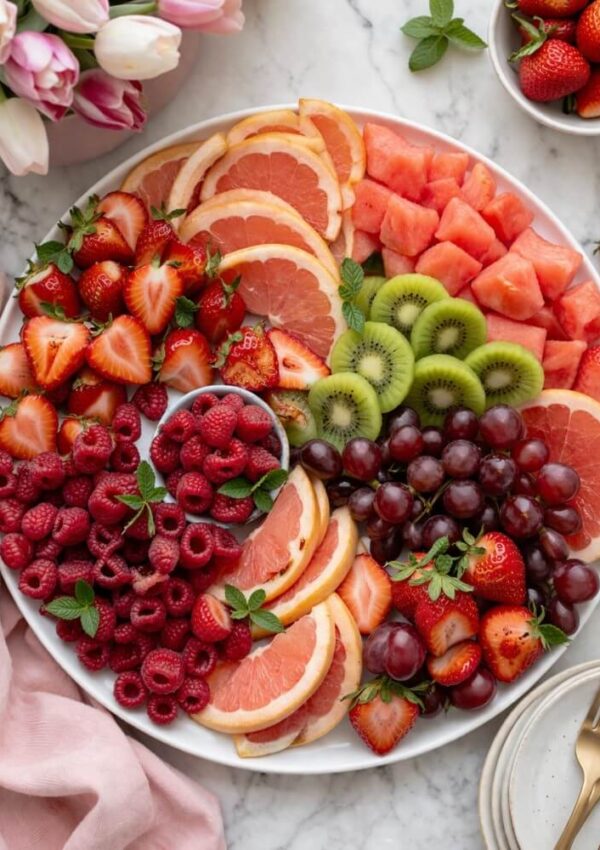
Adding one additional teaspoon of honey softens the acid significantly. This version works particularly well over fruit salads that include mango, papaya, or strawberry, where the extra sweetness bridges the citrus and the fruit.
Cilantro-Lime Vinaigrette
Two tablespoons of finely chopped fresh cilantro stirred in just before serving adds an herbal, slightly grassy note that pairs well with Mexican-inspired dishes. It is excellent over black bean and corn salads, fish tacos, or sliced avocado.
Jalapeno-Lime Vinaigrette
Half a small jalapeno, seeded and finely minced, adds a clean, forward heat that dissipates quickly. This variation works well over shrimp, grilled corn salad, and any dish where a kick is welcome without overwhelming the other flavors.
Apple Cider Vinegar Substitution
If limes are unavailable, two tablespoons of good-quality apple cider vinegar such as Bragg Organic can stand in for the lime juice. The flavor profile shifts from bright citrus to mellow, fruity acid, but the dressing remains balanced and usable across the same range of dishes.
Maple Syrup as a Sweetener
Pure maple syrup can replace the honey in an equal measure. This makes the recipe suitable for vegans without meaningfully changing the flavor. Grade A dark robust maple syrup adds a slightly more pronounced sweetness than light grades.
Storing Lime Vinaigrette Dressing
This dressing keeps in the refrigerator for up to seven days in a sealed container. Glass is preferable to plastic, as it does not absorb odors and keeps the lime flavor clean.
Olive oil solidifies at refrigerator temperatures, so the dressing will appear cloudy or thick after chilling. Setting the jar on the counter for ten minutes before use, or running it briefly under warm water, brings it back to pourable consistency. A quick shake redistributes everything.
What to Serve With Lime Vinaigrette Dressing
This dressing is one of the most versatile in a home cook’s repertoire. It works across salads, proteins, grain bowls, and roasted vegetables with equal success.
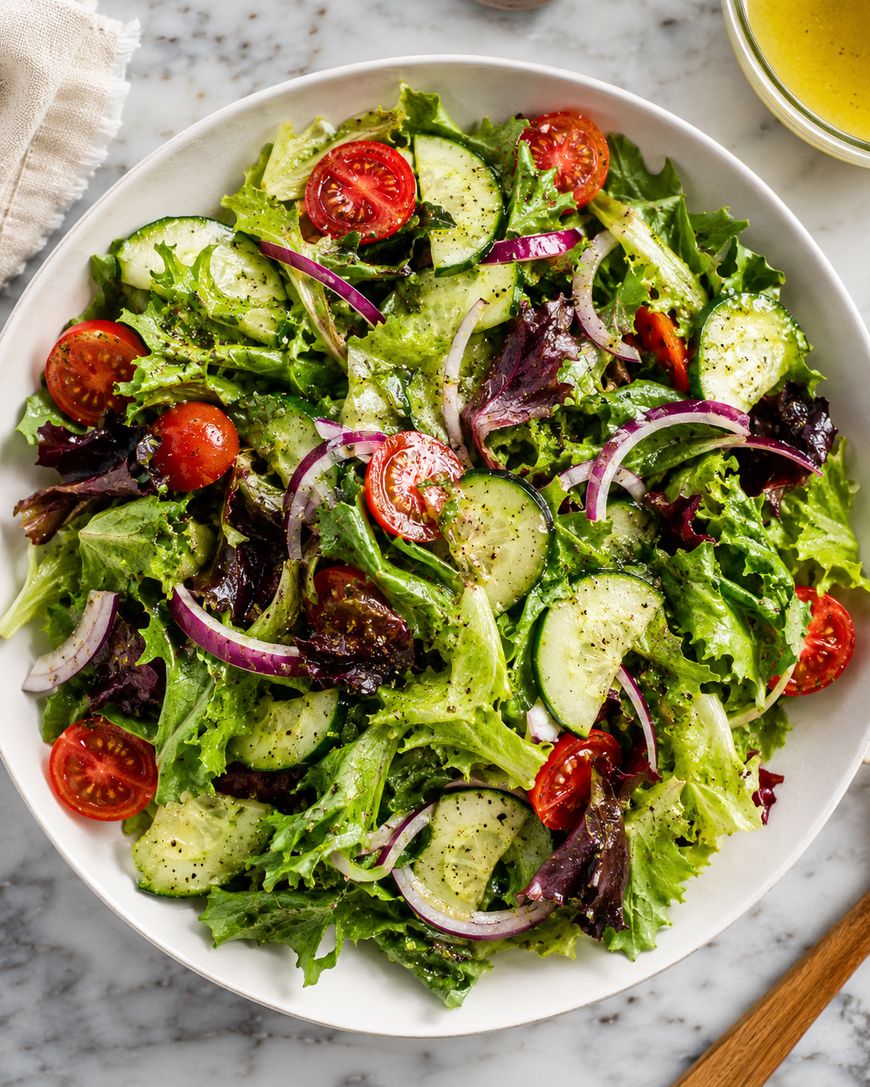
A simple mixed green salad with cucumber, cherry tomatoes, and red onion is the most straightforward application. The acidity of the dressing cuts through the sweetness of ripe tomatoes and the sharpness of raw onion without overpowering either.
Grain Bowls
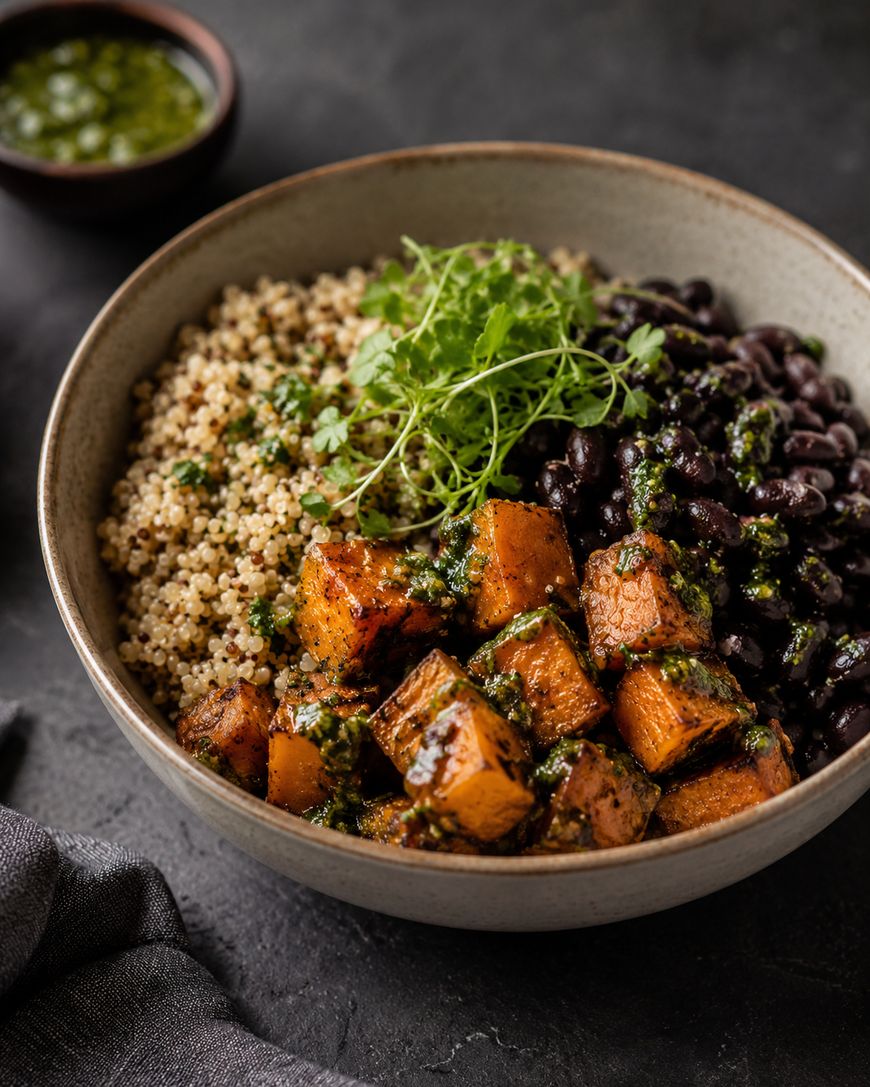
Drizzled over a bowl of cooked farro, quinoa, or brown rice with roasted sweet potato and black beans, this lime vinaigrette dressing serves as both dressing and sauce. The acid prevents the grains from tasting heavy or starchy, and the garlic provides enough savory depth to make the bowl feel complete.
Grilled Proteins
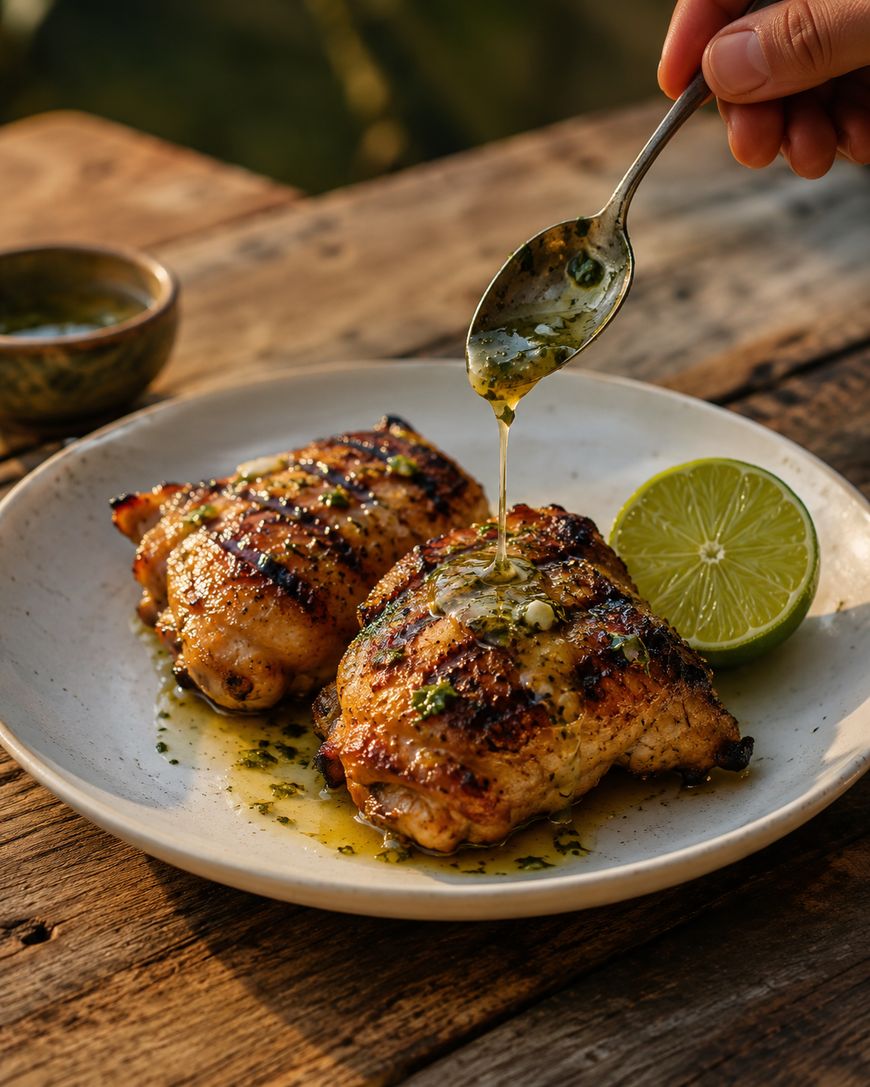
Brushing the dressing over grilled chicken, salmon, or shrimp during the last two minutes of cooking creates a light glaze. The lime juice reduces slightly over the heat and intensifies in flavor. The same technique works well on grilled halloumi for a vegetarian option.
Slaws and Cabbage Salads
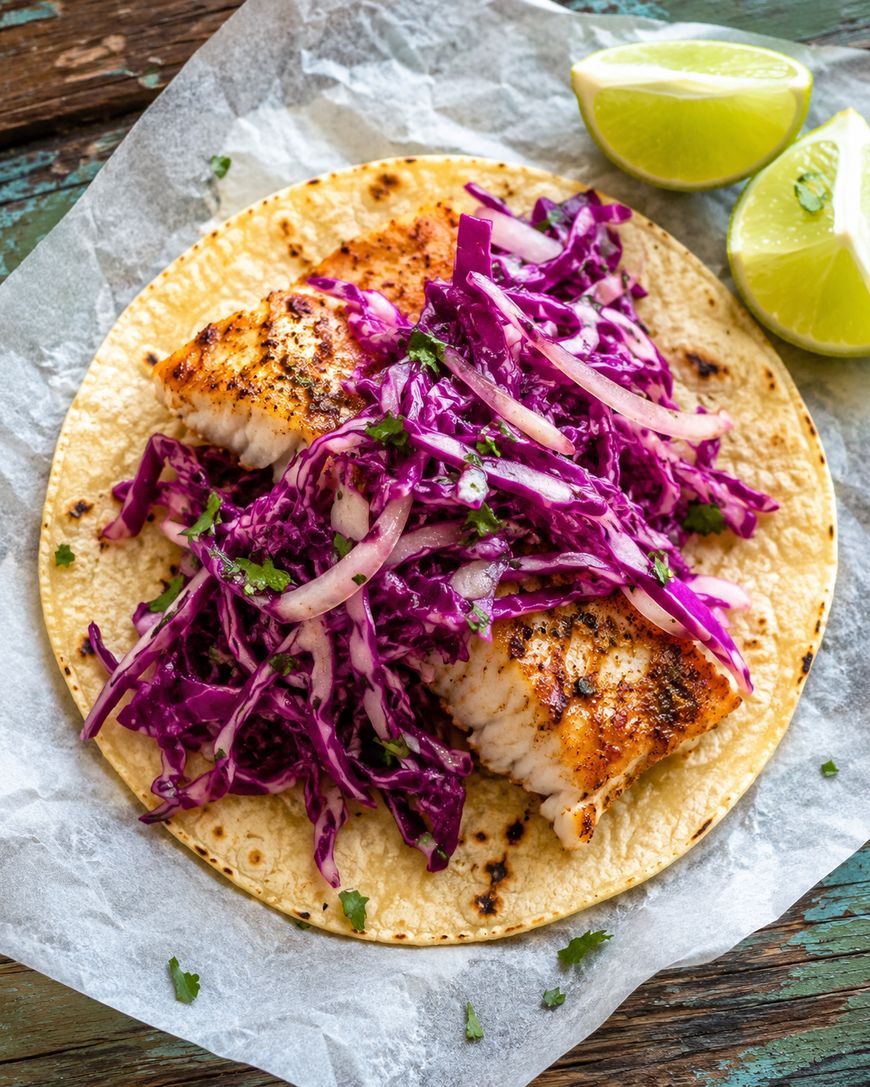
Red or green cabbage dressed with lime vinaigrette makes an excellent topping for fish tacos and pulled pork sandwiches. The acid softens the raw cabbage slightly and keeps the slaw from tasting flat.
The Origin of Vinaigrette
Vinaigrette as a preparation has roots in French cuisine, where the term derives from “vinaigre,” the French word for vinegar. Classic French vinaigrette uses wine vinegar and Dijon mustard, a combination that became standardized through the culinary tradition codified by Auguste Escoffier in the early twentieth century.
Citrus-based vinaigrettes gained popularity in American cuisine partly through the influence of California chefs in the 1980s, who embraced fresh, local produce and bright acid-forward flavors as an alternative to cream-based dressings. The pairing of lime with olive oil, garlic, and honey reflects the broader Southwestern and Mexican culinary influences that shaped American cooking during that era and continue to inform it today.
The lime vinaigrette format has since become a staple of contemporary healthy eating, appearing on menus from fast-casual salad chains to fine dining restaurants where it serves as a counterpoint to richer components on the plate.
Use the recipe card below to make the dressing step by step.
Lime Vinaigrette Dressing
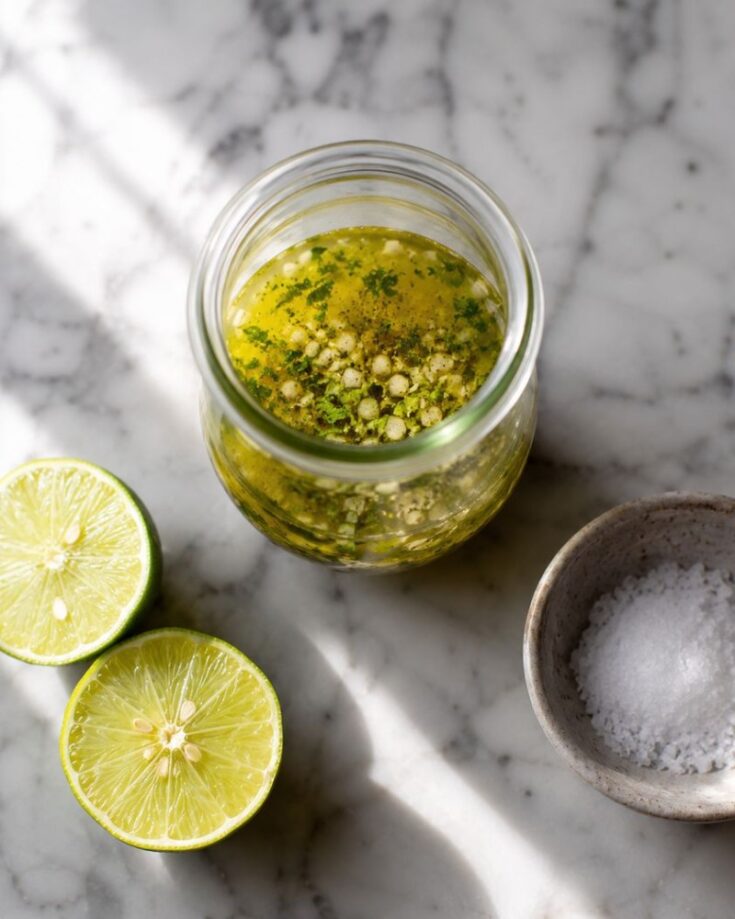
A bright, zesty lime vinaigrette dressing made with fresh lime juice, extra-virgin olive oil, garlic, Dijon mustard, and honey. Ready in 5 minutes and perfect for salads, grain bowls, and grilled proteins.
Ingredients
- 3 tablespoons fresh lime juice (about 2 medium limes)
- 1/2 cup extra-virgin olive oil
- 1 teaspoon Dijon mustard
- 1 small garlic clove, finely minced
- 1 teaspoon honey
- 1/4 teaspoon kosher salt
- 1/8 teaspoon black pepper
Instructions
- Juice the limes into a small bowl or jar, straining out any seeds.
- Add the Dijon mustard, minced garlic, honey, salt, and black pepper to the lime juice. Whisk until fully combined.
- Pour in the olive oil in a slow, steady stream while whisking continuously until the dressing is lightly emulsified.
- Taste and adjust salt or honey as needed.
- Use immediately or transfer to a sealed jar and refrigerate for up to 7 days. Shake well before each use.
Notes
For a cilantro-lime version, stir in 2 tablespoons of finely chopped fresh cilantro before serving. For a spicier dressing, add half a minced jalapeno. The dressing will solidify slightly when refrigerated due to the olive oil -- set the jar on the counter for 10 minutes or run briefly under warm water before using.
Nutrition Information:
Yield:
8Serving Size:
1 tablespoonAmount Per Serving: Calories: 83Total Fat: 9gSaturated Fat: 1gSodium: 38mgCarbohydrates: 1gFiber: 0gSugar: 1gProtein: 0g
Frequently Asked Questions
How long does lime vinaigrette dressing last in the refrigerator?
Lime vinaigrette dressing keeps well for up to seven days when stored in a sealed glass container in the refrigerator. The fresh garlic and lime juice begin to lose potency after the first few days, so the dressing is at its brightest on day one or two. Give the jar a firm shake before each use to re-emulsify the oil and acid.
Can lime vinaigrette dressing be made without mustard?
Yes. Omitting the mustard produces a thinner dressing that separates more quickly but still tastes balanced and bright. A small amount of tahini, about half a teaspoon, can substitute as an emulsifier and adds a subtle nutty note that pairs particularly well with grain bowls and roasted vegetables.
Is lime vinaigrette dressing suitable for meal prep?
Lime vinaigrette dressing is well-suited to meal prep. A double or triple batch made on Sunday keeps through the week and can be used across multiple different meals. Store it separately from any salad components, as the acid will wilt greens and soften vegetables if they are combined too far in advance.
What is the best oil for lime vinaigrette dressing?
Extra-virgin olive oil from a single-origin producer such as California Olive Ranch or Cobram Estate provides the best flavor. Avocado oil from Chosen Foods is a reliable neutral alternative when a subtler fat is preferred. Light or refined olive oil works but lacks the flavor complexity that makes the dressing distinctive.
Can this dressing be used as a marinade?
This lime vinaigrette dressing works well as a marinade for chicken, shrimp, and firm fish such as salmon or tilapia. Marinate for no more than thirty minutes for fish and up to two hours for chicken. Longer marinating times cause the acid to begin breaking down the protein texture, which can result in a mushy surface.
How do you keep lime vinaigrette from being too sour?
Balance is the solution. Adding a small amount of honey or maple syrup, starting with half a teaspoon and adjusting from there, softens the acid significantly without making the dressing sweet. Increasing the olive oil ratio also rounds out the sourness, as does adding a small pinch of sugar if the lime is particularly tart.
The Last Word on Lime Vinaigrette Dressing
Lime vinaigrette dressing is one of the most rewarding recipes to have on hand because the effort is minimal and the return is high. The balance of acid, fat, salt, and sweetness that defines a good vinaigrette is achievable in five minutes with fresh limes, good olive oil, and a jar.
Once the basic recipe is familiar, the variations open up quickly. Cilantro, jalapeno, extra honey, or a splash of fish sauce each shift the dressing in a distinct direction without requiring any additional technique. This is the kind of recipe that grows with you.