Last updated: November 2, 2026
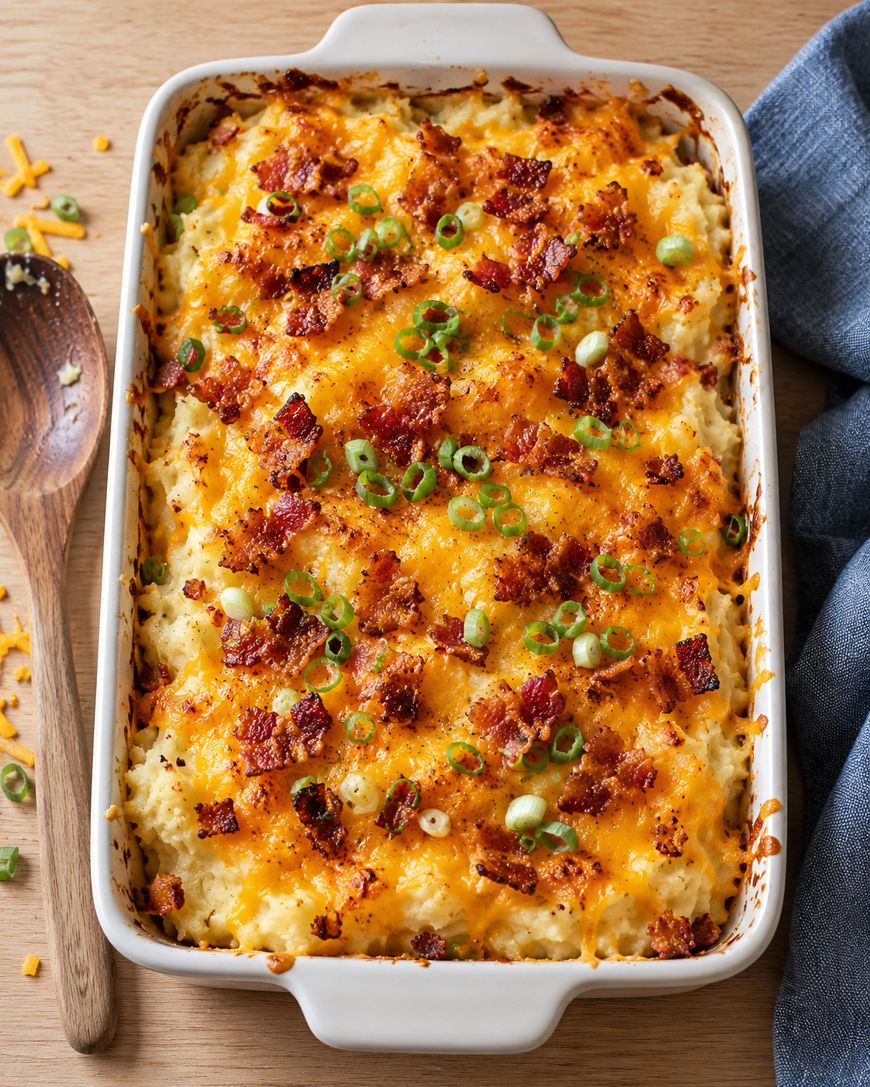
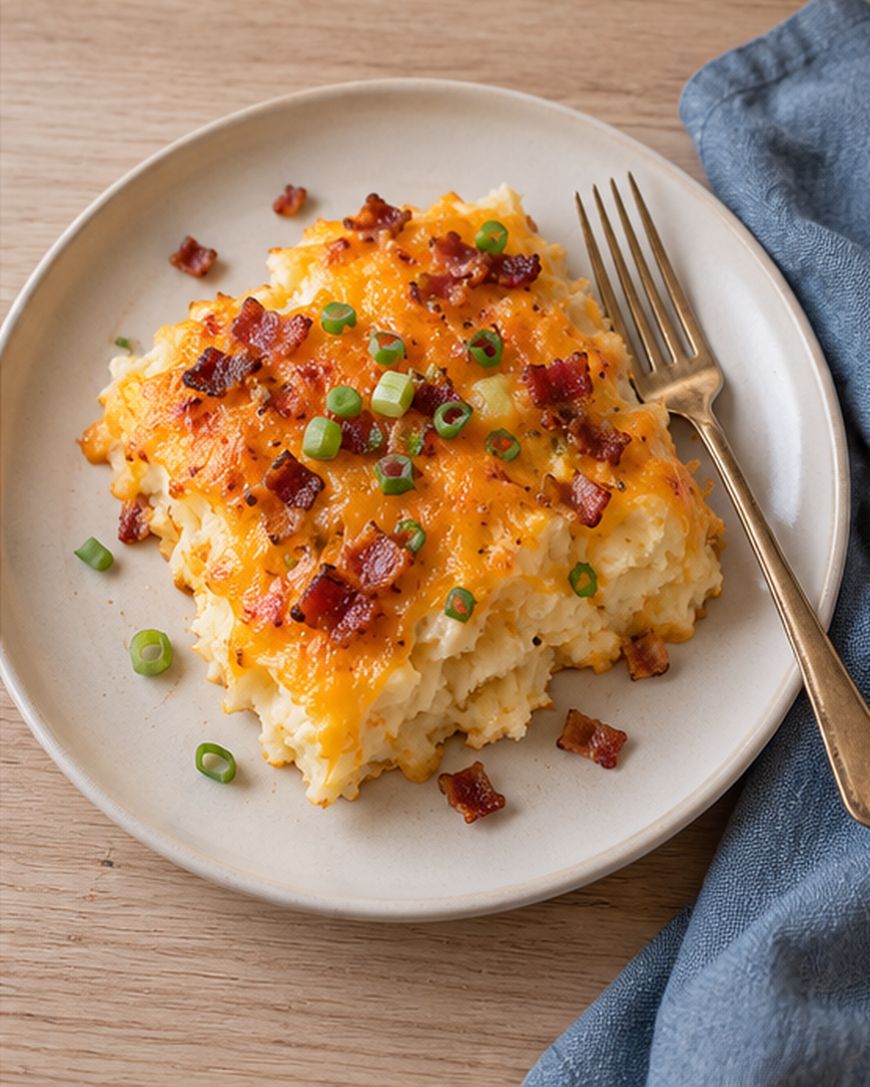
This loaded mashed potato casserole layers creamy Yukon Gold mash with sharp cheddar, crispy bacon, and green onions, then bakes until the top bubbles and browns. The full recipe card is below, and the walkthrough that follows covers every stage so you can cook it with confidence.
What You Need for Loaded Mashed Potato Casserole
A good loaded mashed potato casserole starts with three pounds of Yukon Gold potatoes, six tablespoons of softened unsalted butter, four ounces of softened cream cheese, and half a cup each of sour cream and warmed whole milk.
The flavor comes from two cups of shredded sharp cheddar, eight slices of cooked and crumbled bacon, and four sliced green onions, plus seasoning. You also need one tablespoon of kosher salt for the cooking water, one teaspoon for the mash, half a teaspoon of garlic powder, and half a teaspoon of black pepper.
Why Yukon Gold Potatoes Work Best
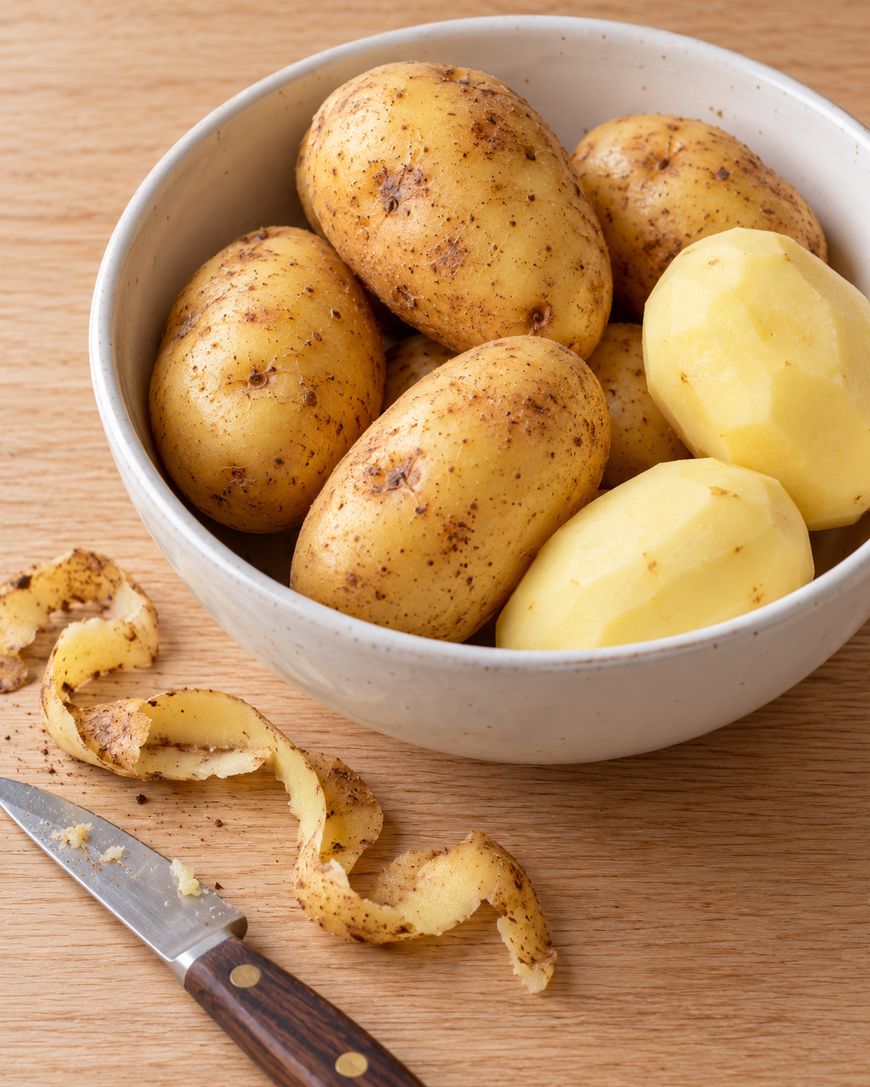
Yukon Golds have a naturally buttery flavor and a medium starch level, which means they mash up creamy without turning gluey. Russets also work, but they absorb more liquid and can taste a little flat next to all that cheese and bacon.
Skip waxy red potatoes for this dish. They hold their shape so well that they resist mashing and leave you with a lumpy casserole.
Choosing the Dairy
Cream cheese is the quiet hero here, because it adds richness and a slight tang while keeping the mash thick enough to scoop. Sour cream brightens the whole dish and keeps the cheddar from tasting heavy.
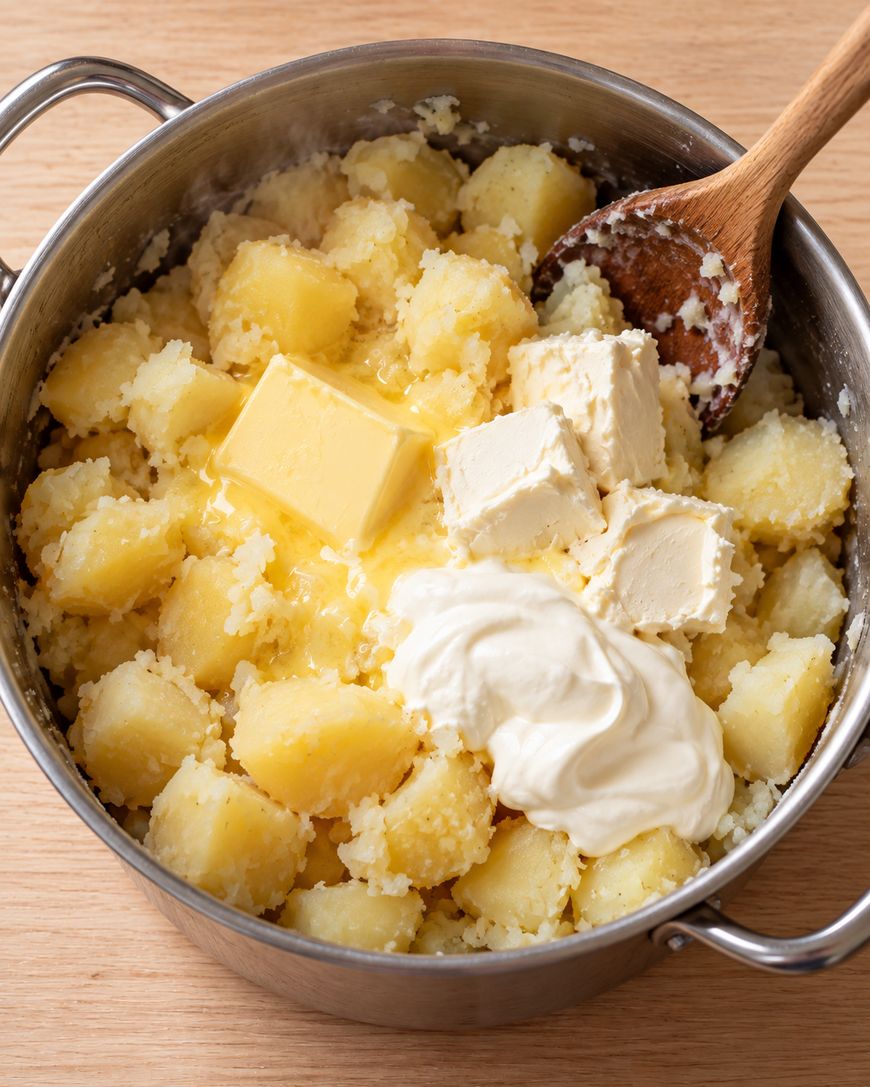
Use full-fat versions of both. Low-fat dairy has more water, and that extra moisture loosens the casserole and makes it weep in the oven.
Picking the Cheese and Bacon
Shred sharp cheddar from a block rather than buying the bagged kind. Bagged shreds are coated with anti-caking starch, so they melt less smoothly and leave a slightly grainy texture.
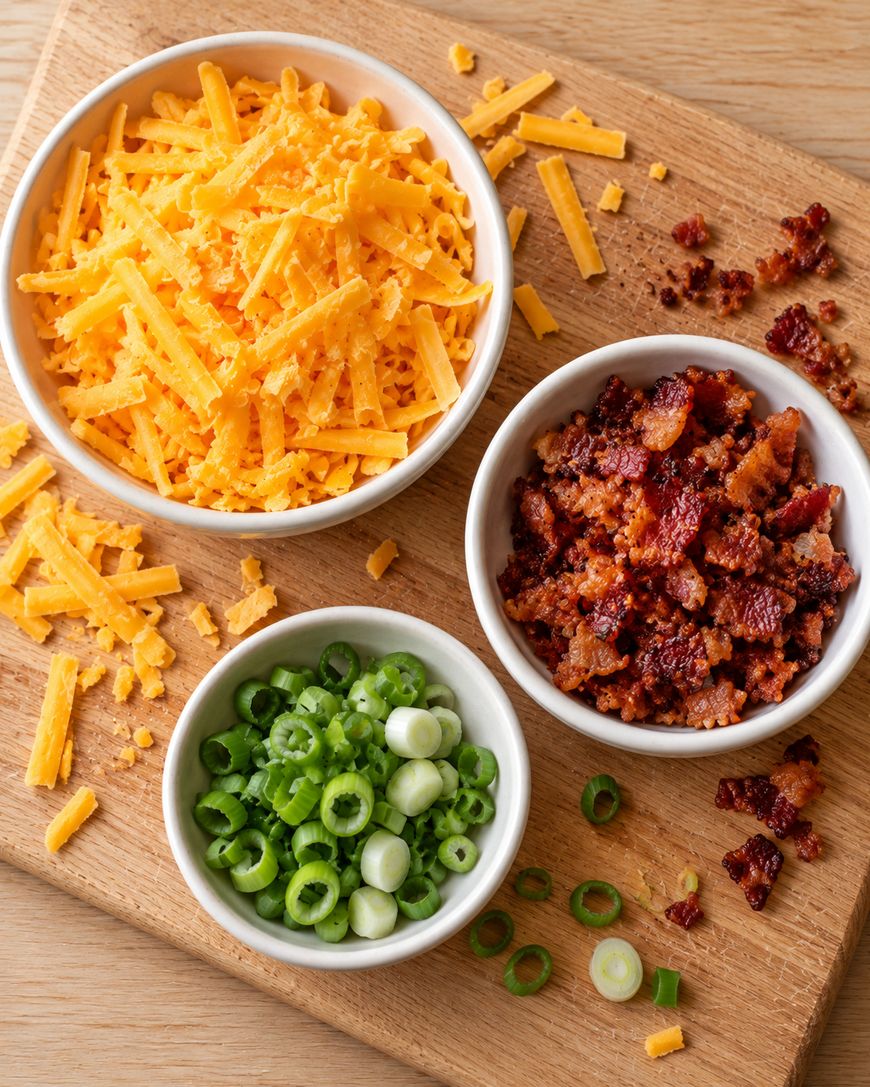
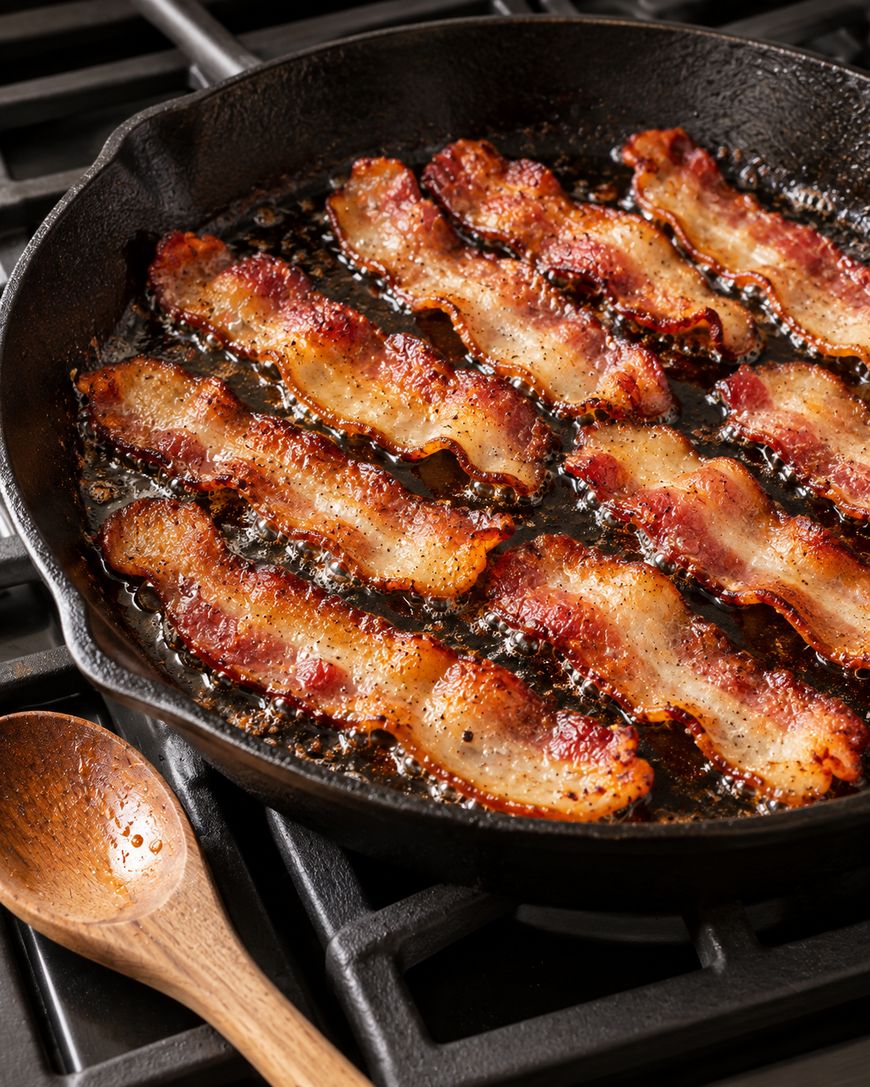
Regular or thick-cut bacon both work, as long as you cook it until crisp. Soft, chewy bacon turns rubbery once it is folded into hot potatoes.
How to Make Loaded Mashed Potato Casserole Step by Step
This loaded mashed potato casserole takes about an hour from start to finish, with roughly 20 minutes of hands-on prep. It serves 8, with each portion about one cup, and bakes in a 9×13-inch dish.
Heat the oven to 375°F and spray the dish with cooking spray before you do anything else. That way the oven is ready the moment the potatoes are mashed and seasoned.
Boil the Potatoes
Peel the potatoes and cut them into chunks about 1 1/2 inches wide, so they cook at the same pace. Put them in a large pot with the tablespoon of kosher salt and cover them with cold water by about an inch.
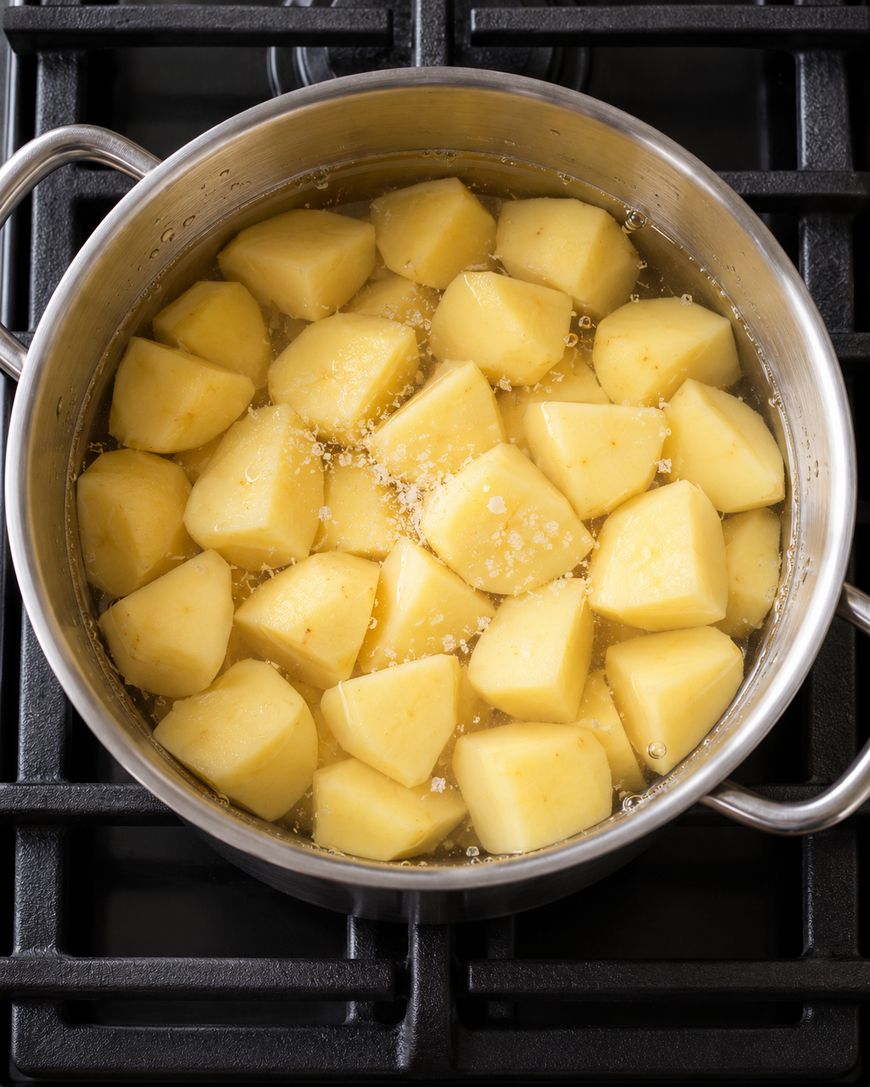
Bring the pot to a boil over high heat, then reduce to a steady simmer for 15 to 20 minutes. The potatoes are done when a fork slides in with no resistance.
Starting in cold water matters because it cooks the potatoes evenly from the outside in. Dropping them into boiling water cooks the outsides to mush before the centers soften.
Steam the Potatoes Dry
Drain the potatoes in a colander, then put them back in the hot empty pot for one minute. The leftover heat drives off surface moisture, which is the difference between a thick, scoopable casserole and a watery one.
Mash and Season
Add the softened butter and cream cheese to the hot potatoes and mash until smooth. Mashing the fat in first coats the starch and keeps the potatoes from turning gummy.
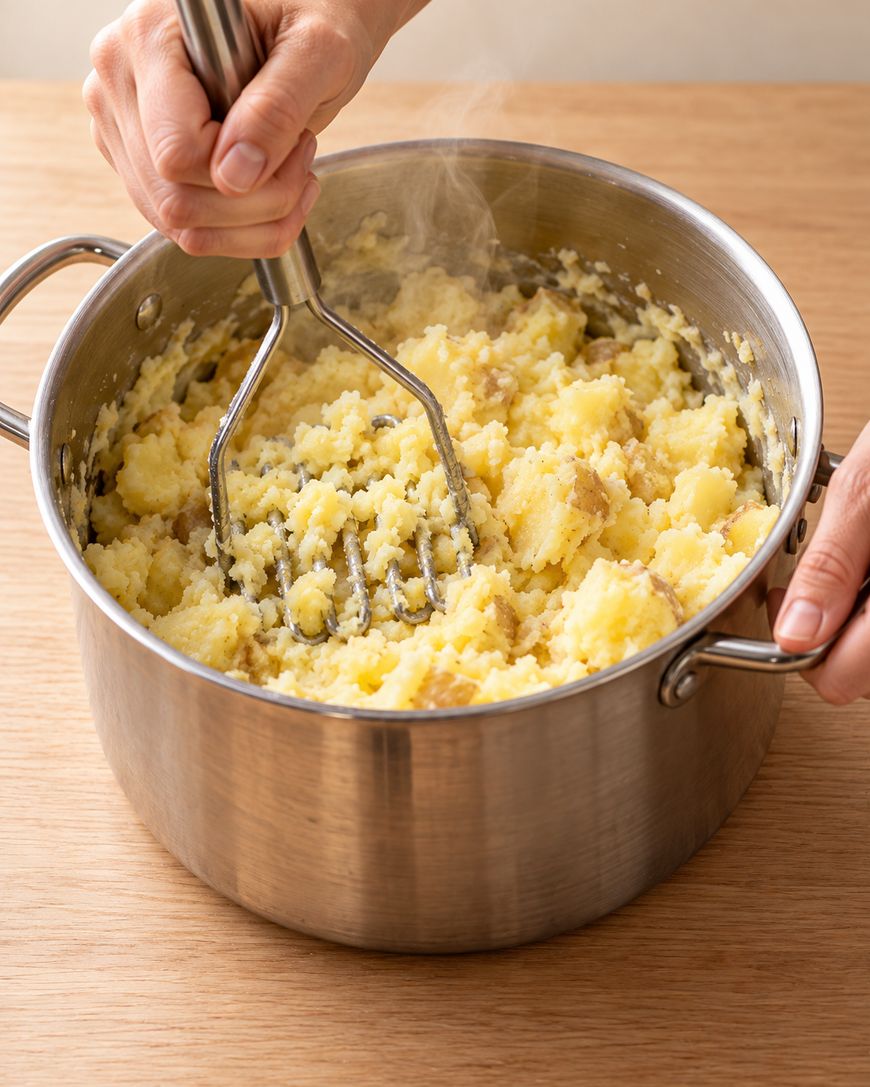
Stir in the sour cream, the warmed milk, the teaspoon of salt, the garlic powder, and the pepper until the mixture is creamy. Warm milk matters because cold milk cools the potatoes and makes them absorb liquid unevenly.
Fold In the Loaded Add-Ins
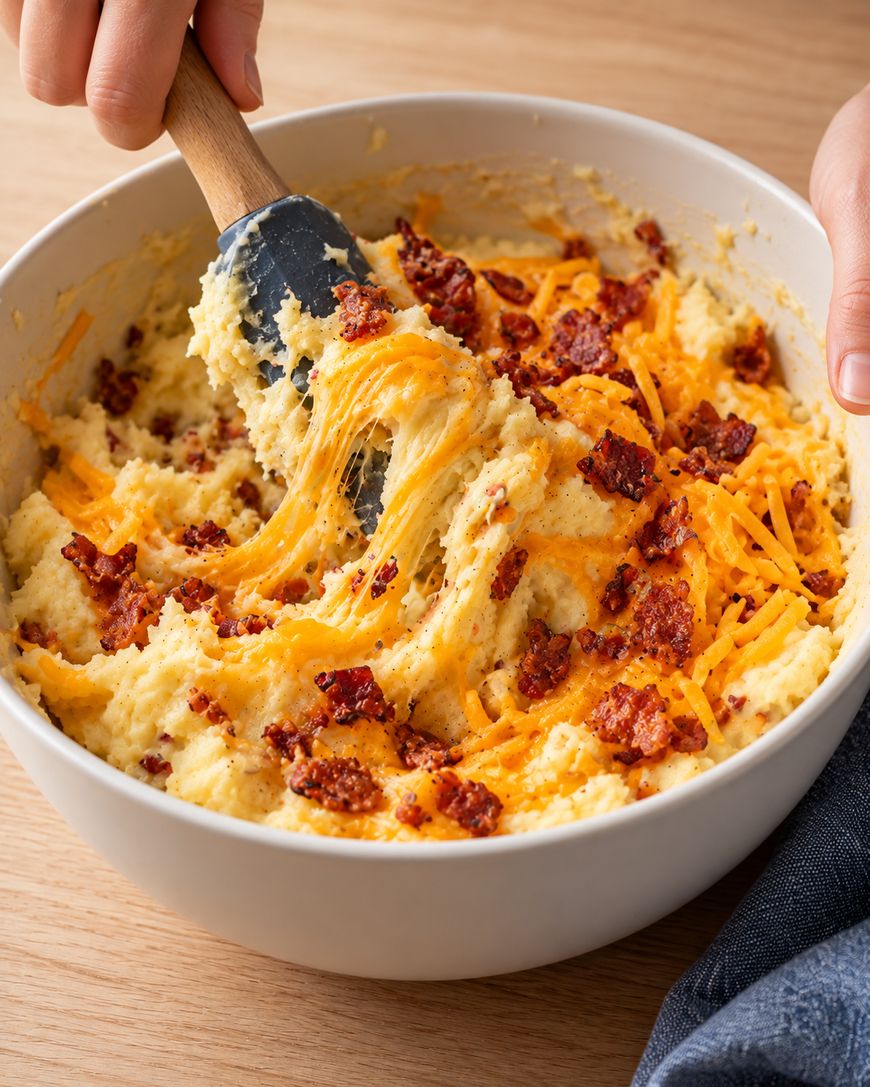
Fold in one cup of the cheddar, half of the bacon (four slices’ worth), and half of the green onions. Use a spatula and a gentle hand so the add-ins stay distinct instead of disappearing into the mash.
Assemble and Bake
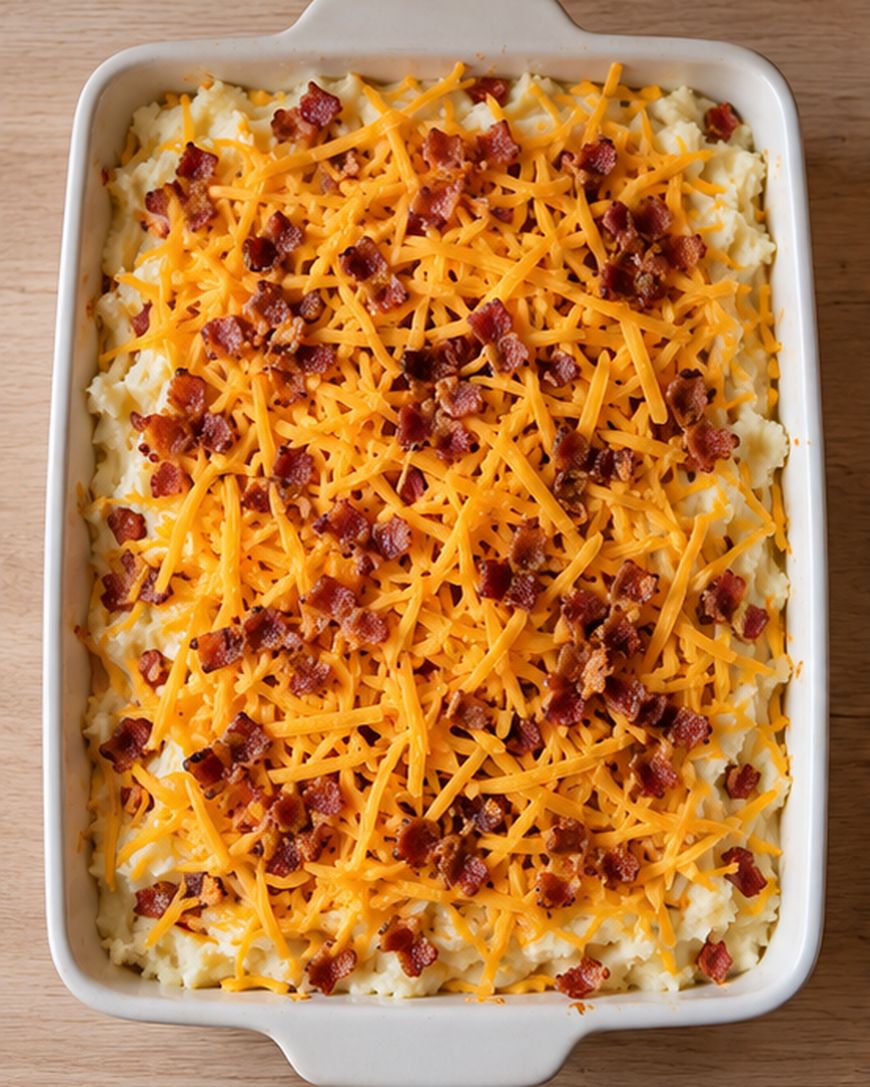
Spread the mixture into the prepared 9×13-inch dish, leaving the surface slightly rough, because the peaks brown beautifully. Sprinkle the remaining cup of cheddar over the top and scatter the remaining bacon across it.
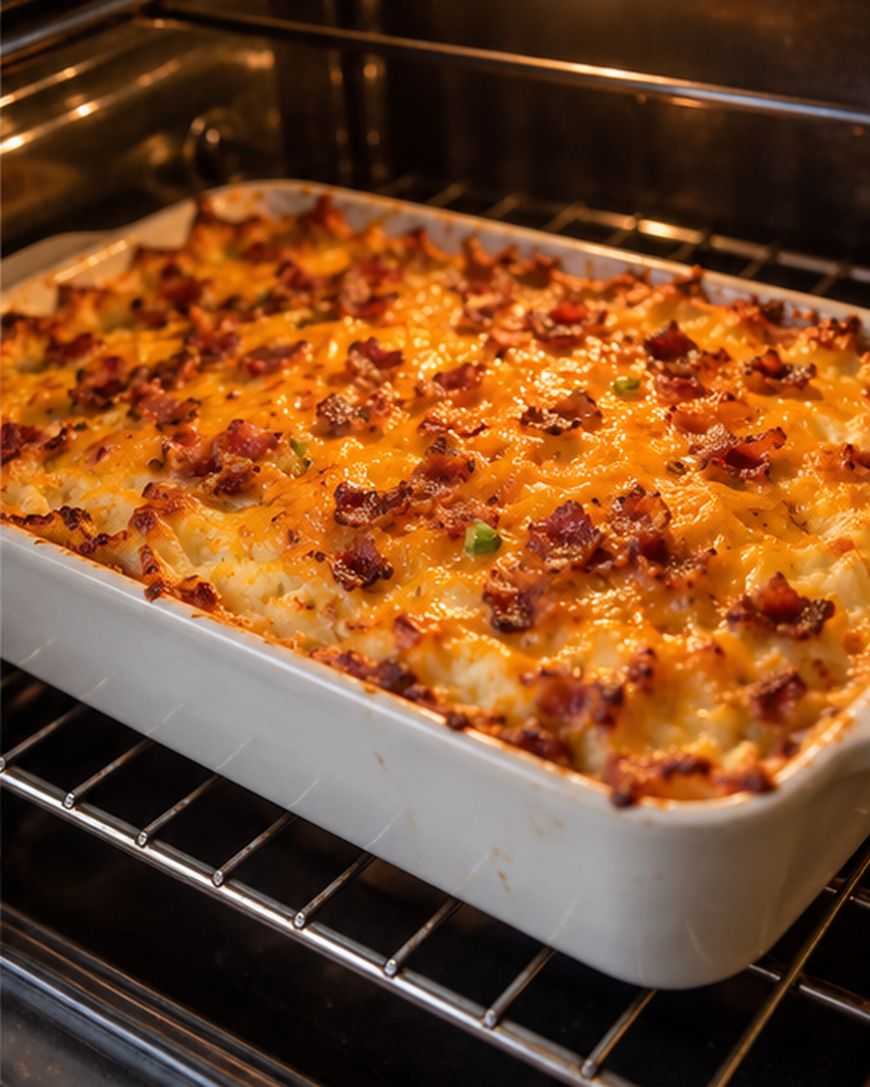
Bake uncovered for 20 minutes, until the cheese is melted and bubbly and the edges are lightly golden. Let it rest for 5 minutes, then sprinkle the remaining green onions on top before serving.
Tips for the Creamiest Loaded Mashed Potato Casserole
The best loaded mashed potato casserole is smooth, rich, and never watery, and a few small habits get you there every time. Each tip below targets one of the common failure points.
Use a Masher or a Ricer, Not a Mixer
A hand masher or a potato ricer keeps the texture fluffy and slightly rustic. An electric mixer or food processor overworks the starch and turns the potatoes into glue.
Season Aggressively
Potatoes soak up salt, and the cheese and bacon will not make up for under-seasoned mash. Taste the mixture before you fold in the cheddar and bacon, since those add their own saltiness.
Do Not Skip the Resting Time
Five minutes out of the oven lets the casserole set so it scoops cleanly instead of sliding across the plate. The cheese also cools just enough that nobody burns their mouth.
Loaded Mashed Potato Casserole Variations and Substitutions
This base recipe is forgiving, so you can adjust it to what is in your fridge. The card below keeps the recipe simple, so every swap here is optional.
Swap the Cheese
Pepper jack adds a gentle heat, while Gruyère gives the casserole a nutty, steakhouse feel. A blend of half cheddar and half Monterey Jack melts the most smoothly of all.
Change the Meat or Skip It
Diced ham or crumbled breakfast sausage can replace the bacon in equal amounts. For a vegetarian version, leave the bacon out and fold in sauteed mushrooms or roasted broccoli instead.
Add Crunch on Top
Crispy fried onions or crushed buttery crackers add texture, but the card leaves them out, so treat them as optional. Sprinkle them over the cheese for the last five minutes of baking so they toast without burning.
Lighten It Up
Plain Greek yogurt can replace the sour cream in equal amounts. Keep the cream cheese, though, since it is the ingredient that holds the texture together.
Make Ahead, Store, and Reheat Loaded Mashed Potato Casserole
You can assemble this loaded mashed potato casserole up to 24 hours ahead, which makes it a lifesaver for holiday meals. Cover the unbaked dish tightly and refrigerate it, then bake it straight from the fridge for about 10 extra minutes.
Hold back the final green onions until after baking so they stay bright and fresh. Assembling the night before also spreads out the work, so the only task left on the day is sliding the dish into the oven.
Refrigerating Leftovers
Following USDA guidance, refrigerate leftovers within two hours of cooking, in a covered container. They keep for up to 4 days in the refrigerator.
Freezing
Wrap the cooled casserole well in foil, or portion it into freezer-safe containers, and freeze for up to 2 months. Thaw it overnight in the refrigerator before reheating.
Reheating Safely
Reheat covered at 350°F until the center reaches 165°F, which is the temperature the USDA recommends for leftovers. For single servings, the microwave works well in 60 to 90 second bursts, stirring between each one.
What to Serve With Loaded Mashed Potato Casserole
Loaded mashed potato casserole is a rich side, so it pairs best with simple, lean mains. Roast chicken, sliced ham, pork tenderloin, and meatloaf all balance the creaminess nicely.
Add something green and crisp to cut through the cheese. Roasted green beans, a lemony arugula salad, or glazed carrots keep the plate from feeling too heavy.
At Thanksgiving, this casserole easily replaces traditional mashed potatoes, with the big advantage that it bakes while the turkey rests. That frees up the stovetop and keeps one more dish off your last-minute list.

It also travels well to potlucks and tailgates, since a covered 9×13-inch dish holds its heat for a good half hour. Wrap it in a clean towel for the drive and it arrives warm, bubbly, and ready to scoop.
For a weeknight, pair it with a rotisserie chicken and a bagged salad. Dinner is on the table about an hour after you start, with almost no extra work.
The Story Behind Loaded Mashed Potatoes
Loaded mashed potatoes borrow their name and flavors from the classic loaded baked potato, which tops a spud with cheddar, bacon, sour cream, and chives. American steakhouses popularized that combination in the 1970s and 1980s.
Home cooks soon realized the same toppings work inside mashed potatoes, and baking the mixture in a casserole dish turned it into a crowd-friendly side. The result is a cousin of the Midwestern potluck staple, where a creamy potato dish with a cheesy top is a fixture of church suppers and family reunions.
Bacon and cheddar remain the most popular pairing today, partly because both are easy to find and partly because they taste like a baked potato in every bite. Sour cream and green onions round out the flavor with a cool, fresh contrast.
Use the recipe card below for exact measurements, then keep scrolling for answers to common questions.

Loaded Mashed Potato Casserole
Creamy Yukon Gold mashed potatoes folded with sharp cheddar, crispy bacon, and green onions, then baked until bubbly and golden on top.
Ingredients
- 3 pounds Yukon Gold potatoes
- 1 tablespoon kosher salt, for the cooking water
- 6 tablespoons unsalted butter, softened
- 4 ounces cream cheese, softened
- 1/2 cup sour cream
- 1/2 cup whole milk, warmed
- 1 teaspoon kosher salt
- 1/2 teaspoon garlic powder
- 1/2 teaspoon black pepper
- 2 cups shredded sharp cheddar cheese, divided
- 8 slices bacon, cooked until crisp and crumbled, divided
- 4 green onions, sliced, divided
Instructions
- Heat the oven to 375°F and spray a 9x13-inch baking dish with cooking spray.
- Peel the potatoes, cut them into 1 1/2-inch chunks, and place them in a large pot with 1 tablespoon kosher salt. Cover with cold water by about 1 inch.
- Bring to a boil over high heat, then reduce to a steady simmer and cook for 15 to 20 minutes, until a fork slides in with no resistance.
- Drain the potatoes well, then return them to the hot empty pot for 1 minute to steam dry.
- Add the butter and cream cheese to the hot potatoes and mash until smooth.
- Stir in the sour cream, warm milk, 1 teaspoon salt, garlic powder, and pepper until creamy.
- Gently fold in 1 cup of the cheddar, half of the bacon (4 slices), and half of the green onions.
- Spread the mixture into the prepared dish. Top with the remaining 1 cup cheddar and the remaining bacon.
- Bake uncovered for 20 minutes, until the cheese is melted and bubbly and the edges are lightly golden.
- Rest for 5 minutes, then sprinkle with the remaining green onions and serve.
Notes
Make ahead: assemble the unbaked casserole up to 24 hours ahead, cover tightly, refrigerate, and bake straight from the fridge for about 10 extra minutes. Storage: refrigerate leftovers within 2 hours of cooking and keep for up to 4 days. Freezing: wrap well and freeze for up to 2 months, then thaw overnight in the refrigerator. Reheating: reheat covered at 350°F until the center reaches 165°F. Use full-fat sour cream and cream cheese for the best texture.
Nutrition Information:
Yield:
8Serving Size:
1 cupAmount Per Serving: Calories: 410Total Fat: 26gSaturated Fat: 15gSodium: 780mgCarbohydrates: 28gFiber: 2gSugar: 3gProtein: 17g
Loaded Mashed Potato Casserole FAQ
Can You Use Instant Mashed Potatoes?
Yes, though the flavor and texture will be less rich. Prepare them according to the package directions using slightly less liquid, then follow the same add-ins and baking steps.
Why did my casserole turn out watery?
Water usually comes from skipping the steam-dry step or from using low-fat dairy. Drain the potatoes well, let them sit in the hot pot for a minute, and stick with full-fat sour cream and cream cheese.
Can You Use Leftover Mashed Potatoes?
Absolutely. Warm them gently, stir in the cream cheese and sour cream, and fold in the cheddar, bacon, and green onions before baking as directed.
Can You Make It Without a 9×13-Inch Dish?
A 3-quart casserole dish works, but the casserole will be deeper and may need 5 to 10 more minutes in the oven. A shallower dish gives you more of that browned, cheesy surface, so the 9×13-inch size is still the best choice.
Do You Need to Cover It While Baking?
No, bake it uncovered. Covering traps steam, which keeps the cheese from browning and makes the top soft.
Why This Loaded Mashed Potato Casserole Recipe Works
Starting the potatoes in cold, salted water cooks them evenly and seasons them from the inside. Steaming them dry in the hot pot afterward removes surface moisture, so the casserole stays thick instead of loose.
Mashing the butter and cream cheese in first coats the starch and keeps the texture smooth, while the sour cream and warm milk go in afterward to bring the mash to a creamy, spreadable consistency. Folding in only half of the cheese and bacon, and saving the rest for the top, gives you flavor all the way through and a crisp, golden crown.
A 375°F oven melts the cheese and browns the edges in just 20 minutes, which keeps the potatoes creamy instead of drying them out.
Seasoning in layers does the rest, with salt in the cooking water, salt in the mash, and the natural saltiness of the bacon and cheddar on top. Every bite tastes balanced rather than flat, which is what separates a memorable casserole from a forgettable one.
Make This Loaded Mashed Potato Casserole Tonight
You now have everything you need to make a loaded mashed potato casserole that turns out creamy, cheesy, and golden every time. Grab the potatoes, fry the bacon, and put it on the table at your next family dinner or holiday spread.
If you love this one, try our other potato sides next, and leave a comment letting us know how your casserole turned out.
Pin this recipe so you can find it again when the holidays roll around, and share it with anyone who is still looking for a side dish that always gets scraped clean.
Easy Twice Baked Potato Casserole That Tastes Loaded Without the Stuffing
Creamy Garlic Mashed Potatoes You’ll Want at Every Dinner Table
Creamy Funeral Potatoes With a Buttery Cornflake Topping
Crispy loaded smashed potatoes with bacon and sour cream