Last updated: June 12, 2026
If you’ve ever stepped off a 10-hour flight feeling like a wrinkled, stiff, barely-functioning version of yourself, you’re not alone. These long flight hacks will change the way you travel, helping you land feeling refreshed, comfortable, and actually excited about the adventure ahead.
We’ve tested these tips across dozens of long-haul routes so you get only what works, nothing that sounds good on paper but falls flat at 35,000 feet.
Book Your Seat Strategically Before You Even Board
The best long flight hacks start before you ever reach the airport. Choosing the right seat can be the difference between a miserable journey and one you barely remember in the best possible way.
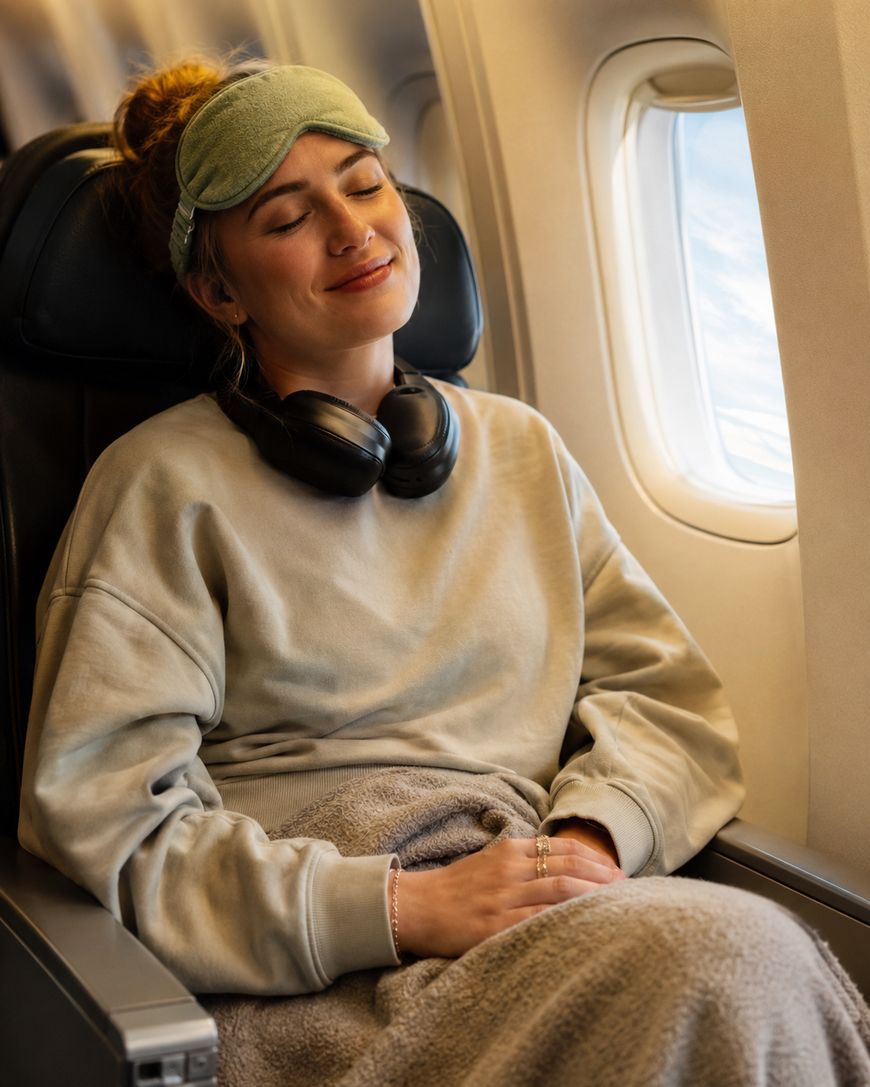
Aisle seats give you the freedom to get up without waking anyone, which matters enormously on a red-eye or a 14-hour haul. Window seats offer a wall to lean against and control over the window shade, which is underrated when you’re trying to sleep through a six-hour time zone jump.
Exit row seats come with extra legroom, but they don’t always recline, so weigh that tradeoff carefully. Seats near the galley can mean more noise and foot traffic, while the very back of the plane tends to be noisier due to engine placement and bathroom proximity.
Use SeatGuru or the airline’s own seat map to check your specific aircraft configuration before you commit. Checking in exactly 24 hours early on most carriers unlocks better seat selection for free, which is one of the easiest long flight hacks that costs you nothing but a calendar reminder.
Avoid seats directly in front of the bulkhead row if you’re a light sleeper. Families with infants are often assigned bulkhead seats, and while those parents deserve all the support in the world, proximity to a crying baby at 2 a.m. over the Pacific is not ideal.
Master Your Carry-On Packing for Maximum Comfort
What you bring in your personal item can transform your in-flight experience from survival mode into something genuinely pleasant. A thoughtful carry-on is one of the most overlooked long flight hacks there is.

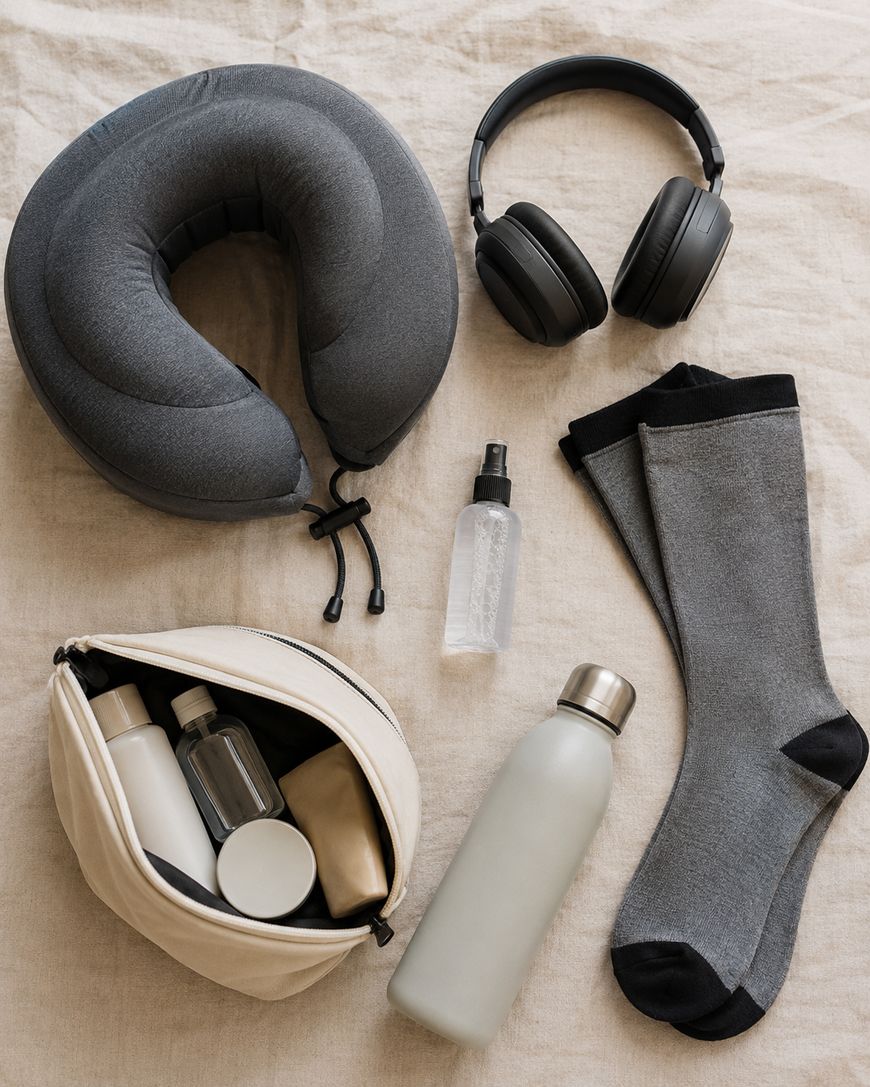
Noise-canceling headphones are non-negotiable for serious long-haul travelers. They block out engine drone, cabin conversation, and the soundtrack of whatever movie three rows up is playing without headphones, and the difference in fatigue levels when you arrive is dramatic.
A quality neck pillow matters more than most people admit. Skip the U-shaped foam versions and look for ones with a chin support component, which keeps your head from dropping forward and jolting you awake every 20 minutes.
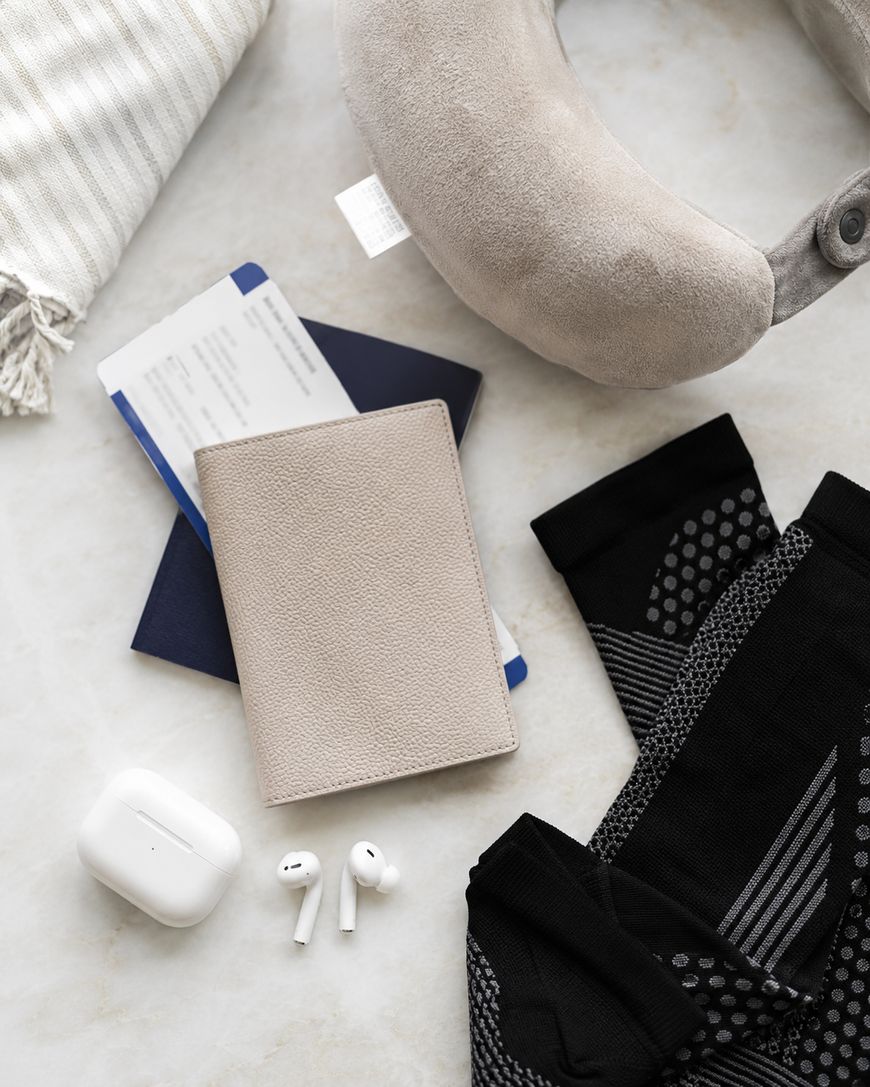
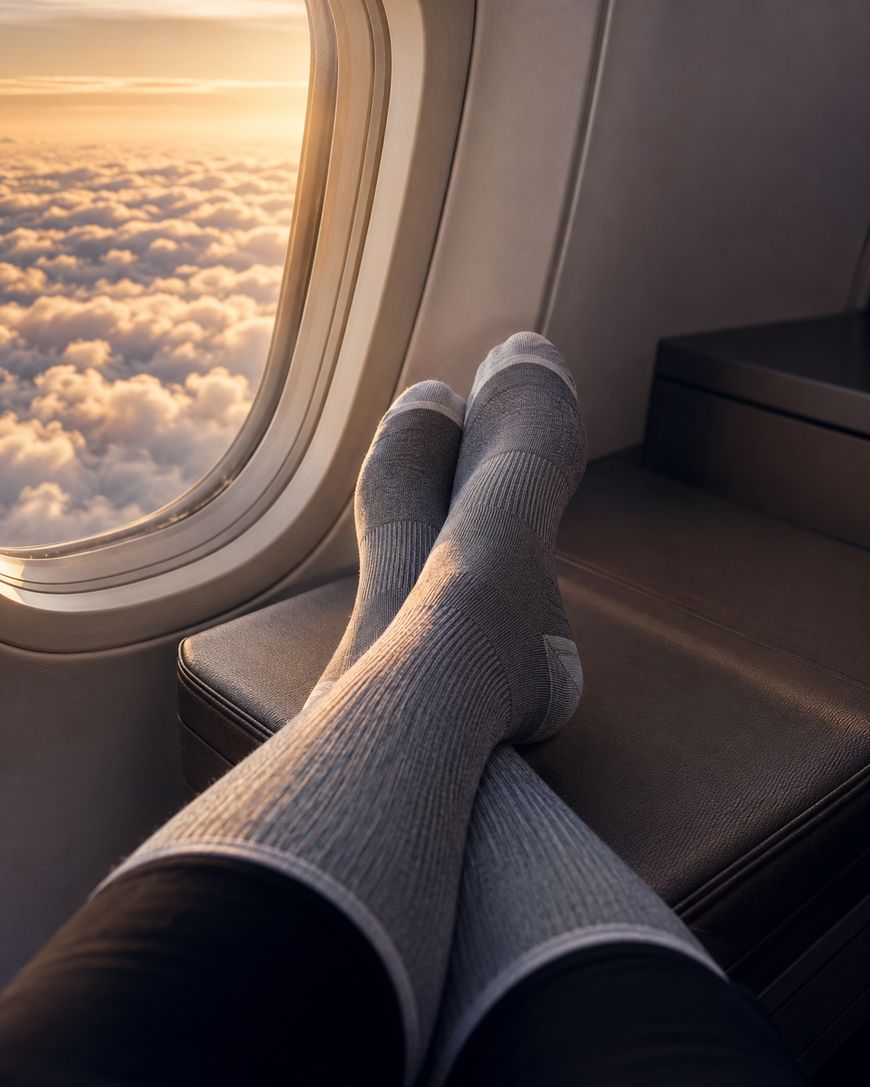
Pack a light layer like a pashmina or a thin packable hoodie because cabin temperatures fluctuate wildly, and being too cold is one of the fastest ways to make a long flight feel endless. Compression socks go on before you board and stay on until you land, reducing swelling and the heavy-leg feeling that makes arrival exhausting.
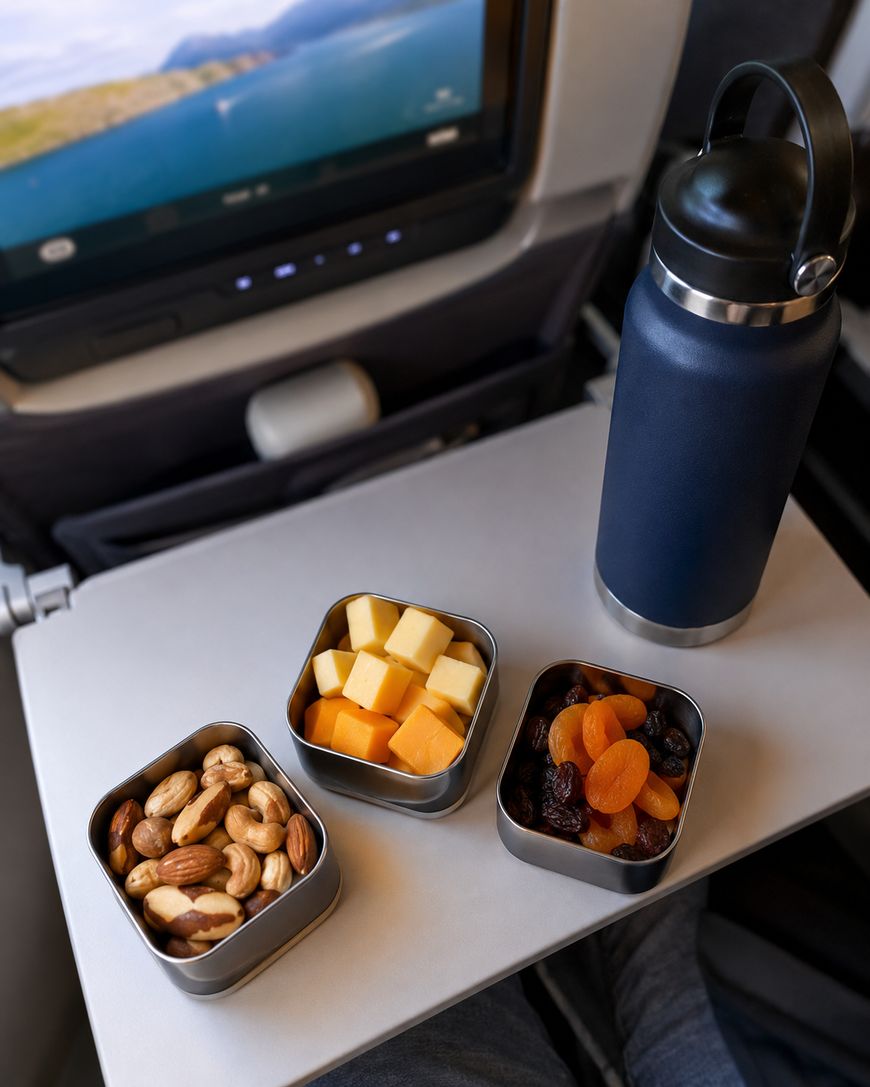
Bring your own snacks even on flights with meal service. Protein-rich options like nuts, jerky, and cheese keep your energy steady between meals, which matters especially when you cross multiple time zones and your body clock is confused about when it’s actually hungry.
A small toiletry kit with lip balm, a hydrating face mist, eye drops, and your own moisturizer will keep you feeling human when recycled cabin air starts doing its worst. A toothbrush and travel-size toothpaste for a mid-flight refresh is one of those small moves that pays enormous dividends in how you feel on arrival.
Sleep Like You Mean It at Altitude
Sleep is the single most valuable thing you can get on a long flight, and most people approach it with no real strategy. These long flight hacks around sleep are the ones that move the needle most dramatically.
Set your watch and phone to your destination time zone the moment you board. This mental reset helps your brain start orienting toward the schedule you’ll need to follow as soon as you land. If you’re flying eastward, prioritize sleep even if it’s technically still daytime where you departed.
Melatonin taken about 30 minutes before your target sleep window can ease the transition without the grogginess that some prescription sleep aids leave behind. Check with your doctor before using any supplement, but many frequent fliers swear by low-dose melatonin on long hauls.
An eye mask that fully blocks light is worth every dollar, especially on routes where cabin lights stay on longer than you’d like or where your neighbor keeps their window shade open. Combined with noise-canceling headphones playing white noise or gentle ambient sound, you create a sleep environment that rivals what many people have at home.
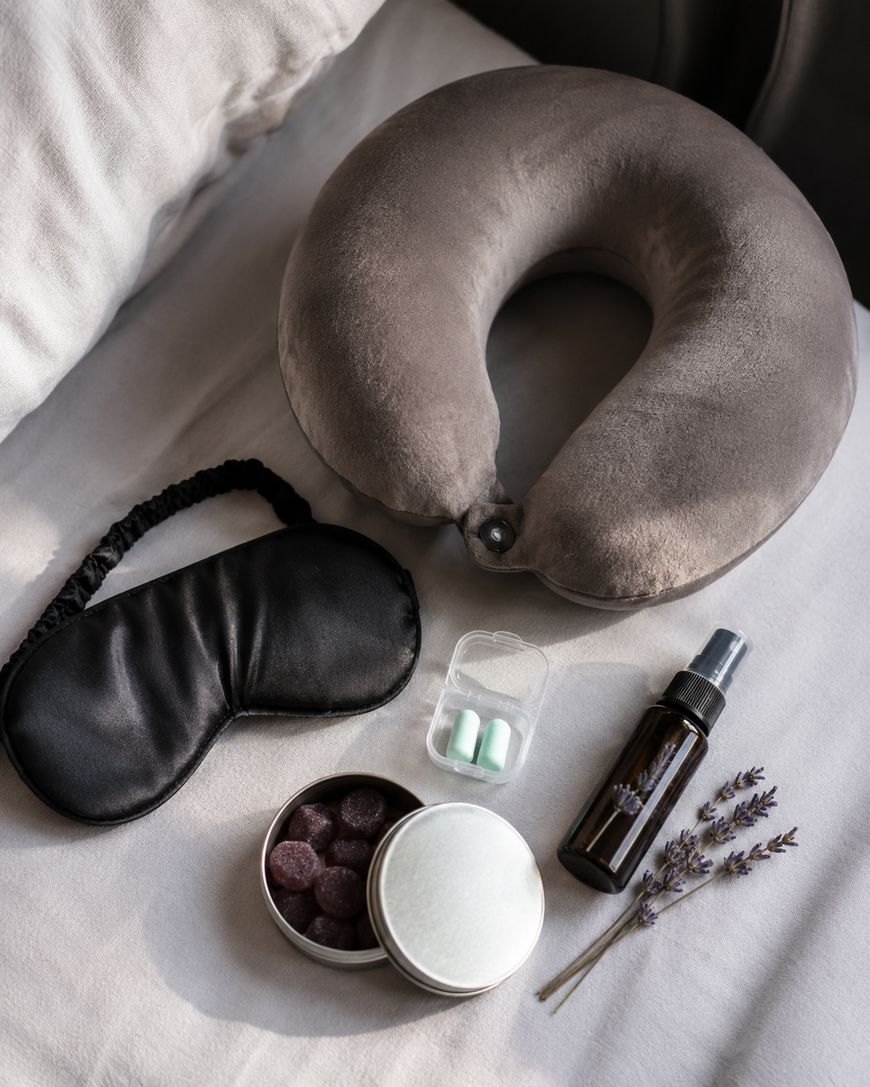
Recline your seat fully if you have the option, and don’t feel guilty about it on a long flight where sleep is the goal. Lay a travel blanket over yourself, get your neck pillow positioned, and resist the temptation to check your phone every 20 minutes to see how much flight time remains.
Move Your Body and Stay Hydrated Throughout the Flight
Sitting still for eight or more hours is genuinely hard on your body, and the long flight hacks that address this are the ones most travelers ignore until they feel the consequences on arrival.
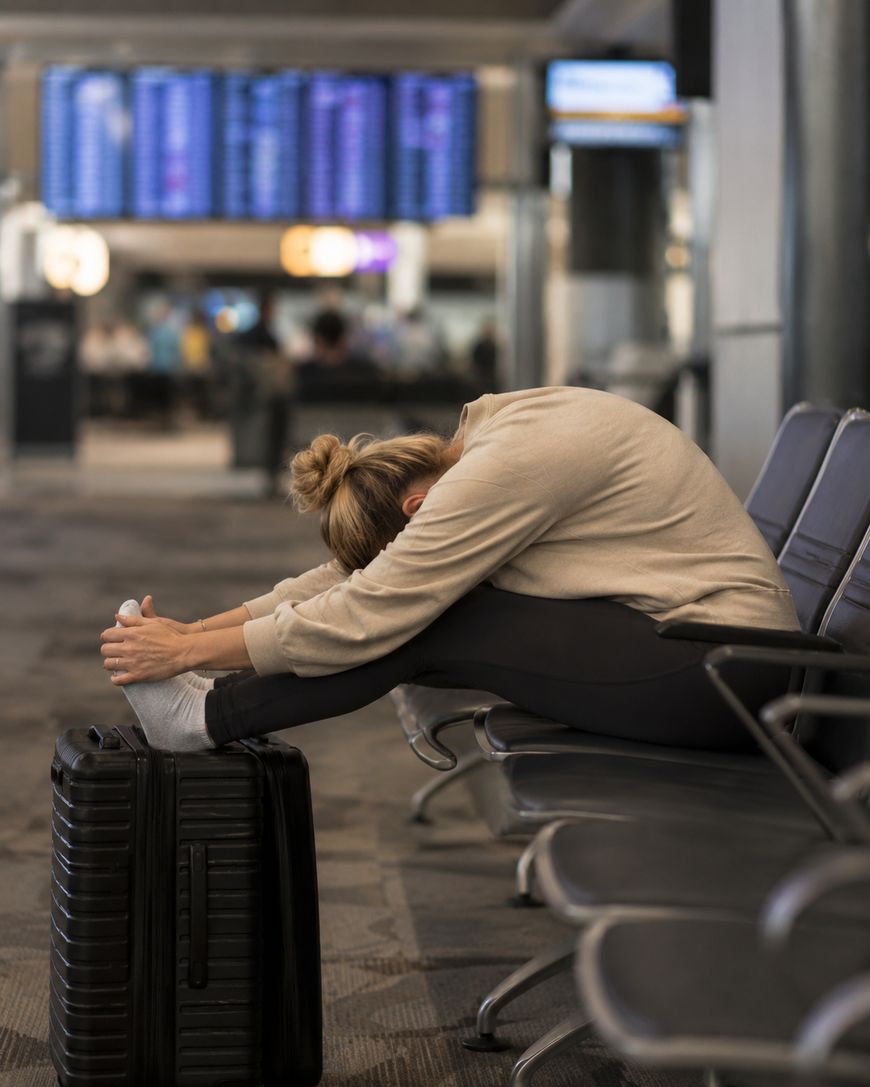
Get up and walk the aisle at least once every two hours. A short loop from your seat to the galley and back gets blood moving through your legs and reduces the risk of deep vein thrombosis, which is a real concern on very long flights. Set a quiet phone alarm if you tend to get absorbed in movies and forget.
Simple in-seat exercises make a meaningful difference too. Ankle circles, calf raises, seated forward folds, and shoulder rolls take about three minutes and visibly reduce stiffness during and after long flights. Many airlines publish these exercises in their in-flight magazine or safety card, and they’re there for good reason.
Hydration is the sleeper long flight hack that pays off most on arrival. Cabin humidity is typically around 10 to 20 percent, far drier than most environments you spend time in, which means you dehydrate faster than you would on the ground even without realizing it.
Aim for at least 8 ounces of water every hour and bring an empty reusable bottle to fill after security. Limit alcohol and caffeine, which accelerate dehydration, and don’t rely on meal service water alone because cup sizes are small and refills require flagging down crew. Arriving well-hydrated makes jet lag noticeably less severe.
Manage Jet Lag Before, During, and After Your Flight
Understanding jet lag and getting ahead of it is one of the smartest long flight hacks you can apply across the entire travel experience. It’s not just about what happens in the air.
In the two days before departure, start shifting your sleep and meal times toward your destination’s schedule if the time difference is more than five hours. Even 30-minute increments help your body start adjusting before you ever leave home.
During the flight, eat in alignment with meal times at your destination rather than following the airline’s service schedule, which is built around operational needs rather than your circadian rhythm. Skip the midnight snack if it’s already breakfast time where you’re landing.
After landing, get outside and expose yourself to natural light as close to local time as possible. Light is the most powerful regulator of your internal clock, and a 20-minute walk in daylight does more to reset your sleep schedule than most supplements or gadgets.
Resist the urge to nap for more than 20 minutes if you land during daylight hours. A short power nap can bridge the gap without pushing your sleep cycle further out of sync, while a long nap often delays full adjustment by a full day or more.
Use the Right Apps and Tools Before and During Travel
Technology is one of the most underutilized categories of long flight hacks, and a handful of apps can genuinely improve your experience from booking through landing.
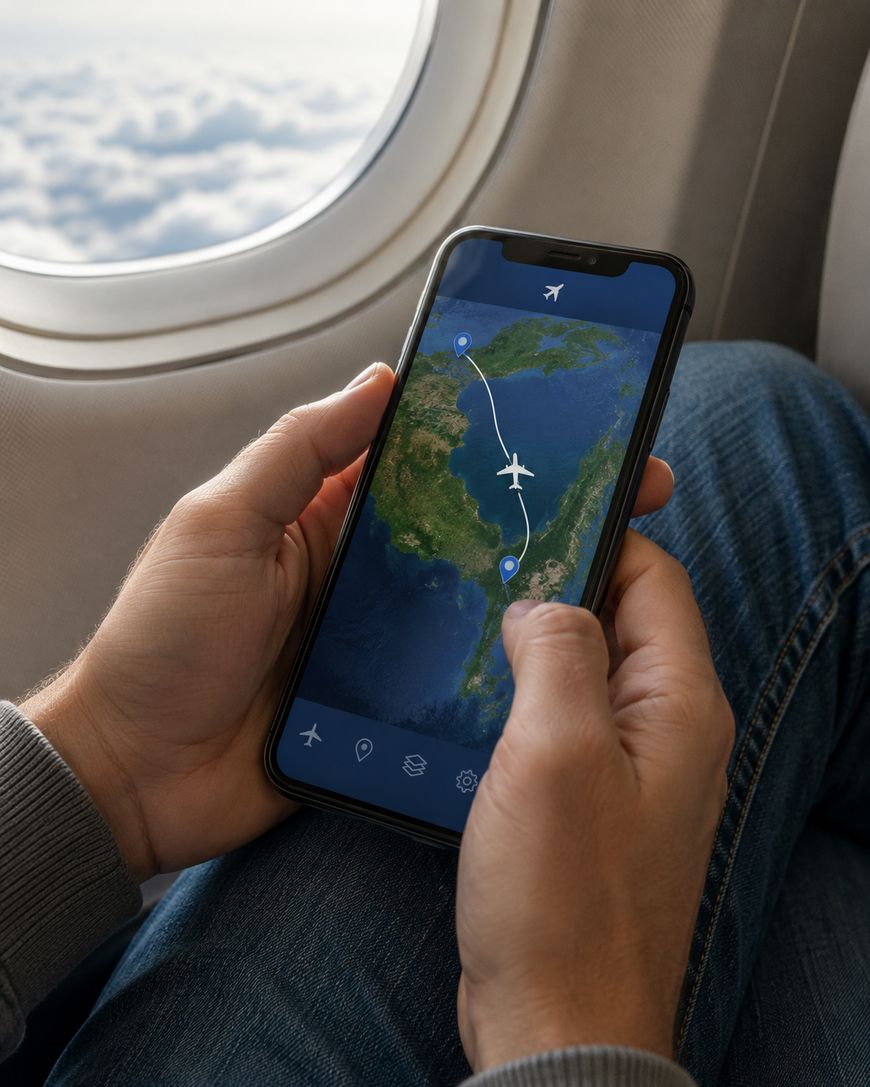
Flighty and TripIt help you track your flight status, gate changes, and connection timing in real time so you’re never caught off guard by a delay that could have cost you a connection. Offline versions of maps, guides, and translation apps matter more once you’re in the air with spotty or expensive WiFi.
Many airlines now offer improved in-flight WiFi that’s fast enough for messaging and light work, but it pays to download everything you’ll want offline before you board. Download your playlist, podcast queue, shows, and any documents you’ll need because relying on streaming at altitude is still inconsistent on most carriers.
The Timeshifter app, developed with circadian rhythm researchers, gives you a personalized jet lag plan based on your specific route, sleep patterns, and light sensitivity. It’s one of the more science-backed tools available for long-haul travelers and worth trying if you cross five or more time zones regularly.
Pack a portable charger with enough capacity to top up your phone twice over. Long flights drain batteries through movies, music, and map use, and not every seat comes with a functional USB port even on modern aircraft.
Frequently Asked Questions About Long Flight Hacks
What is the best seat for sleeping on a long flight?
Window seats are generally best for sleeping because you have a wall to lean against and control over your window shade. Exit row window seats offer extra legroom with the added wall benefit, though you’ll want to confirm that your specific seat reclines before selecting it.
How do you avoid swollen feet on long flights?
Wear compression socks from the time you board until you land, get up and walk the aisle every couple of hours, and stay well-hydrated throughout the flight. Avoid crossing your legs for extended periods, which further restricts circulation, and do simple ankle and calf exercises in your seat.
Does drinking alcohol on a plane make jet lag worse?
Yes, alcohol dehydrates you faster than usual in the dry cabin environment and disrupts sleep quality even when it helps you fall asleep initially. Most frequent long-haul travelers skip alcohol entirely on overnight flights or limit themselves to one drink with dinner well before their target sleep window.
How early should you arrive at the airport for a long international flight?
Most airlines and airports recommend arriving at least three hours before an international departure to allow time for check-in, bag drop, immigration or customs formalities, security screening, and reaching your gate. If you’re traveling during a peak period or through a large hub, three and a half hours gives you a meaningful buffer.
Can you really sleep well on a long flight in economy?
Yes, with the right preparation. A quality neck pillow with chin support, a full-blackout eye mask, noise-canceling headphones, a light blanket, and melatonin if appropriate for you can create a sleep environment good enough to get four to six hours of real rest even in a standard economy seat.
Is it worth paying for in-flight WiFi on a long flight?
It depends on your needs. If you have time-sensitive work or need to stay reachable, quality WiFi pays for itself quickly. For most leisure travelers, downloading entertainment, podcasts, and offline maps before boarding is a better investment than in-flight connectivity, which remains expensive and inconsistent across carriers.
Arrive Ready to Explore
The best long flight hacks aren’t about suffering through discomfort; they’re about showing up at your destination with energy left for the actual trip. Book your seat with intention, pack your carry-on like a pro, sleep with a real strategy, keep your body moving and your hydration up, and get ahead of jet lag before it gets ahead of you.
You’ve already invested in the destination. A little preparation for the journey means you arrive ready to enjoy every bit of it from the moment you land.