Last updated: April 12, 2026
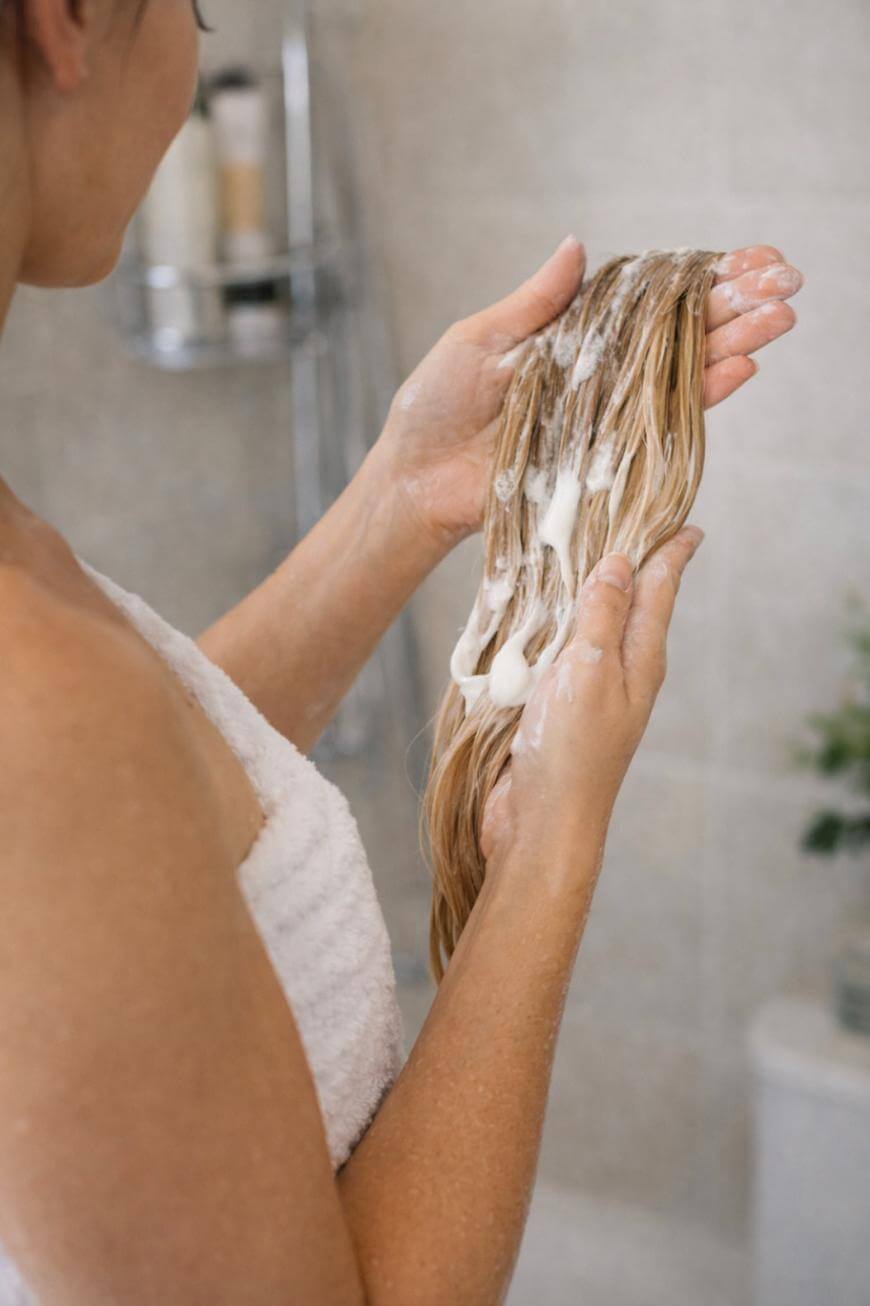
This hair extensions care guide shows you the step-by-step ways you keep your extensions soft, tangle-free, and long-lasting by washing correctly, using the right products, and preventing heat and friction damage. The best approach is to wash 1–2 times per week with a sulfate-free cleanser, condition mid-lengths to ends every wash, sleep in a loose braid, and keep heat at 300–350°F max.
Hair Extensions Care Guide Basics That Prevent 90% Of Damage
1. Match Your Routine To Your Extension Type
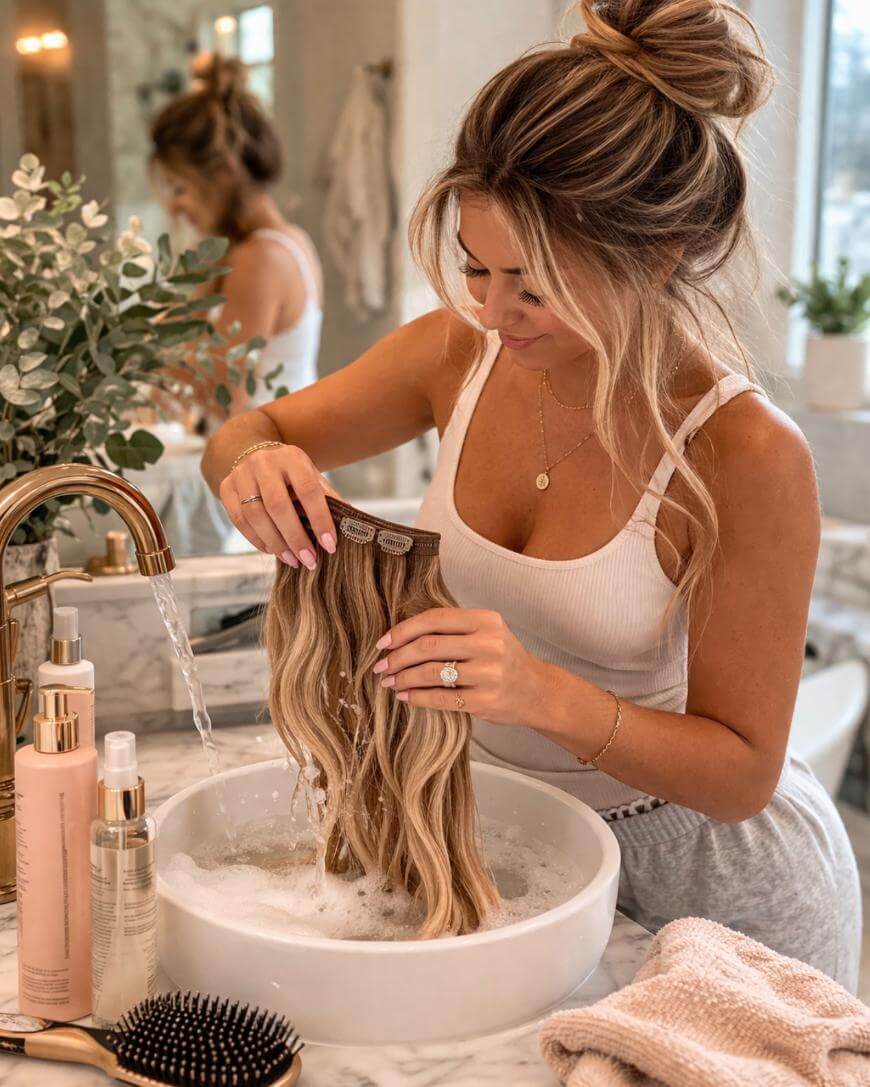
Clip-ins usually need the least frequent washing, while tape-ins, sew-ins, and keratin bonds need more consistent gentle cleansing to prevent buildup at the roots. Wigs and halos sit in between, depending on how often you wear them.
A simple rule: treat anything “attached” like delicate hair you cannot replace easily, and treat anything “removable” like a luxury garment you clean less often but store carefully.
2. Use A Sulfate-Free Cleanser And Keep It Off The Bonds
You want a cleanser that removes oil without stripping, because dryness makes extensions frizz and tangle faster. For tape-ins or bonded extensions, focus shampoo on your scalp and let the suds rinse through the lengths rather than scrubbing the attachment points.
If you notice slipping, dullness, or sticky roots, that’s often product buildup or oils too close to bonds, not “bad hair.”
3. Stick To A Simple Wash Schedule With A Numeric Target
Most people do best washing extensions 1–2 times per week, and clip-ins every 10–15 wears (or whenever product buildup makes them feel stiff). Over-washing is one of the fastest ways to shorten extension lifespan because it increases friction and dries the hair out.
If you work out daily, do scalp rinses and dry shampoo on non-wash days instead of full-length washes every time.
4. Detangle Before You Wash, Not After You Snarl It
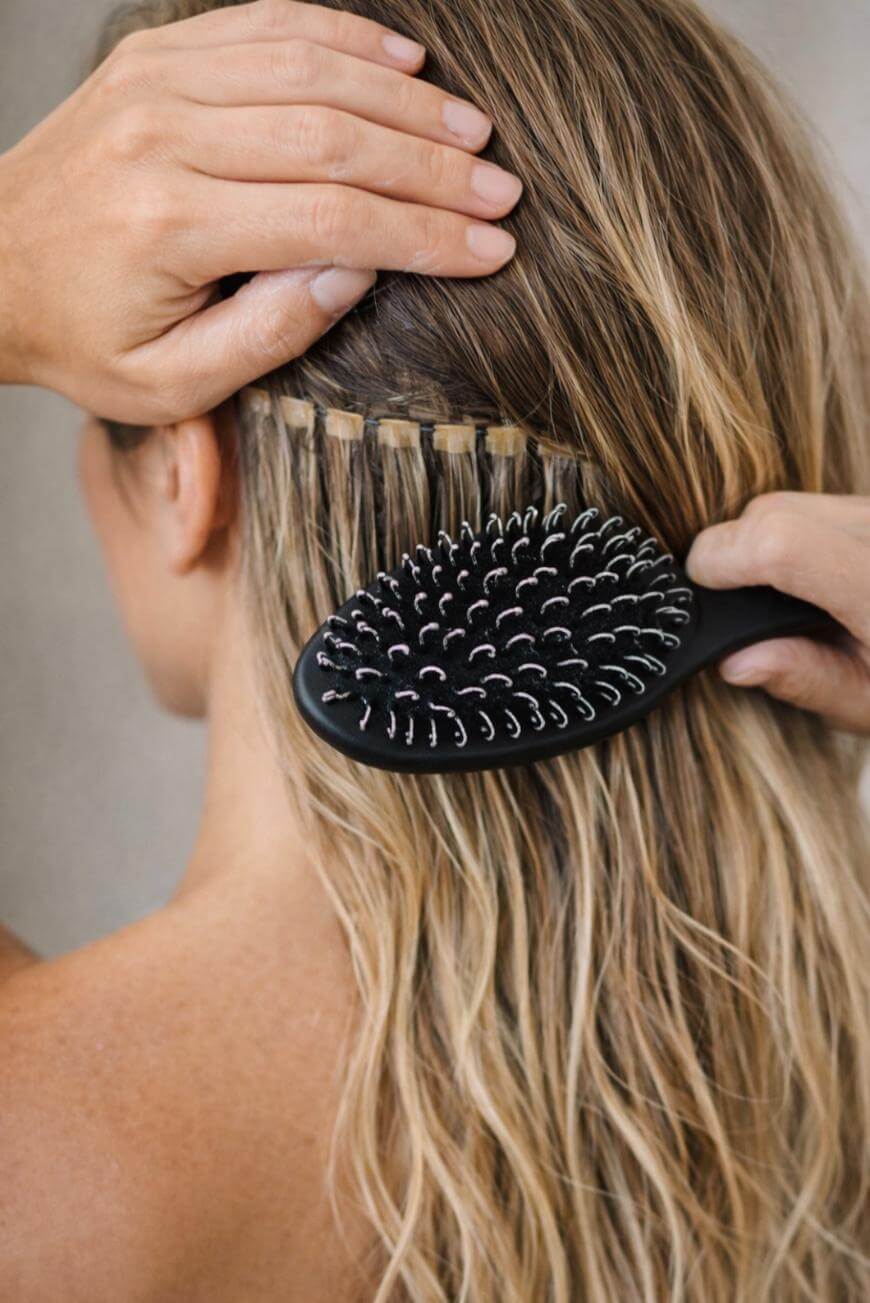
Brush gently from ends to mid-lengths, then to roots (or to the base of the weft) before getting the hair wet. Wet tangles tighten quickly, so your goal is to start the wash with hair already smooth.
A quick upgrade: hold the hair above where you’re brushing so you’re not yanking tension into tapes, beads, or stitches.
5. Condition Like A Pro: Mid-Lengths To Ends Only
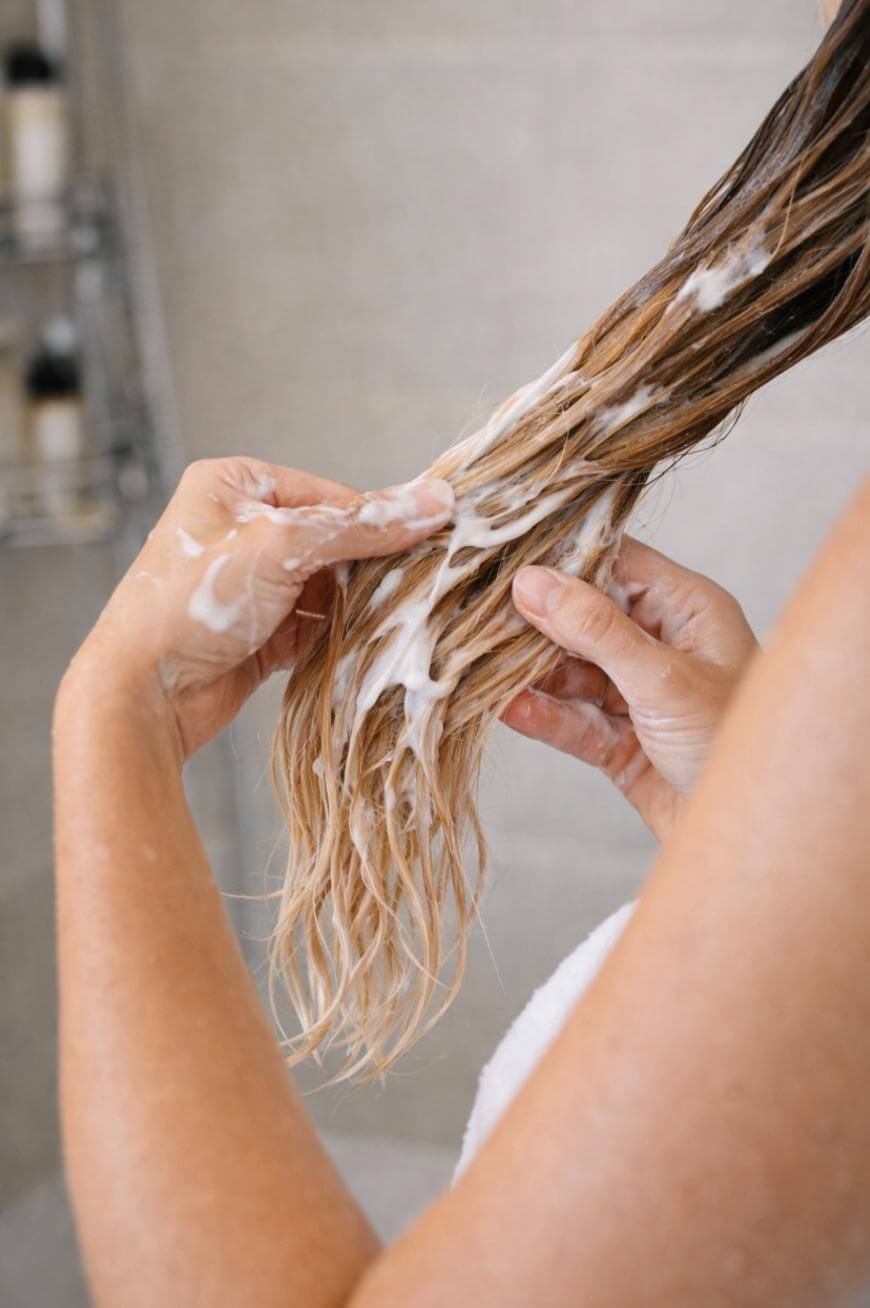
Conditioner belongs on the hair, not on the attachment points. Concentrate on the bottom half of the hair and let it sit 2–5 minutes, then rinse thoroughly with lukewarm water.
If your extensions feel “coated” afterward, you likely used too much or didn’t rinse enough, and that residue can cause matting.
6. Add A Weekly Deep Condition For Dryness Control
A weekly mask (once every 7–10 days) helps keep the cuticle smooth, which is what prevents tangling and frizz. Apply it mid-lengths to ends, and avoid the root area for installed extension types.
A concrete routine that works: mask for 10 minutes, rinse, then use a lightweight leave-in on damp hair.
7. Dry The Root Area First To Prevent Mildew And Itching
For tape-ins, sew-ins, and bonded extensions, dampness near the attachments can cause scalp irritation and musty odor. After washing, towel-blot (don’t rub), then use a dryer on low/medium to dry the root area and attachment zones first.
A small change that matters: switch your towel to a microfiber towel or soft t-shirt to cut friction.
8. Never Sleep With Wet Extensions
Wet hair + friction = knots that turn into matting fast. If you wash at night, fully dry before bed, even if that means using a blow dryer for the final 5–10 minutes.
If you absolutely must air-dry, do it early enough that your hair is 100% dry before you lie down.
9. Use Heat Wisely With A Hard Temperature Ceiling
Most people get the best results keeping hot tools at 300–350°F, using heat protectant every time. Extensions can be more heat-sensitive (especially if they’re processed or not truly virgin hair), so lower heat usually looks better longer.
If your ends keep feeling crunchy, reduce heat by 25–50°F and do one slower pass instead of multiple quick passes.
10. Choose A Heat Protectant That Does Not Build Up
A lightweight spray or serum-style protectant works well, but you want something that doesn’t leave heavy silicone layers that attract dirt. Apply on damp hair before blow drying, and lightly again before flat ironing if needed.
If your extensions feel greasy quickly, your protectant may be too oily or you’re applying too close to the scalp.
11. Brush With The Right Tool And The Right Rhythm
A loop brush, extension-safe paddle brush, or wide-tooth comb reduces snagging on bonds and wefts. Brush 2–3 times per day, especially before leaving the house, after windy weather, and before bed.
The mistake to avoid is aggressive brushing at the root area, which can loosen tapes, pull beads, or stress your natural hair.
12. Seal The Ends Daily If You Get Dryness
A pea-sized amount of lightweight oil or serum on the last 2–3 inches can prevent split ends and tangles. You want slip, not shine overload, so start tiny and add only if needed.
If your ends still catch, trim 1/4 inch and increase conditioning, because no serum can fully fix frayed ends.
13. Protect Extensions From Friction While You Sleep
A loose braid or low ponytail keeps hair from tangling overnight, and a satin pillowcase reduces friction even more. This is one of the highest-impact habits because nighttime tangling is cumulative.
If you wake up with knots near your nape, your hair is likely rubbing against cotton, hoodie seams, or a rough collar.

14. Avoid Alcohol-Heavy Styling Products On Dry Hair
Alcohol-heavy sprays can make extensions feel crisp and dull, especially on already-processed hair. If you love texture spray or hairspray, use it sparingly, then brush it out at night to prevent stiff tangles.
A smarter swap is a flexible-hold spray and a small amount of styling cream on the ends.
15. Clarify Strategically To Remove Buildup Without Overdoing It
If your hair feels sticky, heavy, or tangles more than usual, do a clarifying wash every 3–4 weeks. Keep clarifying shampoo mostly on the scalp and rinse well, then follow with a mask mid-lengths to ends.
If you have tape-ins, avoid oils and clarifiers directly on the tape area, because that can contribute to slipping.
16. Handle Swimming And Sun Like A Damage-Control Plan
Chlorine, salt, and UV can dry extensions fast. Wet hair with clean water first, apply a small amount of conditioner mid-lengths to ends, braid it, and rinse immediately after swimming.
A concrete tip: if you’re in the sun a lot, wear a hat and plan an extra deep condition that week.
17. Keep Tight Styles Occasional, Not Daily
High, tight ponytails and slick buns can stress attachment points and your natural hair, especially with installed extensions. Rotate styles and keep tension moderate so you’re not pulling in the same direction every day.
If you feel scalp soreness, that’s your sign to loosen up and switch to a lower-tension style immediately.
18. Know The “Do Not Use” Ingredient Zones For Installed Extensions
For tape-ins, avoid oil-based products near the tape, because oils can weaken adhesion. For keratin bonds, avoid heavy conditioners at the bond area, and for bead methods, avoid products that cause slip at the root.
The easiest method: keep all rich products from ears down, and you’ll avoid most attachment issues.
19. Refresh Between Washes Without Drowning In Dry Shampoo
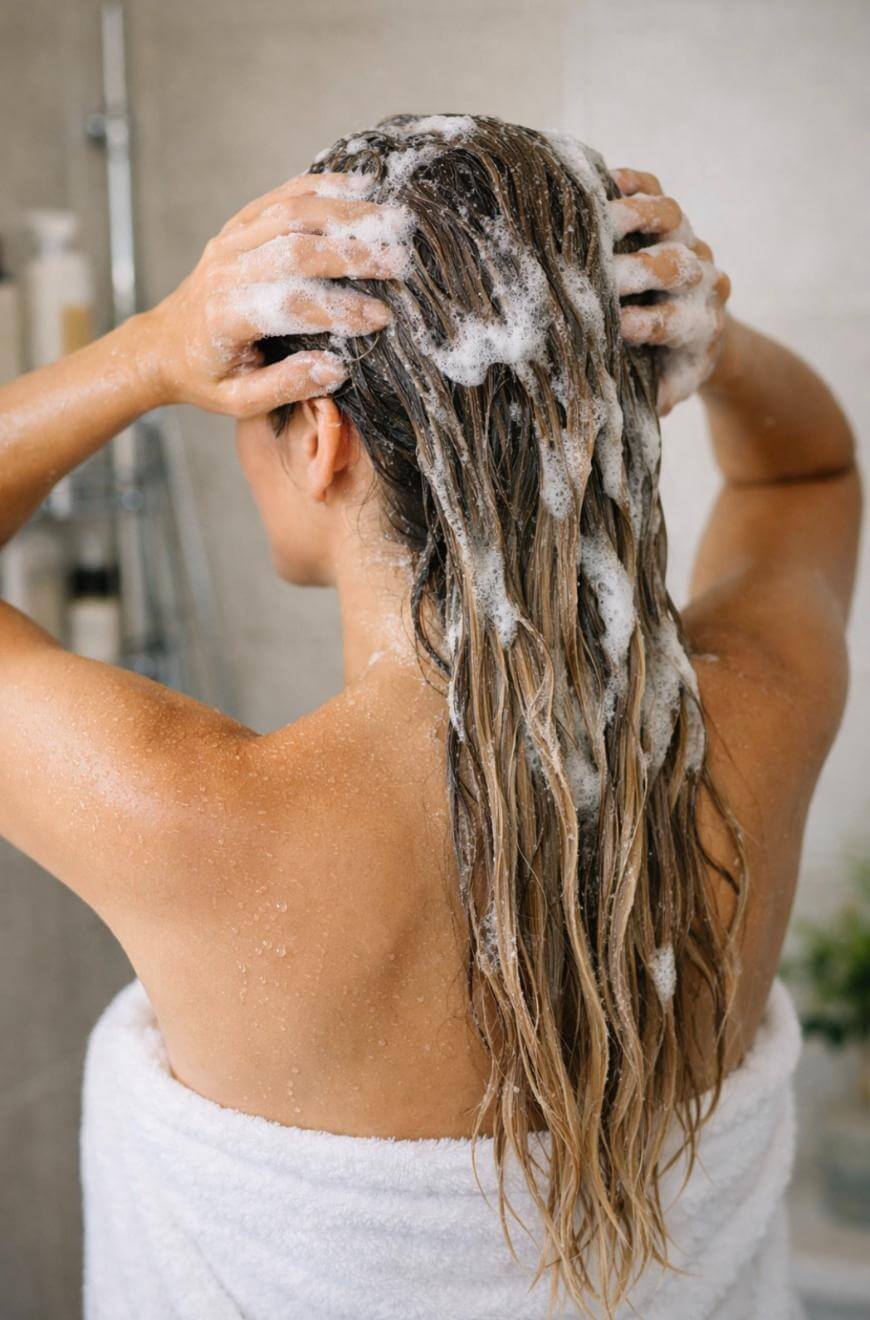
Dry shampoo is useful, but too much can build up and cause itching or tangling at the roots. Use it 1–3 times between washes, apply lightly, let it sit 30 seconds, then brush through gently.
If you see white residue or feel gritty roots, use less and wash sooner rather than piling on more.
20. Store Clip-Ins And Wigs Like You Store Good Clothes
Clip-ins last longer when you brush them, close the clips, and store them flat or in a hanger bag. Wigs do best on a stand to keep shape and reduce tangling, especially if they’re longer than shoulder length.
A simple upgrade is a $10–$20 satin storage bag that reduces friction during storage.
21. Plan Maintenance Appointments With Realistic Timing
Installed extensions typically need maintenance every 6–10 weeks depending on method and your hair growth. Waiting too long increases matting risk and makes removal harder on your natural hair.
If you’re budgeting, set aside $150–$400 per move-up/maintenance session depending on method and location, because consistent upkeep is cheaper than emergency fixes.
22. Replace Extensions Based On Feel, Not Just Time
Good hair can last many months, but signs like constant tangling, excessive shedding, or ends that won’t smooth even after conditioning often mean it’s time. If you’re constantly fighting the hair, you’re usually better off replacing than overloading it with product.
A practical rule: when detangling takes more than 5–7 minutes daily even with good habits, the hair is likely nearing the end of its best life.
23. Prevent Matting At The Nape With A Daily Micro-Habit
The nape area tangles fastest because of collars, scarves, and movement. Brush that zone carefully morning and night, and add a tiny bit of leave-in conditioner there if it feels dry.
If you wear hoodies a lot, consider styling hair forward over the shoulders to reduce nape friction.
24. Use A “Less Product, Better Placement” Strategy
Extensions respond best when you use smaller amounts and apply them where dryness happens most: mid-lengths and ends. Overloading products makes hair tacky, which attracts lint and causes tangles that look like “bad quality hair.”

A helpful target: keep leave-in to 1–2 pumps total for the whole head, then adjust only if needed.
Key Takeaways
Wash most extensions 1–2 times per week, and clip-ins every 10–15 wears.
Keep shampoo on the scalp and conditioner on mid-lengths to ends.
Fully dry attachments and never sleep with wet hair.
Use heat protectant and keep hot tools around 300–350°F.
Brush gently 2–3 times daily with an extension-safe brush.
Reduce friction with a braid and satin pillowcase.
FAQ
Can You Use Purple Shampoo On Blonde Extensions?
Yes, you can use purple shampoo, but keep it brief and targeted. Use it 1–2 times per month and follow with a hydrating mask to prevent dryness.
Why Do My Extensions Get Tangly Even When I Wash Them?
It’s usually friction, dryness, or product buildup. Reduce heat, add weekly masking, and clarify every 3–4 weeks to reset the hair.
How Do You Stop Tape-Ins From Slipping?
You stop slipping by keeping oils and conditioner away from the tape area. Focus cleansing on the scalp, avoid heavy root products, and stick to maintenance timing.
Can You Air-Dry Hair Extensions?
Yes, but you should still dry the attachment area with a blow dryer if they’re installed. Leaving bonds or wefts damp can cause irritation and tangling.




Leave a Reply