Last updated: August 20, 2026
Pepper jelly is the sweet and spicy condiment that turns a block of cream cheese into an instant party appetizer, and this recipe below shows you exactly how to make it at home.
You will find the full recipe card just below, but stick around for the tips, swaps, and answers to the questions you are probably already asking.
What Is Pepper Jelly
Pepper jelly is a translucent, ruby-toned jelly made from bell peppers, hot peppers, sugar, vinegar, and pectin.
It set the trend across the American South in the 1970s, when home cooks started canning their garden pepper harvest into something sweeter than hot sauce and more exciting than plain jelly.
Unlike fruit jelly, pepper jelly leans savory and gets its shimmer from vinegar and pectin rather than fruit juice alone.
Sweet Meets Heat
The magic of pepper jelly comes from the contrast between the sugar and the capsaicin in the peppers.
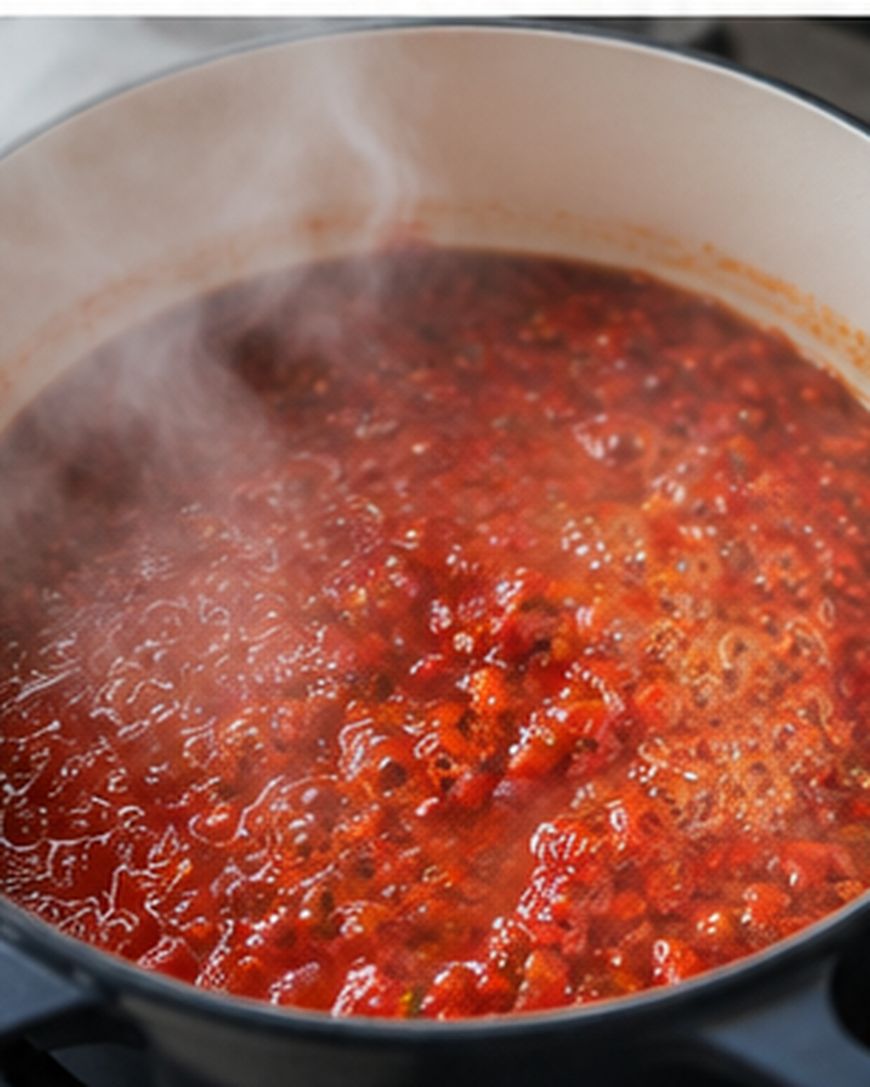
Bell peppers bring bulk, color, and a mild vegetal sweetness, while jalapenos or serranos bring the kick.
You can dial the heat up or down by adjusting how many seeds and ribs you leave in the hot peppers, since that is where most of the capsaicin lives.
Ingredients You Will Need
Red bell peppers form the sweet, colorful base of this jelly, and you want them finely diced so they suspend evenly through the finished jar.
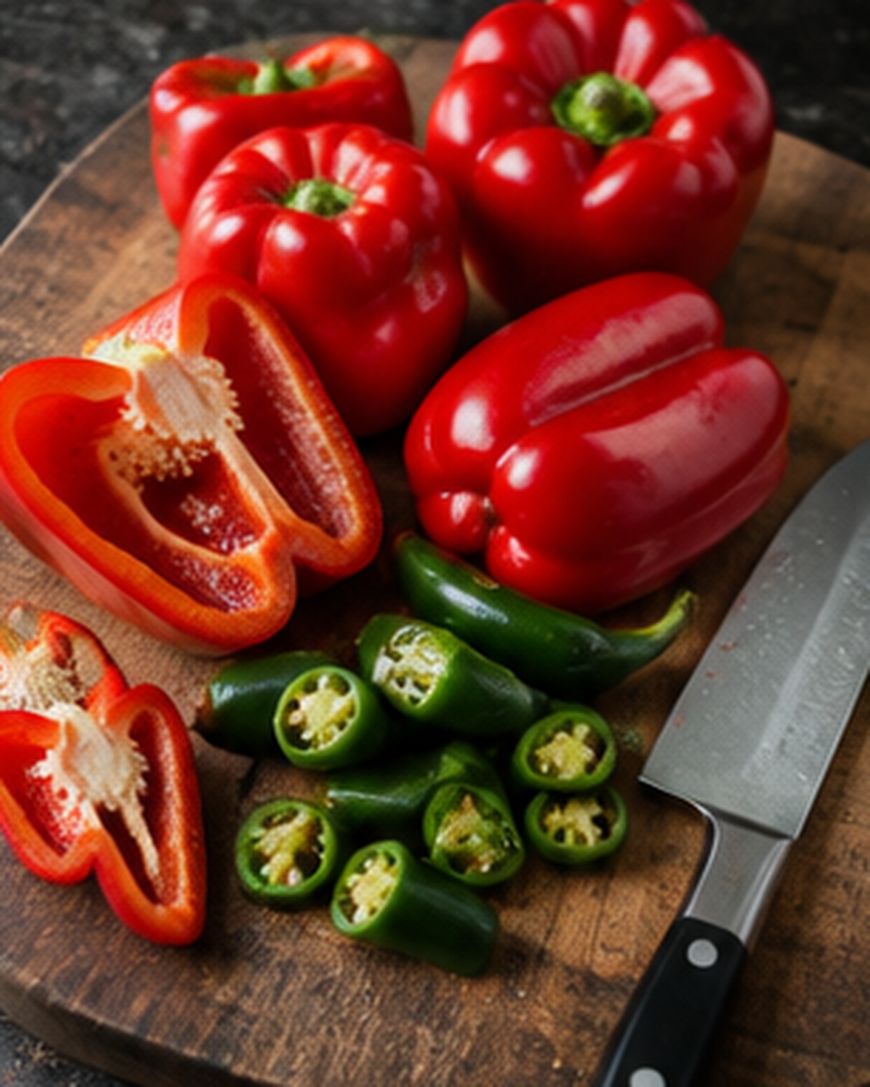
Jalapeno peppers supply the heat, and leaving in a portion of the seeds gives you a jelly with real bite rather than a background tingle.
Apple cider vinegar provides the acidity that balances the sugar and helps the pectin set properly, and you should always measure it rather than eyeballing it.
Granulated sugar is the backbone of the texture here, since powdered fruit pectin needs a specific sugar ratio to gel.
Liquid pectin, like Certo, is what turns this from a spicy syrup into a proper jelly, and it needs a hard rolling boil to activate.
A pinch of salt rounds out the flavor and keeps the jelly from tasting flat once it cools.
How to Make Pepper Jelly
Prep the Peppers
Start by stemming and seeding your bell peppers, then pulse them in a food processor until they are finely minced but not pureed to mush.

Do the same with your jalapenos, deciding here how much of the seeds and white ribs you want to keep based on your desired heat level.
Keep the bell pepper and jalapeno mixtures separate at this stage so you can control the ratio precisely.
Build the Base
Combine the minced peppers, vinegar, and sugar in a wide, heavy-bottomed pot, since a wide pot helps the mixture come to a boil faster and more evenly.
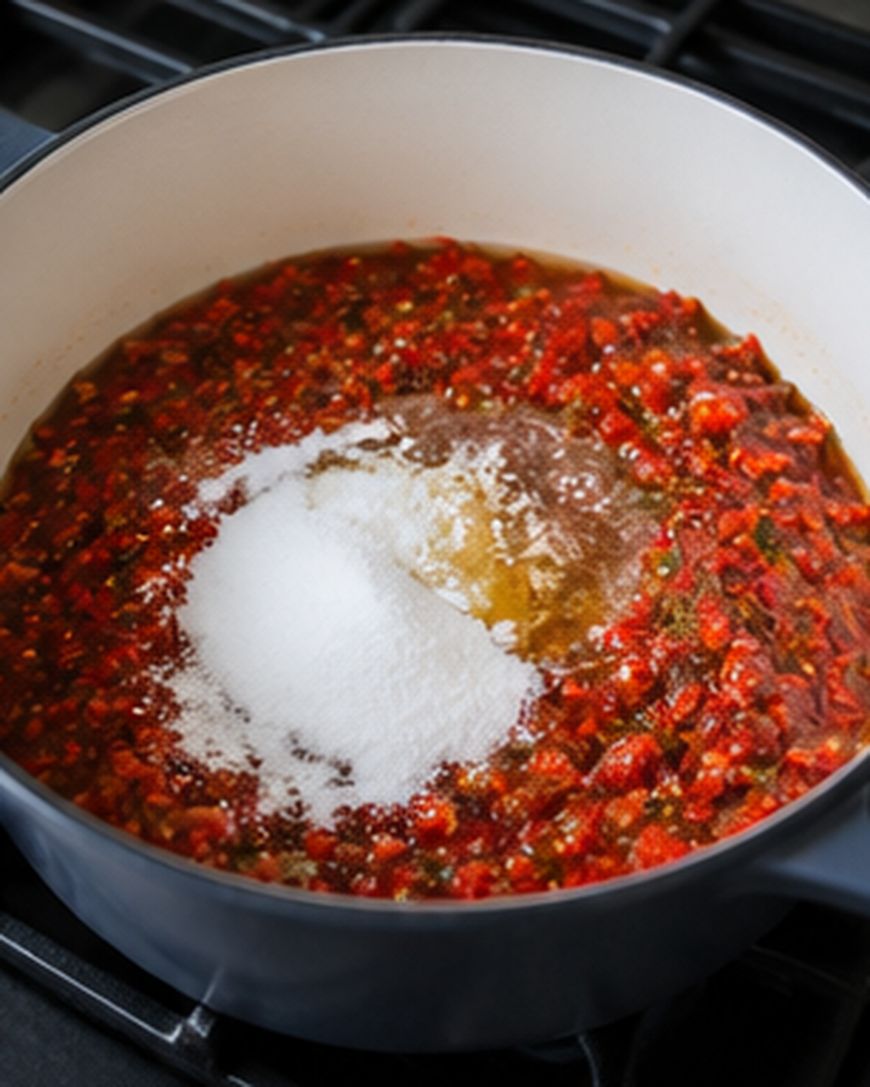
Stir the mixture over medium-high heat until the sugar fully dissolves, which usually takes about 3 to 4 minutes.
Bring the mixture to a full rolling boil, meaning one that does not stop bubbling when you stir it.
Add the Pectin
Once you reach a true rolling boil, stir in the liquid pectin and boil hard for exactly 1 minute, stirring constantly so nothing scorches on the bottom.
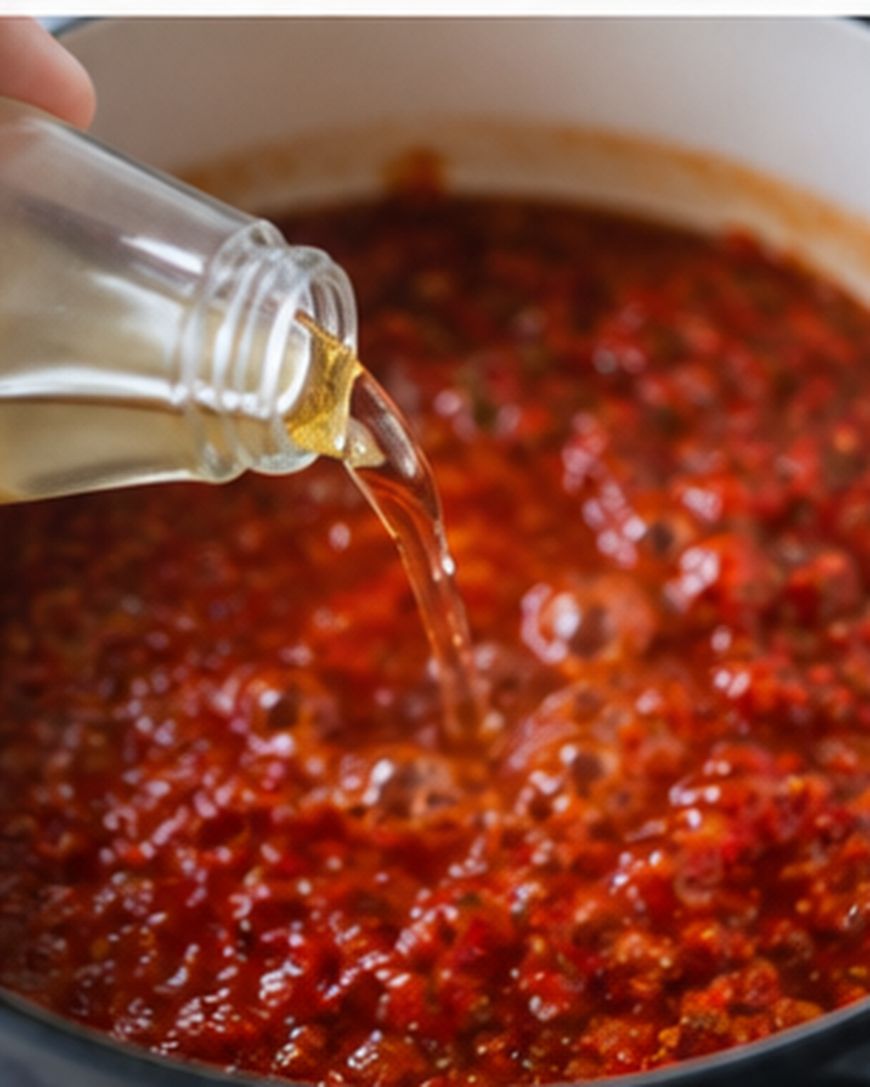
This one minute is the moment that determines whether your jelly sets, so do not walk away from the pot during this step.
Remove the pot from the heat immediately after the minute is up and skim off any foam that has formed on the surface.
Jar and Cool
Ladle the hot jelly into clean, sterilized half-pint jars, leaving about a quarter inch of headspace at the top of each jar.
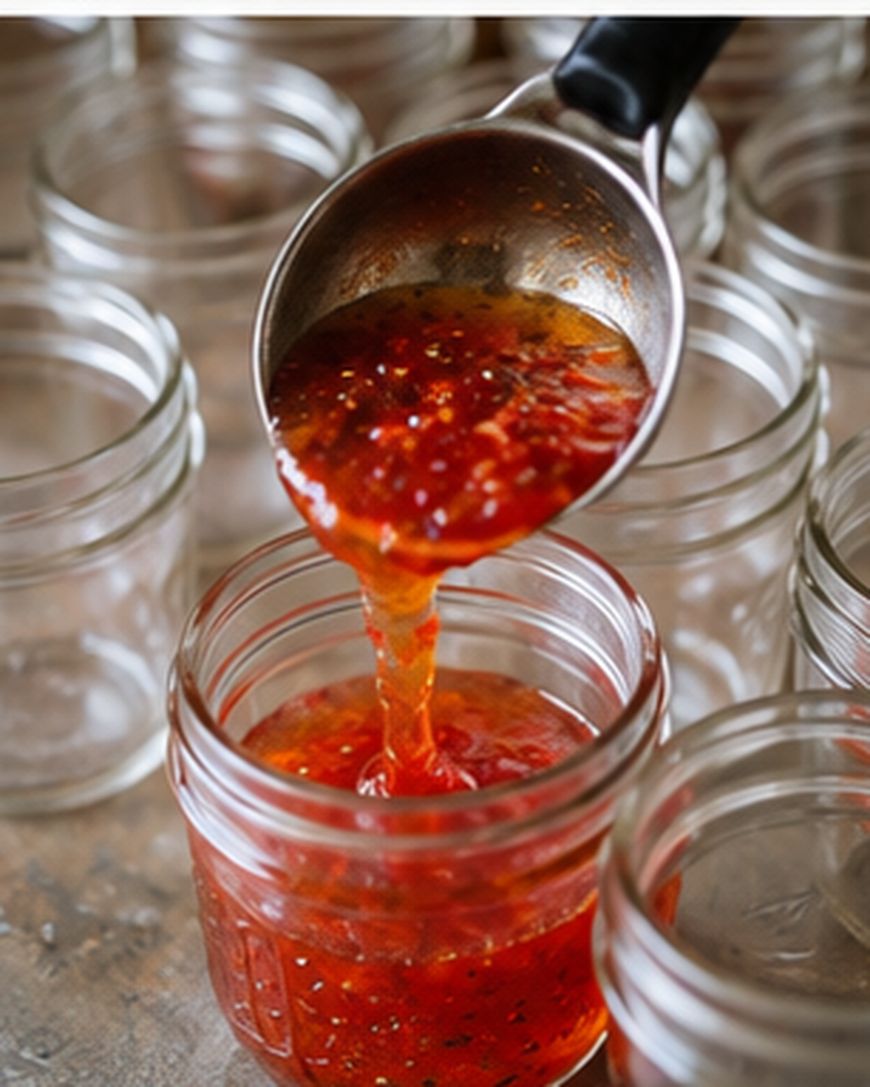
Wipe the rims clean, apply the lids, and either process the jars in a water bath canner for 10 minutes or let them cool and refrigerate them for immediate use.
The jelly will look thin straight off the stove, but it firms up significantly as it cools, so resist the urge to add more pectin at this stage.
Tips for Perfect Pepper Jelly
Use a candy thermometer if you want extra insurance, since pepper jelly typically sets around 220 degrees Fahrenheit at sea level.
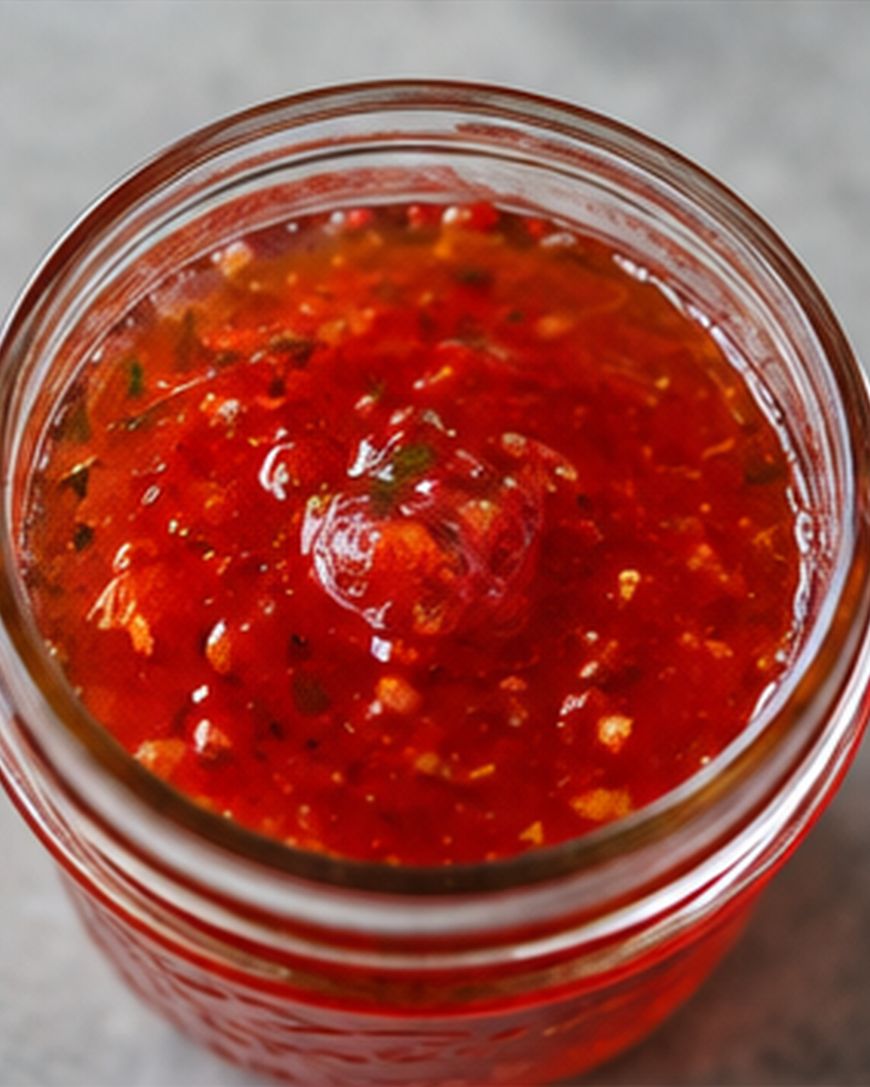
Chop your peppers uniformly so every spoonful has a consistent mix of sweet and heat rather than pockets of one or the other.
If your climate is humid or you live at a higher altitude, adjust your boil time slightly, since altitude affects both boiling point and set time.
Common Mistakes to Avoid
Skipping the full rolling boil before adding pectin is the most common reason pepper jelly fails to set, so do not rush this stage.
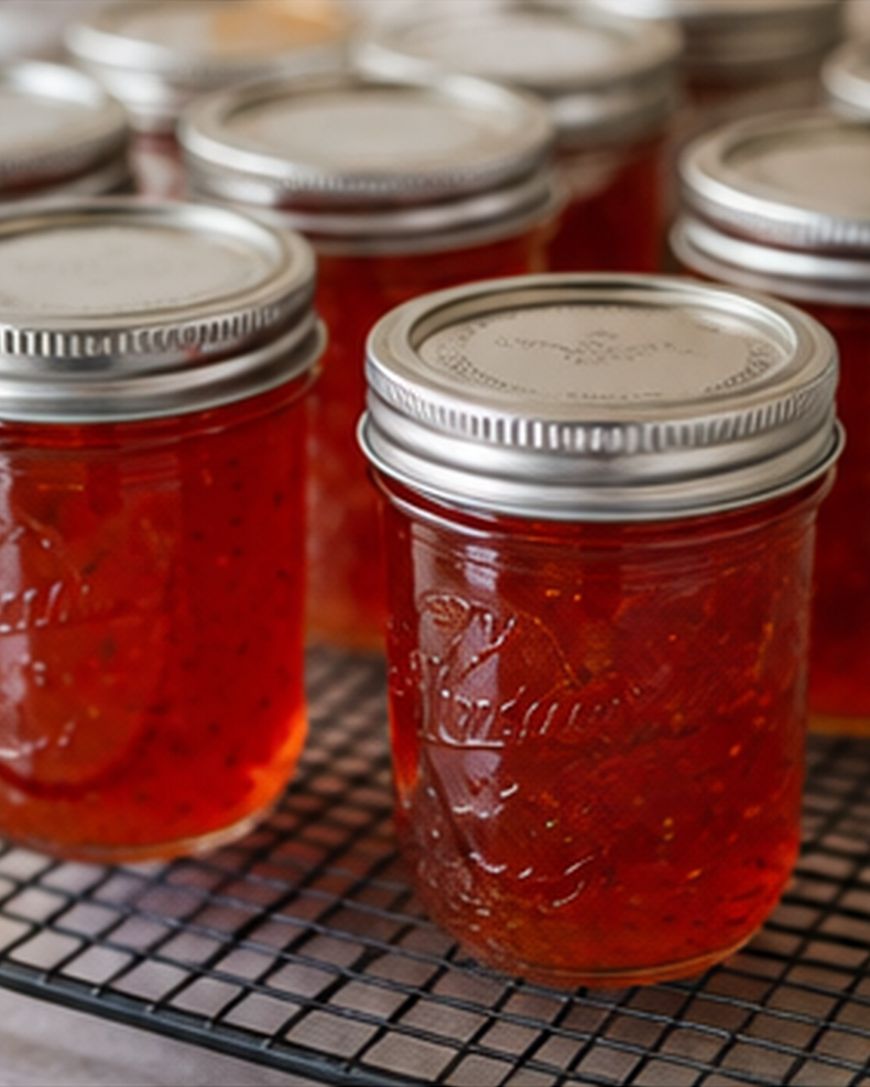
Using pre-shredded or watery peppers instead of freshly minced ones can throw off your sugar-to-liquid ratio and leave you with syrup instead of jelly.
Overfilling your jars past the recommended headspace can prevent a proper seal if you are processing for shelf storage.
Variations and Substitutions
Swap the red bell peppers for a mix of red and yellow for a brighter color, or use all green bell peppers for a more savory, grassy jelly.
Habanero peppers can replace jalapenos if you want serious heat, though you should cut the quantity roughly in half since habaneros are much more potent.
For a smokier version, add a chipotle pepper in adobo sauce along with the jalapenos, which brings a deep, roasted heat instead of a bright, sharp one.
Powdered pectin can be used instead of liquid pectin, but the method changes slightly, since powdered pectin is typically whisked into the sugar before the mixture is heated rather than added at the end.
Storage
Store sealed, water-bath processed jars of pepper jelly in a cool, dark pantry for up to one year.
Once a jar is opened, keep it refrigerated and use it within one month for the best flavor and texture.
Unprocessed jars that were simply cooled and refrigerated should be treated as fresh preserves and used within three to four weeks.
Serving Suggestions
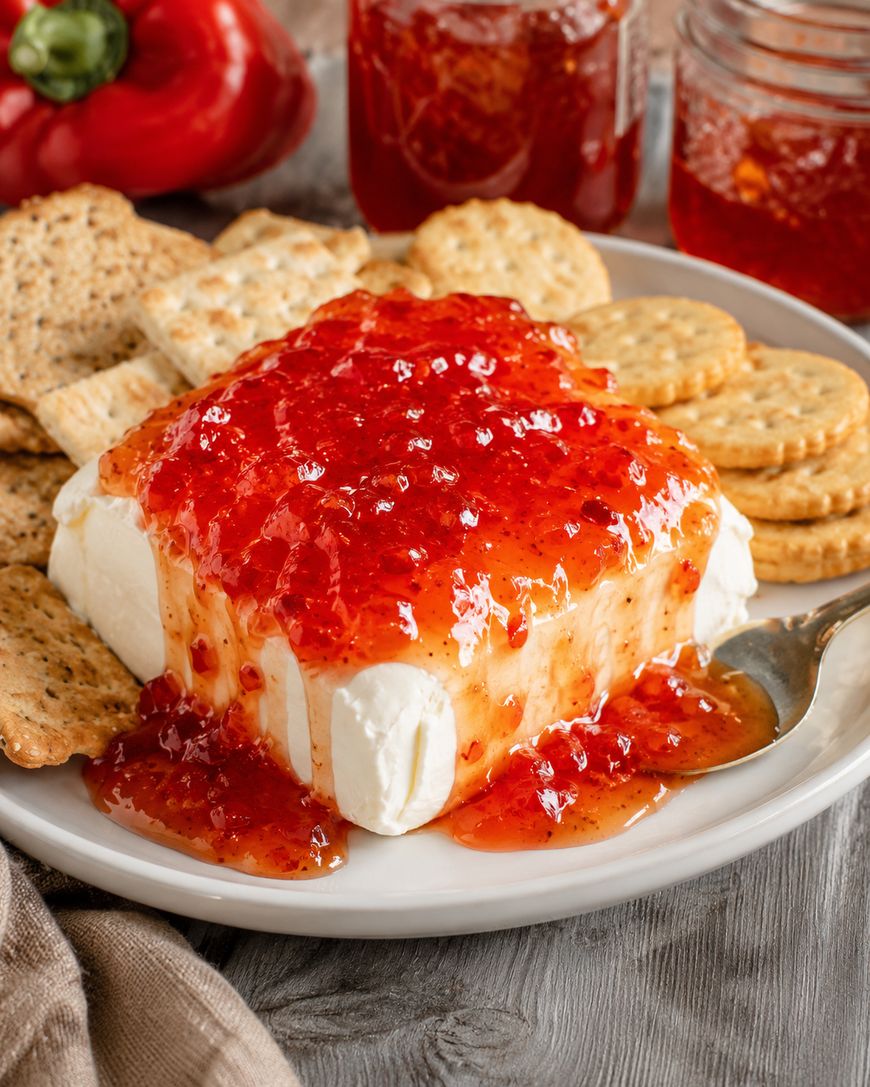
The most classic way to serve pepper jelly is spooned generously over a block of softened cream cheese with crackers on the side.

It also works beautifully brushed over grilled chicken or pork chops in the last few minutes of cooking, where the sugars caramelize into a glossy glaze.
Try stirring a spoonful into a vinaigrette for a salad with goat cheese and toasted pecans, or swirl it into a grilled cheese sandwich before it hits the pan.
Where Pepper Jelly Comes From
Pepper jelly has deep roots in Southern home canning traditions, particularly in Texas and Louisiana, where gardeners needed a way to use up an abundant pepper harvest each summer.
It grew into a fixture of Southern hospitality, showing up at holiday gatherings and potlucks alongside cream cheese and crackers as an easy, make-ahead appetizer.
Today it has spread well beyond the South, showing up in gourmet gift baskets and farmers market stalls across the country.
Now that you know the story and the method, grab the recipe card below and get your peppers on the stove.
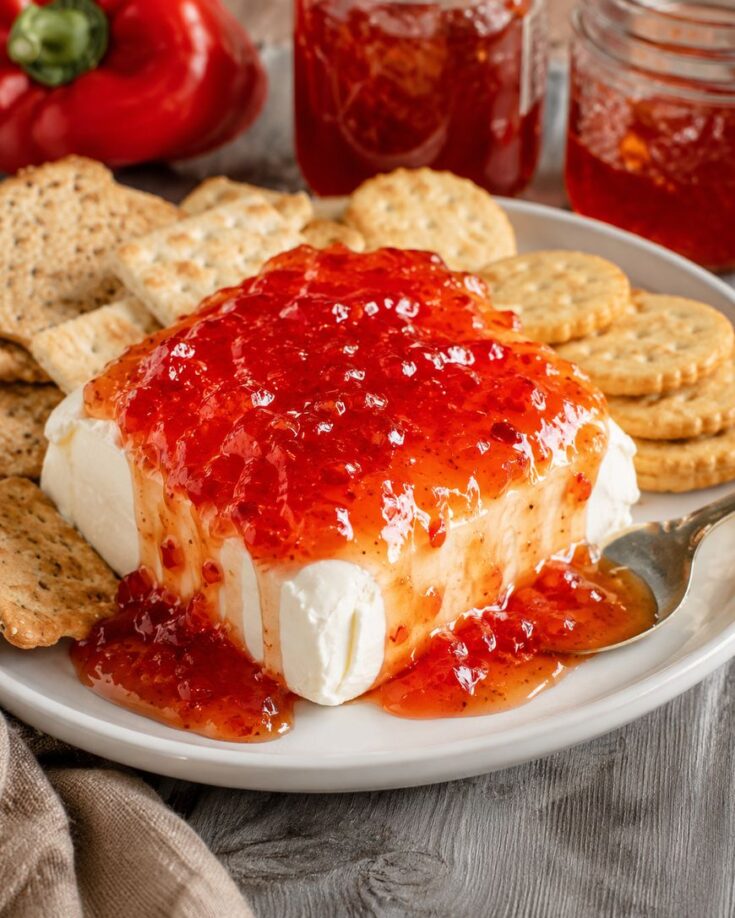
Pepper Jelly
A sweet and spicy homemade pepper jelly made with red bell peppers, jalapenos, and a hint of vinegar, perfect spooned over cream cheese and crackers.
Ingredients
- 3 cups red bell peppers, finely minced (about 4 large peppers)
- 1/2 cup jalapeno peppers, finely minced (about 4-5 peppers)
- 1 cup apple cider vinegar
- 5 cups granulated sugar
- 1/4 teaspoon salt
- 2 pouches (3 oz each) liquid pectin
Instructions
- Stem and seed the bell peppers and jalapenos, then finely mince them in a food processor, keeping the two separate.
- Combine the minced bell peppers, minced jalapenos, vinegar, sugar, and salt in a large, wide, heavy-bottomed pot.
- Stir over medium-high heat until the sugar fully dissolves, about 3 to 4 minutes.
- Bring the mixture to a full rolling boil that does not stop bubbling when stirred.
- Stir in the liquid pectin and boil hard for exactly 1 minute, stirring constantly.
- Remove from heat and skim off any foam from the surface.
- Ladle the hot jelly into clean, sterilized half-pint jars, leaving 1/4 inch of headspace.
- Wipe the rims, apply the lids, and process in a water bath canner for 10 minutes, or cool and refrigerate for immediate use.
- Let the jars cool completely on the counter before checking the seals or refrigerating.
Notes
The jelly will look thin right off the stove but firms up as it cools, so do not add extra pectin. Adjust heat by leaving in more or fewer jalapeno seeds.
Nutrition Information:
Yield:
40Serving Size:
1 tablespoonAmount Per Serving: Calories: 45Total Fat: 0gSaturated Fat: 0gSodium: 10mgCarbohydrates: 11gFiber: 0gSugar: 11gProtein: 0g
Pepper Jelly Questions
Can I make pepper jelly without a food processor?
Yes, you can finely mince the peppers by hand with a sharp knife, though it takes longer to get the pieces small and even.
A food processor just speeds up the prep and gives you a more consistent texture throughout the jar.
Why didn’t my pepper jelly set?
The most common cause is not reaching a full rolling boil before adding the pectin, since the pectin needs that vigorous heat to activate properly.
Old or expired pectin, or measuring your vinegar and sugar imprecisely, can also prevent a proper set.
Can I freeze pepper jelly instead of canning it?
Yes, pepper jelly freezes well in freezer-safe containers or jars, and it will keep for up to six months in the freezer.
Just be sure to leave extra headspace in the container, since the jelly will expand slightly as it freezes.
How spicy is pepper jelly?
Traditional pepper jelly made with jalapenos sits at a mild to medium heat level, similar to a mild salsa.
You can easily adjust the heat by using fewer or more seeds, or by swapping in a hotter pepper variety like habanero or serrano.
Do I need a candy thermometer to make this recipe?
A candy thermometer is not strictly required, but it takes the guesswork out of knowing when your jelly has reached the correct set point.
If you do not have one, the rolling boil and one-minute pectin boil times in this recipe will still get you a properly set jelly.
Can I can pepper jelly to give as gifts?
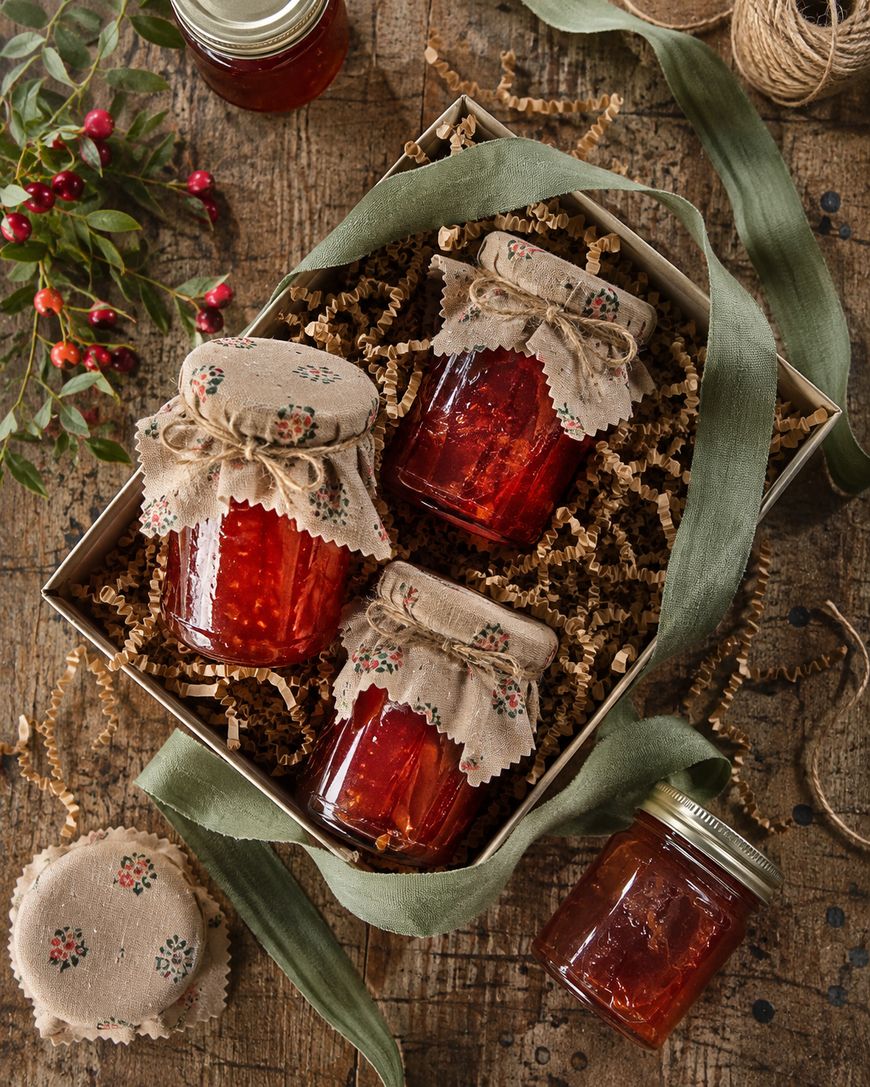
Absolutely, pepper jelly is one of the most popular homemade gifts during the holidays, since it looks beautiful in small jars with a ribbon and fabric lid topper.
Just make sure any jars you plan to gift for shelf storage are properly processed in a water bath canner to ensure a safe seal.
Once you have made a batch of this pepper jelly, you will understand why it has earned a permanent spot in Southern kitchens and holiday gift baskets alike.