Last updated: August 22, 2026
These freezer jam recipes are fruit spreads you set with pectin and store in the fridge or freezer instead of processing in a canner. You should start with a simple strawberry batch using standard powdered freezer-jam pectin and follow the package ratios exactly, because that approach is the most reliable.
Once your first batch sets the way you want, you can swap fruits, choose the best pectin for each fruit, and build a repeatable routine you can use all year.
Basic ingredients for freezer jam:
- Granulated sugar
- Ripe fruit (strawberries are the easiest starter)
- Freezer jam pectin (powdered, liquid, or low-sugar—match your fruit and recipe)
- Lemon juice (optional but helpful)

Freezer Jam Recipes: The Fast Path From Fruit To Freezer
1. Start With A Reliable Base For Freezer Jam Recipes
You’ll get the best results when you treat your first batch like a calibration run, not a creative experiment. Use a standard freezer-jam method from your pectin package and keep every measurement exact.
A practical starting size is 4 cups of crushed fruit, because it’s big enough to be worth it and small enough to remake if you hate it. If you want fewer jars, cut the whole recipe in half, but never “eyeball” pectin.
2. Choose Fruit That Tastes Great Before You Sweeten It
Freezer jam keeps the fresh taste of fruit, which means bland fruit stays bland in the jar. You should taste a piece first and make sure it’s sweet and aromatic before you commit.
If your fruit is watery or underripe, your jam can end up thin and sharp. A simple upgrade is to mix 75% ripe fruit with 25% slightly underripe fruit for better body without extra cooking.
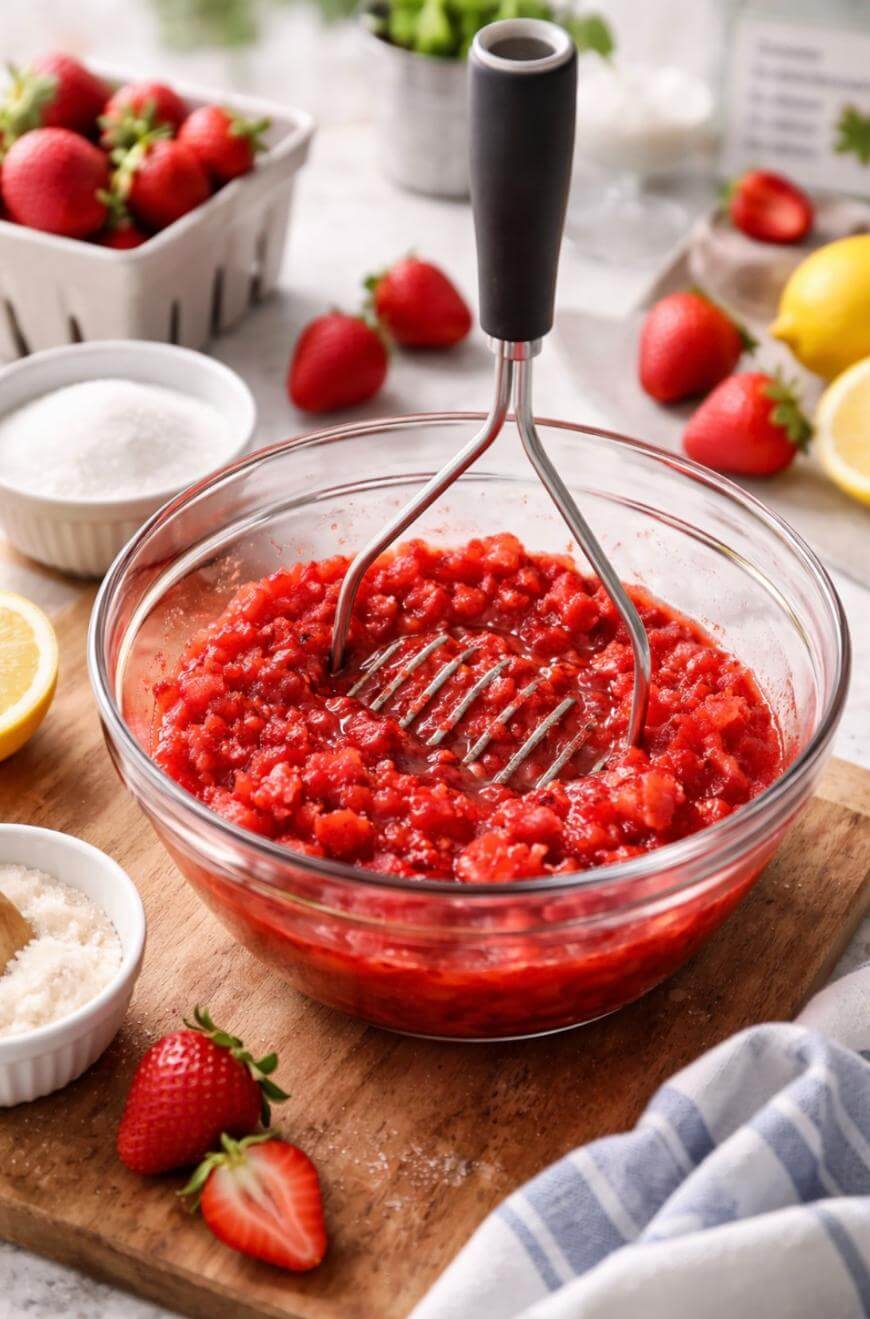
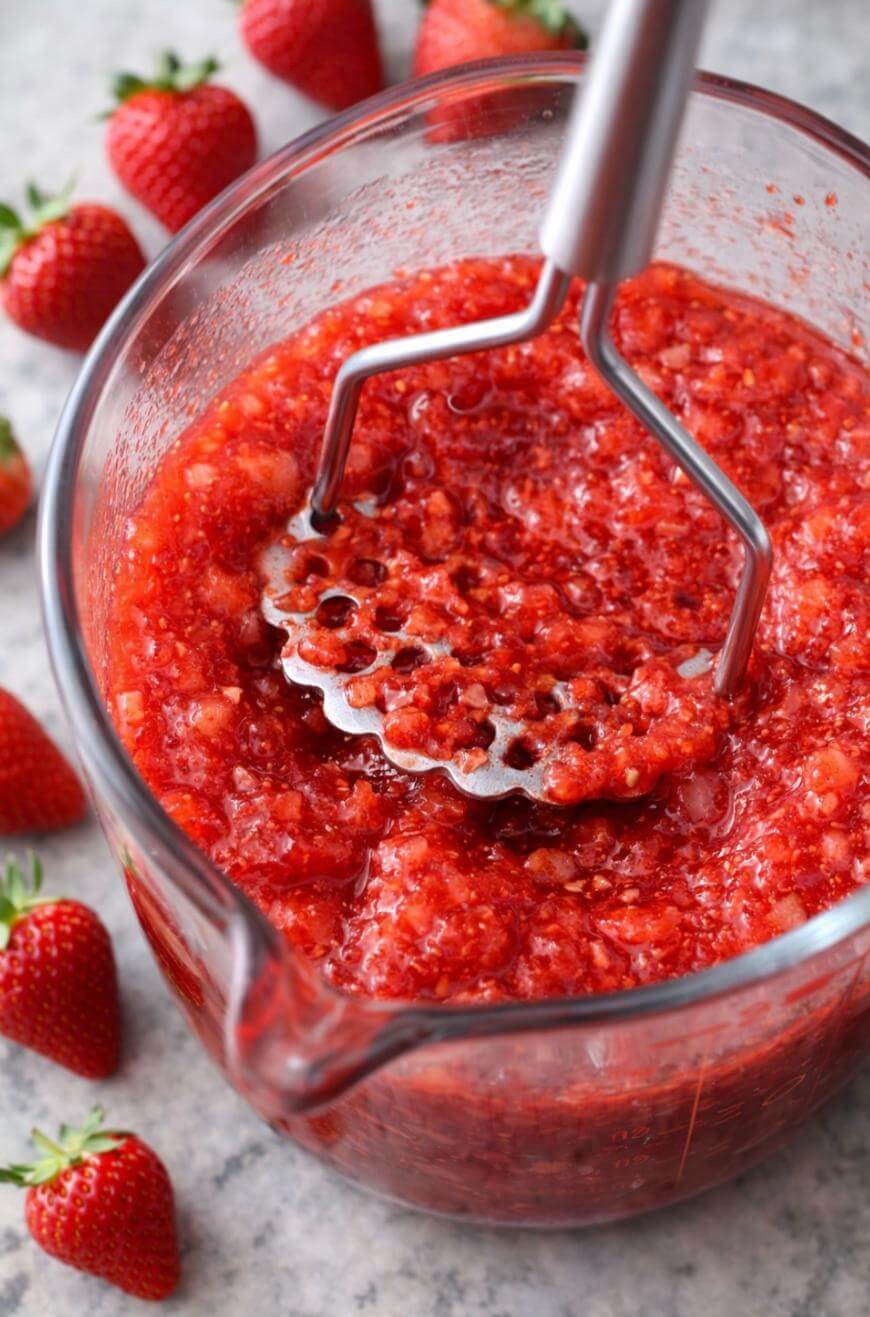
3. Crush For Texture, Purée For Smoothness
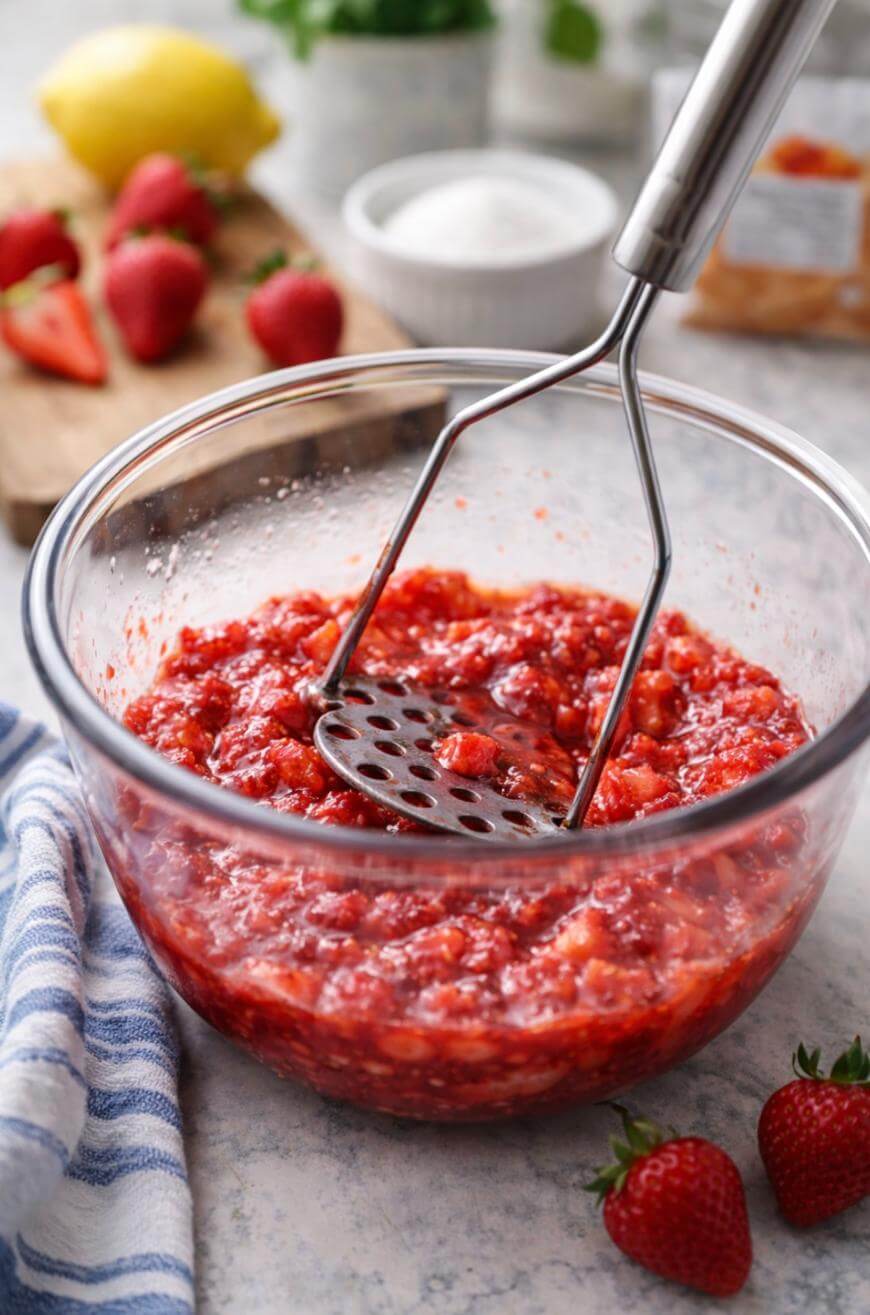
Your crushing method decides the final texture more than anything else. You can mash with a potato masher for a rustic set, or pulse briefly for a smoother spread.
If you purée too aggressively, you can make the jam feel foamy and loose. A quick fix is to let the mixture rest 2–3 minutes, then stir slowly to knock down air.
4. Measure Fruit After Crushing, Not Before
Freezer jam ratios are built around measured crushed fruit, not whole berries in a bowl. You should crush first and then measure into a dry measuring cup for consistency.
If you measure whole fruit, you’ll usually end up short on fruit and long on sugar relative to the recipe. That can create an overly sweet jam that still doesn’t set well.
5. Use The Right Pectin For The Recipe You’re Following
Powdered pectin, liquid pectin, and low-sugar pectin behave differently. You should match the exact pectin type the instructions call for, because swapping is not one-to-one.
If you want less sweetness, use low-sugar pectin made for that purpose. The upgrade is you’ll get a reliable set without forcing a high-sugar formula.
6. Keep Sugar As A Structure Ingredient, Not Just Sweetness
In many freezer jam formulas, sugar is part of the set, not merely flavor. You’ll usually get a firmer, more stable jam when you don’t reduce sugar unless you’re using low-sugar pectin designed for it.
If you cut sugar in a standard formula, the jam often stays syrupy and can separate in the jar. If you want less sweetness, your better move is a tarter fruit blend plus low-sugar pectin.
7. Hit A Clear Numeric Target For Batch Size
A dependable everyday batch is about 6 to 8 half-pint jars, which is enough for a month of breakfasts without crowding your freezer. You should plan your fruit purchase around that outcome instead of guessing.
If you’re gifting, double the batch only after you’ve made it once successfully. Scaling is fine, but mistakes get expensive when you multiply them.
8. Dissolve Pectin Completely Before You Combine
The quickest way to a lumpy, uneven set is partially dissolved pectin. You should mix pectin exactly as directed and keep stirring until there’s no gritty feel.
If you see tiny gel clumps, strain the mixture through a fine mesh sieve before filling jars. You’ll keep the flavor and fix the texture.
9. Stir For The Full Set Time, Even If It Looks Done
Freezer jam needs thorough mixing for the pectin network to form evenly. You should set a timer and stir for the full time the method specifies, because stopping early can lead to separation.
If your arm gets tired, switch hands instead of quitting. A helpful upgrade is using a sturdy silicone spatula that scrapes the bottom corners where undissolved sugar likes to hide.
10. Rest The Mixture Before Jarring To Reduce Foam
A short rest helps bubbles rise and reduces foamy tops. You should let the mixed jam sit for about 1–2 minutes, then skim any foam if you care about presentation.
If you skip this, your jars can look half full after the foam collapses. A simple fix is to tap the jar gently on the counter after filling.
11. Use The Correct Headspace For Freezing
You need room for expansion, or lids can warp and jars can crack. You should leave about 1/2 inch of headspace in freezer-safe jars.
If you’re using straight-sided containers, you’ll have fewer issues during freezing and thawing. Avoid narrow-shouldered jars because expansion pressure is less forgiving.
12. Label Like You’ll Forget Everything Next Week
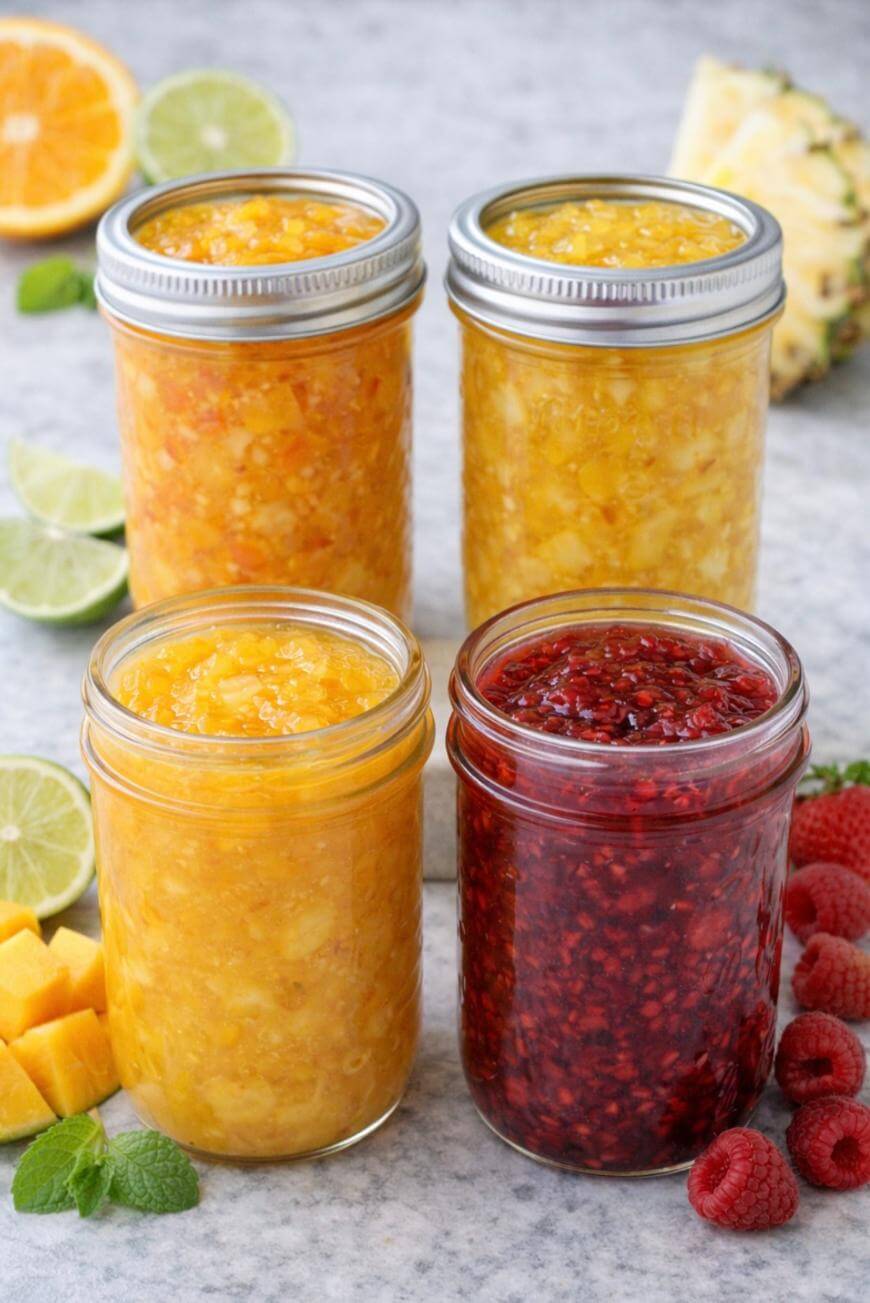
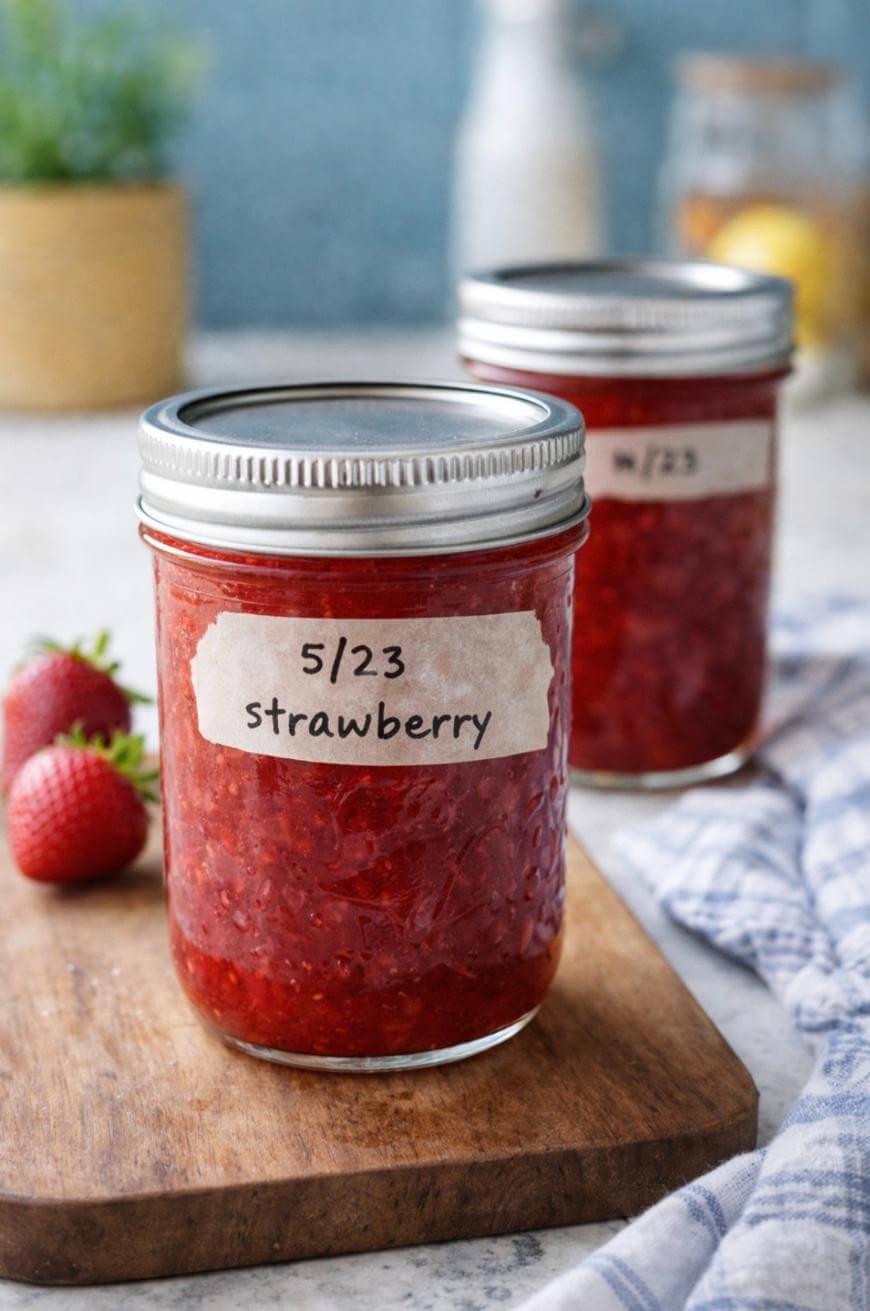
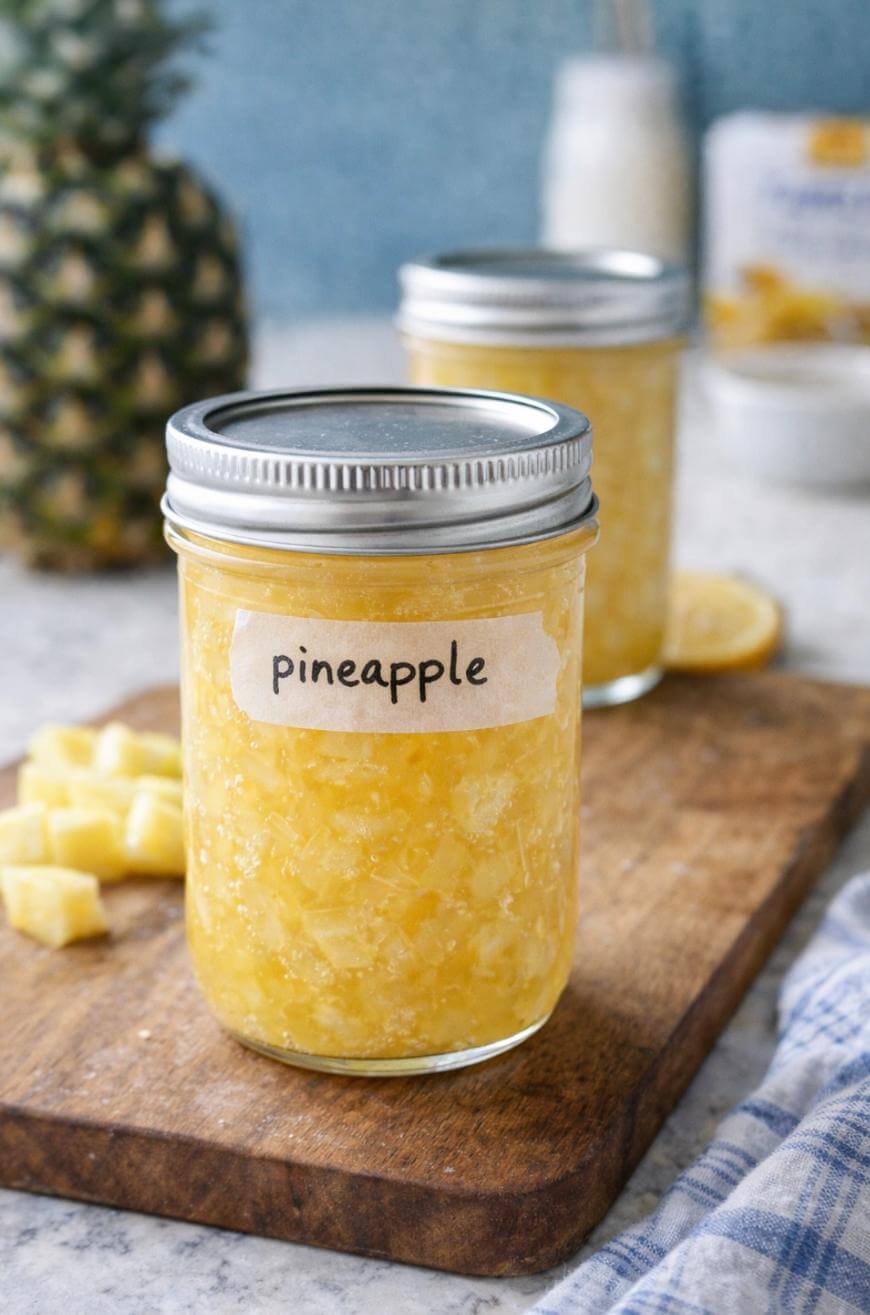
Freezer jam looks similar across flavors once it’s frozen. You should label each jar with the fruit, the date, and any special notes like “low sugar” or “extra lemon.”
A practical system is month/day on the lid plus fruit on the side. The upgrade is painter’s tape, which peels cleanly when the jar is empty.
13. Pick Containers That Match How You Actually Eat Jam
You’ll waste less if your jar size matches your habits. You should use 4 oz jars for occasional toast and 8 oz jars if you go through jam weekly.
If you routinely forget a jar in the back of the fridge, downsize. Smaller jars mean you finish them faster and keep flavor fresher.
14. Make Strawberry Your Baseline Control Batch
Best pectin: Standard powdered freezer-jam pectin.
Strawberry is the easiest flavor to evaluate because you already know what it should taste like. You should make one strawberry batch first using standard powdered pectin so you can judge sweetness, thickness, and set with the most predictable option.
Once you like that result, you can swap other fruits and keep the same process. A useful upgrade is adding 1–2 tablespoons lemon juice for brightness without making it sour.
15. Build A Mixed Berry Batch That Sets Reliably
Best pectin: Standard powdered freezer-jam pectin.
Mixed berry freezer jam is forgiving and usually sets well, so standard powdered pectin is typically the best fit. You should combine berries with similar water content, like strawberry, raspberry, and blueberry, for a balanced texture.
If you add very juicy berries, your jam can loosen. A smart adjustment is to keep your crushed fruit measurement exact and avoid adding extra juice from thawed fruit.
16. Make Peach Freezer Jam With A Texture Plan
Best pectin: Low-sugar (or “no/less sugar needed”) pectin.
Peaches can be delicate in flavor, and low-sugar pectin lets the peach taste stay forward without forcing a heavy sugar load. You should peel, crush, and measure carefully, aiming for a mix of small pieces and some pulp.
If peaches taste flat, don’t just add more sugar. A better upgrade is a splash of lemon juice and a tiny pinch of salt to make the flavor pop.
17. Try Mango Freezer Jam For A Dessert-Like Spread
Best pectin: Low-sugar pectin.
Mango is naturally sweet and can get cloying fast, so low-sugar pectin is usually the cleanest match. You should use fully ripe mango and crush to a smooth-but-not-liquid texture.
If mango still tastes too sweet, balance it with lime juice rather than cutting sugar in a standard pectin recipe. You’ll protect the set and improve the finish.
18. Use Raspberry For Big Flavor With Minimal Work
Best pectin: Standard powdered freezer-jam pectin.
Raspberry has strong natural flavor and tends to cooperate with classic powdered pectin. You should decide upfront if you want seeds, because straining changes yield and can affect how much crushed fruit you measure.
If you strain, measure again after straining so the ratio stays correct. The upgrade is keeping one “seed jar” for yogurt and making the rest toast-friendly.
19. Make Pineapple Freezer Jam With Extra Attention To Juiciness
Best pectin: Low-sugar pectin.
Pineapple can be very wet, so low-sugar pectin often performs better because it’s typically more forgiving with fruit character. You should drain excess juice after crushing, then measure the crushed fruit portion accurately.
If the texture still feels loose, the most reliable fix is reducing excess liquid and sticking to the pectin’s stated fruit measurement. Randomly adding more pectin usually creates gumminess instead of a better set.
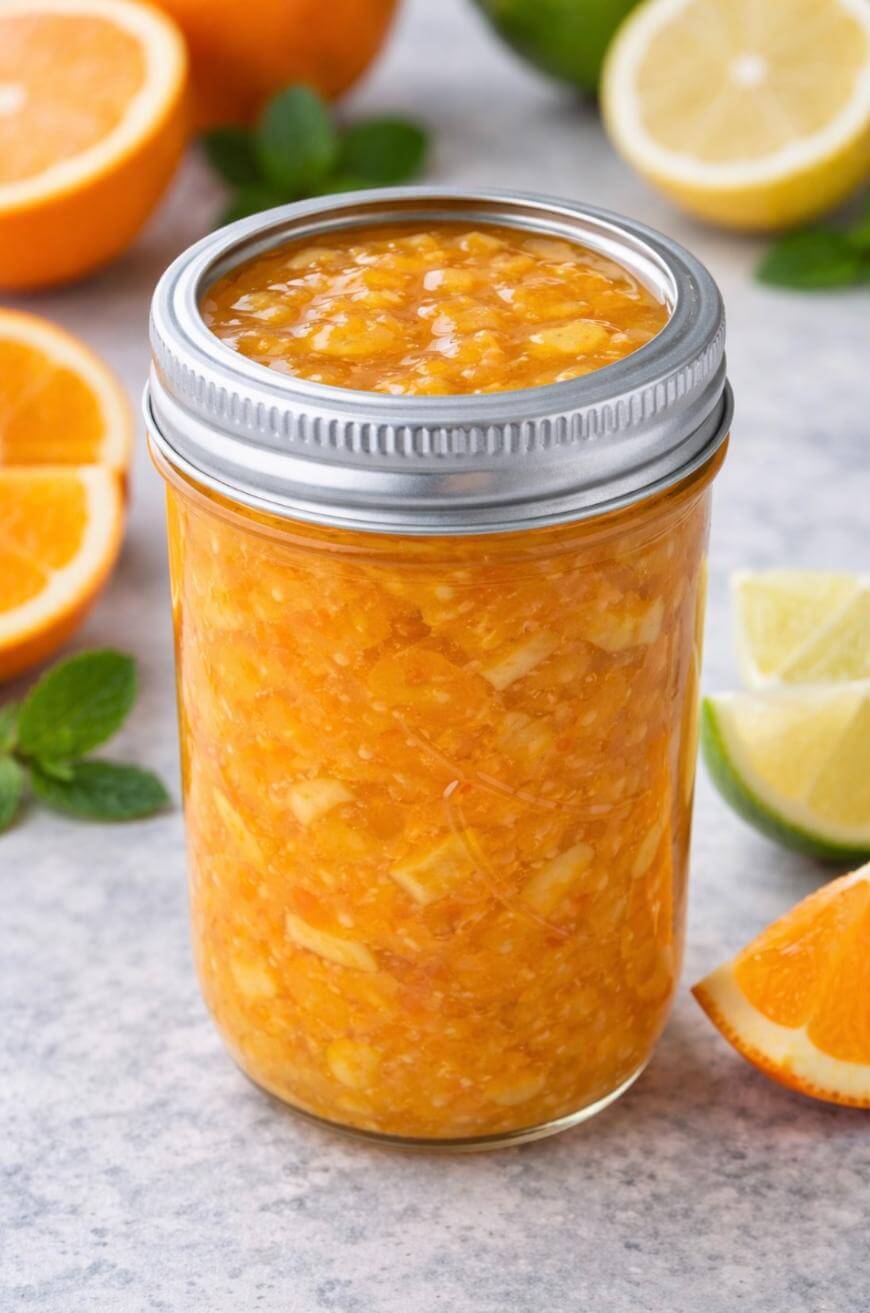
20. Do A Citrus Marmalade-Style Freezer Spread
Best pectin: Low-sugar pectin.
You can make a bright citrus-style spread without traditional canning, and low-sugar pectin helps it set without turning candy-sweet. You should use finely chopped citrus segments and include a controlled amount of zest for aroma.
If bitterness is too strong, reduce zest next time rather than adding extra sugar. Pairing citrus with strawberry can also make the flavor more familiar without changing your method.
21. Add Herbs Like Basil Or Mint Without Turning Bitter
Best pectin: Use the same pectin as the base fruit (standard powdered for most berry bases, low-sugar for mango, peach, pineapple, and citrus bases).
Herbs don’t need their own special pectin choice because they’re a small add-in, not the structure. You should choose pectin based on the fruit, then stir herbs in at the very end so they stay fresh and don’t turn bitter.
If you add too much, herbs can taste medicinal after a week in the fridge. A safer approach is steep-and-remove, where you let a sprig sit briefly, then pull it out before jarring.
22. Use Vanilla Or Cinnamon As A Background Note
You can make freezer jam taste bakery-like with a small, controlled spice note. You should add vanilla extract or a pinch of cinnamon at the very end so you can taste and stop before it overwhelms the fruit.
A practical numeric guideline is 1/4 teaspoon cinnamon per batch or 1/2 teaspoon vanilla extract per batch. If you go heavier, the jam can taste flat because the spice covers the fresh top notes.
23. Add Lemon Or Lime Zest For A Fresh “Top Note”
Zest adds aroma without watering down your set the way extra juice can. You should zest first, then add a small amount at the end and stir thoroughly.
A reliable range is 1/2 to 1 teaspoon of zest per batch, depending on how bold you want it. If zest tastes bitter, you likely grated too deep into the white pith, so go lighter next time.
24. Use A Pinch Of Salt To Make Fruit Taste Brighter
Salt doesn’t make jam salty when used correctly, but it can make fruit taste more like itself. You should add the tiniest pinch and stir well, then taste again before adding more.
A good target is 1/16 teaspoon per batch, which is basically a small pinch. The main mistake is adding “a pinch” with a heavy hand, so measure once and learn what it looks like.
25. Fix Watery Fruit Before You Blame The Pectin
Some fruit batches are simply wetter than others, especially thawed fruit. You should drain off obvious excess liquid after crushing, then measure the crushed fruit portion precisely.
If you keep the extra juice “because flavor,” you often pay for it with a soft set. A helpful upgrade is saving that juice for smoothies instead of forcing it into the jam.
26. Let The Jam Set At Room Temperature Before Freezing
Most freezer jam needs time to gel before it goes cold. You should let the filled jars sit at room temperature for about 24 hours, or for the time your pectin instructions specify.
If you freeze too early, you can lock in a looser texture and uneven set. The simple move is patience, because the set often improves dramatically overnight.
27. Thaw In The Fridge For The Best Texture
How you thaw affects texture just as much as how you mix. You should thaw jars in the fridge instead of on the counter to keep the gel stable.
A practical approach is moving one jar from freezer to fridge the night before you need it. If you repeatedly thaw and refreeze, you’ll often see weeping and separation.
28. Keep One “Test Jar” In The Fridge Before You Freeze The Rest
You’ll learn your set and sweetness faster if you taste a jar early. You should refrigerate one jar and check it after 12–24 hours, then adjust your next batch accordingly.
If it’s too sweet, your best correction is switching to low-sugar pectin next time, not randomly cutting sugar in the same formula. If it’s too loose, focus on measurement accuracy and fruit water content.
29. Use A Consistent Workflow So Every Batch Matches
Consistency is what turns freezer jam into a habit instead of a gamble. You should keep the same tools, the same container sizes, and the same order of operations every time.
A simple workflow is crush, measure, mix pectin exactly as directed, combine, stir for the full time, rest briefly, then jar with 1/2 inch headspace. The upgrade is writing your exact fruit ratio on the label so you can recreate favorites.
Key Takeaways
Exact measurements are the easiest way to get a dependable set.
Start with strawberry to calibrate sweetness and texture.
Measure crushed fruit, not whole fruit, for consistent results.
Leave about 1/2 inch headspace so jars freeze safely.
Use the best pectin type for the fruit you’re using.
Let jars set for about 24 hours before freezing for better texture.
FAQ
Can You Use Frozen Fruit For Freezer Jam?
Yes, you can use frozen fruit as long as you thaw it fully and measure after crushing. Drain obvious excess liquid so the fruit measurement stays true. Keep your pectin type matched to the instructions you’re following.
How Long Does Freezer Jam Last?
It typically lasts about 3–4 weeks in the fridge and up to 1 year in the freezer. Flavor stays best when you freeze quickly and avoid repeated thawing. Smaller jars help you finish an open jar faster.
Why Didn’t My Freezer Jam Set?
It usually didn’t set because measurements were off, fruit was too watery, or the pectin type didn’t match the method. Stirring less than the required time can also cause separation. Prevention is easier than fixing, so measure crushed fruit and follow the pectin directions exactly.
Can You Reduce The Sugar?
Yes, but only if you use a low-sugar pectin made for that purpose. Cutting sugar in a standard pectin formula often leads to runny jam. If you want less sweetness, use low-sugar pectin and balance flavor with lemon or lime.
This post contains affiliate links. A full disclosure is available from the main menu.