Last updated: September 11, 2026
Pumpkin risotto turns a simple pot of arborio rice into one of the coziest dinners of fall, and you will love how the sweetness of roasted pumpkin plays against salty parmesan and toasted sage.
Down below you will find a printable recipe card with exact measurements and step-by-step timing, but this post walks you through the whole process first so you understand exactly why each step matters.
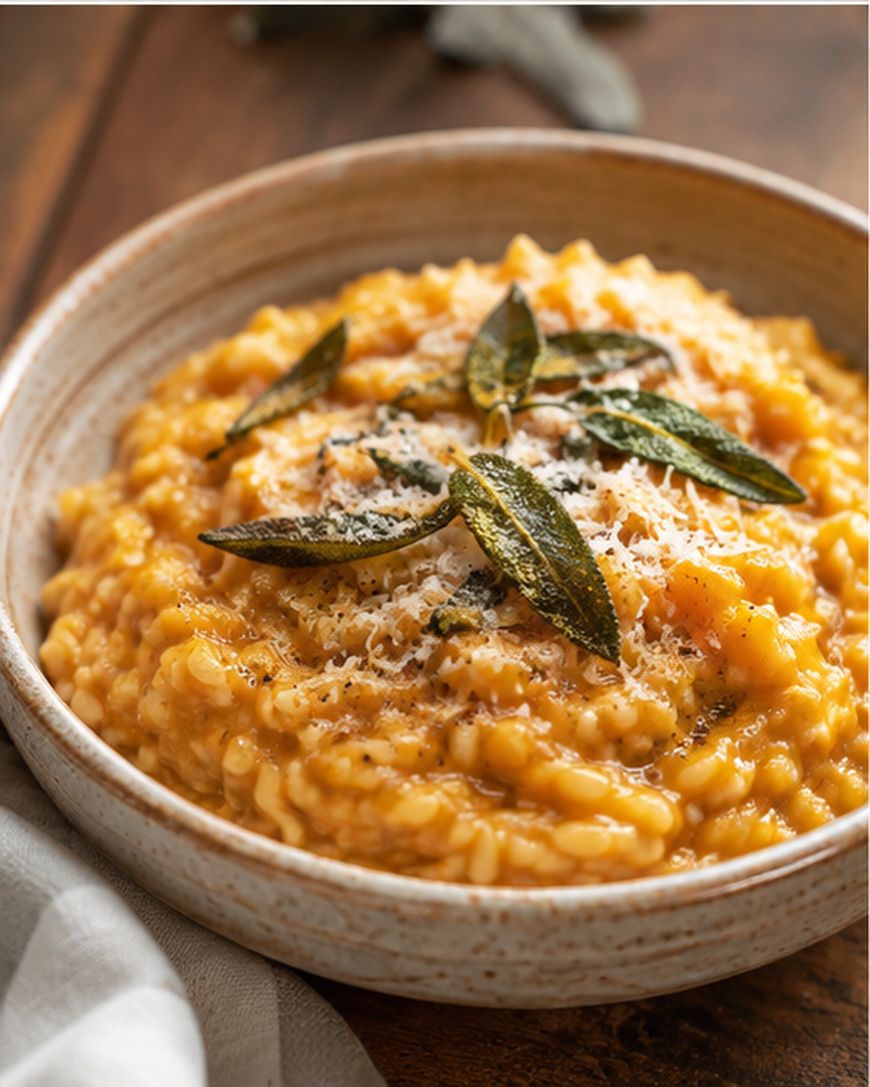
Why Pumpkin Risotto Works So Well
Pumpkin risotto succeeds because pumpkin puree and arborio rice share a similar starchy creaminess, so the two ingredients blend into a single velvety texture rather than sitting apart on the plate.
Arborio rice, grown mainly in Italy’s Po Valley, carries a high amount of amylopectin starch that releases slowly as you stir, which is the real engine behind risotto’s signature creaminess.
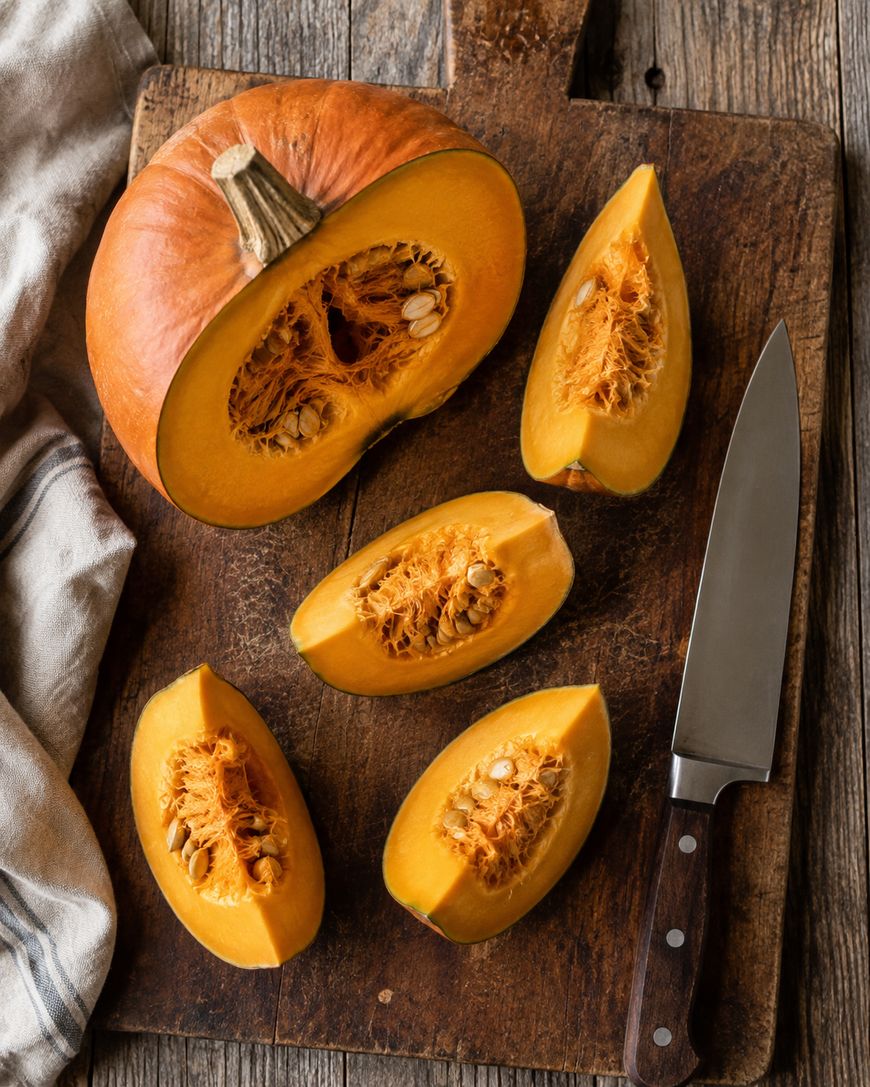
Kabocha or sugar pumpkin works best here because their flesh is drier and sweeter than a jack-o’-lantern carving pumpkin, so the flavor stays concentrated instead of watery.
The Core Ingredients
You will need arborio or carnaroli rice, roasted pumpkin puree, warm vegetable or chicken stock, a dry white wine such as pinot grigio, a shallot, garlic, unsalted butter, parmigiano reggiano, fresh sage, and a pinch of nutmeg.
Carnaroli rice holds its shape slightly better than arborio under long stirring, so if your grocery store carries it, it makes a fine substitute without changing the method at all.
Using vegetable stock instead of chicken stock keeps the dish vegetarian while still delivering a savory backbone that plain water cannot provide.
Roasting the Pumpkin First
Roasting your own pumpkin instead of relying solely on canned puree gives the risotto a deeper, caramelized sweetness that canned pumpkin alone cannot replicate.
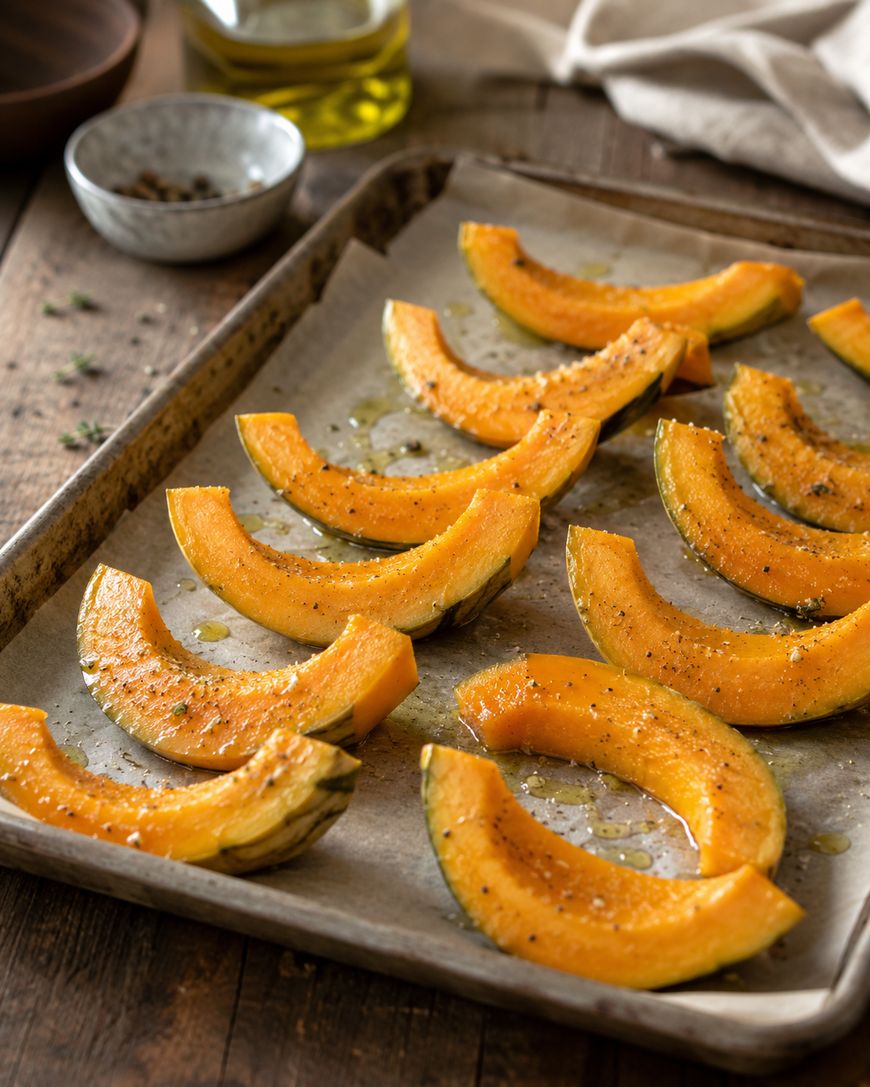
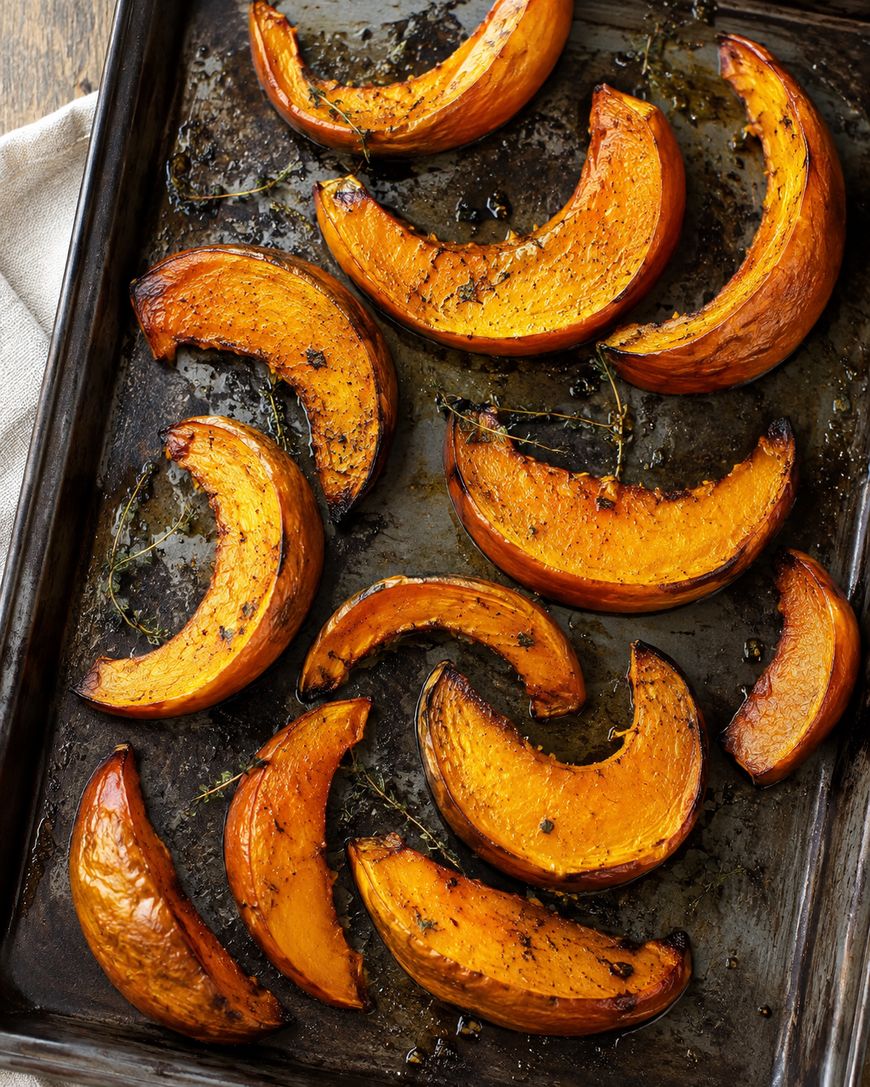
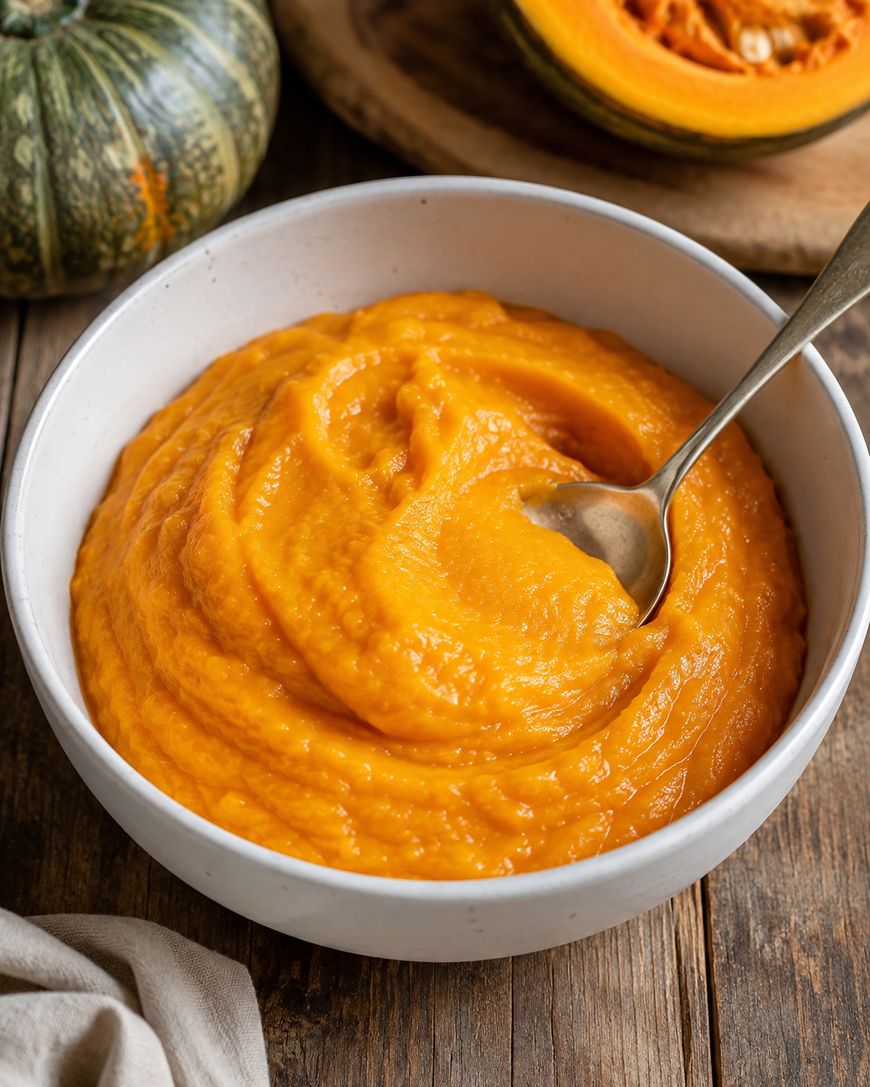
Cut a small sugar pumpkin into wedges, toss it with olive oil, salt, and pepper, and roast it at 400°F for about 35 to 40 minutes until a fork slides through the flesh easily.
Once the wedges cool slightly, scoop the flesh away from the skin and mash it smooth, or pulse it briefly in a food processor if you want a silkier puree.
Building the Risotto Base
Melt butter in a wide, heavy-bottomed pot and cook the diced shallot over medium heat until it turns translucent, which usually takes about three to four minutes.
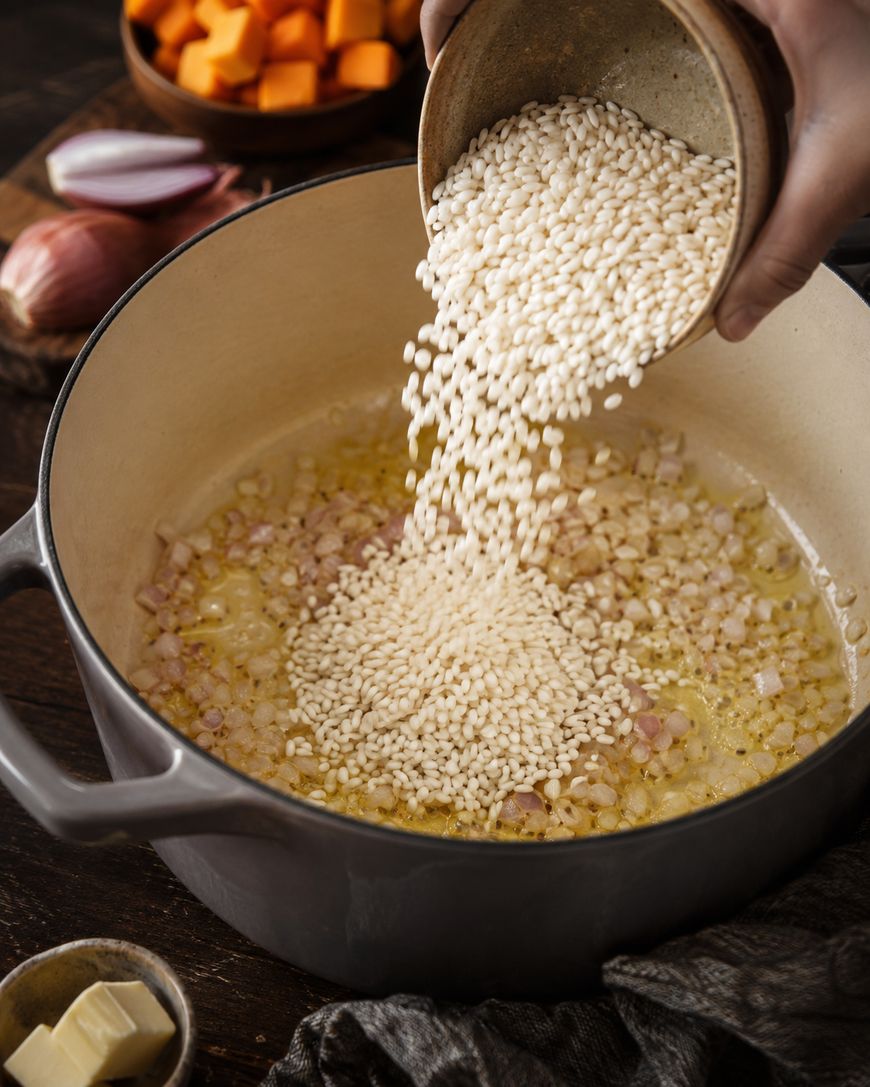
Add the minced garlic and toast it for thirty seconds until fragrant, then stir in the arborio rice and let it toast in the butter for a full two minutes so each grain becomes coated and slightly translucent at the edges.
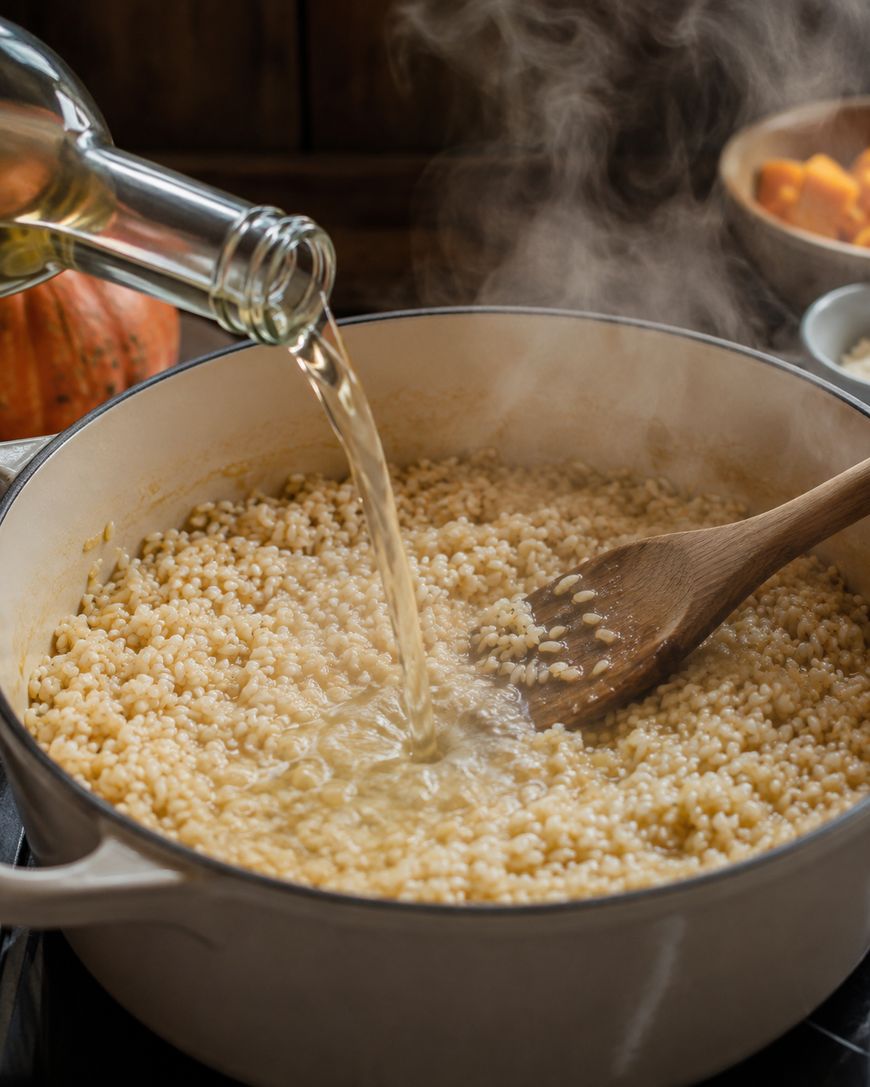
Pour in the white wine and stir constantly until the liquid fully absorbs, which deglazes the pot and adds a subtle acidity that balances the pumpkin’s sweetness.
The Stirring Method
Warm your stock in a separate saucepan before you start ladling, since adding cold stock to the rice shocks the starches and slows the whole process down considerably.
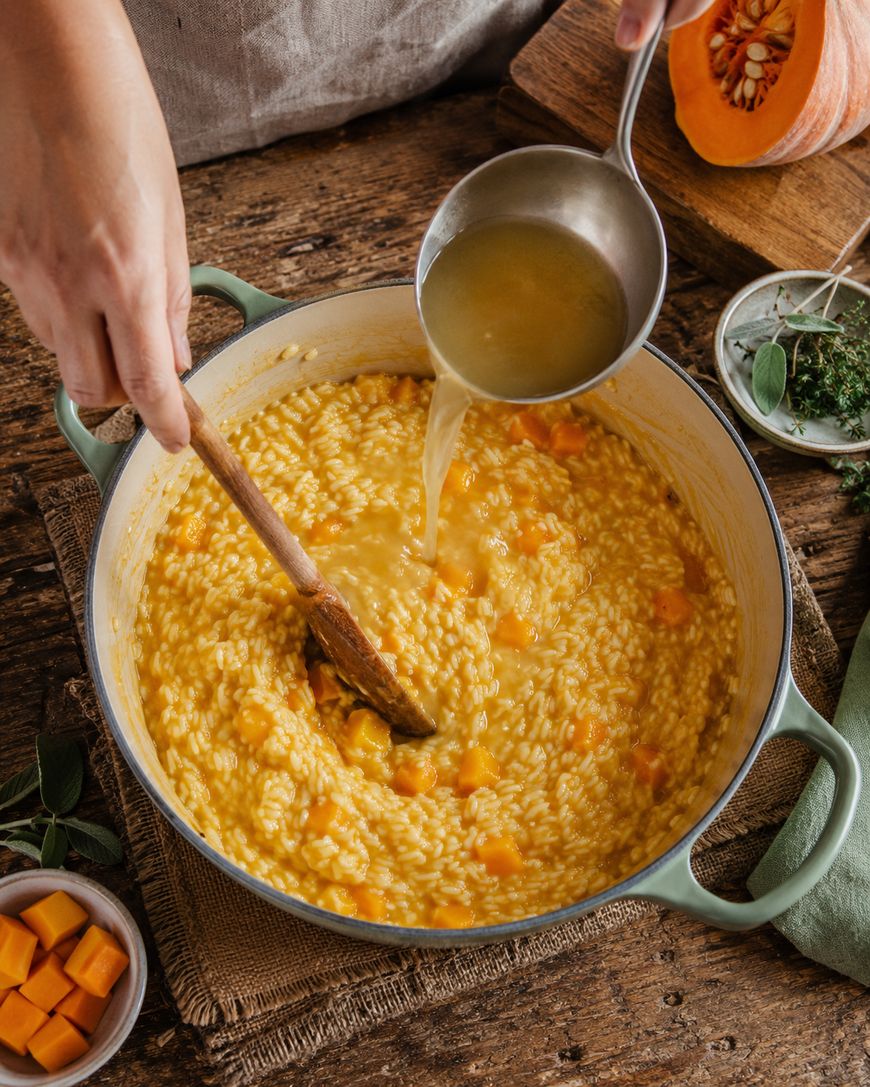
Add the warm stock one ladle at a time, stirring frequently and waiting until each addition is nearly absorbed before pouring in the next, which typically takes 18 to 22 minutes total.
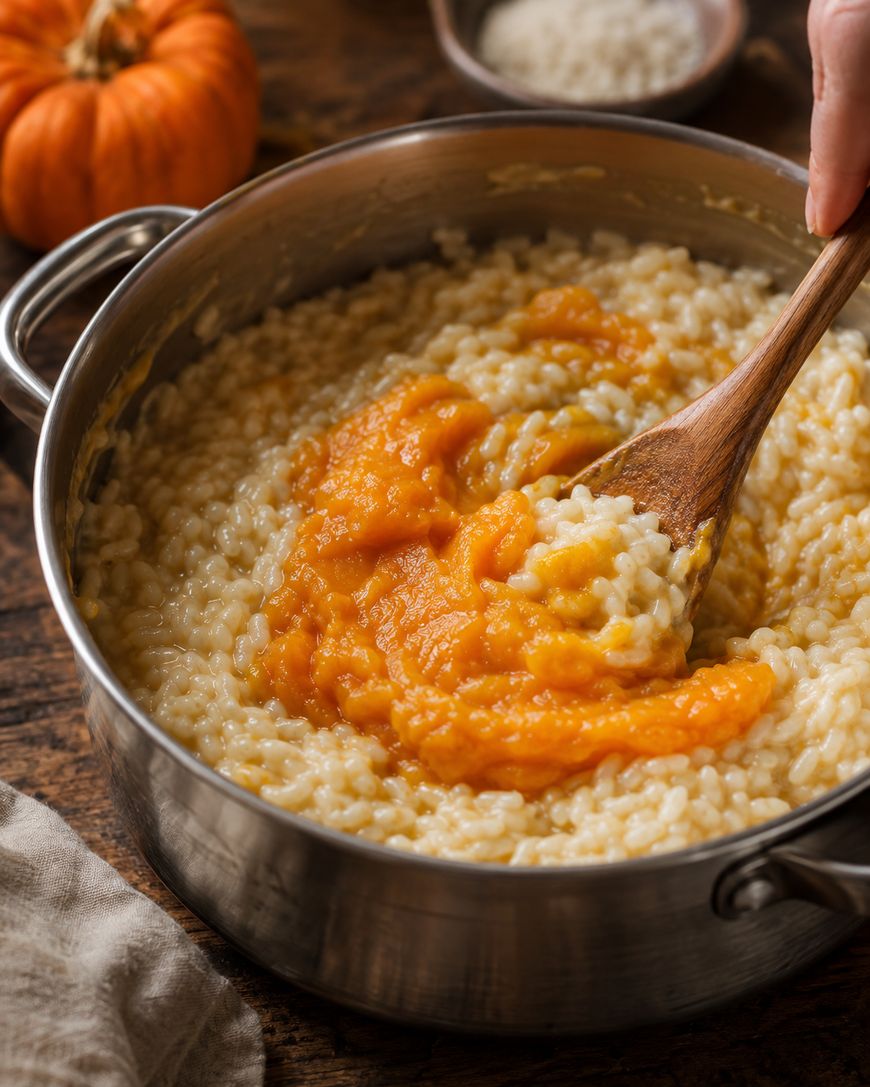
Stir in the roasted pumpkin puree during the last five minutes of cooking so its flavor stays bright rather than muting from prolonged simmering.
Finishing the Dish
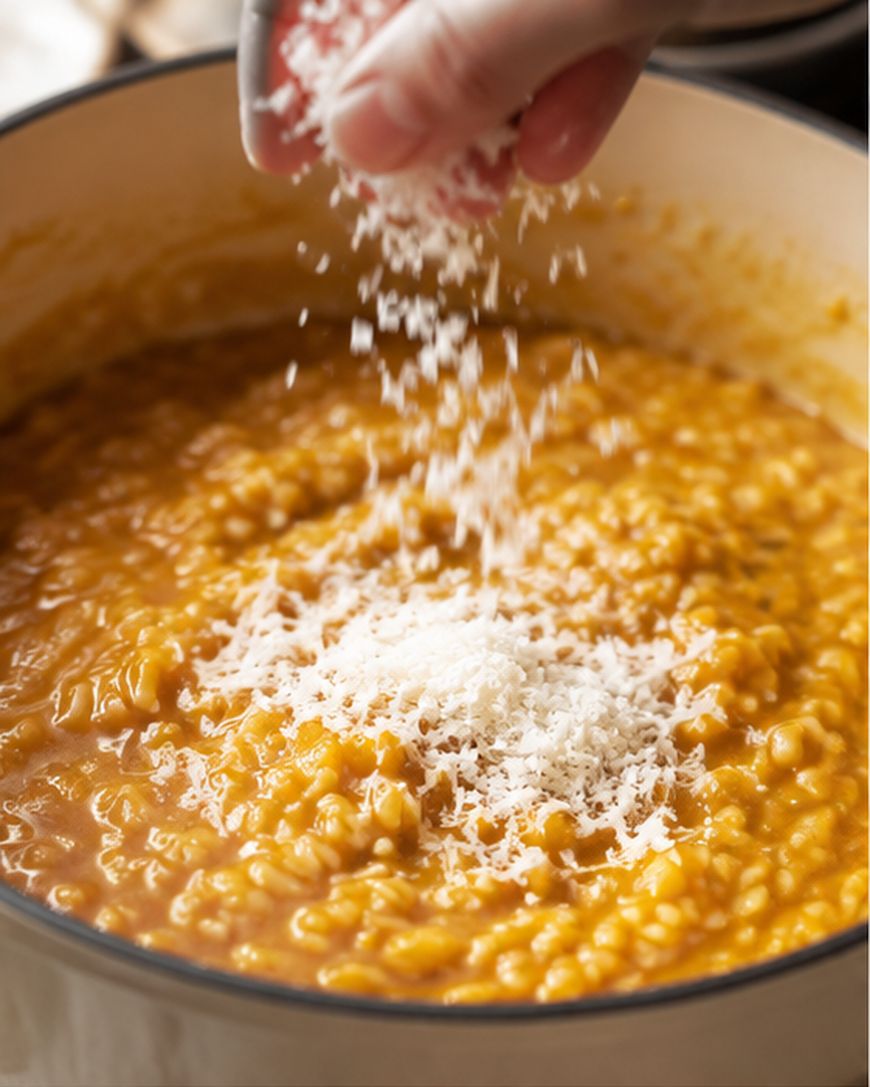
Once the rice reaches a creamy, just-tender texture with a slight bite in the center, remove the pot from heat and stir in a final knob of butter along with the grated parmigiano reggiano.
This final step is called mantecatura in Italian cooking, and it is what gives risotto its glossy, spoonable finish rather than a dry, clumped texture.
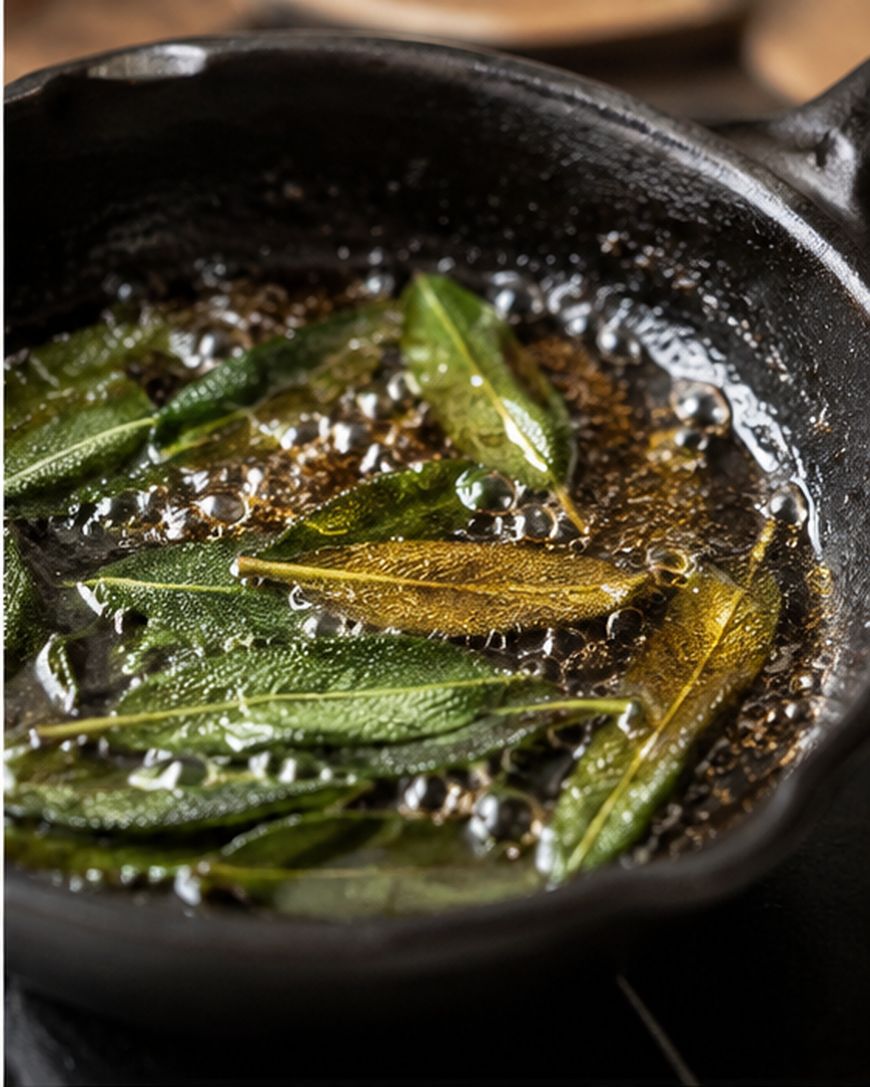
Season with a pinch of freshly grated nutmeg and finish with crispy fried sage leaves on top for a fragrant, slightly crunchy contrast.
Variations and Substitutions
Butternut squash puree makes an easy substitute if pumpkin is out of season, and it delivers a very similar sweetness and texture without any other changes to the method.
For a dairy-free version, swap the butter for olive oil and use a good quality nutritional yeast in place of the parmesan, keeping the stock vegetable-based.
Toasted pepitas or crumbled amaretti cookies scattered on top add a pleasant crunch if you want extra texture beyond the fried sage.
Storage and Reheating
Store leftover risotto in an airtight container in the refrigerator for up to three days. Spread it out to cool quickly and get it into the fridge within an hour, then reheat it once until steaming — cooked rice left warm is a Bacillus cereus risk, since the rice continues to absorb liquid and will thicken considerably as it cools.
Reheat gently on the stovetop with a splash of extra stock or water, stirring until the risotto loosens back to its original creamy consistency.
Risotto does not freeze particularly well because the rice’s texture turns grainy once thawed, so it is best enjoyed fresh or within a few days.
Serving Suggestions
Pumpkin risotto pairs beautifully with a simple arugula salad dressed in lemon and olive oil, since the peppery greens cut through the dish’s richness.
Serve it alongside roasted chicken thighs or seared scallops for a heartier fall dinner, or keep it vegetarian with a side of garlicky sautéed greens.
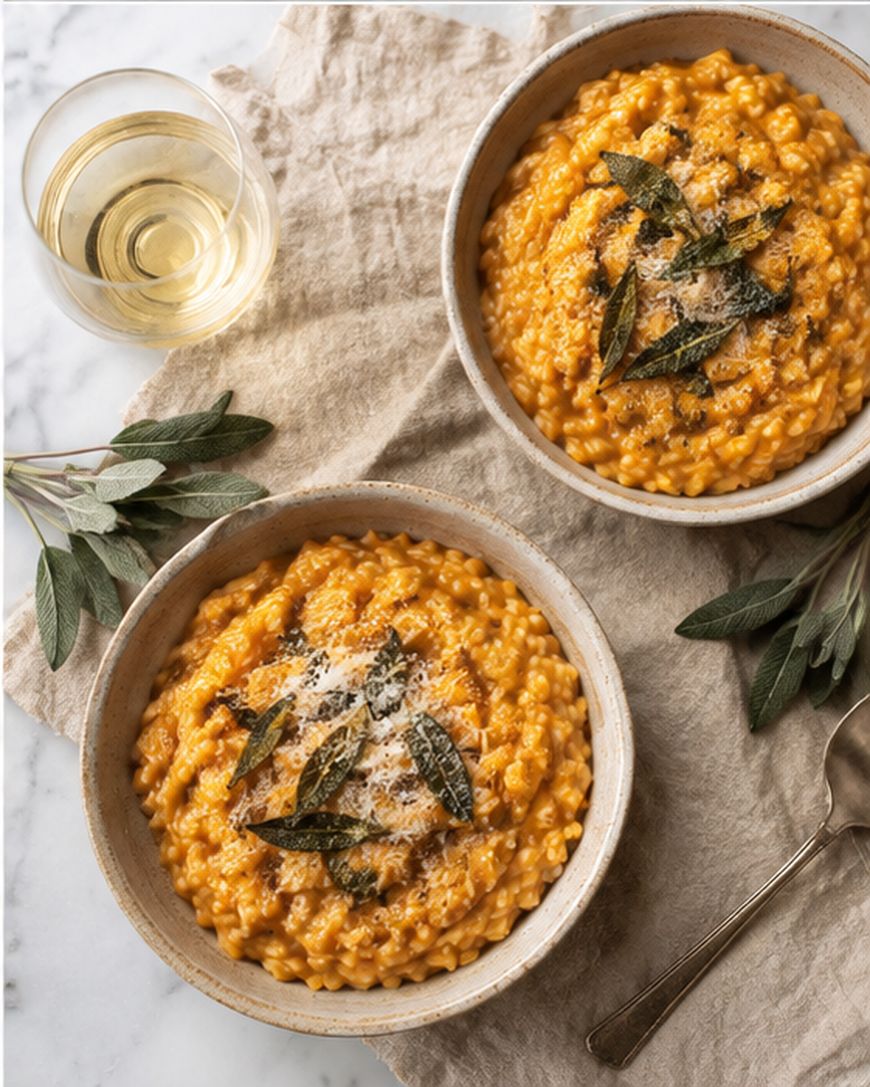
A crisp glass of the same pinot grigio you cooked with makes a natural pairing at the table.
Where Pumpkin Risotto Comes From
Risotto itself traces back to northern Italy, particularly the rice-growing regions of Lombardy and Piedmont, where arborio rice has been cultivated since the sixteenth century.
Pumpkin and squash preparations have long been part of northern Italian autumn cooking, especially around Mantua, where pumpkin-filled tortelli is a beloved regional specialty.
Combining pumpkin with risotto is a natural extension of that same seasonal pantry, marrying the region’s classic rice dish with its favorite fall vegetable.
Ready to bring it all together? Use the recipe card below for the exact ingredient amounts and step-by-step instructions.
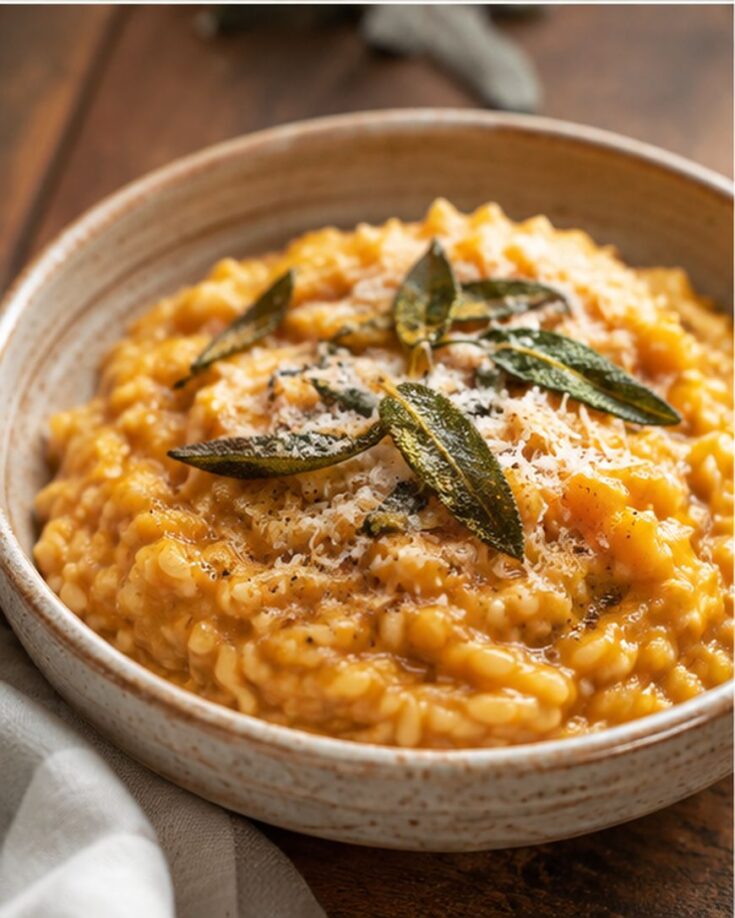
Pumpkin Risotto
Creamy arborio rice simmered with roasted pumpkin puree, white wine, and parmesan, finished with crispy fried sage for a cozy fall dinner.
Ingredients
- 1 small sugar pumpkin, about 2 pounds
- 2 tablespoons olive oil, divided
- Salt and pepper, to taste
- 6 cups vegetable stock
- 4 tablespoons unsalted butter, divided
- 1 small shallot, finely diced
- 2 cloves garlic, minced
- 1 1/2 cups arborio rice
- 1/2 cup dry white wine
- 3/4 cup grated parmigiano reggiano
- 1/4 teaspoon ground nutmeg
- 12 fresh sage leaves
Instructions
- Preheat the oven to 400°F. Cut the pumpkin into wedges, remove the seeds, toss with 1 tablespoon olive oil, salt, and pepper, and roast for 35 to 40 minutes until tender.
- Once cool enough to handle, scoop the flesh from the skin and mash until smooth. Set aside.
- Warm the vegetable stock in a saucepan over low heat and keep it at a gentle simmer.
- In a wide, heavy-bottomed pot, melt 2 tablespoons of the butter over medium heat and cook the shallot until translucent, about 3 to 4 minutes.
- Add the garlic and cook for 30 seconds until fragrant.
- Stir in the arborio rice and toast for 2 minutes, coating each grain in the butter.
- Pour in the white wine and stir until fully absorbed.
- Add the warm stock one ladle at a time, stirring frequently and letting each addition absorb before adding the next, for about 18 to 22 minutes total.
- Stir in the roasted pumpkin puree during the last 5 minutes of cooking.
- Remove from heat and stir in the remaining 2 tablespoons butter and the parmigiano reggiano until glossy and creamy.
- Season with nutmeg and additional salt and pepper to taste.
- In a small skillet, heat the remaining 1 tablespoon olive oil over medium heat and fry the sage leaves for about 30 seconds per side until crisp.
- Divide the risotto among bowls and top with the crispy fried sage leaves.
Notes
For a dairy-free version, substitute olive oil for the butter and nutritional yeast for the parmesan.
Nutrition Information:
Yield:
4Serving Size:
about 1 1/4 cupsAmount Per Serving: Calories: 410Total Fat: 15gSaturated Fat: 7gSodium: 780mgCarbohydrates: 55gFiber: 4gSugar: 4gProtein: 11g
This site provides estimated nutritional information. This information comes from online calculators. Although we try to provide accurate nutritional information, these figures are only estimates.
Pumpkin Risotto Questions
Can I use canned pumpkin instead of roasting my own?
Yes, canned pumpkin puree works in a pinch, though roasting your own sugar pumpkin gives a deeper, more caramelized flavor.
Just make sure you use plain pumpkin puree and not pumpkin pie filling, which contains added sugar and spices.
What rice works best for pumpkin risotto?
Arborio rice is the most widely available option and works wonderfully, though carnaroli rice holds its structure slightly better if you can find it.
Avoid long-grain rice varieties, since they lack the starch content needed to create risotto’s signature creamy texture.
Can I make pumpkin risotto ahead of time?
Risotto is best made fresh, but you can par-cook it about seventy-five percent of the way, spread it on a sheet pan to cool, then finish it with the remaining stock right before serving.
This restaurant technique lets you get most of the stirring done in advance without sacrificing texture.
Is pumpkin risotto gluten free?
Yes, arborio rice and the other core ingredients are naturally gluten free, though you should double check that your stock and any add-ins do not contain hidden gluten.
How do I keep the risotto from turning gluey?
Stir frequently but not constantly, and make sure you are adding warm stock gradually rather than dumping it all in at once.
Removing the pot from heat while the rice still has a slight bite also prevents overcooking, since the residual heat continues to soften the grains.
Can I add protein to this dish?
Yes, pan-seared shrimp, crispy pancetta, or shredded rotisserie chicken all work well stirred into the finished risotto.
For a vegetarian protein boost, toasted chickpeas or white beans folded in at the end add substance without overpowering the pumpkin flavor.
Wrapping Up
Pumpkin risotto is the kind of dish that turns an ordinary weeknight into something worth slowing down for, and once you get the rhythm of stirring and ladling, you will find yourself making it all season long.