Last updated: June 18, 2026
If you’ve been overlooking pumpkin seeds, you’re leaving one of nature’s most powerful little superfoods on the table. The benefits of pumpkin seeds go far beyond a seasonal snack—they pack an impressive punch of nutrients that support your heart, sleep, immune system, and more.
In this post, we’re breaking down exactly what pumpkin seeds can do for your health, how much you should eat, and the easiest ways to work them into your everyday routine.
What Makes Pumpkin Seeds So Nutritious?
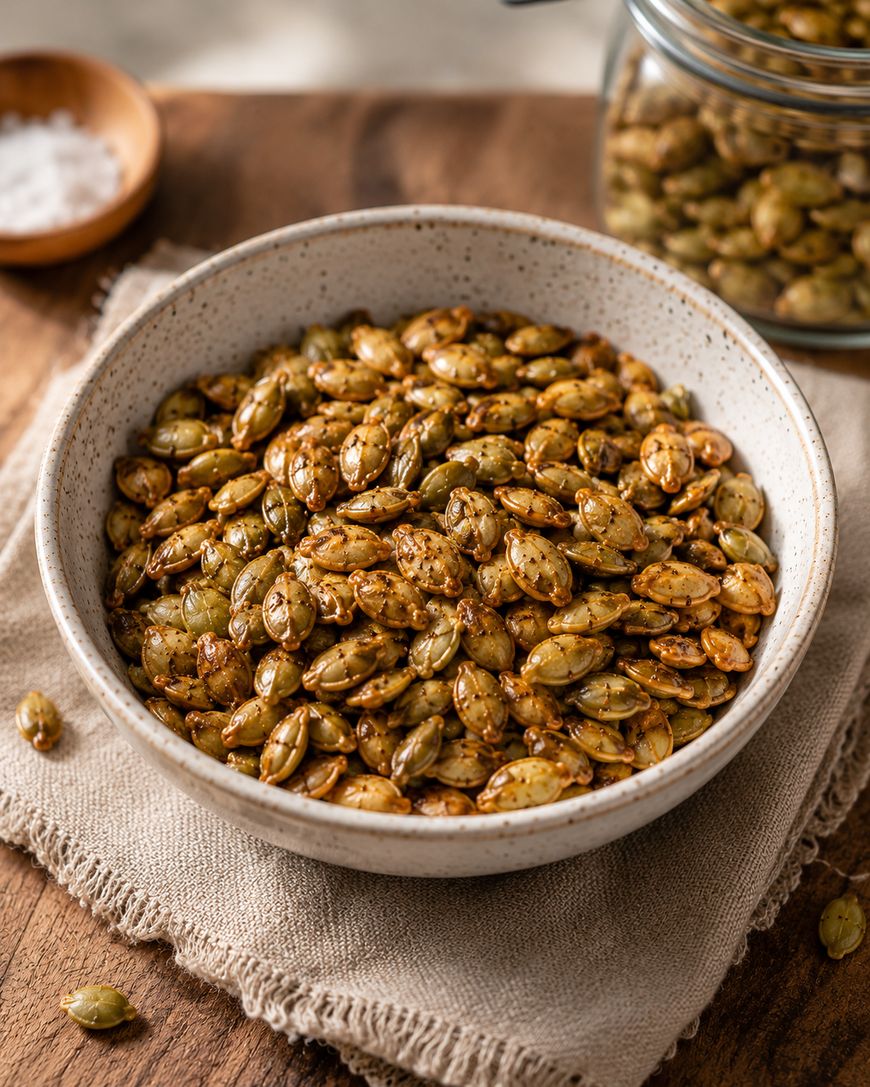
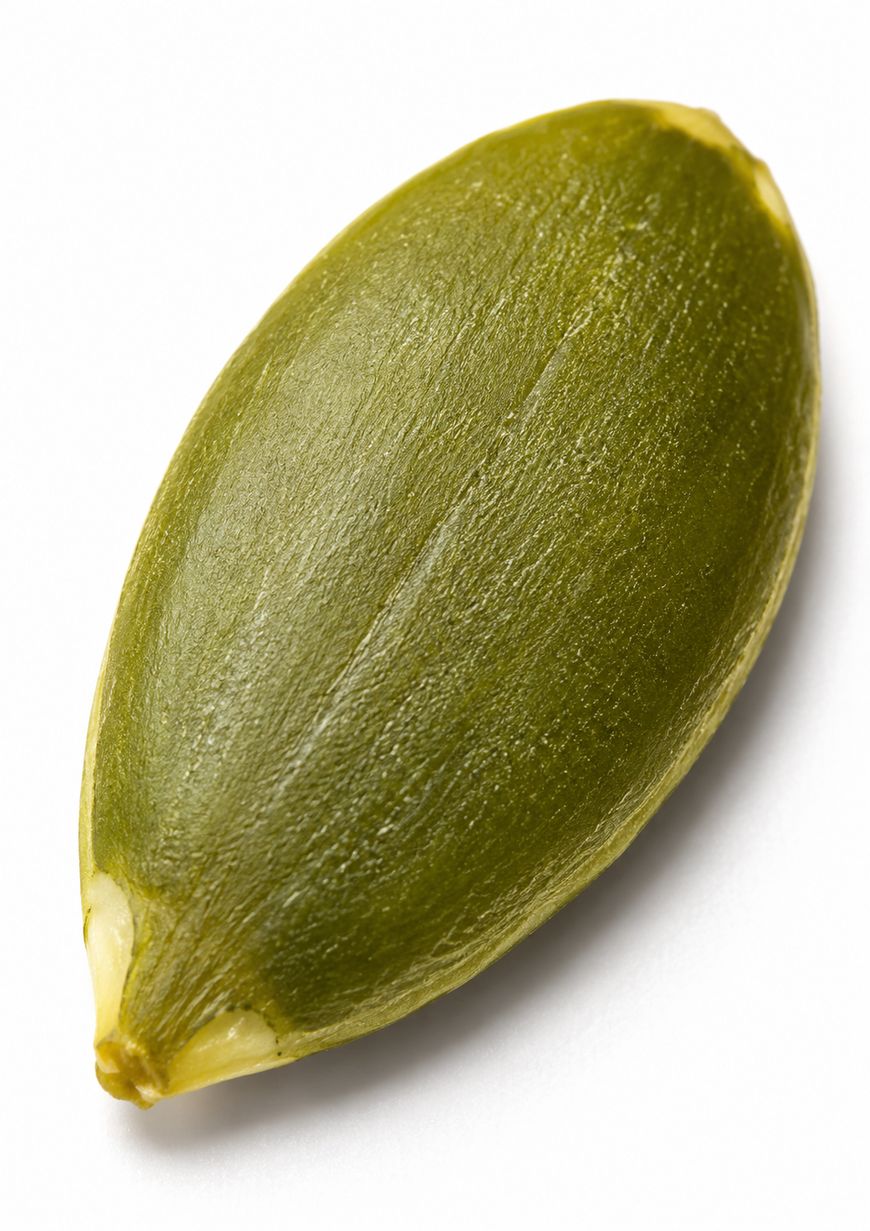
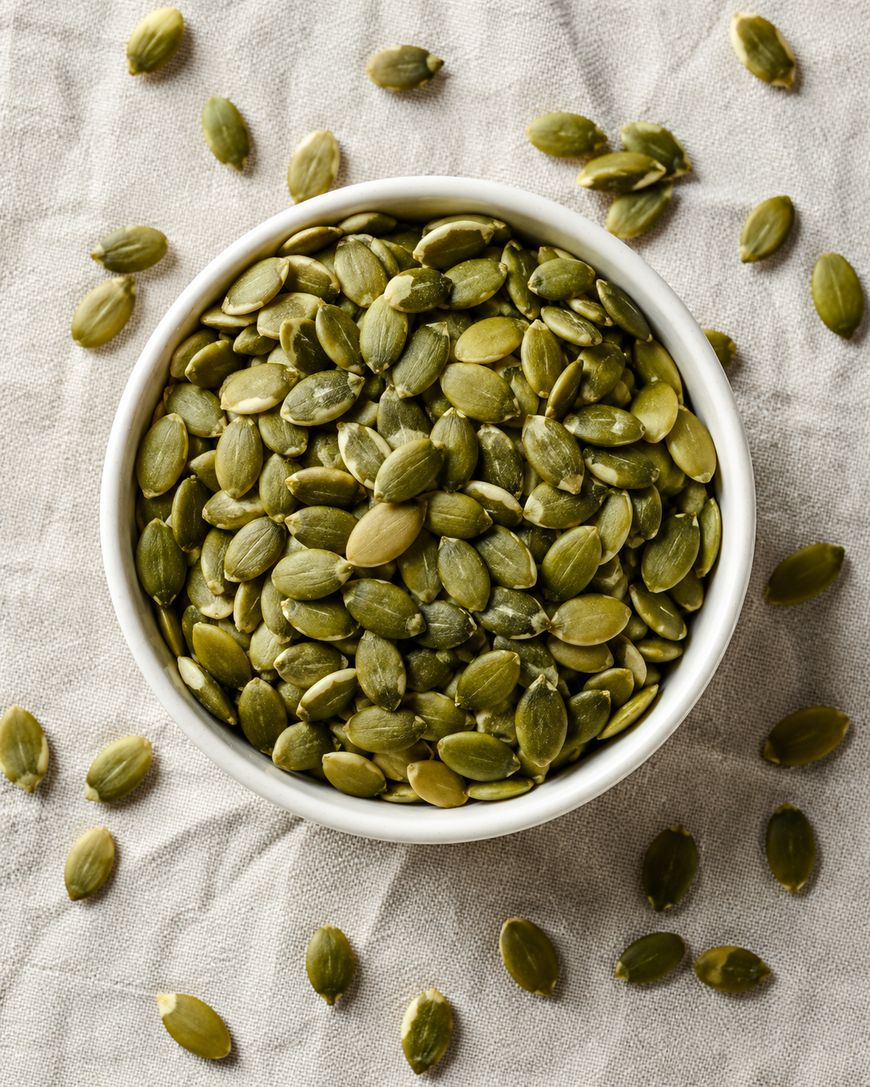
Pumpkin seeds, also called pepitas, are the edible seeds of the pumpkin plant. They are small, flat, and oval-shaped—and they’re loaded with some of the most important nutrients your body needs to function well.
A one-ounce serving (about a quarter cup) of pumpkin seeds delivers roughly 9 grams of protein, 5 grams of fiber, and healthy amounts of magnesium, zinc, iron, and manganese. They also contain antioxidants including vitamin E and carotenoids, which help protect your cells from damage caused by free radicals.
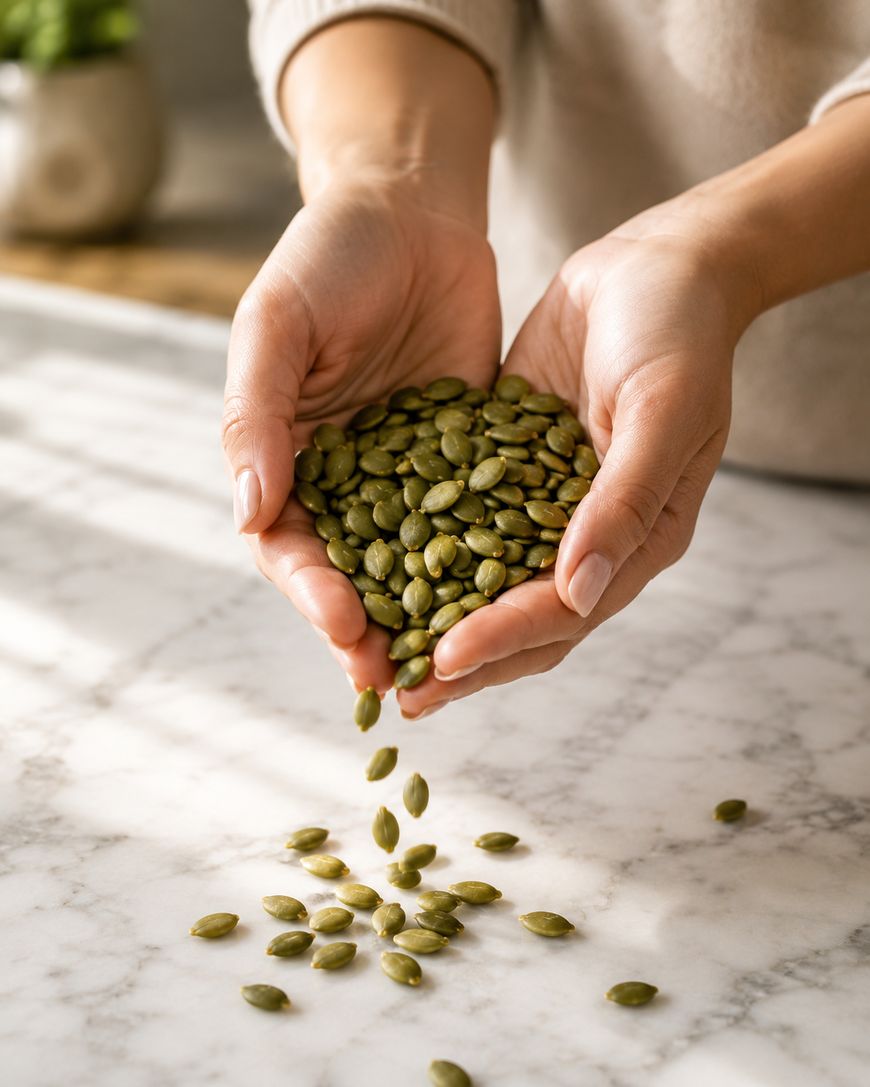
What’s particularly impressive is how nutrient-dense they are for their size. You’re getting a concentrated dose of both macronutrients and micronutrients in just a small handful, making them one of the most efficient whole foods you can add to your diet.
Pumpkin seeds are also a good source of plant-based omega-3 fatty acids, specifically alpha-linolenic acid (ALA). While ALA is not as bioavailable as the omega-3s found in fatty fish, it still contributes to reducing inflammation and supporting cardiovascular health.
Pumpkin Seeds Benefits for Heart Health
One of the most well-documented pumpkin seeds benefits is their positive effect on heart health. The seeds are rich in magnesium, a mineral that plays a central role in regulating blood pressure and maintaining a steady heart rhythm.
Studies have shown that diets high in magnesium are associated with a lower risk of heart disease and stroke. Many people in the United States don’t get enough magnesium from food alone, making pumpkin seeds a practical and delicious way to close that gap.
The healthy fats in pumpkin seeds—primarily monounsaturated and polyunsaturated fats—also support healthy cholesterol levels. These fats help raise HDL (good) cholesterol while reducing LDL (bad) cholesterol, which can lower your risk of developing arterial plaque over time.
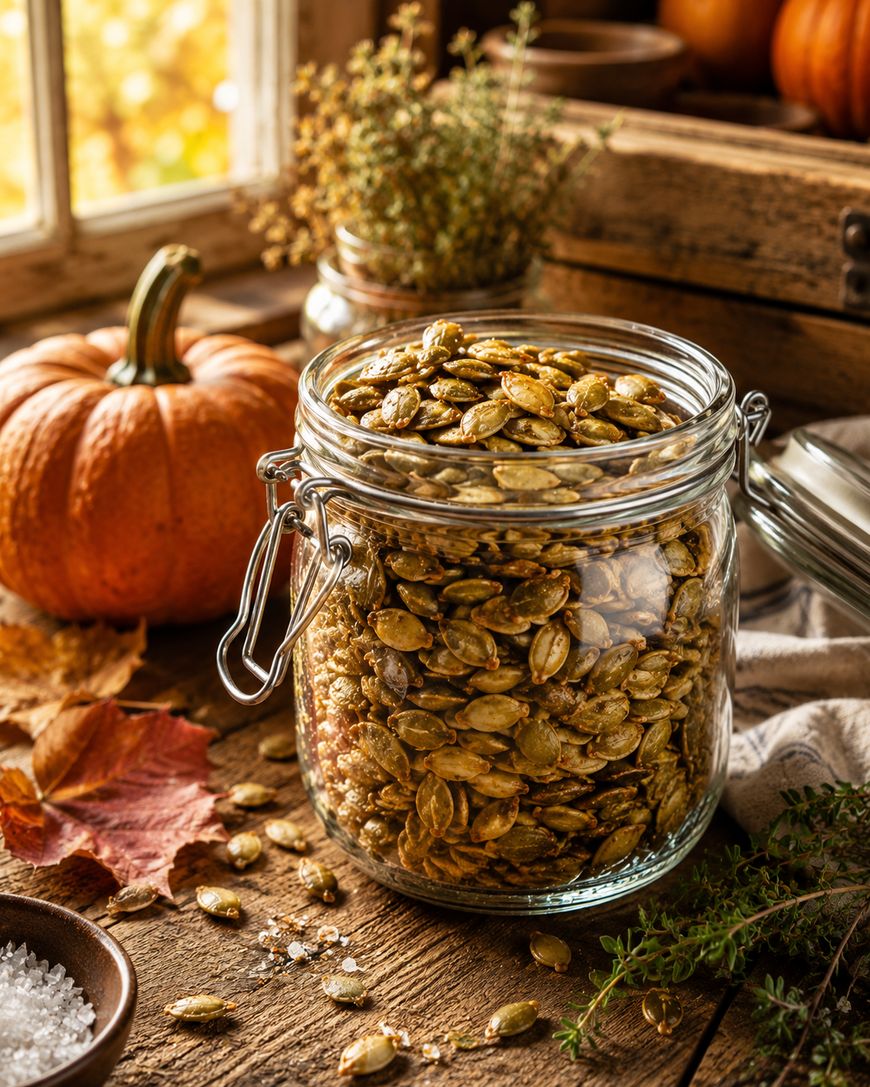
Pumpkin seeds also contain phytosterols, plant compounds that are structurally similar to cholesterol. Phytosterols compete with dietary cholesterol for absorption in the gut, which means eating them regularly may help keep your total cholesterol levels in a healthier range. Pairing them with a balanced diet rich in vegetables and whole grains amplifies these cardiovascular benefits significantly.
How Pumpkin Seeds Support Better Sleep
If you struggle with getting restful sleep, pumpkin seeds might be one of the most natural remedies worth trying. They are one of the best whole-food sources of tryptophan, an amino acid that your body uses to produce serotonin and melatonin—the hormones responsible for regulating sleep.
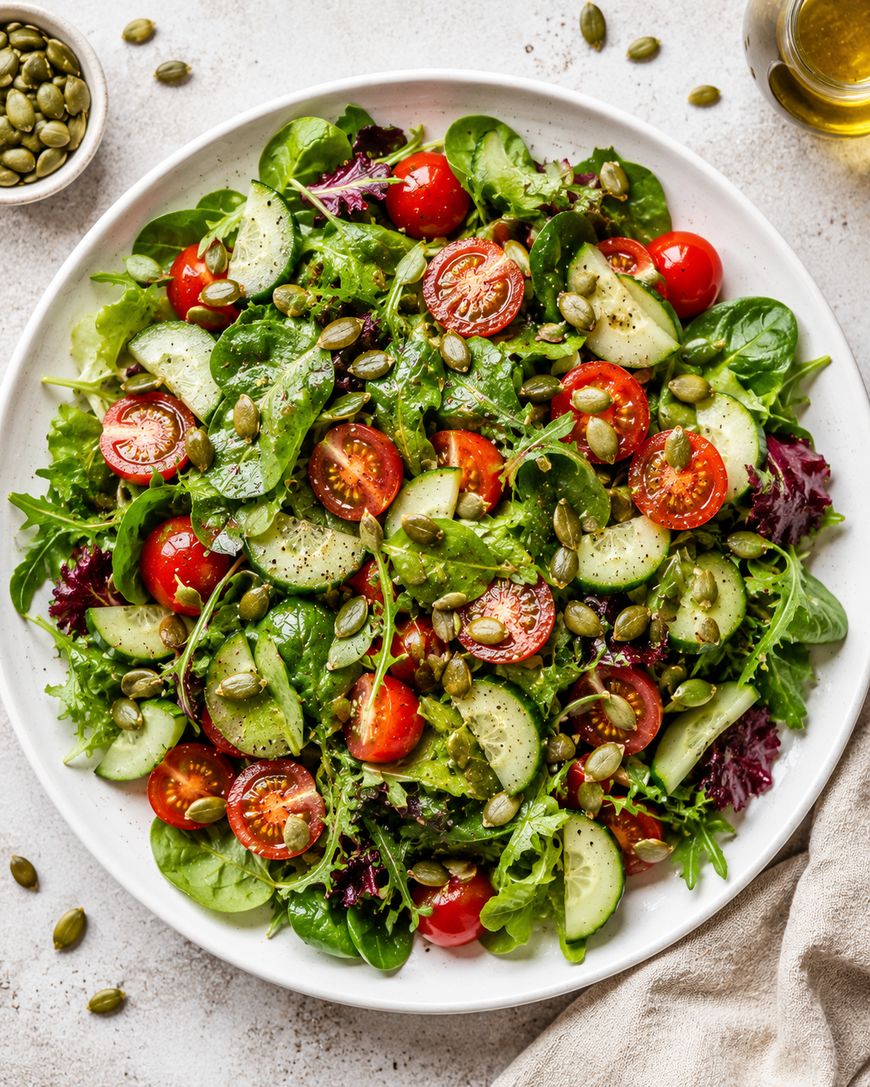
Eating pumpkin seeds a few hours before bedtime, especially when paired with a small amount of carbohydrates, can help your body convert tryptophan into melatonin more efficiently. This is because carbohydrates stimulate insulin release, which helps tryptophan cross the blood-brain barrier more easily.
The magnesium in pumpkin seeds adds another layer of sleep support. Magnesium activates the parasympathetic nervous system, the part of your body responsible for promoting calm and relaxation. Low magnesium levels are frequently linked to insomnia and poor sleep quality, so increasing your intake through food sources like pumpkin seeds can make a meaningful difference.
You don’t need a large amount to benefit. A small handful of pumpkin seeds in the evening, perhaps sprinkled over a yogurt or eaten with a piece of fruit, is enough to start experiencing these effects over time.
Pumpkin Seeds Benefits for Immune Function
Your immune system depends on a steady supply of zinc to function properly, and pumpkin seeds are one of the richest plant-based sources of this essential mineral. Zinc plays a key role in immune cell development, inflammatory response, and wound healing.
A single ounce of pumpkin seeds provides roughly 2 to 3 milligrams of zinc, which is a meaningful contribution toward the recommended daily intake of 8 milligrams for women and 11 milligrams for men. People who are zinc-deficient often experience more frequent infections and slower recovery times, so maintaining adequate levels is critical.
Beyond zinc, the antioxidants in pumpkin seeds—particularly vitamin E—help neutralize oxidative stress that can weaken immune defenses. Chronic oxidative stress has been linked to a range of health problems, from accelerated aging to increased susceptibility to illness.
The seeds’ anti-inflammatory properties are another reason they support immune health. Chronic low-grade inflammation is at the root of many modern diseases, and the combination of healthy fats, antioxidants, and minerals in pumpkin seeds works together to keep that inflammation in check.
Pumpkin Seeds and Blood Sugar Balance
For anyone managing blood sugar levels—whether you have diabetes, prediabetes, or simply want to avoid energy crashes throughout the day—pumpkin seeds are a smart snack choice. They have a low glycemic index, meaning they don’t cause rapid spikes in blood sugar after eating.
The high fiber and protein content in pumpkin seeds slows digestion and promotes a gradual, steady release of glucose into the bloodstream. This helps you maintain more consistent energy levels and avoid the afternoon slumps that come with high-sugar snacks.
Research has also suggested that pumpkin seed oil may have hypoglycemic effects, meaning it could help lower blood sugar levels. While most studies have focused on the oil rather than the whole seed, the nutrient profile of whole pumpkin seeds supports these findings in a general sense.
Snacking on pumpkin seeds between meals is an especially useful strategy for blood sugar management. Their combination of protein, fiber, and healthy fat provides satiety without spiking glucose, which can also help reduce overall calorie intake by keeping cravings at bay.
Pumpkin Seeds Benefits for Prostate and Bladder Health
Pumpkin seeds have a long traditional history of use for men’s urinary and prostate health, and modern research is beginning to validate these uses. The seeds contain compounds called phytosterols and carotenoids that may help reduce the enlargement of the prostate gland, a condition known as benign prostatic hyperplasia (BPH).
BPH affects a significant portion of men over the age of 50 and can cause uncomfortable urinary symptoms including frequent urination, weak urine flow, and nighttime waking to use the bathroom. Several clinical studies have found that pumpkin seed extract and pumpkin seed oil may help reduce these symptoms and improve quality of life for men with mild to moderate BPH.
For women, pumpkin seeds may support bladder health and help reduce the frequency of overactive bladder symptoms. Research has shown improvements in bladder function with regular consumption of pumpkin seed extract, possibly due to the seeds’ anti-inflammatory and antioxidant properties working on the urinary tract lining.
Including pumpkin seeds as a regular part of your diet is a low-effort, food-first approach to supporting long-term urinary health for both men and women.
How to Eat More Pumpkin Seeds Every Day
Adding pumpkin seeds to your daily routine is surprisingly easy once you know the options. They have a mild, nutty flavor that works well in both sweet and savory applications.
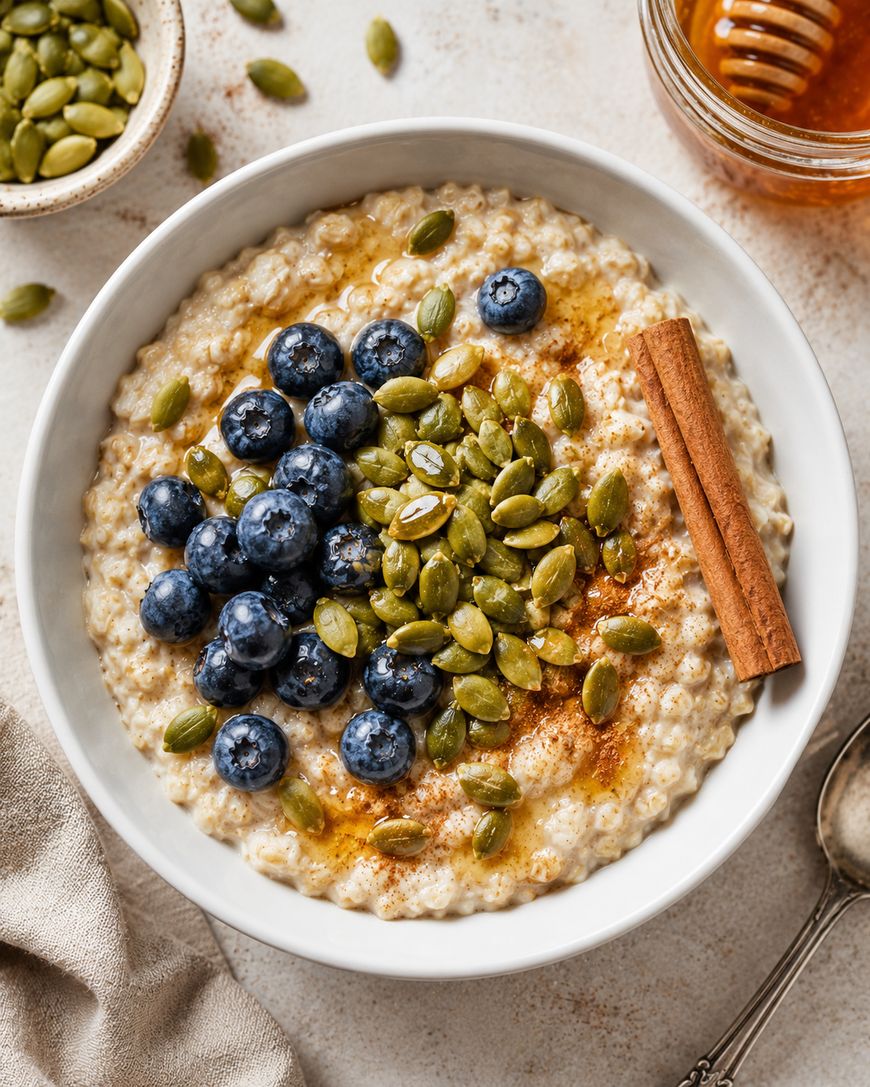
Here are some of the most popular ways to enjoy them. You can sprinkle raw or roasted pumpkin seeds over oatmeal, yogurt, or smoothie bowls in the morning. They work beautifully as a salad topper in place of croutons, adding crunch and nutrition without the refined carbs. Stir them into soups or grain bowls right before serving for a satisfying textural contrast.
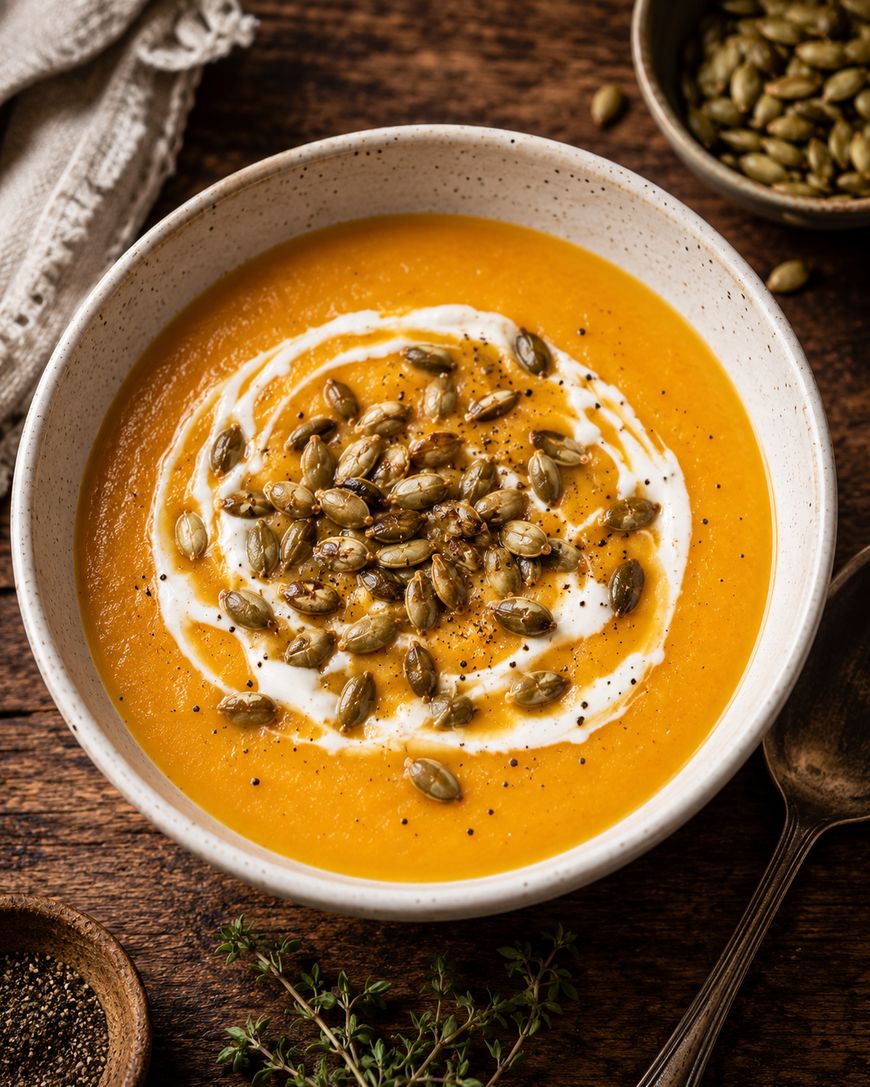
For baking, pumpkin seeds can be folded into bread dough, muffins, or granola bars for a nutrient boost. Roasted and lightly salted pumpkin seeds also make a great on-the-go snack on their own, especially in the fall when they feel extra seasonal.
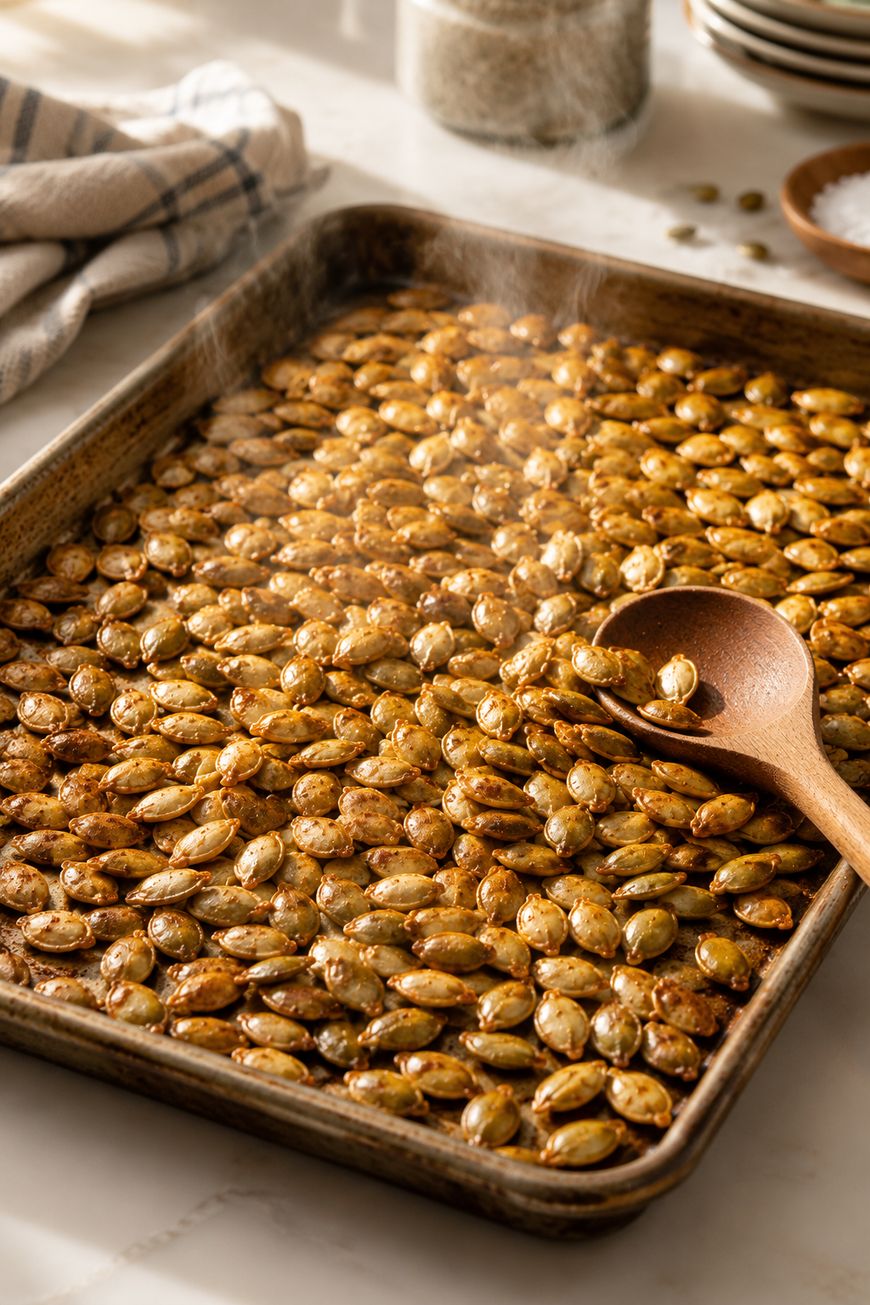
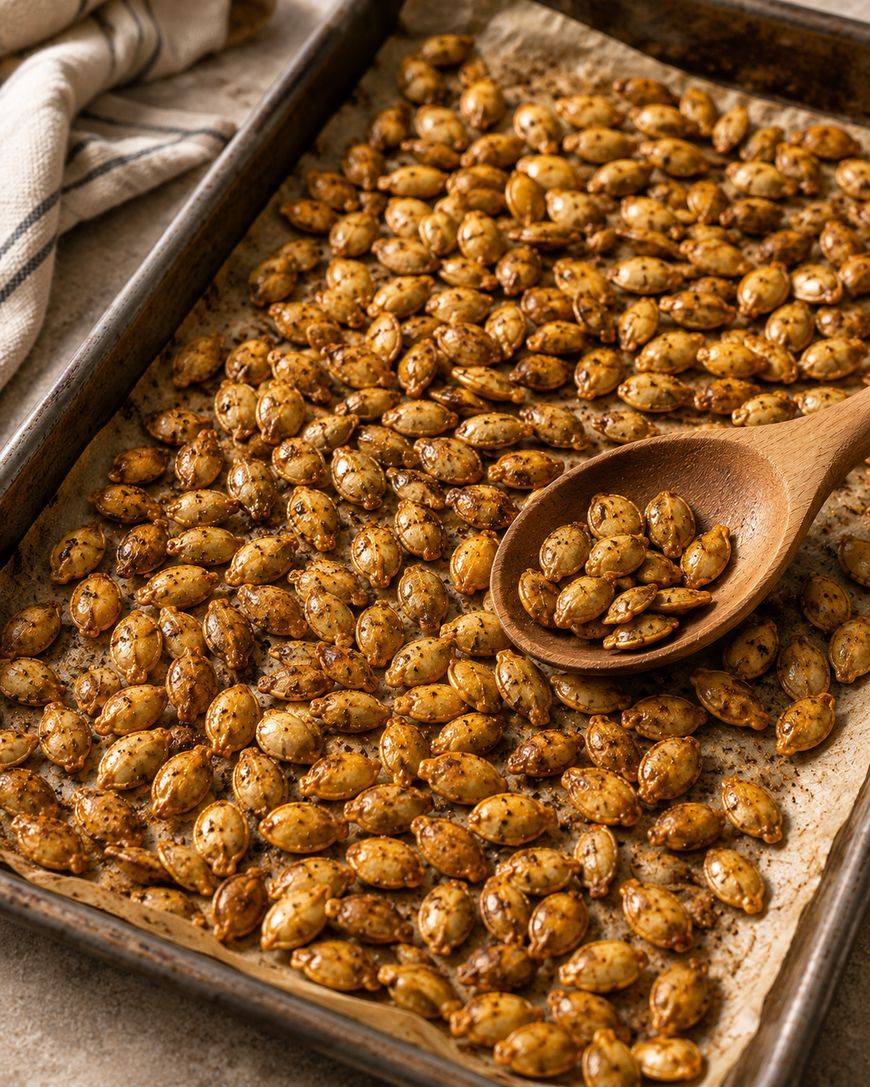
If you want to make your own roasted pumpkin seeds at home, the process is simple. Here’s a basic recipe:
- 1 cup raw pumpkin seeds (pepitas)
- 1 tablespoon olive oil
- 1/2 teaspoon sea salt
- Optional: smoked paprika, garlic powder, or cinnamon sugar
- Preheat your oven to 325°F.
- Toss the pumpkin seeds with olive oil and your chosen seasonings.
- Spread them in a single layer on a baking sheet.
- Roast for 20 to 25 minutes, stirring halfway through, until golden and crisp.
- Let them cool completely before storing in an airtight container.
They keep well at room temperature for up to two weeks or in the freezer for several months.
Frequently Asked Questions About Pumpkin Seeds Benefits
How many pumpkin seeds should you eat per day?
Most nutrition experts recommend a serving size of about one ounce (28 grams) per day, which is roughly a quarter cup. This amount provides a meaningful dose of nutrients without overdoing calories or fat. If you’re eating them regularly, sticking to this serving size ensures you get the benefits without any digestive discomfort.
Are raw or roasted pumpkin seeds healthier?
Both raw and roasted pumpkin seeds are nutritious, but raw seeds retain slightly more of their heat-sensitive nutrients, including certain antioxidants. Roasting at lower temperatures (below 350°F) preserves most of the nutritional value while improving flavor and digestibility. Either form is a great choice, so go with whichever you enjoy most.
Can pumpkin seeds help with anxiety?
Pumpkin seeds contain magnesium and tryptophan, both of which play a role in mood regulation and stress response. Magnesium deficiency has been linked to heightened anxiety, and tryptophan supports the production of serotonin, the neurotransmitter often called the “feel-good” chemical. While pumpkin seeds aren’t a substitute for professional mental health treatment, they may be a helpful dietary addition for overall mood support.
Are pumpkin seeds safe for people with nut allergies?
Pumpkin seeds are technically seeds, not nuts, so most people with tree nut allergies can eat them without issue. However, if you have a severe or wide-ranging allergy, it’s always best to consult your healthcare provider before introducing any new food. Cross-contamination is also a consideration if seeds are processed in facilities that also handle nuts.
Do pumpkin seeds help with weight loss?
Pumpkin seeds can be a helpful part of a weight management plan because of their high protein and fiber content, both of which promote feelings of fullness and reduce overeating. They are calorie-dense, so portion control matters, but a small serving eaten as a snack can help keep cravings in check between meals and reduce the likelihood of reaching for less nutritious options.
Can you eat pumpkin seeds every day?
Yes, eating pumpkin seeds every day is generally safe and beneficial for most people. Their nutrient density makes them an excellent daily food, and rotating them into your meals in different ways keeps things interesting. As with any food, variety and moderation are key—pairing them with a wide range of other whole foods gives you the broadest nutritional base.
The Bottom Line on Pumpkin Seeds Benefits
The pumpkin seeds benefits we’ve covered here barely scratch the surface of what this small seed can do for your overall wellbeing. From protecting your heart and balancing blood sugar to supporting deep sleep and a stronger immune system, pumpkin seeds are one of the most nutrient-rich foods you can add to your diet.
We hope this post has given you plenty of reasons to grab a bag of pepitas the next time you’re at the store. Start with a simple daily handful, experiment with the roasted seed recipe above, and pay attention to how you feel over the next few weeks.
Your body has a way of telling you when it’s getting the nutrients it needs—and pumpkin seeds are an easy, affordable, and genuinely delicious way to start giving it exactly that.