Last updated: November 26, 2026
Roasted asparagus goes from raw spears to crisp-tender, lightly charred, and garlicky in about 15 minutes on a single sheet pan at 425°F. Every step is explained below, and the full printable recipe card is waiting further down the page.
What You Need for Roasted Asparagus
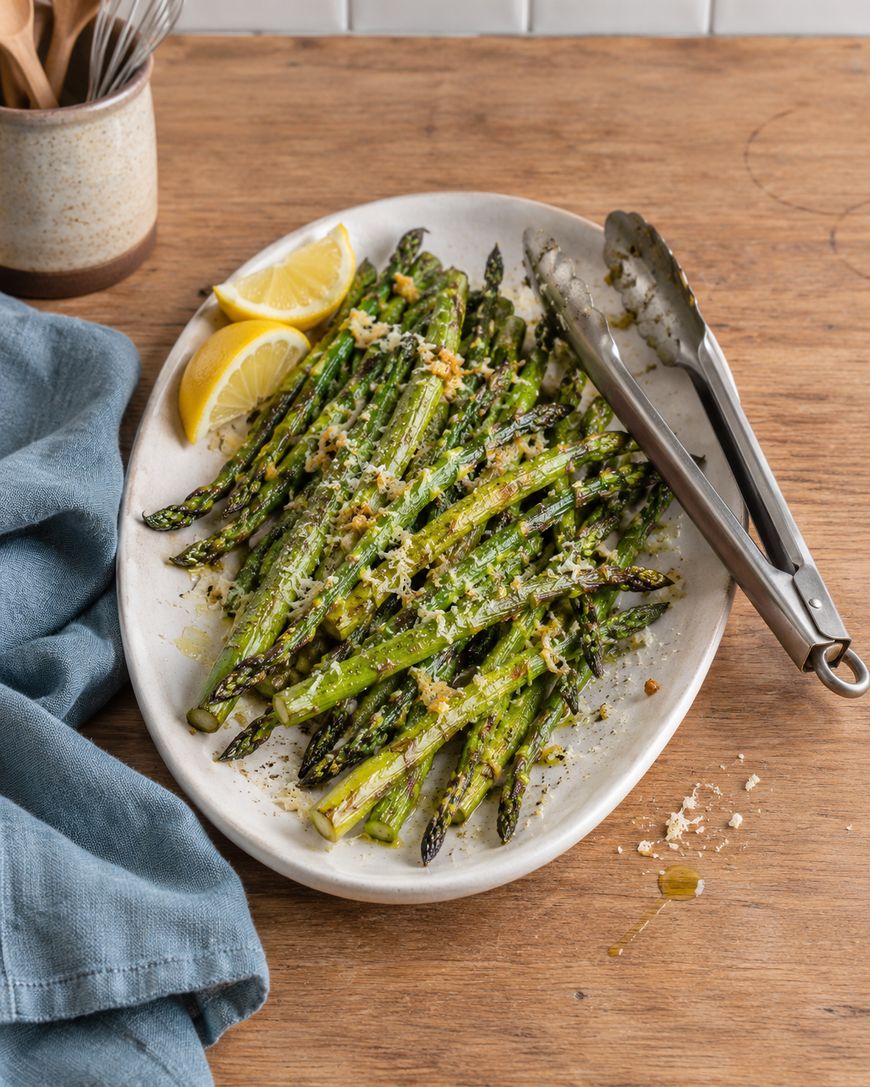
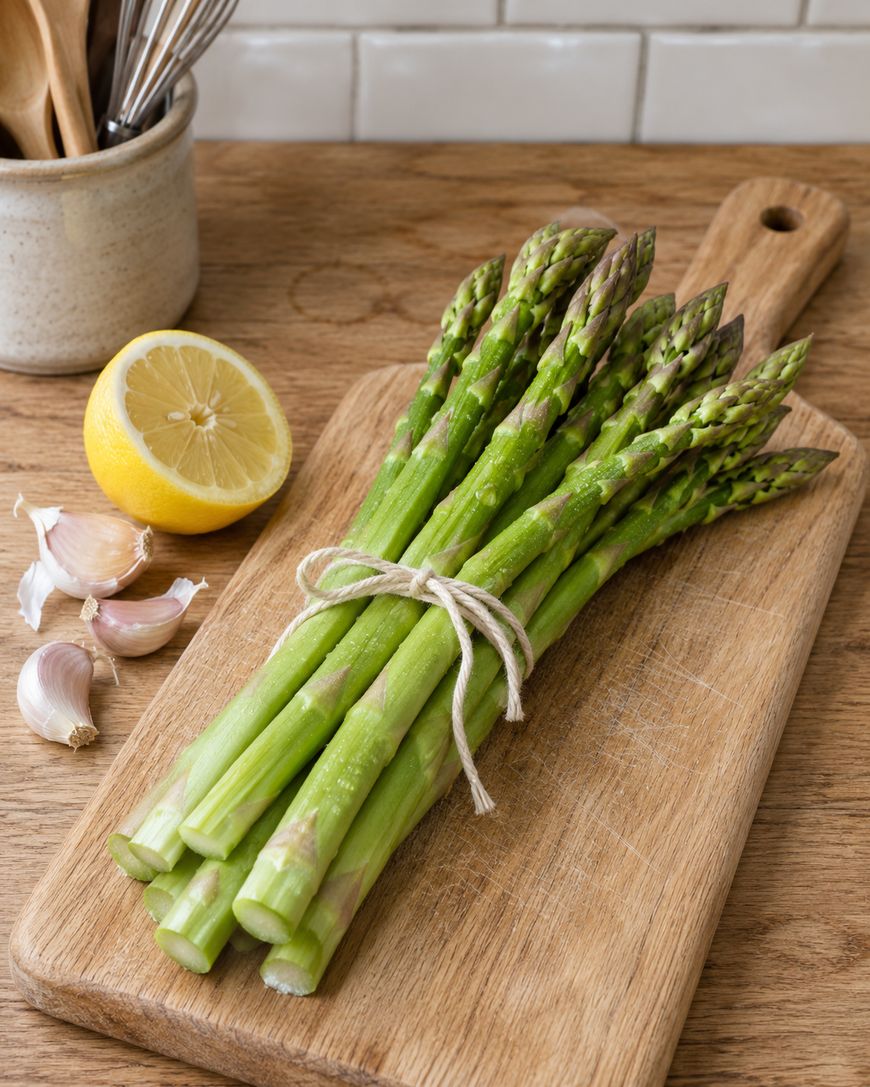
Roasted asparagus needs only a few ingredients, so each one matters. You need one bunch of fresh asparagus, extra virgin olive oil, kosher salt, black pepper, fresh garlic, finely grated Parmigiano-Reggiano, and a lemon.
Choosing the Asparagus
Start with 1 pound of asparagus, which is one standard grocery store bunch and about 20 to 24 medium spears. Look for firm, bright green stalks with tight, closed tips, since spears with dry or splitting ends have been sitting too long.
Medium spears, roughly the thickness of a pencil to a thumb, are the easiest to roast evenly. Pencil-thin spears and very thick jumbo spears both work, and the timing section below explains how to adjust for each.
Olive Oil, Salt, and Pepper
Use 1 1/2 tablespoons of extra virgin olive oil for the whole bunch. That is enough to coat every spear in a thin, even film without leaving the pan swimming, which matters because excess oil steams instead of browning.
Season with 1/2 teaspoon of kosher salt and 1/4 teaspoon of freshly ground black pepper. If you only have fine table salt, use a scant 1/4 teaspoon instead, since it is much saltier by volume.
Garlic, Parmesan, and Lemon
You need 2 cloves of garlic, minced, and 1/4 cup of finely grated Parmigiano-Reggiano. Both go on partway through roasting rather than at the start, because minced garlic scorches and turns bitter if it spends the full time in a 425°F oven.

Finish with the zest of half a lemon and 1 tablespoon of fresh lemon juice. That small hit of acid wakes up the grassy flavor of the asparagus and keeps the parmesan from tasting heavy.
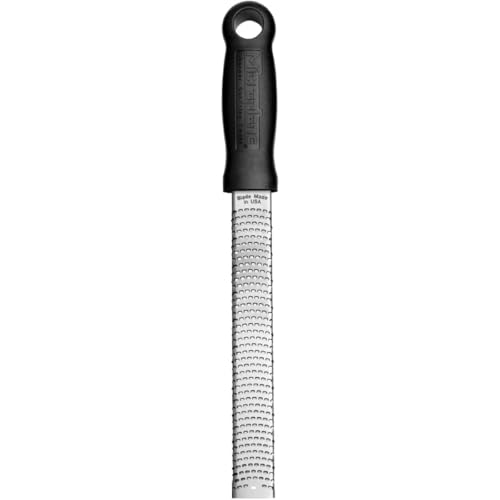
- Ultra Sharp Made in USA blades: Microplane uses photo-etched technology to make ultra sharp grating blades right here in America! BPA free plastic handle.
- Zest Citrus: The blade is designed with a specific tooth set that takes the flavorful rind directly off the citrus fruit, while leaving behind the bitter white pith. Zest adds flavor to vinaigrettes, stir fries, salads, and baked goods!
- Grate Cheese: Grate parmesan into fluffy mounds that melt quickly and look beautiful when treating yourself of family to rustic bowls of pasta. Sprinkle fresh parmesan over eggs, salads, or any dish for a burst of flavor.

How to Make Roasted Asparagus on a Sheet Pan
Making roasted asparagus on a sheet pan comes down to three things: a properly hot oven, dry spears in a single layer, and adding the delicate toppings late. Get those right and you get browned tips and tender stalks without anything going limp or stringy.
Heat the Oven
Heat the oven to 425°F (220°C) with a rack in the center position. Give it the full preheat, because putting the pan into a half-heated oven is the most common reason asparagus turns out soft and olive green instead of bright and blistered.
A large rimmed baking sheet, about 13 by 18 inches, gives the spears enough room. Skip the parchment if you can, since bare metal conducts heat more directly and browns the undersides better.

- Naturals bakeware is made of pure aluminum for superior heat conductivity and produces consistently evenly browned baked goods every time.
- These premium pans are built for lifetime durability, ensuring they will never rust, providing you with long-lasting use.
- Encapsulated galvanized steel rims stand strong against warping, preserving the shape and quality of your pans through numerous uses.
Trim and Dry the Spears
Rinse the asparagus under cold water, paying attention to the tips where grit likes to hide. Snap or cut off the tough, pale bottom ends, which usually means removing about 1 inch from each spear.
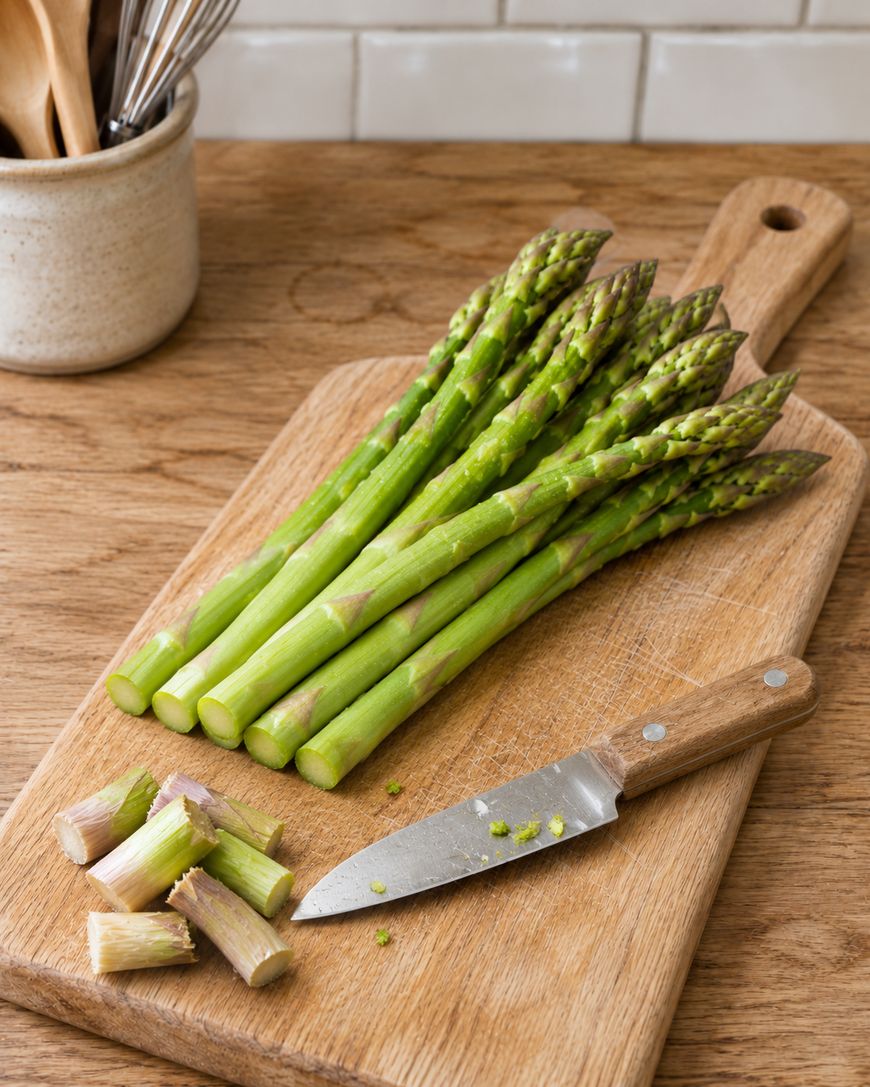
Pat the spears completely dry with a clean kitchen towel. Any water left on the surface turns to steam in the oven, and steam is the enemy of those lightly charred edges.

Season and Spread Out
Lay the asparagus on the baking sheet, drizzle with the olive oil, and sprinkle with the salt and pepper. Toss everything with your hands or tongs right on the pan until each spear is lightly coated.

Spread the spears into a single layer with a little space between them. If they are piled on top of each other, use two pans, because crowding traps moisture and the asparagus will steam.
Roast, Then Add the Garlic and Parmesan
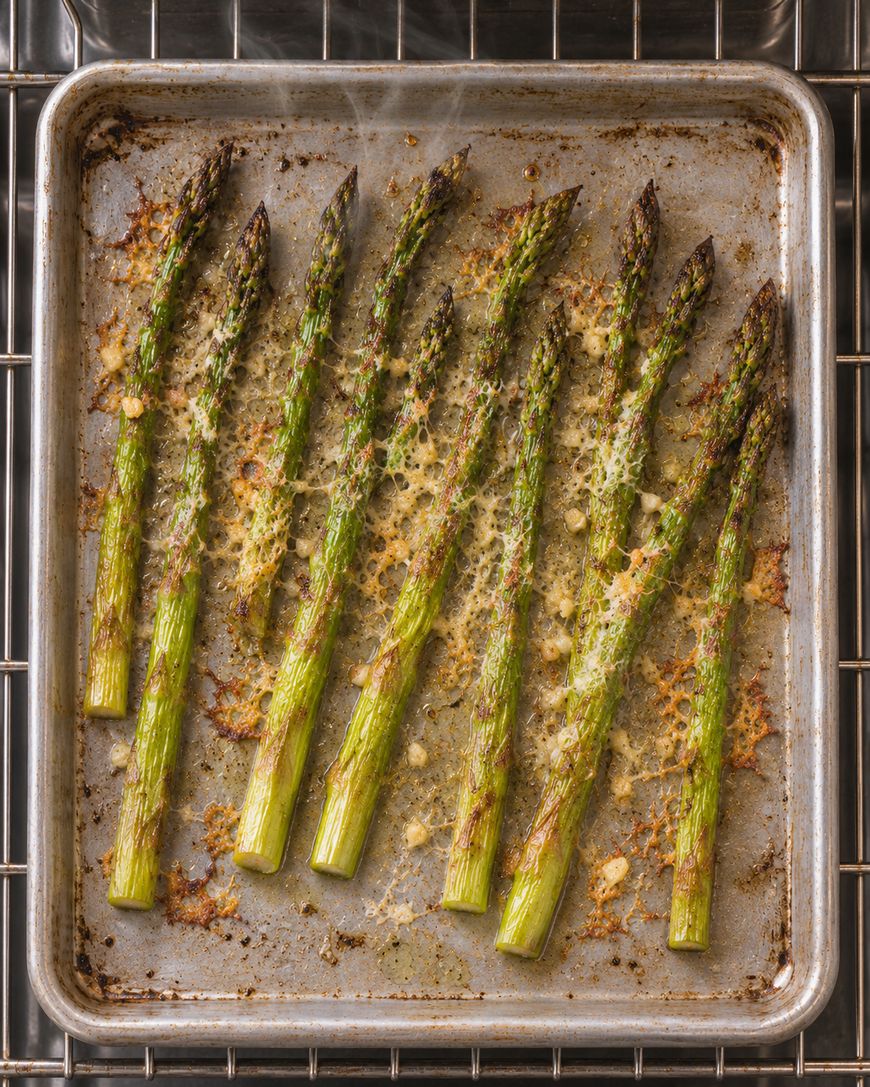
Roast the asparagus for 8 minutes. Pull the pan out, scatter the minced garlic and grated parmesan evenly over the spears, and return it to the oven for another 4 to 7 minutes.

The asparagus is ready when the stalks are tender enough for a fork to slide in with a little resistance, the tips are lightly browned, and the parmesan has melted into golden, lacy patches. That brings the total roasting time to 12 to 15 minutes for medium spears.
Finish With Lemon
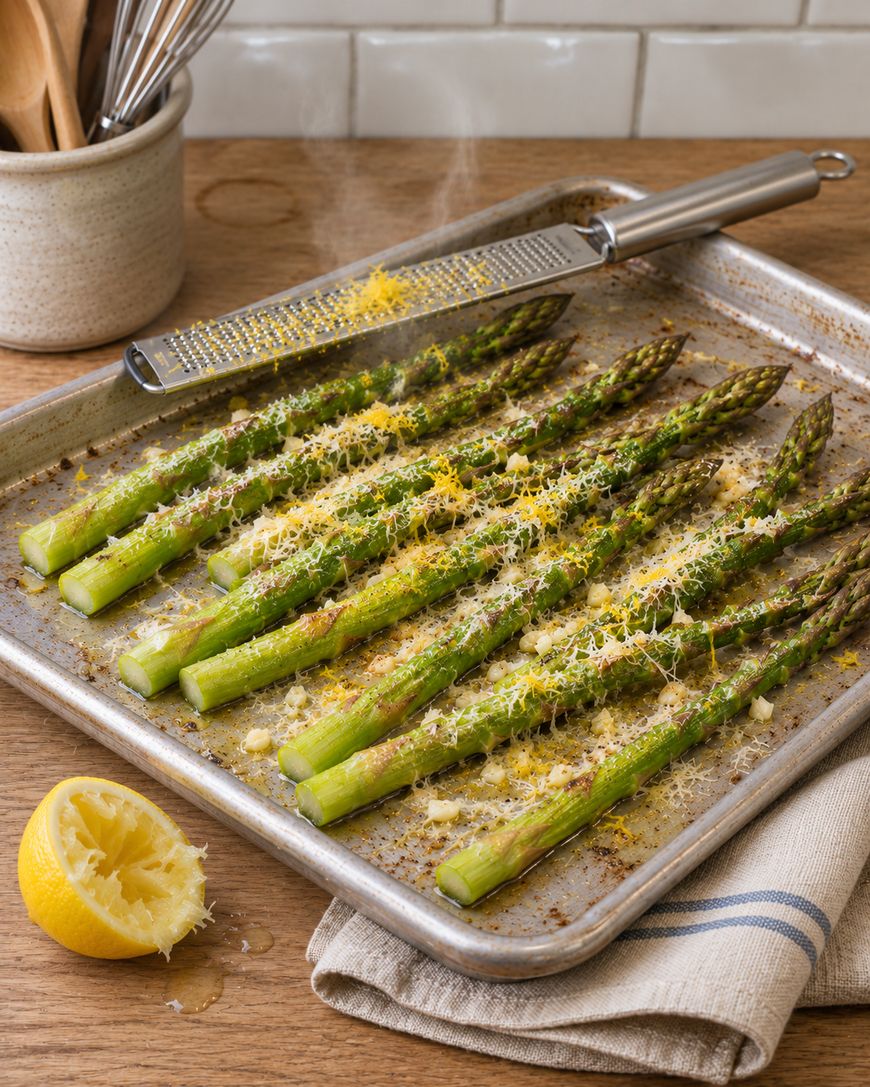
Zest half a lemon directly over the hot asparagus and drizzle with the tablespoon of lemon juice. Serve right away while the cheese is still crisp at the edges.
Adjusting Roasted Asparagus Timing for Thin or Thick Spears
Roasted asparagus timing depends almost entirely on the thickness of the spears, so it pays to check early. The 12 to 15 minute range in the recipe is for medium spears, and the same method works for every size with a few adjustments.
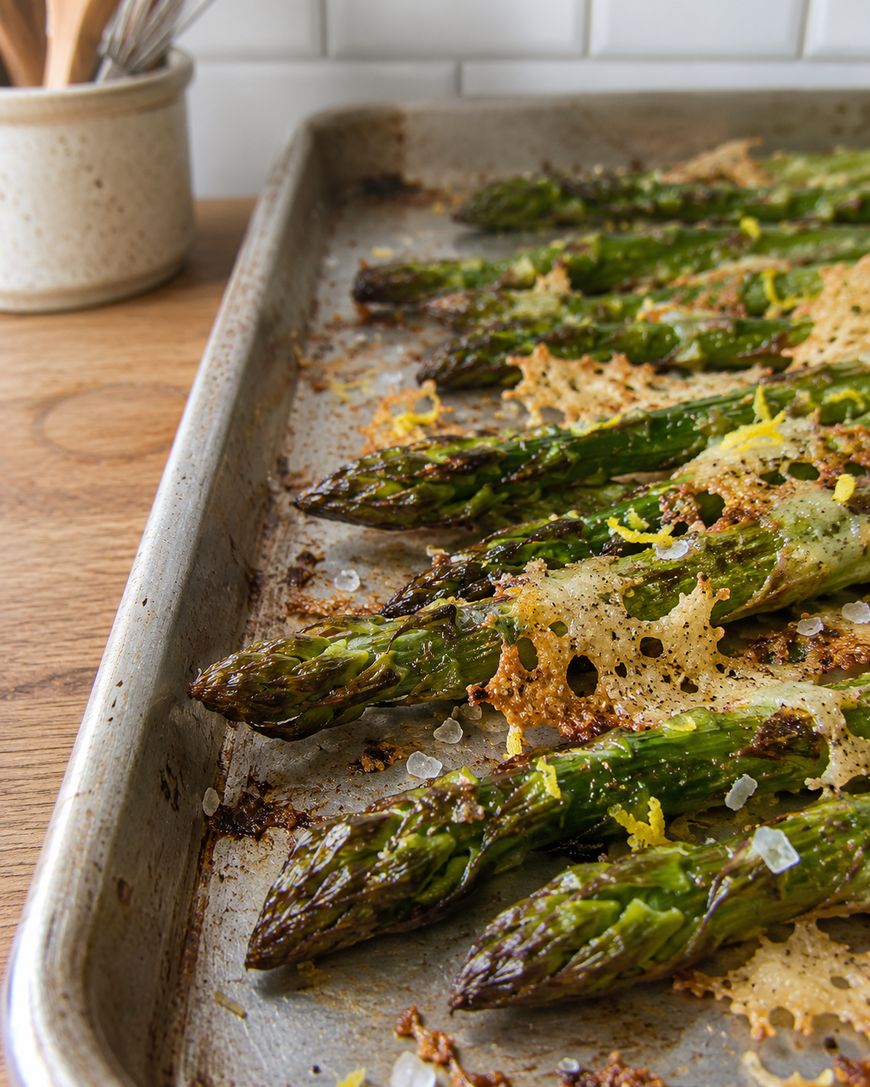
Pencil-Thin Spears
Thin spears cook much faster and can go from perfect to shriveled in a couple of minutes. Roast them for 5 minutes, add the garlic and parmesan, and roast for 3 to 5 minutes more, so they finish in 8 to 10 minutes total.
Thick or Jumbo Spears
Thick spears benefit from a quick peel of the bottom third with a vegetable peeler, which removes the fibrous outer layer. Roast them for 10 minutes before adding the toppings, then for 5 to 8 minutes more, so they finish in 15 to 18 minutes total.
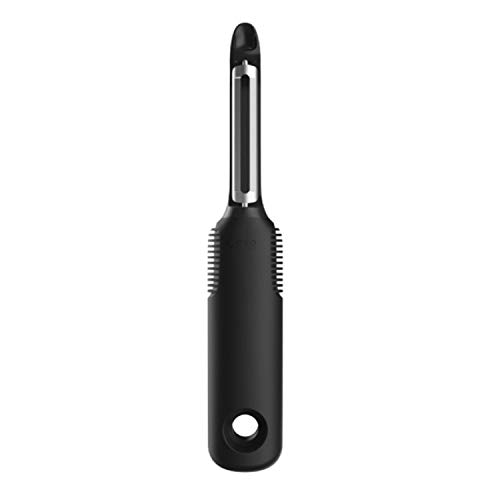
- VEGETABLE PEELER PRECISION: Sharp swivel blades peel fruits and vegetables effortlessly.
- POTATO PEELER TOOL: Built-in eye remover eliminates blemishes quickly.
- COMFORTABLE HANDLE: Oversized grip on julienne peeler reduces hand fatigue.
Variations and Substitutions
The base recipe is simple enough to take on almost any flavor you like. A few easy swaps keep it interesting through the whole spring asparagus season and well beyond.
Flavor Twists
For a sweet and tangy version, skip the lemon and drizzle the finished spears with a teaspoon of thick balsamic glaze. A pinch of red pepper flakes added with the garlic gives gentle heat, and a scatter of toasted sliced almonds adds crunch.
Wrapping small bundles of three or four spears in a half slice of prosciutto before roasting turns this side into an easy appetizer. The card below leaves these additions out, so treat all of them as optional extras.
Dairy-Free and Vegan Swaps
To make the asparagus dairy-free and vegan, leave out the parmesan and add 1 tablespoon of nutritional yeast with the garlic instead. It melts into the oil and gives a savory, nutty finish that is surprisingly close to cheese.
Storing and Reheating Leftovers
Leftover roasted asparagus keeps well in the fridge for 3 to 4 days in an airtight container. Let it cool to room temperature first, but don’t leave it out for more than 2 hours.
Reheat it on a sheet pan in a 425°F oven for 4 to 5 minutes, or in a hot skillet for 2 to 3 minutes, so it warms through without going limp. Cold leftovers are also great chopped into salads, frittatas, and grain bowls.
What to Serve With Roasted Asparagus
Roasted asparagus is one of the most versatile vegetable sides there is, because it pairs with nearly any main. It sits beautifully next to roast chicken, seared salmon, grilled steak, pork tenderloin, or a holiday ham.
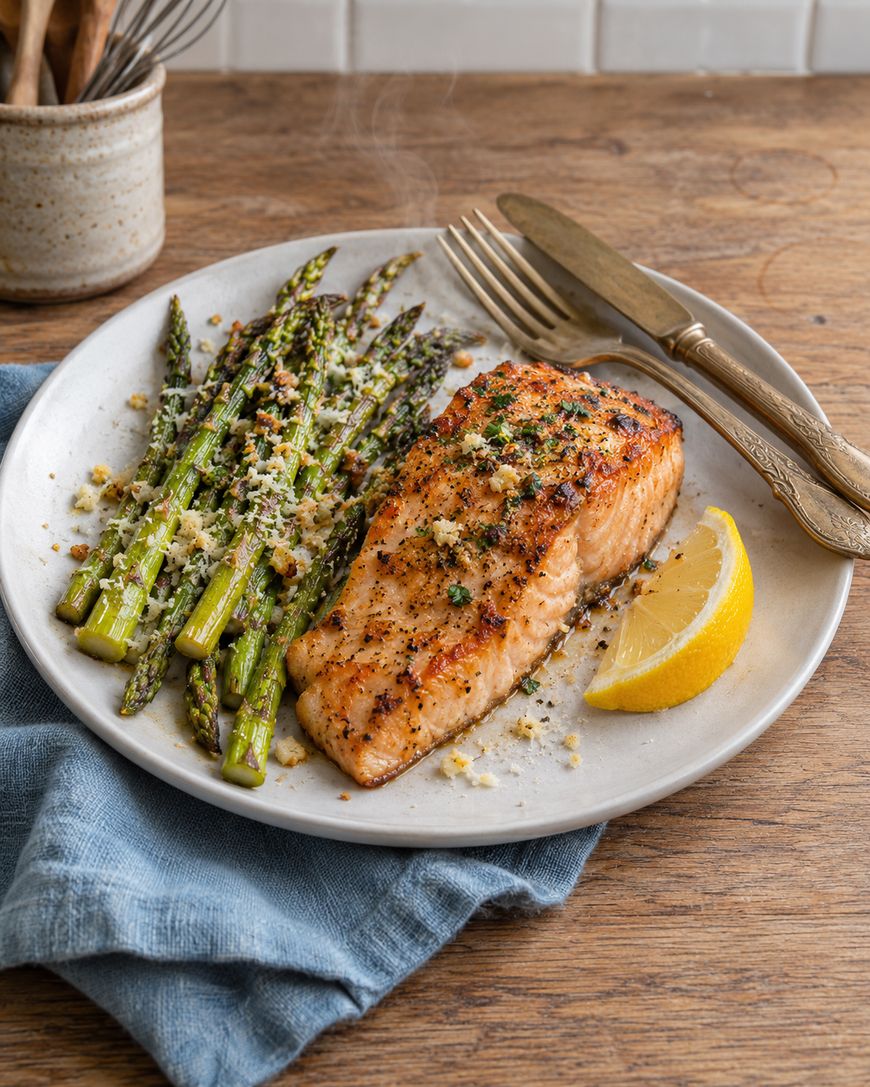
For a vegetarian plate, serve it with creamy risotto, lemony pasta, or a soft-boiled egg spooned over the top. It is also a classic part of a spring brunch spread alongside quiche and roasted potatoes.
Where Roasted Asparagus Comes From
Asparagus has been cultivated around the Mediterranean for well over two thousand years, and the ancient Greeks and Romans prized it both as food and as a medicine. Roman cooks even dried the spears so they could be enjoyed out of season.
For most of its history in Europe and the US, asparagus was boiled or steamed and served with butter or hollandaise. Roasting at high heat became popular much more recently, and it is now the method most home cooks reach for because it concentrates the flavor instead of washing it away.
Today, Peru, Mexico, and China grow most of the world’s asparagus, while California, Washington, and Michigan lead in the US. Germany has such a passion for white asparagus that its spring harvest is celebrated as Spargelzeit, or asparagus season.
When you are ready to cook, use the card below for the full ingredient list, timings, and printable steps.
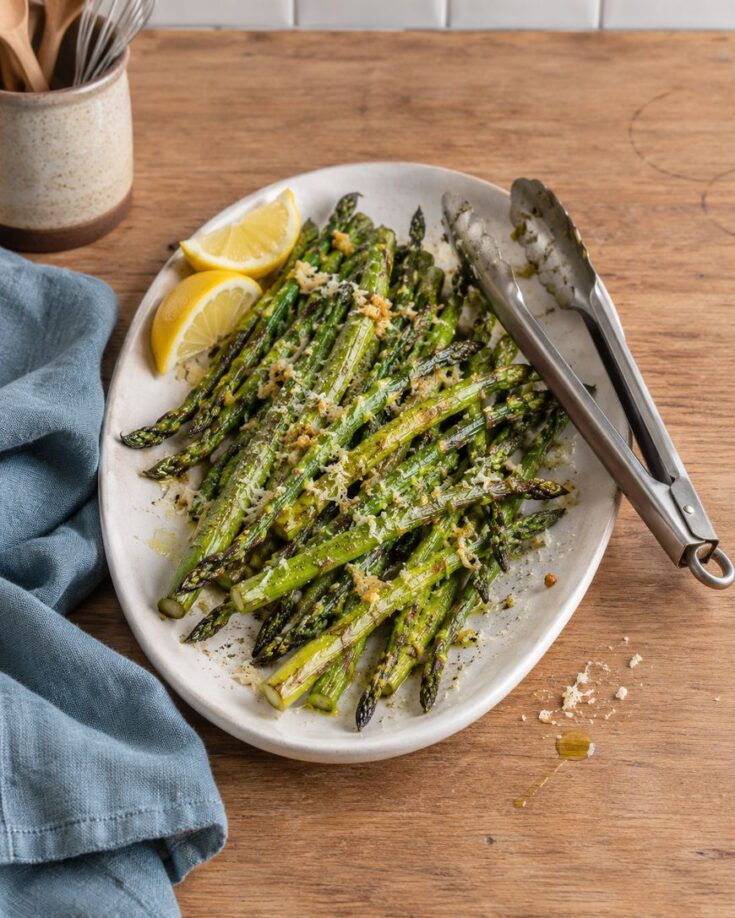
Roasted Asparagus
Crisp-tender roasted asparagus with lightly charred tips, golden garlic parmesan edges, and a bright finish of fresh lemon. One sheet pan and about 20 minutes is all it takes.
Ingredients
- 1 pound fresh asparagus (about 20 to 24 medium spears)
- 1 1/2 tablespoons extra virgin olive oil
- 1/2 teaspoon kosher salt
- 1/4 teaspoon freshly ground black pepper
- 2 garlic cloves, minced
- 1/4 cup finely grated Parmigiano-Reggiano
- Zest of 1/2 lemon
- 1 tablespoon fresh lemon juice
Instructions
- Heat the oven to 425°F (220°C) with a rack in the center position.
- Rinse the asparagus, snap or cut off the tough bottom ends (about 1 inch), and pat the spears completely dry.
- Place the asparagus on a large rimmed baking sheet (about 13 by 18 inches), drizzle with the olive oil, sprinkle with the salt and pepper, and toss until evenly coated.
- Spread the spears into a single layer with a little space between them, using two pans if needed.
- Roast for 8 minutes.
- Scatter the minced garlic and grated parmesan evenly over the asparagus and roast for 4 to 7 minutes more, until the stalks are tender, the tips are lightly browned, and the cheese is melted and golden.
- Zest the lemon over the hot asparagus, drizzle with the lemon juice, and serve right away.
Notes
Timing for medium spears is 12 to 15 minutes total. For pencil-thin spears, roast 5 minutes before adding the garlic and parmesan, then 3 to 5 minutes more. For thick spears, peel the bottom third, roast 10 minutes before adding the toppings, then 5 to 8 minutes more. For a dairy-free version, replace the parmesan with 1 tablespoon nutritional yeast. Store leftovers in an airtight container in the fridge for 3 to 4 days and reheat in a 425°F oven for 4 to 5 minutes or a hot skillet for 2 to 3 minutes. To prep ahead, trim and wash the spears up to 2 days in advance and refrigerate them wrapped in a damp paper towel. Freezing is not recommended.
Nutrition Information:
Yield:
4Serving Size:
About 1/4 pound (5 to 6 spears)Amount Per Serving: Calories: 90Total Fat: 7gSaturated Fat: 2gSodium: 230mgCarbohydrates: 5gFiber: 2gSugar: 2gProtein: 4g
Roasted Asparagus Questions and Answers
Should you snap or cut asparagus ends?
Both work well. Snapping each spear finds the natural break point between tender and woody, but it can waste a little more of the stalk, so many cooks snap one spear and use it as a guide to cut the rest of the bunch at the same length.
Why is my roasted asparagus soggy?
Soggy asparagus is almost always the result of too low an oven temperature, wet spears, or a crowded pan. Make sure the oven is fully heated to 425°F, dry the spears well, and spread them in a single layer with space between them.
Can you roast asparagus ahead of time?
Roasted asparagus is best served straight from the oven, but you can prep ahead. Trim and wash the spears up to 2 days in advance, wrap them in a damp paper towel, and keep them in a bag in the fridge until you are ready to roast.
Can you freeze roasted asparagus?
Freezing roasted asparagus is not recommended, because it turns soft and watery once thawed. If you do have extra, chop it and stir it into soups or frittatas where texture matters less.
Do you need to peel asparagus before roasting?
Thin and medium spears do not need peeling at all. Very thick spears are more tender if you peel the bottom third with a vegetable peeler before roasting.
Can you use frozen asparagus?
Fresh asparagus gives the best texture, since frozen spears release a lot of water as they thaw and won’t brown as well. If frozen is all you have, roast it straight from frozen on a well-oiled pan and expect a softer result.
Why This Recipe Works
The high 425°F heat is what makes this method reliable. It browns the outside of each spear quickly through caramelization of its natural sugars, so the inside turns tender while the stalk still has a little snap.
Keeping the spears dry and in a single layer means the oven’s heat goes into browning rather than boiling off surface water. That is the difference between blistered, bright green asparagus and limp, dull spears.
Adding the garlic and parmesan only for the last few minutes protects them from the oven’s full blast. The garlic softens and turns fragrant without burning, and the cheese melts into crisp, golden patches instead of scorching.
The lemon zest and juice go on at the very end, after the heat is off. That way their bright flavor stays fresh and balances the richness of the olive oil and parmesan in every bite.
Make Roasted Asparagus Your New Go-To Side
Roasted asparagus proves that the simplest vegetable sides are often the best, needing just one pan, a hot oven, and about 20 minutes start to finish. Grab a fresh bunch this week, give it a try alongside your favorite main, and see how quickly it becomes a regular on your table.
Air Fried Asparagus That Turns Crisp-Tender and Golden in 8 Minutes
Oven Green Beans That Roast Up Crisp-Tender and Golden in 20 Minutes
This post contains affiliate links. A full disclosure is available from the main menu.