Last updated: October 15, 2026
Roasted brussels sprouts are the easiest way to turn a vegetable most people avoided as kids into a genuine dinner table favorite.
This method delivers crisp, caramelized edges and a tender center, and the full recipe card sits just below.
What Makes Great Roasted Brussels Sprouts
The Right Sprouts
The best roasted brussels sprouts start with fresh, firm heads that feel heavy for their size.
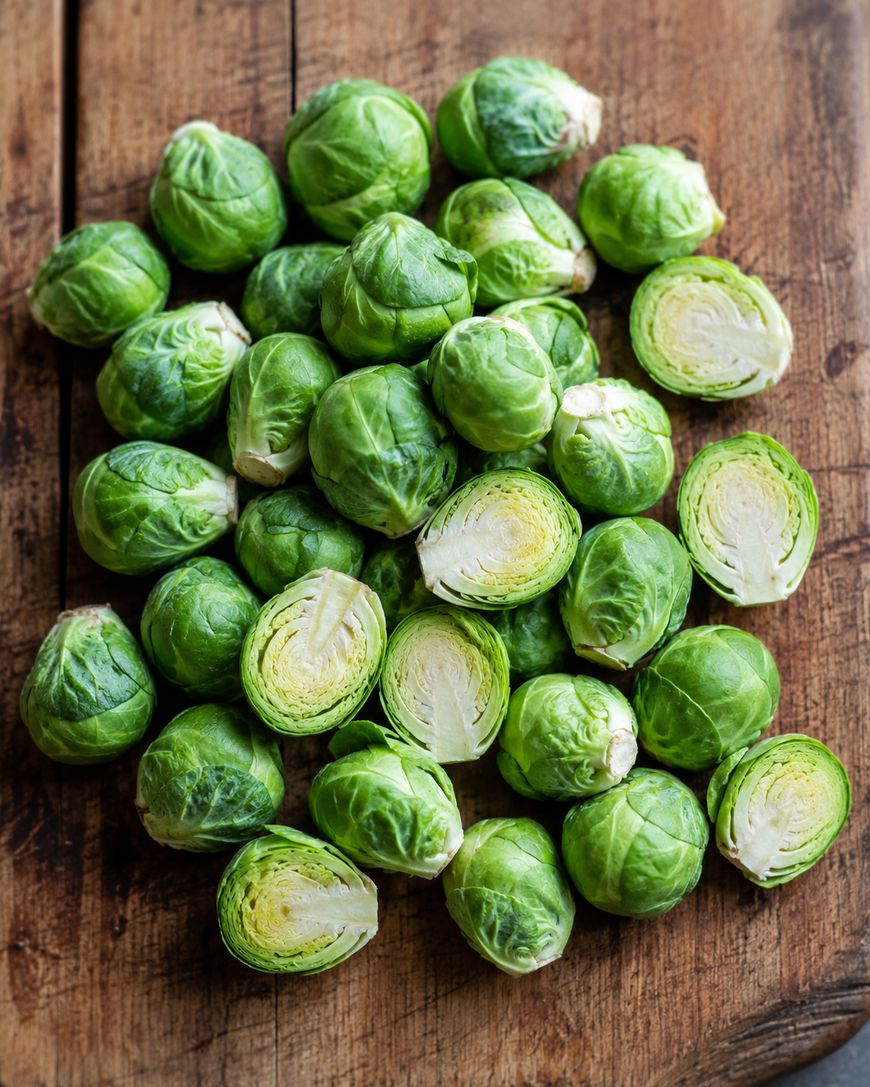
Look for tight, bright green leaves without yellowing or soft spots, since older sprouts turn bitter and dry out unevenly in the oven.
Smaller sprouts, roughly an inch to an inch and a half across, roast more evenly and develop sweeter caramelization than larger ones.
Ingredients Needed
A short ingredient list keeps this dish approachable on a weeknight.
Fresh brussels sprouts form the base, trimmed and halved so the cut side can make direct contact with the hot pan.
Olive oil coats each half for browning, while kosher salt and black pepper season the surface before roasting.
Optional additions like garlic cloves, balsamic vinegar, grated parmesan, or crumbled bacon can round out the flavor once the sprouts come out of the oven.
Step by Step Method
Trimming and Prepping
Trimming starts with cutting away the tough stem end of each sprout.
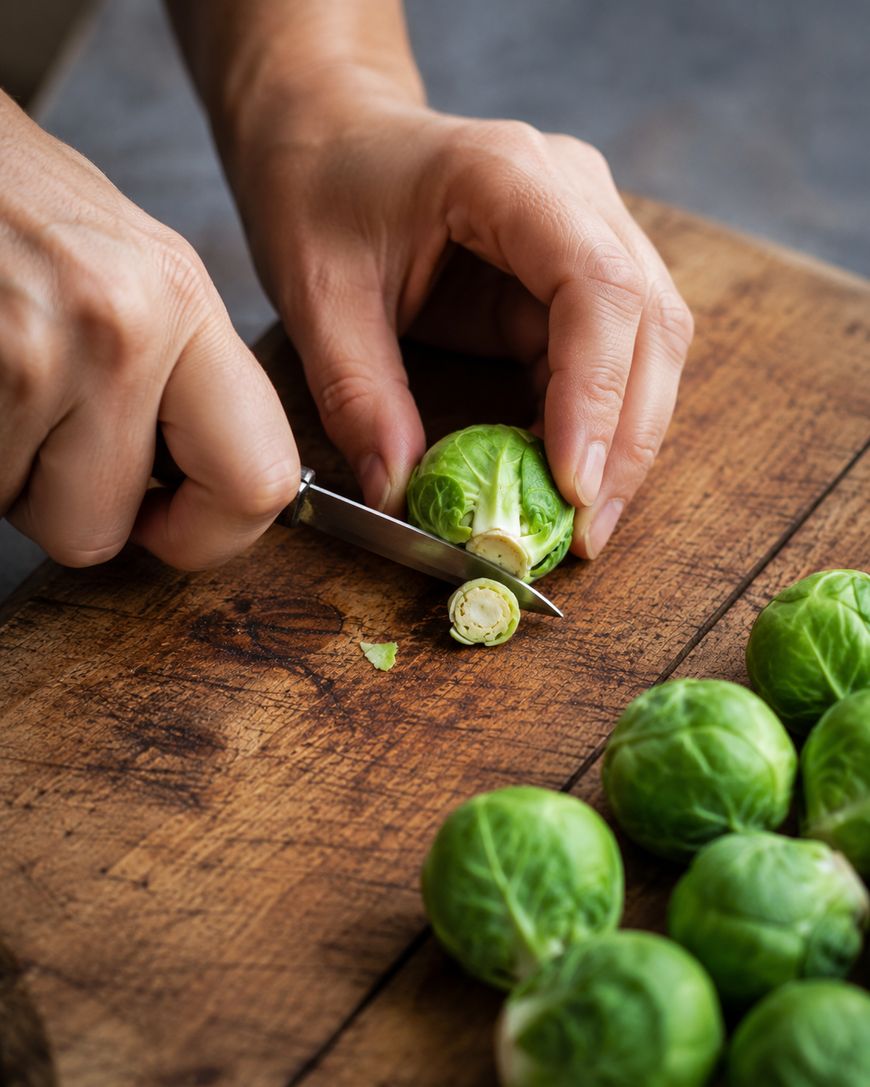
Remove any loose or discolored outer leaves, then slice each sprout in half through the core so it lays flat.
Pat the halves dry with a clean towel, since excess moisture on the surface prevents the sharp browning that makes roasted brussels sprouts so appealing.
Seasoning and Arranging
Toss the halved sprouts in a bowl with olive oil, kosher salt, and black pepper until every piece glistens.
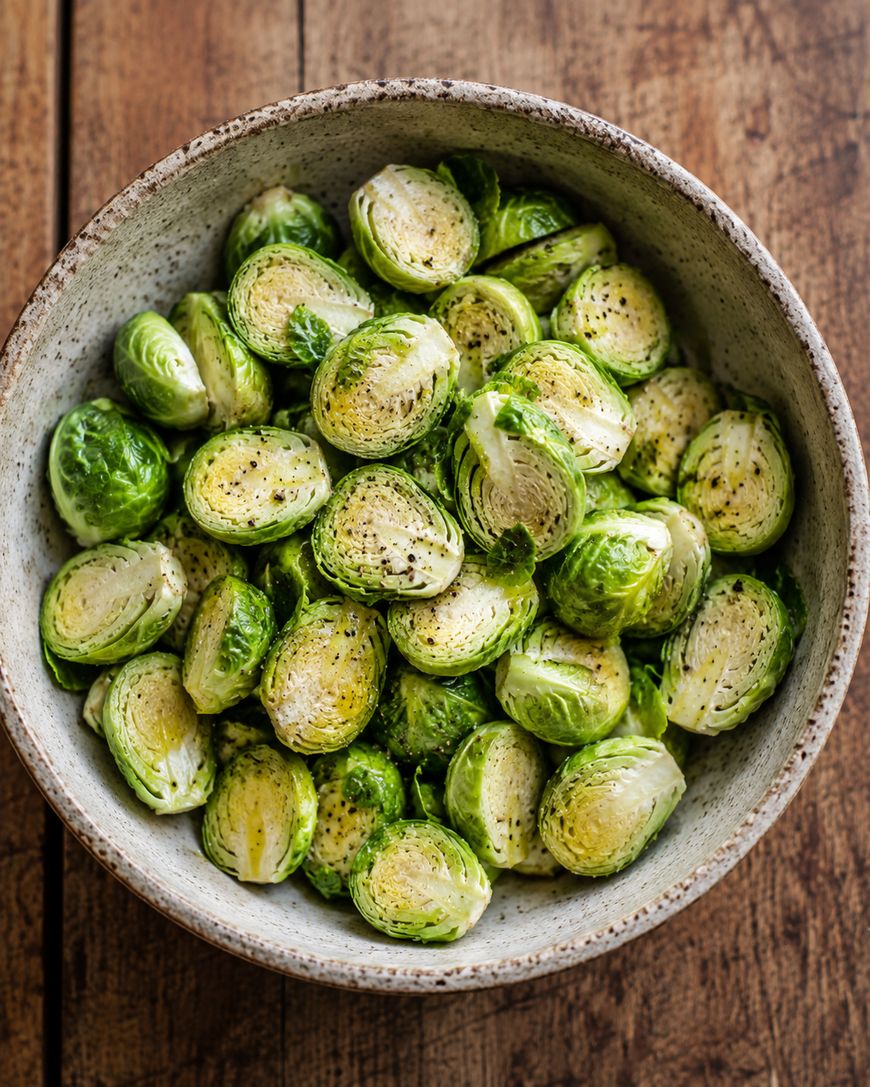
Arrange the sprouts cut side down in a single layer on a sheet pan, leaving space between pieces so steam escapes instead of collecting under the vegetables.
Crowding the pan is the most common reason home cooks end up with soggy rather than crisp results.
Roasting Time and Temperature
A hot oven set to 425 degrees Fahrenheit gives the sprouts enough heat to caramelize before they overcook inside.
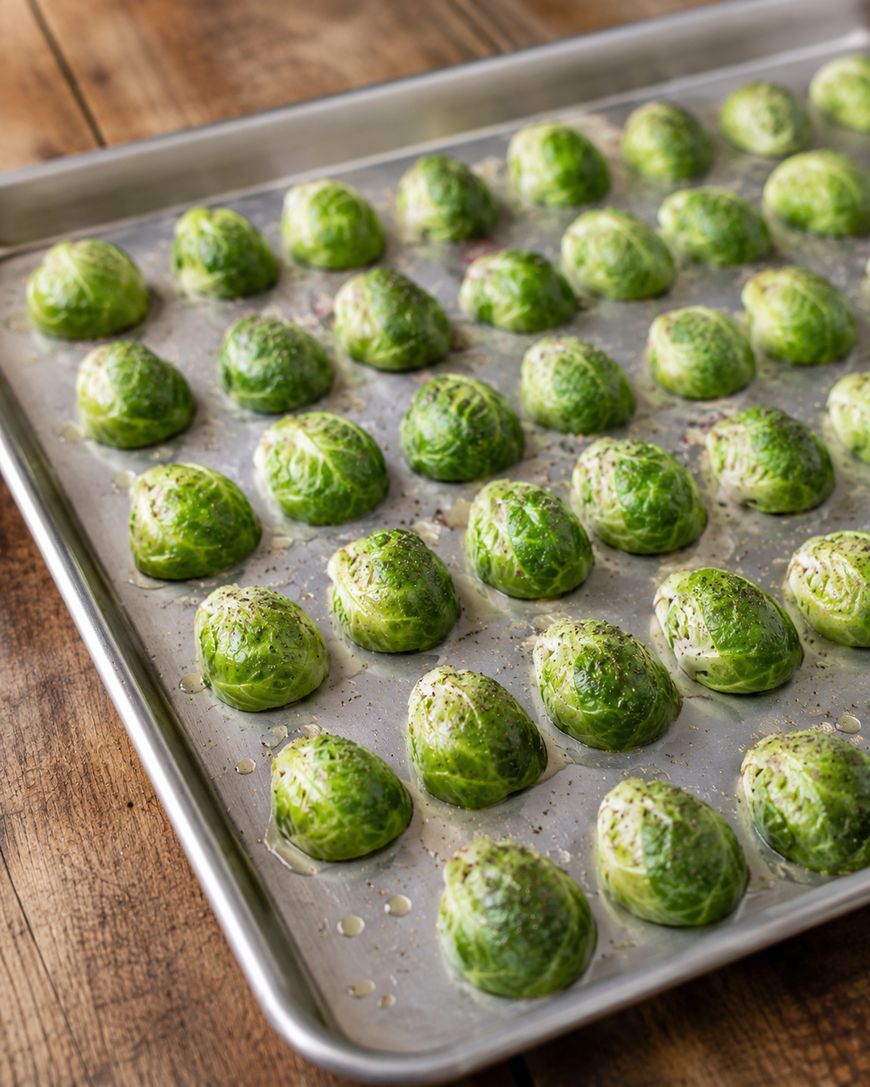
Roast for 20 to 25 minutes, checking around the fifteen minute mark and rotating the pan if the oven runs unevenly.
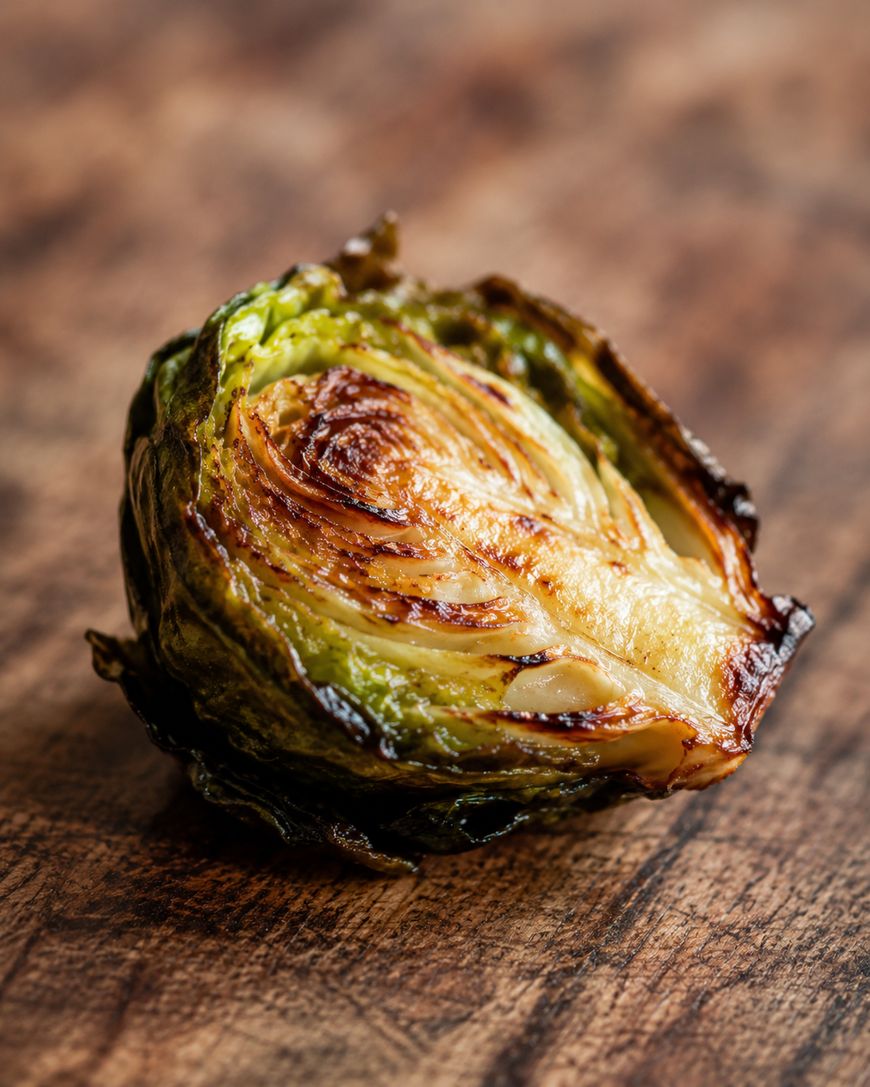
The sprouts are ready when the cut sides turn deep golden brown and the outer leaves crisp at the edges, while a fork slides easily through the center.
Finishing Touches
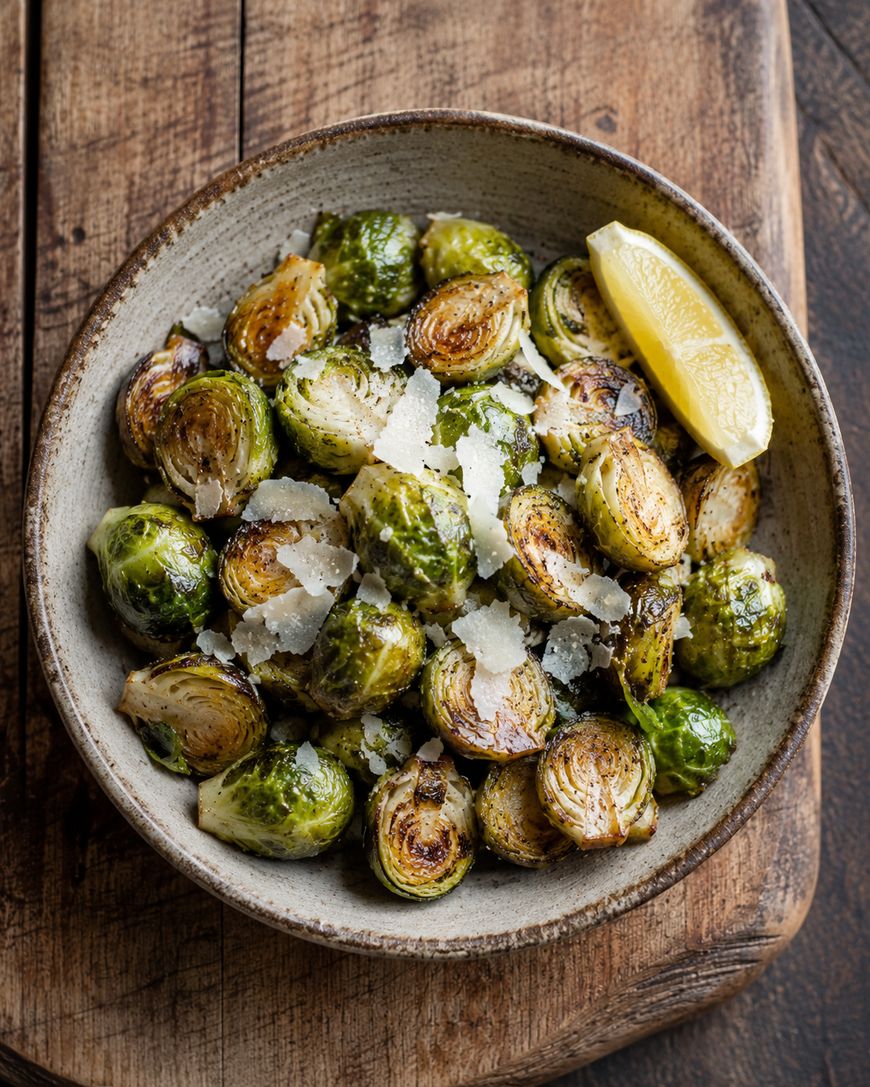
Once out of the oven, a squeeze of lemon juice brightens the caramelized flavor without overwhelming it.
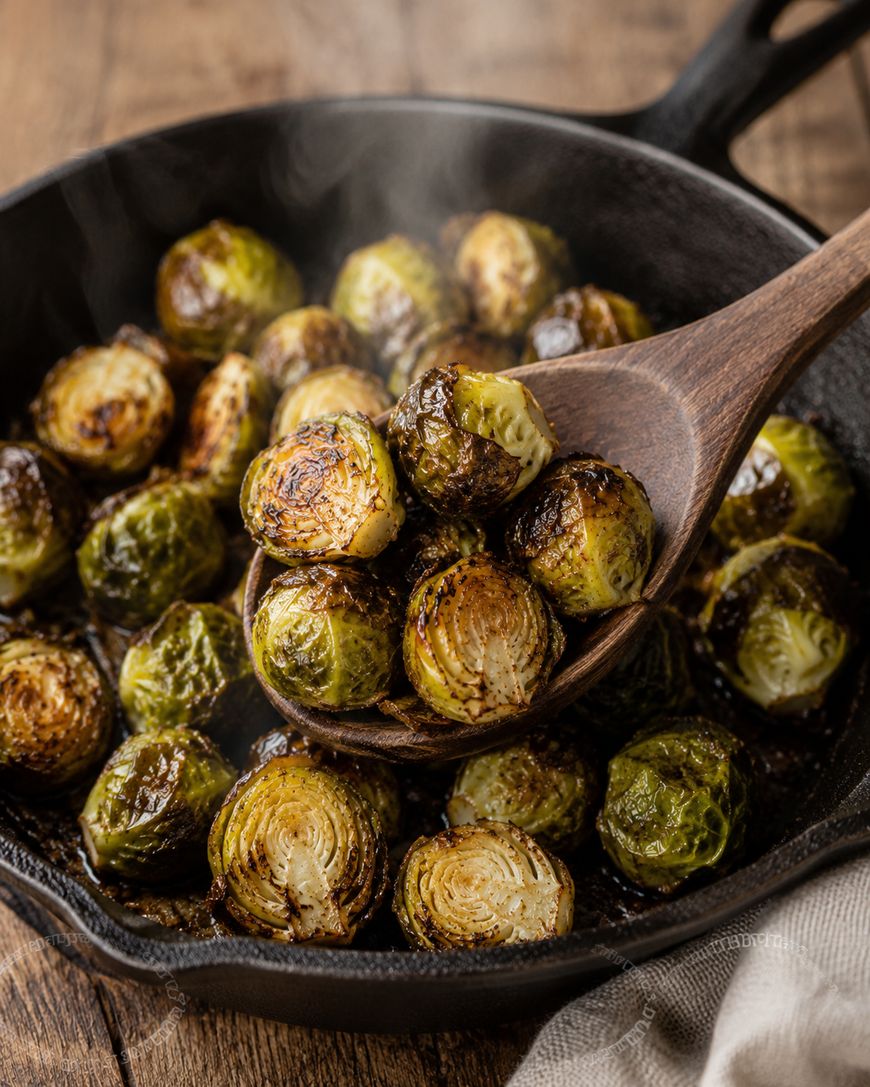
A light drizzle of balsamic glaze or a scattering of shaved parmesan adds richness for those who want a more indulgent finish.
Fresh herbs such as thyme or parsley stirred in at the last moment keep the dish tasting fresh rather than heavy.
Tips for Consistent Results
Avoiding Common Mistakes
Undercooked or unevenly browned sprouts almost always trace back to a crowded pan or sprouts that were cut into uneven sizes.
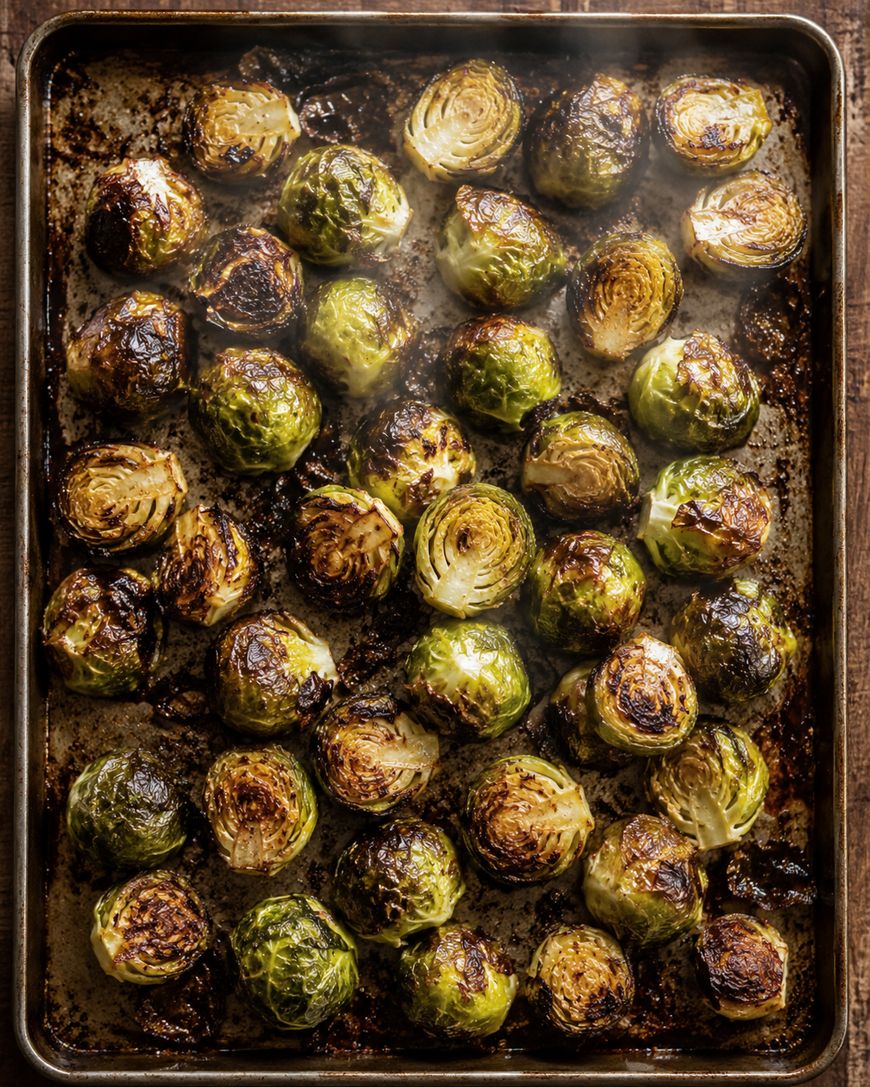
Splitting sprouts by size before halving, so similarly sized pieces roast together, solves much of this problem.
Using a rimmed sheet pan lined with parchment also helps prevent sticking without adding excess oil.
Boosting Flavor Further
Garlic cloves tossed in during the last ten minutes of roasting turn soft and sweet rather than burnt.
A finishing touch of chili flakes or smoked paprika introduces warmth for those who want more depth without added sweetness.
Maple syrup or honey drizzled just before serving pairs surprisingly well with the natural bitterness of the sprouts.
Variations to Try
Bacon and Parmesan Version
Crisped bacon bits folded in right after roasting add smoky richness that pairs naturally with the caramelized sprouts.
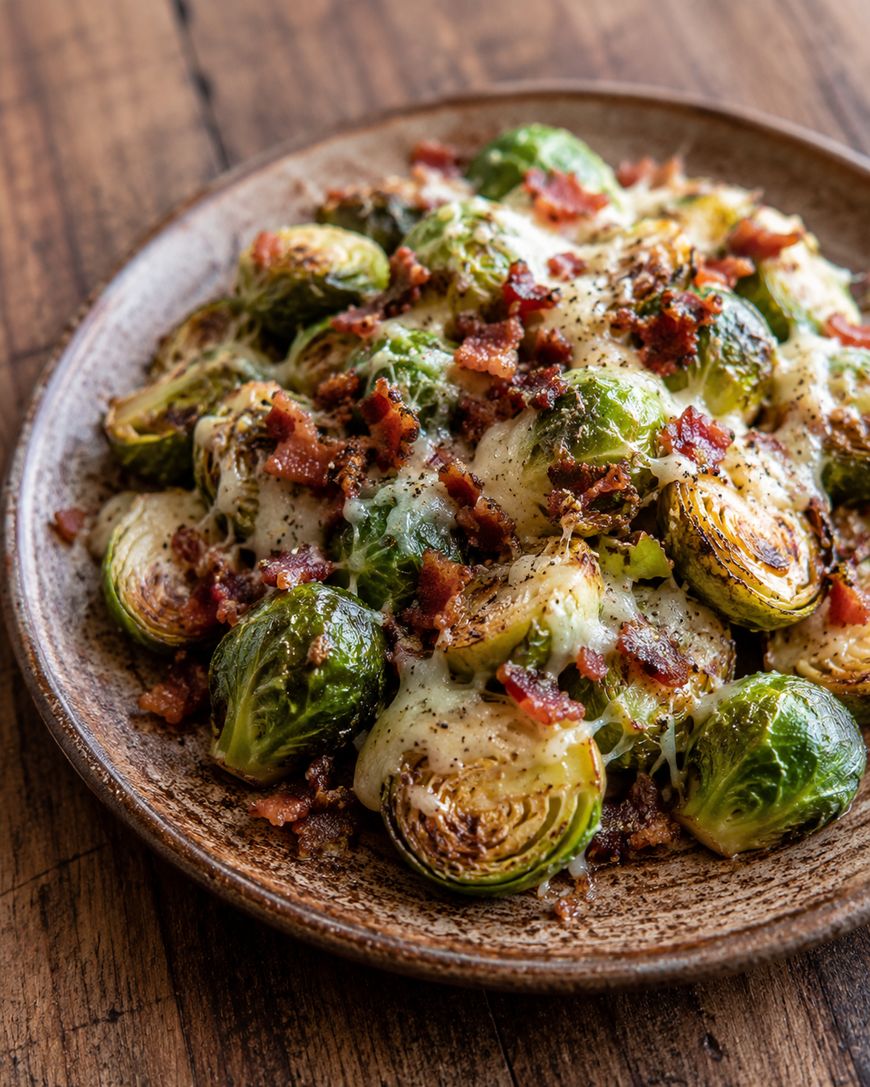
Shaved parmesan melts slightly against the residual heat, creating a savory coating on each piece.
Balsamic Maple Version
A combination of balsamic vinegar and maple syrup, brushed on during the last five minutes of roasting, creates a glossy, sweet tart finish.
This version works particularly well alongside roasted chicken or pork.
Spicy Version
Red pepper flakes and a touch of smoked paprika added before roasting give the sprouts a warm kick.
A squeeze of lime instead of lemon rounds out the heat with brightness.
Substitutions for Dietary Needs
Oil Alternatives
Avocado oil works as a direct substitute for olive oil and tolerates the high roasting temperature well.
For those avoiding oil altogether, a light coating of vegetable broth can help the seasoning stick, though the sprouts will brown less deeply.
Dairy Free and Vegan Adjustments
Nutritional yeast stands in for parmesan for a dairy free option that still adds a savory, cheesy note.
Maple syrup or agave replaces honey in any of the glazed variations without changing the texture of the finished dish.
Storage and Reheating
Refrigerating Leftovers
Cooled roasted brussels sprouts keep well in an airtight container in the refrigerator for up to four days.
Storing them in a single layer, rather than stacked, helps preserve some of the original crispness.
Reheating for Best Texture
A hot oven or air fryer set to 400 degrees Fahrenheit for five to seven minutes restores much of the original crunch.
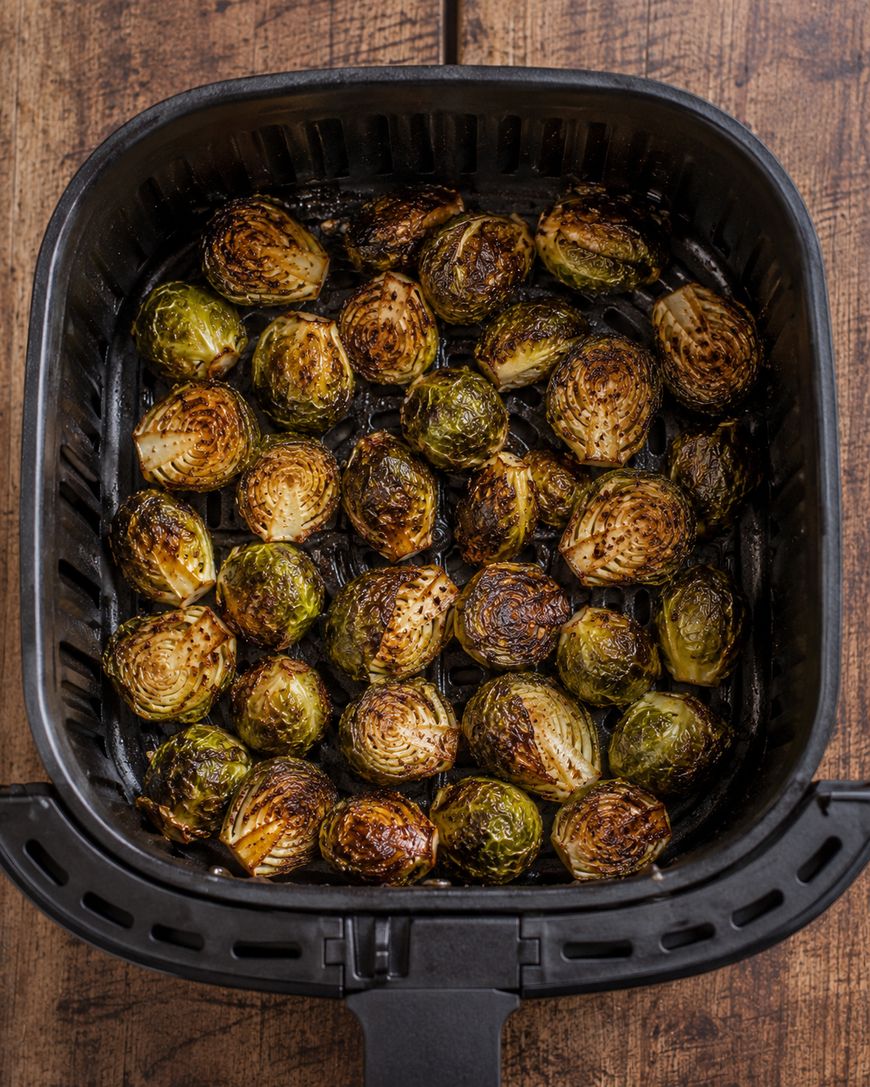
Microwaving works in a pinch but softens the sprouts considerably, so it works best when texture is less of a priority than speed.
Serving Suggestions
Pairing with Proteins
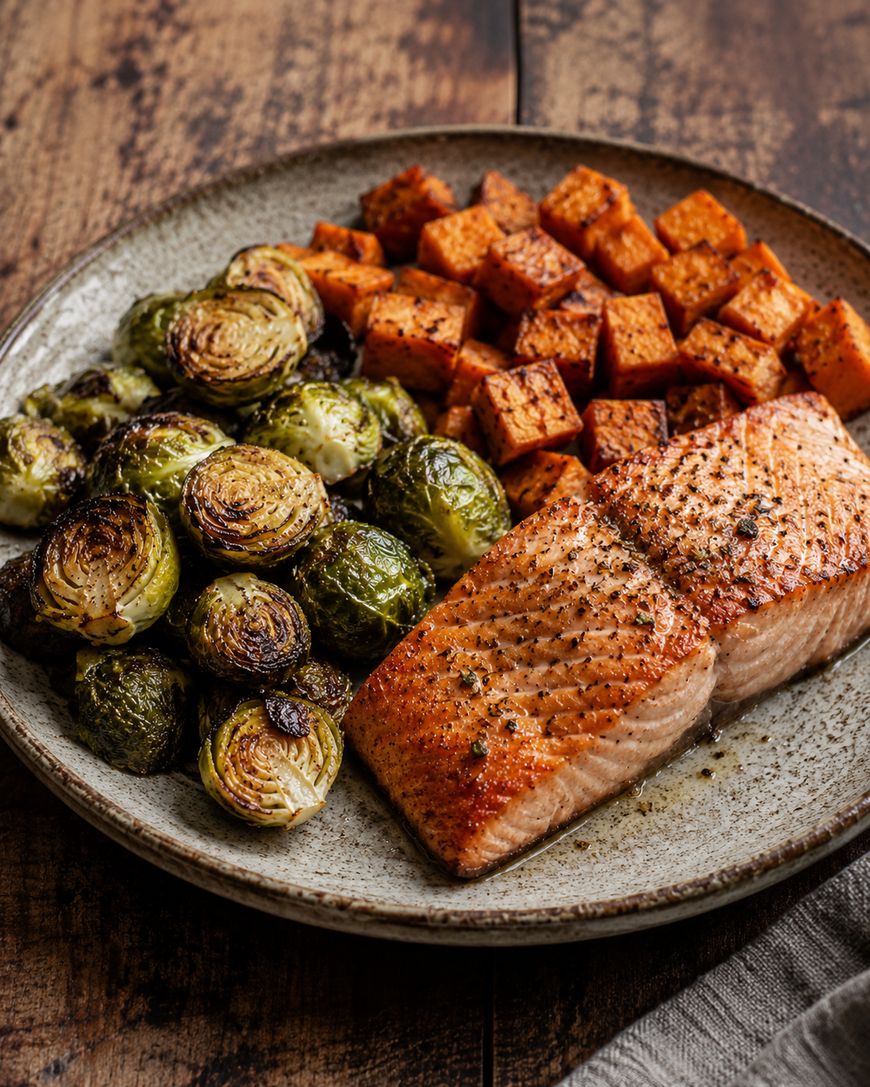
Roasted brussels sprouts complement roasted chicken, seared salmon, and grilled steak equally well thanks to their slightly bitter, caramelized profile.

They also round out a holiday table alongside turkey or ham without competing with richer side dishes.
Building a Full Meal
Paired with roasted sweet potatoes and a simple grain like farro or quinoa, the sprouts anchor a satisfying vegetarian dinner.
A poached egg on top turns the same dish into a heartier breakfast or brunch option.
Where This Dish Comes From
Brussels sprouts trace their name to Brussels, Belgium, where cultivation of the small cabbage relative was first documented in the sixteenth century.
Roasting as a preparation method became widespread in American kitchens only in the last few decades, after high heat cooking replaced the boiling methods that once gave the vegetable a poor reputation.
Chefs in the 2010s popularized crisped, caramelized preparations in restaurants, which shifted public perception of brussels sprouts from a bland side dish to a craveable one.
The recipe card below walks through exact measurements and timing for this dish.

Roasted Brussels Sprouts
Crisp, caramelized roasted brussels sprouts made with just olive oil, salt, and a hot oven.
Ingredients
- 1.5 pounds brussels sprouts, trimmed and halved
- 3 tablespoons olive oil
- 1 teaspoon kosher salt
- 0.5 teaspoon black pepper
- 2 cloves garlic, minced (optional)
- 1 tablespoon balsamic vinegar (optional)
- 0.25 cup grated parmesan (optional)
Instructions
- Preheat oven to 425 degrees Fahrenheit.
- Trim stem ends off brussels sprouts and slice each in half through the core.
- Pat sprouts dry with a clean towel.
- Toss sprouts with olive oil, kosher salt, and black pepper in a large bowl.
- Arrange sprouts cut side down in a single layer on a rimmed sheet pan.
- Roast for 20 to 25 minutes, checking at the fifteen minute mark.
- Remove from oven once cut sides are deep golden brown and centers are fork tender.
- Finish with a squeeze of lemon juice, balsamic glaze, or grated parmesan as desired.
- Serve immediately.
Notes
Sorting sprouts by size before halving helps them roast evenly.
Nutrition Information:
Yield:
4Serving Size:
1 servingAmount Per Serving: Calories: 145Total Fat: 11gSaturated Fat: 2gSodium: 380mgCarbohydrates: 11gFiber: 4gSugar: 3gProtein: 4g
This site provides estimated nutritional information. This information comes from online calculators. Although we try to provide accurate nutritional information, these figures are only estimates.
Questions About Roasted Brussels Sprouts
Why are my roasted brussels sprouts soggy instead of crispy?
Soggy sprouts usually result from overcrowding the sheet pan, which traps steam instead of allowing it to escape.
Using a larger pan or splitting the sprouts across two pans, along with drying them thoroughly before roasting, solves this issue in most kitchens.
Can frozen brussels sprouts be roasted the same way?
Frozen sprouts can be roasted, though they release more moisture and will not caramelize as deeply as fresh ones.
Thawing and patting them dry first, then roasting a few minutes longer, helps close the gap in texture.
What temperature gives the best caramelization?
A range between 400 and 425 degrees Fahrenheit consistently produces the best balance of browning and tender centers.
Lower temperatures tend to steam the sprouts rather than roast them, while much higher temperatures risk burning the outer leaves before the inside cooks through.
How can bitterness be reduced?
Halving the sprouts and roasting cut side down develops sugars that offset natural bitterness through caramelization.
A finishing touch of acid, such as lemon juice or balsamic vinegar, also balances bitter notes on the palate.
Do brussels sprouts need to be blanched before roasting?
Blanching is not necessary for roasting and can actually work against the crisp texture that makes this method appealing.
Skipping the blanching step and going straight to a hot oven produces better browning with less overall effort.
What is the best way to cut brussels sprouts evenly?
Trimming the stem end first creates a flat, stable base for slicing each sprout cleanly in half.
Sorting sprouts by size before cutting, so similar sizes roast together, keeps the finished batch consistent.
Final Thoughts
Roasted brussels sprouts reward a simple method with outsized flavor, turning a once overlooked vegetable into a dish people ask for by name.
With a hot oven, a little olive oil, and enough space on the pan, this recipe delivers crisp, caramelized results every time.