Last updated: September 25, 2026
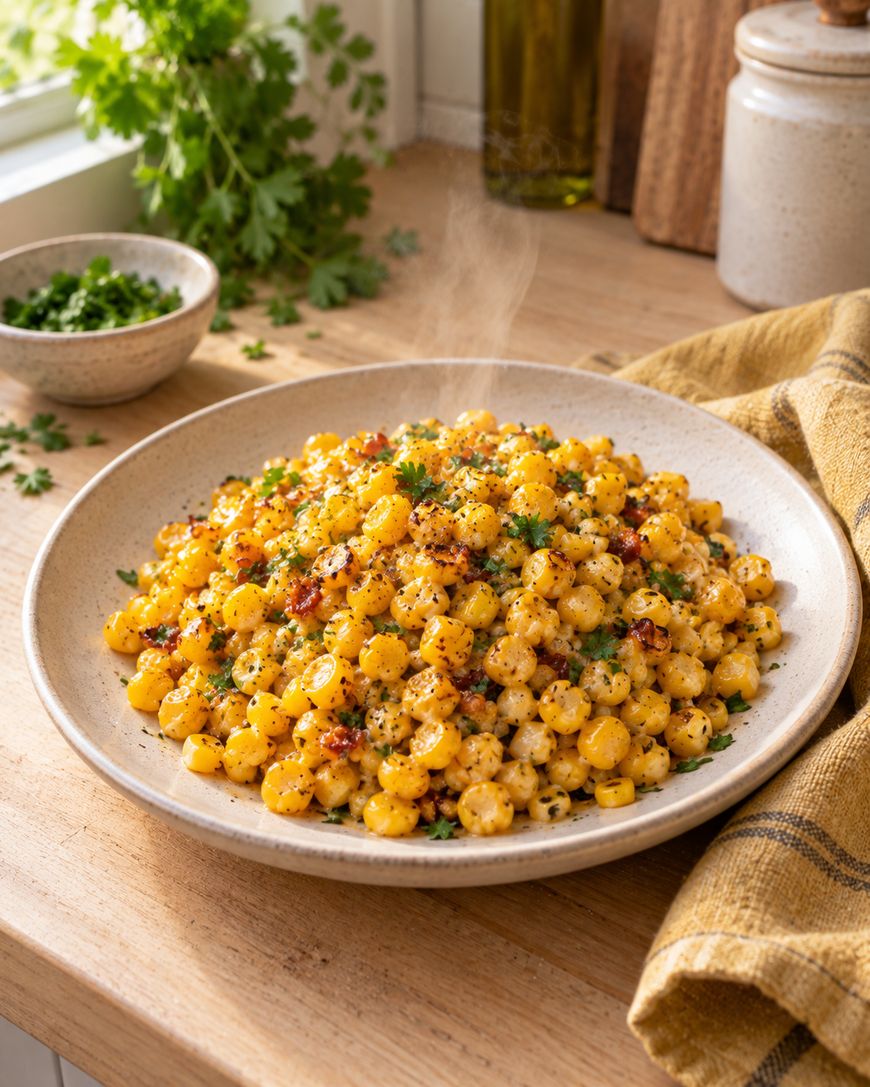
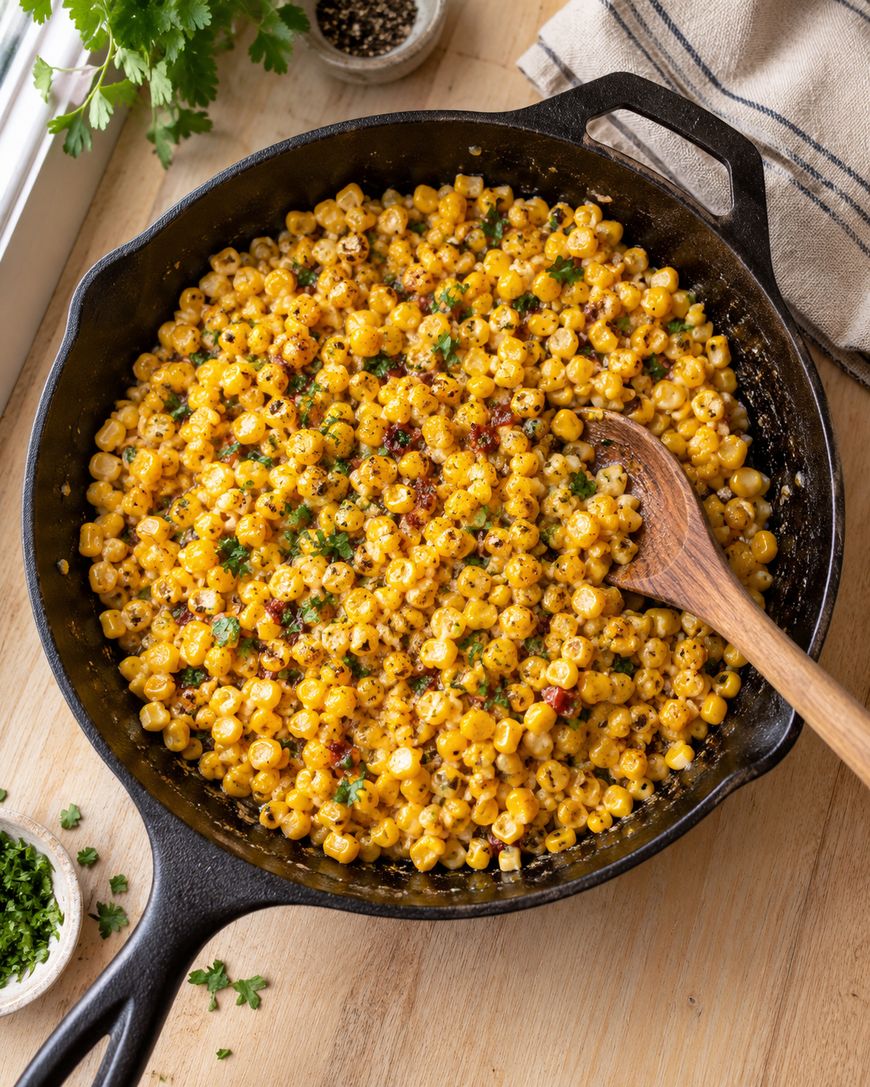
Skillet corn is the easy, buttery side dish you’ll want on the table every single week.
You only need one pan and about twenty minutes to turn a bag of corn into something this good, and we walk you through every step below along with the recipe card you can print or save.
What You Need for Skillet Corn
This skillet corn recipe leans on a short list of ingredients that already live in most kitchens.
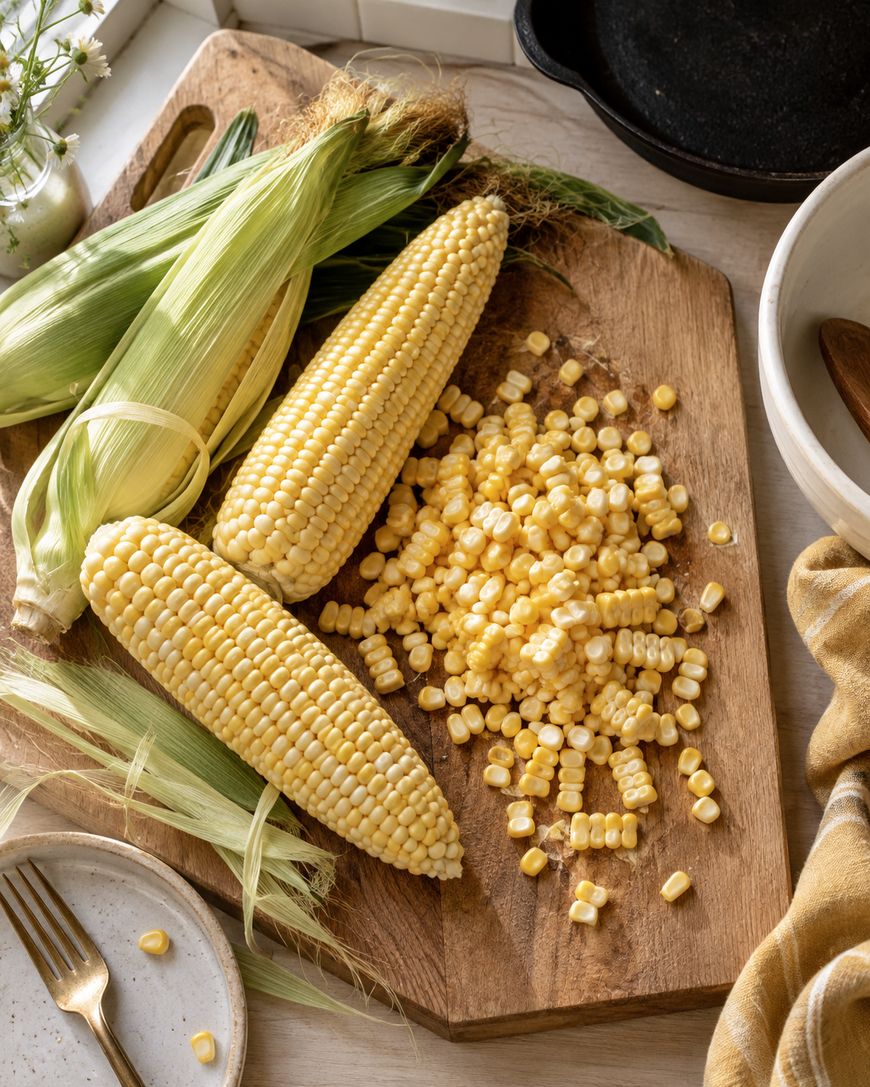
The Corn
You can use fresh, frozen, or canned corn for this recipe, and each version works well depending on the season.
Fresh corn cut straight off the cob gives you the sweetest flavor and the best texture, especially in late summer when corn is at its peak.
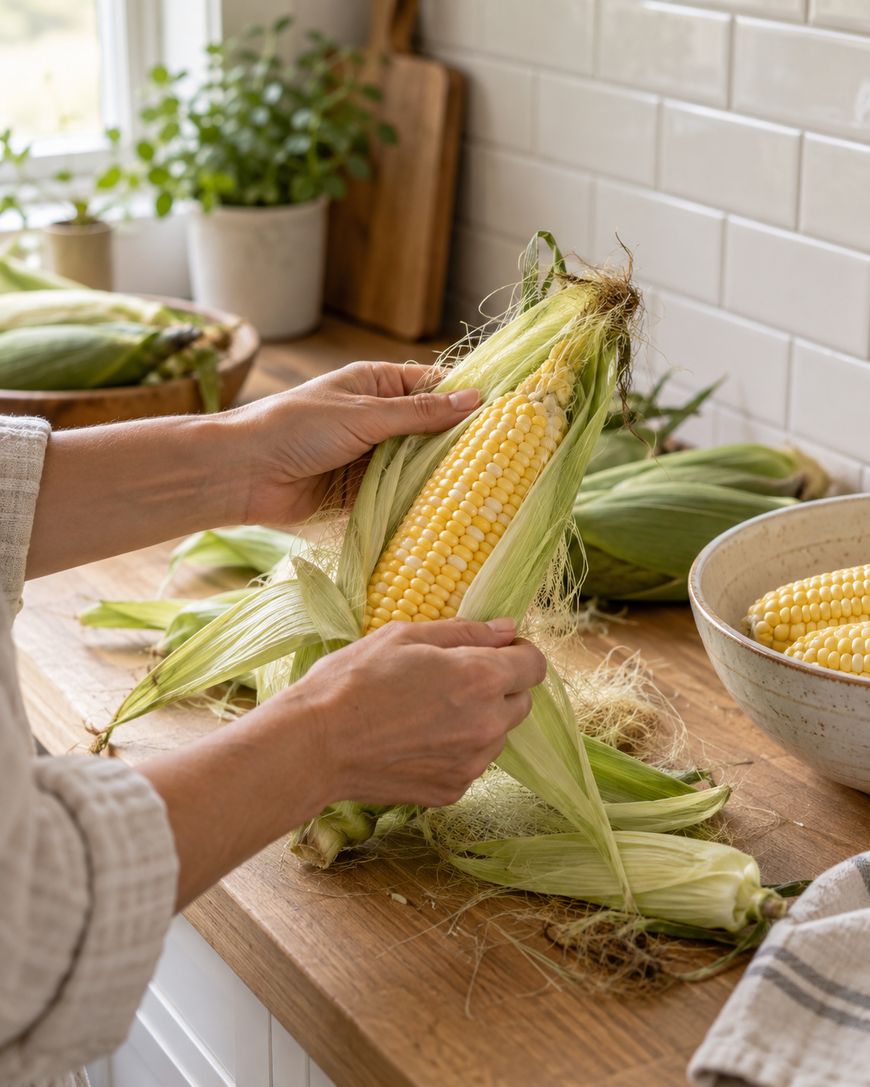
Frozen corn is the most convenient option and holds its flavor well since it’s usually frozen within hours of harvest.
Canned corn works in a pinch, though you’ll want to drain it thoroughly first so the skillet doesn’t end up watery.
The Butter and Fat
Butter is the backbone of this dish, giving the corn a rich, slightly nutty flavor as it browns in the pan.
You can swap in bacon grease for a smokier, savory version, or use a mix of butter and olive oil if you want a lighter feel without losing richness.
Sugar and Seasoning
A small amount of sugar balances the natural starchiness of the corn and helps it caramelize slightly in the skillet.
Salt and black pepper round things out, and a pinch of smoked paprika or cayenne adds warmth if you like a little kick.
How to Make Skillet Corn
Making skillet corn comes down to three simple stages: melting the fat, cooking the corn, and finishing with cream.
Melt the Butter
Start by melting your butter in a large skillet over medium heat until it foams slightly and smells nutty.
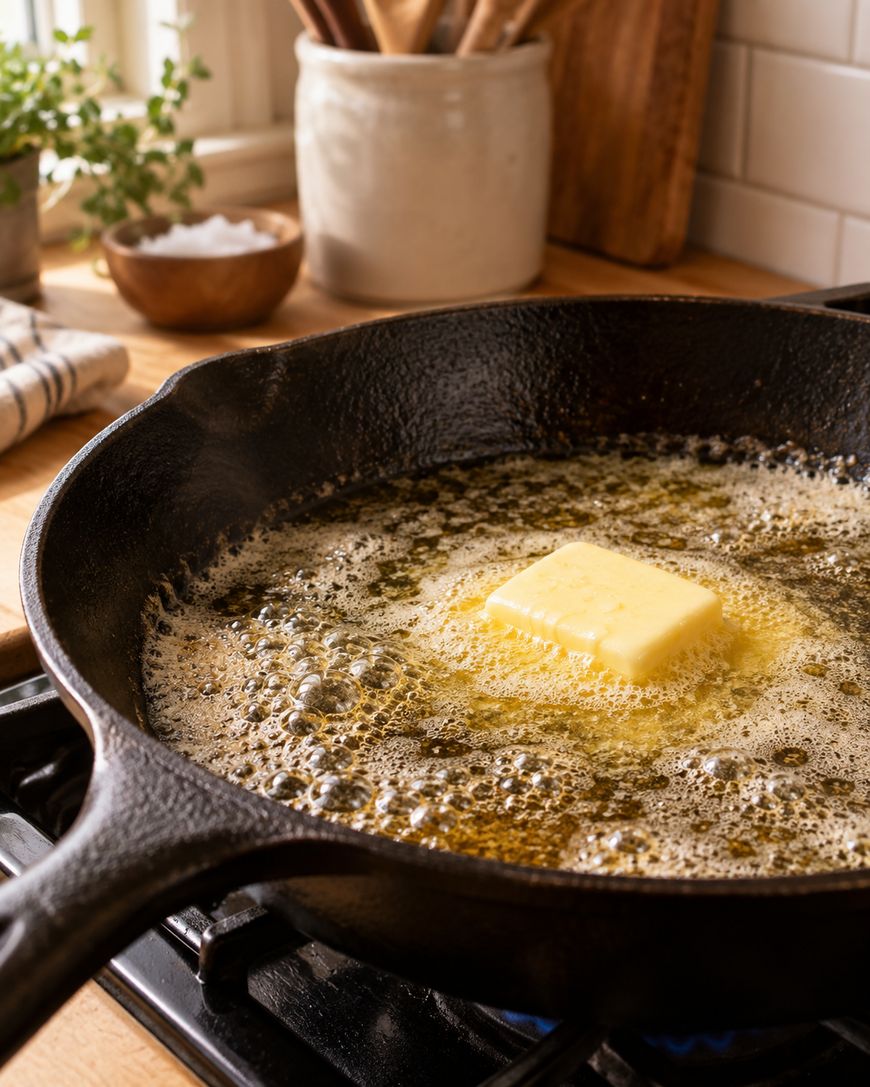
Cast iron works beautifully here because it holds heat evenly, but any heavy-bottomed skillet will do the job.
Cook the Corn
Add your corn kernels to the melted butter and stir to coat every kernel evenly.
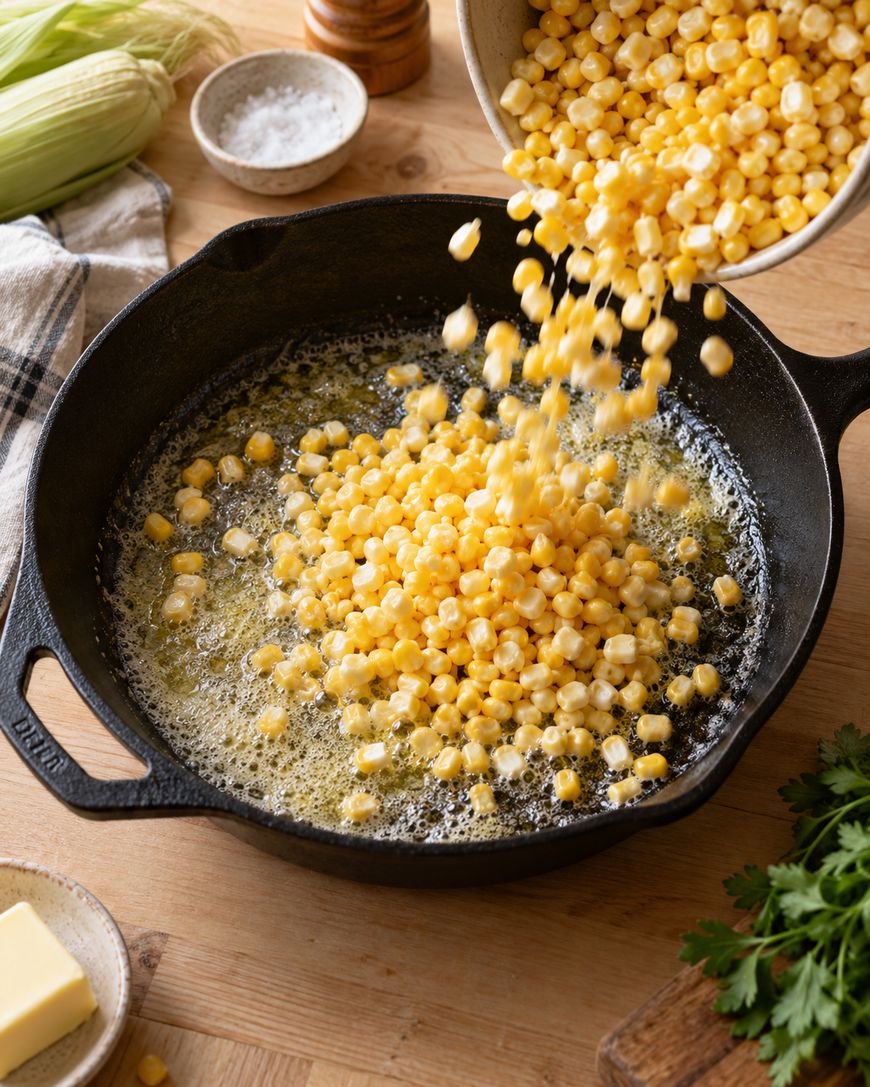
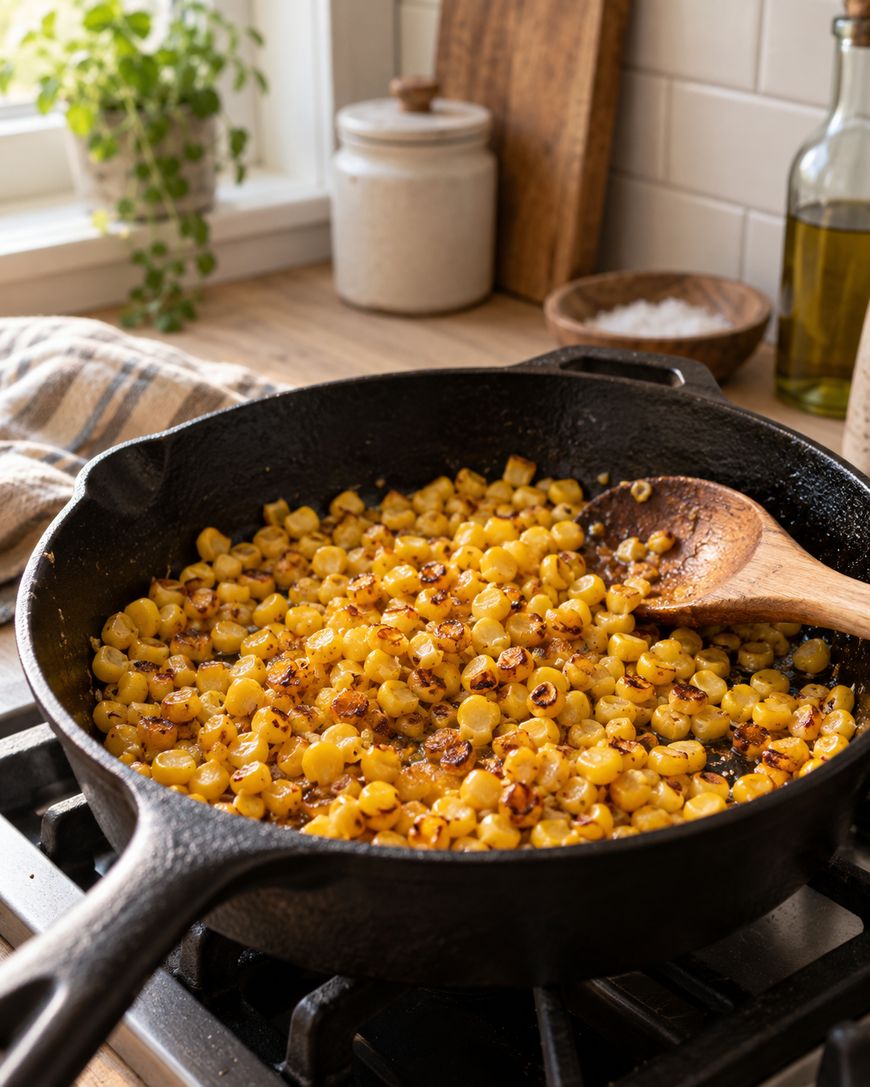
Let the corn cook undisturbed for a few minutes at a time so it has a chance to lightly brown and caramelize against the hot pan.
Stir occasionally rather than constantly, since too much stirring keeps the corn from developing that slightly charred, sweet edge that makes skillet corn so good.
Cook for about eight to ten minutes total, until the kernels are tender and some have picked up golden brown spots.
Add the Sugar and Cream
Once the corn is tender, sprinkle in the sugar, salt, and pepper, then stir to combine.
Pour in a splash of heavy cream or half-and-half and let the mixture simmer for another two to three minutes.
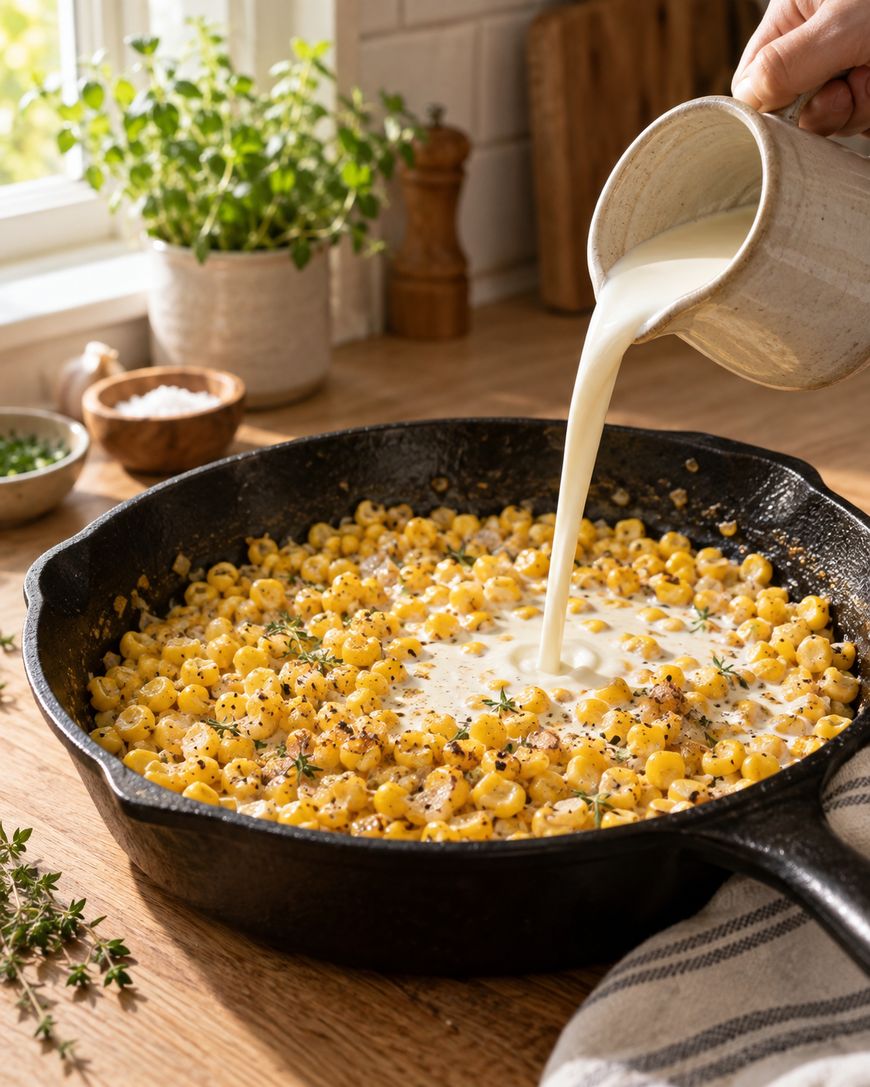
The cream thickens slightly and coats the kernels, giving the dish that glossy, restaurant-style finish without any extra effort.
Variations on Skillet Corn
Skillet corn is a flexible base recipe, and a few small changes can take it in a completely different direction.
Mexican Street Corn Skillet
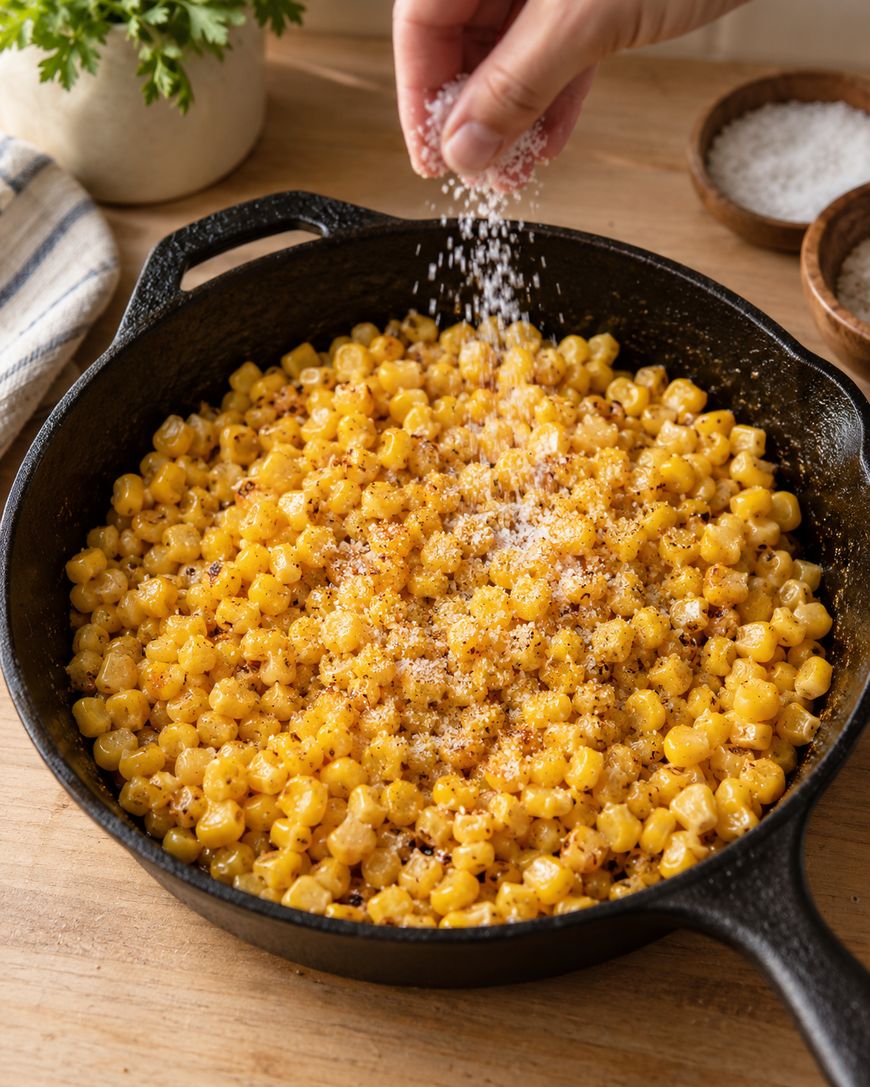
Stir in crumbled cotija cheese, a squeeze of lime, and chopped cilantro at the end for a version that echoes elote.
A dusting of chili powder on top finishes the look and adds a nice bit of heat.
Bacon and Jalapeno Skillet Corn
Cook chopped bacon in the skillet first, then use the rendered fat in place of some of the butter.
Add diced jalapeno along with the corn for a smoky, spicy take that pairs especially well with grilled meats.
Southern-Style Creamed Corn
For an even richer, more traditional Southern side, increase the cream and stir in a spoonful of cream cheese at the end.
This turns the dish into something closer to classic creamed corn while keeping the same skillet method.
Substitutions and Swaps
If you’re dairy-free, swap the butter for a plant-based butter and use coconut cream instead of heavy cream.
Frozen corn can go straight into the skillet without thawing first, though it may release a bit more liquid, so let it cook a minute or two longer to evaporate that extra moisture.
If you don’t have heavy cream on hand, whole milk works, though the finished dish will be slightly thinner and less glossy.
Storage and Reheating
Leftover skillet corn keeps well in an airtight container in the refrigerator for up to four days.
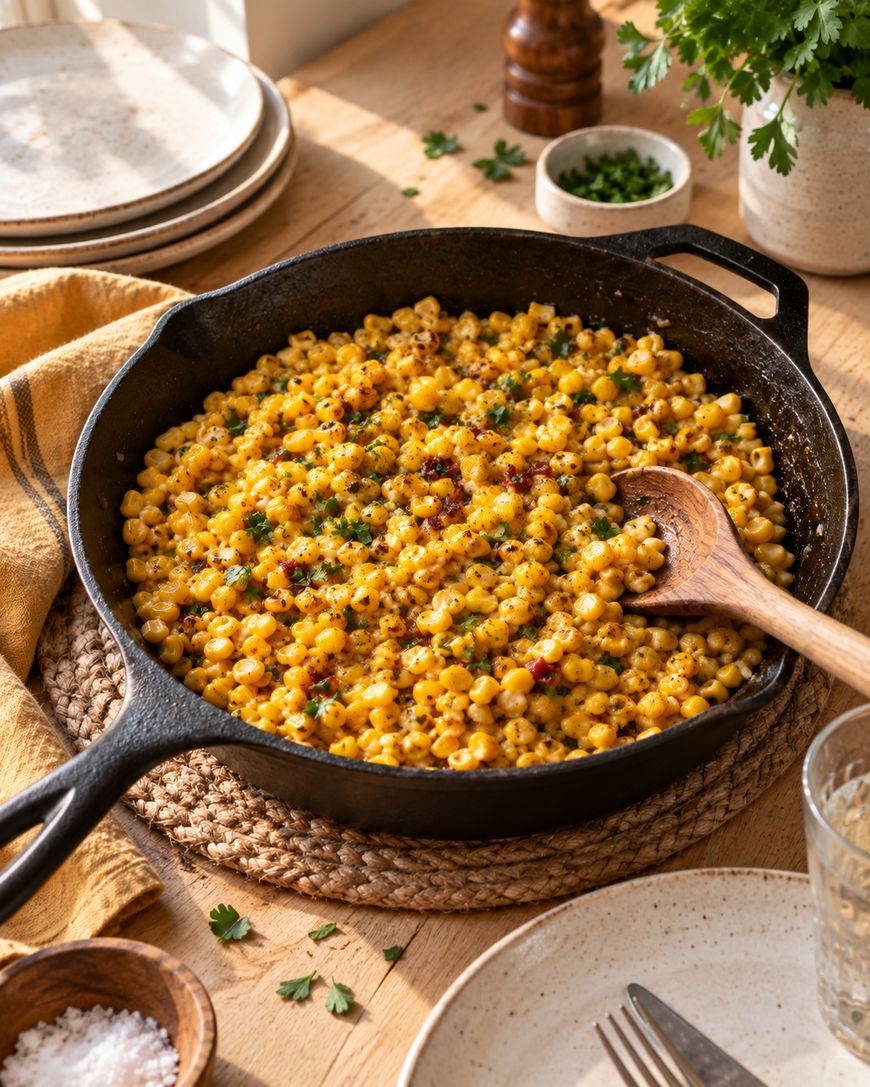
Reheat it gently in a skillet over medium-low heat with a small splash of milk or cream to loosen it back up, since it thickens as it cools.
You can also microwave individual portions in thirty-second bursts, stirring between each one so it heats evenly.
Skillet corn does not freeze particularly well because the cream can separate, so it’s best enjoyed within the first few days.
Serving Suggestions
Skillet corn works as a side for almost any weeknight dinner, from grilled chicken and pork chops to a summer cookout spread.
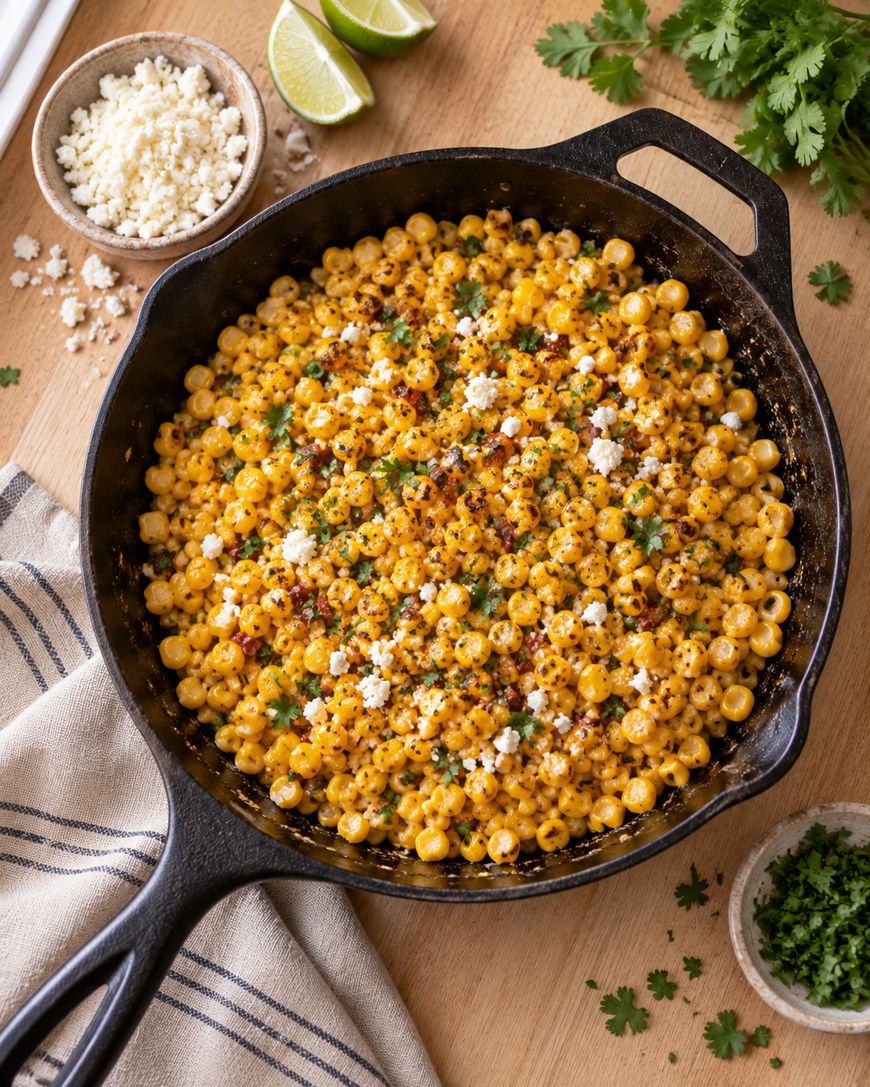
It also makes a wonderful addition to taco night, spooned alongside carnitas or grilled fish tacos.
For a cozy fall meal, pair it with roasted chicken and a simple green salad to round out the plate.
The origin of skillet corn traces back to home kitchens across the American South and Midwest, where cooks turned whatever corn was on hand into a quick, satisfying side using butter, a hot pan, and a bit of patience.
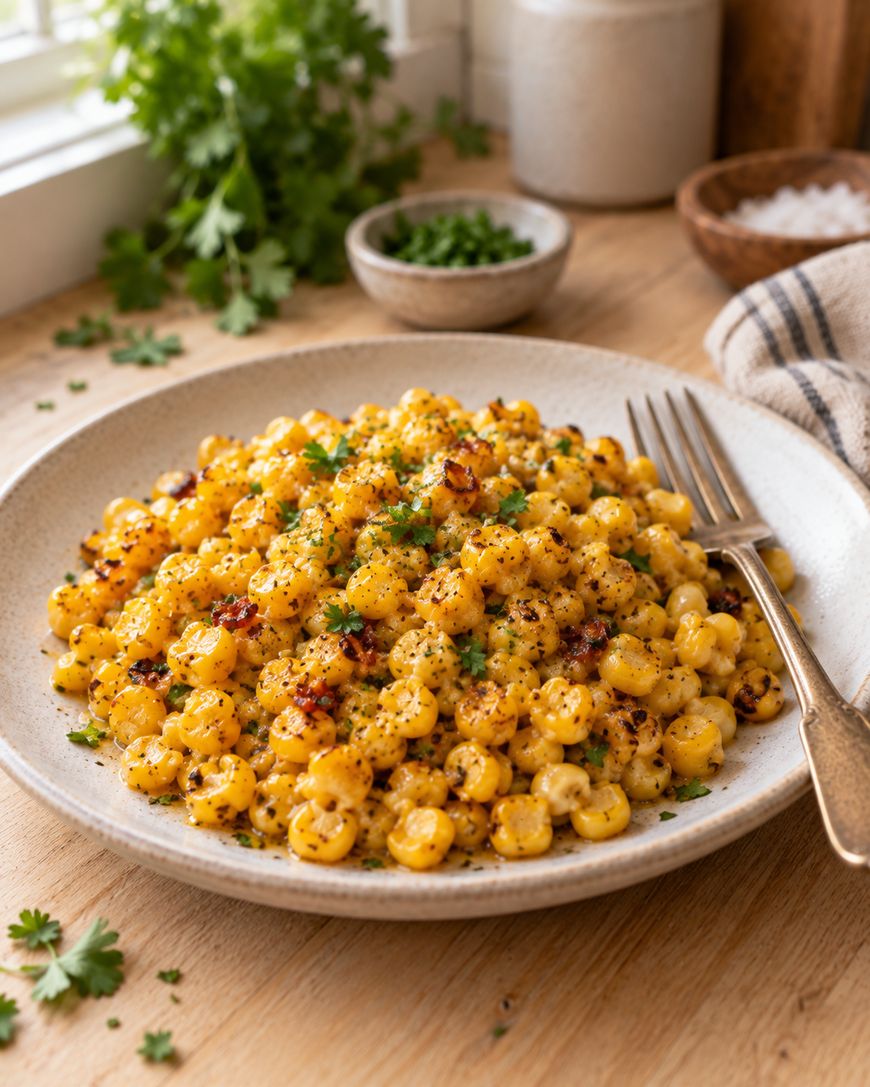
It has stayed a staple at family dinners and potlucks for generations because it comes together fast and always disappears first from the table.
We’ve included the full recipe card below with exact measurements and timing, so use it alongside the tips above for the best results.
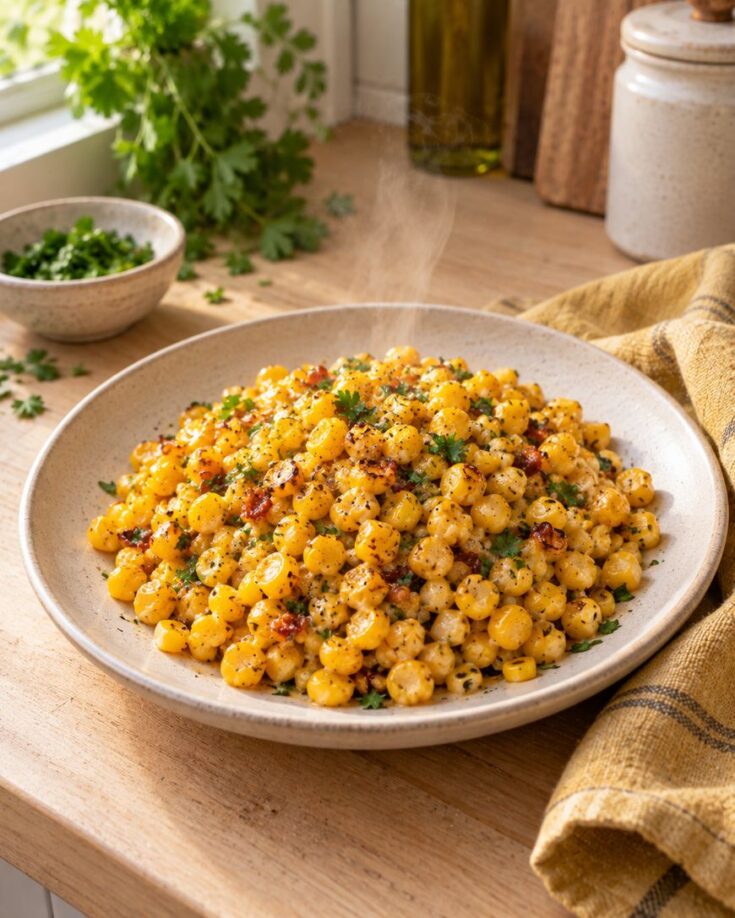
Skillet Corn
A buttery, lightly caramelized skillet corn side dish finished with a touch of cream, ready in about 20 minutes.
Ingredients
- 4 cups corn kernels (fresh, frozen, or canned and drained)
- 3 tablespoons unsalted butter
- 1 tablespoon granulated sugar
- 1/4 cup heavy cream
- 1/2 teaspoon salt
- 1/4 teaspoon black pepper
Instructions
- Melt the butter in a large skillet over medium heat until foamy and fragrant.
- Add the corn kernels and stir to coat evenly in the butter.
- Cook the corn for 8 to 10 minutes, stirring only occasionally, until tender and lightly golden in spots.
- Sprinkle in the sugar, salt, and pepper, and stir to combine.
- Pour in the heavy cream and simmer for 2 to 3 minutes, until slightly thickened and glossy.
- Remove from heat and serve warm.
Notes
Leftovers keep in an airtight container in the refrigerator for up to 4 days. Reheat gently in a skillet or microwave with a splash of milk or cream to loosen the sauce.
Nutrition Information:
Yield:
6Serving Size:
3/4 cupAmount Per Serving: Calories: 180Total Fat: 11gSaturated Fat: 6gSodium: 250mgCarbohydrates: 20gFiber: 2gSugar: 6gProtein: 3g
Skillet Corn Questions and Answers
Can I use canned corn for this recipe?
Yes, canned corn works fine as long as you drain it well first.
Pat it dry with a paper towel before adding it to the skillet so it browns instead of steaming.
Why is my skillet corn watery?
Watery skillet corn usually means the corn released too much liquid before it had a chance to brown.
Let it cook a little longer over slightly higher heat, stirring less often, so the extra moisture has time to evaporate.
Can I make skillet corn ahead of time?
You can make it up to a day ahead and reheat it gently on the stove with a splash of cream or milk.
The texture is best fresh, but it still tastes great the next day.
Is skillet corn the same as creamed corn?
Skillet corn is lighter than traditional creamed corn since it uses a smaller amount of cream rather than a thick sauce.
You can easily adjust the cream amount if you want it closer to a classic creamed corn texture.
Can I make this recipe dairy-free?
Yes, use a plant-based butter and coconut cream in place of the dairy versions.
The flavor changes slightly, but the technique stays exactly the same.
What’s the best skillet to use?
A cast iron or heavy-bottomed stainless steel skillet gives the best browning because it holds heat evenly across the surface.
Nonstick pans work too, though you may get slightly less caramelization on the kernels.
Why This Recipe Works
This skillet corn recipe works because it leans on a hot, heavy pan to caramelize the natural sugars in the corn before any cream is added.
Cooking the kernels undisturbed for stretches at a time, rather than stirring constantly, is what creates those lightly charred, golden edges that give the dish real depth of flavor.
Adding the sugar only after the corn has already browned means it enhances the caramelization rather than burning too early in the pan.
Finishing with cream at the very end, once the kernels are already tender, keeps the sauce light and glossy instead of heavy, so the corn itself stays the star of the dish.
Bring Skillet Corn to Your Table Tonight
Skillet corn is proof that a handful of simple ingredients and one good pan can turn into something everyone asks for again.
Save this skillet corn recipe for your next dinner, and use the card below to keep the measurements and timing on hand while you cook.
Turnip Greens Recipe: Southern-Style Braised Greens Done Right