Last updated: August 8, 2026
Sourdough add ins are ingredients you mix into sourdough dough to change the flavor, texture, and “wow factor” without changing the basic sourdough method, and the simplest approach is to choose one add-in, use a measured amount (usually 10–20% of flour weight), and add it during lamination so it distributes evenly.
If you want the easiest success path, pick a low-moisture add-in like shredded cheese, toasted seeds, or dried fruit and avoid wet ingredients on your first try.
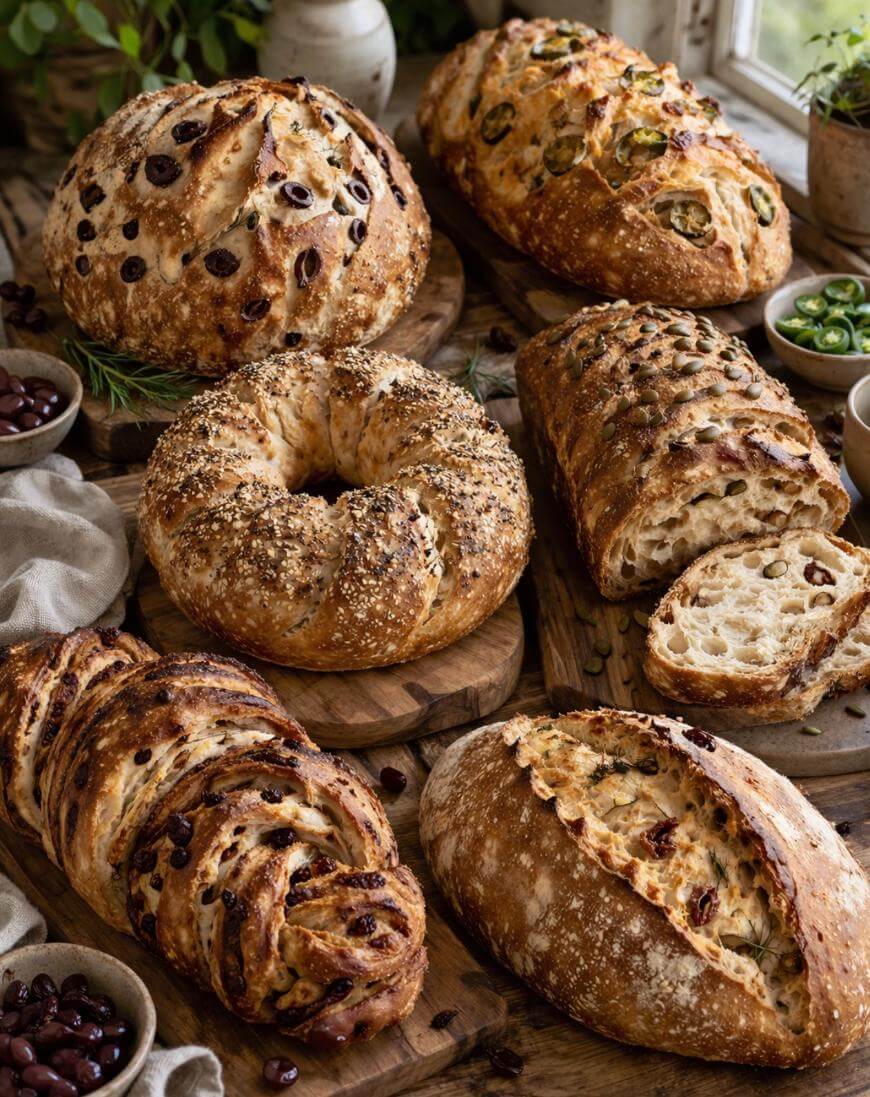
Sourdough Add Ins Ideas You Can Use Right Now
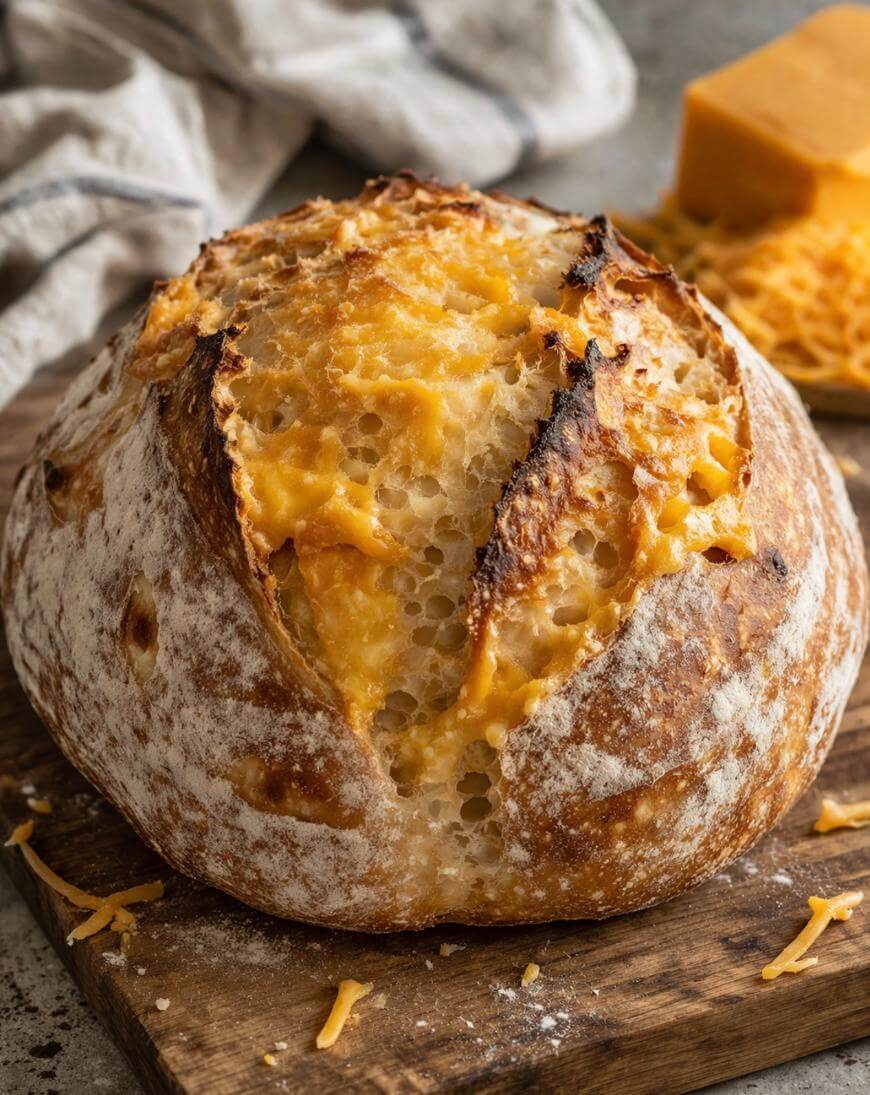
1. Cheddar Cheese
Use cheddar when you want a savory loaf with melty pockets and a rich, salty finish. Medium or sharp cheddar gives you the best flavor without needing extra spices.
Use 100g shredded cheddar per 500g flour. Best stage: add during lamination so it spreads in thin layers instead of clumping.
2. Jalapeños
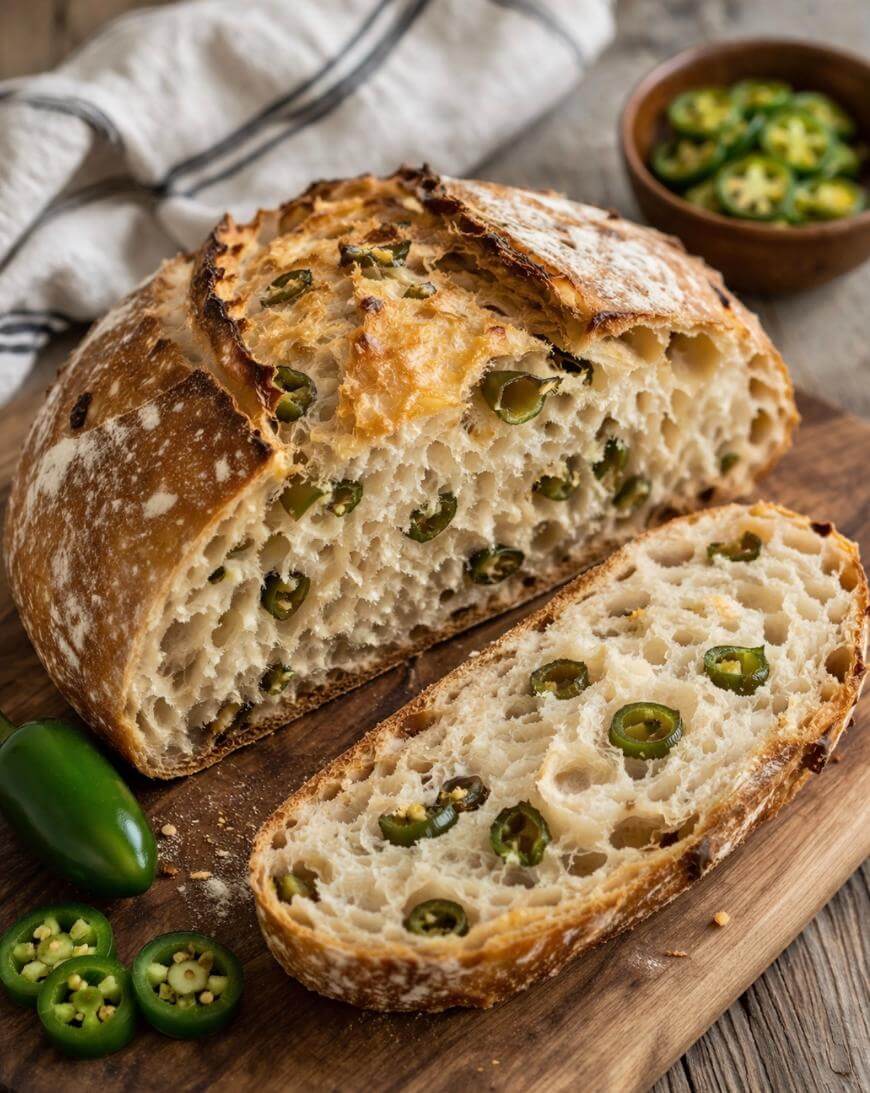
Use jalapeños when you want heat that cuts through sourdough’s tang and makes grilled cheese or breakfast toast taste next-level. Pickled jalapeños are easiest because they stay tender after baking.
Use 75g chopped jalapeños per 500g flour. Best stage: add during lamination after patting them dry so your dough does not loosen.
3. Kalamata Olives
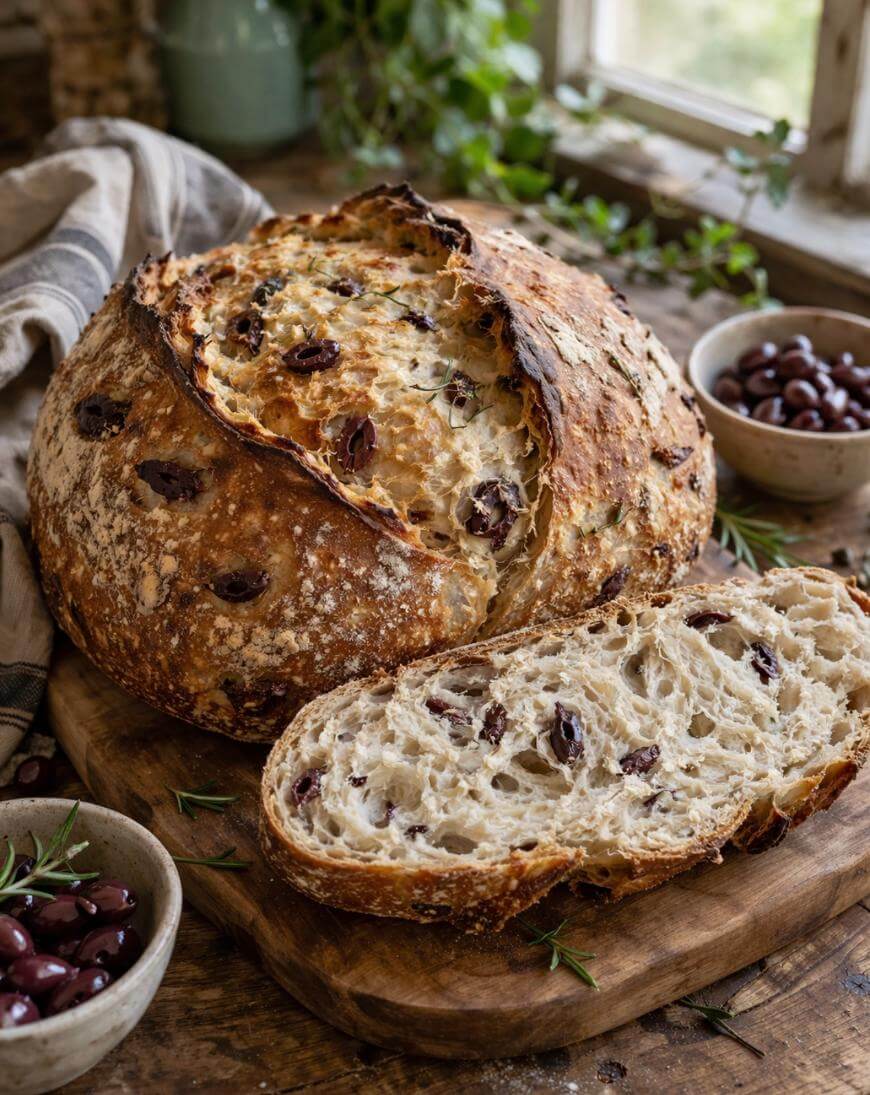
Use olives for a salty, briny loaf that feels instantly bakery-style and pairs well with soups and salads. Olives also add moisture, which can make your crumb feel softer.
Use 100g chopped olives per 500g flour. Best stage: add during the last set of stretch-and-folds so the dough is strong enough to hold them.
4. Roasted Garlic
Use roasted garlic for a sweet-savory flavor that melts into the crumb without harsh bite. It is a great add-in when you want something bold but not spicy.
Use 60g roasted garlic per 500g flour. Best stage: add during lamination after lightly mashing so it spreads evenly.
5. Fresh Rosemary
Use rosemary when you want a fragrant loaf that tastes amazing with olive oil, butter, or as a sandwich base. Rosemary is powerful, so too much can turn bitter.
Use 3g chopped fresh rosemary per 500g flour. Best stage: mix it in at the initial mix so the oils distribute throughout the dough.
6. Everything Bagel Seasoning
Use everything seasoning when you want “bagel flavor” without extra steps, and you want crunch on the crust. It is also a smart shortcut add-in because it combines multiple flavors.
Use 15g seasoning per 500g flour. Best stage: add at shaping as an exterior coating for maximum crunch and best visual payoff.
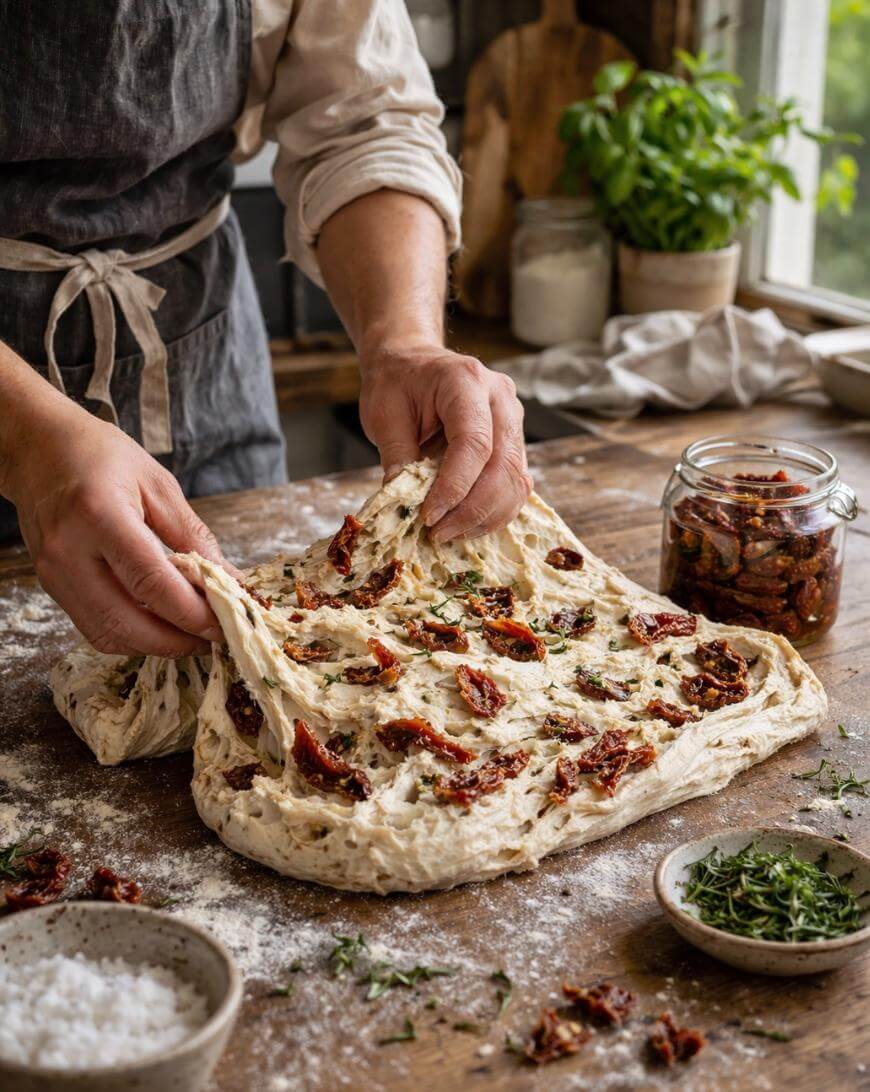
7. Sun-Dried Tomatoes
Use sun-dried tomatoes when you want sweet-tart, chewy bursts that pair perfectly with herbs and cheese. Oil-packed tomatoes taste richer but need blotting.
Use 90g chopped sun-dried tomatoes per 500g flour. Best stage: add during lamination after blotting well to avoid greasy pockets.
8. Parmesan Cheese
Use parmesan when you want salty, nutty flavor without heavy chunks, plus a slightly more savory crust. It is especially good in grilled sandwiches.
Use 40g finely grated parmesan per 500g flour. Best stage: mix it in early so it hydrates and disperses evenly.
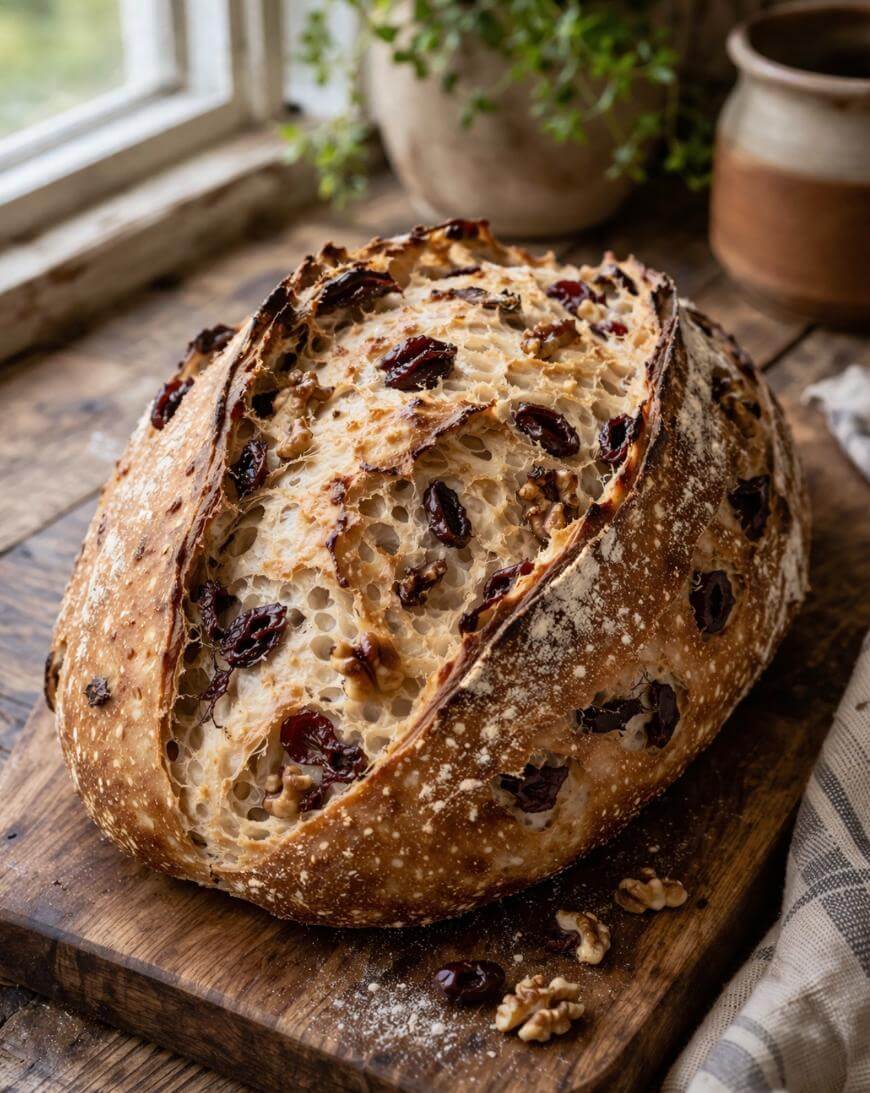
9. Toasted Walnuts
Use walnuts for crunch and earthy richness that balances sourdough tang and works well with dried fruit. Toasting makes the flavor noticeably deeper.
Use 100g toasted chopped walnuts per 500g flour. Best stage: add during lamination so you do not tear gluten during folds.
10. Toasted Pecans
Use pecans for a sweeter, buttery crunch that works especially well in cinnamon or maple-style loaves. They tend to feel softer than walnuts in the crumb.
Use 100g toasted chopped pecans per 500g flour. Best stage: add during lamination for even distribution without shredding dough.
11. Cinnamon Swirl Sugar
Use cinnamon sugar when you want a sweet loaf that toasts like a treat but still slices cleanly. You will get the best “swirl” from layering, not mixing.
Use 10g cinnamon plus 50g sugar per 500g flour. Best stage: add during lamination as a thin, even layer to create a true swirl.
12. Raisins
Use raisins for classic cinnamon-raisin energy and a naturally sweet bite. Raisins can pull in moisture, which can make the crumb feel tender.
Use 120g raisins per 500g flour. Best stage: add during lamination after a quick soak and thorough draining.
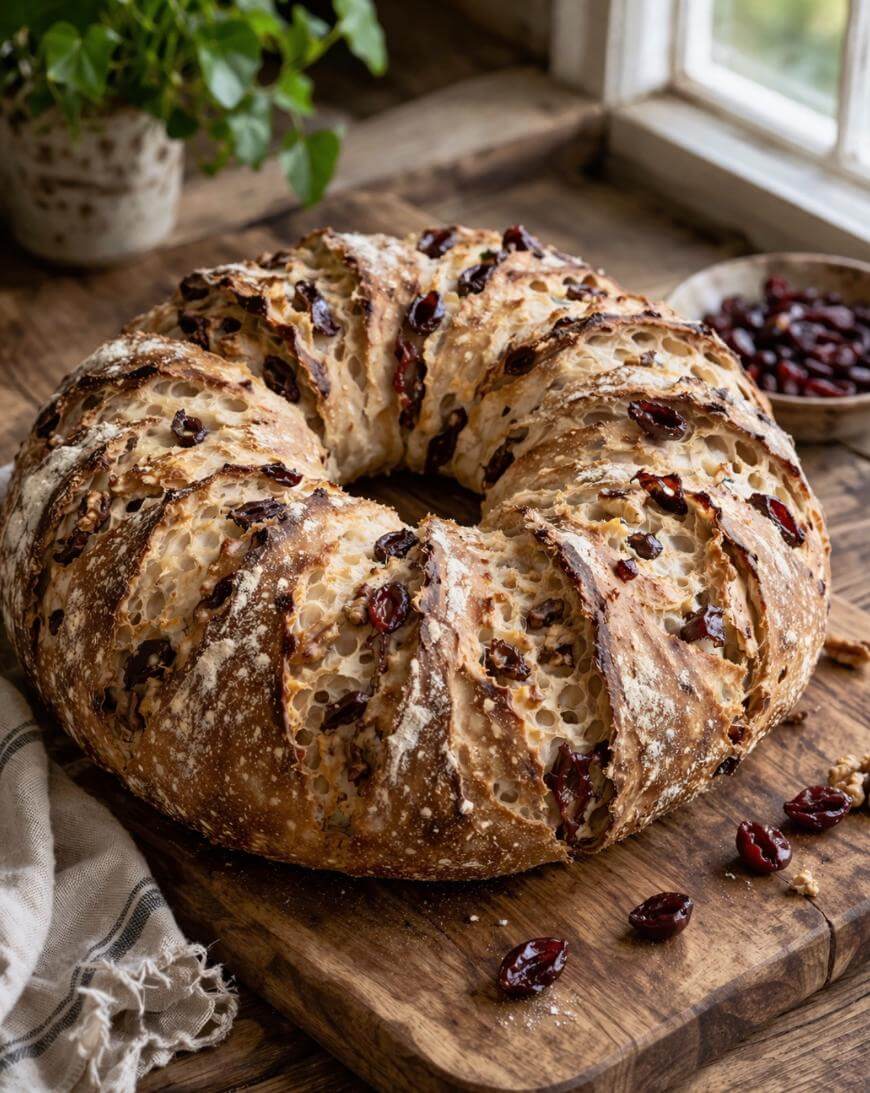
13. Dried Cranberries
Use dried cranberries for sweet-tart pops that look beautiful in slices and feel seasonal without being complicated. They are often drier than raisins, so soaking helps.
Use 120g dried cranberries per 500g flour. Best stage: add during lamination after soaking and patting dry.
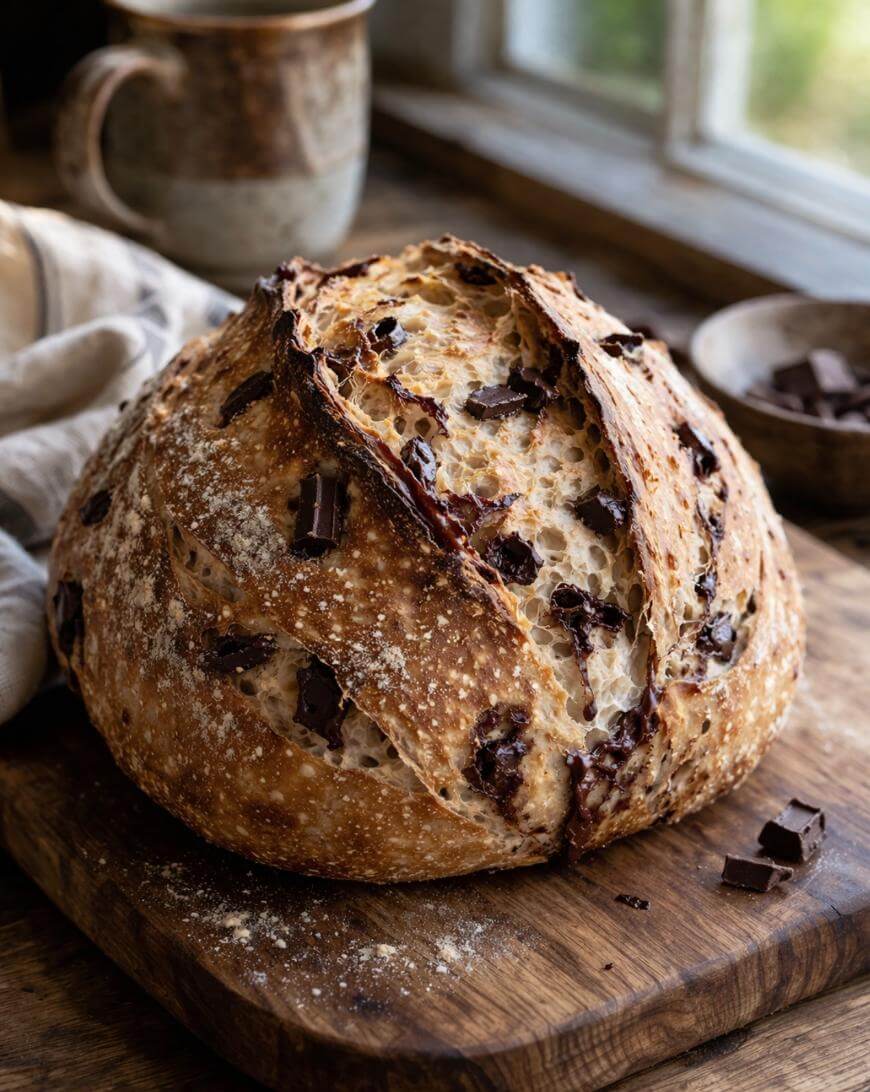
14. Chocolate Chips
Use chocolate chips when you want a dessert-style loaf that still feels like bread and not cake. Semi-sweet holds the best balance with sourdough tang.
Use 125g chocolate chips per 500g flour. Best stage: add during lamination and keep folds gentle afterward to avoid smearing.
15. Cocoa Powder
Use cocoa powder when you want a deep chocolate loaf that pairs with butter, nut butter, or a dusting of powdered sugar. Cocoa absorbs water, so your dough may feel tighter.
Use 30g cocoa powder per 500g flour. Best stage: mix it in at the initial mix so it fully hydrates, and add 15g extra water if the dough feels stiff.
16. Lemon Zest
Use lemon zest when you want brightness without adding moisture or changing fermentation much. It pairs especially well with blueberries or poppy seeds.
Use zest of 2 lemons per 500g flour. Best stage: mix it in at the initial mix so the oils spread through the dough.
17. Blueberries
Use blueberries for juicy bursts and a sweet-tart loaf that feels like brunch. Frozen berries are easiest to handle, but they bleed more color into the dough.
Use 140g blueberries per 500g flour. Best stage: add during lamination, then keep later folds minimal to reduce berry smash.
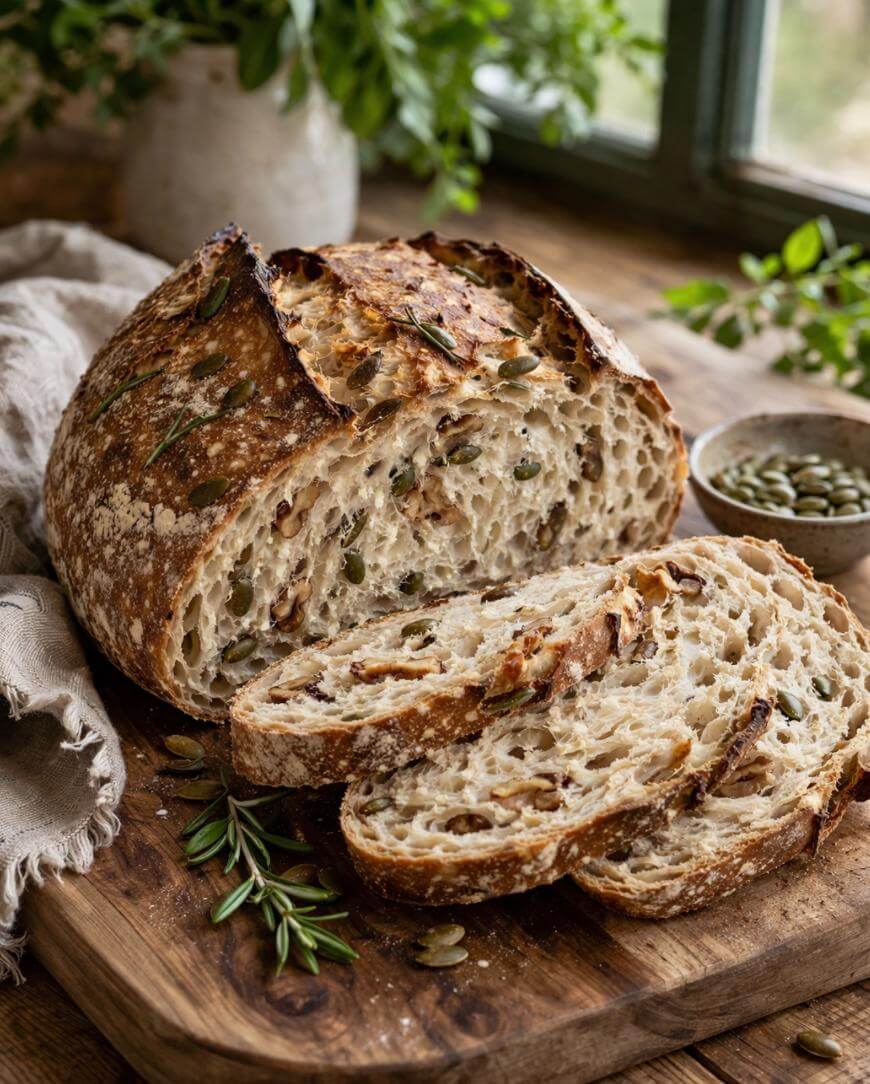
18. Toasted Pumpkin Seeds
Use pumpkin seeds for crunch and mild nuttiness that works in both sweet and savory loaves. They also make your slices look more artisanal.
Use 80g toasted pumpkin seeds per 500g flour. Best stage: add during the last stretch-and-folds, saving 20g for topping at shaping.
19. Cooked Bacon
Use bacon for a bold savory loaf that makes incredible sandwiches and breakfast toast. Grease is the main enemy, so blotting matters.
Use 90g cooked, cooled, well-blotted bacon per 500g flour. Best stage: add during lamination so it distributes without breaking dough strength.
20. Caramelized Onions
Use caramelized onions for sweet-savory depth that tastes gourmet with very little effort. Onions can add moisture, so they need to be reduced and cooled.
Use 120g cooled caramelized onions per 500g flour. Best stage: add during lamination so you can spread them thin and avoid clumps.
21. Dill
Use dill for a fresh, tangy flavor that feels “pickle-adjacent” and pairs well with cream cheese and smoked fish. Dill is strong, so start small.
Use 10g fresh dill (or 3g dried dill) per 500g flour. Best stage: mix it in early so it distributes evenly.
22. Sesame Seeds
Use sesame seeds for a toasty crust, extra crunch, and better texture for sandwiches. They shine the most as an exterior coating.
Use 30g sesame seeds per 500g flour if mixing in, or use 40–60g for coating the outside. Best stage: add at shaping as a coating so the crust gets maximum flavor.
How To Add Sourdough Add Ins Without Ruining Your Dough
23. Keep Total Add-Ins Under A Safe Ceiling
A safe ceiling for most loaves is 20% total add-ins by flour weight, especially while you’re dialing in technique. If you go higher, your dough can struggle to hold shape and your crumb can get dense.
If you want a heavily loaded loaf, build up slowly, like 15% first, then 20%, then 25% only after you know your dough well.
24. Pat Wet Ingredients Dry Every Time
Anything packed in brine, oil, or syrup can throw off your hydration fast. Drying ingredients keeps your dough predictable and easier to shape.
A simple rule is to blot wet add-ins for 30–60 seconds with paper towels before adding them.
25. Toast Nuts And Seeds For Better Flavor
Toasting is the easiest upgrade you can do for nuts and seeds, and it makes a bigger difference than most people expect. It also reduces the raw, dusty flavor some seeds can have.
Toast at 325–350°F for 6–10 minutes, then cool completely before adding so you do not warm the dough.
26. Use Lamination For The Most Even Distribution
Lamination means stretching the dough into a thin sheet, sprinkling add-ins, then folding it up like a letter. This distributes ingredients beautifully and protects dough strength.
If you want clean slices and an even bite in every piece, lamination is usually your best “default” method.
27. Save Some Add-Ins For The Outside
Exterior add-ins give you big visual payoff and strong flavor without weighing down the crumb. Seeds, seasoning blends, and grated hard cheese work especially well outside.
A simple starting move is to reserve 20% of your add-ins for topping at shaping.
28. Watch Salt When Your Add-In Is Salty
Cheese, olives, cured meats, and seasoning blends can push your salt higher than you realize. Too much salt can slow fermentation and make the loaf taste harsh.
If your add-in is very salty, reduce your dough salt by about 0.2–0.4% of flour weight as a first test.
29. Expect Fermentation To Shift With Sugar And Fruit
Sweet add-ins and dried fruit can make fermentation feel more active, and very acidic fruits can change dough behavior. Your bulk may finish sooner than usual.
A practical approach is to watch the dough, not the clock, and aim for the same rise target you normally use.
30. Protect Your Crumb By Cutting Add-Ins Smaller
Big chunks create tunnels and weak spots, especially in smaller loaves. Smaller pieces distribute better and slice more cleanly.
As a simple size guideline, aim for pieces around the size of a pea to a blueberry for most mix-ins.
What To Avoid With Sourdough Add Ins
31. Avoid Very Wet Fresh Ingredients On Your First Try
Fresh tomatoes, watery fruits, and high-moisture vegetables can flood your dough and cause spreading. They can still work, but they are not beginner-friendly.
If you want that flavor, use dried, roasted, or cooked-and-cooled versions first.
32. Avoid Adding Add-Ins Before Gluten Develops
Early add-ins can tear gluten, slow strength building, and lead to a flatter loaf. This is especially true with sharp, heavy, or chunky ingredients.
If you are unsure, wait until lamination or the second fold and you will almost always get a better structure.
33. Avoid Overloading With Too Many Different Textures
Mixing crunchy nuts, soft fruit, and oily cheese in one loaf can create uneven fermentation and shaping issues. It can still be delicious, but it is harder to control.
If you want a complex loaf, keep it to two add-ins that “agree,” like cheddar plus jalapeño or cranberry plus walnut.
Key Takeaways
You will get the most consistent results when you keep add-ins around 10–20% of flour weight.
Lamination is the most reliable stage for even distribution.
Wet add-ins should always be patted dry before adding.
Toasting nuts and seeds improves flavor more than you think.
Salty add-ins may require a small salt reduction in the base dough.
Save some add-ins for the exterior for better crunch and visuals.
FAQ
Can you add sourdough add ins during mixing instead of later?
Yes, you can add them during mixing, but it is best for fine or dry add-ins like herbs, zest, and grated hard cheese. Chunky add-ins are usually easier during lamination because they tear gluten less.
What is the easiest add-in for a beginner loaf?
Shredded cheddar or toasted seeds are usually the easiest because they do not add much extra moisture. They also distribute well and give noticeable flavor without complicating shaping.
How do you keep add-ins from falling out while shaping?
You keep add-ins in place by adding them during lamination and then tightening your final shape with gentle surface tension. Reserving exterior toppings for after shaping also helps prevent loose pieces.
Do add-ins change bake time?
Usually not by much, but very wet add-ins can make the loaf need a few extra minutes to fully set. A practical check is to bake until the crust is deeply browned and the loaf feels light for its size.
Why Sourdough Add Ins Are Worth It
You get more variety from one sourdough routine, which makes baking feel easier to stick with. You also get loaves that match your meals, like savory loaves for soups and sweet loaves for breakfast toast.
When you measure add-ins and add them at the right stage, you can keep your crumb strong while still getting big flavor.