Last updated: May 19, 2026
When you’re facing a serious wound that won’t heal properly, your doctor might recommend a specialized procedure to remove damaged tissue and promote healing. This medical intervention involves carefully cleaning and preparing the wound bed so your body can regenerate healthy tissue more effectively. Understanding what actually happens during this process can help ease anxiety and prepare you for what to expect. Let’s walk through the key stages of this important medical procedure.
The Initial Assessment and Preparation Phase
Before any instruments touch your skin, your medical team conducts a thorough evaluation of the wound site. They’ll examine the extent of damaged tissue, check for signs of infection, and determine which debridement method will work best for your specific situation. This assessment guides every decision that follows.
The preparation phase also includes discussing anesthesia options with you. Depending on the wound’s size and location, you might receive local anesthesia, regional nerve blocks, or general anesthesia. The medical staff will clean the surrounding skin area and position you comfortably to give them optimal access to the wound.
Anesthesia Administration Takes Effect
Once the medical team has completed their preparations, they’ll administer the chosen anesthetic. If you’re receiving local anesthesia, you’ll feel some initial stinging as the medication is injected around the wound site, but this discomfort quickly fades as numbness sets in.
For larger or more complex wounds requiring wound debridement surgery, general anesthesia might be necessary. In these cases, an anesthesiologist monitors your vital signs throughout the entire procedure while you remain comfortably asleep. The goal is ensuring you experience no pain while allowing surgeons to work efficiently.
Removal of Dead and Damaged Tissue Begins
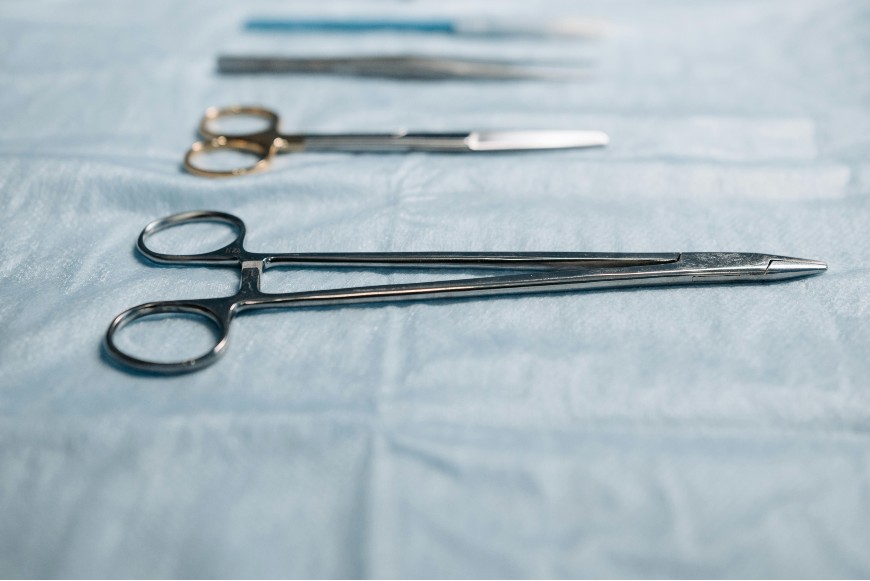
This is the core phase where surgeons carefully remove necrotic tissue, debris, and any material that could interfere with healing. Using specialized instruments like scalpels, curettes, or scissors, they methodically excise tissue that’s beyond saving. The process requires precision because surgeons must remove enough damaged tissue without unnecessarily removing healthy tissue.
Different techniques might be employed depending on your wound’s characteristics. Sharp debridement uses surgical instruments for precise cutting, while mechanical methods might involve special dressings or irrigation. Sometimes surgeons combine multiple approaches to achieve the best results for your particular wound.
Thorough Irrigation Cleans the Wound Bed
After removing the damaged tissue, the surgical team flushes the wound extensively with sterile saline solution or other appropriate cleansing fluids. This irrigation serves multiple purposes: it washes away loose debris, reduces bacterial load, and allows better visualization of the remaining tissue.
The irrigation process might involve significant volumes of fluid, especially for larger wounds. Surgeons carefully inspect the wound bed during this phase to ensure they haven’t missed any pockets of infection or additional areas requiring attention. This step is crucial for preventing complications down the road.
Hemostasis Controls Any Bleeding
As surgeons work, some bleeding naturally occurs when blood vessels in the damaged tissue are cut. Once the debridement is complete, they focus on achieving hemostasis—stopping any active bleeding. They might use cauterization, apply pressure, or employ special hemostatic agents.
Controlling bleeding is essential not just for your safety but also for proper wound healing. Excessive blood accumulation in the wound bed can create an environment where bacteria thrive and interfere with the formation of healthy new tissue.
Application of Appropriate Wound Dressing
With the wound now clean and bleeding controlled, the medical team applies specialized dressings tailored to your wound’s needs. Modern wound care offers numerous dressing options, from simple gauze to advanced materials that maintain ideal moisture levels and promote healing.
The choice of dressing depends on factors like wound depth, drainage amount, and the planned healing approach. Some wounds are left open to heal gradually from the bottom up, while others might be partially closed. Your surgeon will explain their dressing choice and what to expect during recovery.
Post-Procedure Monitoring and Care Instructions
Before you leave the surgical area, nurses monitor your vital signs and ensure you’re recovering appropriately from anesthesia. They’ll check the dressing for any signs of excessive bleeding and confirm you’re comfortable.
You’ll receive detailed instructions about caring for your wound at home, including how to keep the dressing clean and dry, when to schedule follow-up appointments, and what warning signs require immediate medical attention. Many patients need multiple debridement sessions, so understanding the ongoing care plan is vital for successful healing.
Understanding these seven stages helps demystify a procedure that many people find intimidating. While the process involves multiple careful steps, each one serves an important purpose in promoting your wound’s healing and preventing serious complications like systemic infection.