Last updated: November 18, 2026
You start your shift in shoes that feel perfectly comfortable. By hour ten, the laces are digging in, the sides are pinching, and all you can think about is taking them off on the bus home.
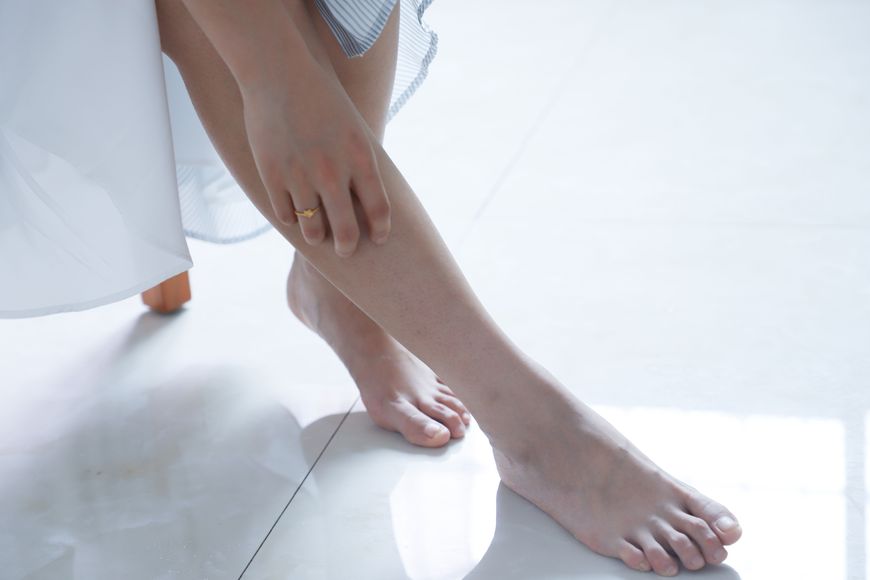
If your feet swell by the end of a long shift, you’re not imagining it. It’s a common experience for people who spend hours standing or walking at work. The good news? While the right shoes won’t prevent swelling altogether, a roomier fit can make a noticeable difference to how your feet feel.
Here’s why your feet swell, how tight shoes make the problem worse, and what to look for when choosing footwear for long shifts.
Why Do Your Feet Swell During Long Shifts?
When you stand or sit for extended periods, gravity encourages fluid to collect in your lower legs, ankles and feet. Your calf muscles help move blood and fluid back towards your heart, but they work less effectively when you remain still for long stretches.
Heat can contribute, too. A warm hospital ward, a busy shop floor or a hot kitchen can make swelling more noticeable, particularly towards the end of the day.
For many people, this type of swelling is mild, affects both feet and improves overnight. However, persistent or unexplained swelling should not automatically be blamed on footwear.
Start by paying attention to when your shoes begin to feel tight. If they are comfortable in the morning but noticeably restrictive during the second half of your shift, it may be time to reassess their fit.
How Tight Shoes Make Swollen Feet More Uncomfortable
Here’s something worth remembering: shoes don’t stop your feet from swelling. What they can do is avoid adding unnecessary pressure.
A narrow shoe that feels fine at breakfast may become uncomfortable by late afternoon. As your feet expand, your toes can press against the sides, seams can rub against your skin, and the upper can feel increasingly restrictive.
Tight laces may also create pressure across the top of your foot, particularly if you already have some swelling around the instep.
A shoe with enough room in the right places gives your feet more freedom to expand. The swelling may still happen, but you are less likely to feel squeezed with every step.
What Does a Roomier Shoe Fit Actually Look Like?
Roomy doesn’t mean buying shoes that are simply too big. Excess space can allow your feet to slide around, increasing friction and the risk of blisters.
Instead, look for a shoe that fits securely around your heel and midfoot while allowing your toes and forefoot enough space.
Here are four features worth prioritising:
- A wide toe box: Your toes should be able to spread naturally without pressing against the sides of the shoe.
- Enough space at the front: Leave a little room between your longest toe and the end of the shoe. Your toes should not touch the front when you stand or walk.
- Adjustable fastening: Laces or adjustable straps make it easier to loosen the fit slightly as the day progresses.
- A flexible, breathable upper: Soft leather, mesh or other flexible materials may accommodate natural changes in foot volume more comfortably than stiff, restrictive panels.
This is one reason foot-shaped footwear appeals to people who find conventional shoes too narrow. Barefoot-style designs generally feature a wider toe box that allows the toes to spread.
For example, Barefoot Sneakers from Rutsu Barefoot combine a wide toe box with a flat, flexible sole. Their size guide also offers advice on getting the right fit. These casual styles may work well for offices and dry shop floors, although they are not necessarily suitable for workplaces that require specialist protective or slip-resistant footwear.
If you’re accustomed to heavily cushioned shoes, transition gradually. Start by wearing minimalist footwear for shorter periods rather than switching to it for an entire ten-hour shift straight away.
How to Choose the Right Shoe Size for Swollen Feet
One of the simplest ways to get a more comfortable fit is to measure your feet at the right time.
Feet naturally change in size throughout the day, so a pair that feels perfect first thing in the morning may become uncomfortable later.
Follow these tips when buying your next pair:
- Measure your feet towards the end of the day. This gives you a better idea of their size after hours of normal activity.
- Measure while standing. Your feet spread slightly when bearing your body weight.
- Check both feet. Most people have one foot that’s slightly larger. Choose a fit that accommodates the larger one.
- Wear your usual work socks. Thick socks can take up valuable space inside your shoes.
- Walk around before deciding. Check that your heel stays in place and your toes have enough room when you move.
Shopping online? Measure both feet in the evening, compare the results with the brand’s size chart and check the returns policy before ordering. If possible, choose a retailer that offers straightforward size exchanges.
For more advice on getting comfortable in new footwear, take a look at How to Break in Birkenstocks Faster, which includes practical tips on fit, straps and gradually adjusting to a new pair.
Small Habits That Can Make Long Shifts More Comfortable
A roomier fit can reduce pressure, but a few simple habits may also help when you’re on your feet all day.
- Move regularly: If your job allows it, take short walking breaks or do a few gentle calf raises to activate your calf muscles.
- Adjust your laces: Loosening them slightly during a break may relieve pressure across the top of your feet.
- Consider compression socks: Graduated compression socks can help manage some types of leg and ankle swelling. Ask a healthcare professional whether they’re appropriate for you, particularly if you have diabetes, circulation problems or another underlying condition.
- Elevate your feet after work: Resting with your feet raised can help reduce fluid pooling in the lower legs.
- Avoid staying in one position for too long: Alternate between standing, walking and sitting whenever your work routine allows.
Your next step? Measure both feet while standing, preferably later in the day, and compare the results with your current work shoes. You may discover that your footwear has become too restrictive.
When Is Foot Swelling a Sign of Something More Serious?
Mild swelling in both feet after a long day can be related to prolonged standing, heat or other everyday factors. It should generally improve with rest and elevation.
However, swelling can also have medical causes, including problems affecting circulation, the heart, kidneys or other parts of the body.
Speak to your GP if the swelling does not improve overnight, keeps returning, gets progressively worse or has no obvious explanation.
Seek urgent medical assessment if one leg becomes suddenly swollen, painful, red or warm. If swelling occurs alongside chest pain, difficulty breathing or faintness, seek emergency medical help.
A change of shoes may improve comfort, but it should never replace medical advice when swelling is unusual or persistent.
Frequently Asked Questions
Should I Buy Shoes Half a Size Bigger for Swollen Feet?
Not automatically. Measure your feet later in the day and use those measurements to choose your size. Going half a size up may help if your measurements indicate that you need more room, but the shoe should still hold your heel securely without slipping.
Are Barefoot Shoes Good for Swollen Feet?
Some people find barefoot-style shoes more comfortable because their wider toe boxes leave more room for the toes to spread. However, they do not prevent or treat swelling. Their thinner, more flexible soles can also take some getting used to, so transition gradually.
Why Do My Feet Swell More in Summer?
Warm temperatures can cause blood vessels to widen, making fluid accumulation in the feet and ankles more noticeable. This can happen in hot weather or in warm indoor workplaces.
Do Compression Socks Help With Swollen Feet at Work?
They can help some people by applying graduated pressure that supports blood flow back towards the heart. However, they are not suitable for everyone. If you have diabetes, circulation problems or unexplained swelling, check with a healthcare professional before using them.
Should My Work Shoes Feel Tight at the End of the Day?
No. Your feet may naturally become slightly larger during the day, but your shoes should still feel comfortable. If they pinch, rub or leave deep pressure marks, consider having your feet measured again and choosing a roomier fit.