Last updated: July 8, 2026
Some people sign up once, collect the lanyard, eat a limp sandwich, and vanish. Others return every summer fair, charity run, or community festival with striking reliability. That pattern is not random. People do not give up precious weekends year after year because a poster asked nicely.
They come back because certain events offer meaning, belonging, rhythm, and recognition. Strip away the sentimental gloss and the truth looks plain enough. Volunteering becomes part service, part habit, part identity. That combination has real force.
Belonging Beats Duty
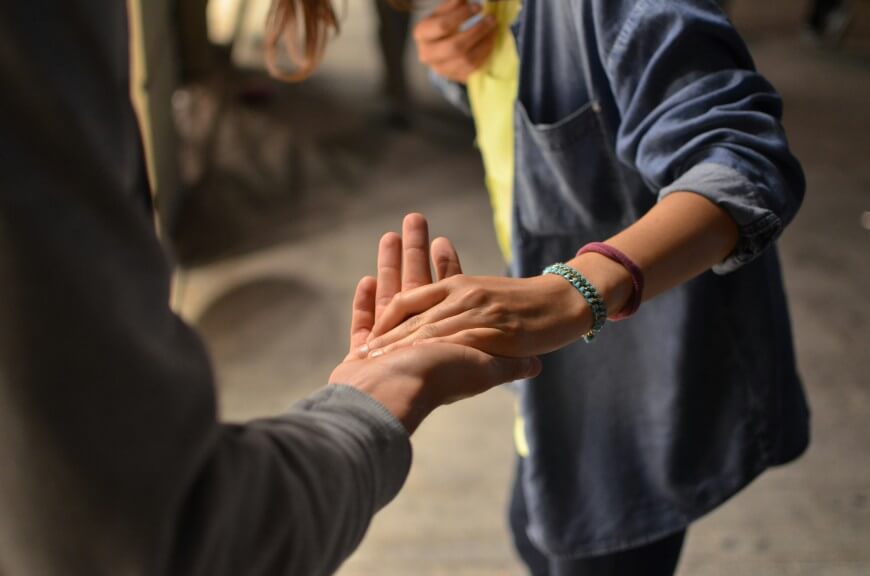
The first return rarely happens because of duty alone. Duty gets a person through one shift. Belonging gets that person through years of early starts and rain. Strong organisers understand these dynamics, even if they pretend everything comes down to rotas. It does not. A volunteer who feels known will tolerate chaos far better than one who feels like spare furniture.
Event organiser firms, such as Event People (eventpeople.co.uk), exist to help build the right teams from a large talent pool by connecting motivated, trained temporary event staff to roles across sporting fixtures, festivals, conferences, exhibitions, and hospitality. On-site management and responsive account support help events run smoothly, and that human connection supports longer-term careers in the events industry.
The Pleasure of Competence
There is also a less cosy truth. People enjoy being good at things. A volunteer who once fumbled with wristbands or directions may return the next year sharper and calmer. That progress matters. Modern life often traps people in work where results feel distant.
An event cuts through that nonsense. Gates open on time, or they do not. Donations are sorted, or chaos wins. When tasks are clear and visible, achievement follows, and this, in turn, feeds confidence. Confidence, once tasted, becomes oddly addictive. This phenomenon explains repeat attendance far better than the usual sugary talk about kindness.
Ritual Has Real Power
Annual events borrow some of their strength from ritual. The idea is simple. Repeated acts at repeated times give shape to life. People mark the year through these gatherings. The summer fete, the remembrance appeal, the winter shelter drive, and the village show.
Each one becomes a hinge in the calendar. A volunteer does not merely attend an occasion. That person steps back into a familiar story. Same field. Same hall. Same chaotic briefing from someone with a clipboard. Ritual steadies people. In a culture obsessed with novelty, that steadiness feels precious.
Recognition Without Fuss
Lavish praise can feel cheap. Volunteers usually spot forced gratitude at once, and many dislike being treated like saints for doing useful work. What brings them back is quieter recognition. A decent supervisor who trusts them with more responsibility.
A committee that remembers who handled the parking trouble last year. A team that notices effort without putting on a show. Respect matters more than flattery. This is where many events fail. They chase new recruits while neglecting steady hands. Foolish move. Returning volunteers carry memory, judgement, and calm. They know what will go wrong before it does.
Conclusion
Repeat volunteering grows from a sturdy bundle of motives, not a single noble impulse. Community matters. Skill matters. Habit matters too. Then identity enters the picture and seals the arrangement. Once someone starts thinking of a particular event as something they help make happen, absence feels wrong. Attendance stops being a favour and starts becoming a role woven into the year. Organisers who grasp this stop treating volunteers like disposable labour. They build continuity, trust, and memory. Those three things keep people coming back long after the novelty has faded.