Last updated: March 25, 2026
These are some of the best places to travel to in the world: the destinations that give you the strongest mix of experience, value, and ease for the kind of trip you want. Pick a destination that matches your travel style, plan for 7–10 days, and book flights and hotels 6–10 weeks ahead for the best balance of choice and price.
You’ll get better results if you choose based on what you want to do most (food, nature, beaches, cities, wildlife) and then match the season, time, and budget to that one place.
Best Places To Travel To For Every Kind Of Trip
1. Lisbon, Portugal
Lisbon is a “do-a-little-of-everything” city: viewpoints, tiled streets, day trips, and a strong food scene without needing a car. You can cover the core neighborhoods in 3–4 days and still have time for a beach or Sintra day.
For a simple setup, plan 5–7 nights and add 1 paid day trip if you don’t want to navigate trains. A practical mid-range daily budget often lands around $150–$250 per person including lodging, transit, and meals, depending on season.
2. Kyoto, Japan
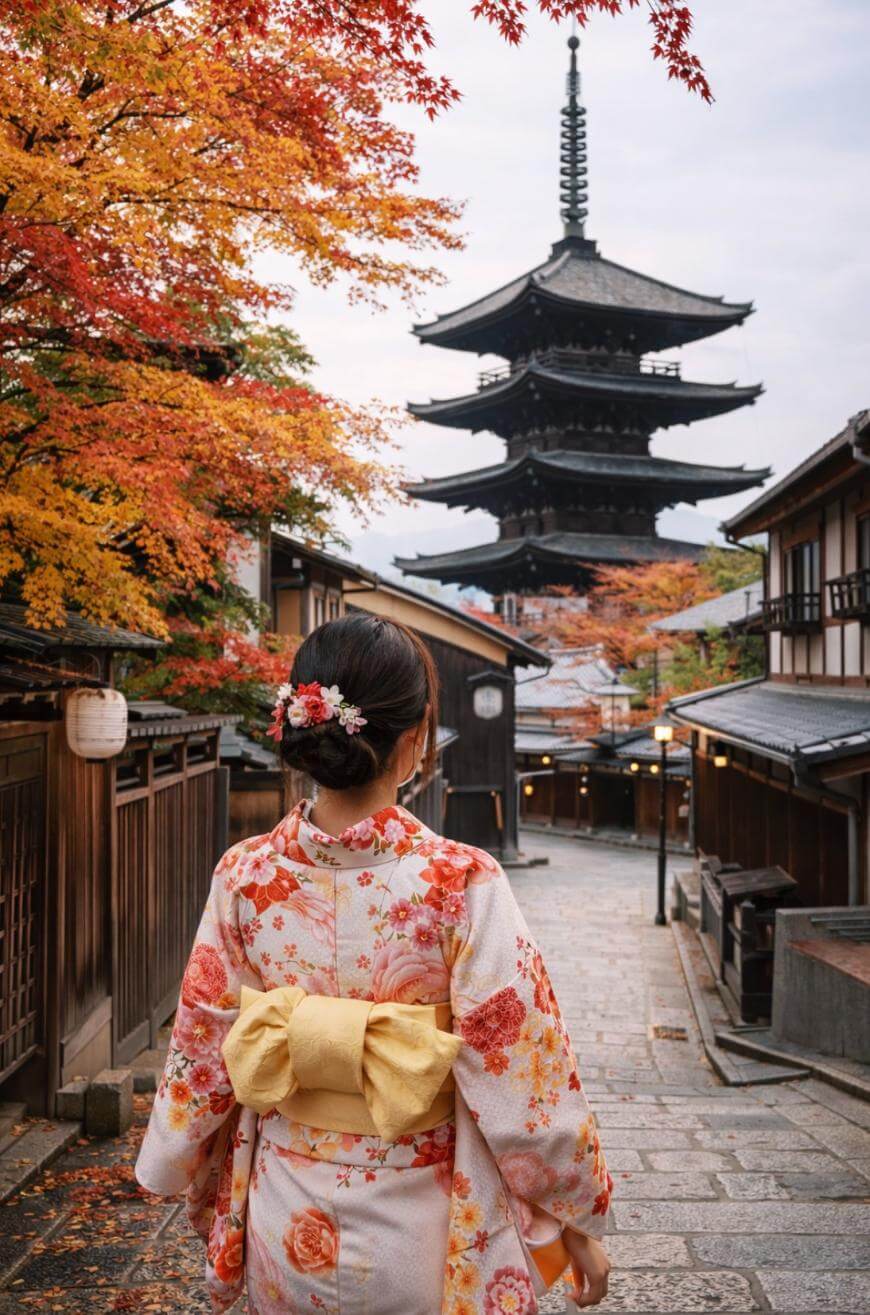
Kyoto is a focused cultural trip where you can build days around temples, gardens, and traditional neighborhoods without overplanning. It’s ideal when you want a trip that feels “iconic” but still calm if you start early.
A clean plan is 4–6 nights in Kyoto with 1 day trip (Nara or Osaka) so you don’t hotel-hop. If you’re deciding between spring and fall, treat both as peak-demand windows and book lodging earlier than you think.
3. Mexico City, Mexico
Mexico City is one of the easiest high-reward city trips because you can mix museums, street food, markets, and neighborhoods in a compact area. You’ll feel busy in a good way, not rushed.
Make it simple by choosing one “home base” neighborhood and scheduling only 1 big excursion (like Teotihuacan) so the rest of your days stay flexible. If you’re watching costs, you can often keep a comfortable city budget closer to $100–$200 per person per day.
4. Cape Town, South Africa
Cape Town works when you want a dramatic landscape plus a city that’s easy to enjoy in short bursts. You can pair Table Mountain views with beaches, food, and nearby wine country in one trip.
Plan 6–9 nights so you can spread out weather-dependent activities. A useful rule is to keep 2 “swap days” open so you can move hikes or viewpoints to the clearest day.
5. Banff And Lake Louise, Canada
Banff is your pick for “wow” scenery with relatively straightforward logistics if you plan transport early. The lakes and hikes feel like a highlight reel, especially in summer and early fall.
If you want Moraine Lake, assume you’ll need shuttles and plan around that rather than fighting it. A practical trip is 4–7 nights, and you’ll enjoy it more if you pre-book key transport once you pick dates.
6. Edinburgh, Scotland
Edinburgh is great when you want history, walkability, and easy add-ons (day tours or trains) without renting a car. You can do a satisfying city-only trip in a long weekend.
If you have 6–8 nights, add 2 nights elsewhere (like the Highlands) instead of doing long day trips back-to-back. For comfort, aim for 10,000–20,000 steps a day and choose shoes you’ve already broken in.
7. Barcelona, Spain
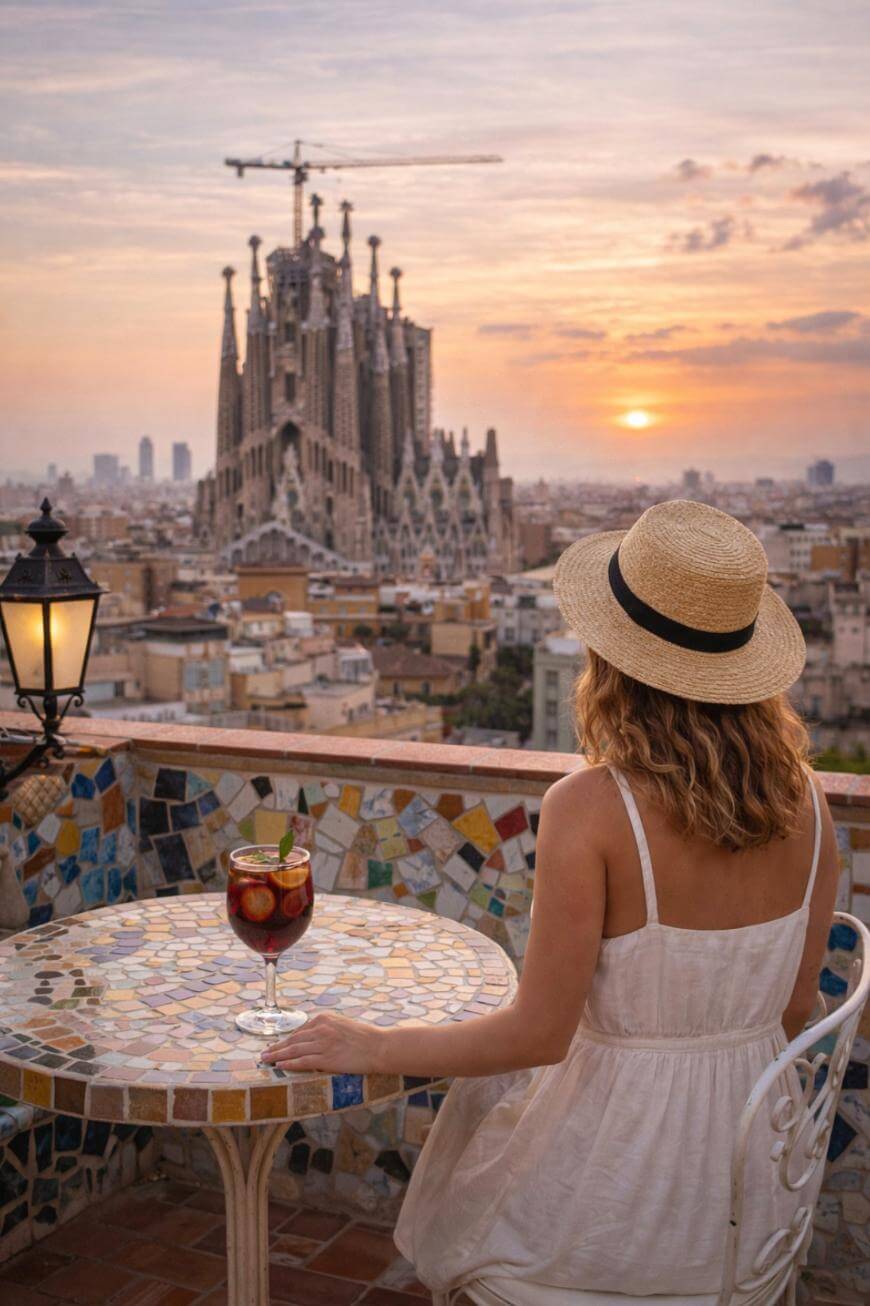
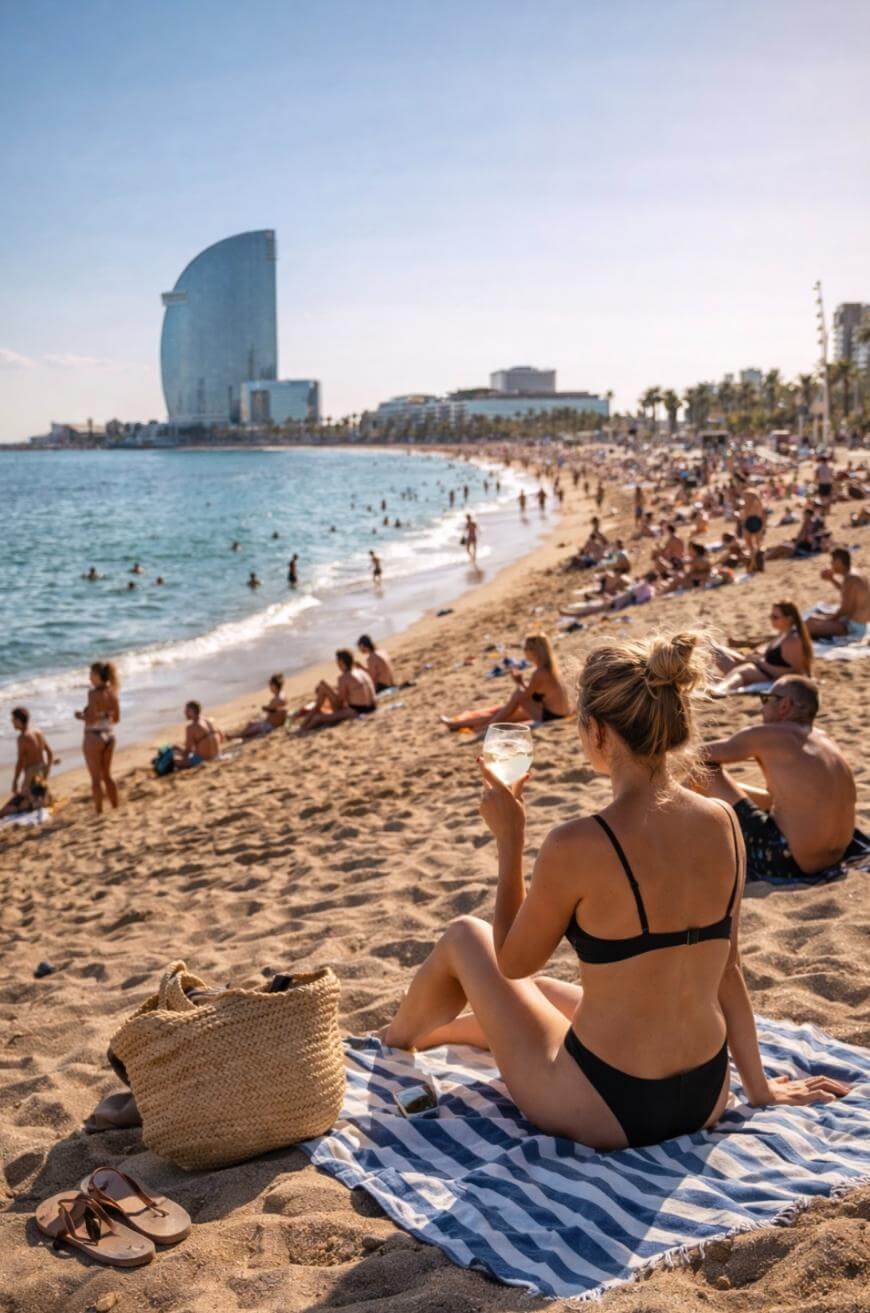
Barcelona is an easy first big trip because you get beaches, architecture, neighborhoods, and day trips without needing a car. It’s also simple to structure your days: one main sight, one food plan, and plenty of time to wander.
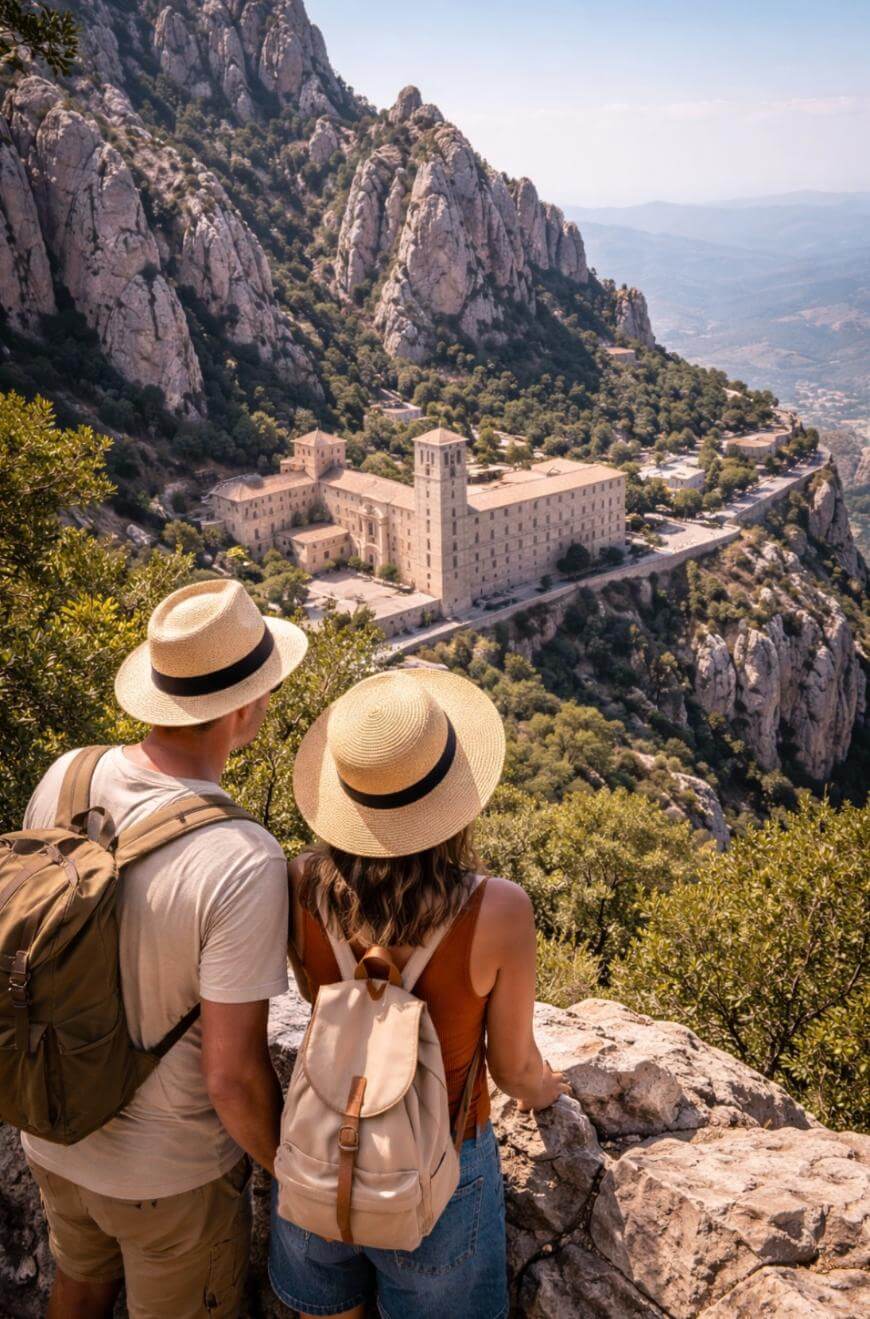
A clean plan is 5–7 nights with one day trip (like Montserrat or Girona) so you get variety without constant packing. For a straightforward budget, many travelers can target $175–$300 per person per day including lodging, transit, and meals, then add one splurge experience if you want.
8. Melbourne, Australia
Melbourne fits when you want a city that’s easy to live in for a week: coffee culture, neighborhoods, and day trips for coast or wine. It’s also a strong choice if you like “wander-first” travel.
For a clean trip, choose 1 neighborhood base and plan only 2 structured days out of 7. If you’re budgeting, set a daily “extras” cap like $40–$60 for coffee, small tickets, and impulse meals so costs don’t creep.
9. Shanghai, China
Shanghai is a high-energy city pick when you want modern skyline, historic pockets, and food variety in one place. It’s especially rewarding if you like cities that change vibe block by block.
Keep it easy by choosing 2 main areas per day and building in breaks, because the scale can be tiring. If you have 5–6 nights, add 1 day trip by high-speed rail to make the trip feel bigger without more packing.
10. New York City, USA
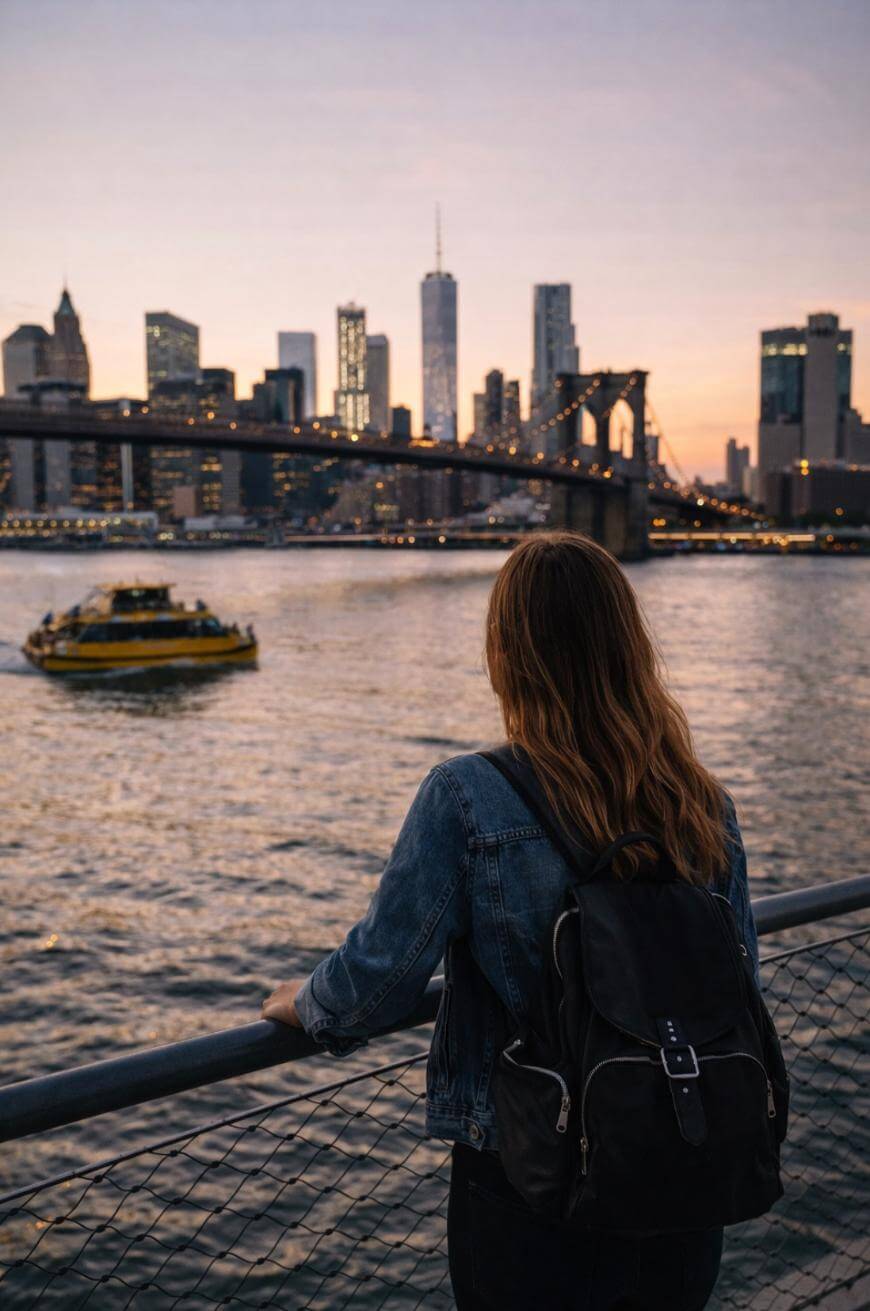
New York City is a “build your own trip” destination where you can tailor everything: food, museums, neighborhoods, and shows. It’s a strong pick when you want zero downtime but also the option to slow down in parks or cafés.
A practical approach is to book only 1 timed ticket per day and leave the rest to neighborhoods. If you’re trying to control costs, you can set a daily ceiling like $250–$400 per person including lodging, then pick one splurge meal and keep the rest casual.
11. Trieste, Italy
Trieste is a smart Italy pick when you want great food and café culture with fewer crowds than the usual big-name circuit. It’s also an easy add-on if you like borderland culture and coastal walks.
Plan 3–5 nights and treat it as a “slow city” where you do 1 main activity and then eat well. If you love coffee, you’ll enjoy the local café rhythm more if you schedule a daily stop instead of rushing between sights.
12. Quebec, Canada
Quebec is ideal when you want European-style streets and a strong winter-or-summer vibe without a long-haul flight (for many North American travelers). It’s a compact trip that still feels special.
A simple setup is 3–4 nights in the city plus 2 nights for nature or a smaller town. If you go in colder months, plan layers and waterproof footwear so you can stay outside longer without getting miserable.
13. The Dolomites, Italy
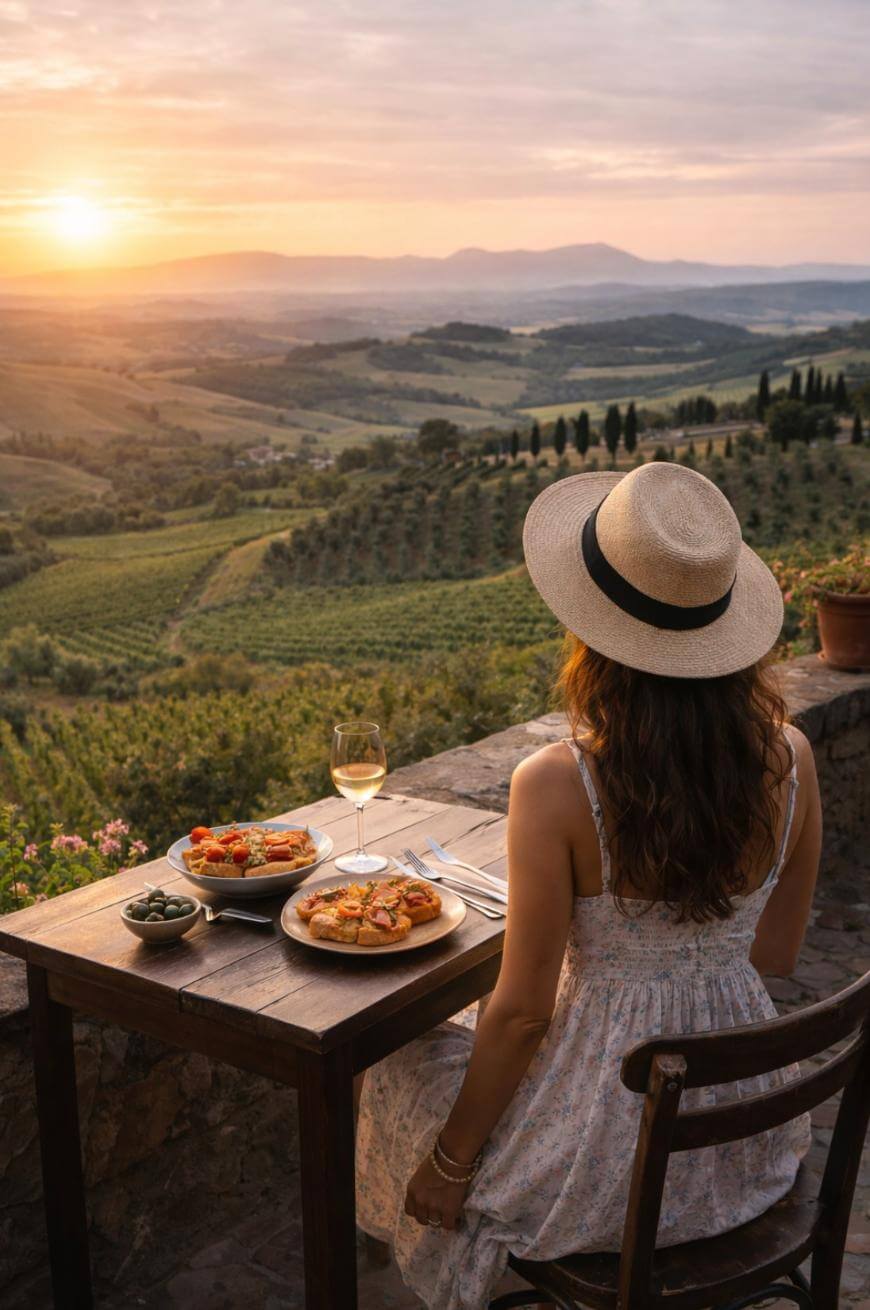
The Dolomites are the move when your main goal is scenery and hikes that feel unreal even on short routes. You don’t need to be an extreme hiker to get big views, but you do need to match plans to conditions.
A practical rule is to choose 1 valley as your base for 4–6 nights and do “one big hike day, one light day” as a pattern. If you’re new to mountain travel, consider guided options for at least 1 day to reduce decision fatigue.
14. Dominica
Dominica is a strong choice when you want nature-first Caribbean travel with waterfalls, hikes, and a wilder feel than resort-heavy islands. It’s best if you’re comfortable with a slower pace and occasional rough edges.
Plan 6–10 nights and choose lodging that helps you explore (not just one scenic viewpoint). If you’re budgeting, expect transportation and tours to matter more here than nightlife spending.
15. Peru
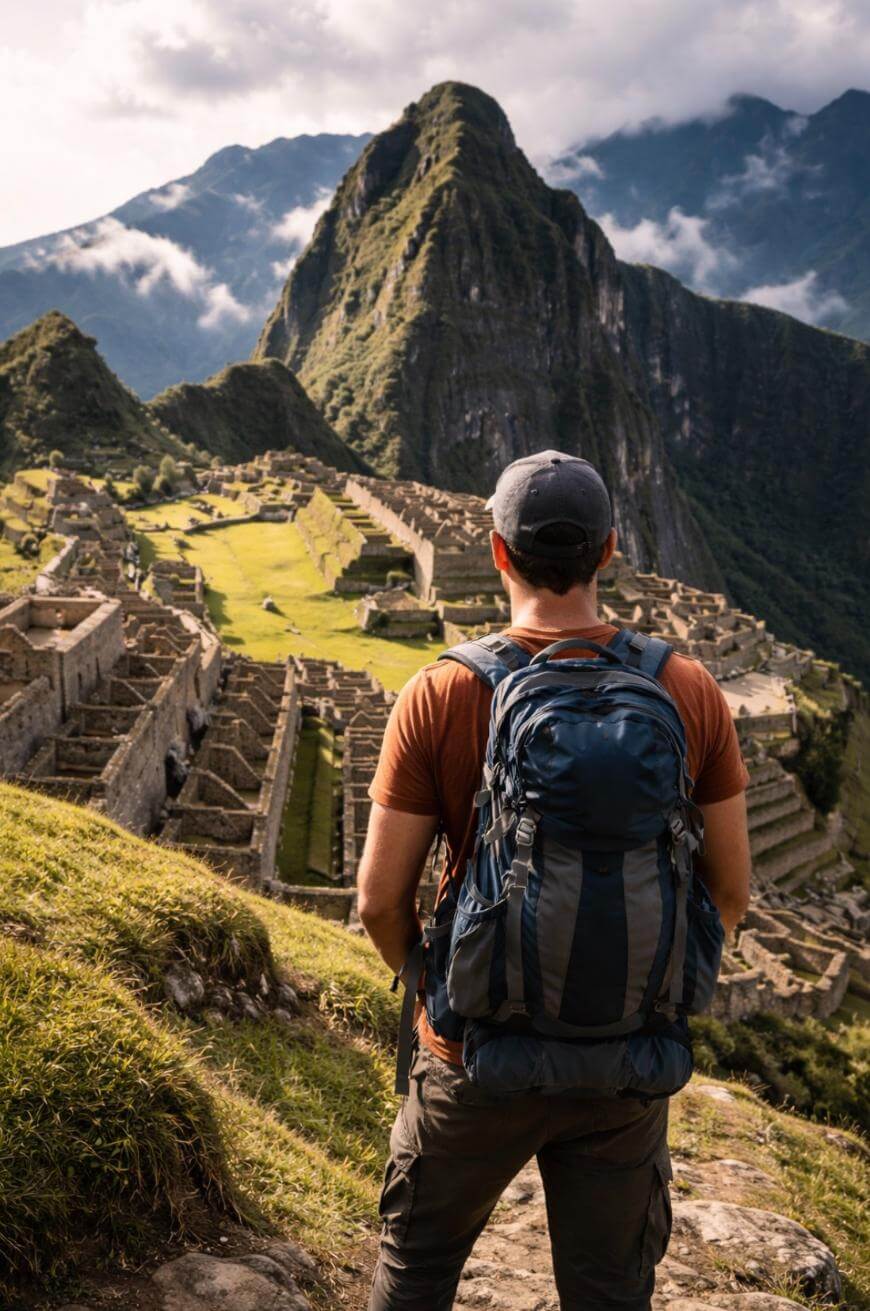
Peru is ideal when you want a “once-in-a-lifetime” mix: history, mountains, and distinct regional food. It’s also flexible because you can scale the trip up or down depending on time and altitude comfort.
A simple plan is 10–14 days with built-in acclimation time before high-altitude days. You’ll enjoy it more if you schedule 1 lighter day after any major transit day.
16. Finland
Finland is a great pick when you want clean design cities and nature access that feels easy and calm. It works especially well if you’re craving “quiet luxury” without the price tag of more crowded northern hotspots.
A practical structure is 3–4 nights in a city base and 3–5 nights for lakes or northern lights season planning. If you’re aiming for aurora, you’ll do better with multiple nights in one area rather than constant moving.
17. Sardinia, Italy
Sardinia fits when your top priority is beaches, water color, and a slower island pace. It can be relaxing or adventure-heavy depending on whether you focus on towns or coastline drives.
Plan at least 7 nights so you’re not constantly packing, and choose 2 bases max. If you rent a car, build a “no-drive day” every 3 days so the trip doesn’t become a logistics grind.
18. Maine, USA
Maine is a strong U.S. summer or early-fall trip when you want coastal scenery, seafood, and small-town pacing. It’s especially good if you like road trips but still want cozy bases.
A practical plan is 6–9 nights with two home bases: one coastal and one inland. If you’re cost-sensitive, you can often save by staying slightly outside the most famous harbor towns while keeping easy access by car.
19. Cádiz, Spain
Cádiz is a smart Spain option when you want beach time plus a walkable old city that still feels lived-in. It’s warm, social, and easier to keep simple than a multi-city sprint.
Aim for 4–6 nights and structure your days around one anchor (market, beach, sunset walk). If you’re going in peak summer, a small upgrade like lodging with strong air conditioning is worth real money.
20. Botswana
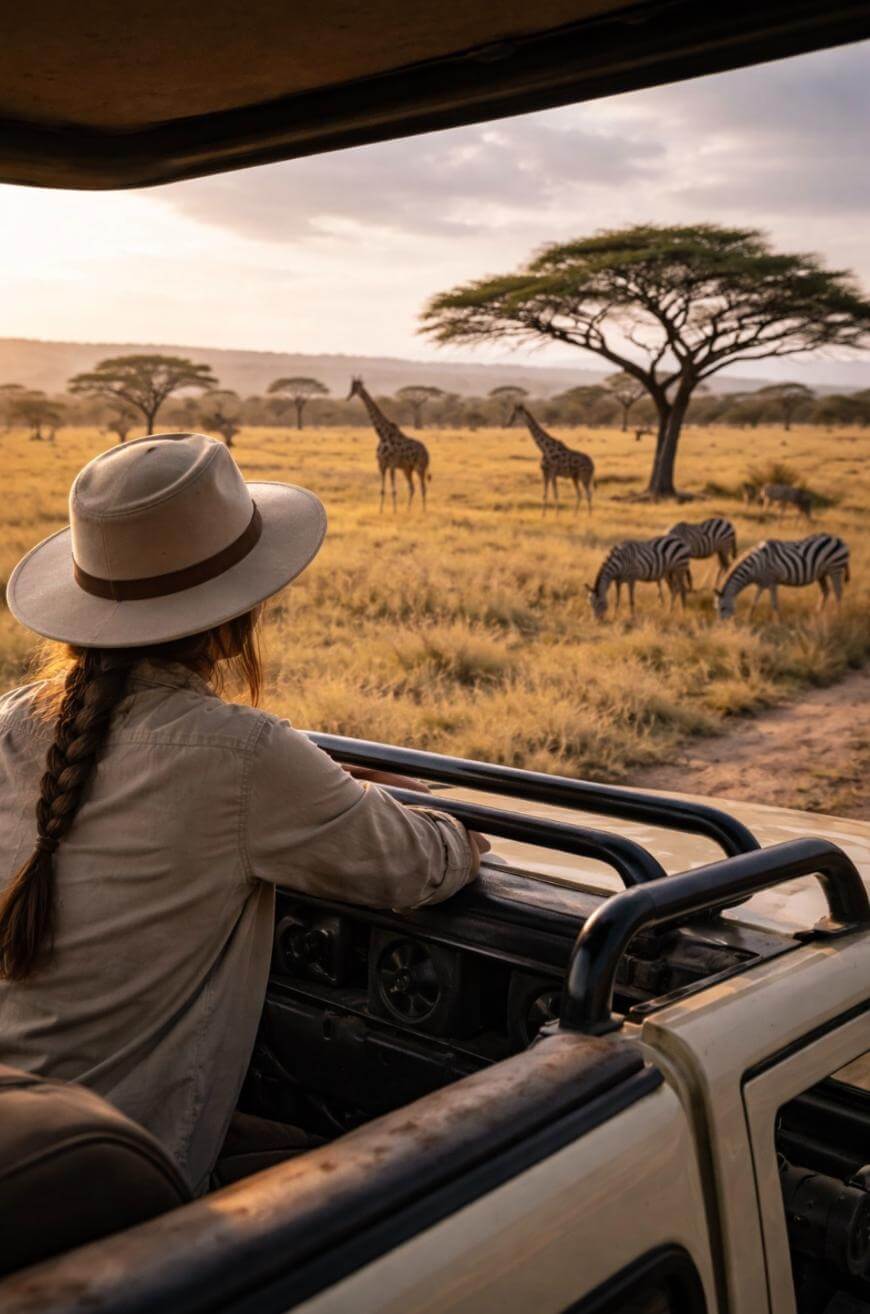
Botswana is a top-tier wildlife trip when you want safari experiences that feel immersive and nature-forward. It’s a higher-budget style of travel, but the payoff is the kind of trip you remember forever.
A practical guideline is 7–10 nights split across 2 areas so you don’t spend the whole time in transit. If you’re deciding where to spend, prioritize the quality of guides and camps over extra nights.
21. Réunion
Réunion works when you want an island that’s more than beaches: volcanic landscapes, hiking, and a culture mix that makes meals and towns feel unique. It’s ideal for active travelers who still want ocean downtime.
Plan 7–12 nights and choose lodging that supports early starts for hikes. You’ll get more out of the island if you pre-decide your “hardest hike day” and keep the day before and after lighter.
22. Anguilla
Anguilla is a clean “beach-first” pick when you want calm water, beautiful sand, and a straightforward vacation rhythm. It’s best if your goal is to relax, not chase a packed itinerary.
A good structure is 5–8 nights with a simple daily pattern: beach, lunch, quiet afternoon, dinner. If you’re watching costs, choose a place with a kitchenette and keep 2–3 meals in per week.
23. Okinawa, Japan
Okinawa is a different Japan vibe: subtropical beaches, island culture, and a slower pace than the main Honshu circuit. It’s especially good if you want water time without leaving Japan.
Plan 6–10 nights and pick 1 main island base unless you’re committed to ferries. You’ll have a better trip if you set a loose “one activity per day” rule and let the rest be beach and food.
24. Miami And Miami Beach, Florida
Miami works when you want guaranteed energy: beaches, nightlife, art, and quick wins even on a short trip. You can do a lot without a car if you pick the right base.
A practical plan is 3–5 nights with one “big day” for museums or a day trip, then keep the rest flexible. If you’re budgeting, set a cap like $60–$100 per person for a night out so the trip doesn’t get accidentally expensive.
How To Choose The Right Trip Fast
25. Match Your Destination To One Primary Goal
Your primary goal is the thing you’d be annoyed to miss if weather, time, or money gets tight. When you choose one main goal, the “best” place becomes obvious.
Pick from a short set like food, beaches, wildlife, hiking, or museums, and let everything else be secondary. If you pick two “primary” goals, you’ll usually end up overplanning.
26. Use The 7–10 Day Default Unless You Have A Clear Reason Not To
Seven to ten days is long enough to settle in but short enough to keep the trip from becoming a logistics project. It also gives you room for one slow day without feeling like you “lost” time.
If you only have 3–4 days, choose a city where you can land and start immediately. If you have 14+ days, plan 2 bases max unless your trip is specifically a road trip.

27. Build Your Budget Around Three Buckets
Most trips become stressful when you don’t decide where your money should go. The easiest approach is to choose lodging, food, and experiences as your three buckets.
As a starting point, you can try 50% lodging, 30% food, 20% experiences, then adjust based on your priorities. If you want one splurge, put it in one bucket and keep the other two steady.
28. Book The “Hard To Change” Parts First
Flights and high-demand lodging usually create the most downstream choices. Once those are locked, everything else gets easier and cheaper in effort.
A practical timeline is flights and hotels 6–10 weeks out for many trips, then activities 2–4 weeks out. If it’s a peak season or a major event period, move that earlier.
29. Keep Your Daily Plan To Two Anchors
Two anchors means you do two meaningful things and still have time to wander, eat, and rest. That’s the sweet spot for enjoying a place without turning travel into a checklist.
Use a simple pattern like one morning anchor and one late-afternoon anchor, then fill the middle with something easy. If you try to do four “must-dos” a day, you’ll usually remember less of all of them.
30. Protect One Buffer Day Per Week
A buffer day is how you handle weather, jet lag, closures, or just the reality that you get tired. It’s also what turns a good trip into a trip you’d actually repeat.
If your trip is 7 days, make 1 day intentionally light. If your trip is 10–14 days, plan 2 lighter days so you don’t end up needing a “vacation after the vacation.”
Key Takeaways
Pick one travel goal first, then choose the destination that matches it.
Plan 7–10 days by default for the best balance of depth and ease.
Book flights and lodging first, then fill in details around them.
Limit each day to two anchors so you have real breathing room.
Use one buffer day per week to handle weather and fatigue.
Set a simple budget split so costs don’t creep up unnoticed.
FAQ
Is It Better To Visit One Place Or Multiple Places In One Trip?
One place is usually better for 7–10 days because you waste less time moving and you feel more relaxed. Two places works best when the transit is under 3 hours and each base gets at least 3 nights.
How Far Ahead Should You Book For The Best Value?
Six to ten weeks ahead is a strong default for flights and lodging if you want options without locking in too early. For peak seasons and bucket-list spots, booking earlier can prevent “sold out” stress.
What If You Want A Great Trip On A Tight Budget?
You can still do an excellent trip by choosing a destination with good public transit and setting a daily cap for extras. Keeping just 2–3 restaurant meals per week and using a kitchenette can save real money fast.
How Do You Avoid Overplanning?
You avoid overplanning by committing to two anchors per day and leaving the rest open. If you’re tempted to add more, move the extra idea to your buffer day instead of stacking it.