Last updated: March 30, 2026
This cabin trip packing list is a simple, organized set of items you bring so you can stay warm, clean, fed, and comfortable in a more remote place. Most people should start with a weather based clothing system plus a basic food plan, then add cabin specific extras like lighting, fire starters, and backup power.
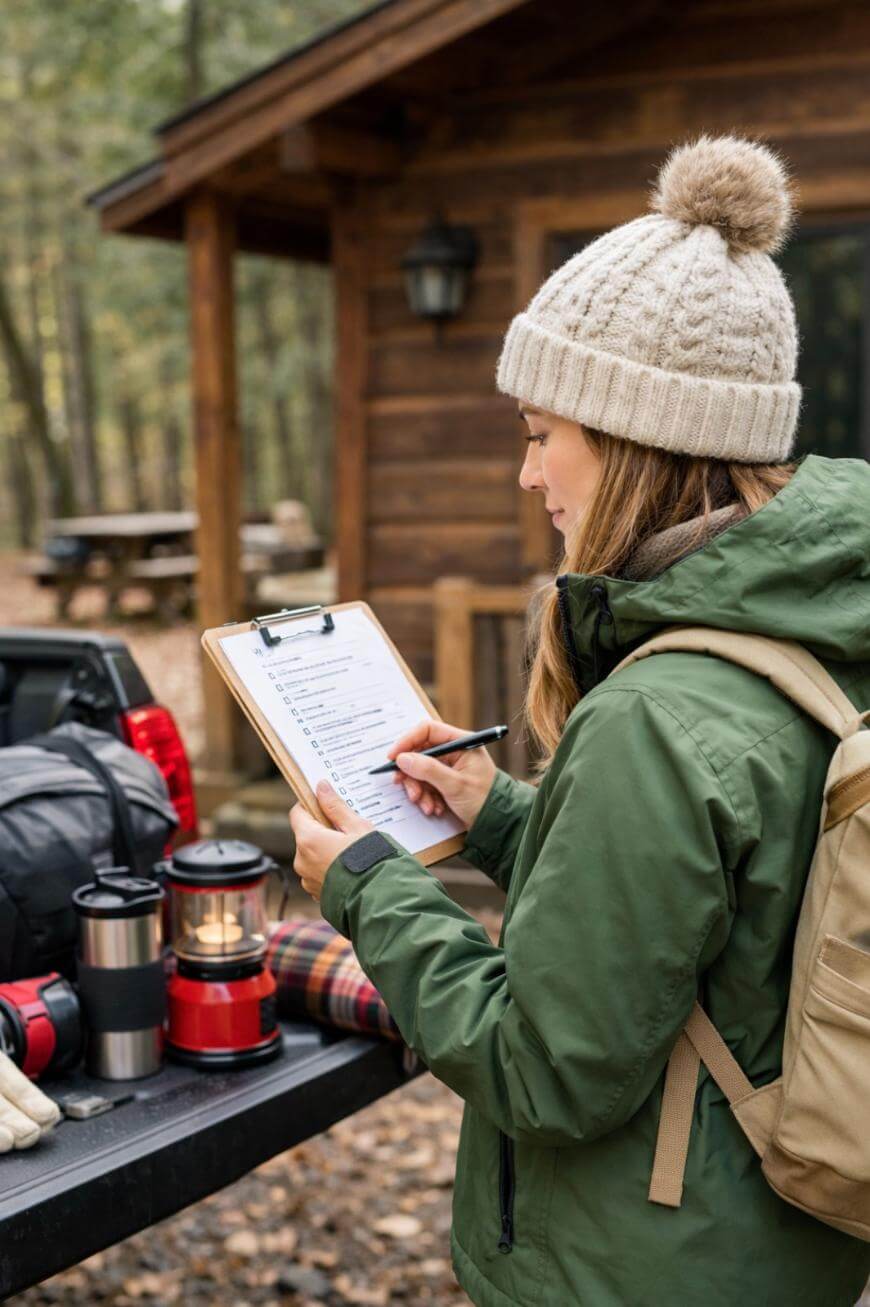
Cabin Trip Packing List Essentials
1. Check The Cabin Rules And Amenities First
Before you pack anything, confirm what the cabin already provides, like linens, cookware, firewood, and potable water. If you assume and you are wrong, you will either overpack or miss something critical.
A fast default is to treat the cabin like it has nothing except a roof and heat. If the host confirms items are provided, you can remove them from your bag and save space.
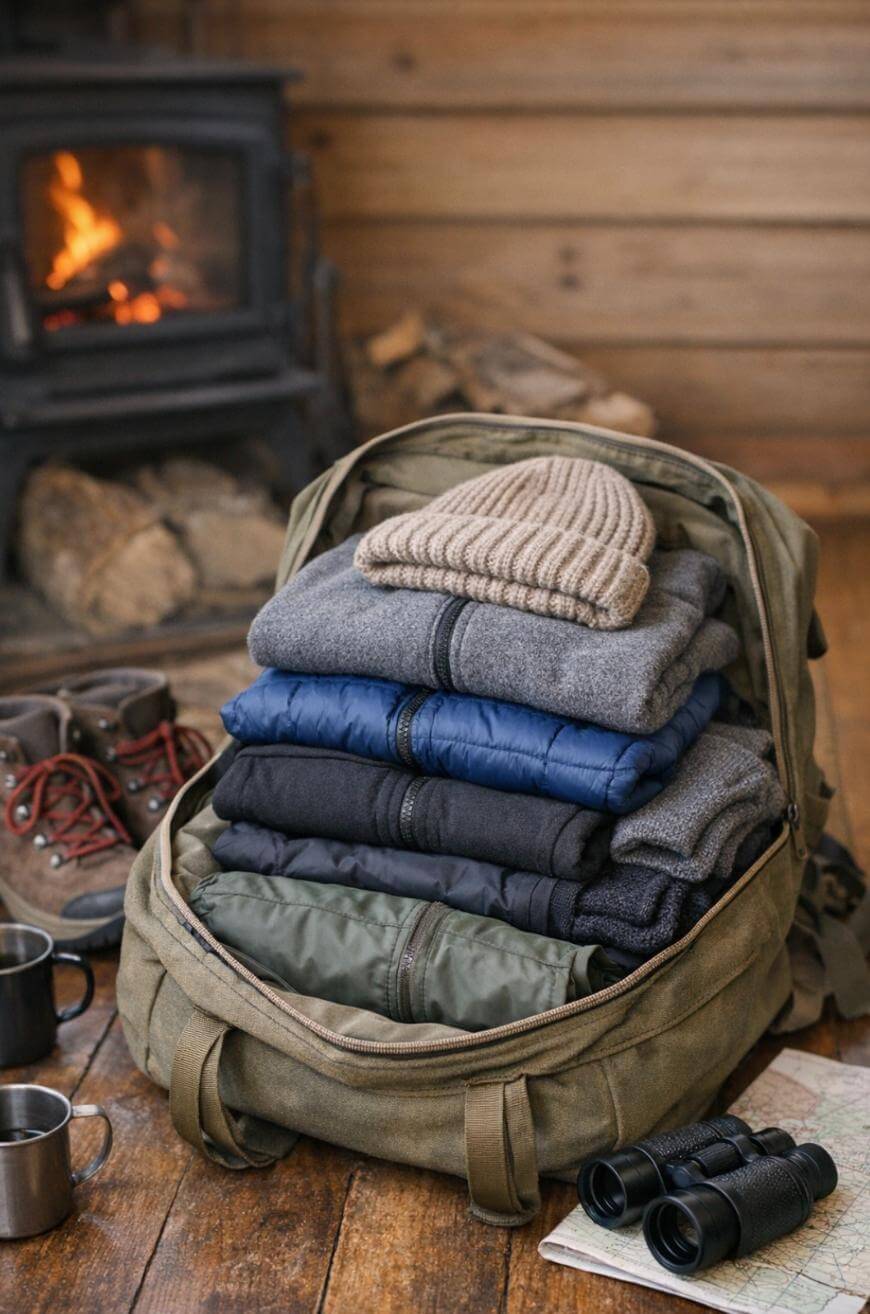
2. Pack Three Clothing Layers Per Day You Are Outdoors
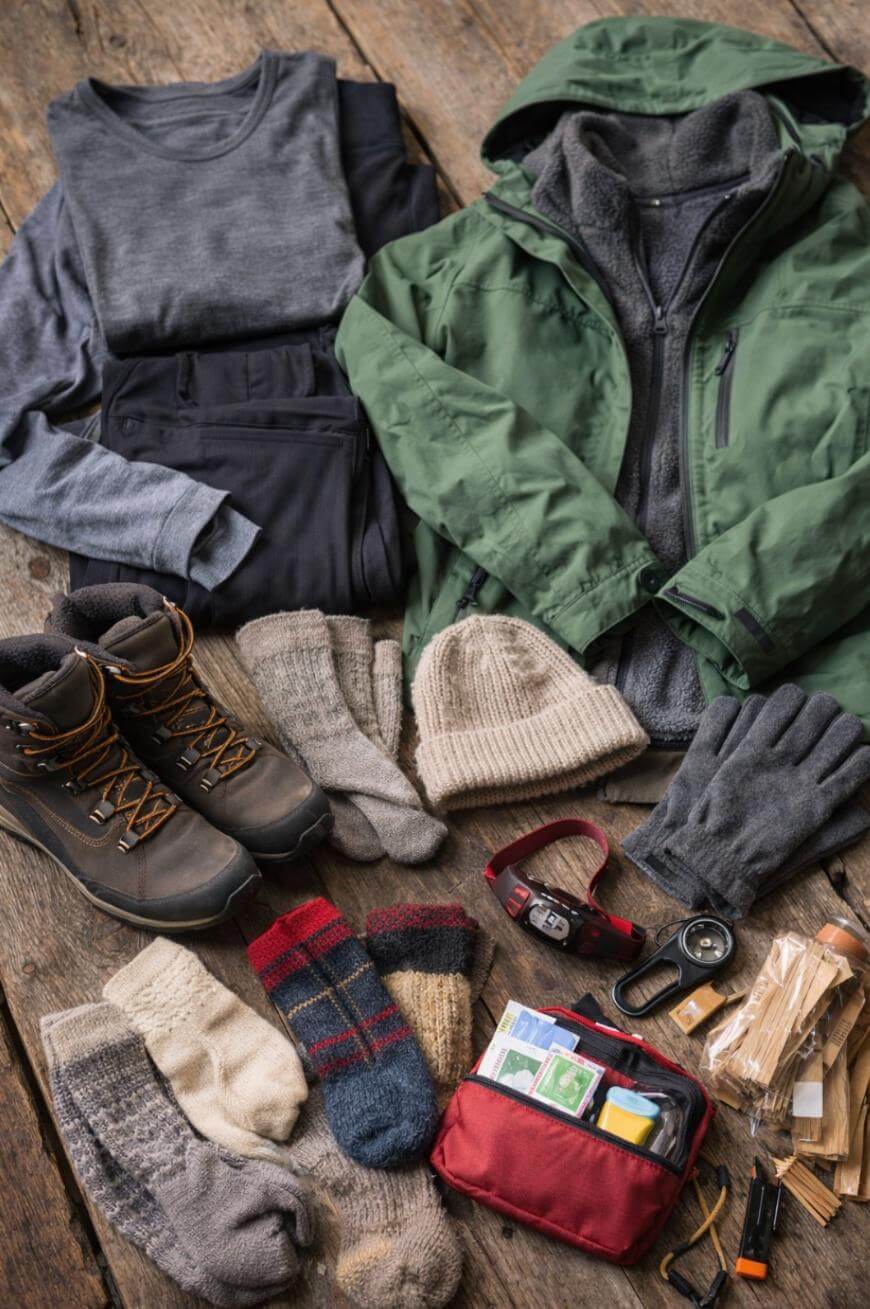
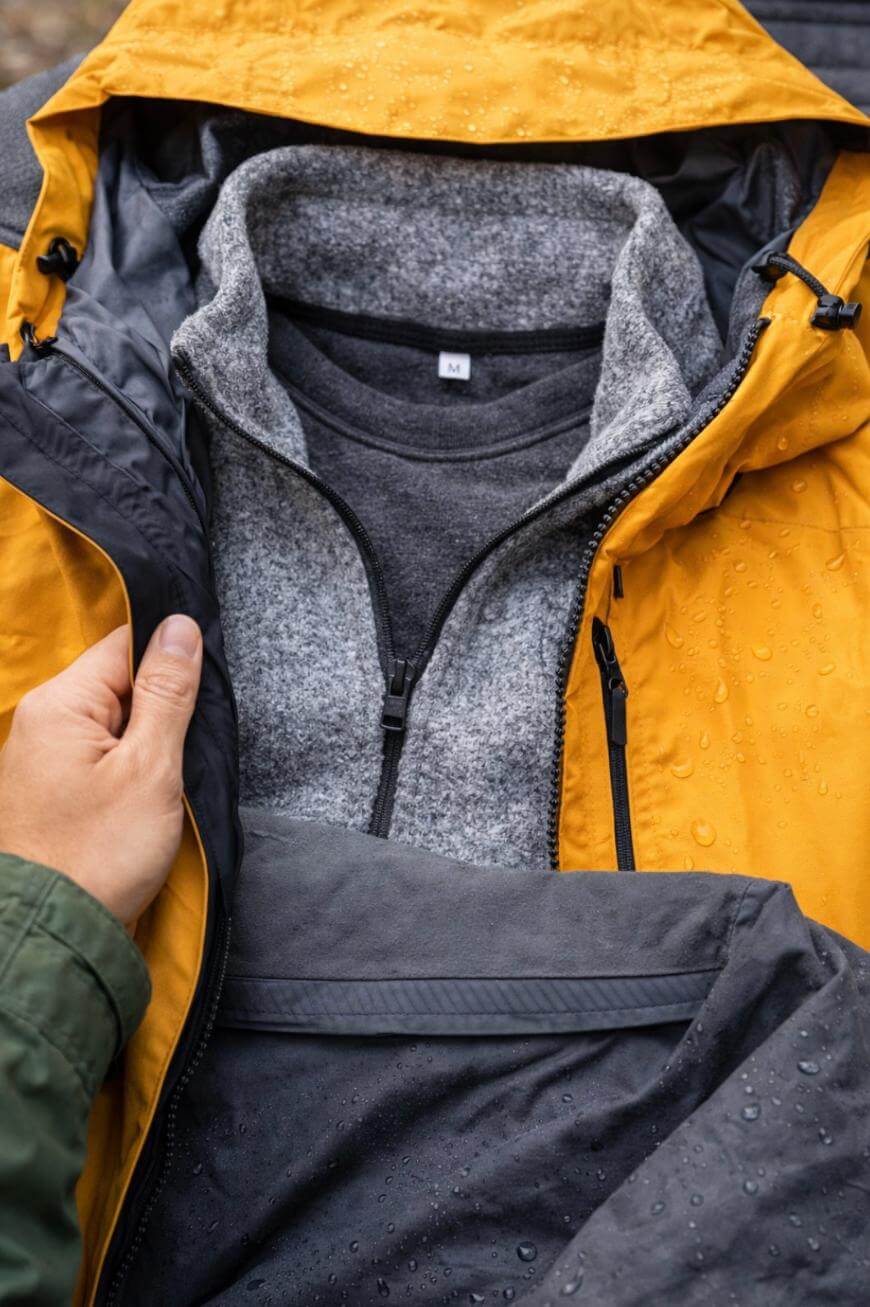
Use a base layer, a mid layer, and an outer layer so you can add or remove warmth without sweating. A simple numeric target is 3 layers for your upper body and 2 layers for your lower body.
If you only bring one thick coat, you risk getting damp and cold when temperatures swing. A smart upgrade is one breathable mid layer plus one waterproof shell.
3. Bring Two Warm Sleep Sets
Cabins can be chilly at night, even if daytime feels mild. Pack 2 dedicated sleep outfits so you can keep your bed clean and stay warm if one set gets sweaty.
A common mistake is sleeping in the clothes you wore outside. A better move is dry socks plus a thermal top you never wear outdoors.
4. Plan Four Pairs Of Socks For A Weekend
Socks are the cabin trip comfort multiplier because wet feet ruin everything fast. For a 2 night trip, pack 4 pairs total, including at least 1 thicker pair.
If you tend to be outdoors a lot, add 1 extra pair per day. A practical upgrade is one pair reserved only for sleeping.
5. Choose One Waterproof Outer Layer You Trust
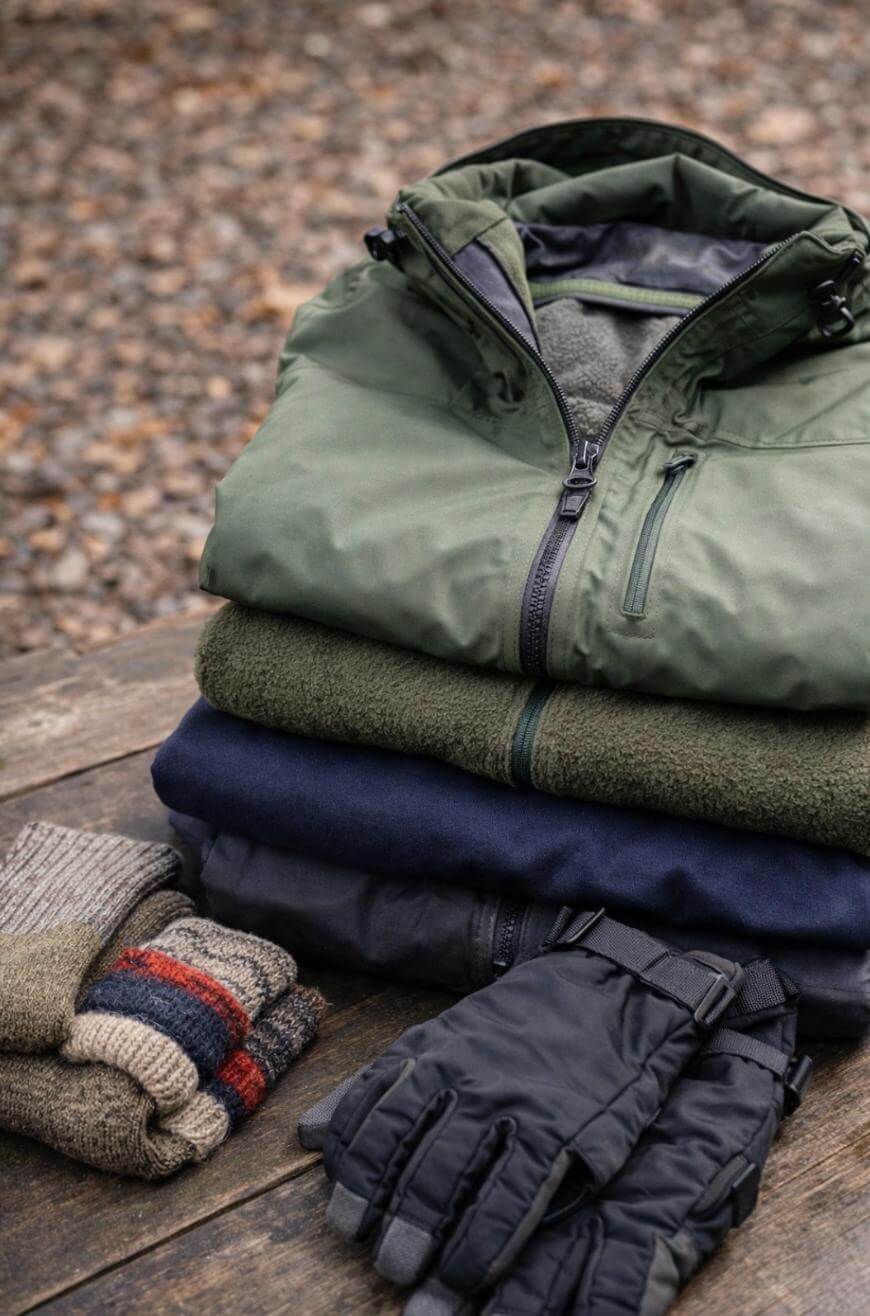
A waterproof shell keeps you comfortable in snow, rain, and wind, even if the forecast looks fine. Your outer layer should cover your hips and have a hood that actually fits.
If you bring a water resistant jacket, you may end up cold once fabric saturates. A reliable upgrade is sealed seams plus pit zips for ventilation.

6. Pack One Pair Of Boots And One Indoor Shoe
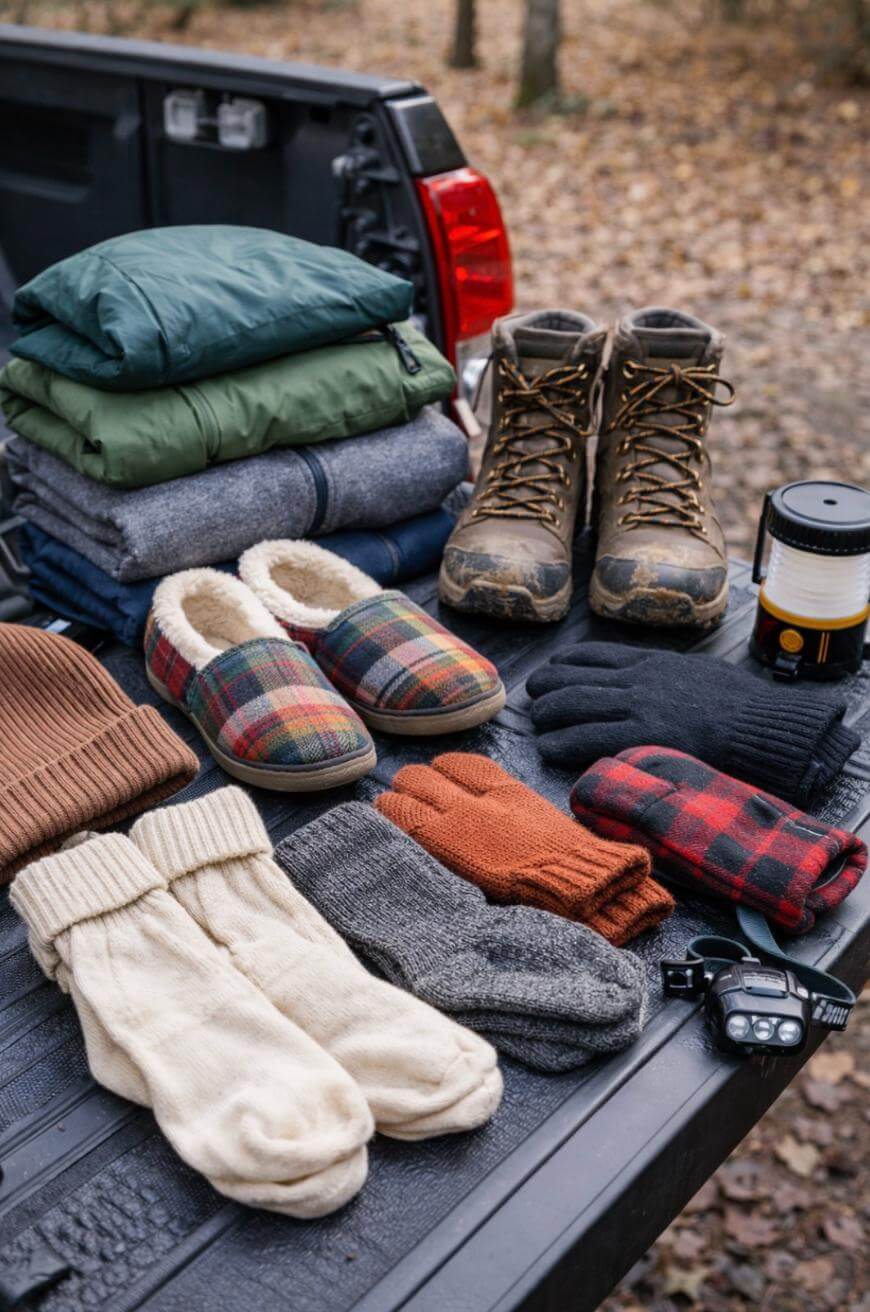
Cabins track in mud and snow, so you want a clear indoor option. Bring 1 outdoor boot and 1 indoor shoe like slippers or slide ons.
If you only bring boots, you will wear them indoors and make the cabin messier. A simple upgrade is slippers with a grippy sole for wood floors.
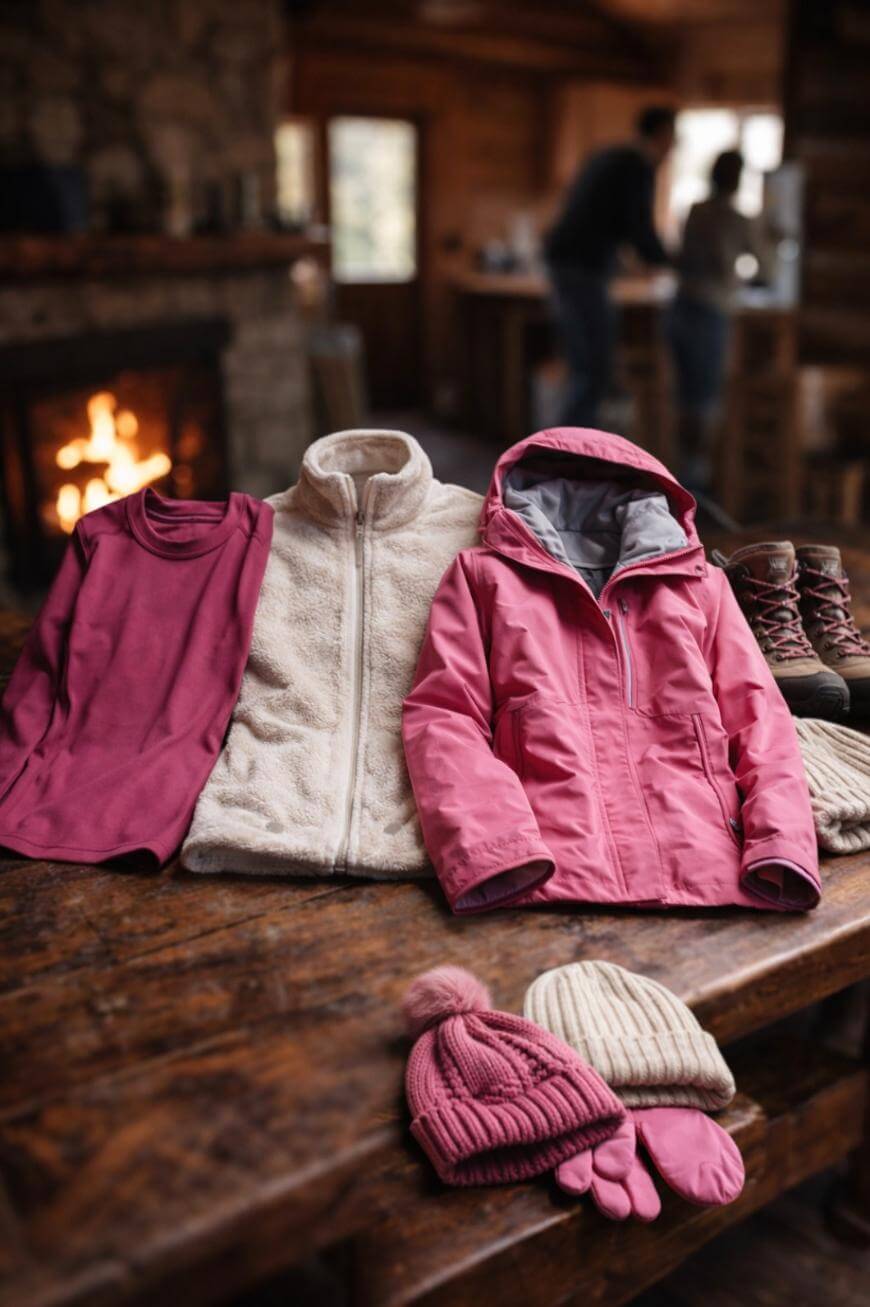
7. Add One Hat And One Pair Of Gloves Per Person
Even if you do not expect deep winter, wind and damp air can chill you quickly. Pack 1 warm hat and 1 pair of gloves per person as a baseline.
If you run cold, pack a second lighter pair of gloves for daytime and keep the warmer pair dry for evenings. A common mistake is bringing gloves that are warm but not usable for tasks like carrying wood or cooking.
8. Bring One Headlamp Per Person
Cabin lighting can be dim, and outdoor walks after dark are common. A headlamp keeps your hands free and works during power outages.
A concrete guideline is 1 headlamp per person plus fresh batteries. If you already own one, upgrade by adding a small diffuser or lantern mode for table light.
9. Pack A Backup Lantern For Shared Spaces
A lantern makes the living area feel normal if the lights flicker or you are on a generator schedule. It is also handy for late night card games and cooking.
Choose a lantern that can run at least 6 to 10 hours on medium brightness. If you want a simple upgrade, bring a collapsible LED lantern that doubles as an emergency light.
10. Bring A Power Bank With At Least 10,000 mAh
Cabins can have limited outlets, and cold weather drains phone batteries faster. A 10,000 mAh power bank is usually enough for 2 to 3 full phone charges.
If you are relying on your phone for maps or music, consider 20,000 mAh. A smart upgrade is a power bank with a built in flashlight and USB C fast charging.
11. Add A Printed Copy Of Directions And Check In Details
Cell service can be spotty near cabins. A printed page with the address, gate code, and host contact prevents stressful arrival problems.
Keep it in your glove box so it is accessible even if your phone dies. A simple upgrade is saving an offline map area on your phone before you leave.
12. Pack A Small First Aid Kit With Cabin Specific Extras
A basic first aid kit should cover cuts, burns, and blisters. Cabin trips add higher risk tasks like chopping wood, hiking, and cooking on unfamiliar equipment.
Include bandages, antiseptic, blister pads, tweezers, and pain reliever. If you expect fires, add burn gel and a small wrap for sprains.
13. Bring Bug Protection Even In Shoulder Seasons
Cabins often sit near water or woods, and bugs can show up unexpectedly. Pack insect repellent and something soothing like anti itch cream.
A common mistake is skipping this because it is “not summer.” A simple upgrade is packing a head net if you are going anywhere near marshy trails.
14. Add Sunscreen And Lip Balm Year Round
Sun reflects off snow and water, and wind dries your face quickly. Pack sunscreen plus a lip balm you can reapply often.
A practical guideline is SPF 30 or higher and one lip balm per person. A small upgrade is a travel size moisturizer for hands and cheeks.
15. Pack A Simple Kitchen Starter Kit
Even stocked cabins can miss basics like oil, salt, or coffee filters. Bring a small bag with the items you use daily so you are not forced into last minute store runs.
A good default is salt, pepper, cooking oil, and your preferred coffee or tea setup. If you cook a lot, add two key spices you always use so meals stay easy.
16. Plan Meals With One Backup Meal Per Day
Cabin timing can change due to weather, late arrivals, or longer hikes. A backup meal per day keeps everyone fed without stress.
A numeric approach is 3 meals per day plus 1 extra “no cook” meal like ramen, canned soup, or tortillas with nut butter. If you are feeding a group, bring one extra bag of snacks beyond what you think you need.
17. Bring A Cooler Or Food Bin Even If There Is A Fridge
Cabin fridges can be small, unreliable, or packed with other guests’ items. A cooler or sealed bin protects your food and keeps you organized.
If the weather is cold, you can use a bin for pantry items and leave the cooler for perishables. A smart upgrade is a bear resistant container if you are in a wildlife heavy area.
18. Pack Two Ways To Make Coffee Or Tea
Cabins vary wildly in coffee makers, and nothing is worse than realizing you cannot make your morning drink. Pack 2 methods so one can fail without ruining your routine.
For example, bring instant coffee plus a pour over cone. If you prefer tea, pack tea bags plus a small travel kettle if the cabin does not have one.
19. Bring A Reusable Water Bottle And One Backup Water Option
Even when water is listed as available, taste and pressure can vary. Pack a reusable bottle for each person plus one backup option like a gallon jug.
A safe default is 2 liters per person per day if you will be hiking or staying active. If the cabin uses well water, consider a basic water filter bottle as an upgrade.
20. Pack Fire Starters And Matches In A Waterproof Container
If the cabin has a fireplace or fire pit, starting a fire quickly matters for warmth and morale. Bring matches, a lighter, and fire starters in a sealed bag.
A common mistake is assuming the last guest left dry kindling. A smart upgrade is adding a small ferro rod or stormproof matches as a true backup.
21. Bring Work Gloves For Wood And Outdoor Tasks
If you are handling firewood, snow shoveling, or clearing branches, work gloves prevent cuts and splinters. They also save your warm gloves from getting ruined.
Pack 1 pair per person if everyone will help. If only one person will handle wood, pack one durable pair and keep them by the door.
22. Add A Trash Plan With Extra Bags
Cabins often require you to pack out trash or follow strict rules for wildlife safety. Bring extra trash bags so you can separate food waste and recyclables.
A good guideline is 2 large bags per day for a small group, plus 1 bag for wet gear. A simple upgrade is packing a zip bag for smelly scraps until you can dispose of them properly.
23. Bring Paper Towels And One Cleaning Wipe Pack
Even clean cabins need quick cleanup from spills, muddy boots, and cooking. Paper towels and wipes make it easy to reset the space fast.
If you are staying multiple nights, add a small dish sponge and dish soap, even if the cabin says they provide it. A small upgrade is a microfiber towel that dries quickly and can be reused.
24. Pack One Towel Per Person Plus One Extra
Some cabins provide towels, but they may be thin or limited. Bringing your own avoids surprises and helps with hot tub or lake time.
A simple numeric rule is 1 bath towel per person plus 1 extra shared towel for floors or spills. If you expect snow or rain, add a small hand towel for drying boots.
25. Bring Entertainment That Does Not Require Power
Cabin downtime is better when you have easy, offline options. Pack board games, a deck of cards, books, or a travel puzzle.
A common mistake is relying on streaming when Wi Fi is weak. A solid upgrade is downloading a few playlists or movies for offline use before you leave.
26. Pack A Small Speaker Only If It Fits The Vibe
Music can make cooking and relaxing better, but it can also annoy neighbors in quiet cabin areas. Bring a small speaker you can keep at low volume indoors.
A practical guideline is to keep sound contained after 9 pm if cabins are close together. A thoughtful upgrade is bringing headphones so everyone can enjoy their own audio.
27. Add A Weather Ready Car Kit
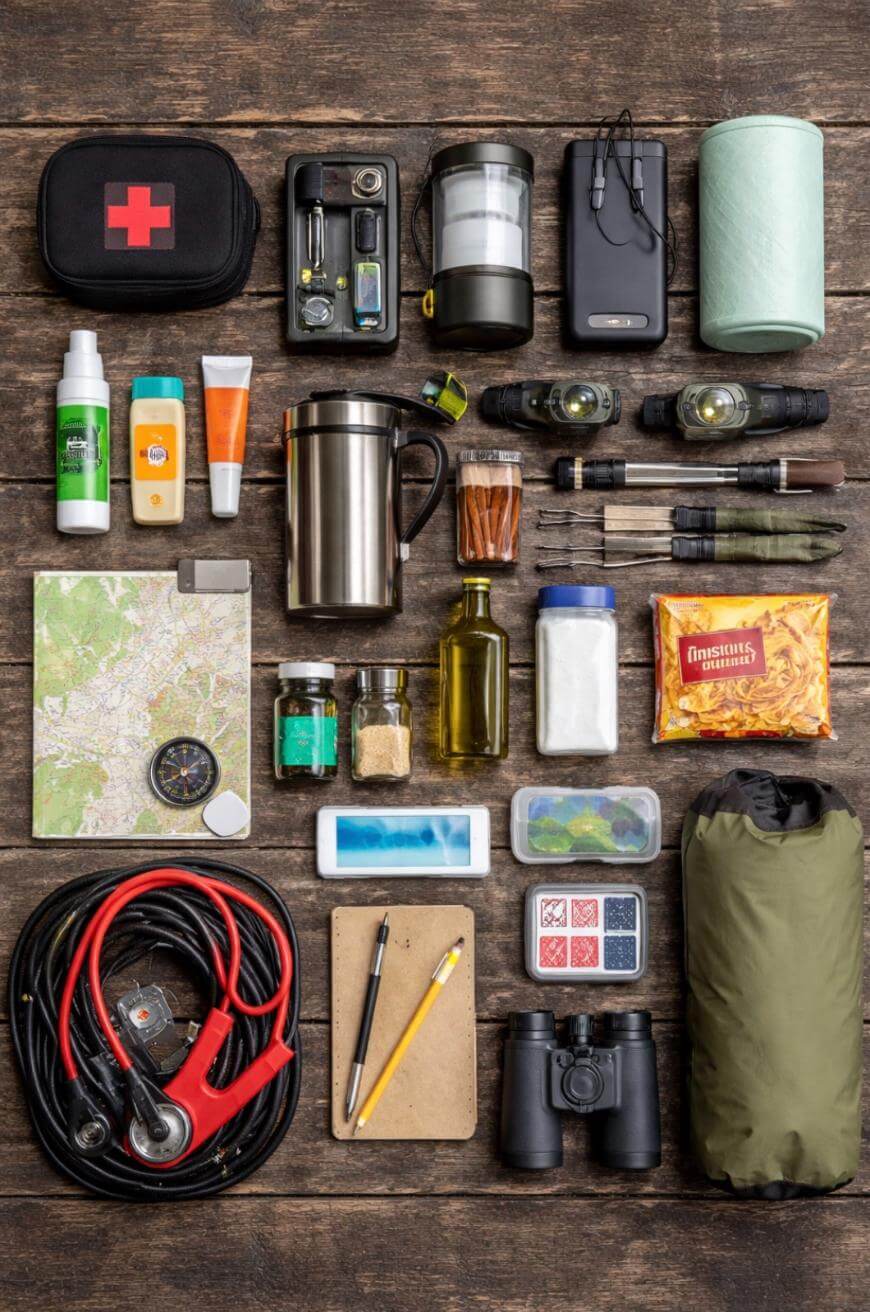
Getting to a cabin often includes rural roads, gravel, or snow. Pack a car kit with an ice scraper, small shovel, jumper cables, and a warm blanket.
If you are traveling in winter, add tire traction aids and extra washer fluid. A smart numeric target is enough snacks and water for 12 hours in case of a delay.
28. Bring A Small Tool Kit For Quick Fixes
Cabins are charming, but things get loose or stop working. A tiny tool kit helps you handle minor issues without needing help.
Bring a multi tool, duct tape, and a small flashlight. An upgrade is a few zip ties and a mini screwdriver set for unexpected repairs.
29. Pack Personal Hygiene Basics In A Single Grab Bag
Cabin bathrooms can be shared or small, and you do not want toiletries scattered everywhere. A simple bag keeps everything together.
Include toothbrush, toothpaste, deodorant, any skincare you actually use, and any meds you need. A smart upgrade is adding hand sanitizer and a small pack of tissues.
30. Bring One “Dry Bag” For Wet Or Dirty Gear
Snowy boots, wet swimsuits, and muddy clothes need containment. A dry bag or even a sturdy plastic bag keeps your car and cabin tidy.
Pack 1 bag per person if you expect wet activities. A helpful upgrade is adding a second bag for separating truly dirty items from merely damp ones.
31. Add A Simple Outdoor Day Pack
Even short walks feel better with a small backpack. It holds water, snacks, layers, and a headlamp without stuffing your pockets.
A good default is 15 to 25 liters for day use. If you plan longer hikes, upgrade to a pack with a waist strap and a rain cover.
32. Pack One Emergency Warmth Item Per Person
If you get stuck outdoors longer than expected, a single extra warmth item can matter a lot. Bring a compact emergency blanket or a heat reflective bivy per person.
Keep it in your day pack, not buried in your suitcase. A practical upgrade is adding chemical hand warmers, especially for cold sensitive fingers.
33. Bring A Simple “Cabin Comfort” Item
Cabin trips feel better when you add one comfort item you genuinely enjoy. This could be a favorite blanket, a candle, or your own pillow.
The key is choosing 1 item that boosts relaxation without creating clutter. A smart upgrade is choosing something that also solves a problem, like a supportive pillow for better sleep.
How To Use This Cabin Trip Packing List Without Overpacking
34. Use The Three Bag Method
Keep packing simple by using 1 main bag for clothes, 1 small bag for toiletries, and 1 shared bin for food and cabin supplies. This prevents rummaging and keeps the cabin tidy.
A concrete rule is that your personal bags should fit in one trip from the car. If you need two trips for one person, you likely packed too much.
35. Pack By Activity, Not By “Just In Case”
Think in terms of hiking, cooking, sleeping, and relaxing instead of random items. You will pack fewer things and still cover your needs.
A good target is 80% likely use items and 20% safety backups. If you keep adding “maybe” items, replace them with one versatile item instead.
36. Do A 10 Minute Final Check The Night Before
A quick final review prevents forgotten chargers, meds, or weather gear. Do it the night before so you are not rushing on departure day.
Scan for five categories: clothing layers, lighting, power, food, and safety. If you have those covered, you will be fine.
Key Takeaways
Pack for layers, not one heavy jacket.
Bring at least 1 headlamp per person.
Plan meals plus 1 backup meal per day.
Carry a 10,000 mAh power bank minimum.
Use indoor shoes to keep the cabin clean.
Pack extra socks because wet feet end trips fast.
FAQ
Do You Need To Bring Your Own Bedding To A Cabin?
No, you only need to bring bedding if the listing says linens are not provided. If it is unclear, treat it as not provided and pack a sleeping bag or sheets.
How Much Food Should You Pack For A Cabin Weekend?
Pack 3 meals per day plus 1 extra no cook meal per day. Add at least one extra snack per person per day because outdoor time increases appetite.
What If The Cabin Has No Potable Water?
Bring bottled water as your main source if you are unsure. A practical baseline is 2 liters per person per day, plus extra for cooking and coffee.
How Do You Avoid Overpacking For A Cabin Trip?
Choose versatile layers and limit yourself to one “comfort” item. Use the three bag method so you can see what you already have and stop adding extras.