Last updated: June 9, 2026
Coconut oil pulling has been showing up everywhere from wellness blogs to dentist office conversations, and you probably want to know if it’s worth the hype before you start swishing oil around your mouth every morning.
We’re going to break down exactly what coconut oil pulling is, how to do it properly, what the research says, and how to get the most out of the practice so you can make an informed decision fast.
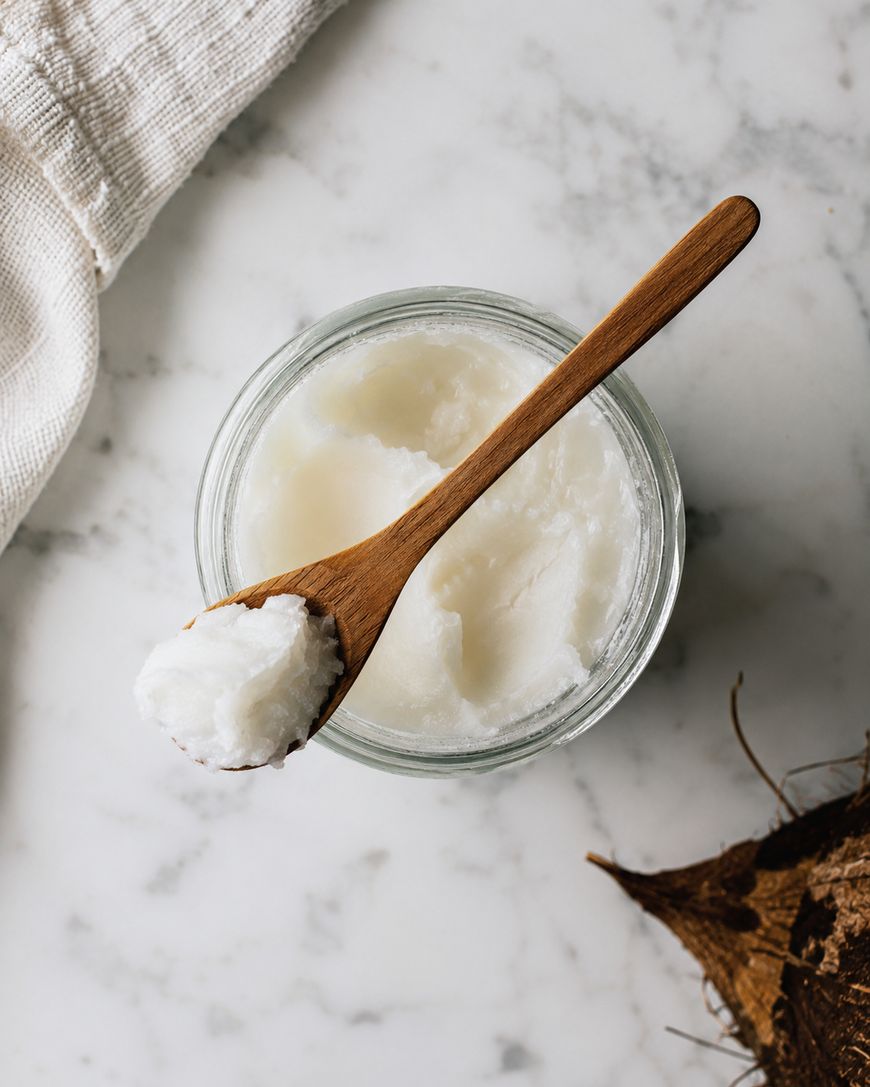
What Is Coconut Oil Pulling?
Coconut oil pulling is an ancient Ayurvedic oral hygiene practice that involves swishing oil around your mouth for several minutes to remove bacteria, debris, and toxins from your teeth and gums.
The name comes from the idea that the oil “pulls” bacteria and impurities from the surfaces of your mouth before you spit it out.
While traditional oil pulling used sesame or sunflower oil, coconut oil has become the modern go-to because of its pleasant mild flavor, its naturally occurring lauric acid content, and its widely available, affordable price point.

The practice is believed to have originated in India thousands of years ago as part of Ayurvedic medicine, a holistic system focused on balancing the body through diet, lifestyle, and natural remedies.
Today, people use coconut oil pulling as a complement to their regular brushing and flossing routine rather than a replacement for it.
How to Do Coconut Oil Pulling Correctly
The technique itself is simple, but doing it correctly makes a real difference in whether you see results.
Start with one tablespoon of organic, unrefined coconut oil. Solid or melted works fine, as it will liquify in your mouth within seconds.

Swish the oil gently around your entire mouth, pulling it between your teeth, under your tongue, and along your gum line for 15 to 20 minutes.

Keep the movements gentle and relaxed rather than forceful swishing, which can tire your jaw muscles and make it hard to complete the full session.
When the time is up, spit the oil into a trash can rather than the sink or toilet. Oil can solidify in pipes and cause clogs over time.
Rinse your mouth thoroughly with warm water, then brush your teeth as normal to remove any remaining oil residue.
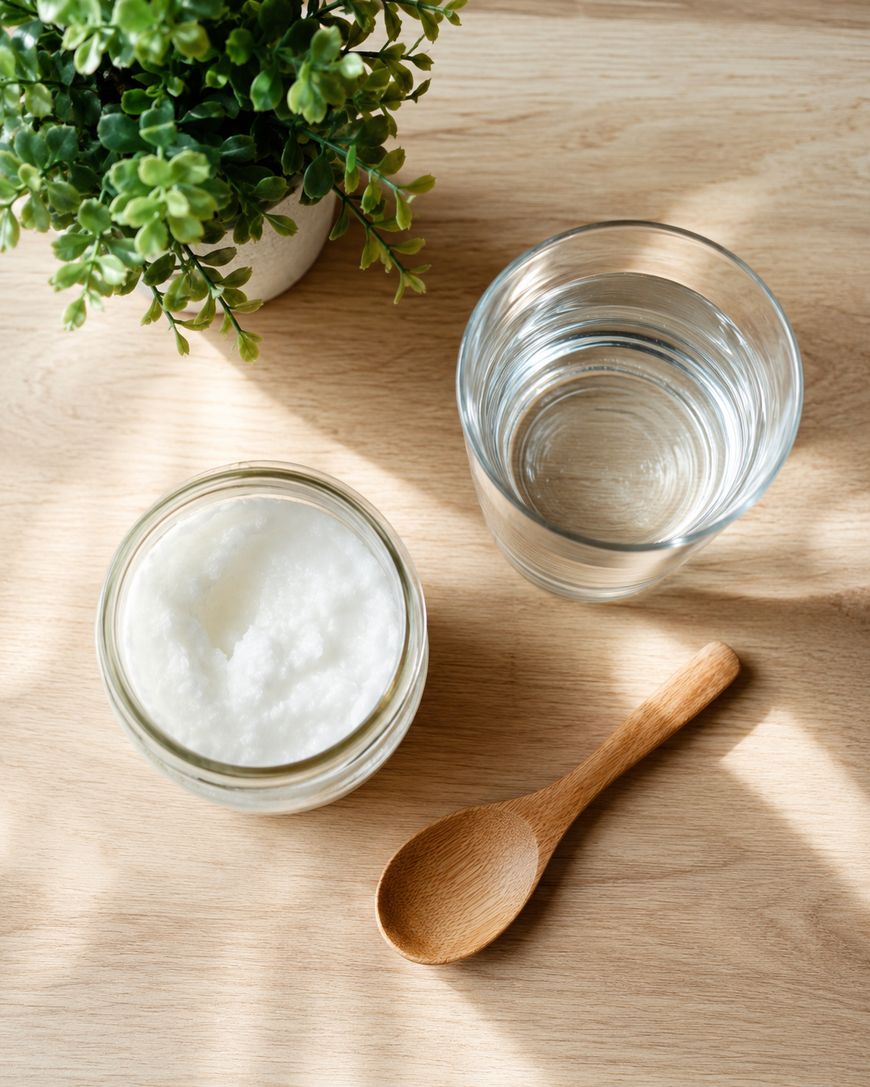
The best time to practice coconut oil pulling is first thing in the morning on an empty stomach, before you eat or drink anything, including water.
This timing ensures the bacteria that naturally accumulate overnight in your mouth are addressed before you ingest any food or liquid.
If 20 minutes feels too long at first, start with 5 minutes and gradually increase your time as you build the habit.
The Benefits of Coconut Oil Pulling
Research on coconut oil pulling is still developing, but several studies and decades of anecdotal evidence point to some meaningful benefits for oral health.
The most well-supported benefit is a reduction in Streptococcus mutans, the bacteria most strongly linked to tooth decay and cavities.
A 2016 study published in the Journal of Contemporary Dental Practice found that oil pulling with coconut oil was as effective as chlorhexidine mouthwash in reducing S. mutans levels in the saliva of adolescents.
Coconut oil’s lauric acid content is partly responsible for this effect. Lauric acid has documented antimicrobial properties that make it effective against certain harmful bacteria.

Regular coconut oil pulling may also contribute to fresher breath by reducing the bacterial load in your mouth.
Halitosis, or chronic bad breath, is largely caused by volatile sulfur compounds produced by bacteria on the tongue, gums, and between teeth, and reducing those bacteria can make a noticeable difference.
Some people also report that coconut oil pulling reduces gum inflammation and bleeding over time.

While more large-scale clinical trials are needed to definitively confirm all of these benefits, the low-risk nature of the practice means there is little downside to adding it to your routine.
Whiter teeth is another commonly cited benefit, though the evidence here is more anecdotal than scientific. The oil may help lift surface stains, but it is not going to work like a whitening treatment.
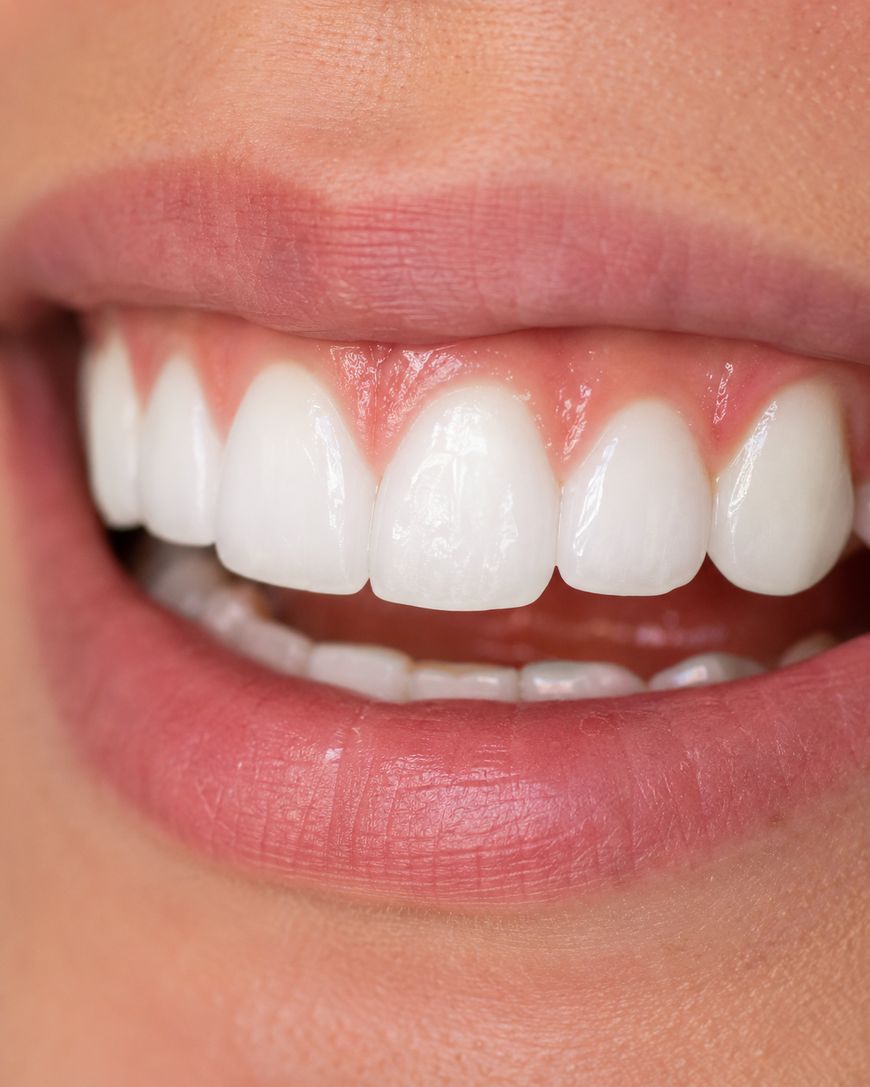
Coconut Oil Pulling and Gum Health
Your gum health is closely tied to the overall bacterial environment in your mouth, and this is where coconut oil pulling may have its most practical impact.
Gingivitis, the early stage of gum disease, is caused by plaque buildup along the gum line that triggers inflammation and bleeding.
A 2015 study published in the Nigerian Medical Journal found that oil pulling significantly reduced plaque and gingivitis in participants after just 30 days of daily practice.
The oil acts as a mechanical cleanser as you swish it around, helping to dislodge plaque and food particles from areas your toothbrush and floss might miss.

The anti-inflammatory properties of coconut oil may also play a role in soothing irritated gum tissue over time with consistent use.
If you have sensitive or inflamed gums, you may notice less tenderness and reduced bleeding when brushing within a few weeks of starting a daily practice.
It is worth noting that coconut oil pulling is not a substitute for professional dental cleanings, and if you have advanced gum disease, you should absolutely continue working with your dentist on a treatment plan.
Tips for Building a Consistent Coconut Oil Pulling Habit
Like most wellness practices, coconut oil pulling only delivers results when done consistently, and that means making it easy to fit into your daily routine.
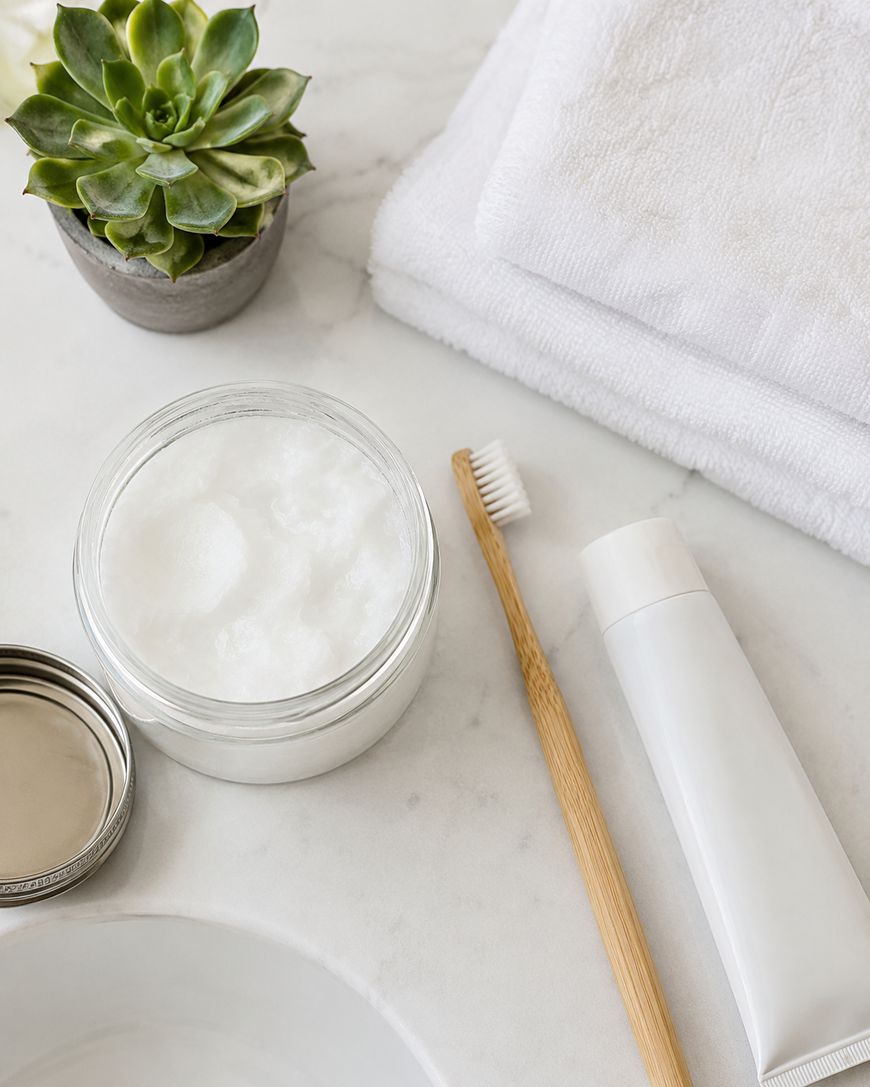
Keep a jar of coconut oil on your bathroom counter right next to your toothbrush so the visual reminder is there every morning when you wake up.

Pair the practice with something you already do each morning. Scrolling through your phone, making your bed, or even stepping outside for some fresh air makes the 15 to 20 minutes pass without you having to just stand there watching the clock.
Some people find it helpful to use pre-portioned coconut oil pulls that are available as small packets or discs, which removes the step of measuring oil in the morning.
If the texture of solid coconut oil is off-putting at first, try warming the jar briefly in warm water before scooping so it is already in liquid form.
Track your habit on a simple calendar or habit app. Seeing a streak of consecutive days is a surprisingly powerful motivator for sticking with a new routine.

Give the practice at least 30 days before deciding whether it is working for you, since oral health improvements tend to show up gradually rather than overnight.
What to Expect in Your First Week
The first few sessions of coconut oil pulling can feel a little awkward, and that is completely normal.
You may notice the oil volume increasing as saliva mixes in, which is expected. Your mouth is simply doing what mouths do when something is in there.
If you feel the urge to swallow, slow your swishing and breathe through your nose to stay relaxed and comfortable.
Some people experience a mild detox-like response in the first week, such as more congestion or a slight headache, though this is not universal and typically passes quickly.
By the end of your first week you will likely find the 15 to 20 minutes feels more natural, and you will probably start to notice your mouth feeling cleaner after each session.
Your breath may already seem fresher to you within the first few days, which is one of the most motivating early signs that the practice is doing something useful.
Frequently Asked Questions About Coconut Oil Pulling
Can you use any type of coconut oil for oil pulling?
Organic, unrefined (virgin) coconut oil is the best choice because it retains more of its natural lauric acid content and has not been processed with chemicals or high heat.
Refined coconut oil will still work in a pinch, but you may lose some of the antimicrobial benefits associated with the unrefined version.
How long does it take to see results from coconut oil pulling?
Most people notice fresher breath within the first week, while improvements in gum health and reduced plaque tend to become apparent after two to four weeks of consistent daily practice.
Visible changes like reduced gum bleeding may take a full 30 days to become noticeable, so patience and consistency are key.
Can coconut oil pulling replace brushing and flossing?
No. Coconut oil pulling is meant to complement your existing oral hygiene routine, not replace it.
Brushing removes plaque mechanically and fluoride toothpaste helps strengthen enamel in ways that oil pulling simply cannot replicate.
Is coconut oil pulling safe for everyone?
Coconut oil pulling is generally safe for most healthy adults, but children under age five should not do it due to the risk of accidentally swallowing the oil.
If you have a known coconut allergy or any oral health conditions being actively treated by a dentist, check with your provider before starting.
Why do you spit the oil into the trash and not the sink?
Coconut oil solidifies at temperatures below 76 degrees F, which means it can harden inside your pipes and contribute to clogs over time.
Spitting into a paper towel or directly into the trash can is the easiest habit to avoid any plumbing issues.
Can you do coconut oil pulling at night instead of in the morning?
Morning on an empty stomach is the traditional and most recommended time because it addresses the bacteria that build up overnight.
Evening oil pulling before bed is better than not doing it at all, but you will get the most benefit from the morning routine.
Conclusion
Coconut oil pulling is a simple, low-cost addition to your oral health routine that has genuine support from both traditional practice and emerging research.
Whether you are looking to freshen your breath, support healthier gums, or simply add a mindful morning ritual, giving coconut oil pulling a consistent try for 30 days is a reasonable place to start.
Grab a jar of virgin coconut oil, set a timer tomorrow morning, and see what a few minutes of swishing can do for your smile.