Last updated: August 10, 2026
You don’t need to be an HVAC technician to notice when your home is no longer cooling properly. A struggling air conditioner can affect your sleep, comfort, and energy bills, particularly when outdoor temperatures climb.
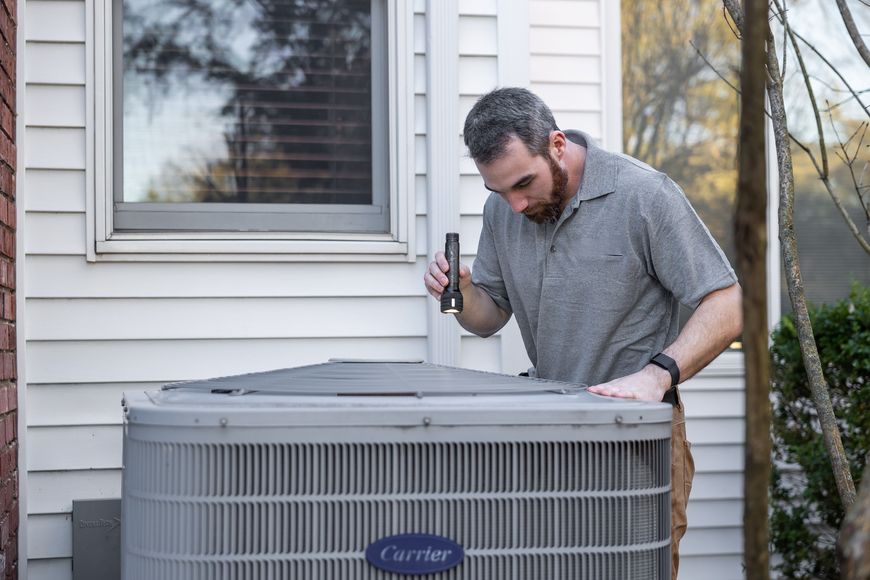
During long periods of hot weather, air conditioning may run heavily for much of the day, making cooling problems uncomfortable very quickly. Knowing which warning signs to watch for, what you can safely check yourself, and when to call a professional can help you address problems before they turn into expensive breakdowns.
Recognize the Early Signs of AC Trouble
Air conditioners rarely fail without warning. More often, they start showing signs that something is wrong. One room may feel comfortable while another remains stubbornly warm. Air coming from the vents may seem weaker than usual, or the system may run for long periods without reaching the temperature set on the thermostat.
Unusual sounds can also signal trouble. Buzzing, rattling, grinding, or repeated clicking that was not present before deserves attention. Odors matter as well. A persistent musty smell may indicate excess moisture or another problem that needs investigation, while a burning odor should be taken seriously.
Keep an eye on your energy bills, too. If your electricity use suddenly rises without a corresponding change in weather or household habits, the cooling system may be working harder than necessary. A noticeable increase in energy use can be another reason to have the system inspected before a minor performance issue becomes more serious.
Check the Basics Before Assuming the Worst
Before assuming your air conditioner needs a major repair, check a few basics. Start with the thermostat. Make sure it is set to cooling mode and that the desired temperature is lower than the current indoor temperature. Also check whether the fan setting has been changed accidentally.
Next, inspect the air filter. A dirty or clogged filter can restrict airflow and force the system to work harder. If the filter is visibly dirty, replace it according to the system manufacturer’s recommendations.
Take a look at the outdoor condenser unit as well. Leaves, grass, dirt, and other debris can interfere with airflow. Keep the surrounding area reasonably clear so the equipment has room to operate.
Finally, check the indoor vents. Furniture, rugs, curtains, or closed registers can restrict airflow and contribute to uneven temperatures. These issues may seem minor, but correcting them can improve comfort and help you determine whether a larger problem is present.
Understand Why Your AC May Be Blowing Warm Air
Warm or only slightly cool air coming from the vents can have several causes, and not all of them are easy to diagnose without professional equipment.
Low refrigerant is one possibility, particularly when a leak is present. Frozen evaporator coils can also interfere with the cooling process. Restricted airflow, thermostat problems, or issues involving the outdoor unit may produce similar symptoms.
Electrical or mechanical components can cause problems as well. A faulty capacitor, damaged wiring, or compressor issue may interrupt the cooling cycle even when the system’s fan continues to operate.
When basic checks do not identify the problem, professional cooling system repair may be necessary to diagnose refrigerant, electrical, airflow, or mechanical issues safely and accurately.
Pay Attention to Humidity and Uneven Cooling
Your air conditioner does more than lower the indoor temperature. During normal operation, it also helps manage indoor humidity.
If your home feels unusually humid or sticky while the AC is running, the system may not be removing moisture effectively. High humidity can make indoor temperatures feel warmer than the thermostat indicates, sometimes leading homeowners to lower the temperature further in an attempt to feel comfortable.
Weak airflow can also point to several possible issues, including clogged filters, dirty coils, blower problems, or ductwork concerns. Uneven temperatures between rooms may be related to airflow, insulation, duct leakage, or an improperly sized system.
Persistent humidity and uneven temperatures can make the home less comfortable while also indicating that the cooling system is not performing as expected. If simple airflow checks do not resolve the problem, a professional assessment can help identify the underlying cause.
Address Small AC Problems Before They Get Worse
Minor cooling problems can become more expensive when they are ignored. A heavily clogged filter, for example, can restrict airflow and put unnecessary strain on system components. Refrigerant leaks can affect cooling performance and potentially contribute to additional equipment problems. Electrical issues may also worsen if damaged components continue operating under stress.
Timing becomes especially important during the hottest months, when air-conditioning systems are under greater demand and service appointments may be harder to schedule.
Addressing a developing problem early may give you more repair options and help reduce the risk of additional system damage. It can also help you avoid losing cooling completely during a period of extreme heat.
For households with children, older adults, pets, or anyone particularly sensitive to high temperatures, maintaining reliable indoor cooling can be especially important.
Know What to Expect From an AC Technician
You should not need technical training to understand what is wrong with your air conditioner. A qualified technician should be able to inspect the system, test relevant components, identify the likely cause of the problem, and explain the findings clearly.
Ask practical questions before authorizing major work:
- What caused the problem?
- Does this problem require immediate repair?
- Could the issue affect other components?
- Is repairing the system more practical than replacing it?
- What maintenance could reduce the chance of the problem returning?
Clear answers can help you understand what you are paying for and why a particular repair has been recommended.
If the diagnosis involves several potential solutions, ask about the advantages and disadvantages of each. Understanding expected costs, equipment condition, and likely service life can help you make a more informed decision.
Use Routine Maintenance to Prevent Cooling Problems
Routine maintenance cannot prevent every air-conditioning failure, but it can help identify developing problems before they cause a complete breakdown.
During a professional maintenance visit, a technician may inspect components, check airflow, examine drainage, evaluate electrical connections, clean equipment where appropriate, and look for signs of unusual wear or performance problems.
Maintenance can also support efficient operation. A system that has adequate airflow and properly functioning components generally has an easier job maintaining the desired indoor temperature.
Homeowners can support that process with a few basic habits:
- Replace or clean filters according to manufacturer recommendations.
- Keep supply and return vents unobstructed.
- Remove leaves and debris from around the outdoor unit.
- Pay attention to unusual noises and odors.
- Watch for unexplained changes in cooling performance or energy use.
- Schedule professional service when the system begins behaving differently.
The goal is not to become your own HVAC technician. It is simply to notice changes early enough to address them before they become larger problems.
Decide Whether to Repair or Replace Your AC
Not every struggling air conditioner needs to be replaced. If the equipment is relatively new, has been properly maintained, and needs a straightforward repair, fixing the existing system may be the practical choice. The calculation changes as equipment ages.
When comparing repair and replacement, consider the cost of the current repair alongside the system’s age, condition, efficiency, and history of breakdowns. An older air conditioner that requires frequent service and struggles to cool the home efficiently may eventually become more expensive and inconvenient to maintain.
Energy use deserves consideration as well. An aging system may continue running after a repair but still use considerably more electricity than newer equipment.
Comfort is another factor. If your system consistently leaves certain rooms too warm, struggles with humidity, or runs almost continuously during hot weather, simply repairing one failed component may not address every underlying concern.
Your long-term plans for the home matter too. If you expect to remain in the property for many years, efficiency, reliability, and future repair costs may carry more weight in the decision.
Keep Your Home Comfortable Before Summer Peaks
Paying attention to changes in your cooling system gives you more time to respond before a minor issue becomes a major summer breakdown. Weak airflow, unusual noises, rising energy bills, excessive humidity, and warm air from the vents are all signs worth investigating rather than ignoring.
Start with simple checks such as the thermostat, filter, vents, and outdoor unit. These can resolve some common problems and help rule out basic causes. If the problem continues or involves electrical, refrigerant, or mechanical components, professional diagnosis is the safer approach.
Routine maintenance can also help you stay ahead of developing issues and understand the overall condition of your equipment. When repairs are needed, consider the system’s age, efficiency, reliability, and repair history rather than focusing on the immediate cost alone.
The goal is not to wait until your air conditioner stops working completely. Timely attention and appropriate maintenance can help keep your cooling system reliable, efficient, and ready for the hottest part of the year. Taking action early gives you greater control over both your home’s comfort and your repair decisions.