Last updated: March 14, 2026
Greasy hair remedies are practical steps you use to reduce excess scalp oil so your hair looks cleaner, feels lighter, and stays fresh longer. The simplest default approach is to wash a little less often, switch to a gentle balancing shampoo, and use dry shampoo correctly on your roots.
Greasy Hair Remedies That Actually Work

1. Wash Your Hair Less Often (But Do It Gradually)
If you wash daily, your scalp can overcompensate and feel oilier faster, especially if you’re using strong shampoos.
Start by adding just 1 extra day between washes for two weeks, then add another day if your scalp tolerates it.
2. Use A Balancing Shampoo, Not A “Moisture” Shampoo
Many moisturizing shampoos leave residue that makes fine hair look greasy quickly, even when your scalp isn’t that oily.
Look for words like “balancing,” “clarifying (gentle),” or “oil control,” and avoid heavy butters and oils high on the ingredient list.
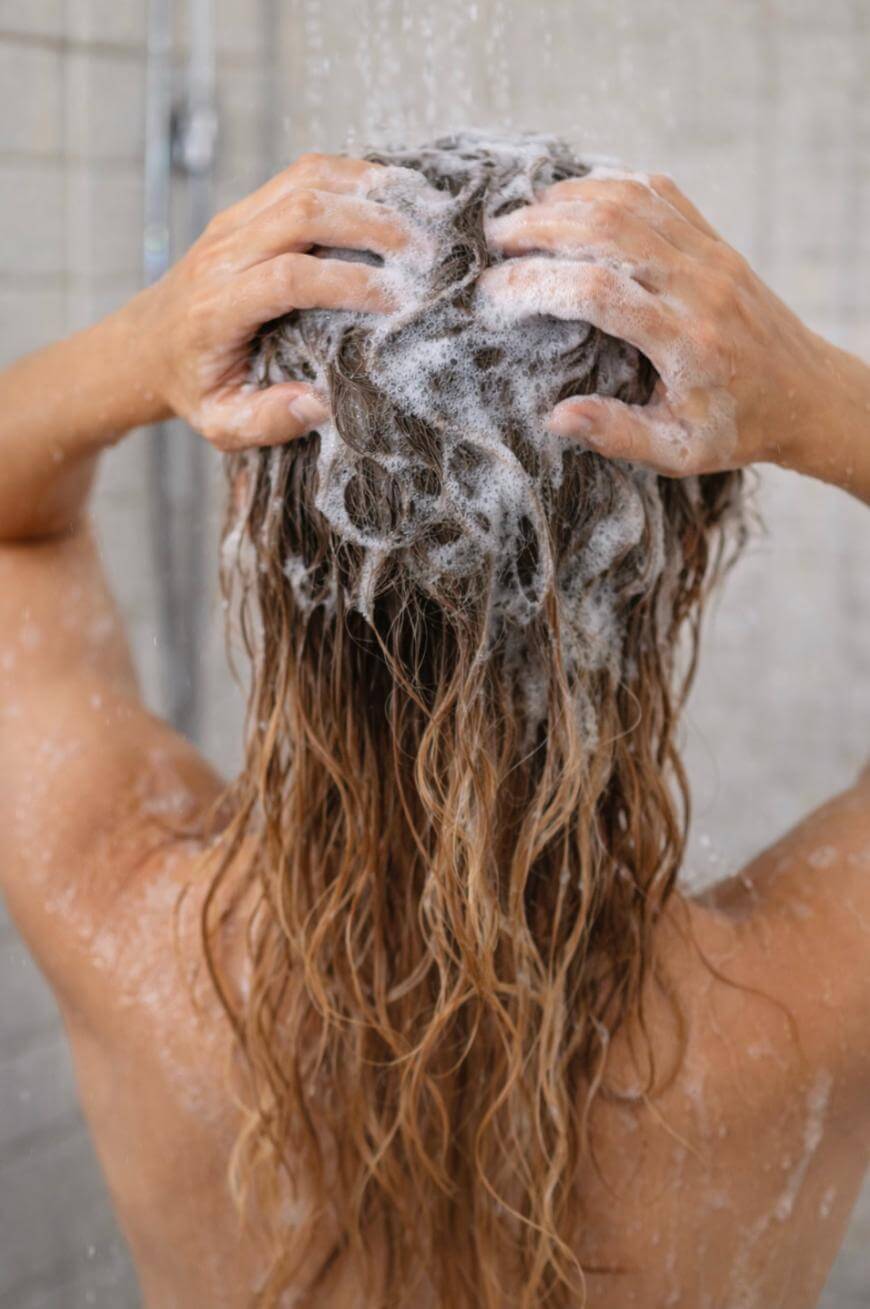
3. Shampoo Your Scalp Twice, Not Your Lengths
Grease lives at the roots, but a lot of people quickly shampoo once and never fully break down buildup.
Do a quick first wash to loosen oil, then a second wash for 30–60 seconds focused only on the scalp.
4. Use Less Conditioner, And Keep It Off Your Roots
Conditioner on the scalp is one of the fastest ways to create that “greasy by lunchtime” look.
Use a nickel-to-quarter size amount (depending on hair length) and apply only from mid-lengths to ends.
5. Rinse Longer Than You Think You Need To
Leftover shampoo or conditioner can mimic grease because it coats hair and attracts oil.
A simple rule: rinse for at least 60 seconds after you think you’re done, especially around the hairline and nape.

6. Stop Touching Your Hair During The Day
Your hands transfer oil and dirt to your roots, which makes hair look shiny and separated.
If you catch yourself doing it, switch to a clip or claw clip style so you’re not constantly pushing hair back.
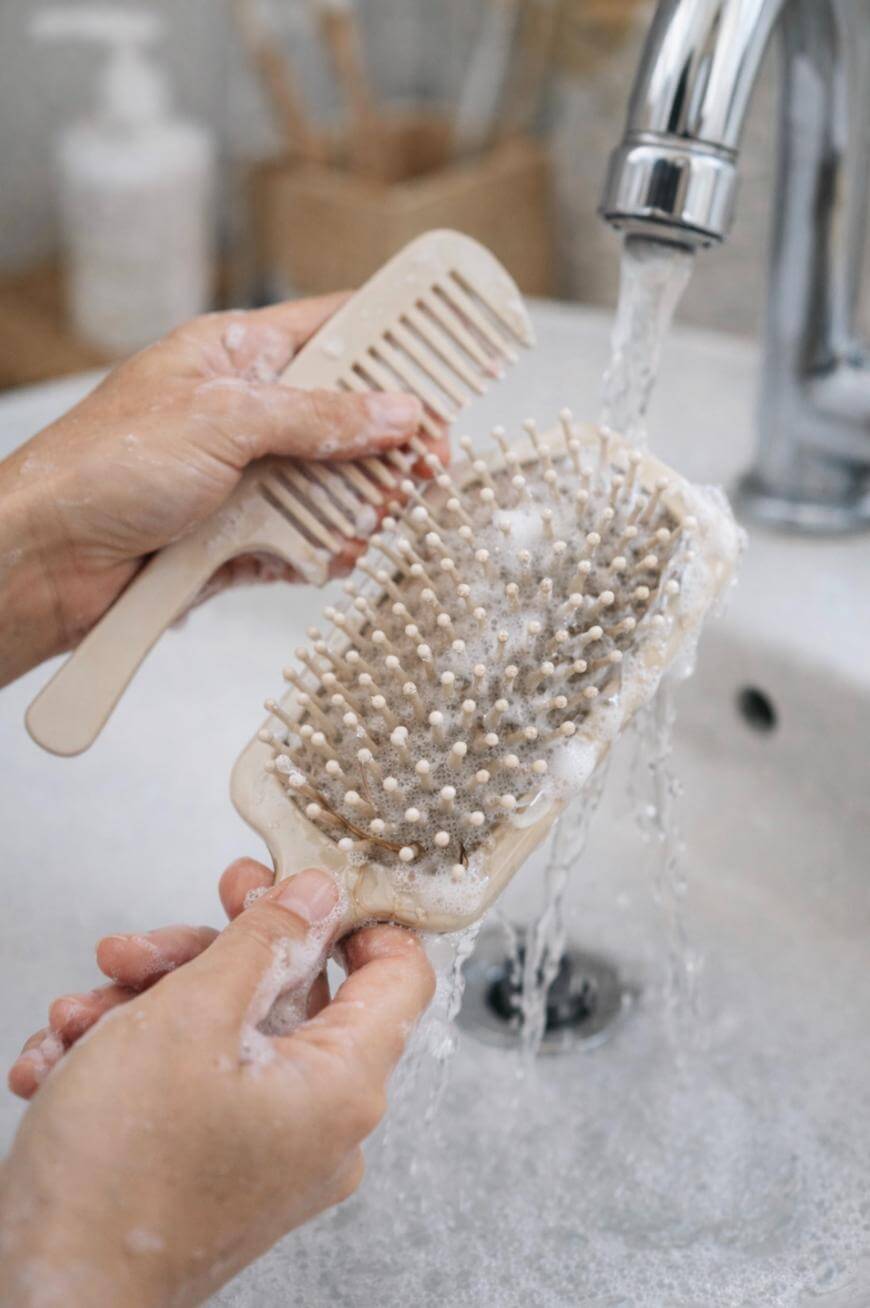
7. Clean Your Brush (And Don’t Forget Your Combs)
A dirty brush redistributes old oil right back onto clean hair.
Wash brushes weekly with warm water and a drop of dish soap, then let them dry completely bristles-down.
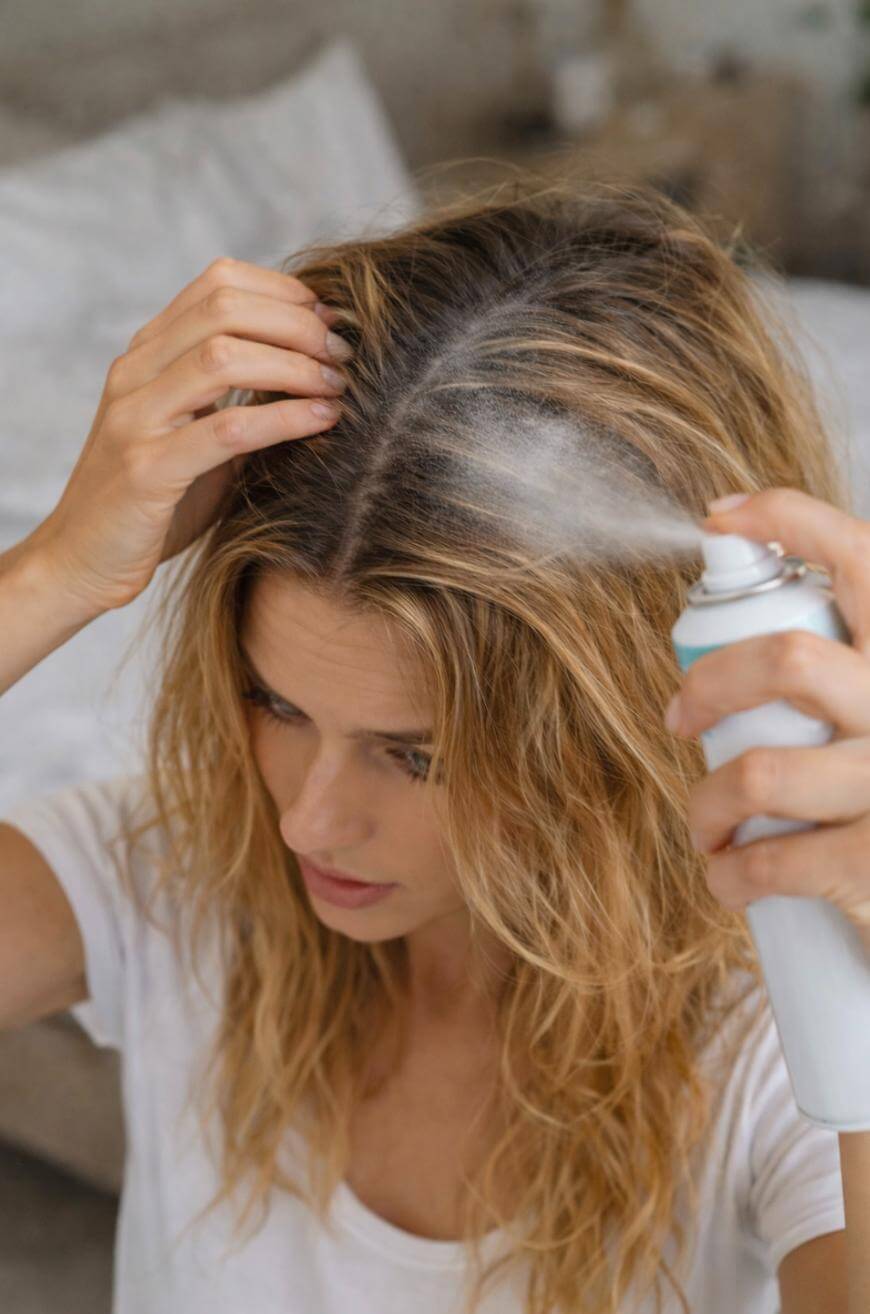
8. Use Dry Shampoo The Night Before, Not The Morning Of
Dry shampoo works best when it has time to absorb oil, not when you’re already greasy.
Spray lightly at the roots before bed, then brush through in the morning for a cleaner look with less product.
9. Don’t Overdo Dry Shampoo (It Can Backfire)
Too much dry shampoo builds up, clogs the scalp, and can make hair feel sticky or gritty—which often looks even greasier.
Keep it to 2–4 light sprays per section, then massage and brush; if you need more daily, you probably need a wash or a clarifying reset.
10. Add A Clarifying Wash Once Every 7–14 Days
Even “good” products can create buildup that makes your roots collapse and turn oily quickly.
Use a clarifying shampoo every 1–2 weeks, then follow with conditioner only on ends to keep hair from feeling stripped.

11. Check Your Water (Hard Water Can Create Buildup)
Hard water minerals can coat hair, making it dull, flat, and oddly greasy-feeling at the roots.
If you notice residue on shower glass or your hair feels waxy, try a chelating shampoo monthly or consider a shower filter.
12. Avoid Heavy Leave-Ins Near The Root Area
Leave-in conditioner, oils, and creams can be amazing for ends but disastrous for oily roots.
If you need frizz control, use a pea-sized amount and keep it below your ears.

13. Change Your Pillowcase More Often
Oil, sweat, and skincare transfer to your pillowcase and then back to your hairline.
A simple upgrade is swapping pillowcases 2 times per week (or flipping it nightly) to keep roots fresher.
14. Keep Skincare And Sunscreen Off Your Hairline
Many face products are oily by design, and they migrate into baby hairs and roots.
When applying SPF or moisturizer, wipe your hairline with a clean tissue and pin hair back until products dry.
15. Try A Scalp Scrub Only If You Have Buildup (Not If You’re Irritated)
Physical or chemical scalp exfoliation can help if you have product buildup, but it can worsen redness or itching if you’re already sensitive.
Limit it to once a week max, and stop if you notice stinging, flakes worsening, or soreness.
16. Blow-Dry Your Roots For Lift (Yes, It Helps With Oiliness)
Air-drying can leave roots flat, which makes oil more noticeable faster.
A quick 2–3 minute root blast with a blow dryer on medium heat can buy you extra “clean-looking” time.

17. Use A Lightweight Styling Product Instead Of Oil
If you style with oils or serums and your hair looks greasy fast, swap to a light mousse or root spray.
You’ll get volume and control without that shiny coating that makes hair separate.
18. Watch Your “Hair Mask” Habits
Hair masks are often too heavy for oily scalps, especially if they creep upward when rinsing.
Use masks only on the bottom half of your hair and keep them to once a week unless your ends are extremely dry.
19. Choose Hairstyles That Hide Grease Strategically
Sometimes you just need a practical fix that looks intentional.
Sleek low buns, claw-clip twists, and half-up styles keep roots controlled and take attention off the scalp shine.
20. Consider Your Hormones, Stress, And Diet Triggers
Oil production can spike with hormonal shifts, stress, and even sudden changes in diet.
If grease is new, extreme, or paired with scalp soreness or hair shedding, it’s worth discussing with a dermatologist.
21. Treat Dandruff Or Seborrheic Dermatitis If Grease Comes With Flakes
Greasy hair plus persistent flakes can be a scalp condition, not just “oil.”
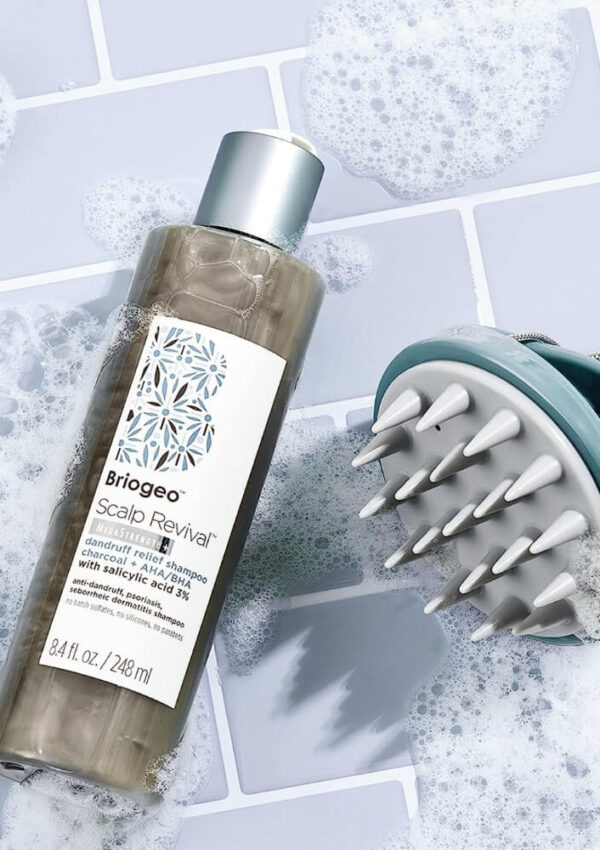
An anti-dandruff shampoo (like ketoconazole, zinc pyrithione, selenium sulfide—depending on what you tolerate) used 2–3 times a week can make a major difference.
22. Reassess Your Wash Frequency Based On Your Hair Type
There’s no moral victory in washing less if your scalp is genuinely oily and uncomfortable.
A practical guideline: fine hair often needs washing every 1–3 days, while thicker/coarser hair may stretch to 3–7 days—your scalp comfort matters more than trends.

Common Mistakes That Make Hair Greasier
23. Using Hot Water On Your Scalp
Very hot water can stimulate the scalp and also make you overproduce oil afterward, plus it can irritate skin.
Use warm water to wash, then do a brief cool rinse at the end if your scalp tolerates it.
24. “Training” Your Hair With Zero Clarifying
If you’re stretching washes but never removing buildup, your roots can get greasy faster and your lengths can feel coated.
A consistent clarifying schedule (every 7–14 days) makes wash-stretching easier and more comfortable.
25. Putting Every Product At The Root
Root application is a common habit with leave-ins, heat protectants, and even texture sprays.
Treat your roots like “scalp skincare”: less product, lighter formulas, and only what you truly need.

Quick, Practical Routines You Can Copy
26. The 3-Day Routine For Oily Roots
Day 1: Wash with a balancing shampoo, condition ends only, and blow-dry roots for lift.
Day 2: Use minimal product, avoid touching hair, and refresh with a tiny amount of dry shampoo at night.
Day 3: Style into a sleek bun or half-up look, then wash that night or the next morning depending on comfort.
27. The Weekly Reset Routine For Product Buildup
Pick one day per week to clarify, then follow with a lightweight conditioner on ends.
On other wash days, use your regular gentle shampoo and keep styling products minimal near the scalp.
Key Takeaways
The best greasy hair fixes focus on scalp cleansing and reducing residue.
Wash less often gradually if you currently shampoo daily.
Use a balancing shampoo and shampoo your scalp twice.
Condition only the lengths and rinse for at least 60 seconds.
Dry shampoo works best when applied at night in light layers.
Clarify every 7–14 days to prevent buildup-driven oiliness.
FAQ
Can you fix greasy hair without washing it?
Yes, you can improve the look quickly with dry shampoo, a change of part, and an updo. You’ll still need a wash soon if there’s true oil and buildup.
Why does your hair get greasy so fast after you wash it?
It’s usually leftover residue, a too-heavy shampoo/conditioner, or buildup from styling products. Hormones and scalp conditions can also play a role.
Is dry shampoo bad for your scalp?
No, not inherently, but overuse can cause buildup and irritation. Use it in light layers and clarify regularly.
Should you stop conditioning if your hair is greasy?
No, but you should keep conditioner off your roots. Condition mid-lengths to ends only so you don’t create root residue.
This post contains affiliate links. A full disclosure is available from the main menu.



Leave a Reply