Last updated: September 25, 2026
Stepping back onto the gym floor after joint discomfort disrupts a routine changes the entire physical landscape. Weeks or months away from the weight rack leave muscles slightly deconditioned, but the primary hesitation is rarely muscular. The doubt centers on the joint itself. A persistent ache in the knee joint changes how someone approaches a squat rack, a leg press, or a simple flight of stairs. Physical movement that once felt automatic suddenly requires a mental calculus about load, angle, and potential repercussions. The central question for active individuals is how to bridge the gap between initial rehabilitation and returning to the gym after knee pain without triggering another setback.
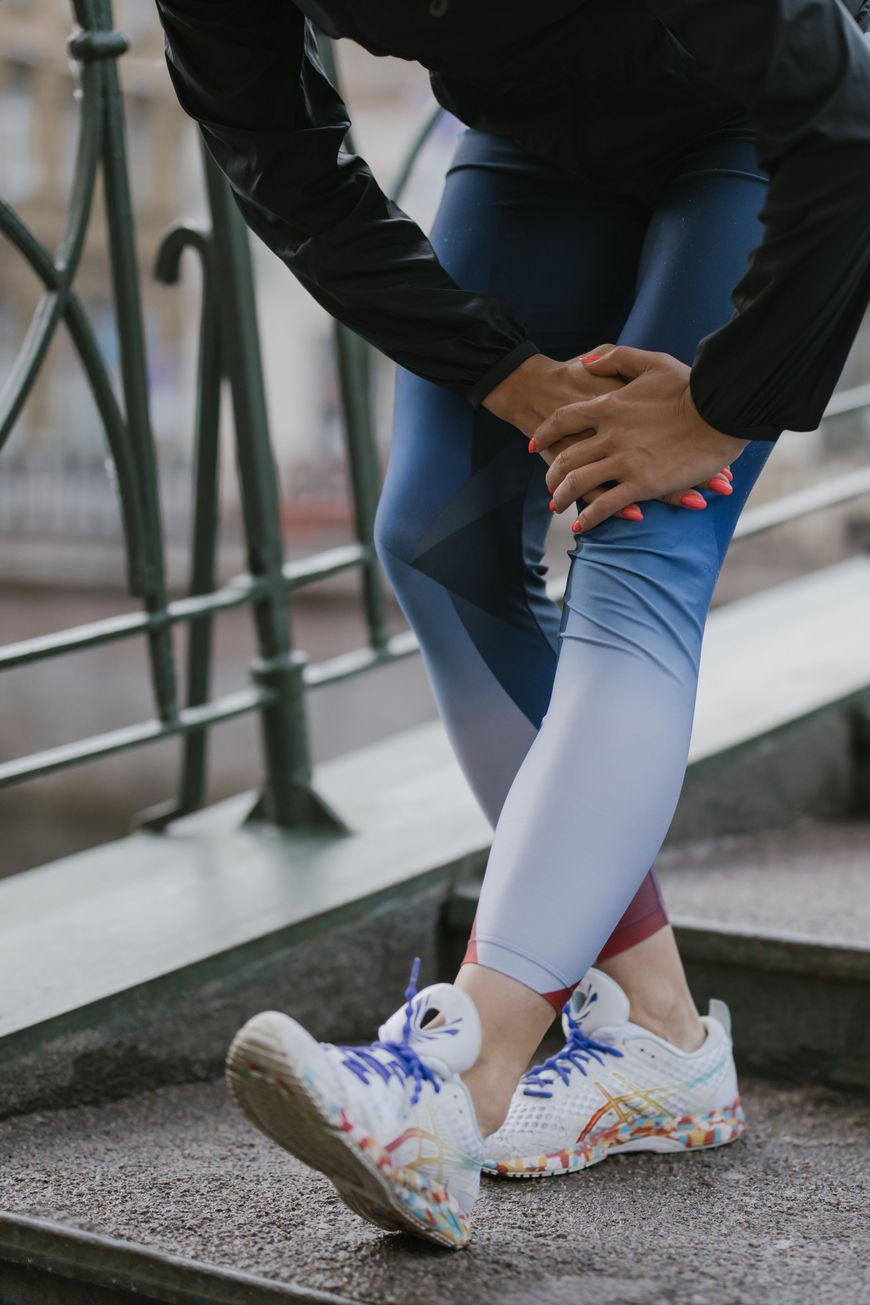
Joint comfort relies heavily on the physical properties of synovial fluid. Inside a healthy knee, this fluid acts as both a lubricant and a shock absorber, composed largely of hyaluronic acid. When knee osteoarthritis or chronic mechanical friction degrades this internal cushion, cartilage surfaces experience increased stress during load-bearing movements. A joint lacking sufficient viscoelastic protection grinds rather than glides. This mechanical reality is why many individuals explore medical interventions aimed at restoring joint viscosity before attempting higher-impact physical training.
Medical science offers several paths to manage this degradation. Among them, intra-articular hyaluronic acid injections have become a common clinical approach for individuals whose joint discomfort limits physical activity. A notable 2020 meta-analysis published in a major orthopedic journal examined outcomes for patients receiving these viscoelastic supplements, noting significant improvements in functional scores and pain reduction compared to control groups over a six-month window. By supplementing the depleted synovial fluid directly inside the joint capsule, these injections help restore smooth articulation. This biological modification creates a window of opportunity, lowering friction inside the capsule so that active adults can resume structured movement.
Monovisc functions as a single-injection viscoelastic supplement designed to restore the lubricating and shock-absorbing properties of compromised synovial fluid. Composed of high-molecular-weight sodium hyaluronate derived from an ultra-pure avian source, this treatment is administered directly into the joint space by a qualified medical professional. The gel-like substance mimics the natural viscoelasticity of healthy joint fluid, providing sustained cushioning that can alleviate the mechanical friction responsible for grinding and discomfort during movement. For active individuals dealing with degenerative joint changes, clinics and medical professionals often utilize this specific single-dose formulation to provide prolonged relief and improve joint mechanics. Those seeking professional acquisition pathways can buy Monovisc from a medical supplier to facilitate clinical administration. Following this targeted medical intervention, the focus shifts entirely toward physical rehabilitation and safe re-entry into fitness routines.
Structuring Physical Rehabilitation and Progression
Reintroducing physical activity requires patience and a structured approach. A gradual return-to-exercise plan prevents the connective tissue and surrounding musculature from being overwhelmed by sudden loads. When individuals resume training, the tissue tolerance of the knee has invariably shifted during the period of inactivity. Rushing straight back to heavy barbell squats or high-impact plyometrics frequently results in renewed inflammation. Structuring the initial weeks around controlled movements allows the joint to adapt to mechanical stress incrementally.
Choosing the right modalities matters immensely during these early phases. Balancing low-impact vs. weight-bearing exercise helps maintain cardiovascular fitness and muscular engagement without pounding the articular cartilage. Stationary cycling, elliptical training, and deep-water running offer effective cardiovascular stimulus while minimizing the compressive forces that trigger joint pain. When weight-bearing movements are reintroduced, they should begin with closed-chain exercises like leg presses at reduced loads or wall sits, which distribute forces more evenly across the entire lower extremity.
Preparation before any physical exertion is equally critical for joint longevity. Integrating a thorough warm-up and joint mobility routine prepares the synovial fluid for movement, effectively decreasing initial friction within the joint capsule. Dynamic stretches, leg swings, and gentle bodyweight activations signal the nervous system to coordinate muscular support around the knee. Skipping this preparatory phase forces a cold joint to bear load, increasing the likelihood of irritation during the primary workout.
Building Strength and Managing Workouts
Building resilience around the joint requires targeted muscular support. Strength training around a painful joint focuses on fortifying the quadriceps, hamstrings, calves, and hips to absorb forces that would otherwise transfer directly to the knee bones and cartilage. Strong supporting musculature acts as a dynamic brace, stabilizing the joint capsule through various ranges of motion. Selecting movements that isolate specific muscle groups without placing excessive shear stress on the patellofemoral joint is key during this rebuilding phase.
Modifications keep the training stimulus alive while respecting physiological limits. Effective exercise modification for knee pain might involve reducing the depth of a squat, changing foot placement, or substituting barbell movements with cable variations that maintain constant tension without harsh transition points. These adjustments allow the lifter to continue progressing without provoking the inflammatory cycle. Stubbornly pushing through structural discomfort rarely builds character; it usually builds scar tissue and chronic inflammation.
Distinguishing between normal muscular adaptation and actual joint distress is a skill every returning athlete must develop. Pain during vs. after exercise tells a story about how the joint handled the mechanical load. A dull muscular burn in the quadriceps is expected and productive. Sharp, localized pain inside the joint line, swelling that appears hours later, or a catching sensation signals that the tissue was overloaded. Listening to your body during workouts prevents minor aches from escalating into major setbacks that require another extended layoff.
Consistency often matters more than intensity during the rehabilitation phase. Maintaining a structured home exercise program ensures that supportive habits continue on days when the gym is not accessible. Simple daily activations, single-leg stability drills, and mobility work keep the joint lubricated and the surrounding muscles engaged. This steady, low-level adherence builds a foundation of joint health that supports heavier training cycles down the road.
Collaboration with knowledgeable fitness professionals ensures that form and progression remain objective. Open personal trainer communication about injuries establishes clear boundaries and realistic expectations for every session. A qualified trainer can spot subtle compensations, such as shifting weight away from the affected side, and correct them before they create secondary imbalances in the hips or lower back. Returning to the gym is ultimately a collaborative process between medical science, smart programming, and disciplined execution.