Last updated: September 11, 2026
Lemon ricotta pasta is a creamy, citrusy pasta dish where ricotta makes the sauce silky and lemon keeps it bright. You simply toss hot pasta with ricotta, lemon zest, lemon juice, a splash of pasta water, and plenty of Parmesan until it turns glossy.

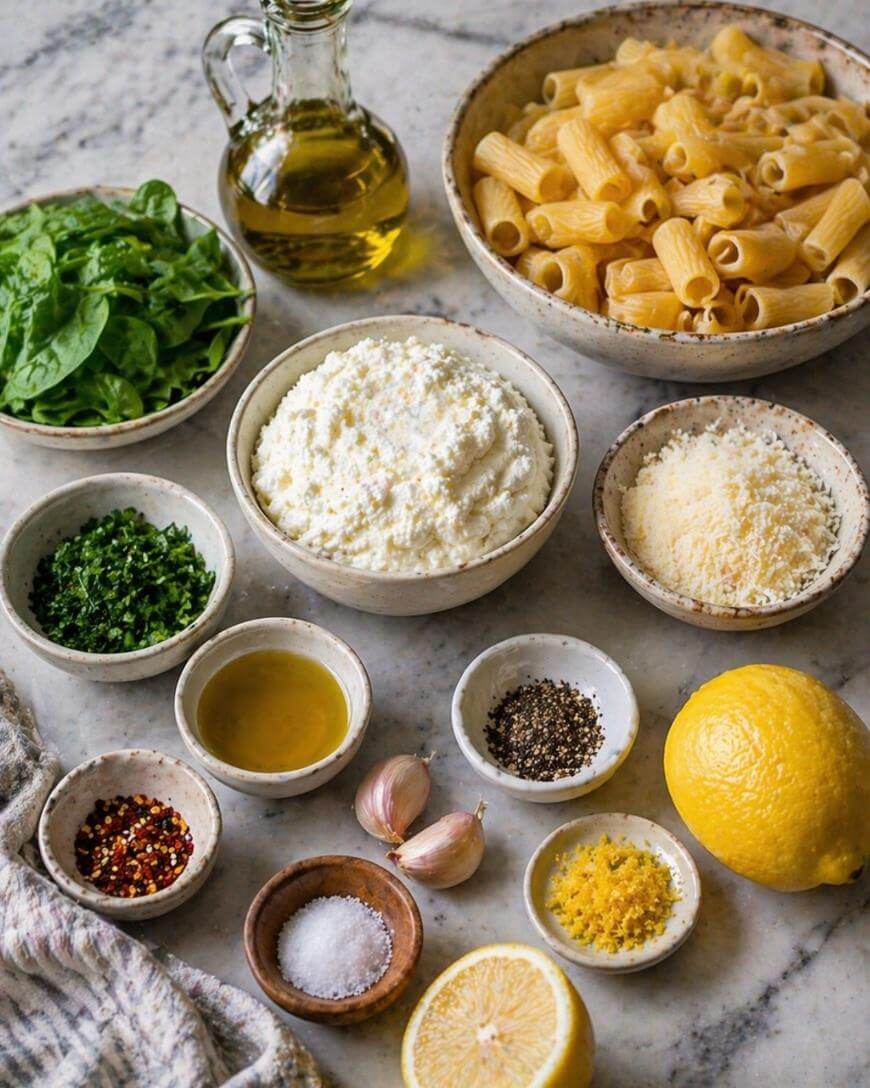
Ingredients List (Serves 2–3)
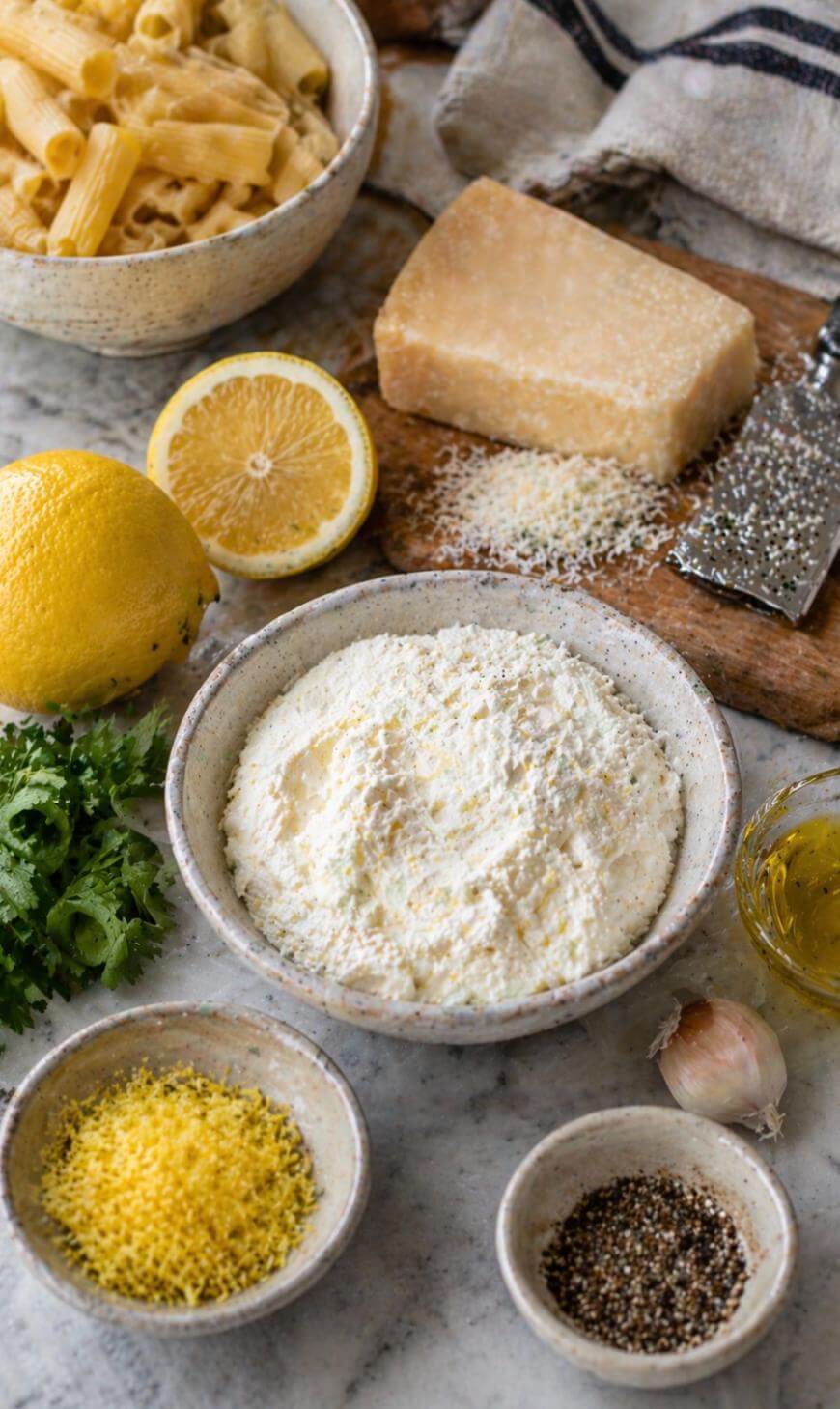
- 8 ounces pasta (rigatoni, fusilli, or spaghetti)
- 3/4 cup full-fat ricotta cheese
- 1/3 cup finely grated Parmesan cheese, plus more for serving
- 1 large lemon (you will use the zest plus 1–2 tablespoons juice)
- 1–2 tablespoons olive oil
- 1/4 teaspoon freshly cracked black pepper, plus more to taste
- Salt (for pasta water and final seasoning)
Optional Add-Ins
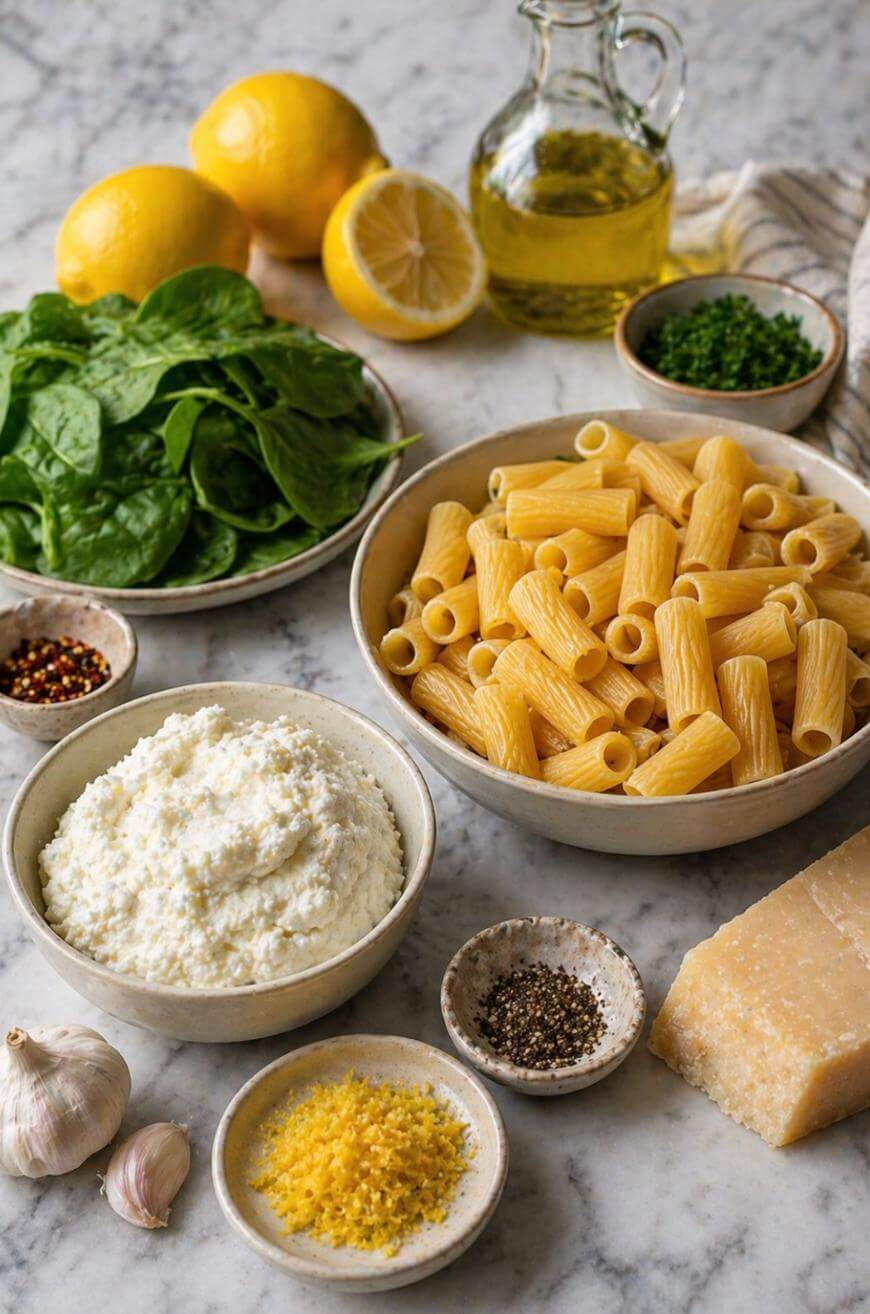
- 1 small garlic clove, finely grated (or 2 cloves sautéed briefly in olive oil)
- 1/8–1/4 teaspoon red pepper flakes
- 1–2 cups baby spinach or peas
- 1/4 cup chopped fresh herbs (parsley, basil, dill, or chives)
- 8–12 ounces cooked chicken or shrimp (for a full meal)
How To Make Lemon Ricotta Pasta In 6 Steps
1. Boil The Water And Salt It Properly
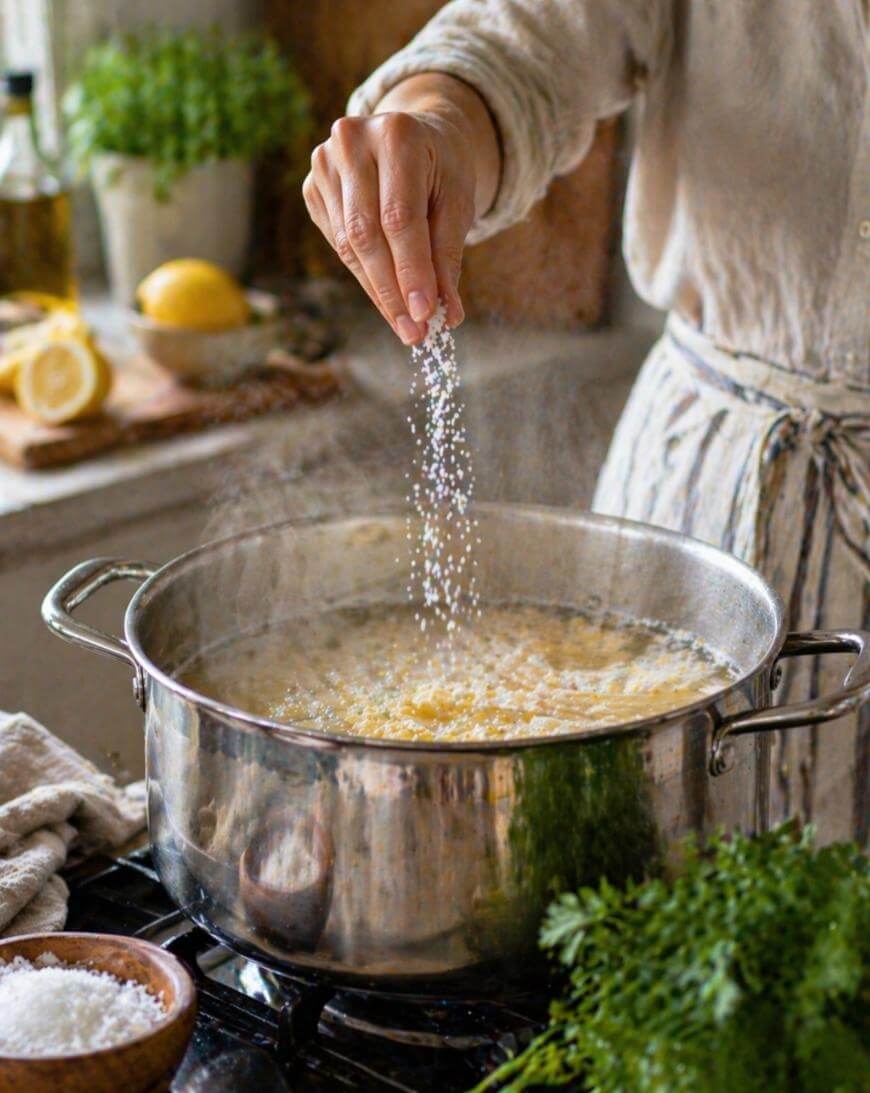
Bring a large pot to a rolling boil, then salt it until it tastes pleasantly salty. This sets the flavor foundation for everything else.
Cook pasta to al dente so it finishes in the sauce without going mushy. Check 1 minute before the box says it’s done.
2. Mix Your Ricotta Base While The Pasta Cooks
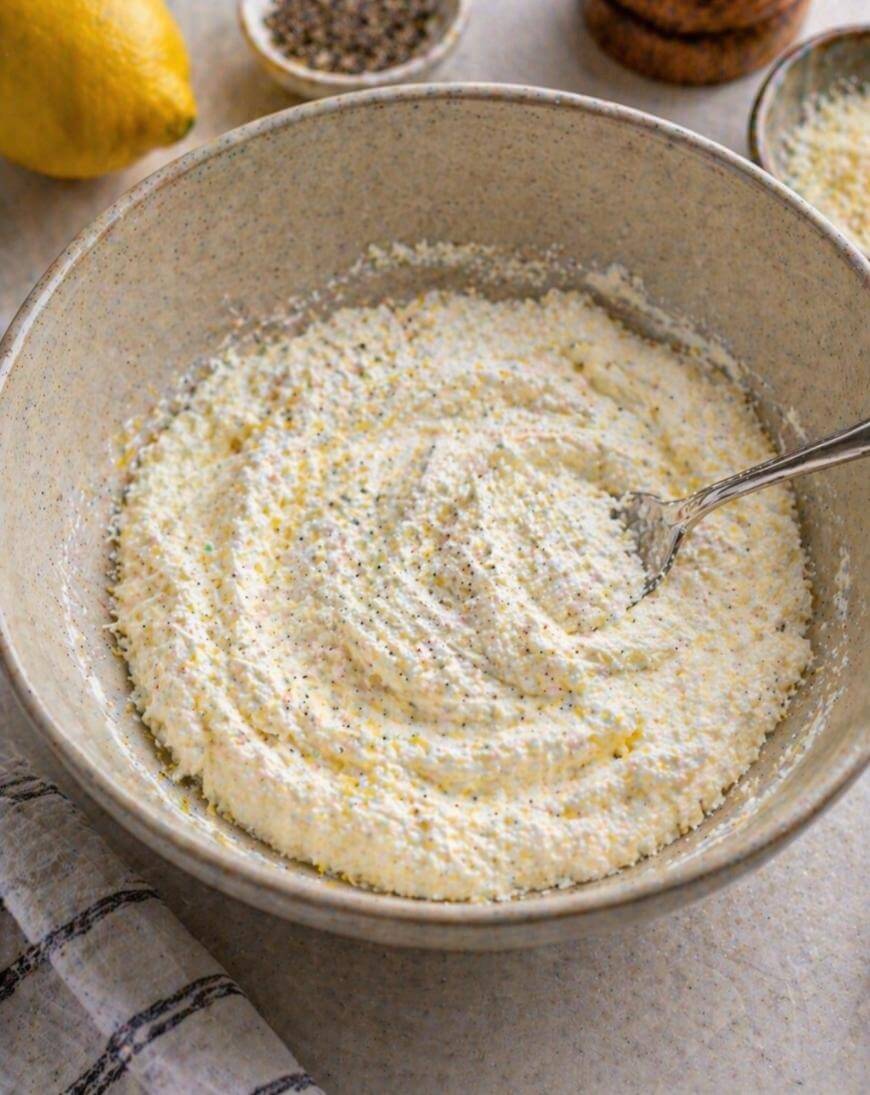
In a large bowl or warm pan off heat, combine ricotta, lemon zest, grated Parmesan, and black pepper. This makes tossing fast once pasta is ready.
If you are adding garlic, incorporate it here. Keep lemon juice out for the moment to avoid over-acidifying early.
3. Reserve Pasta Water, Then Drain
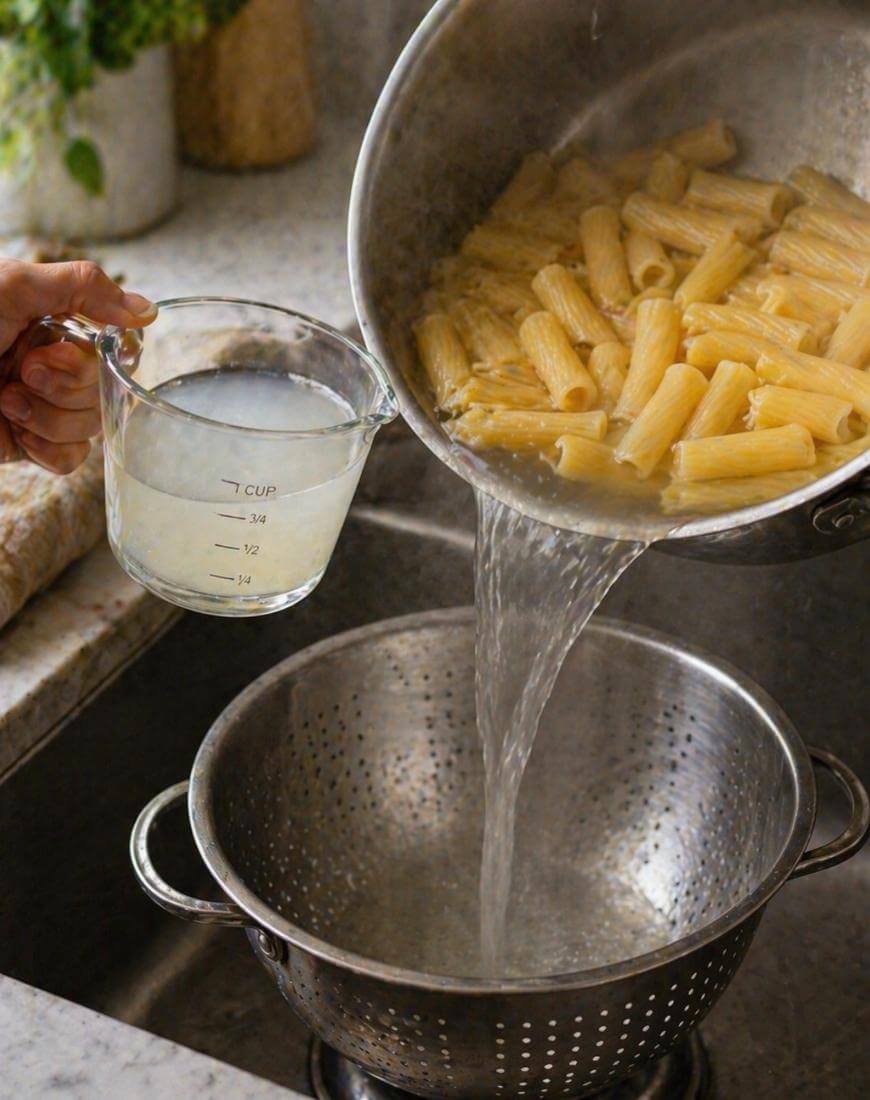
Before draining, scoop out at least 1 cup of hot pasta water. You will use it to loosen and emulsify the sauce.
Drain the pasta, but do not rinse it. The starch on the pasta helps the sauce stick.
4. Toss Pasta With Ricotta Base And Add Pasta Water Gradually
Add the hot pasta to the ricotta mixture and toss until it starts to coat. Add pasta water 2 tablespoons at a time, tossing hard.
Stop when the sauce looks glossy and creamy, not thick and chalky. This usually takes 1/4 to 3/4 cup.
5. Add Lemon Juice Slowly And Taste As You Go
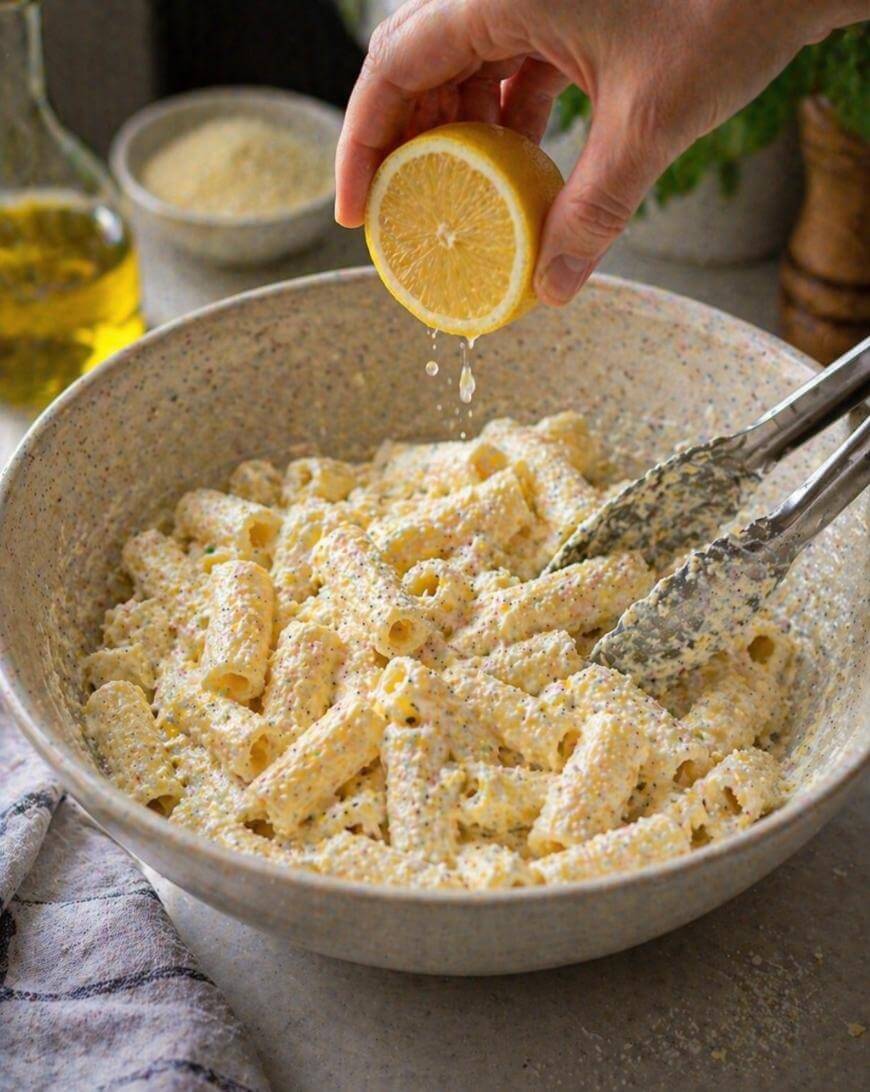
Add 1 tablespoon of lemon juice, toss, then taste. Add more in small splashes until it tastes bright but still creamy.
If it tastes sharp, add more Parmesan or a drizzle of olive oil. That balances acidity without adding sugar.
6. Finish And Serve Immediately
Top with extra Parmesan, more zest if you want, and a crack of pepper. Serve right away while the sauce is at peak creaminess.
If you are adding herbs, fold them in at the end so they stay fresh and green.
Get the exact measurements and step-by-step instructions in the recipe card below.
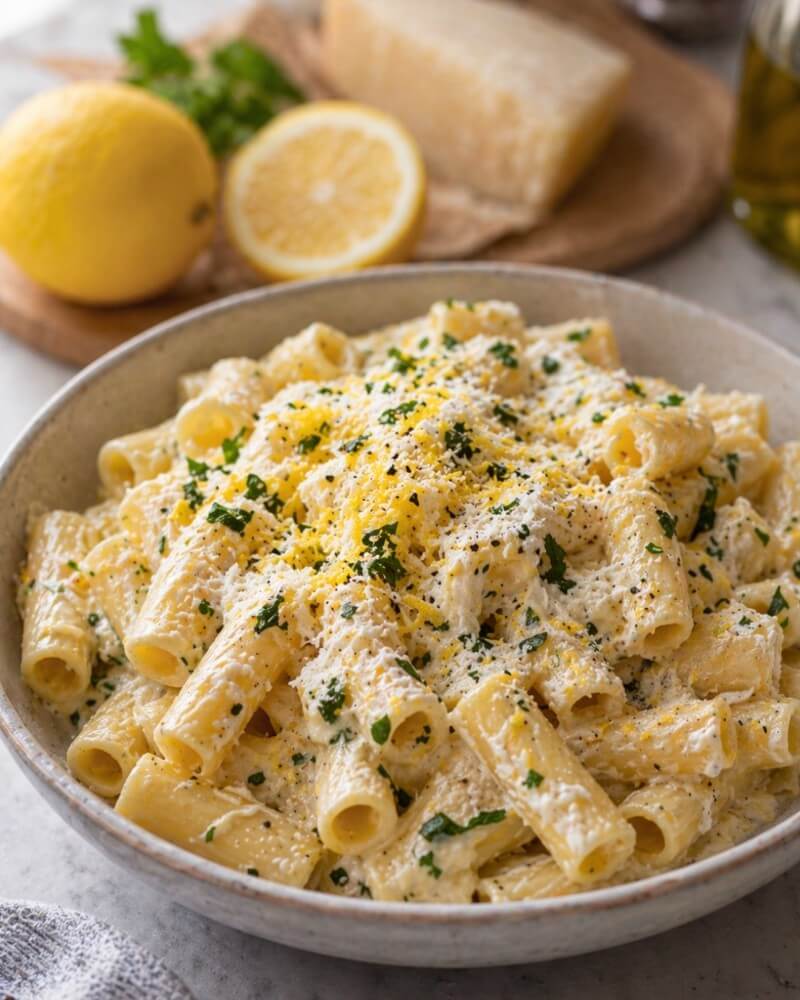
Lemon Ricotta Pasta
A creamy, citrusy weeknight pasta made with ricotta, lemon zest and juice, and Parmesan tossed with hot pasta water until glossy.
Ingredients
- 8 ounces pasta (rigatoni, fusilli, or spaghetti)
- 3/4 cup full-fat ricotta cheese
- 1/3 cup finely grated Parmesan cheese, plus more for serving
- Zest of 1 large lemon
- 1 to 2 tablespoons lemon juice
- 1 to 2 tablespoons olive oil
- 1/4 teaspoon freshly cracked black pepper, plus more to taste
- Salt, for pasta water and to taste
Instructions
- Bring a large pot of water to a boil and salt generously. Cook pasta until al dente.
- Meanwhile, in a large bowl combine ricotta, lemon zest, Parmesan, and black pepper.
- Reserve at least 1 cup of pasta water, then drain the pasta without rinsing.
- Add hot pasta to the ricotta mixture and toss, adding pasta water 2 tablespoons at a time, until glossy and creamy.
- Add lemon juice a splash at a time, tossing and tasting until bright but still creamy.
- Top with extra Parmesan, more zest, and a crack of pepper. Serve immediately.
Notes
Use full-fat ricotta for the creamiest sauce, and add lemon juice slowly to avoid curdling the dairy.
Nutrition Information:
Yield:
3Serving Size:
about 1 1/3 cupsAmount Per Serving: Calories: 420Total Fat: 18gSaturated Fat: 8gSodium: 480mgCarbohydrates: 48gFiber: 2gSugar: 3gProtein: 18g
This site provides estimated nutritional information. This information comes from online calculators. Although we try to provide accurate nutritional information, these figures are only estimates.
Extra Tips For Lemon Ricotta Pasta That Tastes Bright, Not Bland
1. Use Full-Fat Ricotta For A Sauce That Actually Clings
Part-skim ricotta can turn grainy and thin, especially once you add lemon. Full-fat gives you the creamy base you want without needing extra cream.
If your ricotta looks watery, spoon it into a fine mesh strainer for 10 minutes before you start. That one move keeps the sauce from separating later.
2. Pick A Pasta Shape That Holds Creamy Sauces
Short shapes like rigatoni, casarecce, and fusilli trap ricotta sauce in every groove. Long pasta like spaghetti works too, but the “cling” factor is lower.
A simple rule: if you want each bite to feel sauced, go ridged or curly. If you want a lighter feel, go long and thin.
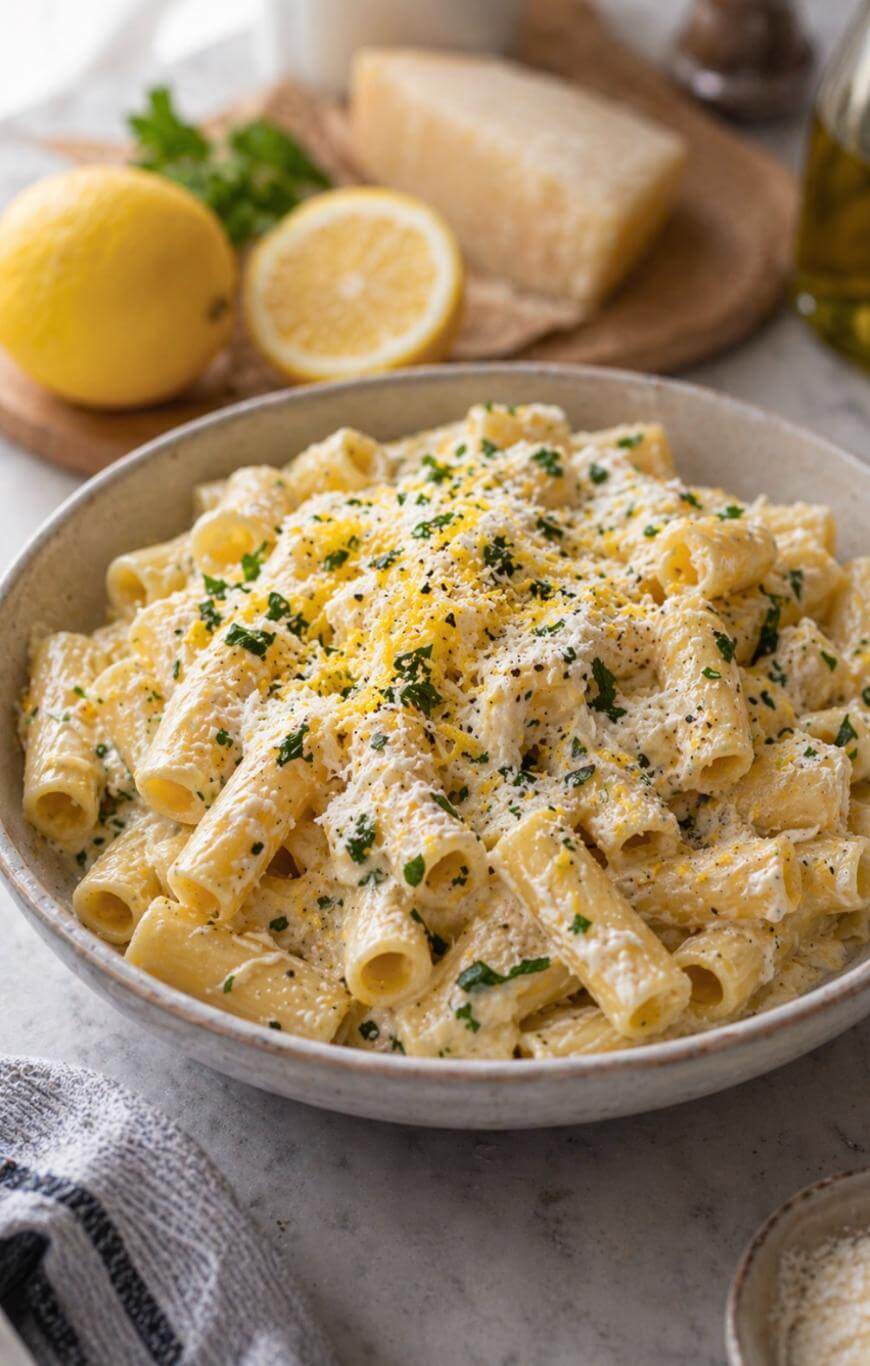
3. Salt The Pasta Water Like You Mean It
Ricotta is mild, so under-salted pasta water makes the whole dish taste flat. Aim for water that tastes pleasantly salty before you add pasta.
A practical numeric guideline: use about 1 tablespoon of kosher salt per 4 quarts of water. If you use fine salt, reduce slightly.
4. Reserve Pasta Water Before You Drain
Pasta water is your emulsifier, meaning it helps ricotta turn into a smooth sauce instead of a clumpy coating. You need it hot and starchy for the best texture.
Grab at least 1 cup before draining so you can adjust gradually. You will usually use 1/4 to 3/4 cup, depending on ricotta thickness.
5. Warm The Ricotta Gently Before Mixing
Cold ricotta can seize when it hits hot pasta, especially with acidic lemon juice. Let it sit at room temperature while the pasta cooks.
If you forget, microwave ricotta for 10–15 seconds just to take the chill off. You are not “cooking” it, you are preventing lumps.
6. Use Lemon Zest First, Lemon Juice Second
Zest gives aroma and sweet citrus oils without adding much acidity. Juice adds brightness but can curdle dairy if you overdo it.
A clean approach is to start with zest of 1 lemon, then add juice in small splashes. You can always add more juice, but you cannot remove acidity.
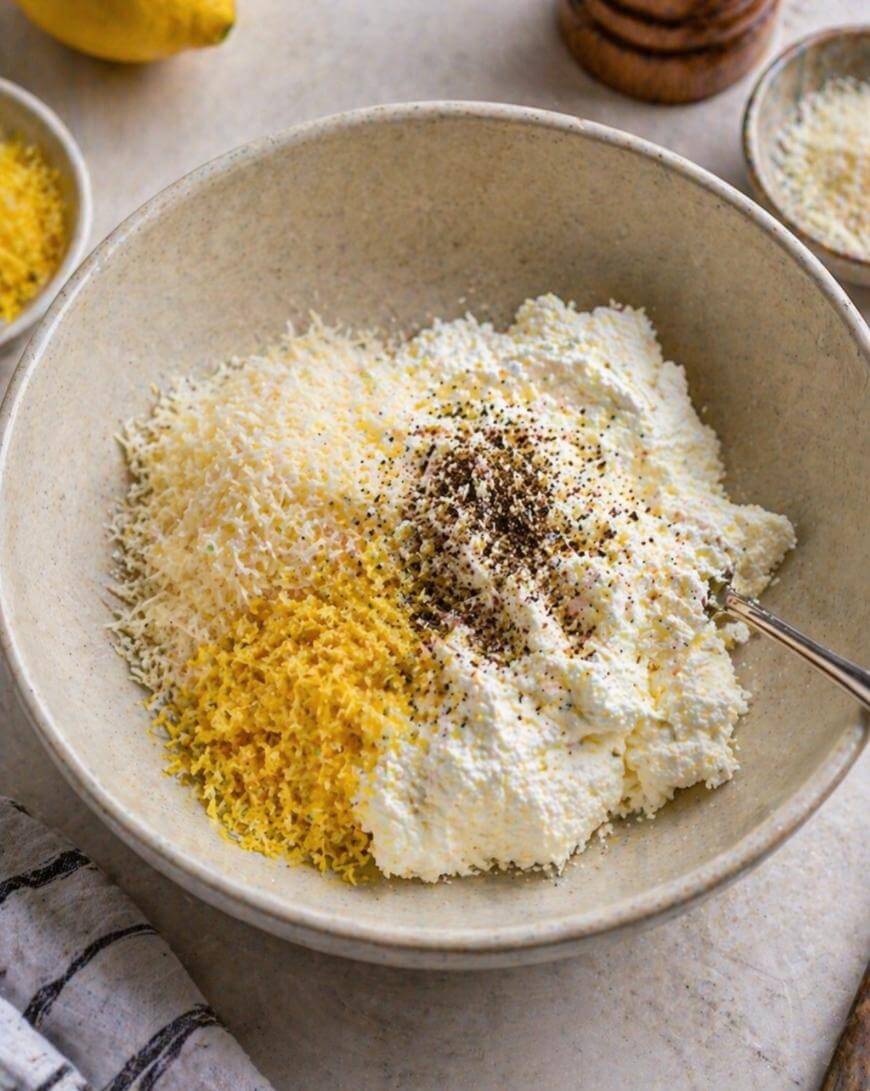
7. Add Parmesan For Depth And Better Emulsification
Parmesan brings salt, nuttiness, and body that ricotta alone can’t provide. It also helps the sauce feel more cohesive.
Use finely grated Parmesan so it melts quickly. If you use shredded, it can clump and leave you with stringy bits.
8. Build The Sauce In A Warm Bowl Or Warm Pan Off Heat
Ricotta sauce is easiest to control off the burner. High direct heat is the fastest way to get a broken, grainy texture.
Toss pasta in a warm pan, but keep the heat off and let the residual warmth do the work. Add pasta water slowly until it turns glossy.
9. Start With A “Base Ratio” So You Don’t Guess
A reliable baseline keeps the dish consistent, then you can tweak to taste. It also helps you scale up for meal prep or guests.
For 8 ounces of pasta, start with 3/4 cup ricotta, zest of 1 lemon, 1–2 tablespoons lemon juice, 1/3 cup Parmesan, and 1/3 cup pasta water. Adjust from there.
10. Use Olive Oil To Make The Sauce Silkier
A drizzle of olive oil helps ricotta loosen without making it watery. It also adds a fruity note that pairs naturally with lemon.
Start with 1 tablespoon for a standard batch and add another teaspoon if the sauce looks stiff. You will notice it “relax” and shine.
11. Add Garlic In A Way That Won’t Overpower The Lemon
Raw garlic can dominate and make the dish taste sharp instead of fresh. A gentle approach keeps the lemon as the main flavor.
Use 1 small clove, grated, or sauté 2 cloves in olive oil for 30–60 seconds, then turn off the heat before combining. That gives you warmth without harsh bite.
12. Use Black Pepper Like A Finishing Ingredient
Pepper adds lift and a faint floral heat that plays well with citrus. It also makes the ricotta taste less one-note.
Use freshly cracked pepper at the end, not at the beginning. It stays brighter and more aromatic when it hits the hot pasta last.
13. Add A Green Vegetable For Balance
Something green cuts the richness and makes the bowl feel complete. It also makes leftovers more satisfying.
Stir in baby spinach to wilt, or toss in peas, asparagus, or broccolini. A simple numeric cue: add 1 to 2 cups of veg per 8 ounces of pasta.
14. Make It A One-Pan Dinner With Chicken Or Shrimp
Protein turns it from a side-ish pasta into a full meal. The lemon ricotta flavor works especially well with lightly seasoned meats.
Cook chicken cutlets or shrimp separately, then slice and add on top so you don’t overcook them during tossing. Season simply with salt, pepper, and a squeeze of lemon.
15. Add Fresh Herbs For “Restaurant Energy” With Minimal Work
Herbs make ricotta sauce taste fresher and less heavy. They also add color without extra ingredients.
Basil, parsley, dill, or chives all work. Start with 1/4 cup chopped herbs and add more if you want it punchier.
16. Use A Pinch Of Red Pepper Flakes If You Want Contrast
A tiny bit of heat makes lemon taste even brighter. It also keeps ricotta from reading as “sweet” on the palate.
Use 1/8 to 1/4 teaspoon for a gentle kick. If you like spicy, add more at the table so you don’t overwhelm everyone.
17. Keep The Texture Glossy By Adding Pasta Water In Two Rounds
Most people add a splash once, stir, and stop too soon. Ricotta often needs a second round to become silky.
Add 2 tablespoons at a time, toss hard for 15 seconds, then reassess. When it looks shiny and coats evenly, you are there.
18. Fix A Broken Or Grainy Sauce Without Starting Over
If it looks curdled, it usually means too much heat or too much lemon too fast. You can save it by backing off and re-emulsifying.
Move off heat, add 2–3 tablespoons hot pasta water, and toss vigorously. If needed, add 1 tablespoon olive oil to smooth it out.
19. Make It More “Lux” With Burrata Or Mascarpone
If you want ultra-creamy texture, you can blend in a richer dairy. It turns the dish into a special-occasion bowl without changing the vibe.
Swap 2 tablespoons of ricotta for mascarpone, or top with torn burrata right before serving. Keep lemon on the lighter side so it doesn’t fight the richness.
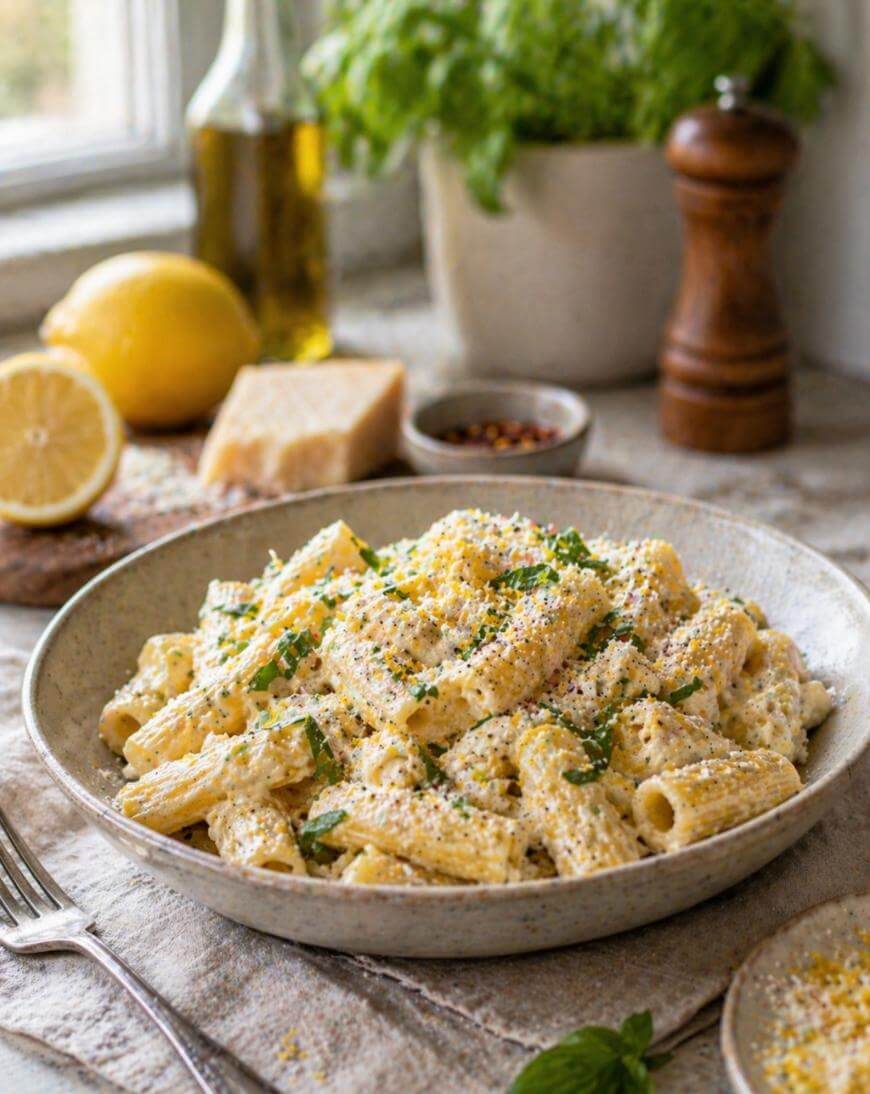
20. Make A Budget-Friendly Version Without Losing Flavor
You can keep costs down while still getting that creamy-bright effect. This is ideal if you are feeding a family or cooking multiple portions.
Use store-brand ricotta, regular Parmesan (not aged specialty), and add frozen peas for bulk. A realistic budget target is $2–$4 per serving depending on protein.
21. Prep It For Weeknights With A Simple “Sauce Kit”
Having the components ready makes this a 15-minute meal. You will also avoid forgetting key pieces like zest or grated cheese.
Pre-zest lemons into a small container, grate Parmesan ahead, and keep ricotta portioned. When pasta is done, you only need to toss and eat.
22. Store Leftovers The Right Way So They Don’t Dry Out
Ricotta sauce tightens in the fridge, which can make leftovers feel pasty. A small tweak keeps it creamy.
Store with 1–2 tablespoons extra pasta water mixed in before chilling. Reheat gently with a splash of water, stirring every 20 seconds.
Key Takeaways
You get the best texture when ricotta is full-fat and slightly warmed.
Lemon zest builds flavor without making the sauce acidic.
Hot pasta water is the main tool for a glossy, clingy sauce.
Add lemon juice slowly so the dairy stays smooth.
Ridged pasta shapes hold ricotta sauce better than very smooth noodles.
Leftovers reheat best with a splash of water and gentle heat.
FAQ
Can You Use Cottage Cheese Instead Of Ricotta?
Yes, you can, but blend it first for a smoother sauce. It is tangier than ricotta, so use less lemon juice at the start. Add extra Parmesan to deepen the flavor.
Why Does Lemon Ricotta Sauce Turn Grainy?
It usually turns grainy from too much heat or adding too much lemon juice too quickly. Keep the pan off direct heat while tossing and add juice in small increments. Pasta water helps bring it back together.
What Protein Works Best With This Dish?
Chicken, shrimp, and salmon all work well with lemon and ricotta. Season the protein simply so it doesn’t compete with the citrus. Add it at the end to avoid overcooking.
How Long Do Leftovers Keep?
Leftovers keep for about 3 days in an airtight container in the fridge. Reheat gently with a splash of water to loosen the sauce. Avoid high heat, which can make the dairy separate.