Last updated: June 21, 2026
If your kitchen counter is buried under a mountain of envelopes, catalogs, and mystery papers, you are not alone—and this post has the answers you need right now.
We are going to walk through the most practical mail organization ideas that actually stick, so you can stop shuffling the same stack of paper from one surface to another.
By the time you finish reading, you will have a clear system, a plan for tackling your backlog, and easy habits to keep things under control going forward.
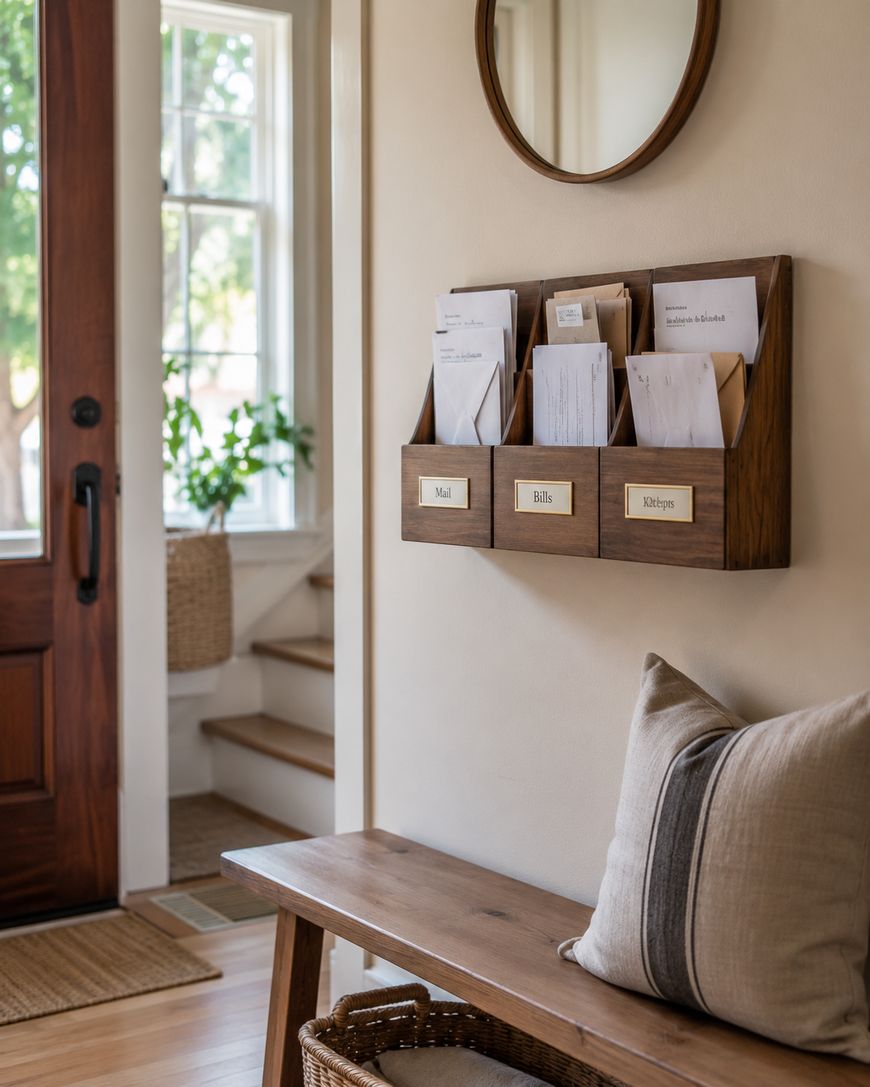
Set Up a Mail Landing Zone
The single most important mail organization idea is giving mail one dedicated landing zone the moment it enters your home.
This could be a small tray near the front door, a basket on the kitchen counter, or a wall-mounted organizer in the entryway—the location matters less than the commitment to use it every single time.
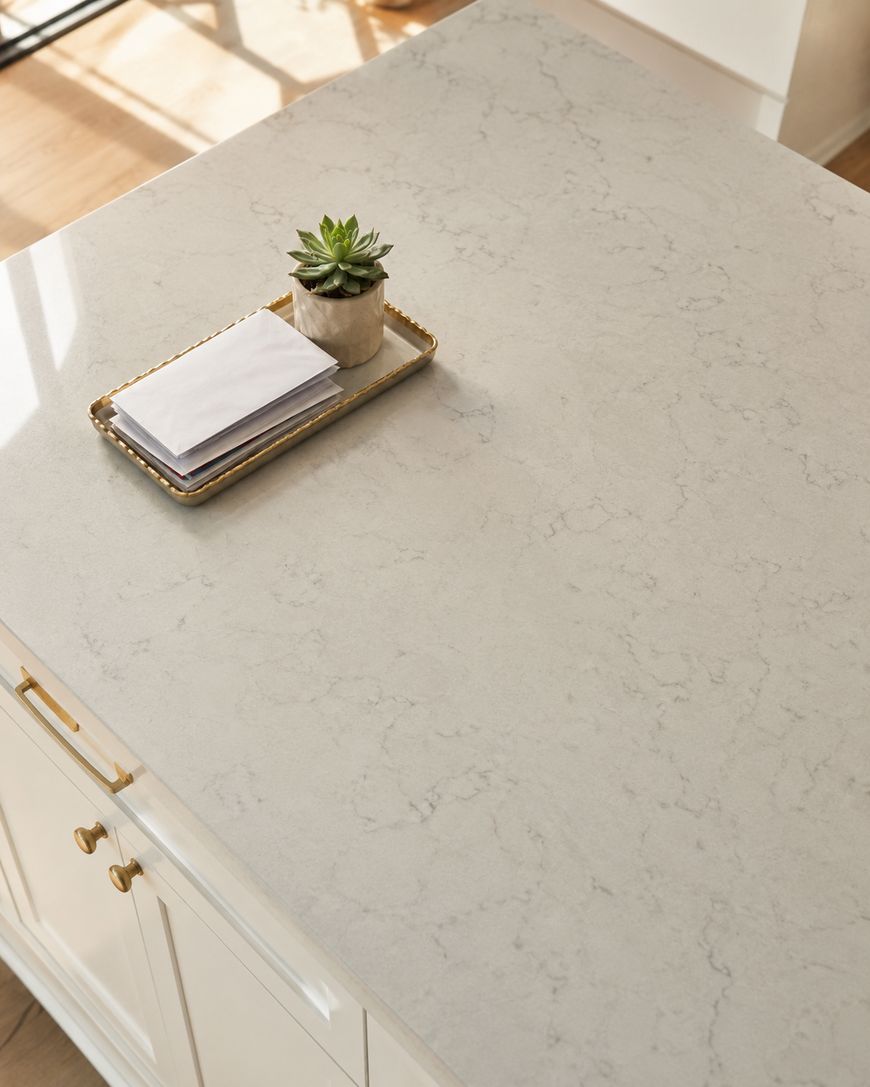
When mail always lands in the same spot, you always know where to look, and the pile stays contained rather than spreading across every horizontal surface.
Choose a spot you naturally pass when you first come inside, because the easier the landing zone is to reach, the more consistently you will use it.
Keep the landing zone small on purpose—a tray that only holds about a week’s worth of mail forces you to process it regularly so it does not overflow.
Pair the landing zone with a small recycling bin or shredder within arm’s reach, so junk mail and unwanted catalogs never even make it into the pile.
Sort Mail as Soon as It Comes In
The most effective mail organization ideas share one thing: immediate sorting at the door rather than a big weekly session.
When you bring in the mail, take thirty seconds to toss the obvious junk, set aside catalogs you actually want to read, and place anything requiring action in a separate spot.
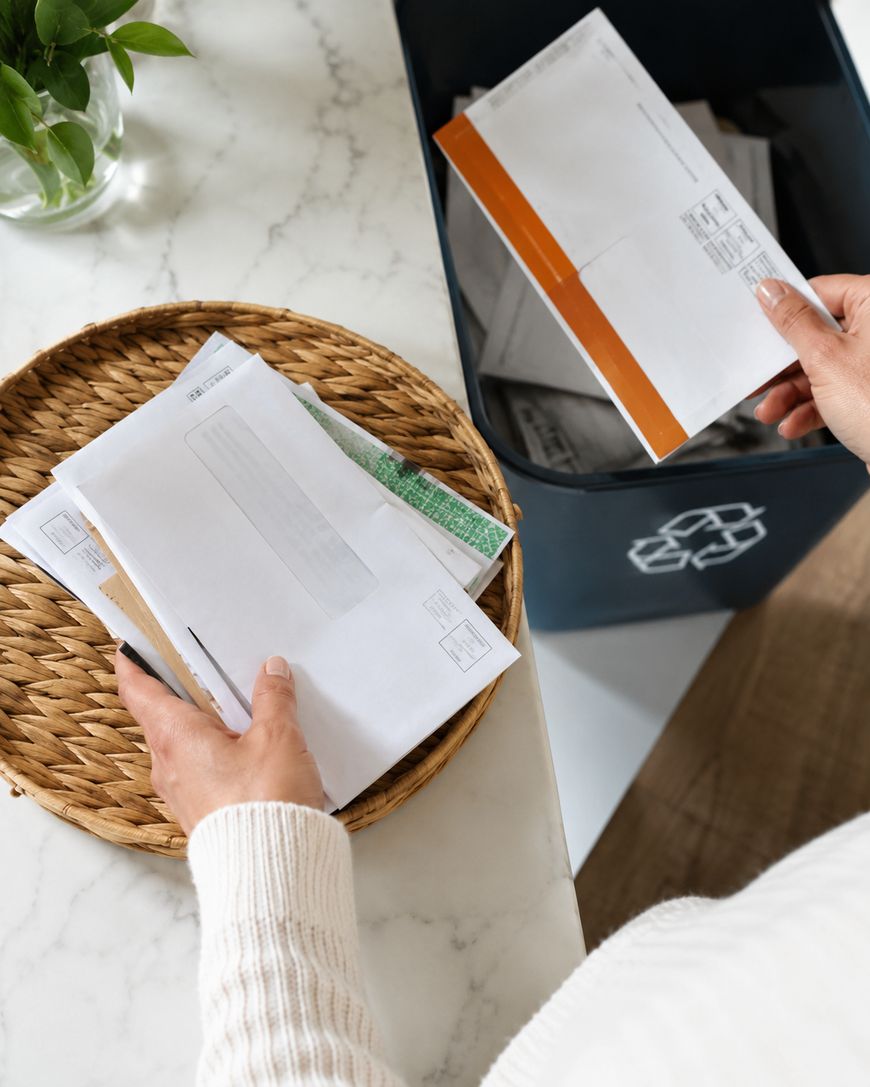
This two-category approach—toss or keep—keeps the landing zone from becoming a catch-all and dramatically reduces the size of the pile you face each week.
You do not need to open or deal with everything right away. The goal of the sort is simply to separate what is trash from what actually needs your attention.
Flyers, expired coupons, and pre-approved credit card offers can go straight to the recycling bin without a second glance, which eliminates a huge percentage of what most households receive.
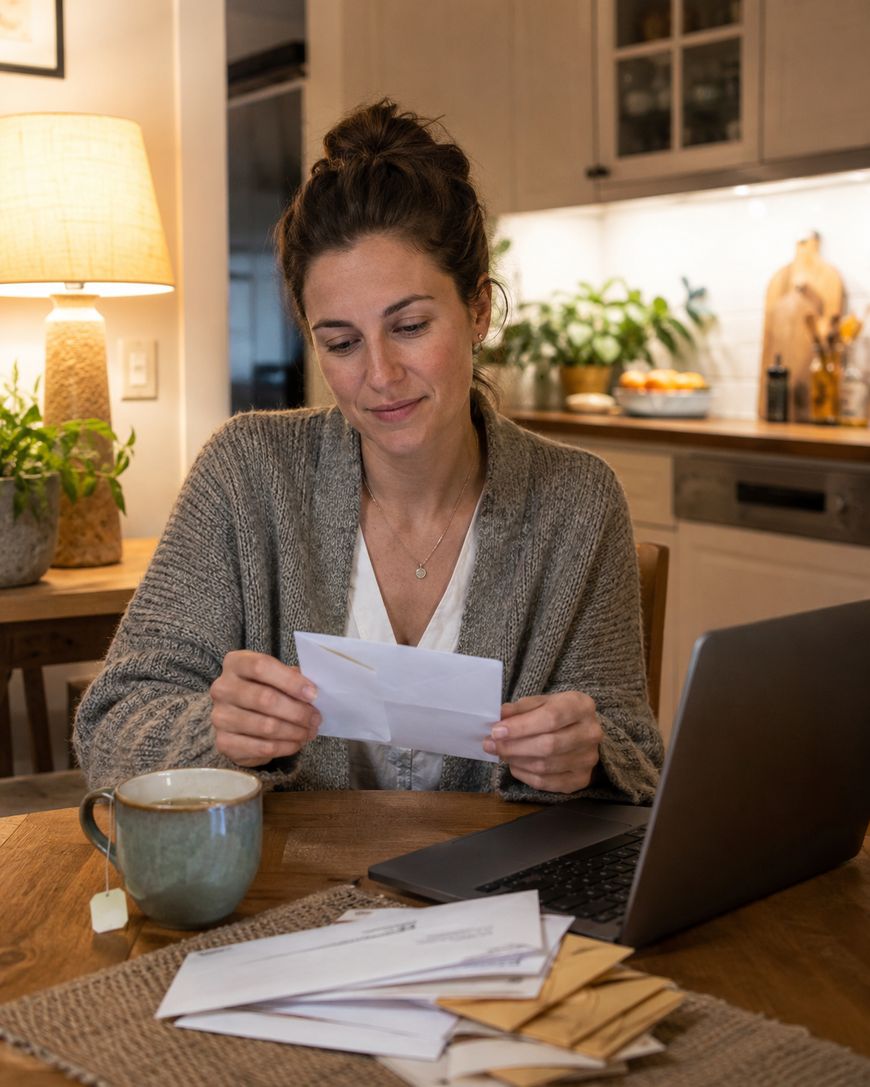
Building this thirty-second habit takes a couple of weeks to stick, but once it does, your mail pile will shrink by at least half without any other changes to your system.
Use a Tiered File System for Paper That Needs Action
For mail that requires a response, payment, or follow-up, a tiered file system is one of the most reliable mail organization ideas around.
Set up three simple categories: action needed, waiting on response, and file or archive. A small desktop file box with labeled folders or a wall-mounted pocket organizer works perfectly for this.
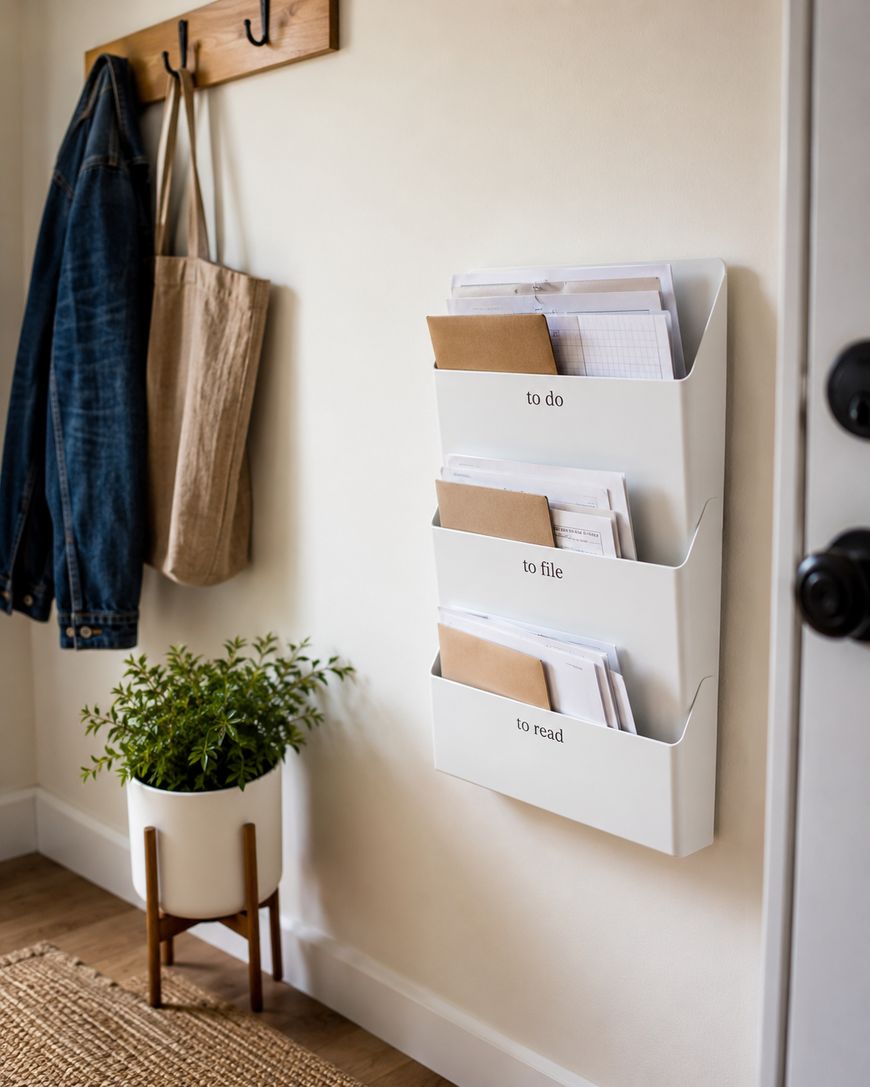
The action folder holds bills to pay, forms to fill out, and invitations that need an RSVP—anything you need to do something with in the next week.
The waiting folder is for things like checks you have mailed but not seen clear, or forms you have submitted and are waiting to hear back about. It is easy to lose track of these, and having a dedicated folder means you always know where they are.
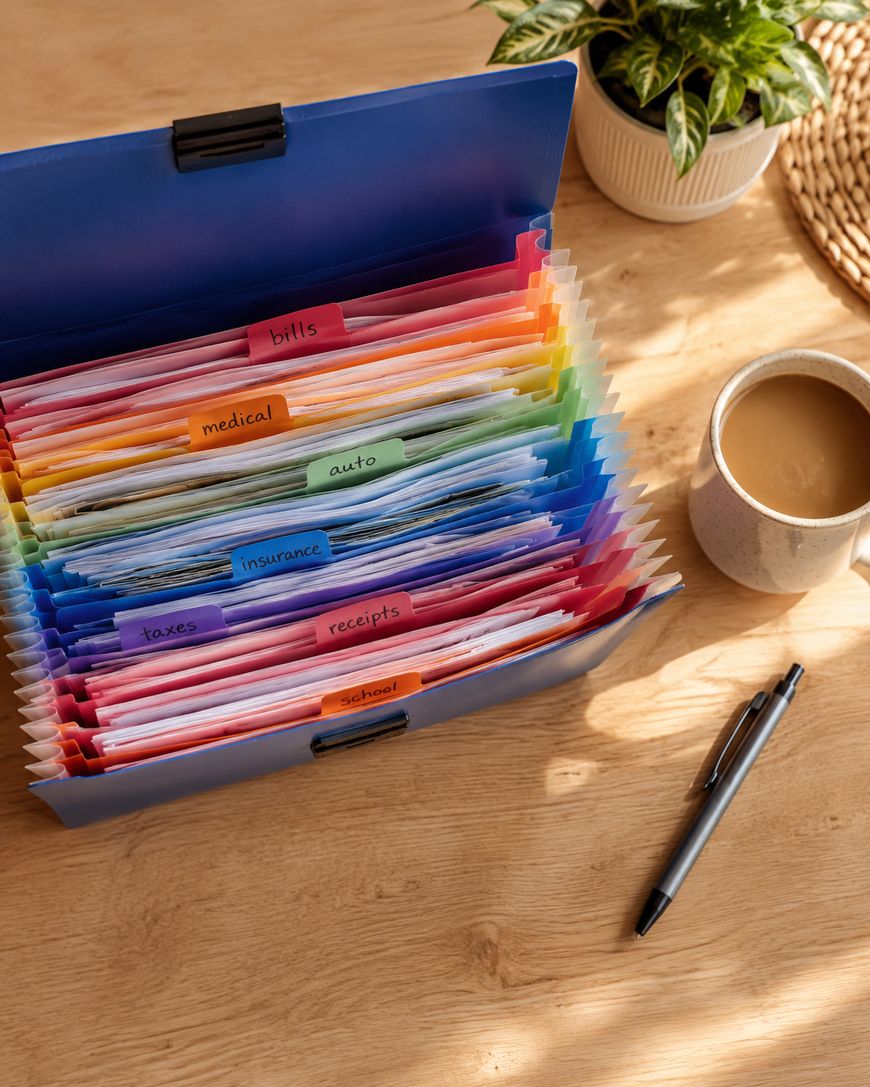
The file folder (or a separate accordion file) holds papers you want to keep for reference—insurance documents, medical records, receipts for big purchases, and similar items that do not need action but should not be thrown away.
Reviewing the action folder every few days takes less than ten minutes and prevents bills from getting lost or deadlines from sneaking up on you.
Go Digital Wherever You Can
One of the most underused mail organization ideas is simply reducing the amount of physical mail you receive in the first place.
Most banks, utilities, credit card companies, and subscription services offer paperless billing, and opting in for all of them can cut your incoming paper by fifty to seventy percent.
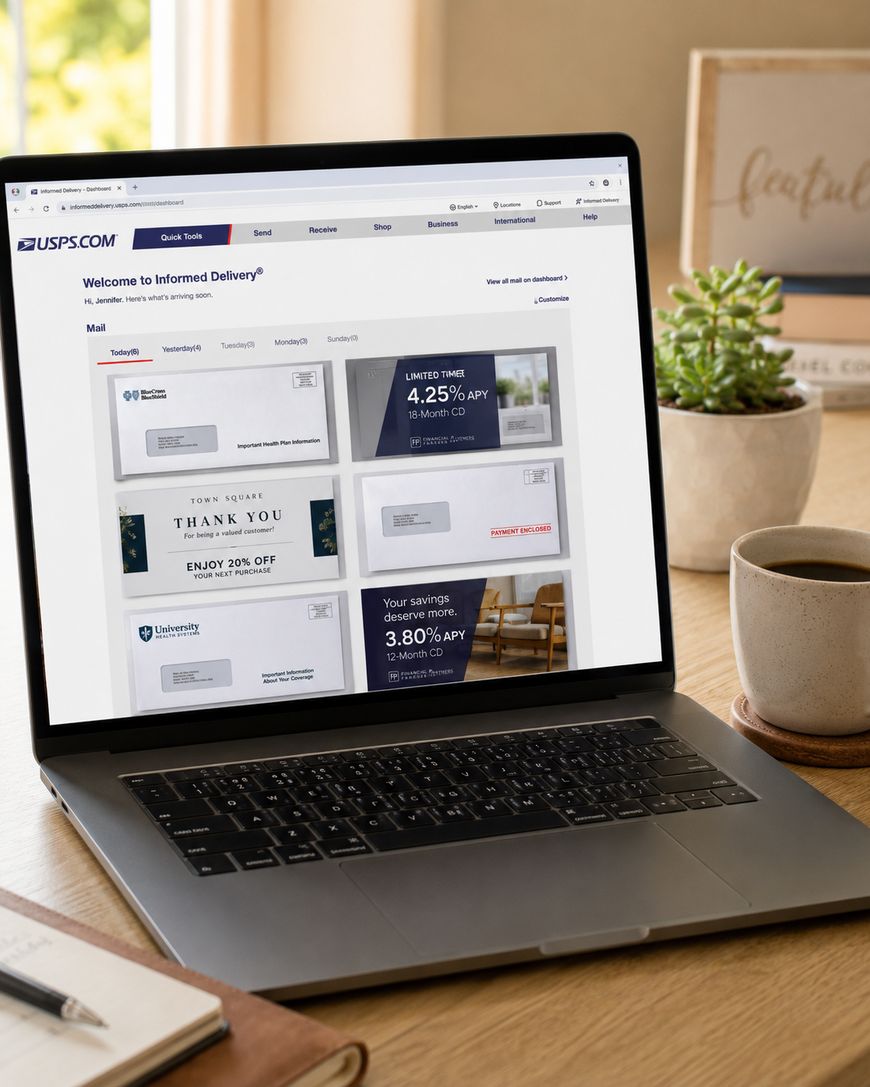
Signing up for a service like USPS Informed Delivery gives you a daily email preview of what is coming in your mailbox, so you can mentally prepare for action items before the physical mail even arrives.
For mail you do want to keep, scanning important documents and saving them to a cloud folder removes the need for physical filing entirely and makes things much easier to find when you actually need them.
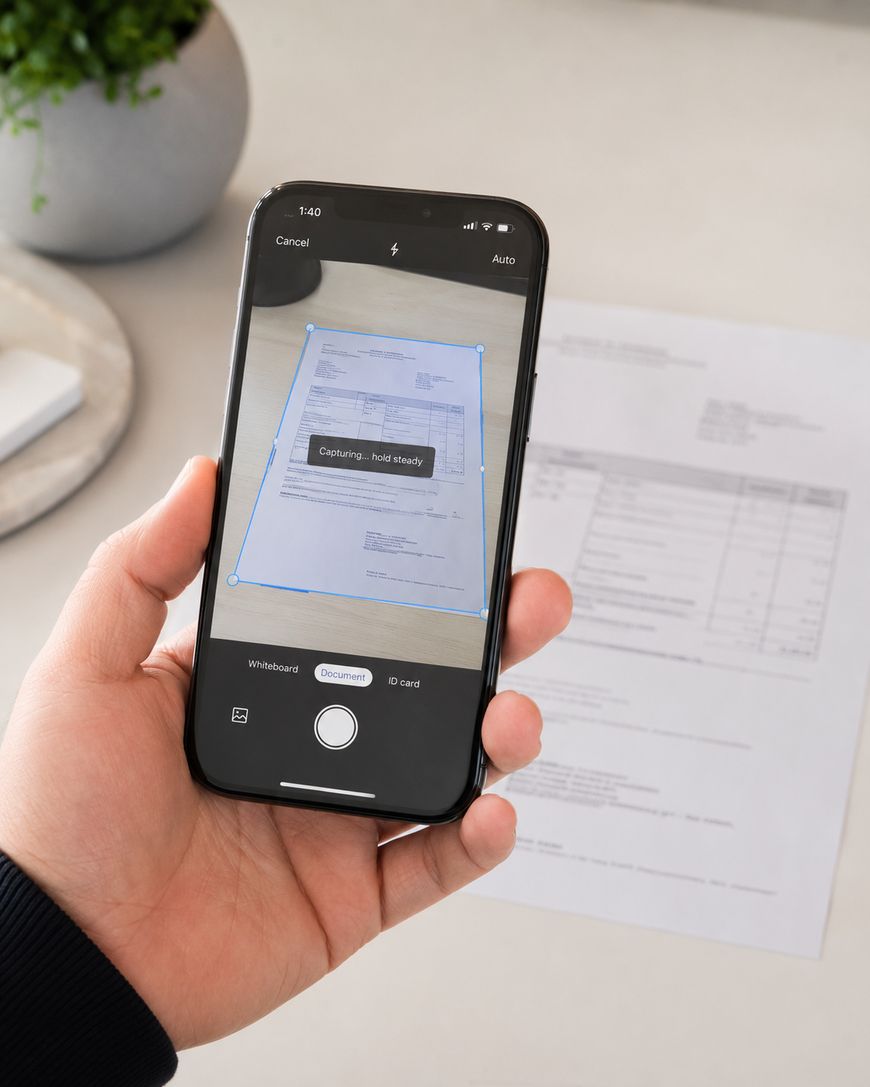
Apps like Adobe Scan or your phone’s built-in document scanner make it quick and easy to digitize a piece of paper in less than a minute.
Going digital also protects you from losing important paperwork in a flood, fire, or move—a benefit that physical filing systems simply cannot match.
Create a Weekly Mail Processing Routine
Even with great mail organization ideas in place, you need a regular routine to prevent backlog from building up again.
Pick one day a week—Sunday evenings and Friday afternoons are popular choices—to sit down with your mail pile and process everything in the action folder.
Pay any bills, make any calls, fill out any forms, and then either file what you have completed or shred what you no longer need.
This weekly session rarely takes more than fifteen to twenty minutes when you are processing regularly, because the pile stays small when you stay consistent.
If you have a household partner or roommate, doing this together keeps everyone informed about shared household matters and prevents important items from slipping through the cracks.
Pairing your mail session with something enjoyable—a favorite podcast, a cup of tea, or a comfortable chair—makes it something to look forward to rather than dread.
Tackle the Backlog First
Before any new mail organization ideas can take hold, you need to deal with the pile that already exists, because a big backlog makes it nearly impossible to maintain a fresh system.
Set aside one to two hours on a weekend to go through everything at once. Work quickly, using the simple toss-or-keep approach, and do not let yourself get sucked into reading old catalogs or rediscovering sentimental papers.
For the stuff you want to keep, sort it into your new three-category file system right away so it has a home before you are done with the session.
Shred anything with personal information—old bank statements, pre-approved offers, medical paperwork—rather than tossing it in the recycling bin.
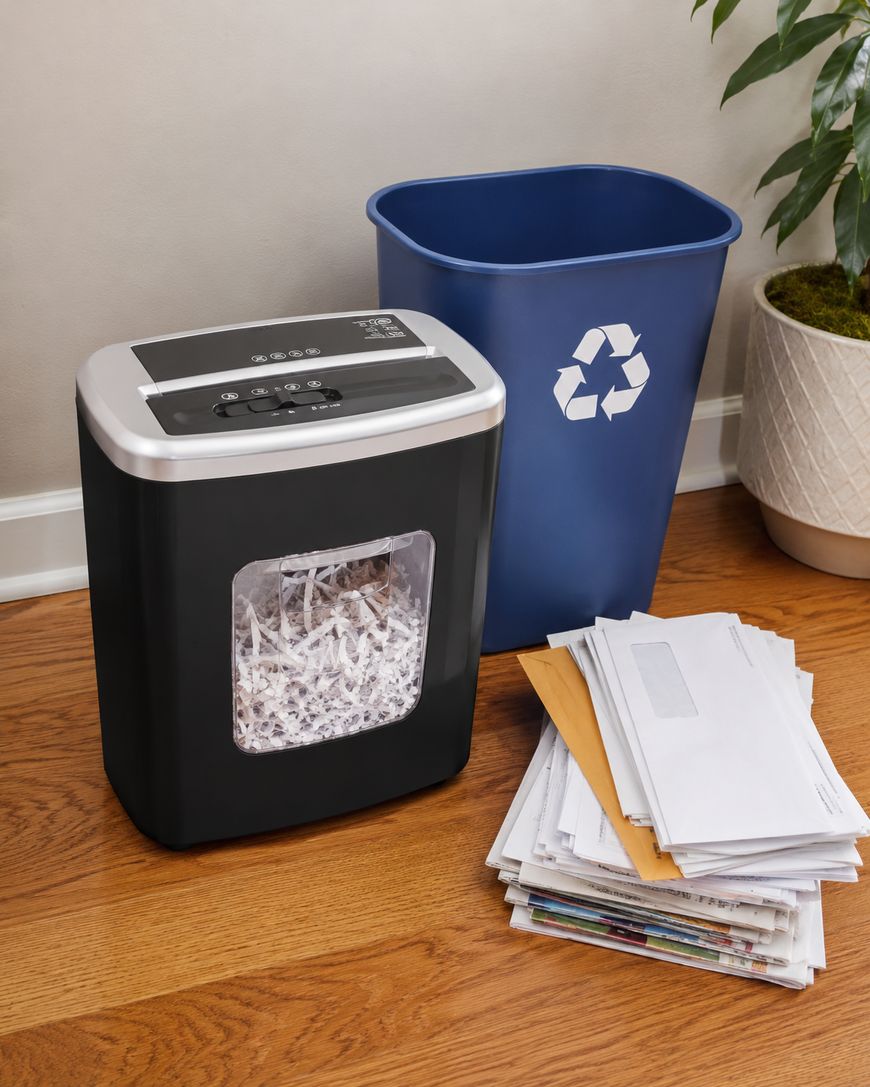
Once the backlog is clear, your new landing zone and sorting habits will be much easier to maintain, because you will not feel like you are swimming upstream against an existing pile.
Many people find that clearing the backlog is the single most motivating thing they can do, because the fresh start makes the new system feel like it is actually working right away.
Smart Storage Solutions for Keepers
Not all paper mail can be digitized or tossed, so having smart physical storage is still an important part of any mail organization plan.
An accordion file with labeled sections works well for reference documents you need to access occasionally, like lease agreements, car titles, warranty cards, and tax records.
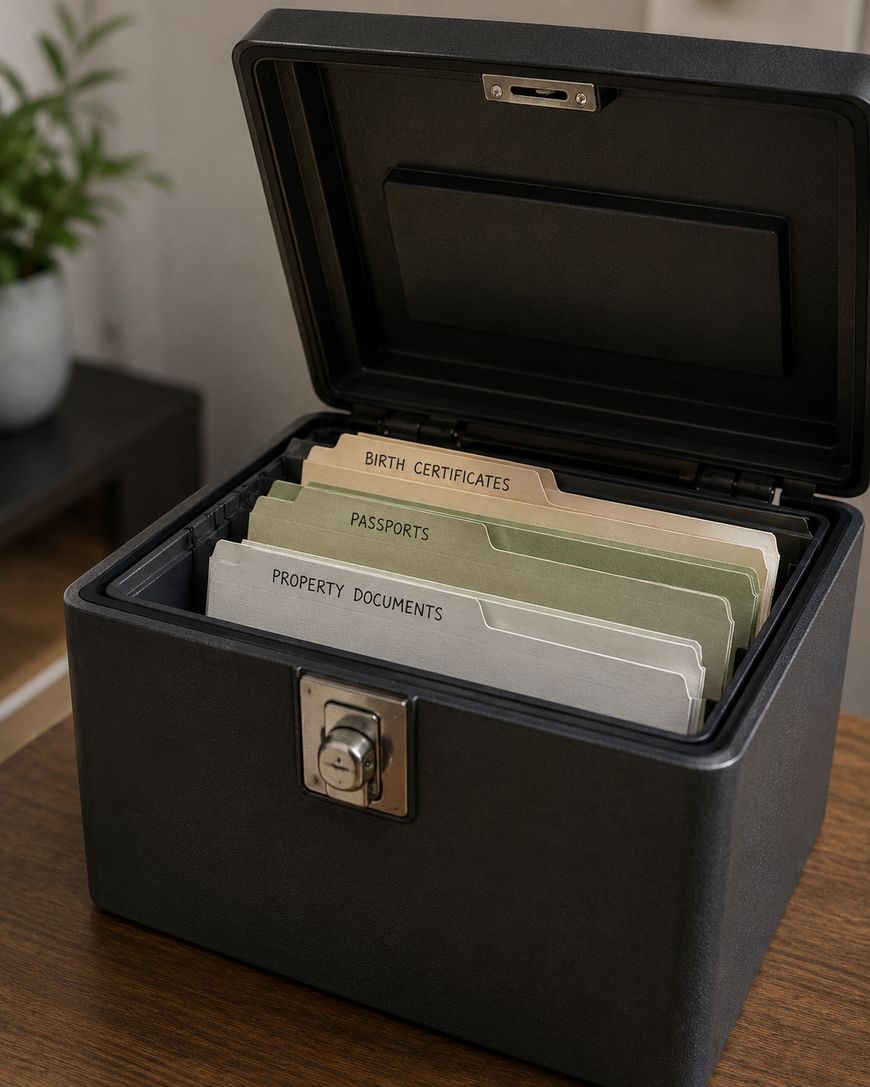
A fireproof box or fireproof bag is worth investing in for truly irreplaceable documents like birth certificates, Social Security cards, passports, and property deeds.
For households with a lot of paper, a small two or three-drawer file cabinet in a home office or closet keeps things organized without taking over your living space.
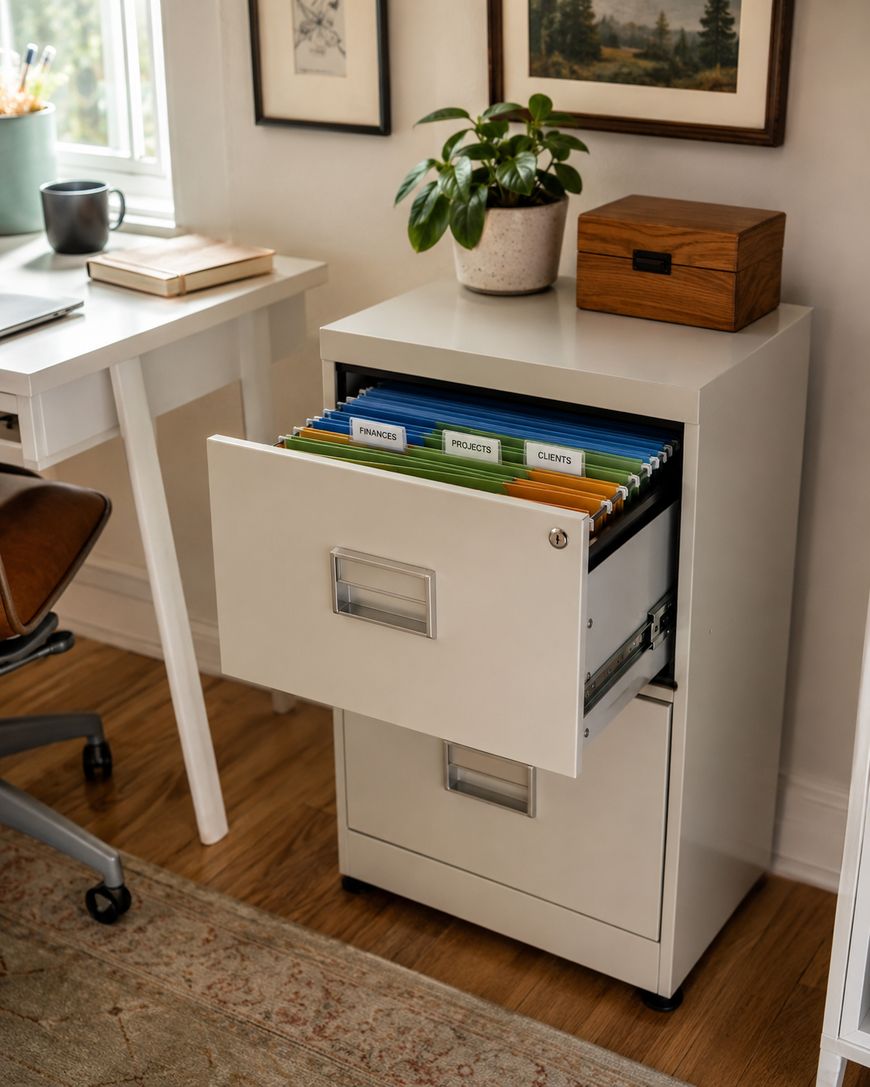
Label everything clearly so you can find what you need without digging, and commit to purging the files once a year—many documents can be safely shredded after seven years or less.
Color-coding folders by category (finances, medical, home, car) is a simple visual trick that makes it faster to find the right folder without reading every label.
Mail Organization Ideas for Small Spaces
You do not need a mudroom or dedicated home office to have an organized mail system—there are plenty of mail organization ideas designed for small apartments and compact homes.
A wall-mounted organizer with two or three pockets takes up zero counter space and can hold a full week’s worth of incoming mail plus a few frequently referenced documents.
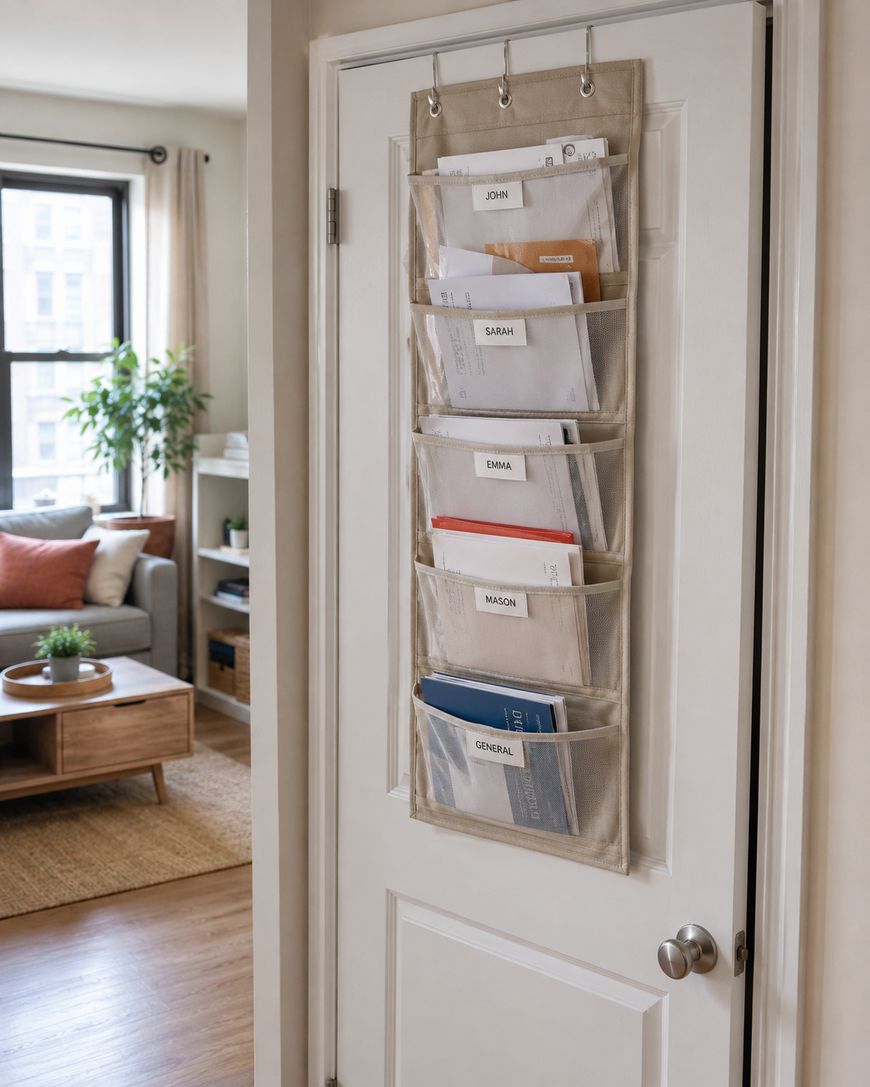
Over-the-door organizers work surprisingly well in entryways and can be used for sorting mail by category or by household member.
A slim magazine holder on a bookshelf can double as a mail sorter and looks tidy enough to live in a main living space without feeling cluttered.
For very small spaces, a single decorative tray or basket on the kitchen counter can serve as both the landing zone and the action file, as long as you are committed to clearing it weekly.
The key in small spaces is keeping the system simple—one spot, one sort, one weekly clear—because complex systems fall apart quickly when space and time are limited.
Why Mail Organization Feels So Hard
Most people never set up a dedicated spot for incoming mail, which means it lands wherever there is space—on the counter, the table, or piled in a chair.
Without a home for paper, the pile grows because there is no natural stopping point and no signal that something needs action.
The good news is that mail organization does not require a lot of space or expensive supplies. It mostly requires a simple decision-making system and a few minutes of consistent attention each day.
Once you understand why the pile happens, you can set up mail organization ideas that work with your habits rather than against them.
Frequently Asked Questions About Mail Organization Ideas
How often should I go through my mail?
You should do a quick thirty-second sort every day when mail arrives, and a fuller processing session once a week. Daily sorting keeps the pile from growing, and the weekly session handles action items before they become overdue.
What should I do with mail that is not addressed to me?
Write “not at this address” on the envelope and put it back in the mailbox with the flag up. If it is from someone you know has the wrong address on file, it is worth a quick call or email to let them know, especially for important correspondence like medical bills or financial statements.
How long should I keep paper mail and documents?
Tax returns and supporting documents should be kept for at least seven years. Bank statements and utility bills can usually be shredded after one year, or sooner if you have them digitally. Permanently keep documents like birth certificates, marriage certificates, Social Security cards, and property deeds.
Is it worth investing in a paper shredder?
Yes, a basic cross-cut shredder is absolutely worth the investment and costs as little as thirty dollars. Any mail containing your name, address, account numbers, or personal information should be shredded rather than recycled to protect against identity theft.
How do I stop so much junk mail from arriving?
Register with DMAchoice.org to opt out of many catalog and direct mail lists. You can also call individual companies to request removal, and opt into paperless billing everywhere to reduce financial mail. Results take four to twelve weeks to kick in, but the reduction is significant.
What is the easiest mail organization system for beginners?
Start with just two things: a single tray for incoming mail and a small recycling bin next to it. Sort the moment mail arrives, toss obvious junk immediately, and set everything else in the tray. Process the tray once a week. That simple two-step system beats any complicated method you will not actually use.
Conclusion
The best mail organization ideas are the ones you will actually use consistently, and that usually means starting simple and adding complexity only if you need it.
Pick one change from this list—whether that is setting up a landing zone, starting the thirty-second sort habit, or going paperless with your bills—and focus on it for two weeks before adding anything else.
Once the new habit feels automatic, add another layer to your mail organization system, and before long you will have a home where paper has a place and the pile is a thing of the past.
You deserve a clutter-free counter and the peace of mind that comes with knowing exactly where every important document lives—and these mail organization ideas will get you there.