Last updated: August 20, 2026
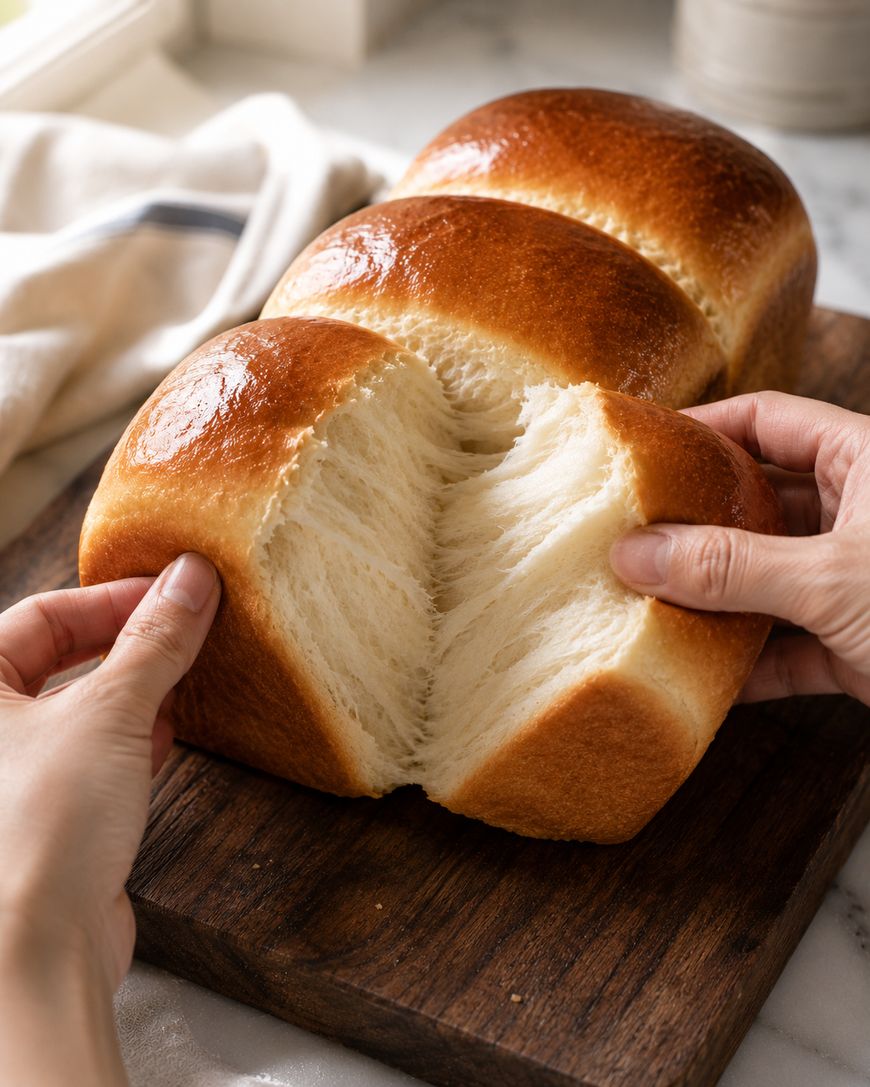
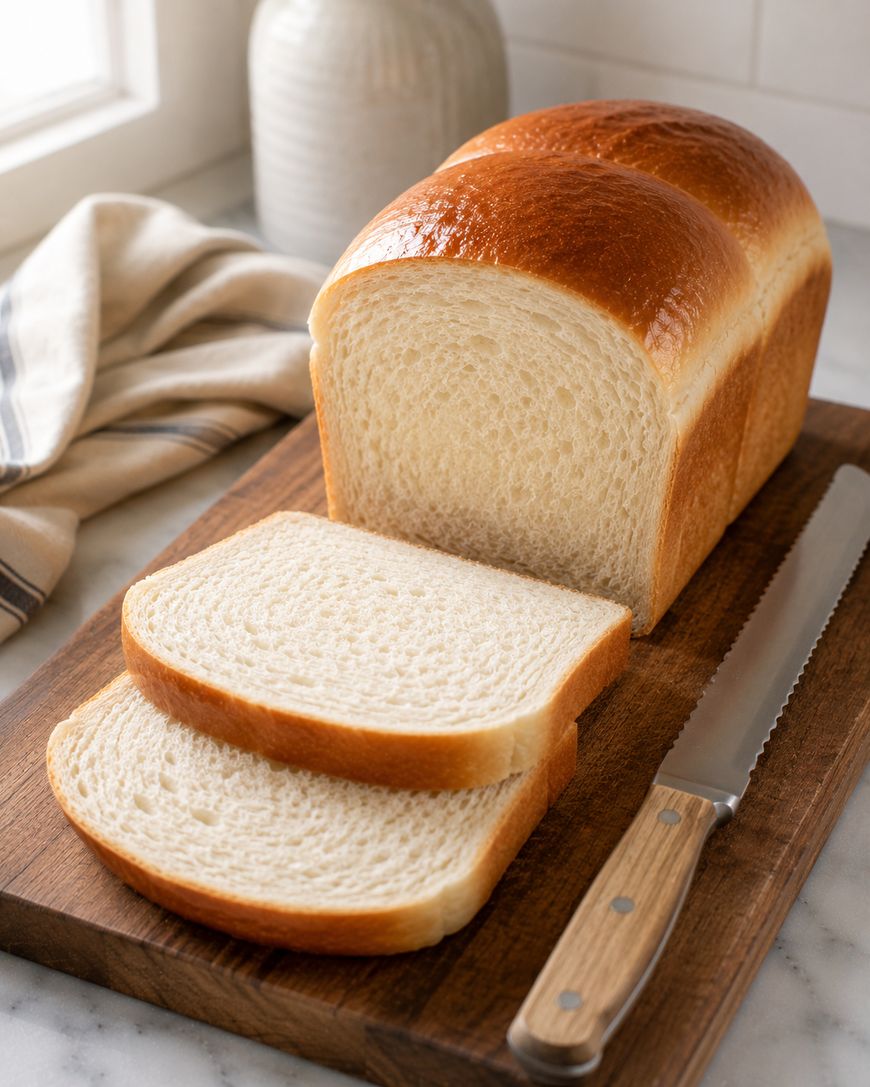
This milk bread recipe is the one that will ruin every other bread for you. The crumb is impossibly soft, the crust pulls back with the gentlest tug, and the loaf stays fresh for days longer than most homemade breads dare to.
Find the full measurements and timing in the recipe card below.
What Makes Milk Bread Different
The Tangzhong Method Is the Secret
Milk bread relies on a technique called tangzhong, a cooked flour-and-milk paste that originates from Japanese shokupan baking.
Heating a portion of the flour with liquid to around 65C (149F) gelatinises the starches before they ever enter the dough.
Those gelatinised starches hold significantly more water than raw flour can, which means the finished loaf is moister, softer, and stays that way for two to three days longer than a standard enriched bread.
Why Enriched Doughs Behave Differently
Milk, eggs, and butter in the dough slow gluten development and add fat to the crumb structure.
That fat coats the gluten strands and produces the characteristic fine, even crumb that pulls apart in sheets rather than tearing in chunks.
Ingredients
For the Tangzhong
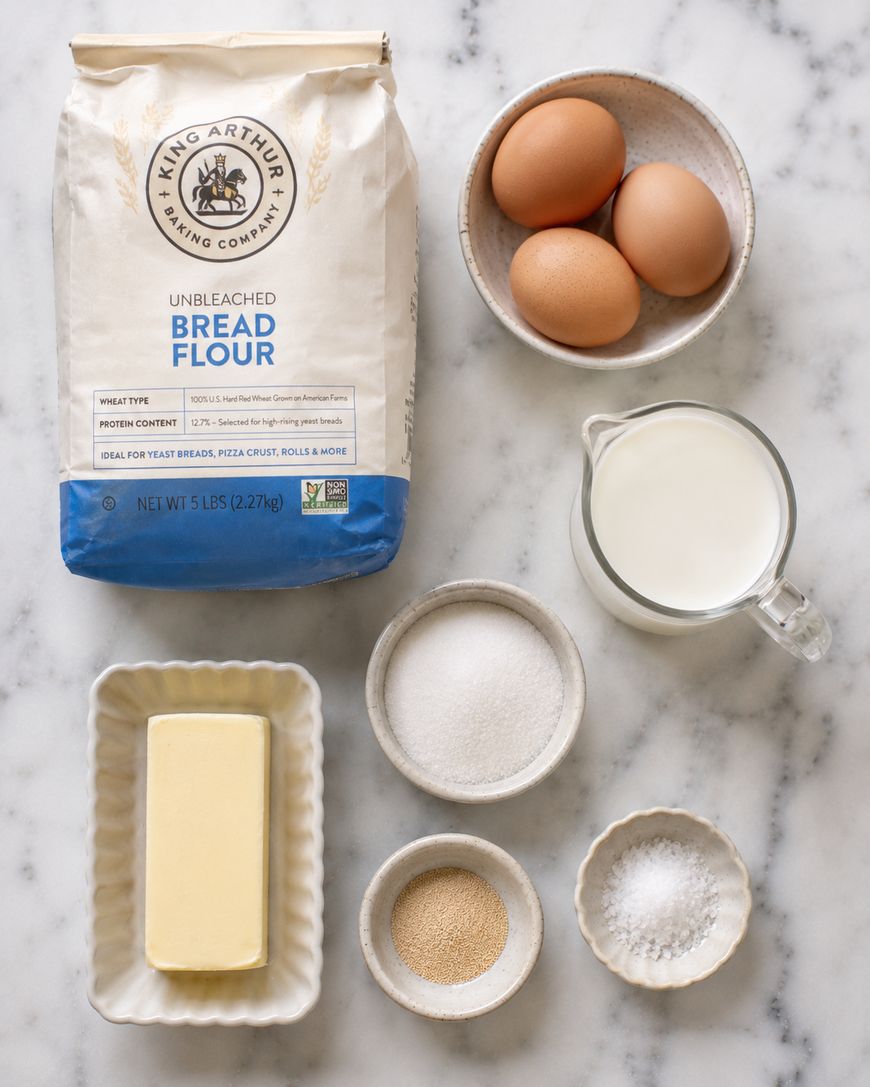
You need 25 grams of bread flour and 125 millilitres of whole milk.
Whole milk is non-negotiable here because the fat content contributes directly to the soft crumb.
For the Dough
Use 350 grams of bread flour, giving you enough protein to support a strong but tender gluten network.
You will also need 7 grams of instant yeast, 50 grams of caster sugar, 5 grams of fine sea salt, 120 millilitres of warm whole milk (around 38C / 100F), one large egg at room temperature, and 50 grams of unsalted butter cut into small cubes and softened.
How to Make Milk Bread
Step 1: Make the Tangzhong
Whisk the bread flour and milk together in a small saucepan over medium-low heat.
Stir constantly until the mixture thickens to a pudding-like paste and leaves a clear trail when you drag the whisk through it, about three to four minutes.
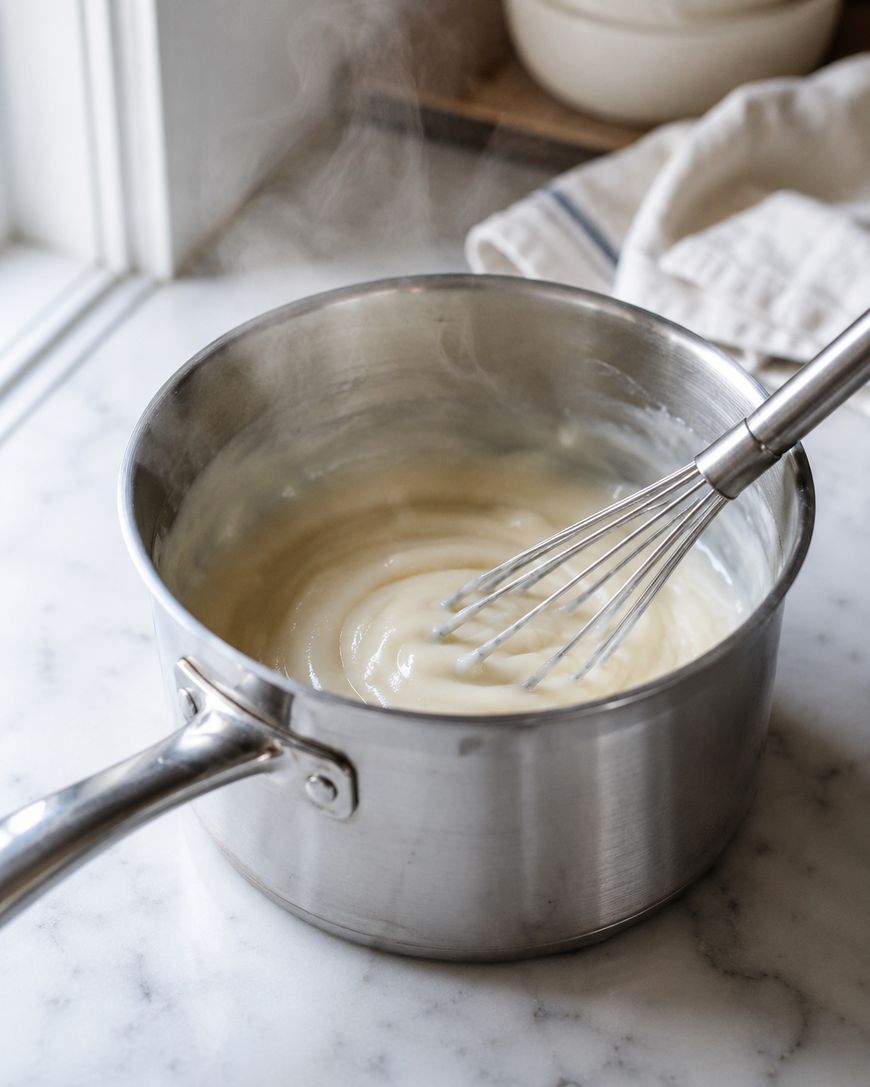
Transfer to a bowl, press a piece of plastic wrap directly onto the surface, and cool to room temperature before using.
Step 2: Mix the Dough
Combine the tangzhong, warm milk, egg, sugar, and yeast in the bowl of a stand mixer fitted with the dough hook.
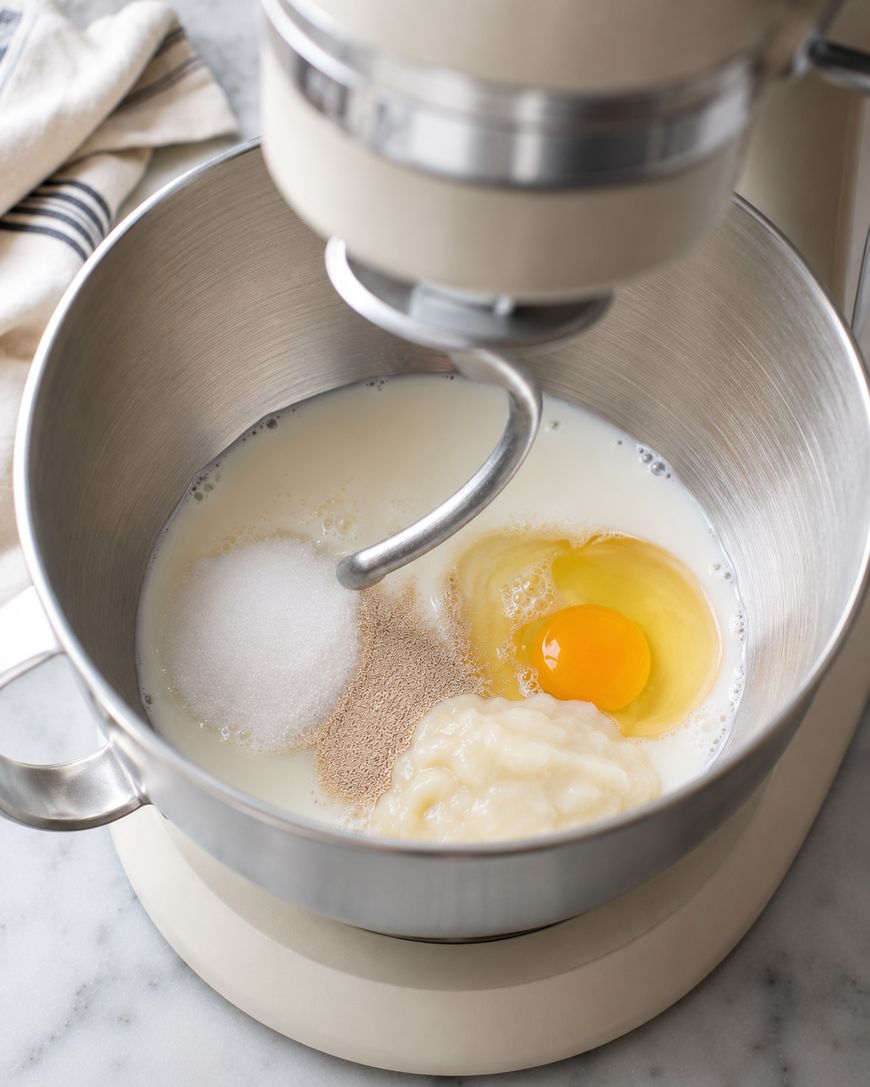
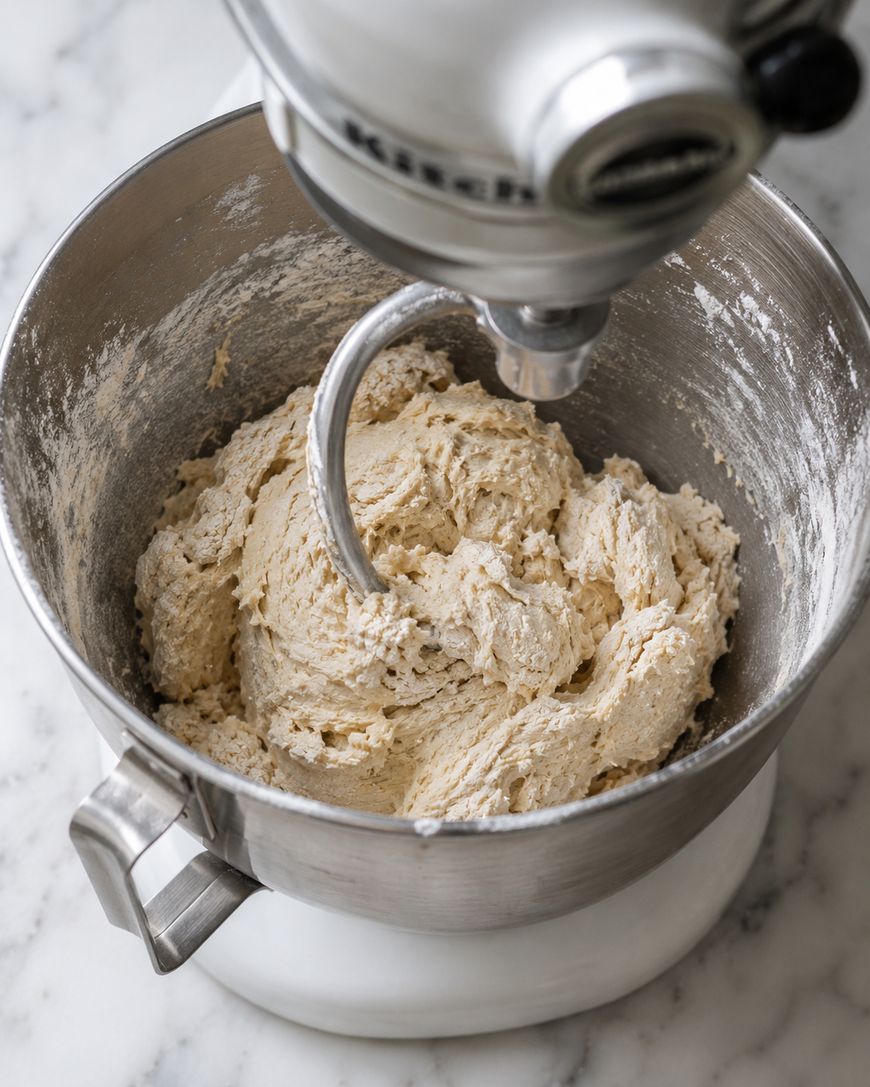
Add the flour and salt, then mix on low speed for two minutes until a shaggy dough forms.
Increase to medium speed and knead for eight minutes.
Step 3: Add the Butter
With the mixer running on medium-low, add the softened butter one cube at a time, waiting until each piece is fully incorporated before adding the next.
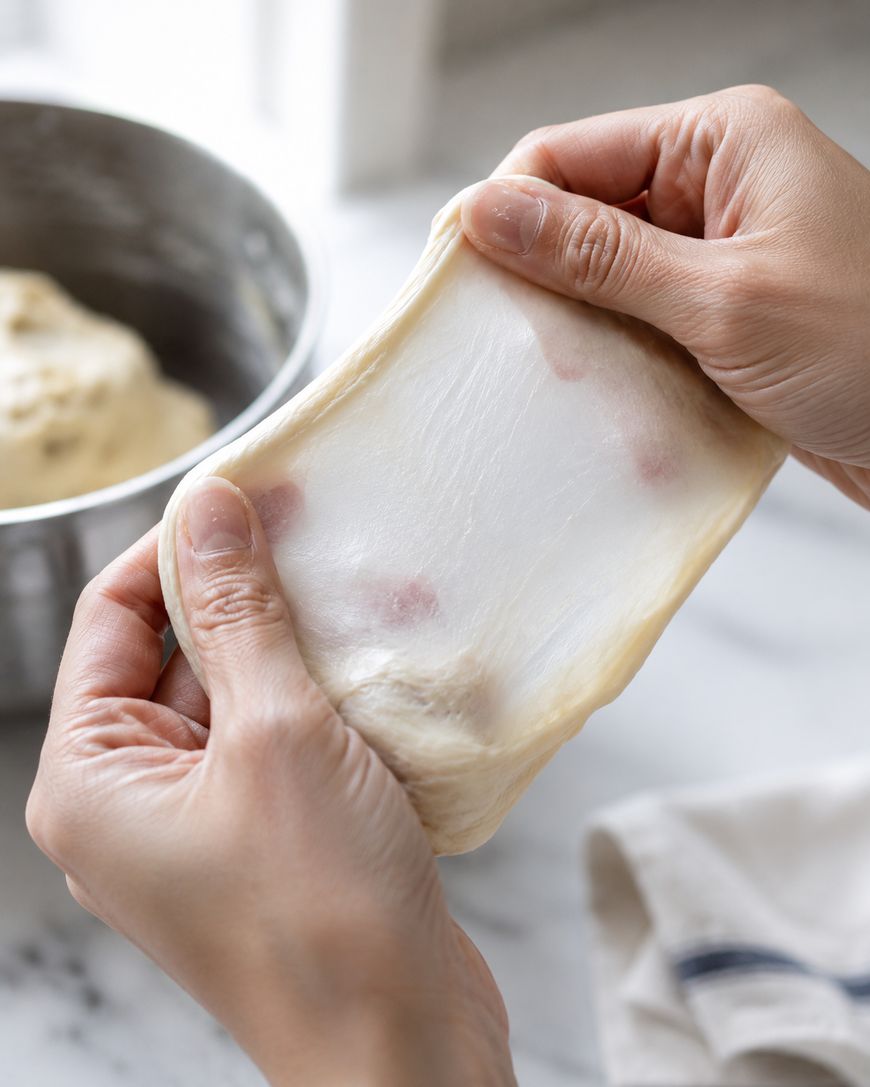
Once all the butter is in, increase to medium-high speed and knead for a further six to eight minutes until the dough is smooth, slightly tacky, and passes the windowpane test.
Step 4: First Rise
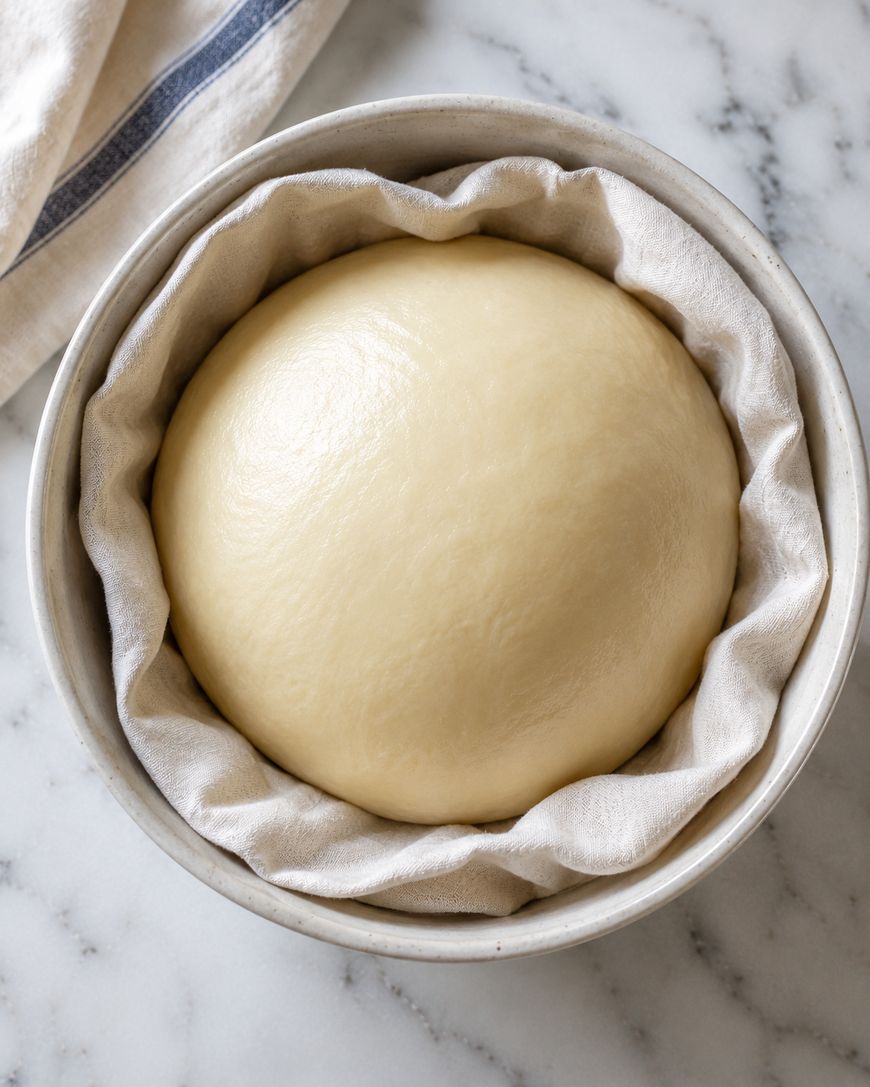
Shape the dough into a ball, place it in a lightly oiled bowl, and cover with plastic wrap.
Let it rise at room temperature until doubled in size, approximately one to one and a half hours, depending on the warmth of your kitchen.
Step 5: Shape the Loaf
Turn the risen dough onto an unfloured surface and divide into four equal pieces using a bench scraper.
Flatten each piece into a rough rectangle, fold the long sides into the centre, then roll it away from you into a tight log.
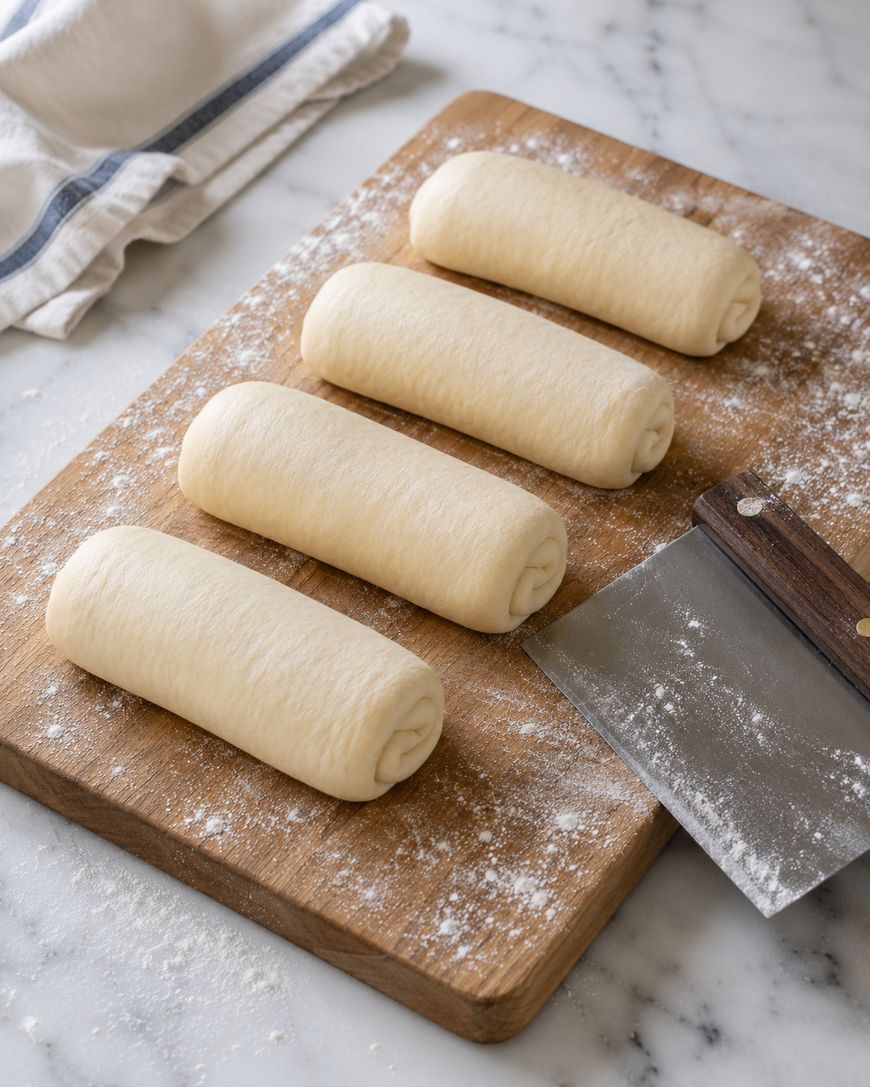
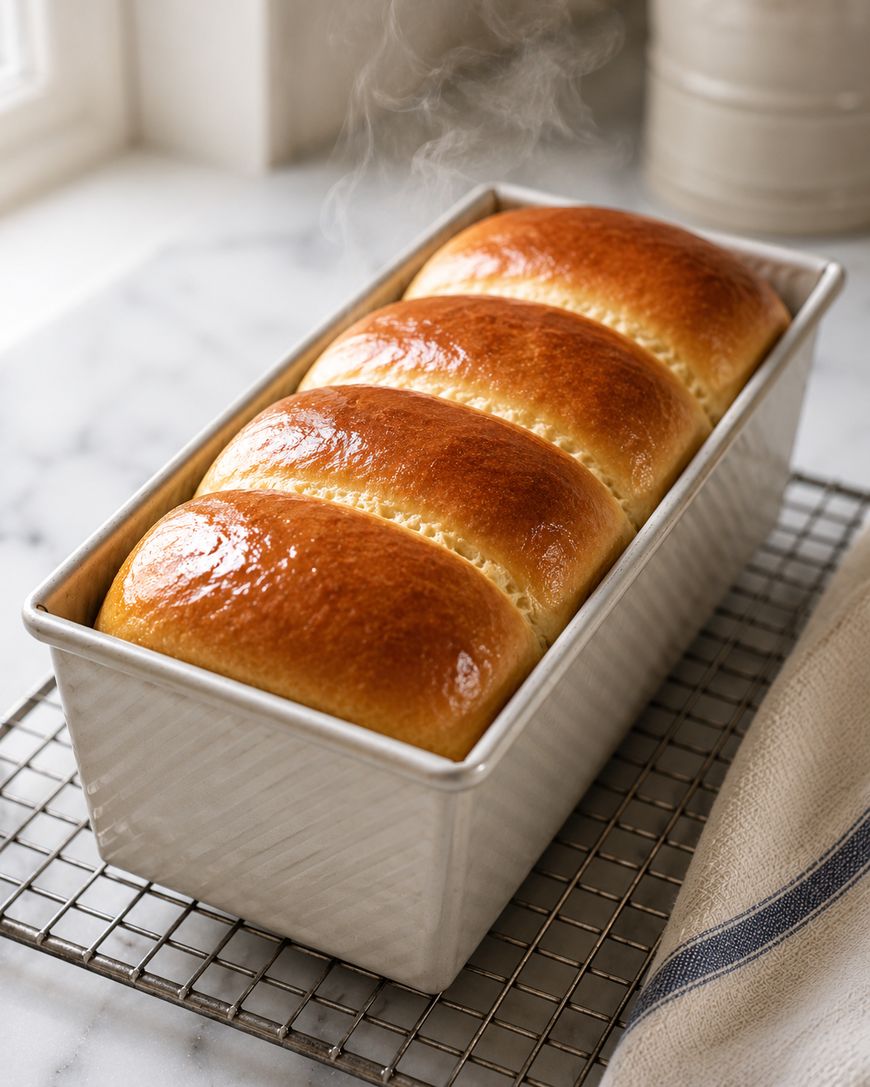
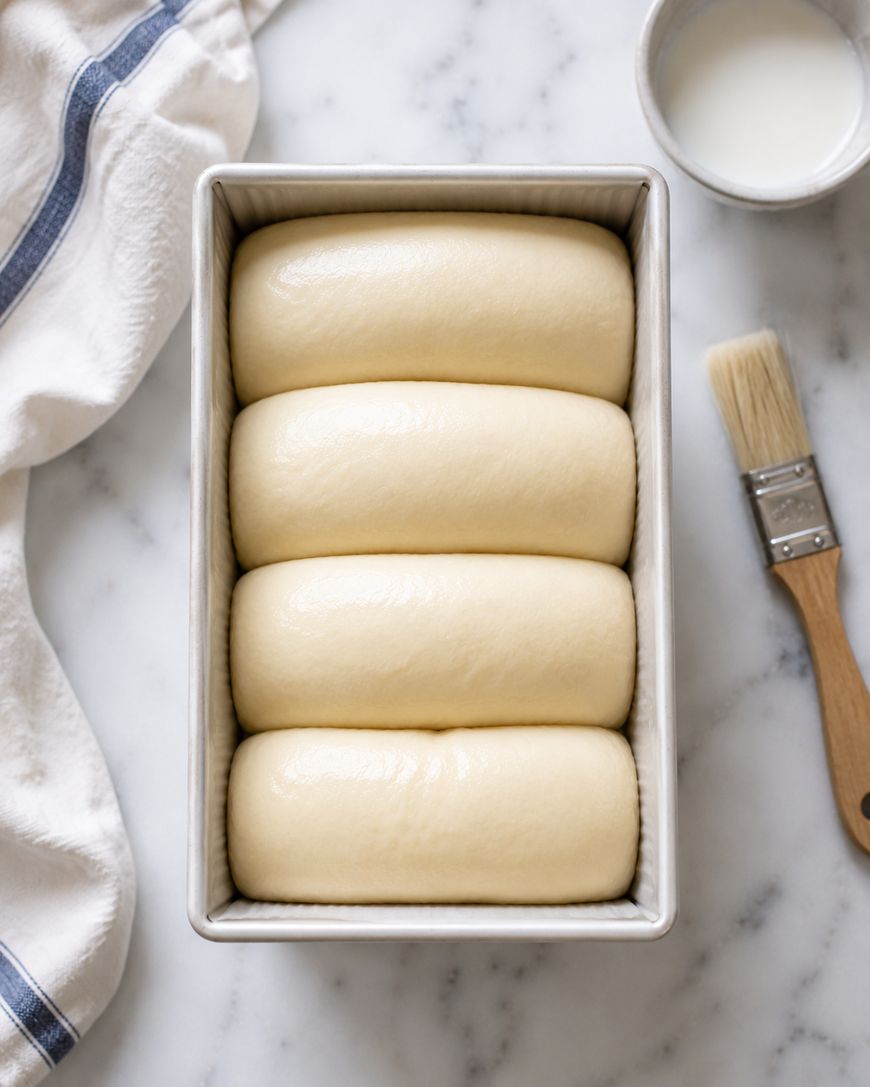
Place the four logs side by side in a lightly greased 23cm x 13cm (9 x 5 inch) loaf tin.
Step 6: Second Rise and Bake
Cover the tin loosely with plastic wrap and allow to proof until the dough crowns about 2cm above the rim of the tin, roughly 45 to 60 minutes.
Preheat the oven to 175C (350F) with fan, or 190C (375F) without fan.
Brush the surface gently with a milk wash (two tablespoons of whole milk) and bake for 28 to 32 minutes until deep golden brown.
Cool in the tin for 10 minutes, then transfer to a wire rack and cool fully before slicing.
Variations and Substitutions
Hokkaido-Style Milk Bread
Replace the whole milk in both the tangzhong and the dough with Hokkaido or heavy cream for a noticeably richer flavour.
Matcha Milk Bread
Sift two teaspoons of ceremonial-grade matcha into the flour before mixing for a delicately bitter, vibrant loaf that pairs well with azuki bean butter.
Dairy-Free Version
Substitute the whole milk with full-fat oat milk and use a good-quality vegan block butter such as Miyoko’s or Naturli.
Storage
Wrap the fully cooled loaf tightly in plastic wrap and store at room temperature for up to three days.
Slice the loaf before freezing and store slices in a zip-lock bag for up to two months.
Serving Suggestions
This bread is exceptional as toast spread with cultured butter and a pinch of flaky sea salt.
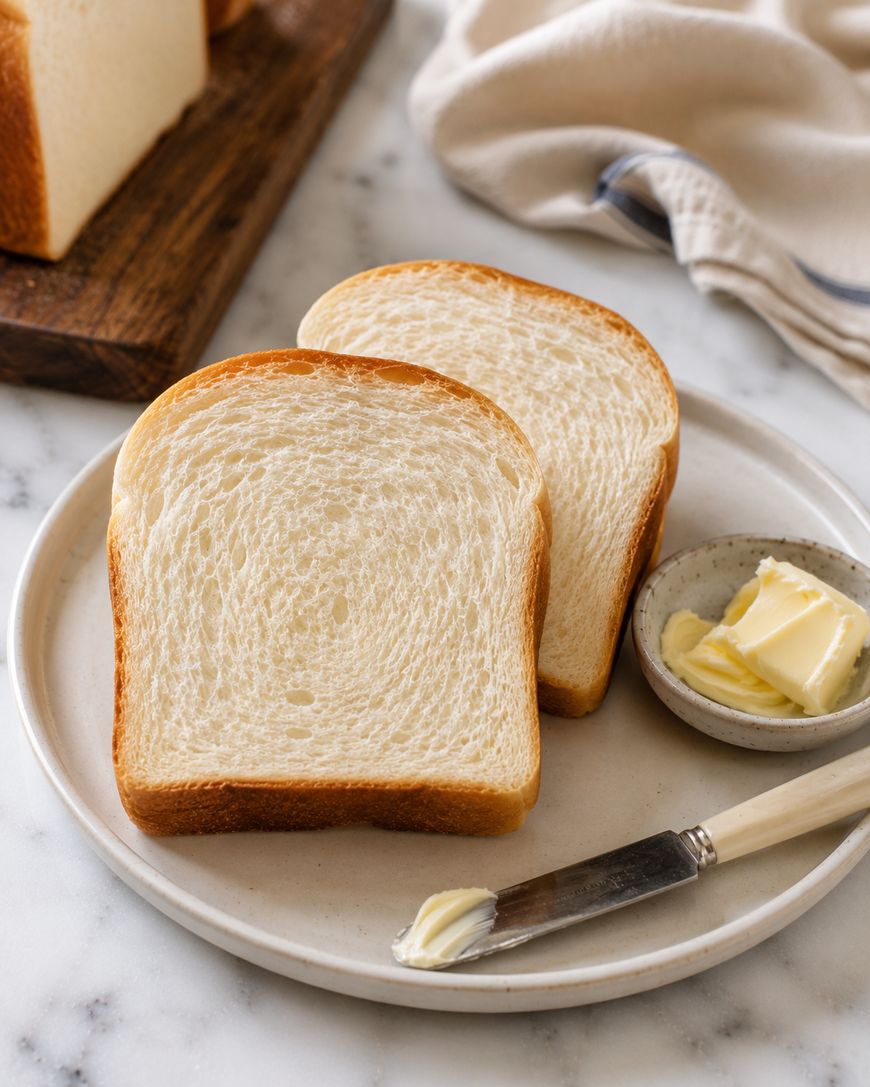
Thick-cut slices from a day-old loaf make the best French toast — slice at least 2.5cm (1 inch) thick and cook in brown butter.
The Origin of Milk Bread
Milk bread in its Japanese form, known as shokupan, became a staple of Japanese bakeries following the post-World War II period when wheat flour became widely available through American aid programs.
Japanese bakers fused tangzhong techniques with high-hydration, enriched dough formulas to produce the cloud-like loaf now beloved by bakers from Tokyo to Toronto.
Use the recipe card below to get the exact quantities and step-by-step instructions in one place.
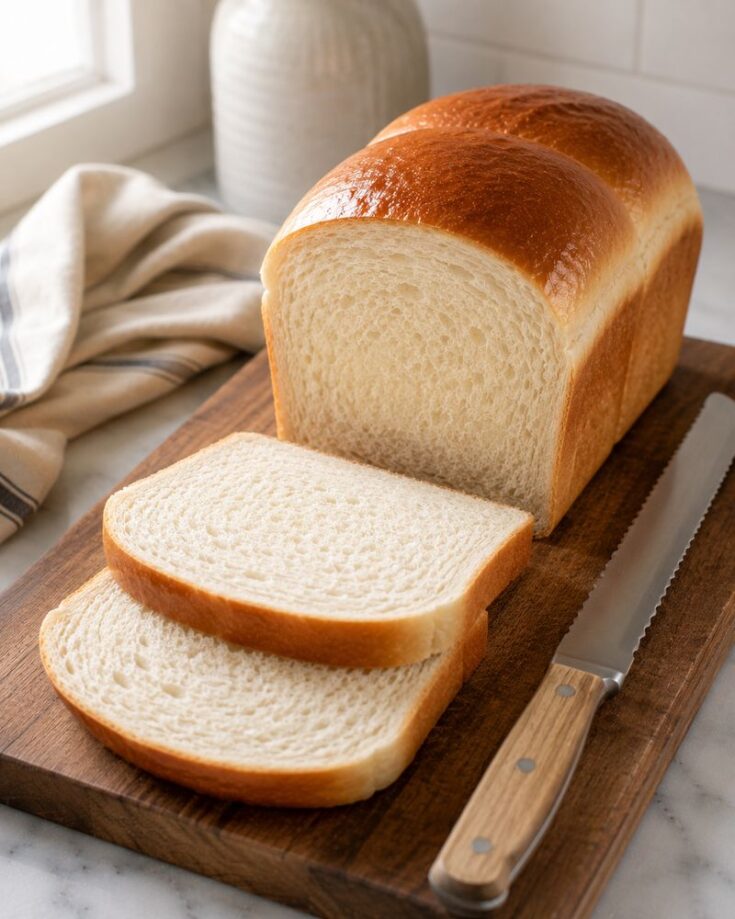
Milk Bread Recipe
The softest homemade milk bread made using the tangzhong method. This pillowy, pull-apart loaf stays fresh for days and is perfect for toast, sandwiches, or eating straight from the tin.
Ingredients
- Tangzhong
- 25g bread flour
- 125ml whole milk
- Dough
- 350g bread flour
- 7g instant yeast (1 standard sachet)
- 50g caster sugar
- 5g fine sea salt
- 120ml whole milk, warmed to 38C (100F)
- 1 large egg, room temperature
- 50g unsalted butter, softened and cubed
- Whole milk for brushing
Instructions
1. Make the tangzhong: whisk 25g bread flour and 125ml whole milk in a small saucepan over medium-low heat, stirring constantly until the mixture thickens to a paste, about 3 to 4 minutes. Press plastic wrap onto the surface and cool to room temperature.
2. Combine tangzhong, warm milk, egg, sugar, and yeast in the bowl of a stand mixer fitted with the dough hook. Add flour and salt. Mix on low for 2 minutes until a shaggy dough forms.
3. Increase to medium speed and knead for 8 minutes.
4. With the mixer on medium-low, add softened butter one cube at a time, waiting until each piece is incorporated before adding the next. Once all butter is added, increase to medium-high and knead for 6 to 8 minutes until the dough is smooth and passes the windowpane test.
5. Shape the dough into a ball and place in a lightly oiled bowl. Cover and let rise at room temperature until doubled, about 1 to 1.5 hours.
6. Divide the dough into 4 equal pieces. Flatten each piece, fold long sides into the centre, and roll into a tight log. Place the 4 logs side by side in a greased 23cm x 13cm loaf tin.
7. Cover loosely and proof until the dough crowns about 2cm above the rim, 45 to 60 minutes. Preheat oven to 175C (350F) fan or 190C (375F) without fan.
8. Brush the surface with whole milk and bake for 28 to 32 minutes until deep golden brown and the internal temperature reads 88C to 93C (190F to 200F).
9. Cool in the tin for 10 minutes, then transfer to a wire rack and cool completely before slicing.
Notes
For an overnight first rise, cover the shaped dough in the bowl and refrigerate for 8 to 12 hours. Remove from the fridge, allow to come to room temperature for 30 minutes, then shape and proceed with the second proof. The slow fermentation deepens the flavour noticeably. Store the finished loaf wrapped at room temperature for up to 3 days, or slice and freeze for up to 2 months.
Nutrition Information:
Yield:
12Serving Size:
1 sliceAmount Per Serving: Calories: 210Total Fat: 6gSaturated Fat: 3.5gSodium: 190mgCarbohydrates: 33gFiber: 1gSugar: 5gProtein: 6g
This site provides estimated nutritional information. This information comes from online calculators. Although we try to provide accurate nutritional information, these figures are only estimates.
Milk Bread Recipe: Questions and Answers
Can this milk bread recipe be made by hand?
Yes, though it requires more effort than machine kneading.
After adding the butter, knead by slapping the dough against the surface and folding it over itself repeatedly. Expect the hand-kneading stage alone to take 20 to 25 minutes to develop proper gluten.
Why is my milk bread dense rather than fluffy?
The most common cause is under-proofing during the second rise.
The dough must crown clearly above the tin rim before it goes into the oven, and rushing this stage produces a tight, heavy crumb.
Can the tangzhong be made in the microwave?
Yes. Combine the flour and milk in a microwave-safe bowl and heat in 20-second bursts, stirring between each, until the mixture reaches a thick, pudding-like consistency.
How do you know when milk bread dough has been kneaded enough?
Pull a small piece of dough between both thumbs and forefingers and gently stretch it into a thin sheet.
If it stretches thin enough to be translucent without tearing, the gluten network is strong enough. If it tears immediately, knead for another three to four minutes and test again.
Can the first rise happen overnight in the refrigerator?
Absolutely. After mixing, place the dough in an oiled bowl, cover tightly, and refrigerate for eight to twelve hours.
The cold slow-fermentation adds complexity to the flavour and the cool dough is much easier to shape neatly the following morning.
Is bread flour necessary or can plain flour be used?
Bread flour is strongly recommended because its higher protein content builds the strong gluten network this dough needs.
Plain or all-purpose flour will work in a pinch, but the loaf will be slightly less tall with a marginally softer crumb structure.
Conclusion
Once you have made this milk bread recipe, standard sandwich bread will feel like a compromise.
The tangzhong technique takes only five extra minutes and transforms an ordinary enriched dough into something genuinely extraordinary. Whether sliced for toast, shaped into rolls, or eaten warm from the tin with nothing but butter, milk bread earns its place as a weekend baking staple.
Recipes for your bread machine