Last updated: August 19, 2026
This peanut brittle recipe turns four pantry staples into a glassy, golden candy with a satisfying snap, and you can have a full recipe card below to follow along step by step as you cook.
Why This Peanut Brittle Recipe Works
A great batch of peanut brittle comes down to two things: sugar temperature and timing.
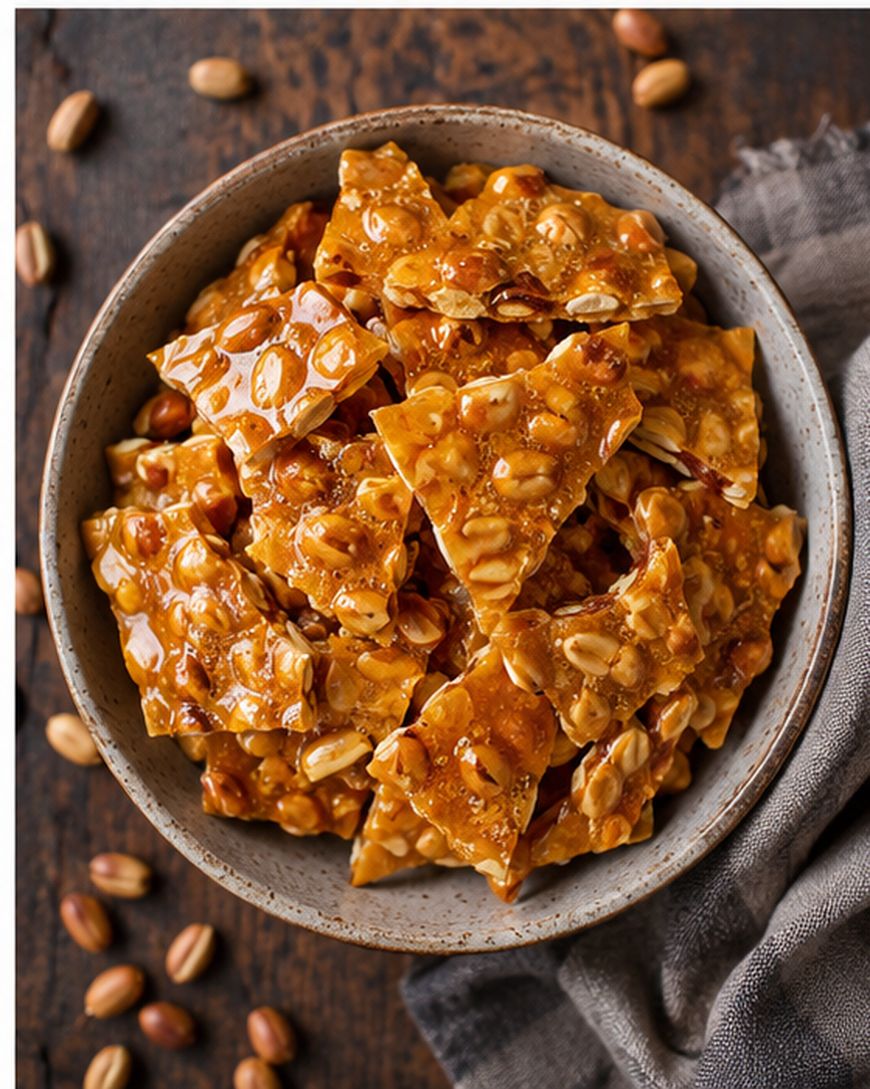
You cook a mixture of sugar, corn syrup, and water until it reaches the hard crack stage, then fold in raw peanuts and a touch of butter before the candy sets rock hard on a sheet pan.
Getting the temperature right is what separates a brittle that shatters cleanly from one that turns out chewy or grainy.
The Ingredients You Need
Granulated sugar forms the base of the candy and provides the classic brittle sweetness.
Light corn syrup keeps the sugar from crystallizing as it cooks, which is the difference between a smooth, glassy brittle and a gritty one.
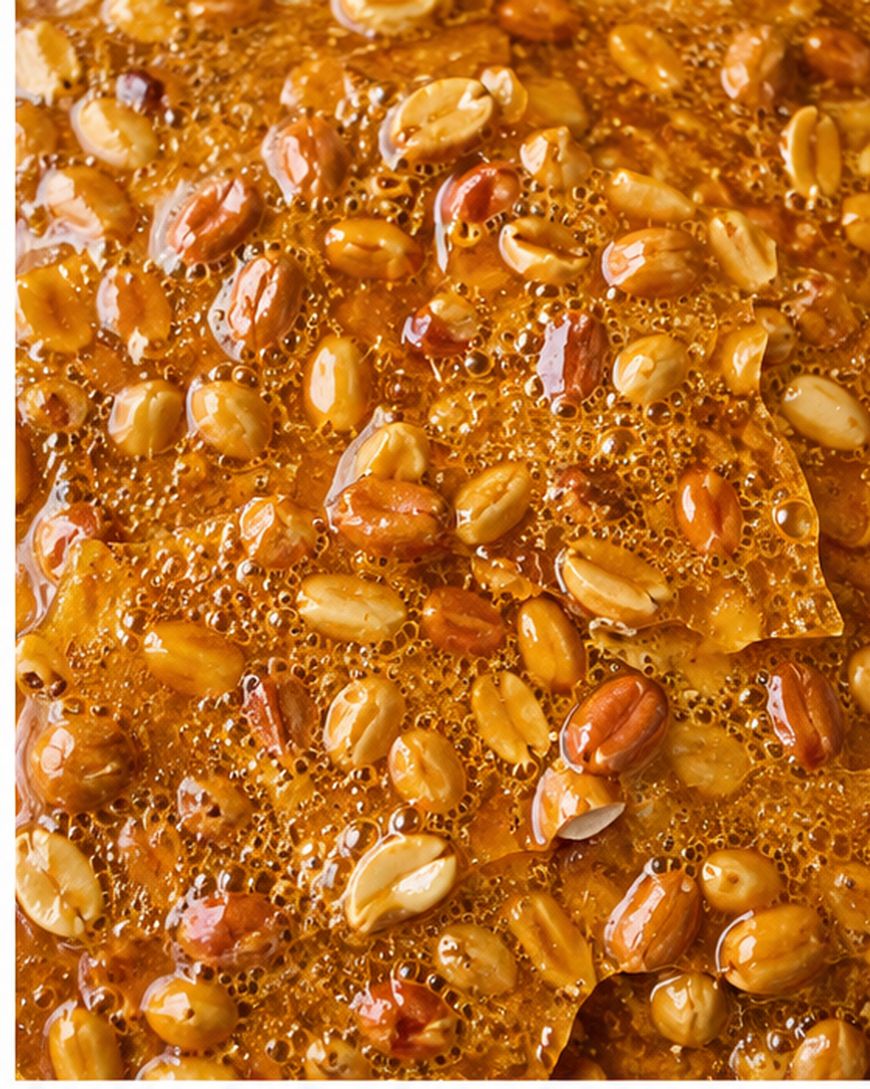
Raw, shelled peanuts work best here because they finish cooking in the hot sugar syrup, toasting to a deep, nutty flavor as the candy sets.
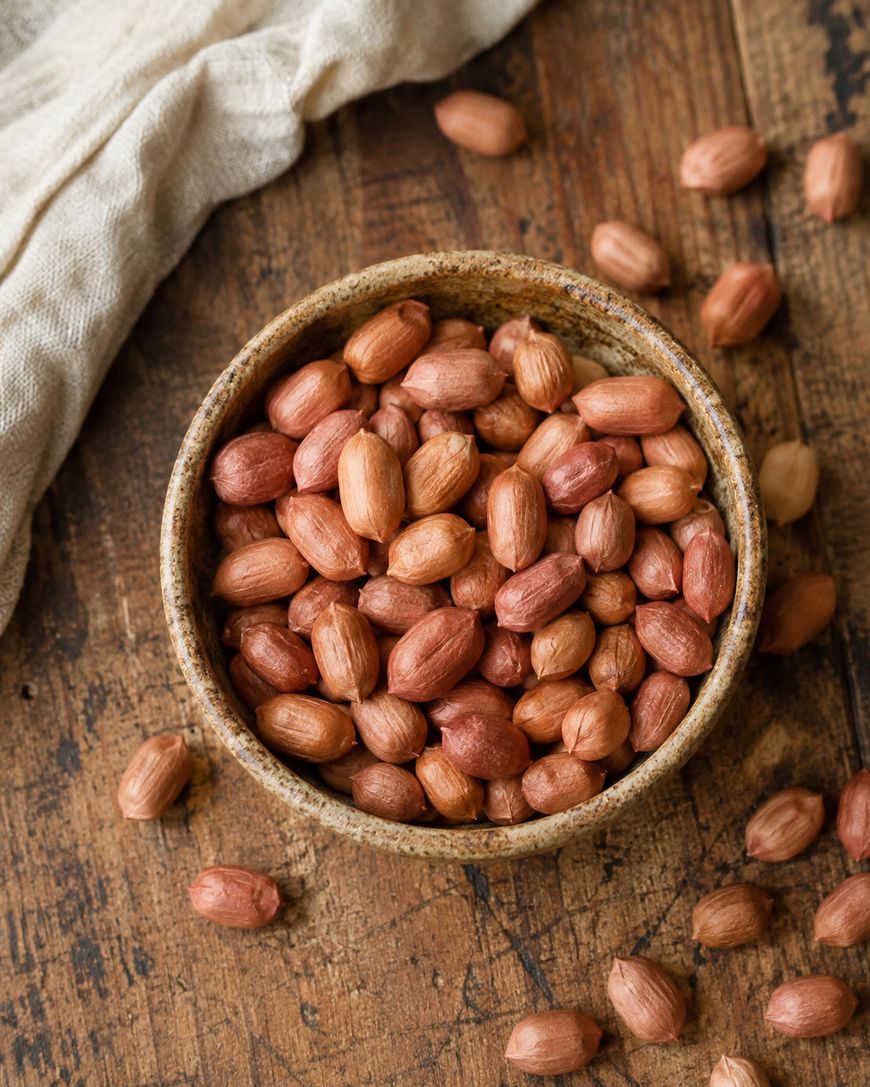
Unsalted butter adds richness and helps the brittle release cleanly from the pan, while a teaspoon of baking soda whipped in at the very end creates the tiny air bubbles that give brittle its signature light, porous crunch.
Vanilla extract rounds out the flavor, and a pinch of fine sea salt balances the sweetness.
Getting the Sugar to Hard Crack Stage
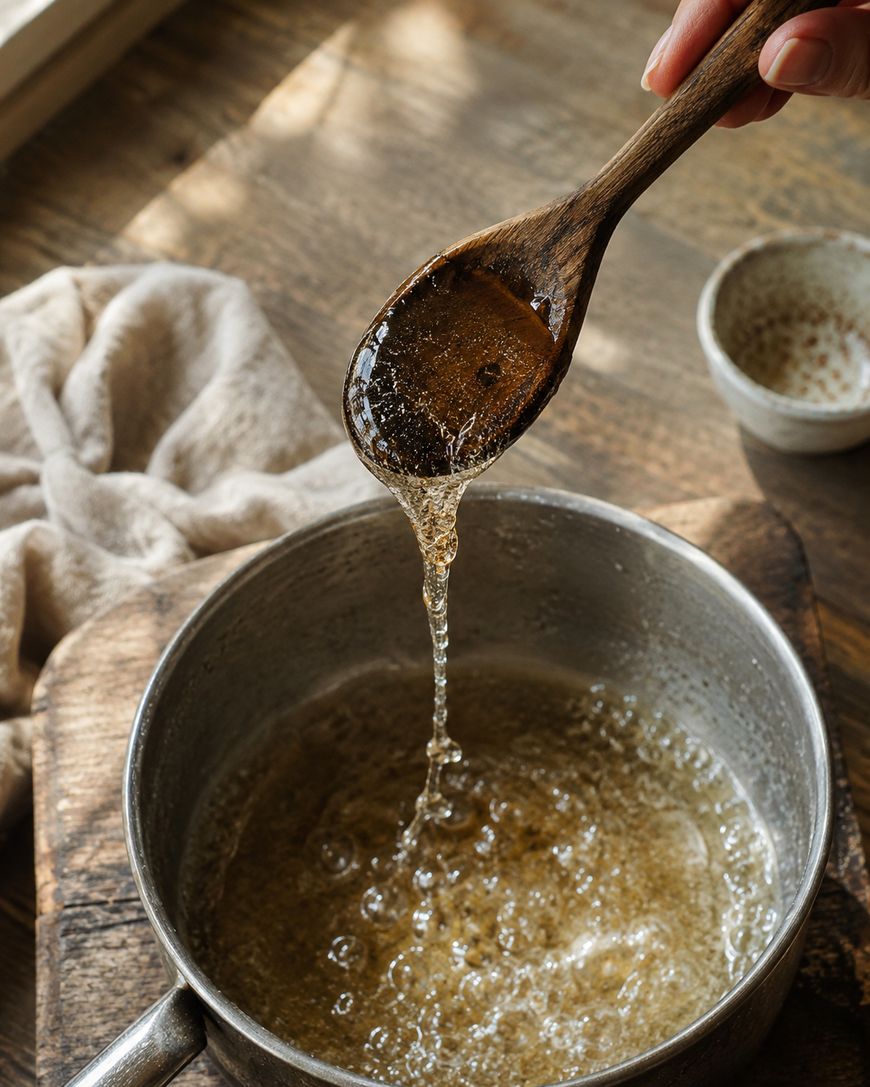
Combine the sugar, corn syrup, and water in a heavy-bottomed saucepan and clip on a candy thermometer before you turn on the heat.
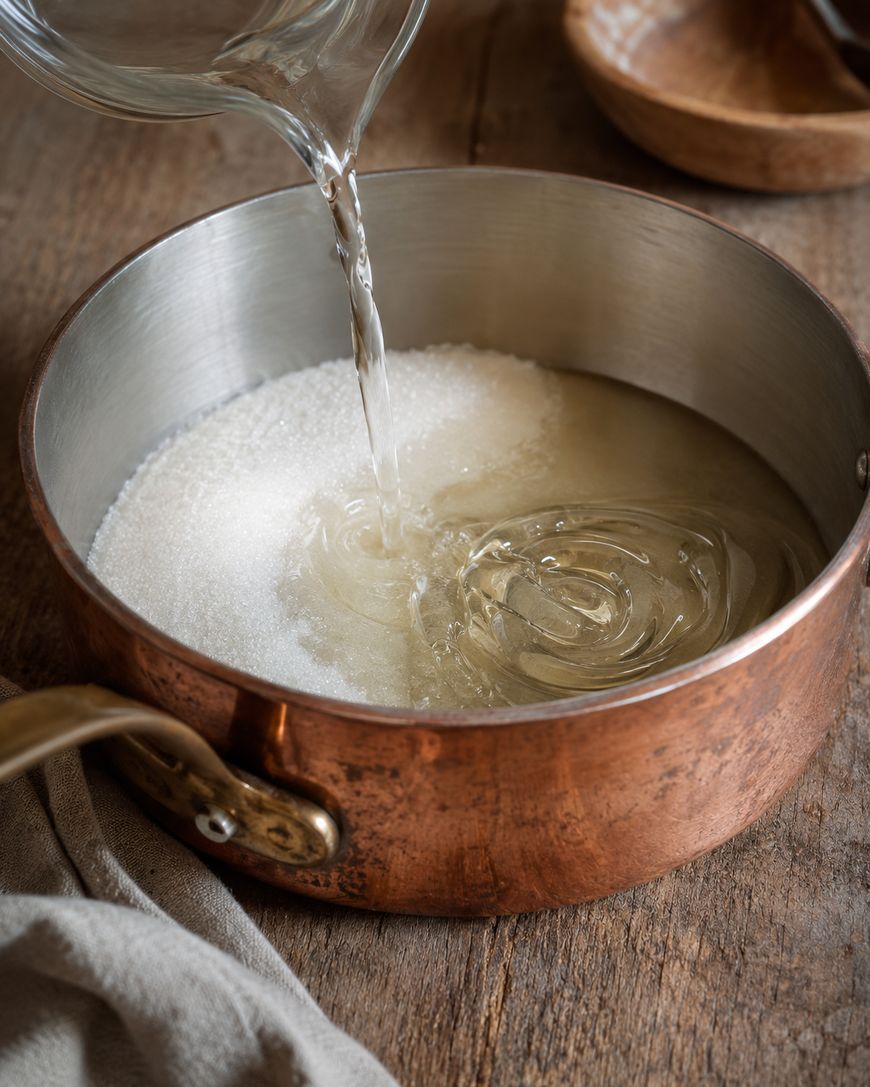
Cook the mixture over medium heat, stirring only until the sugar dissolves, then stop stirring and let it boil undisturbed.
You are looking for 300 to 310 degrees Fahrenheit, which is the hard crack stage, and this typically takes 15 to 20 minutes depending on your stove.
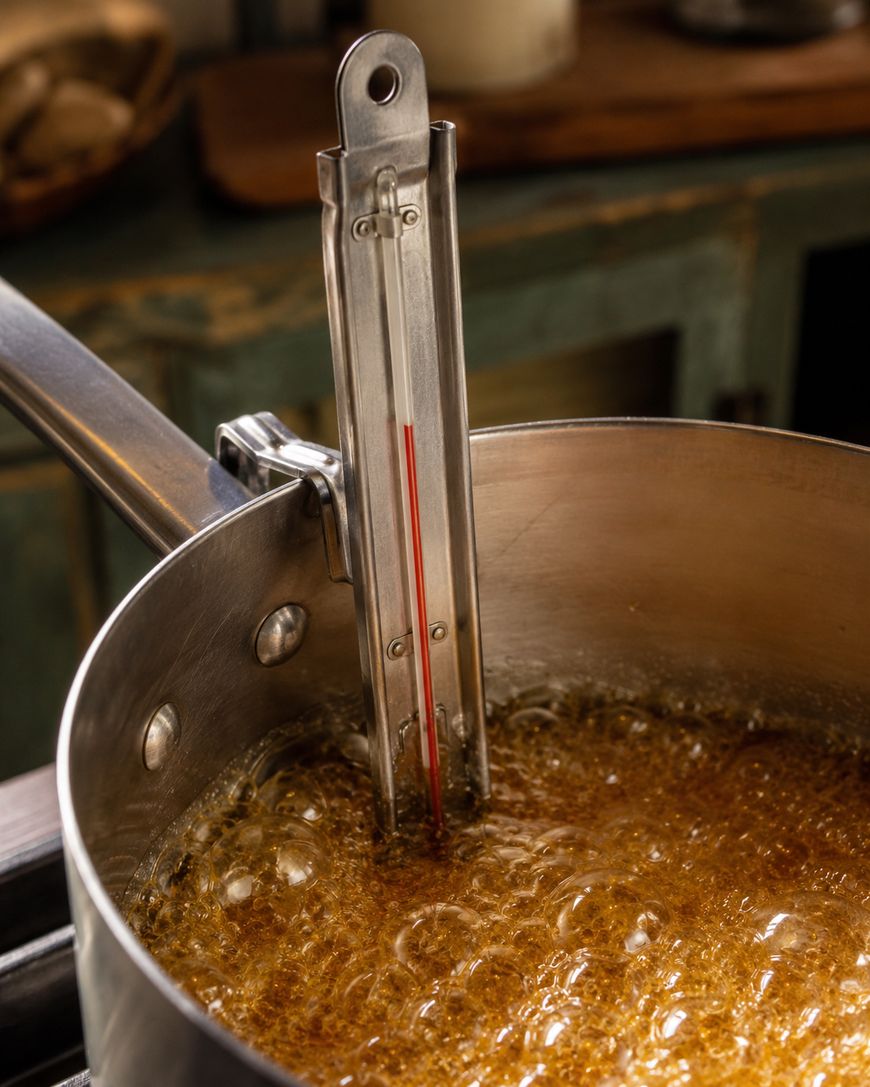
If you do not have a thermometer, drop a small amount of the syrup into a glass of cold water; it should form brittle threads that snap rather than bend.
Folding in the Peanuts and Butter
Once the syrup hits temperature, remove the pan from the heat immediately, since sugar continues to climb a few degrees off the burner.

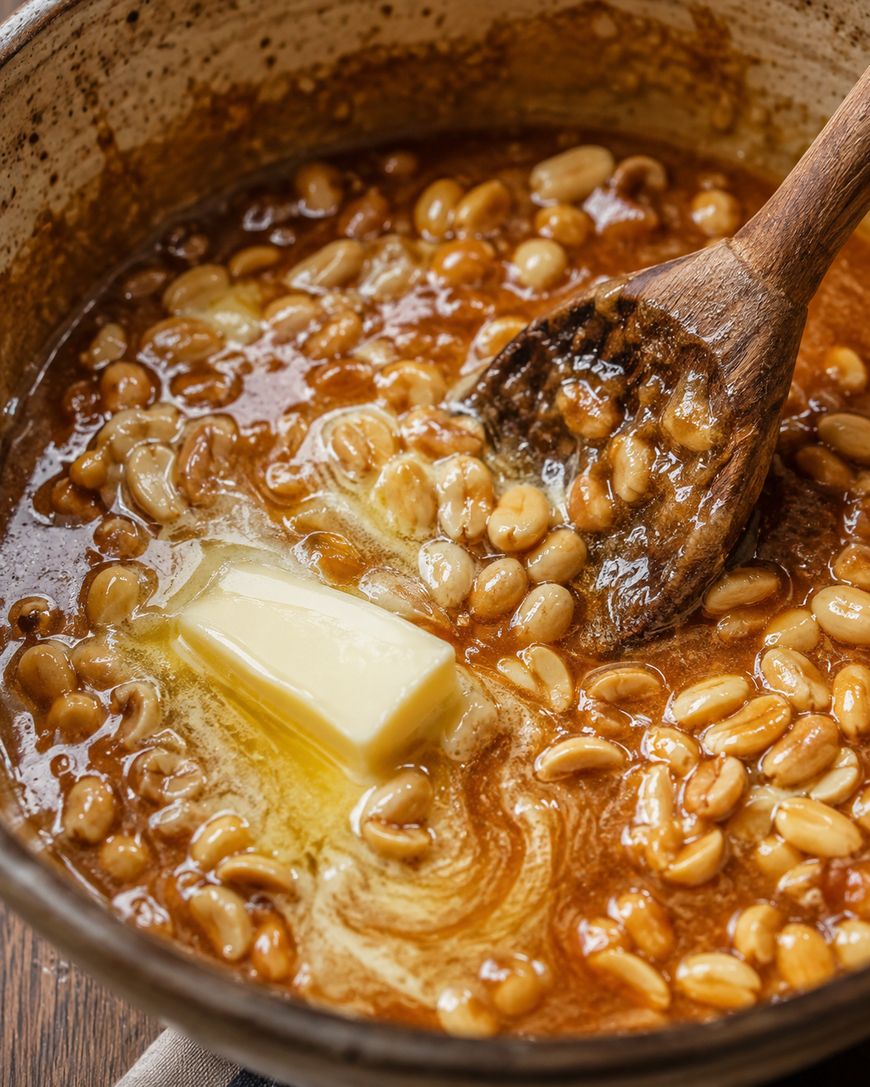
Stir in the peanuts and butter quickly but gently, working in a folding motion so you do not deflate the mixture or splash hot sugar on your hands.
The peanuts will toast in residual heat and the butter will melt into the syrup, giving the brittle its rich, rounded flavor.
The Baking Soda Trick
Add the baking soda and vanilla last, off the heat, and stir just until the mixture foams up and turns a lighter, opaque color.
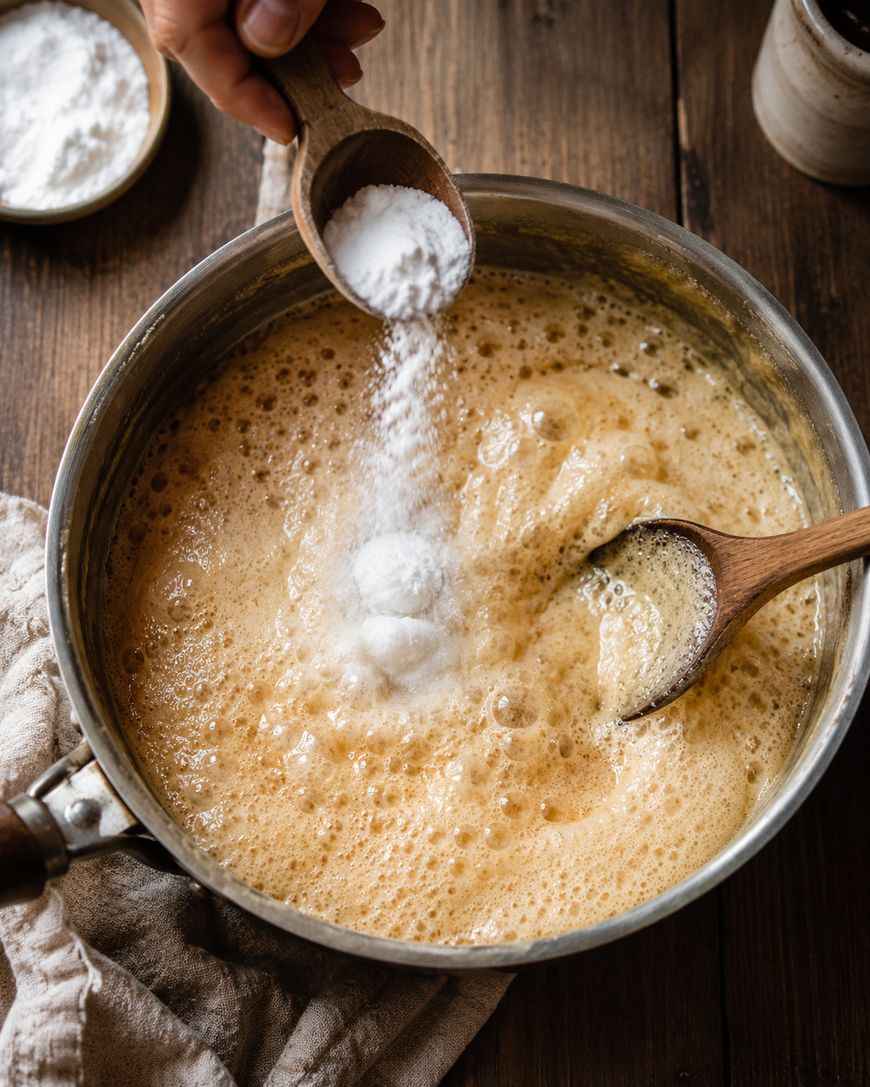
This reaction is what aerates the candy, so work fast here because the syrup begins to set within seconds of adding the baking soda.
Spreading and Cooling the Brittle
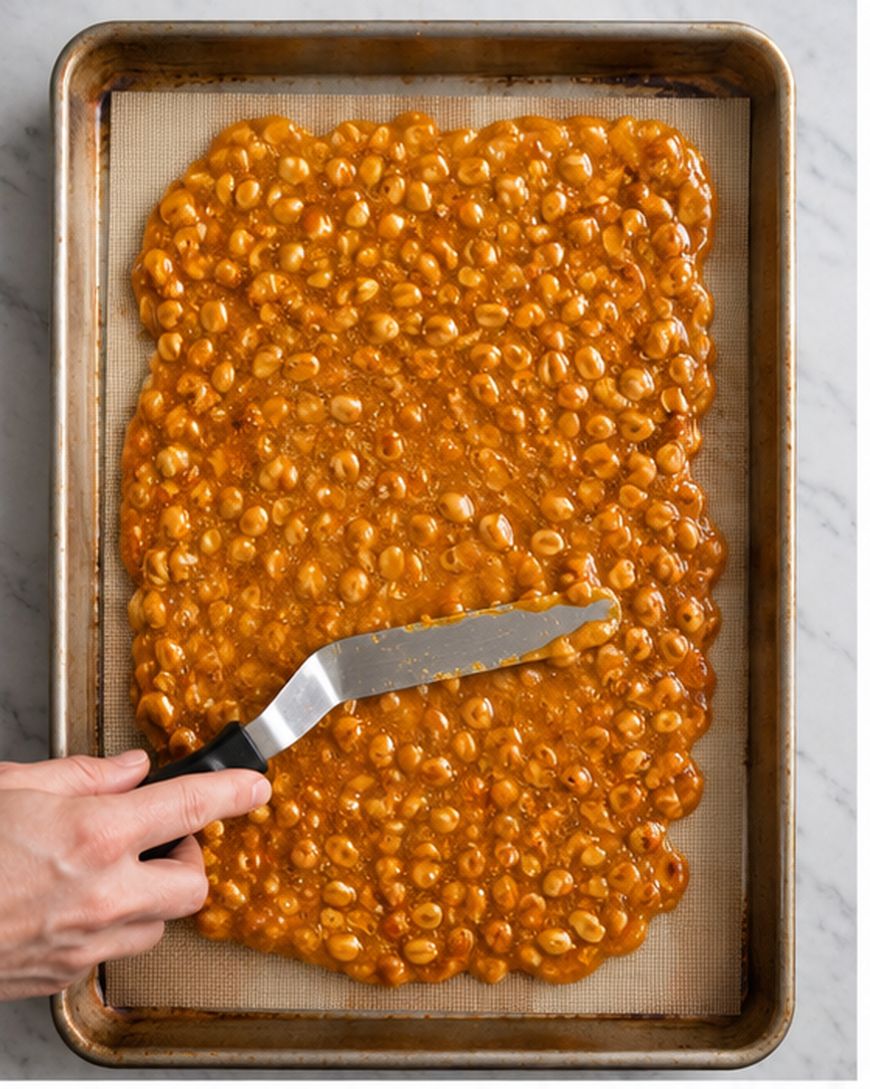
Pour the foaming candy onto a parchment-lined baking sheet and use a greased offset spatula to spread it into a thin, even layer.
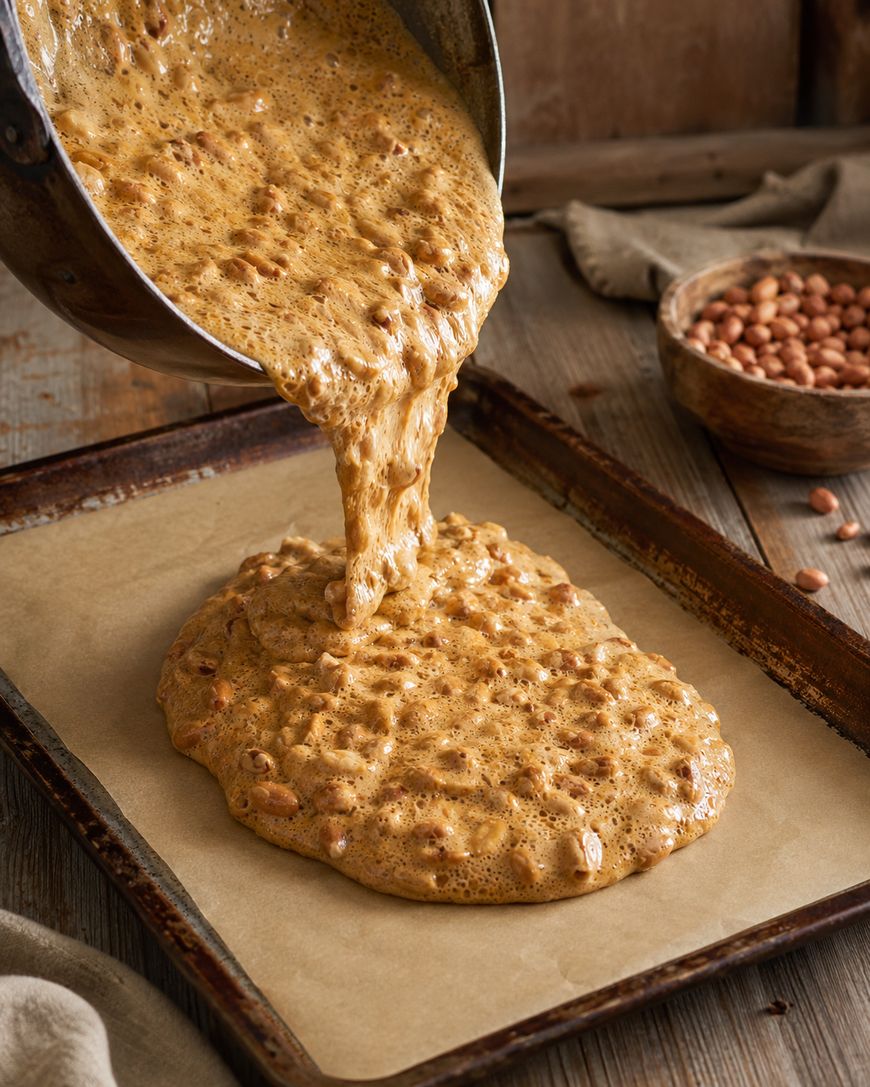
Work quickly, since the syrup starts to firm up almost immediately, and aim for an even thickness so every piece snaps the same way.
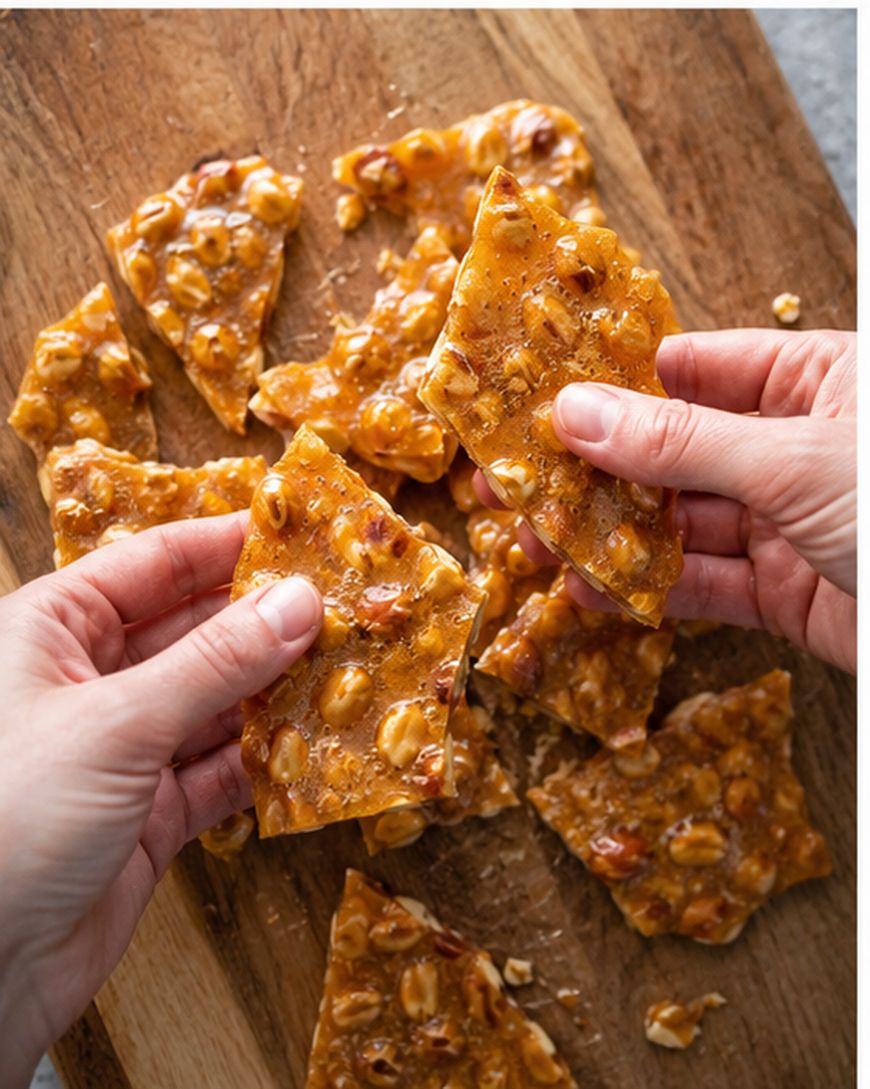
Let the brittle cool completely at room temperature, which usually takes about 30 to 45 minutes, before breaking it into shards with your hands or the back of a wooden spoon.
Variations and Substitutions
Swap raw peanuts for raw cashews, pecans, or a mix of nuts if you want a different flavor profile, keeping the total quantity the same.
For a sweet and salty version, sprinkle flaky sea salt over the brittle right after spreading it on the pan, while the surface is still tacky.
Dark corn syrup or golden syrup can stand in for light corn syrup and will give the brittle a slightly deeper caramel note.
If nuts are off the table, this same method makes a plain butter brittle; just skip the peanuts and increase the butter slightly for flavor.
Storage Tips
Store cooled peanut brittle in an airtight container at room temperature, layering pieces between sheets of parchment or wax paper so they do not stick together.
It keeps well for up to two weeks this way, though humidity is the enemy of brittle, so avoid storing it anywhere near steam or moisture.
You can also freeze peanut brittle in a freezer-safe bag for up to three months; let it come back to room temperature before serving for the best texture.
Serving Suggestions
Peanut brittle makes an easy homemade gift when packed into cellophane bags or tins for the holidays.
Crumble it over vanilla ice cream, fold pieces into blondie batter, or serve a small dish alongside coffee for an old-fashioned candy course.
The Origin of Peanut Brittle
Peanut brittle traces back to the American South, where peanuts, or “goobers,” grew abundantly and sugar was a prized commodity after the Civil War.
Home cooks discovered that boiling sugar syrup to a hard crack and studding it with local peanuts created a shelf-stable candy that traveled well and cost little to make.
By the early 1900s, peanut brittle had become a fixture of Southern kitchens and county fairs, and it eventually spread nationwide as a holiday and gift-giving staple.
The baking soda technique, which aerates the candy into its familiar light, crackly texture, became standard in home recipes by the mid-20th century and remains the defining trick today.
Ready to see the exact quantities and timing laid out step by step? Use the recipe card below to walk through this peanut brittle recipe from start to finish.
Classic Peanut Brittle
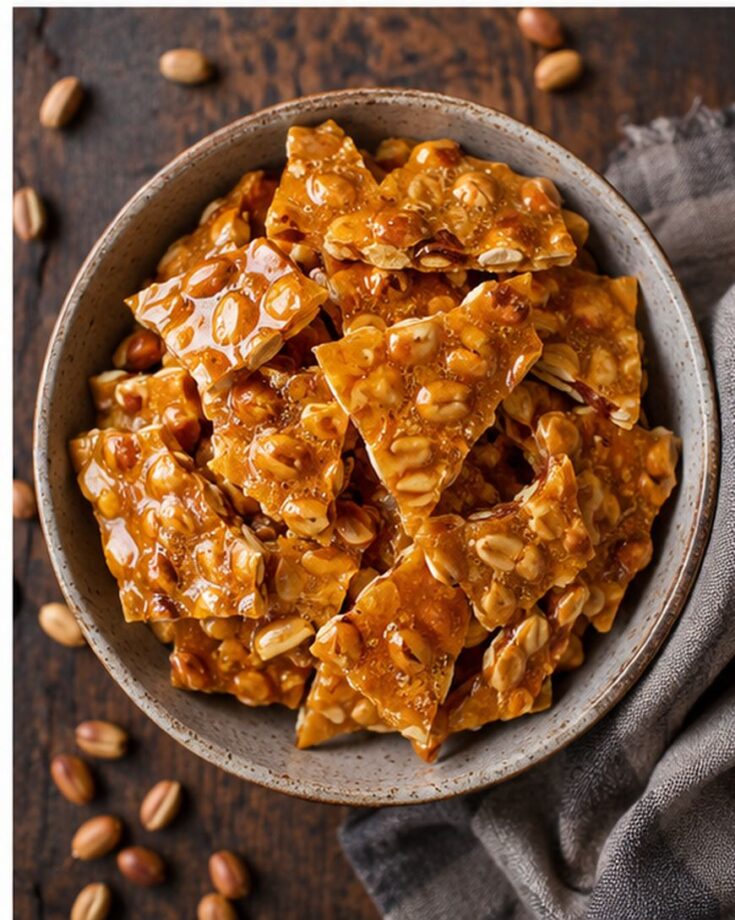
This classic peanut brittle is crisp, buttery, and packed with roasted peanuts in every glassy shard. It comes together in under an hour with just a handful of pantry staples.
Ingredients
- 1 cup granulated sugar
- 1/2 cup light corn syrup
- 1/4 cup water
- 1 1/2 cups raw shelled peanuts
- 2 tablespoons unsalted butter
- 1 teaspoon baking soda
- 1 teaspoon vanilla extract
- 1/4 teaspoon fine sea salt
Instructions
- Line a large baking sheet with parchment paper and set it near the stove.
- In a heavy-bottomed saucepan, combine the sugar, corn syrup, and water. Clip on a candy thermometer.
- Cook over medium heat, stirring until the sugar dissolves, then stop stirring and let the mixture boil undisturbed until it reaches 300 to 310 degrees Fahrenheit (hard crack stage), about 15 to 20 minutes.
- Remove the pan from the heat and quickly stir in the peanuts and butter until combined.
- Add the baking soda, vanilla, and salt, and stir just until the mixture foams and lightens in color.
- Immediately pour the mixture onto the prepared baking sheet and spread it into a thin, even layer with a greased offset spatula.
- Let the brittle cool completely at room temperature, 30 to 45 minutes, until fully hardened.
- Break the cooled brittle into pieces and store in an airtight container.
Notes
Work quickly once the baking soda is added, as the mixture sets fast. Brush the sides of the pan with a wet pastry brush while cooking to prevent sugar crystals from forming.
Nutrition Information:
Yield:
16Serving Size:
2 oz (about 3 pieces)Amount Per Serving: Calories: 150Total Fat: 7gSaturated Fat: 1.5gSodium: 95mgCarbohydrates: 21gFiber: 1gSugar: 18gProtein: 3g
Peanut Brittle Recipe Questions
Why did my peanut brittle turn out chewy instead of crisp?
Chewy brittle almost always means the sugar syrup did not reach a true hard crack temperature of 300 to 310 degrees Fahrenheit before you removed it from the heat.
Use a reliable candy thermometer and clip it so the tip does not touch the bottom of the pan for an accurate reading.
Can I make peanut brittle without a candy thermometer?
Yes, you can use the cold water test, dropping a small spoonful of hot syrup into a glass of cold water and checking that it forms hard, brittle threads.
That said, a thermometer takes the guesswork out and is worth the small investment if you plan to make candy more than once.
Why is my brittle grainy or sugary instead of smooth?
Graininess usually comes from sugar crystals forming on the sides of the pan early in cooking, so brush the inside walls with a wet pastry brush as the syrup heats to dissolve any stray crystals.
Stirring too much once the syrup starts boiling can also encourage crystallization, so stir only until the sugar dissolves and then leave it alone.
How do I keep peanut brittle from sticking to the pan?
Line your baking sheet with parchment paper rather than relying on greasing alone, since hot sugar can stick stubbornly to bare metal or foil.
A silicone baking mat also works well and makes cleanup easier once the candy has cooled and hardened.
Can I double this peanut brittle recipe?
You can double the ingredients, but cook the syrup in a larger, heavy-bottomed pot rather than simply doubling everything in the same size pan, since sugar syrup rises significantly as it boils.
Doubling can also extend the cooking time needed to reach hard crack, so rely on your thermometer rather than the clock.
Why did my peanut brittle turn out sticky after cooling?
Sticky brittle is usually a sign of humidity, either from cooking on a rainy or humid day or from storing it before it fully cooled and hardened.
Make sure the brittle cools completely at room temperature and store it in a truly airtight container away from moisture.
Wrapping Up This Peanut Brittle Recipe
With a thermometer, a few pantry staples, and about 45 minutes, this peanut brittle recipe gives you a batch of crisp, buttery candy worth sharing.
Follow the temperatures closely, work quickly once the baking soda goes in, and you will have shards of golden brittle ready for gifting or snacking.