Last updated: October 4, 2026
Pudding cookies are classic chocolate chip cookies with a dry box of instant pudding mix stirred into the dough, and that one swap gives you thick, soft, chewy centers that stay tender for days. This walkthrough covers every ingredient and step, and the full recipe card sits further down the page when you are ready to bake.
What Makes Pudding Cookies Different From Regular Cookies
The dry instant pudding mix is what makes pudding cookies different, because it adds sweetness and moisture-holding starch without adding any liquid to the dough.
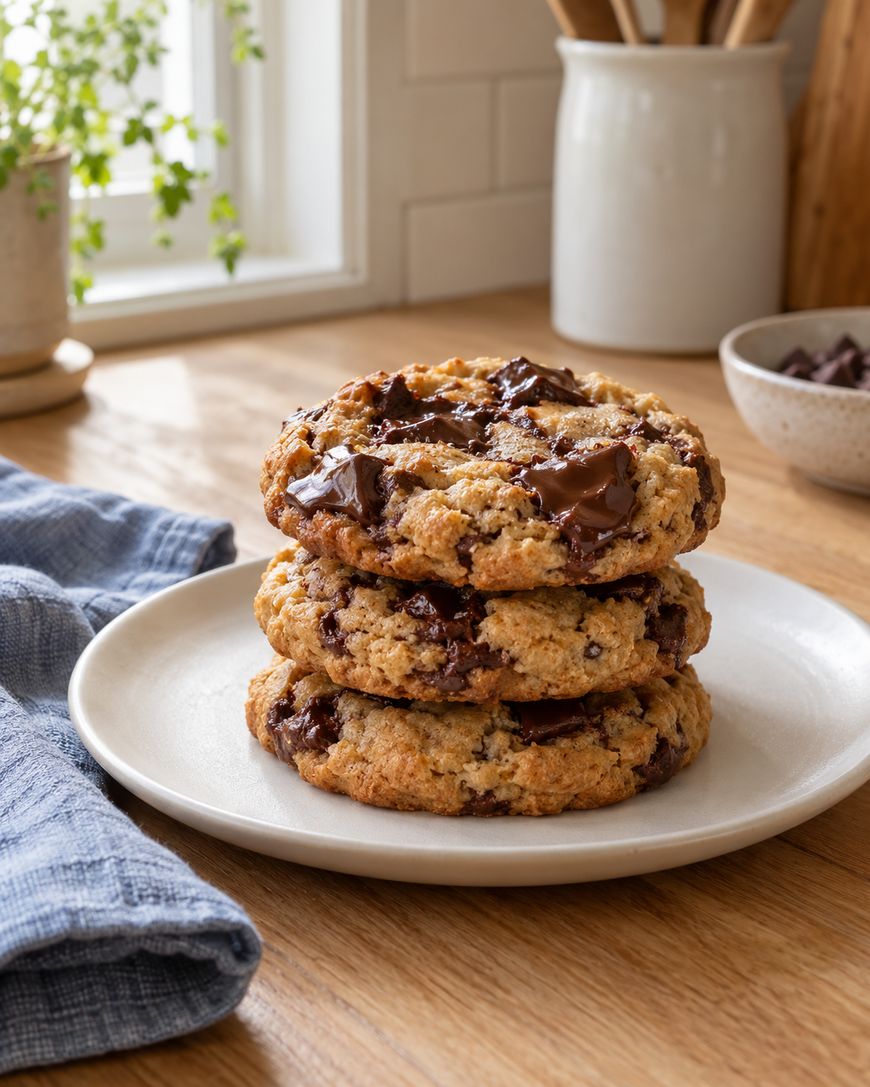
Regular chocolate chip cookies can spread thin and turn crisp within a day, while these cookies bake up thicker and stay soft long after they cool.
Instant pudding mix is made mostly of sugar, modified food starch, and flavorings, and the starch soaks up moisture from the butter and eggs as the dough rests.
That is why the dough feels thicker and scoops into tidy mounds that hold their shape in the oven.
You still get the buttery, brown sugar flavor of a bakery cookie, with a faint vanilla custard note in the background.
Because the dough comes together in a single bowl with a hand mixer or stand mixer, it is also one of the easiest cookie recipes you can make on a weeknight.
Pudding Cookies Ingredients and What Each One Does
You need pantry staples plus one box of instant pudding mix, and every ingredient has a job in the finished cookie. The card below lists exact amounts, so this section focuses on why each one matters.

Instant Pudding Mix
Use one 3.4 ounce box of Jell-O instant vanilla pudding mix, and use it dry straight from the box. Cook-and-serve pudding is a different product that is meant to thicken on the stove, so stick with instant.
Do not prepare the pudding with milk first, because the dough only needs the powder.
Butter and Sugars
The dough uses 1 cup of unsalted butter, softened until your finger leaves a slight dent without sinking in. Unsalted butter lets you control the seasoning, and softened butter creams into a smooth, airy base.
A mix of 1/2 cup granulated sugar and 3/4 cup packed light brown sugar gives you crisp edges from the white sugar and chew and caramel flavor from the brown.
Eggs, Vanilla, and Flour
Two large eggs at room temperature bind the dough, and 2 teaspoons of pure vanilla extract round out the flavor. The dough calls for 2 1/4 cups of all-purpose flour, which is about 280 grams.
Spoon the flour into your measuring cup and level it with a knife instead of scooping straight from the bag. Packed flour is one of the most common reasons cookies turn out dry and cakey.
Baking Soda, Salt, and Chocolate Chips
One teaspoon of baking soda helps the cookies spread just enough and brown evenly, while 1/2 teaspoon of fine salt keeps the sweetness in check. Finish with 1 1/2 cups of semisweet chocolate chips, such as Nestle Toll House or Ghirardelli.
Chunks chopped from a chocolate bar also work well and create bigger melted pockets.
How to Make Pudding Cookies Step by Step
Pudding cookies come together by creaming the butter and sugars, mixing in the pudding powder and eggs, and folding in the flour and chips. The whole process takes about 15 minutes of hands-on work before the dough chills.
Whisk the Dry Ingredients
In a medium bowl, whisk together the 2 1/4 cups flour, 1 teaspoon baking soda, and 1/2 teaspoon salt. Set the bowl aside while you mix the dough.
Cream the Butter, Sugars, and Pudding Mix
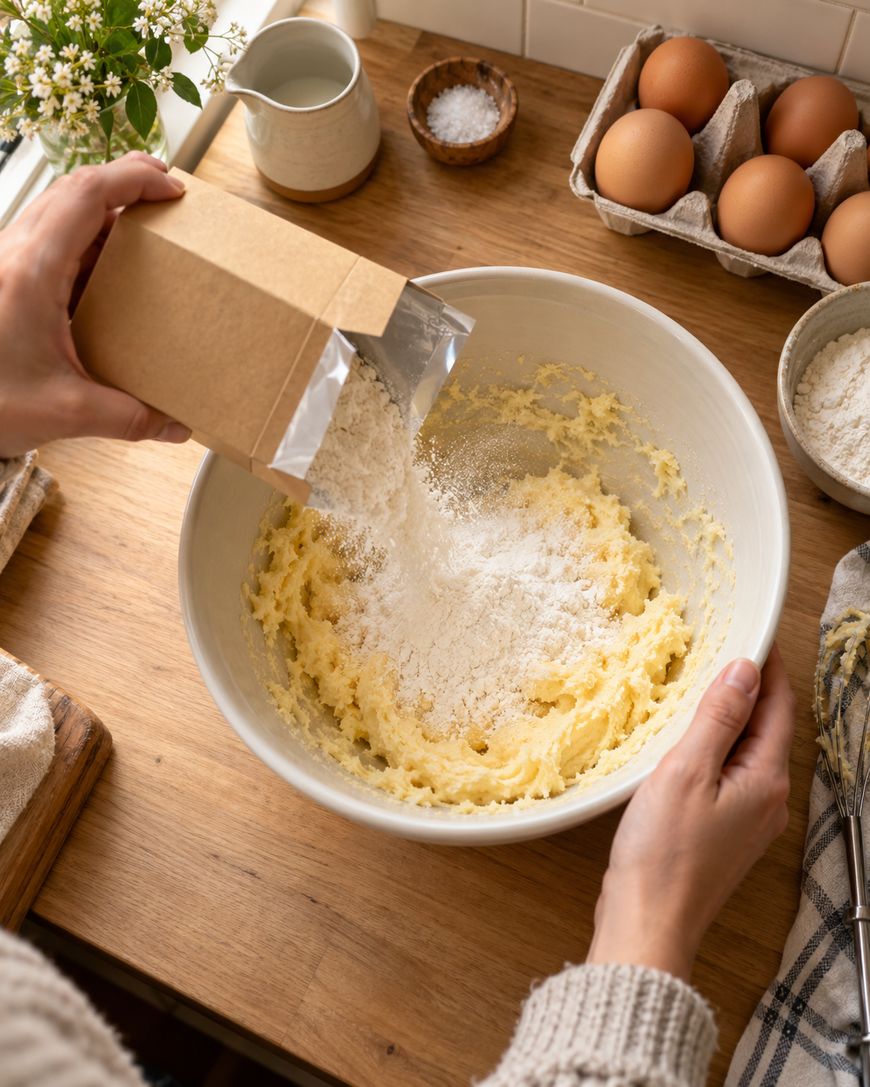
In a large bowl, beat the 1 cup butter, 1/2 cup granulated sugar, and 3/4 cup brown sugar on medium speed for 2 minutes. The mixture should look pale and fluffy, and this step whips in the air that gives the cookies their lift.

Add the dry pudding mix and beat for another 30 seconds until no streaks of powder remain.
Add the Eggs and Vanilla
Beat in the 2 eggs one at a time, then add the 2 teaspoons of vanilla. Scrape down the sides of the bowl so everything is evenly mixed.
Fold In the Flour and Chocolate Chips
Add the flour mixture in two additions on low speed, mixing only until the last streaks of flour disappear. Overmixing at this stage builds gluten and makes the cookies tough.

Stir in the 1 1/2 cups of chocolate chips by hand with a sturdy spatula.
Chill the Dough
Cover the bowl and refrigerate the dough for 30 minutes. Chilling firms the butter so the cookies spread less and bake up thicker, and skipping it will give you a flatter cookie.
Scoop and Bake
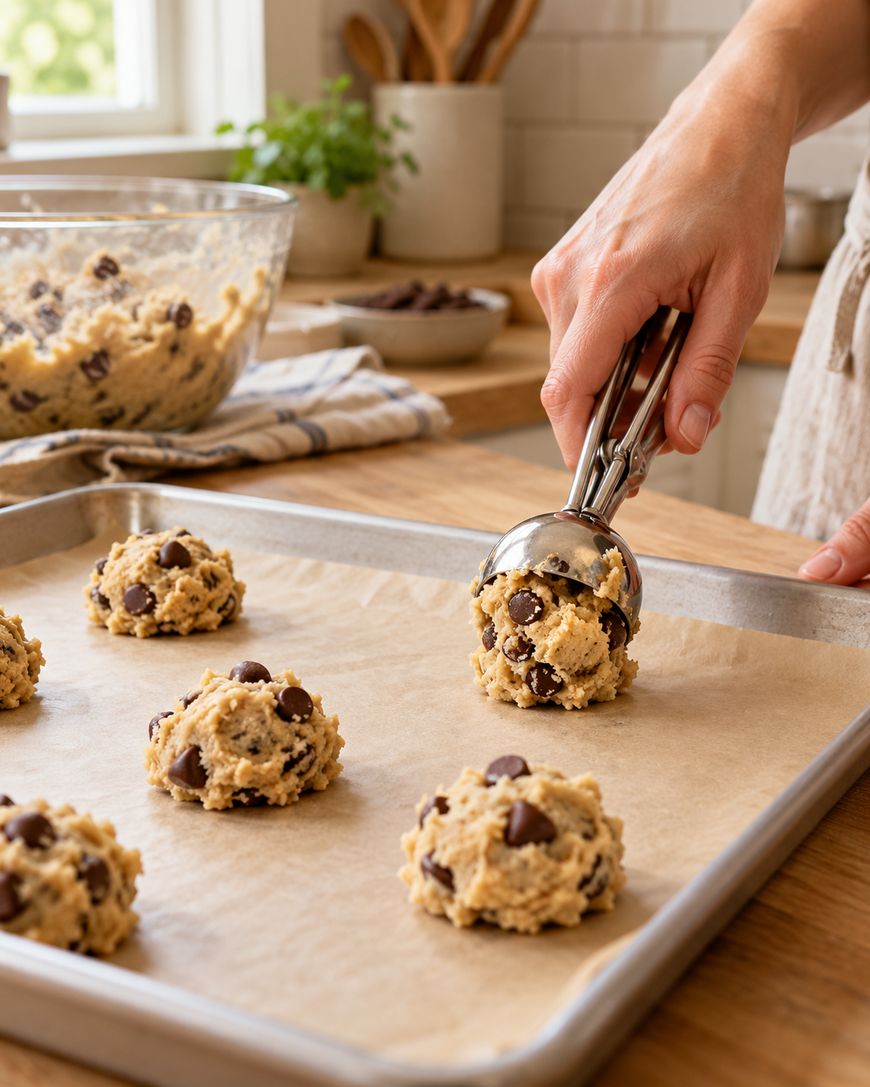
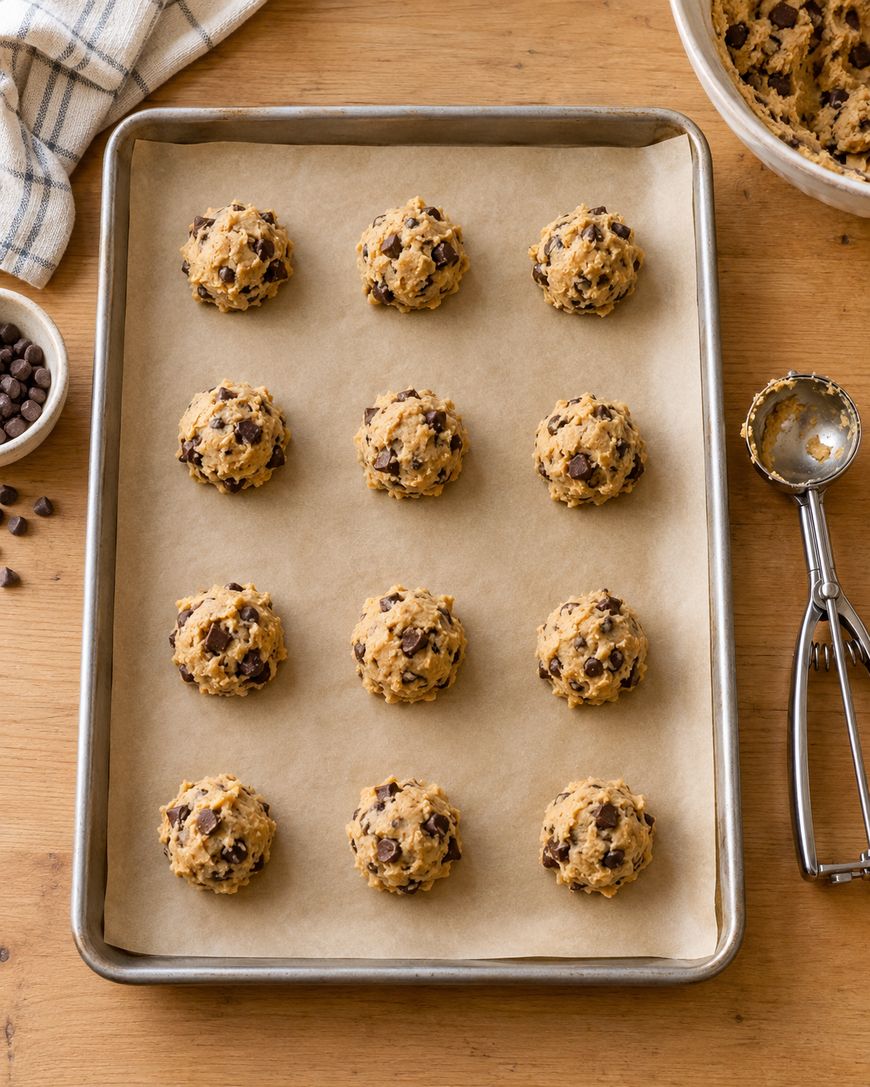
Heat the oven to 350°F and line two large rimmed baking sheets with parchment paper. Use a 3 tablespoon cookie scoop to portion the dough, placing 12 mounds on each sheet about 2 inches apart.
Bake one sheet at a time on the center rack for 11 to 13 minutes. The edges should be set and lightly golden while the centers still look slightly soft.
Cool the Cookies
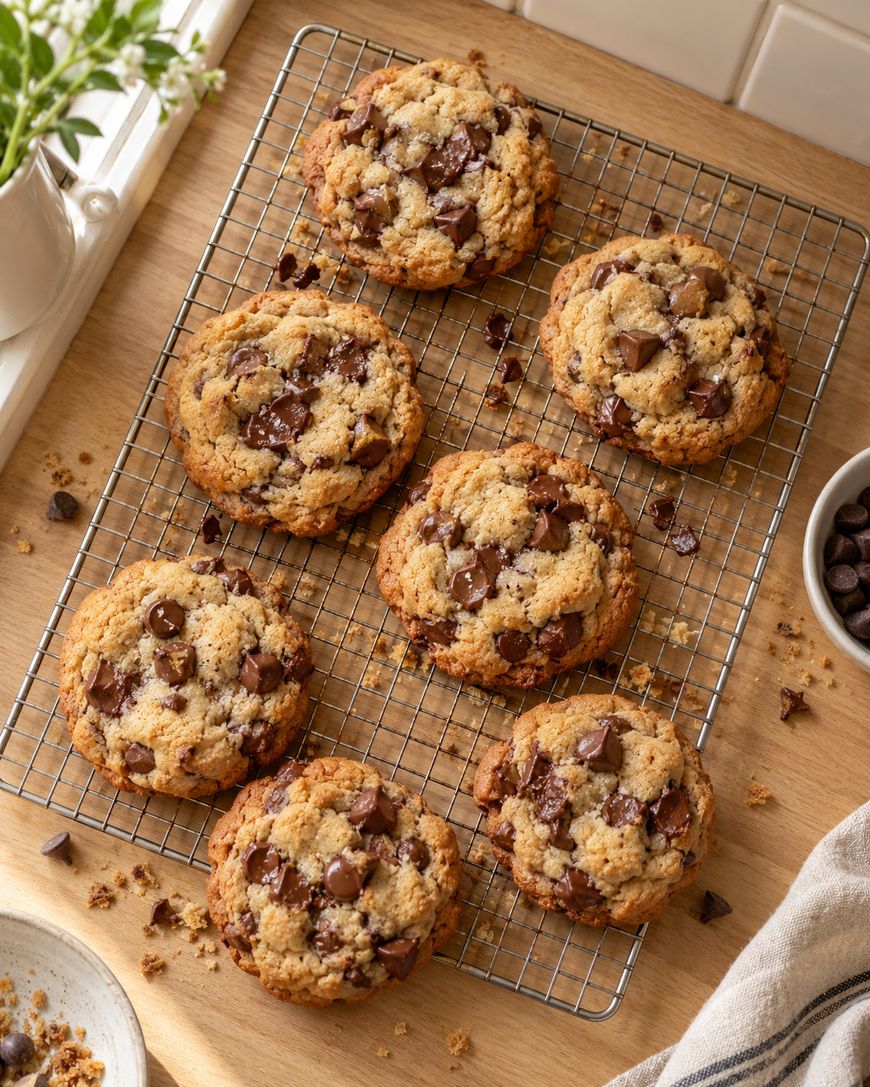
Let the cookies rest on the baking sheet for 5 minutes, then move them to a wire rack. They finish setting as they cool, which keeps the centers soft instead of dry.
Tips for the Best Pudding Cookies
The best pudding cookies come from properly softened butter, a light hand with the flour, and pulling the pan from the oven while the centers still look a little underdone. A few small habits make the difference between good and bakery-level.
Start With Properly Softened Butter
Butter that is too warm makes the dough greasy and lets the cookies spread into thin puddles. Aim for about 65°F, which feels cool to the touch but gives when you press it.
Measure the Flour Carefully
A kitchen scale takes the guesswork out, and 2 1/4 cups of all-purpose flour is about 280 grams. If you measure by cup, spoon the flour in and level it off.
Use Light-Colored Baking Sheets
Light aluminum pans brown cookies evenly, while dark pans can scorch the bottoms. Parchment paper also prevents sticking and makes cleanup easy.
Pull Them Out Early
The cookies keep baking on the hot pan after they leave the oven. Take them out while the centers still look slightly soft, and they will set into that chewy texture as they cool.
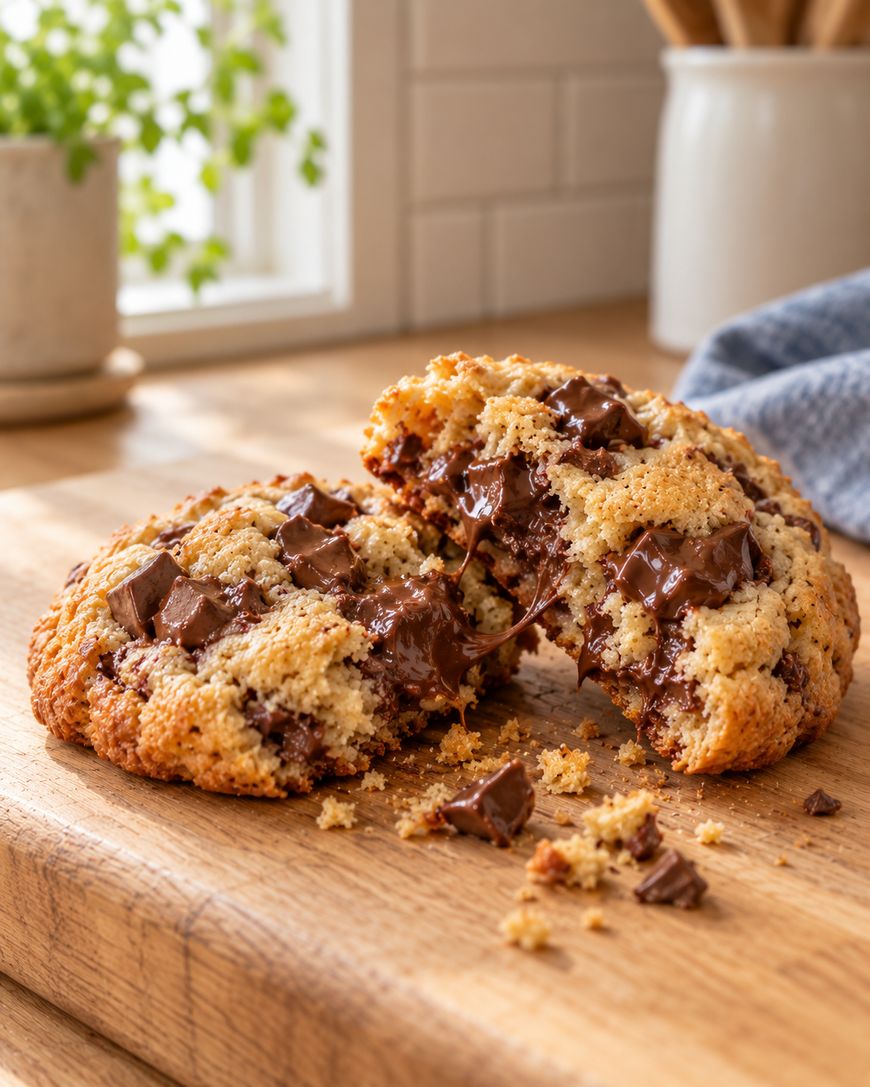
For a bakery-style look, press a few extra chocolate chips onto the tops right when the pans come out of the oven.
Pudding Cookie Variations and Substitutions
You can change the flavor of pudding cookies by swapping the pudding mix, the mix-ins, or both. The card uses vanilla pudding and semisweet chips as the base, so treat everything in this section as an optional twist.
Switch the Pudding Flavor
Swap the vanilla for another flavor of instant pudding mix in the same 3.4 ounce size, such as butterscotch, white chocolate, pistachio, or cheesecake. Every other amount in the recipe stays the same.
Chocolate pudding mix makes a double chocolate cookie with a deep, fudgy flavor.
Change the Mix-Ins
Replace the semisweet chips with white chocolate chips, butterscotch chips, or peanut butter chips. Chopped toasted pecans or walnuts also work, and the card leaves them out, so treat them as optional.
Try a Different Cookie Size
The card makes 24 large cookies with a 3 tablespoon scoop. Smaller scoops make more cookies and bake faster, so start checking them a few minutes early.
How to Serve Pudding Cookies
Pudding cookies are best served slightly warm with a cold glass of milk, because the chocolate chips soften and the centers turn extra tender. Ten seconds in the microwave brings a day-old cookie back to that just-baked feeling.
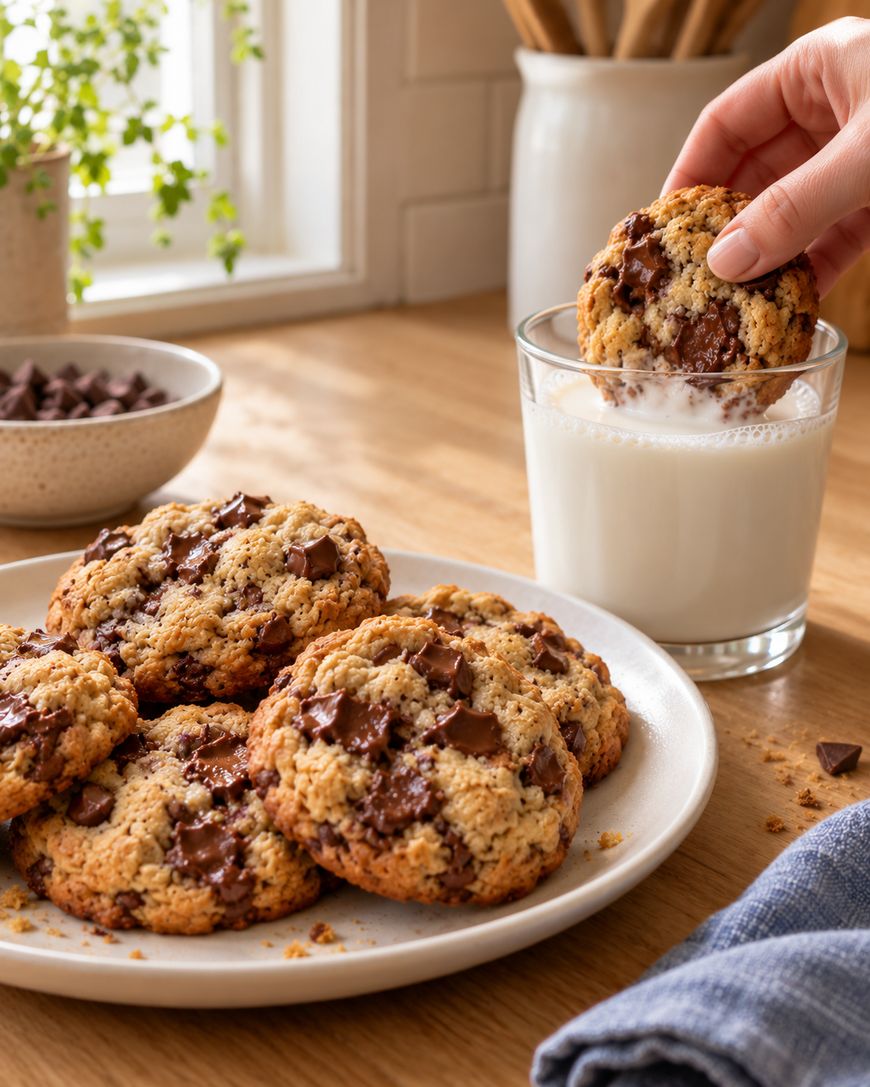
For an easy dessert, press a scoop of vanilla ice cream between two cookies to make ice cream sandwiches.

They also stack beautifully on a cookie platter, pack well in lunchboxes, and travel without crumbling, which makes them a smart pick for bake sales and potlucks.
Wrap a few in parchment and tie them with twine for a quick homemade gift.
How to Store and Freeze Pudding Cookies
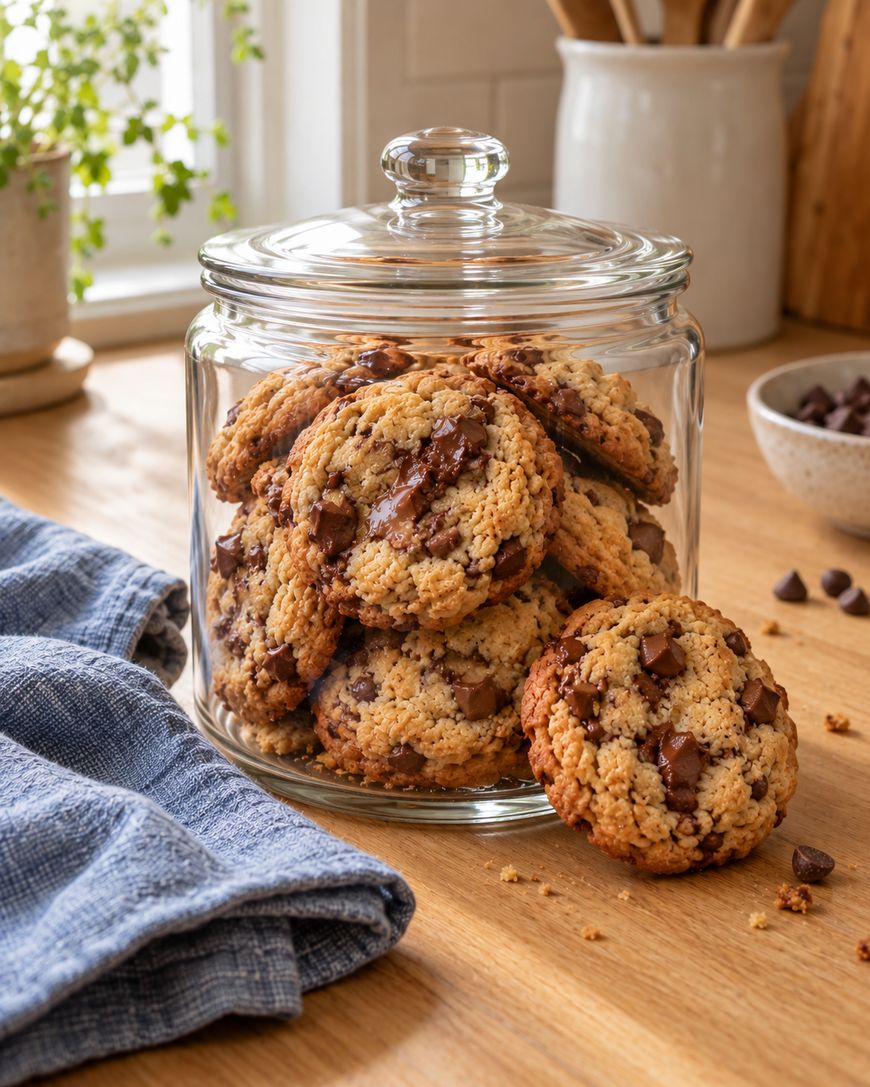
Store cooled pudding cookies in an airtight container at room temperature for up to 4 days. If you stack them, place a sheet of parchment paper between the layers.
Freeze Baked Cookies
Freeze fully cooled cookies in a freezer bag for up to 3 months. Thaw them on the counter for about 30 minutes before serving.
Freeze the Dough
Scoop the dough into balls, freeze them on a tray until firm, then transfer them to a freezer bag for up to 3 months. Bake straight from the freezer at 350°F and add 1 to 2 minutes to the bake time.
Make the Dough Ahead
The dough keeps in a covered bowl in the refrigerator for up to 2 days, so you can mix it ahead and bake whenever the craving hits. Do not eat the raw dough, since the FDA advises against eating raw cookie dough because of the raw flour and raw eggs.
The Story Behind Pudding Cookies
Instant pudding mix became a pantry staple in American kitchens in the 1950s, and bakers soon discovered it could do more than fill dessert cups. Stirring the dry powder into cookie dough became a popular shortcut for soft, tender cookies.
The idea still travels through family recipe boxes, church cookbooks, and potluck swaps, which is a big part of why pudding cookies feel so nostalgic.
The method also rewards beginners because the pudding mix is forgiving. Slightly warm butter or an extra minute in the oven still gives you a soft cookie.
Today you will find versions in nearly every flavor, from classic chocolate chip to pistachio and cheesecake, but the simple vanilla and chocolate chip combination remains the favorite.
Get the Full Pudding Cookies Recipe Card
Use the printable card below for exact measurements, times, and nutrition details for your next batch of pudding cookies.

Pudding Cookies
Thick, soft pudding cookies made with instant vanilla pudding mix and semisweet chocolate chips for chewy centers that stay tender for days.
Ingredients
- 1 cup (226 g) unsalted butter, softened
- 1/2 cup (100 g) granulated sugar
- 3/4 cup (165 g) packed light brown sugar
- 1 box (3.4 ounces) instant vanilla pudding mix, dry
- 2 large eggs, room temperature
- 2 teaspoons pure vanilla extract
- 2 1/4 cups (280 g) all-purpose flour
- 1 teaspoon baking soda
- 1/2 teaspoon fine salt
- 1 1/2 cups (255 g) semisweet chocolate chips
Instructions
- Whisk the flour, baking soda, and salt together in a medium bowl and set aside.
- In a large bowl, beat the butter, granulated sugar, and brown sugar on medium speed for 2 minutes until pale and fluffy.
- Add the dry pudding mix and beat for 30 seconds until no streaks of powder remain.
- Beat in the eggs one at a time, then the vanilla, scraping down the bowl.
- Add the flour mixture in two additions on low speed, mixing only until the last streaks of flour disappear.
- Stir in the chocolate chips by hand.
- Cover the bowl and refrigerate the dough for 30 minutes.
- Heat the oven to 350°F and line two large rimmed baking sheets with parchment paper.
- Scoop the dough with a 3 tablespoon cookie scoop, placing 12 mounds on each sheet about 2 inches apart.
- Bake one sheet at a time on the center rack for 11 to 13 minutes, until the edges are set and lightly golden and the centers still look slightly soft.
- Cool the cookies on the baking sheet for 5 minutes, then transfer to a wire rack.
Notes
Use instant pudding mix straight from the box, not cook-and-serve and not prepared with milk. Store cooled cookies in an airtight container at room temperature for up to 4 days. Freeze baked cookies for up to 3 months. Freeze scooped dough balls for up to 3 months and bake from frozen at 350°F, adding 1 to 2 minutes. The dough keeps covered in the refrigerator for up to 2 days. Do not eat raw cookie dough.
Nutrition Information:
Yield:
24Serving Size:
1 cookieAmount Per Serving: Calories: 225Total Fat: 11gSaturated Fat: 7gSodium: 160mgCarbohydrates: 30gFiber: 1gSugar: 19gProtein: 2g
Pudding Cookies FAQ
Do you make the pudding first for pudding cookies?
No, because the instant pudding mix goes in dry, straight from the box, and gets beaten into the butter and sugar. Preparing it with milk would add liquid the dough does not need.
Can you use cook-and-serve pudding mix?
The card is written for instant pudding mix. Cook-and-serve is a different product that is meant to thicken on the stove, so we recommend sticking with instant.
Why are my pudding cookies flat?
Butter that is too soft is the most common cause, followed by skipping the chill time or baking on a hot pan. Let your baking sheet cool between batches, and chill the dough again if it feels sticky.
How do you keep pudding cookies soft?
Pull them from the oven while the centers still look slightly underdone, cool them on a rack, and store them in an airtight container. They stay soft for up to 4 days.
Can you freeze pudding cookie dough?
Yes. Freeze scooped dough balls on a tray, move them to a freezer bag for up to 3 months, and bake from frozen at 350°F with 1 to 2 extra minutes.
How many pudding cookies does this recipe make?
The recipe makes 24 large cookies when you portion the dough with a 3 tablespoon scoop.
Why This Pudding Cookies Recipe Works
This recipe works because it relies on the classic creaming method, where the butter and sugars are beaten until pale and fluffy before anything else goes in. That step traps air in the dough, and the air expands in the oven to give the cookies lift.
The dry pudding mix is beaten in with the butter and sugar, so the powder disperses evenly through the dough. Its starch then holds onto moisture, which is what keeps the centers soft.
The recipe uses just 1 teaspoon of baking soda, a modest amount that lets the cookies spread enough without puffing up like cake. A 30 minute chill then firms the butter so the cookies bake thick instead of thin.
Finally, pulling the pans at 11 to 13 minutes while the centers still look soft lets the heat of the pan finish the job, so you get chewy centers and golden edges.
Final Thoughts on Making Pudding Cookies
Pudding cookies prove that one small pantry swap can turn an ordinary cookie into a thick, soft, bakery-style treat. Grab a box of instant pudding mix, chill the dough while the oven heats, and bake a batch today.
Save the recipe card to your dessert board, and tell us in the comments which pudding flavor you plan to try first.