Last updated: July 11, 2026
This pumpkin pie spice recipe takes five minutes and uses spices already sitting in your pantry. See the recipe card below for exact measurements and storage notes.
What Is Pumpkin Pie Spice?
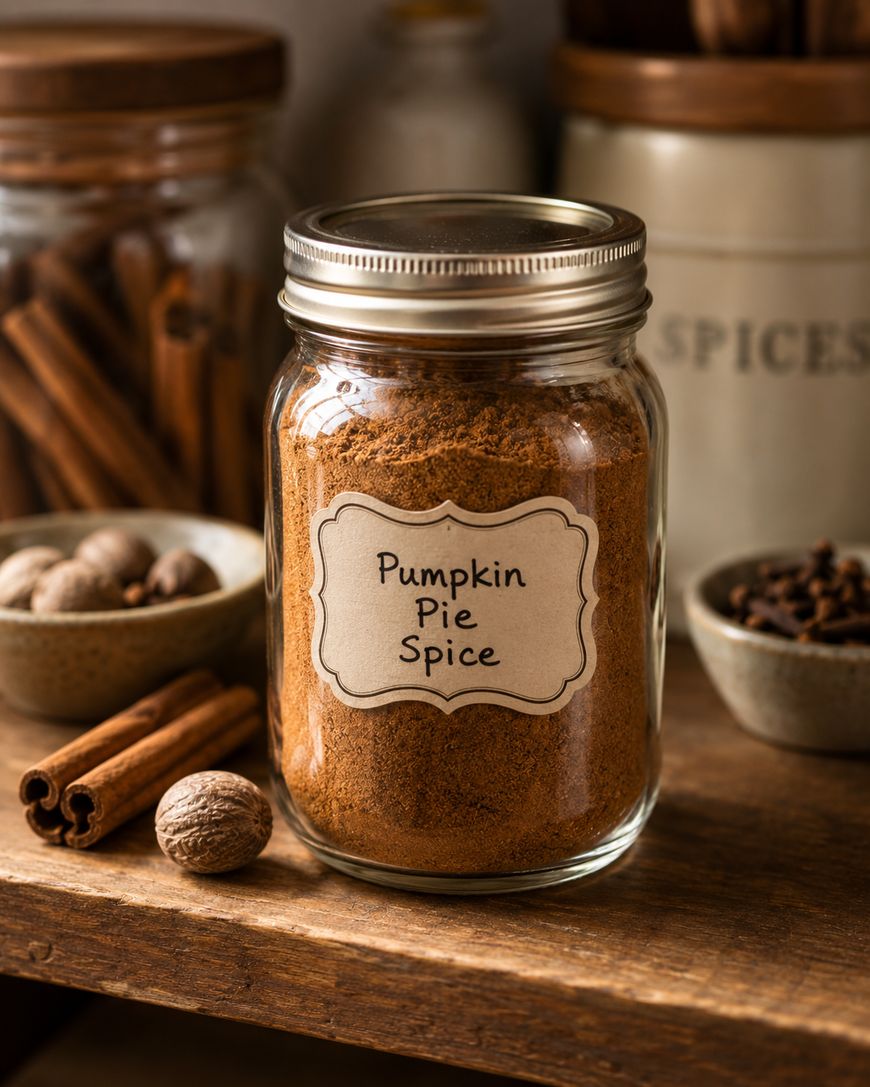
Pumpkin pie spice is a pre-blended mix of warm spices used in American baking since at least the mid-20th century. It became a grocery staple through brands like McCormick, which popularized the standardized blend of cinnamon, ginger, nutmeg, allspice, and cloves.
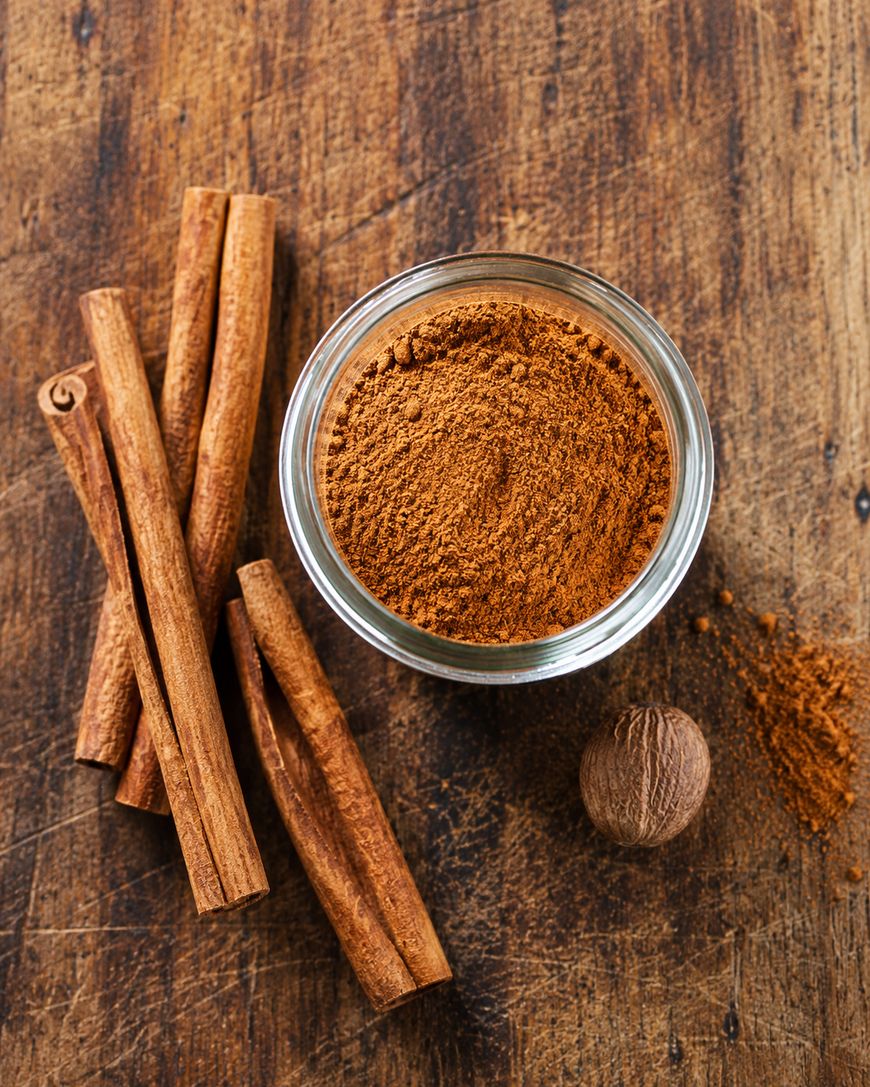
The blend does not actually contain pumpkin. Instead, it mirrors the spice profile that traditional New England pumpkin pie recipes have used since colonial times, drawing on spices imported from the Caribbean and Southeast Asia.
Making it at home gives you full control over the ratios and guarantees freshness. Pre-packaged blends often sit on store shelves for months, losing potency well before the expiration date.
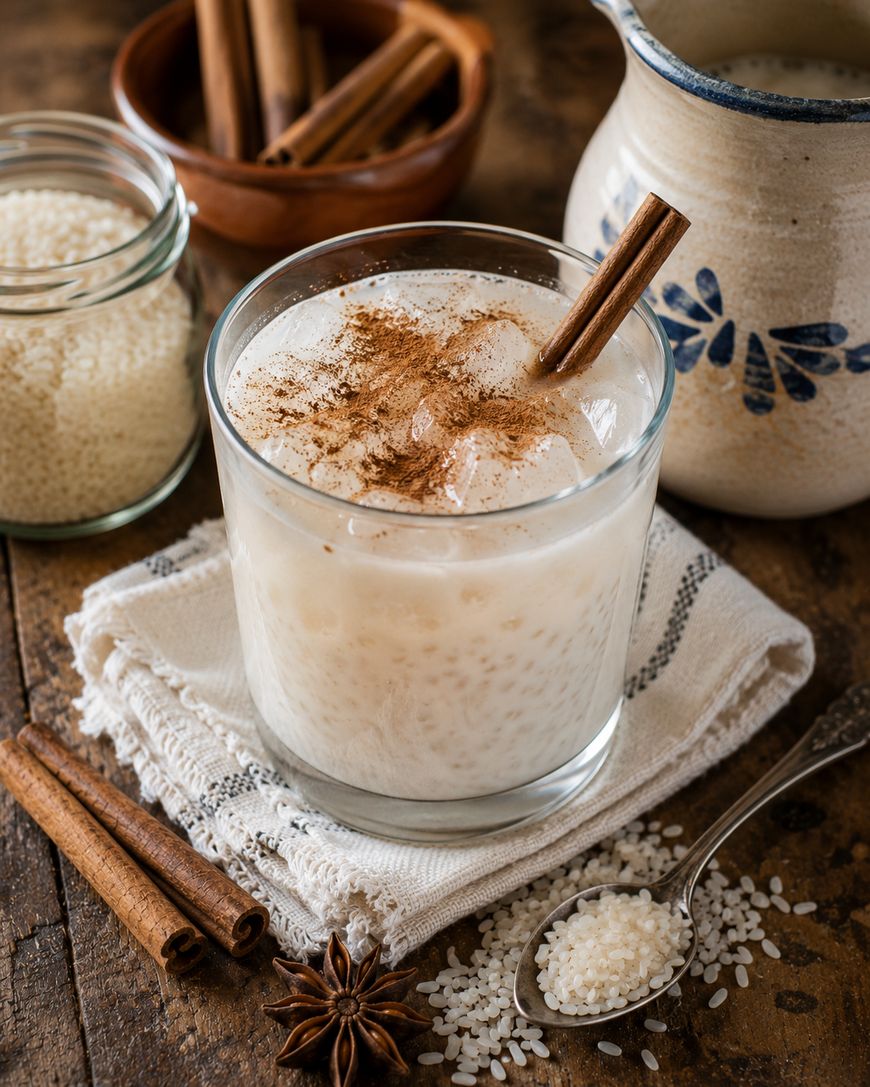
Ingredients for Pumpkin Pie Spice
The Core Spices
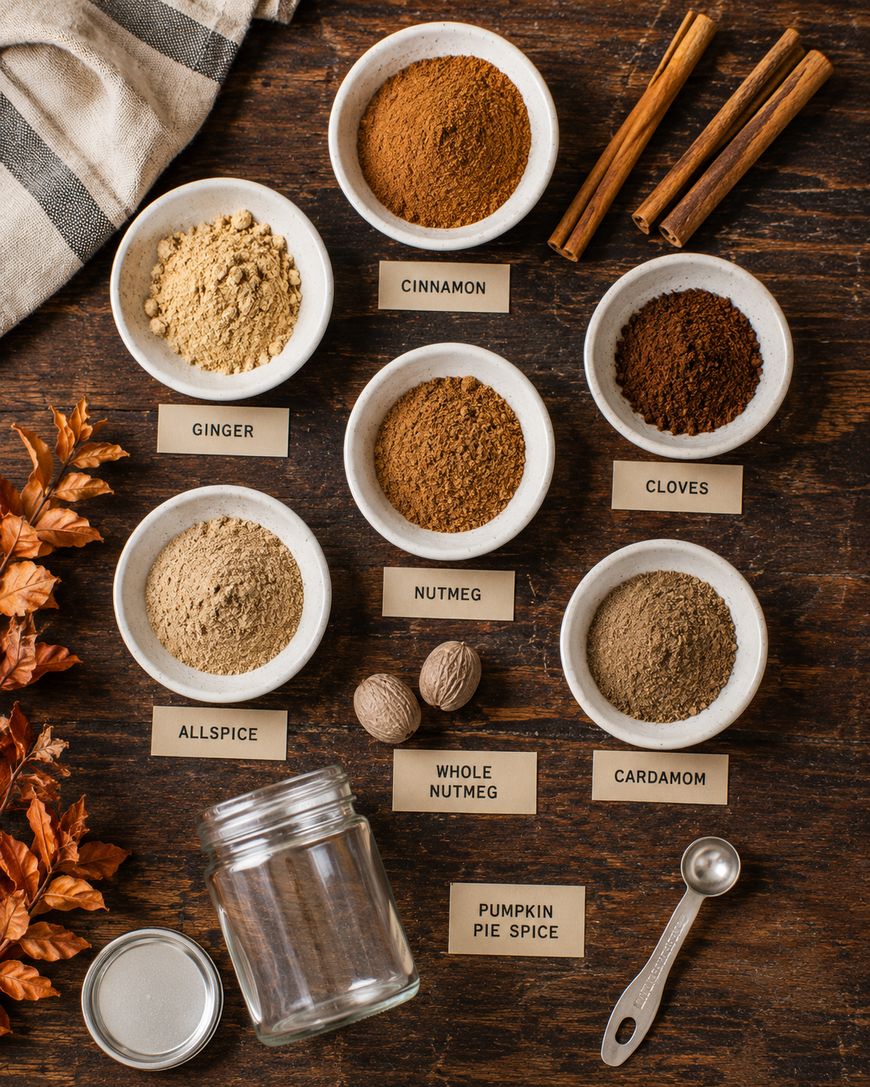
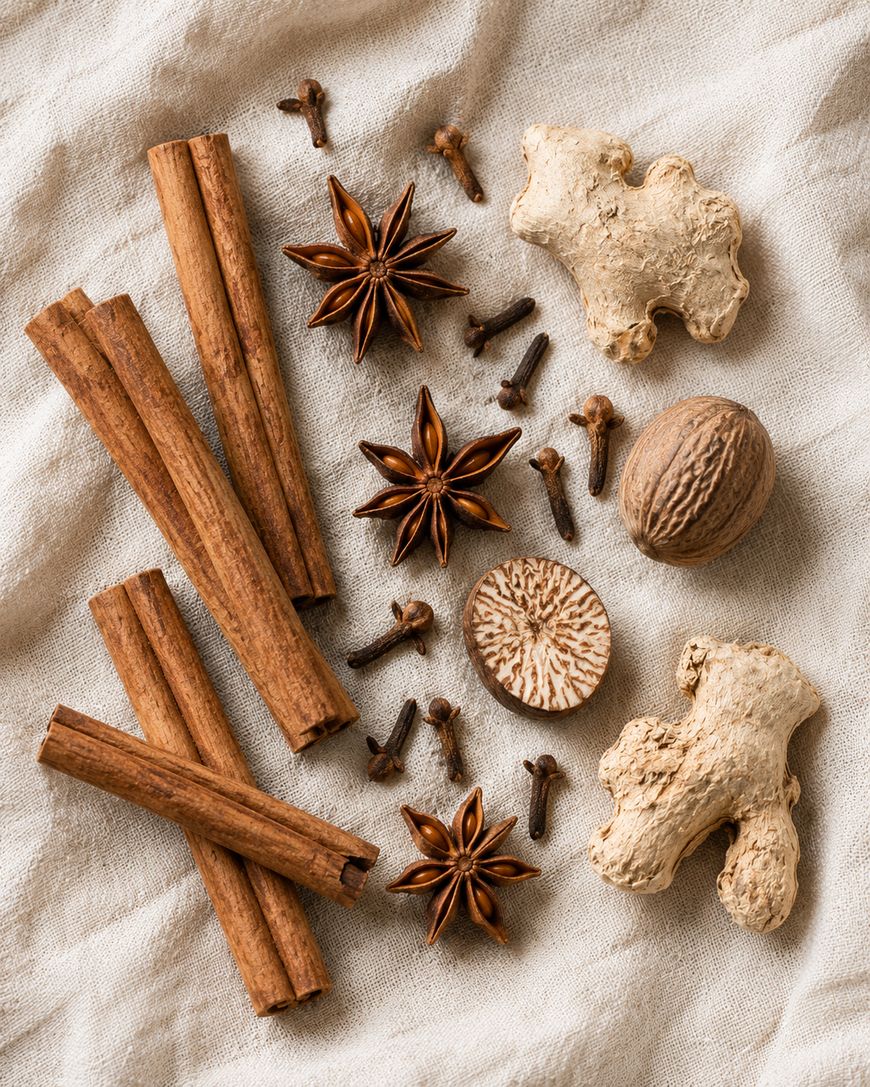
Cinnamon is the backbone of the blend. Ceylon cinnamon (also called true cinnamon, from Sri Lanka) has a delicate, floral heat. Cassia cinnamon (the dominant variety in most US grocery stores, often from Vietnam or Indonesia) is sharper and more pungent. Either works, but Ceylon is worth seeking out for a more nuanced result.
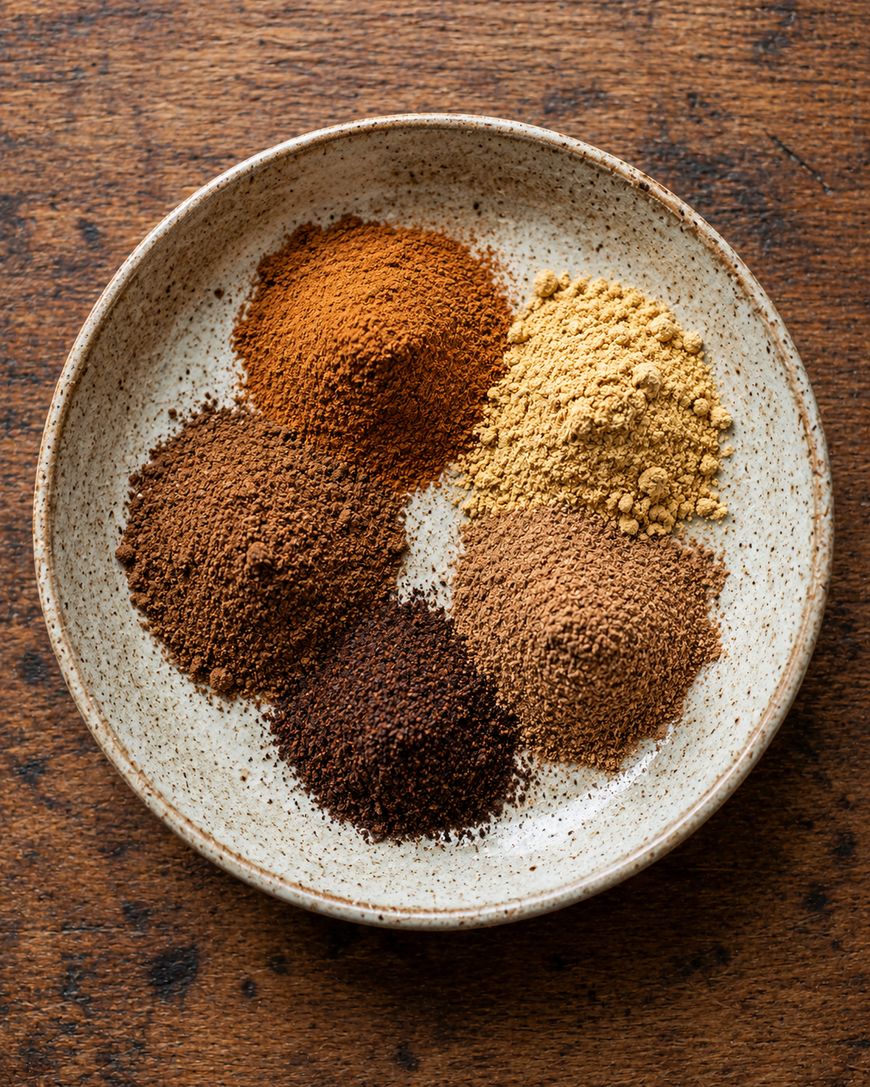
Ground ginger adds a dry, peppery warmth that is distinct from fresh ginger. Do not substitute fresh or crystallized ginger here since the moisture content will throw off the texture and shelf life of the blend.
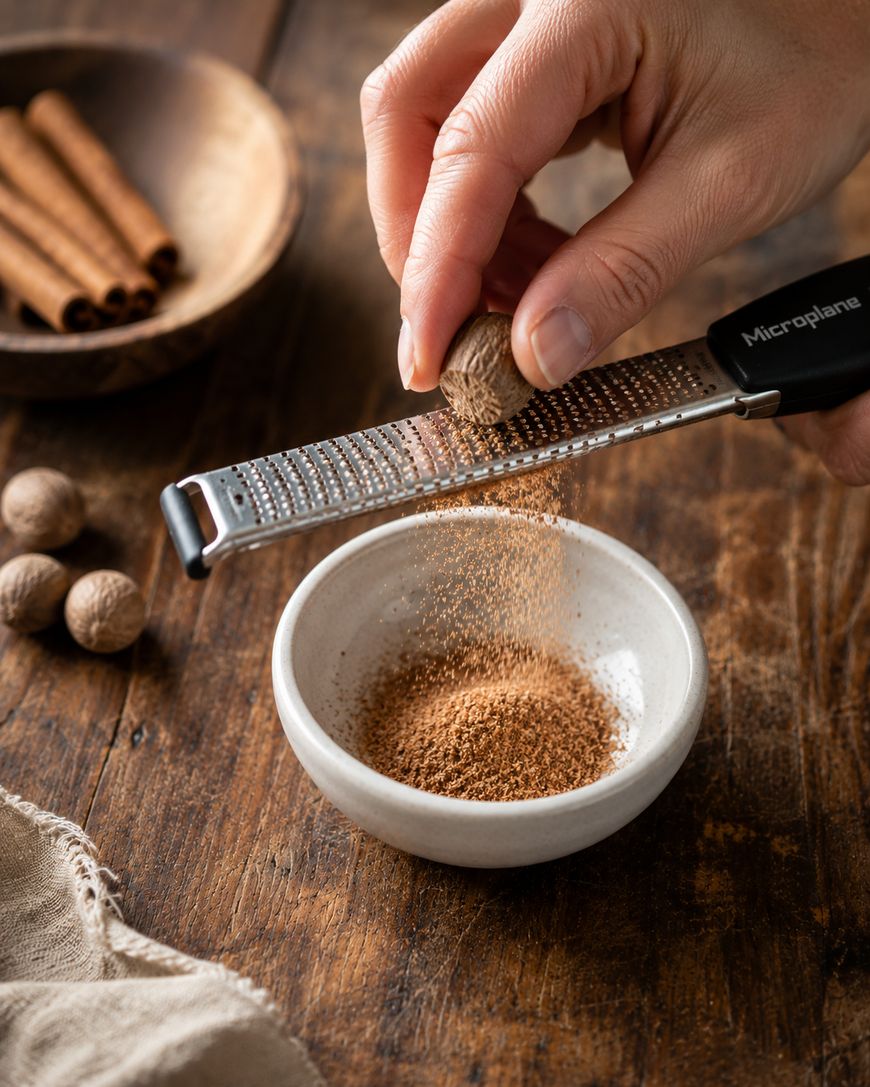
Freshly grated whole nutmeg outperforms pre-ground nutmeg in every measurable way. A Microplane or the fine side of a box grater takes about 10 seconds, and the difference in aroma and flavor is significant. Whole nutmeg is native to the Banda Islands of Indonesia and was historically one of the most valuable spices in the world.
Supporting Spices
Ground cloves contribute a deep, almost medicinal sharpness. A small amount goes a long way. Using too much clove will overwhelm the cinnamon, so this recipe keeps it restrained.
Allspice is the dried berry of Pimenta dioica, a tree native to Jamaica and Central America. It earned its name because early European colonists thought it tasted like a combination of cinnamon, cloves, and nutmeg. It rounds out the blend and ties the other spices together.
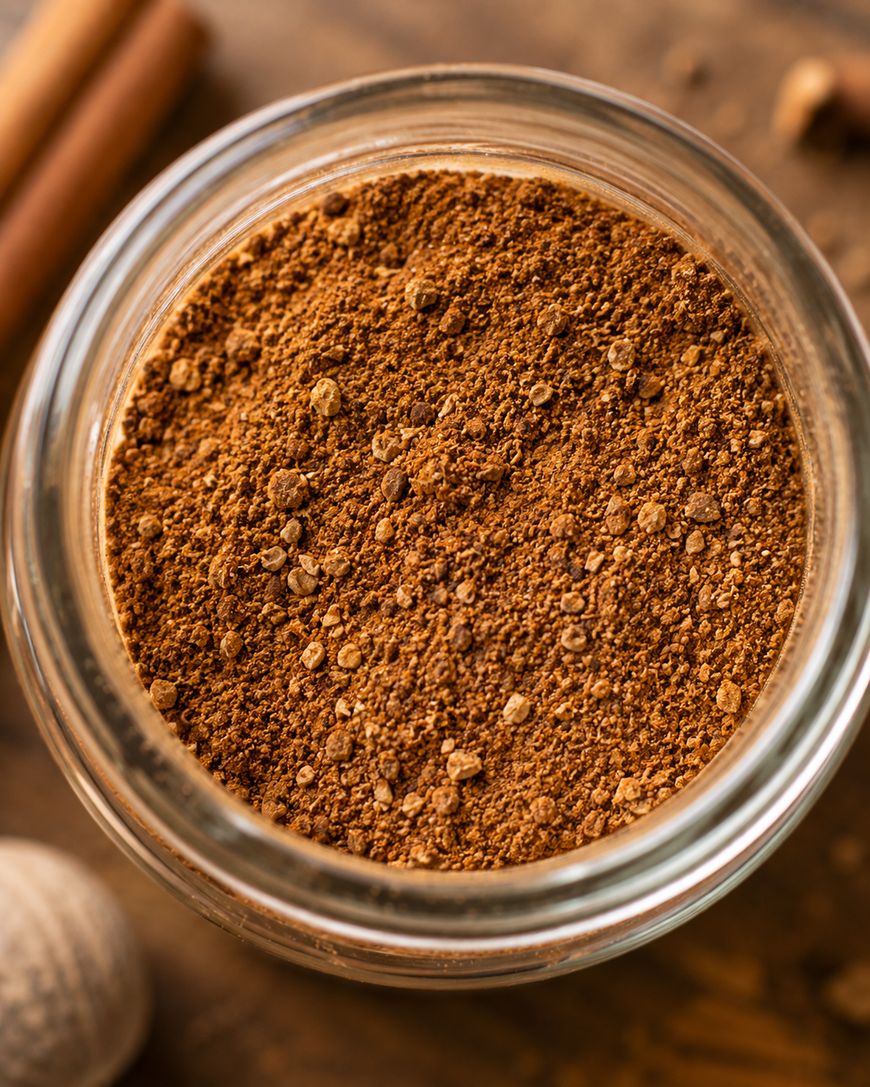
Some recipes add cardamom. Ground cardamom from Elettaria cardamomum (green cardamom) adds a citrusy, floral note that plays well in coffee drinks and baked goods like Swedish pepparkaka. It is optional in this recipe but recommended if you plan to use the blend in lattes or oatmeal.
How to Make Pumpkin Pie Spice
Mixing the Blend
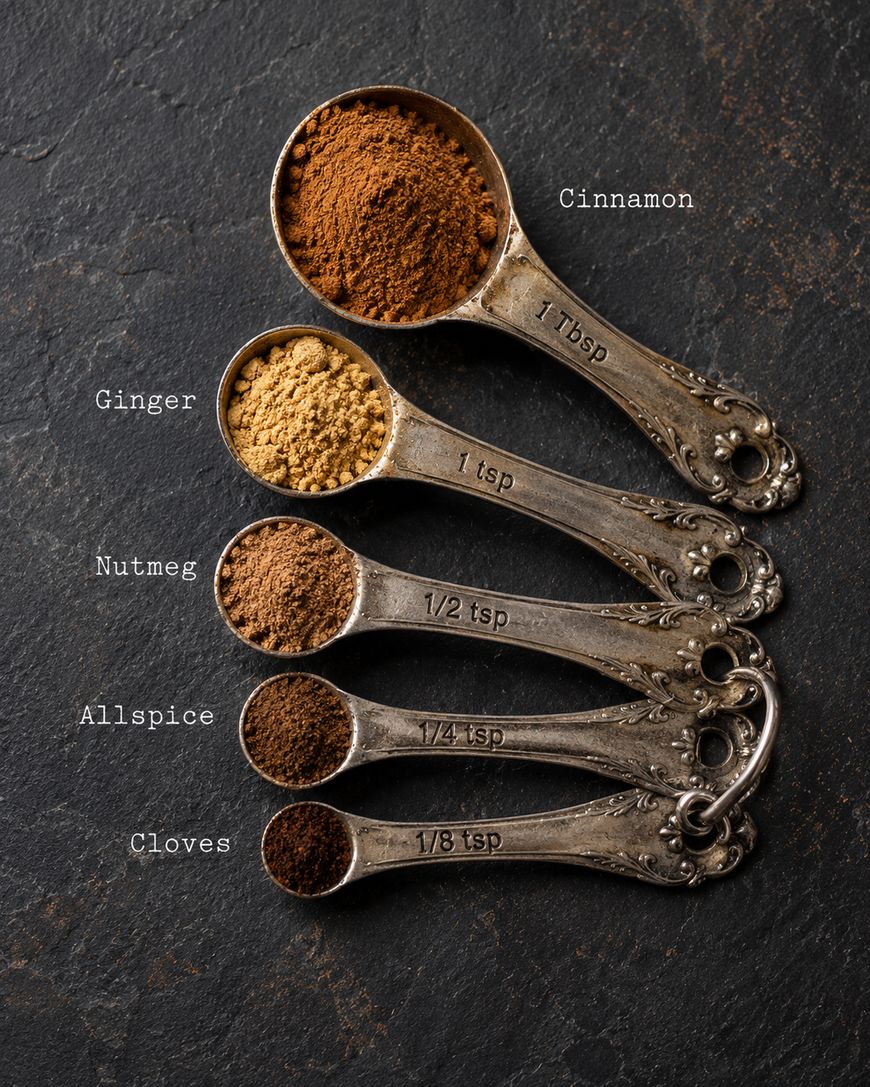
Measure each spice into a small bowl, starting with cinnamon, then ginger, nutmeg, allspice, and cloves. Use level measurements from dry measuring spoons rather than scooping directly from the jar, which packs the spice and throws off ratios.
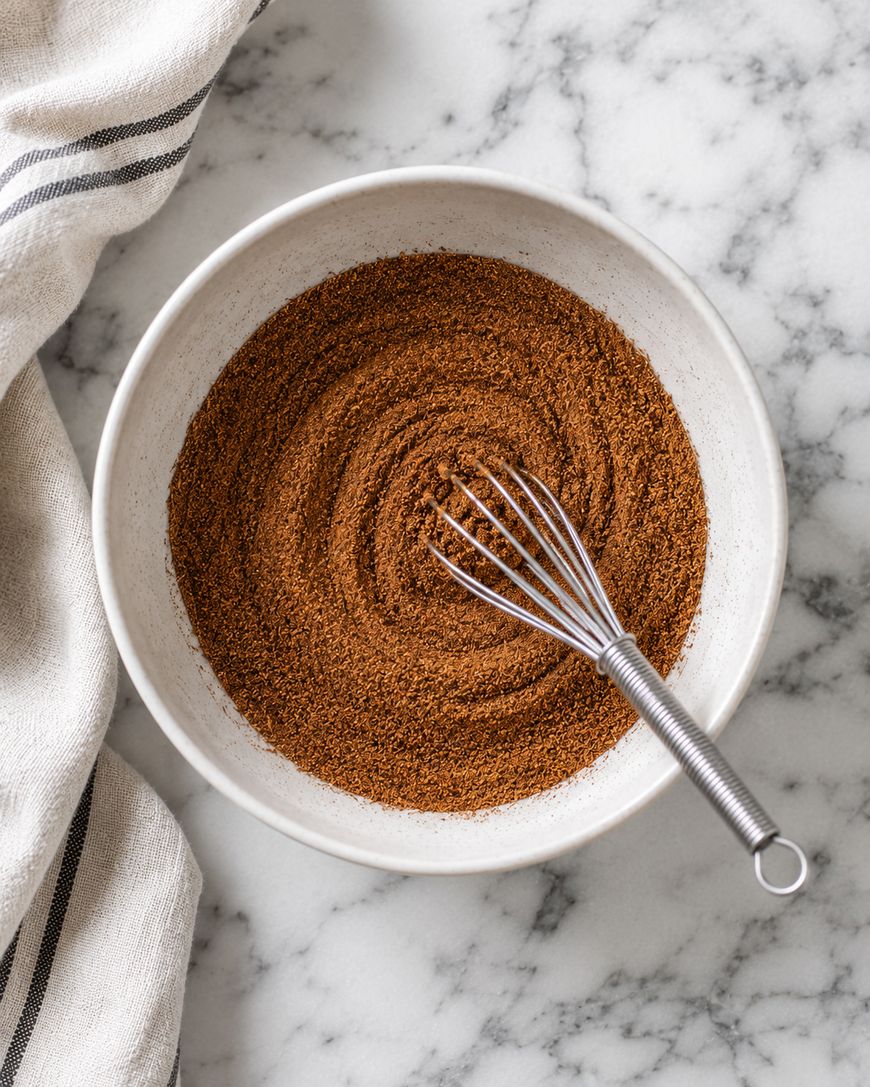
Whisk everything together until the color is uniform. A small balloon whisk works better than a fork because it breaks up any clumps in the ground spices. Alternatively, add everything to a small jar, cap it, and shake.
Taste a tiny pinch on the tip of your finger. The cinnamon should be forward, ginger and nutmeg clear in the middle, and clove a background note. Adjust to your preference before storing.
Storage
Transfer the finished blend to a clean, dry glass jar with a tight-fitting lid. An airtight container is important because ground spices absorb ambient moisture and odors quickly.
Label the jar with the date. Stored away from heat and direct light, the blend stays at peak potency for up to six months. After that, it will not be harmful but the flavor will have faded noticeably.
Do not store the jar above the stove or beside the oven. Heat accelerates oxidation and moisture fluctuations break down volatile aromatic compounds.
Variations and Substitutions
Adjusting the Ratios
If you prefer a warmer, more gingery blend, increase the ground ginger from one-half teaspoon to three-quarters. This variation works especially well in gingerbread and chai-spiced baked goods.
For a subtler, more cinnamon-forward blend closer to the Trader Joe’s Pumpkin Pie Spice, reduce the cloves to a pinch and omit the allspice entirely. The result is gentler and works well in delicate applications like whipped cream or butter.
If You Are Missing a Spice
No allspice? Use a combination of a tiny extra pinch each of cinnamon, cloves, and nutmeg to approximate it. The substitution is imperfect but workable.
No cloves? Increase the allspice slightly. Both spices share a eugenol compound that gives them their characteristic warmth.
Mace (the lacy outer covering of the nutmeg seed) can replace nutmeg at a 1:1 ratio. Mace is slightly more delicate and floral, making it a good swap in pastry applications.
How to Use Pumpkin Pie Spice
Baking
The obvious application is pumpkin pie, where a measured teaspoon or two goes directly into the custard filling. It also belongs in pumpkin bread, pumpkin muffins, and pumpkin cheesecake.
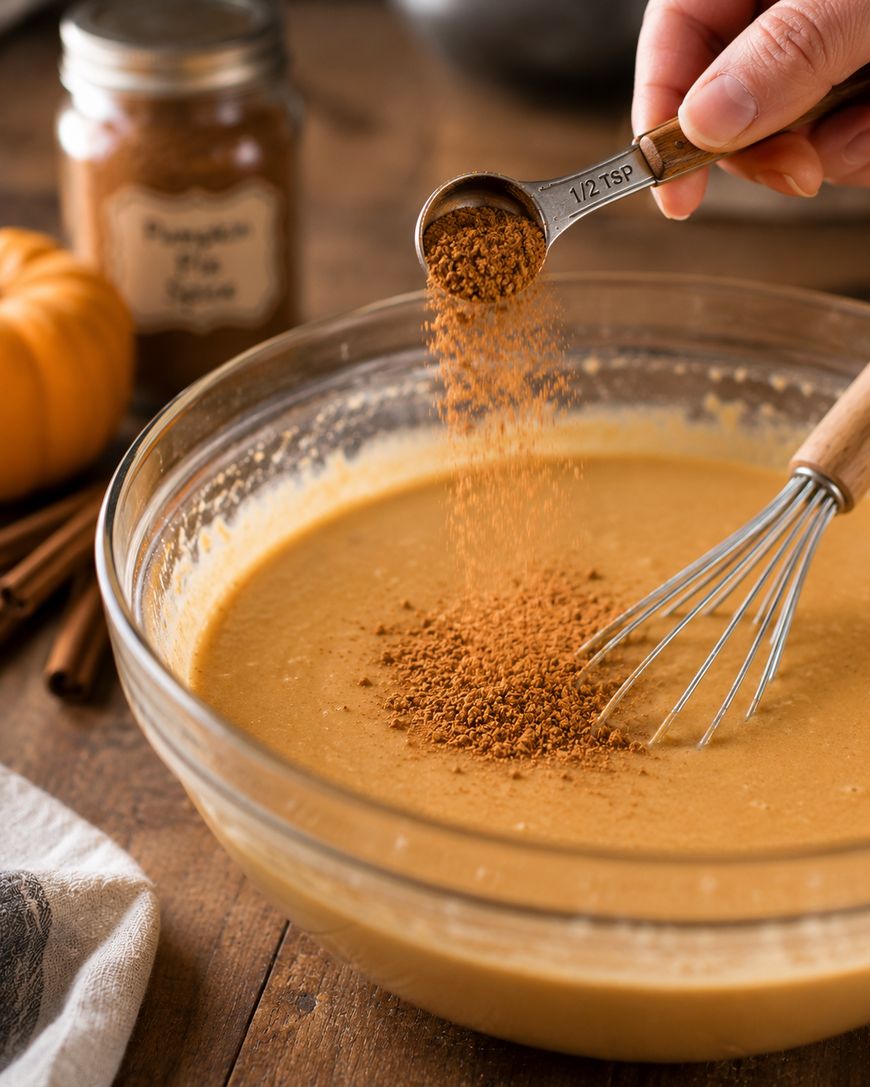
Stir a half-teaspoon into pancake or waffle batter for an immediate autumn upgrade. Use it to spice the apples in an apple crisp instead of plain cinnamon. Add it to the streusel topping on a coffee cake.
Drinks
Stir a quarter-teaspoon into a mug of warm apple cider. Whisk a pinch into heavy cream before whipping it to top a latte or hot cocoa.
To make a pumpkin spice simple syrup, combine one cup of sugar, one cup of water, and one tablespoon of pumpkin pie spice in a small saucepan. Simmer for five minutes, strain through a fine mesh sieve, and refrigerate for up to two weeks.
Savory Applications
Pumpkin pie spice is underused in savory cooking. A small pinch stirred into a butternut squash soup adds depth without tasting sweet. It works well in a Moroccan-inspired lamb tagine or in the spice rub for a slow-roasted pork shoulder.
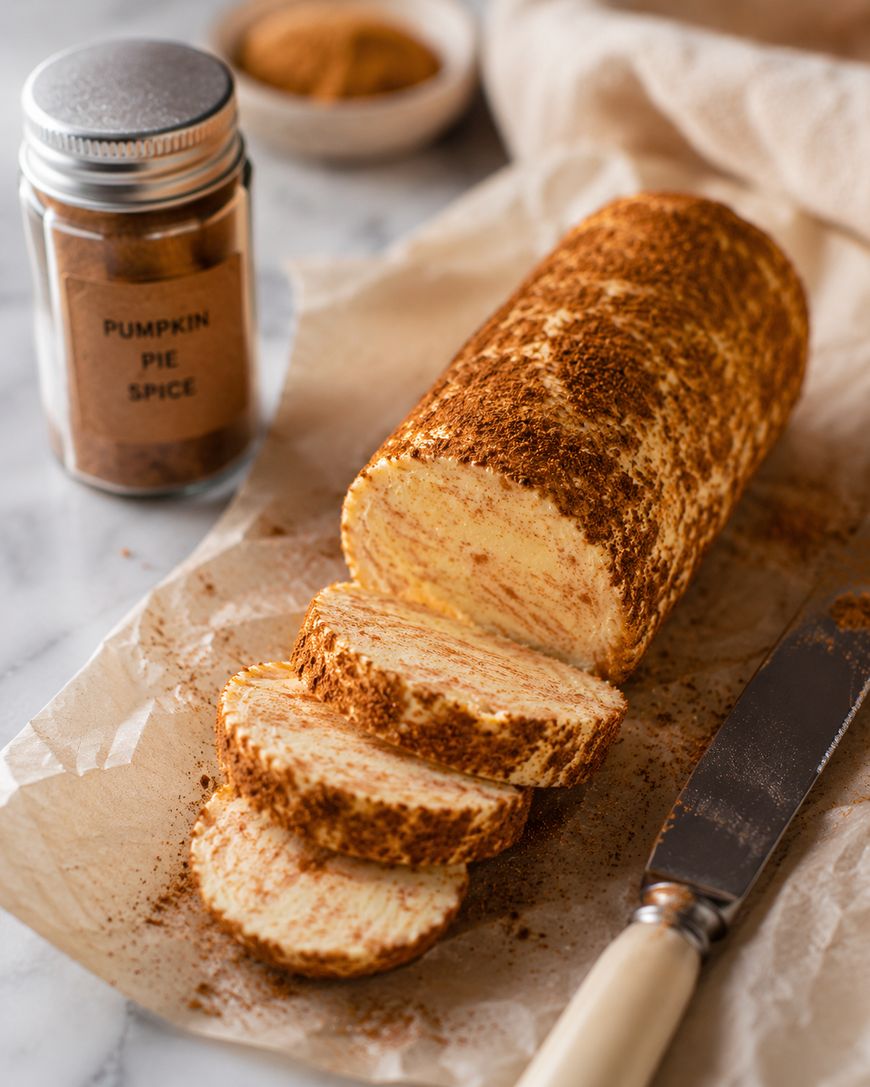
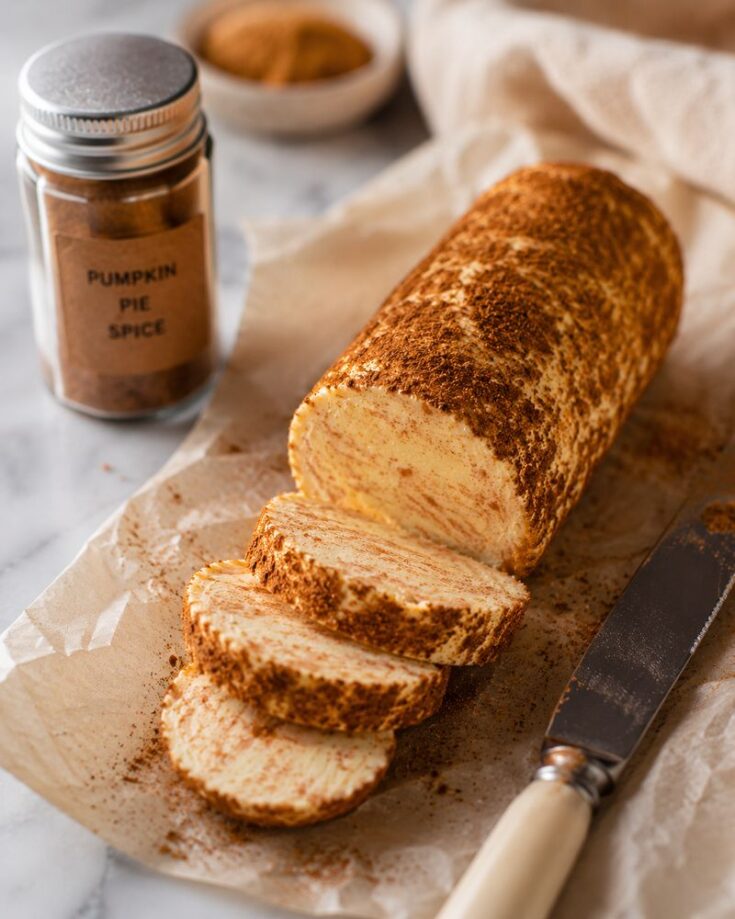
Mixed into softened butter with a pinch of salt, it becomes a compound butter that pairs well with roasted sweet potatoes or a stack of pancakes.
A Brief History of Pumpkin Spice in America
Pumpkin has been cultivated in North America for at least 5,000 years and was a dietary staple for many Indigenous peoples, including the Haudenosaunee (Iroquois Confederacy) and the Narragansett of present-day Rhode Island.
Early European settlers adopted pumpkin as a survival crop. Recipes from colonial New England describe custard-filled pumpkin shells seasoned with ginger, nutmeg, and cinnamon, baked directly in the fireplace. These recipes closely resemble the pumpkin pie that became a Thanksgiving tradition.
The commercial spice blend we know today was standardized in the 1950s, when convenience food culture drove demand for pre-mixed seasonings. Starbucks introduced the Pumpkin Spice Latte in 2003, and the flavor became a cultural phenomenon, effectively extending the commercial “pumpkin spice season” from Labor Day through November.
Use the recipe card below to mix up a fresh batch whenever the season calls for it.
Pumpkin Pie Spice Recipe
This pumpkin pie spice recipe blends cinnamon, ginger, nutmeg, allspice, and cloves in five minutes using pantry staples. One small batch keeps for up to six months and outperforms any pre-packaged store-bought version.
Ingredients
- 3 tablespoons ground cinnamon
- 2 teaspoons ground ginger
- 2 teaspoons ground nutmeg (freshly grated preferred)
- 1 teaspoon ground allspice
- 1 teaspoon ground cloves
- 1/2 teaspoon ground cardamom (optional)
Instructions
- Measure all spices into a small bowl.
- Whisk together until evenly combined and the color is uniform throughout.
- Transfer to a clean, dry, airtight glass jar.
- Label with the date and store away from heat and direct light for up to six months.
Notes
Use Ceylon cinnamon for a more delicate, floral flavor. Freshly grated whole nutmeg makes a noticeable difference in aroma. To make a smaller batch, halve all measurements.
Nutrition Information:
Yield:
9Serving Size:
1 teaspoonAmount Per Serving: Calories: 6Total Fat: 0gSaturated Fat: 0gSodium: 1mgCarbohydrates: 2gFiber: 1gSugar: 0gProtein: 0g
This site provides estimated nutritional information. This information comes from online calculators. Although we try to provide accurate nutritional information, these figures are only estimates.
Pumpkin Pie Spice Recipe: Frequently Asked Questions
What spices are in pumpkin pie spice?
The standard pumpkin pie spice recipe includes cinnamon, ground ginger, ground nutmeg, ground allspice, and ground cloves. Some versions add a small amount of cardamom. Cinnamon makes up the largest share of the blend, typically about half of the total volume.
How much pumpkin pie spice replaces individual spices in a recipe?
If a recipe calls for separate amounts of cinnamon, ginger, nutmeg, and cloves, you can substitute the combined total with an equal amount of pumpkin pie spice. For example, if a recipe calls for one teaspoon cinnamon, one-quarter teaspoon ginger, one-eighth teaspoon nutmeg, and one-eighth teaspoon cloves, you can substitute one and a half teaspoons of pumpkin pie spice. Taste and adjust as needed.
How long does homemade pumpkin pie spice last?
Stored in an airtight glass jar away from heat and direct light, homemade pumpkin pie spice stays at its best for up to six months. Ground spices do not expire in a way that makes them unsafe, but they lose potency over time. If the blend smells faint when you open the jar, it is past its prime and should be replaced.
Can you use fresh ginger instead of ground ginger?
Fresh ginger is not a reliable substitute in this recipe. Ground ginger has a dry, concentrated heat that differs significantly from the bright, sharp flavor of fresh ginger root. Using fresh ginger adds moisture, which would clump the blend and shorten its shelf life. Stick to dried, ground ginger for consistent results.
Is pumpkin pie spice the same as apple pie spice?
They are similar but not identical. Apple pie spice typically uses a higher ratio of cinnamon and adds cardamom more consistently than pumpkin pie spice. Both blends contain cinnamon, nutmeg, and allspice. If you only have one on hand, they can be swapped in most recipes without a dramatic difference in the final result.
What is the best cinnamon for pumpkin pie spice?
Ceylon cinnamon (Cinnamomum verum) produces a more complex and delicate blend. Cassia cinnamon (Cinnamomum cassia or Cinnamomum aromaticum), which is the most common variety in US grocery stores, is sharper and more intense. For baking where cinnamon flavor is prominent, Ceylon is worth the slightly higher price. For everyday use, cassia works perfectly well.
Make This Pumpkin Pie Spice Recipe Year-Round
This pumpkin pie spice recipe is one of the simplest things you can make from scratch, and the flavor difference over store-bought is immediate. A single batch will last through most of the fall baking season and costs a fraction of pre-packaged alternatives. Keep a jar in the spice cabinet and reach for it anytime a recipe calls for warming spice.