Last updated: August 8, 2026
If you are searching for punch needle ideas, you are about to find ten projects you can realistically finish this week.
If you are searching for punch needle ideas, you are about to find ten projects you can realistically finish this week.
We will walk through simple designs, the supplies you actually need, and answers to the questions beginners ask most.
By the end of this post you will know exactly which project to start with and how to set yourself up for success.
Below are ten punch needle ideas ranked from simplest to more involved, so you can choose based on how much time you have this weekend.
1. A Simple Round Coaster
Coasters are the classic first project for a reason.
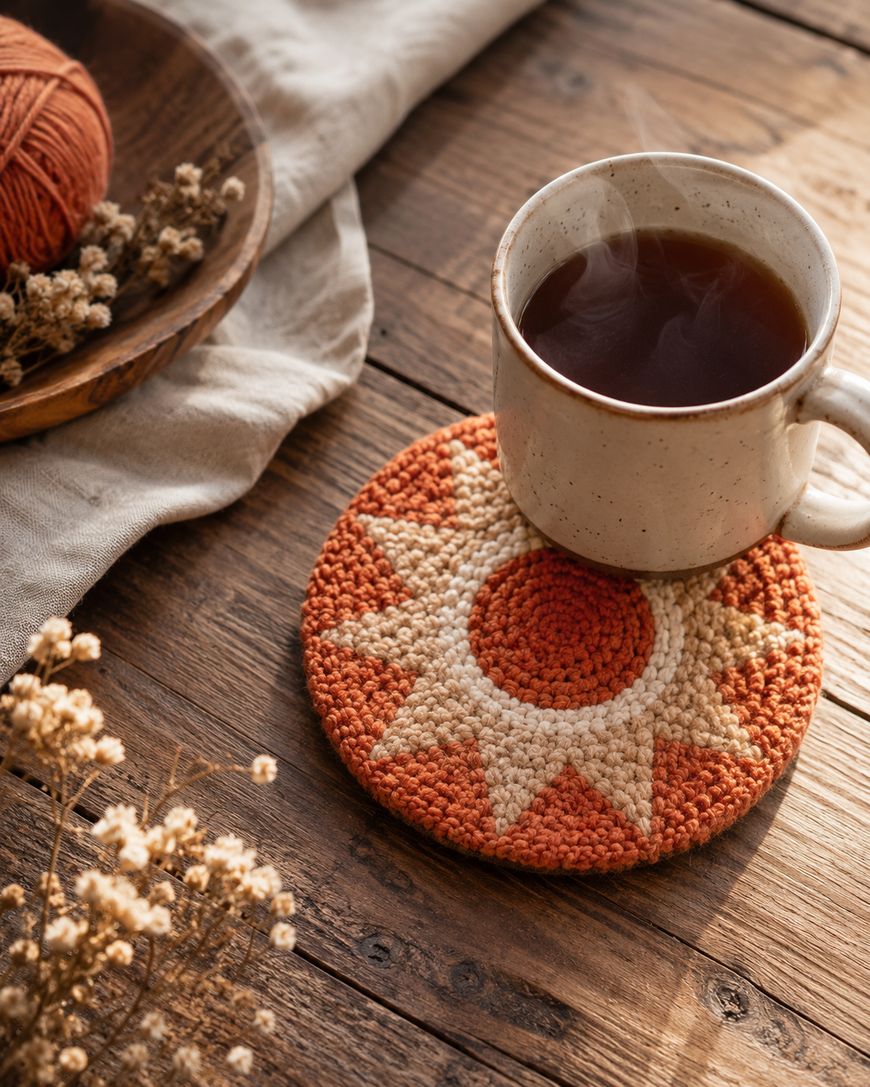
You only need a small hoop, a handful of yarn colors, and about an hour of punching time.
Stick to one shape like a circle or a heart and let the yarn texture do the visual work.
2. A Mini Landscape Wall Hanging
Once you feel comfortable with straight lines, try a tiny landscape with a horizon, a sun, and a few hills.
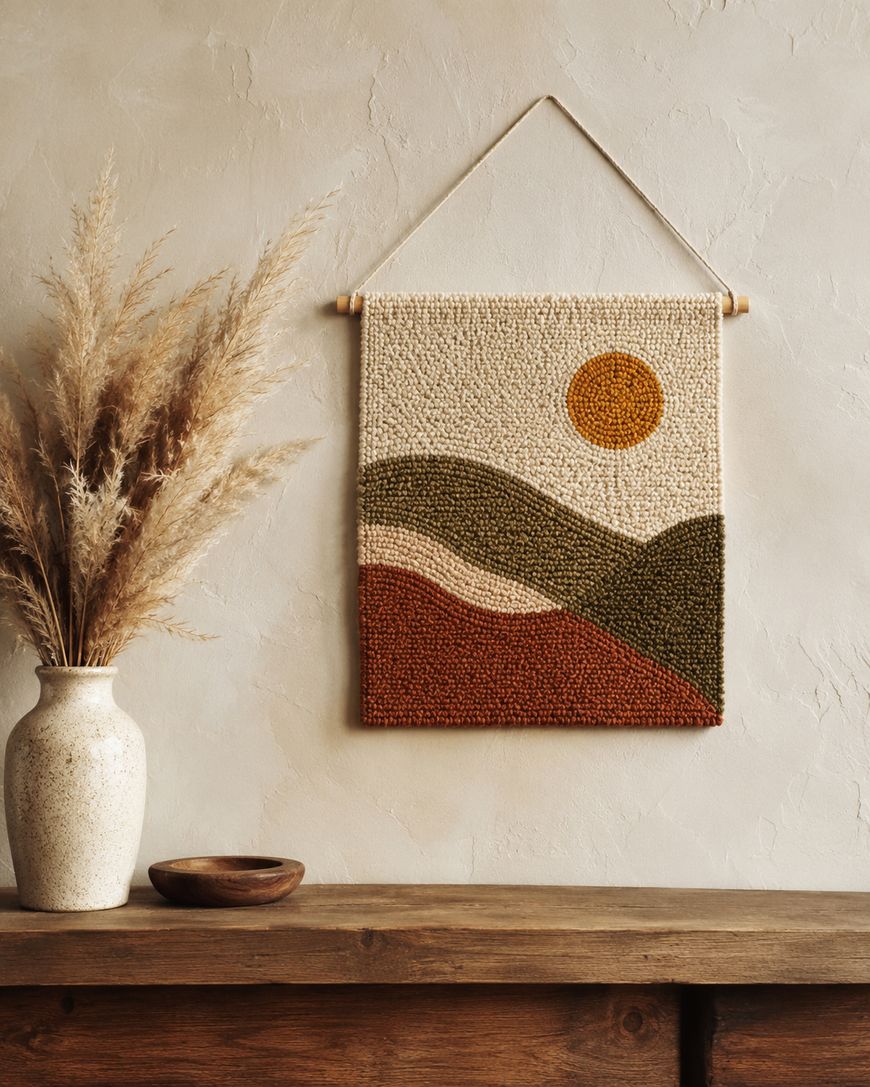
This teaches you how to blend colors and switch yarn without the pressure of a large piece.
Keep the palette to three or four colors so the design stays clean.
3. A Punch Needle Keychain
Keychains use scrap yarn and small hoops, which makes them a great way to use up leftover colors from other projects.
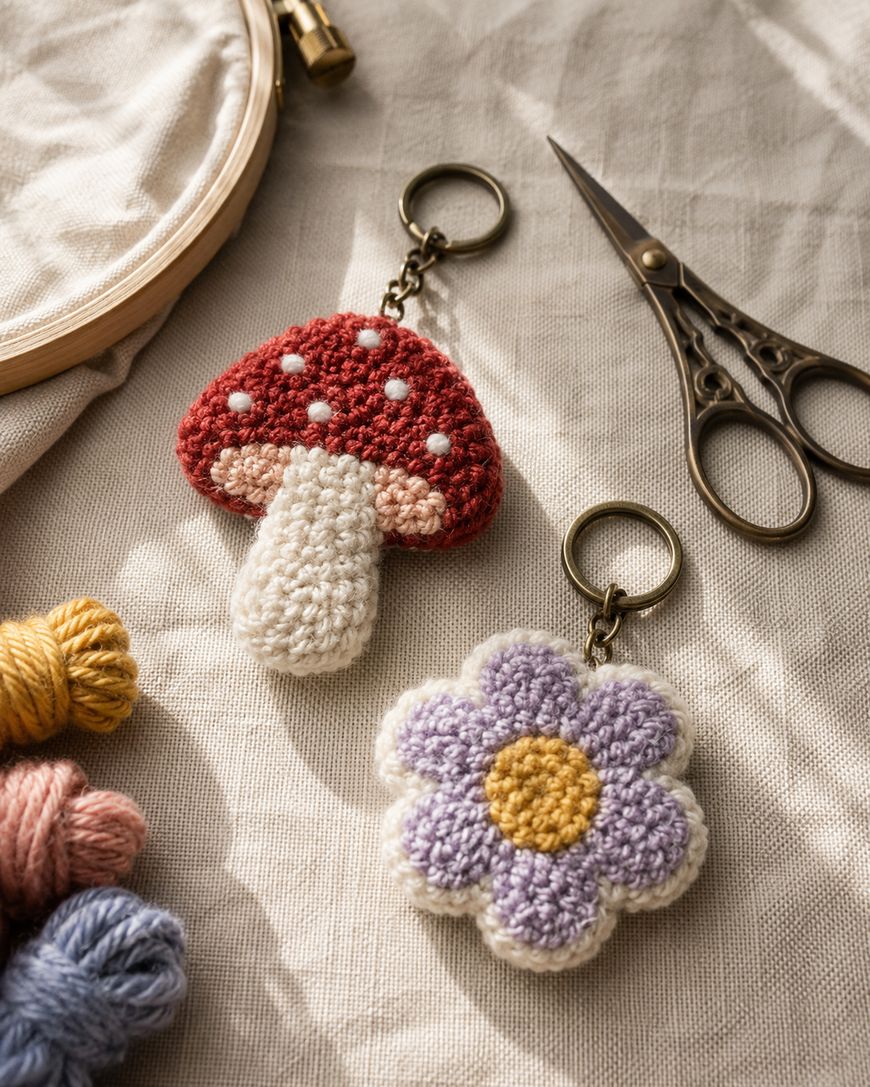
They also make thoughtful handmade gifts that do not take a full weekend to complete.
Try punching a simple mushroom, flower, or initial shape.
4. A Cozy Pillow Cover
Pillow covers let you go bigger while still keeping the design simple.
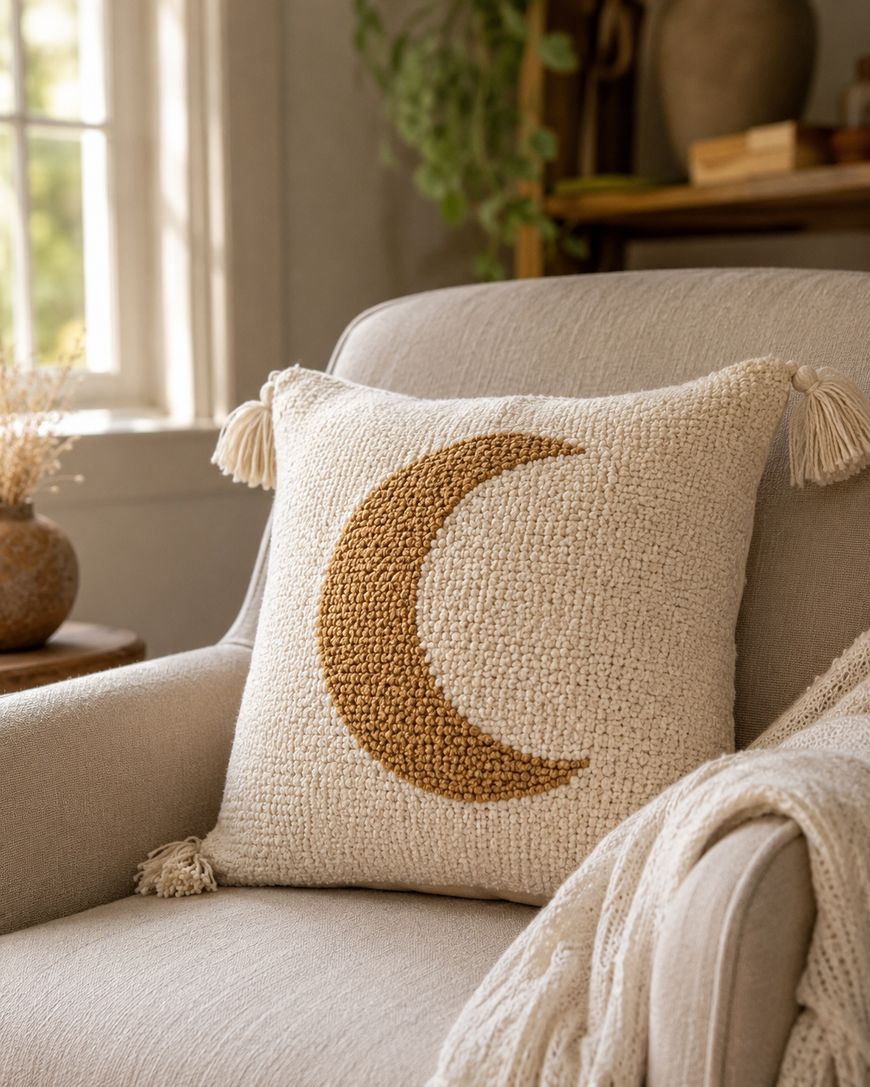
Choose a single bold motif, like a moon, a cloud, or an abstract line pattern, and center it on the fabric.
This is a great project once you have a few smaller pieces under your belt.
5. A Textured Plant Hanger Accent
Punch needle is not only for flat wall pieces.
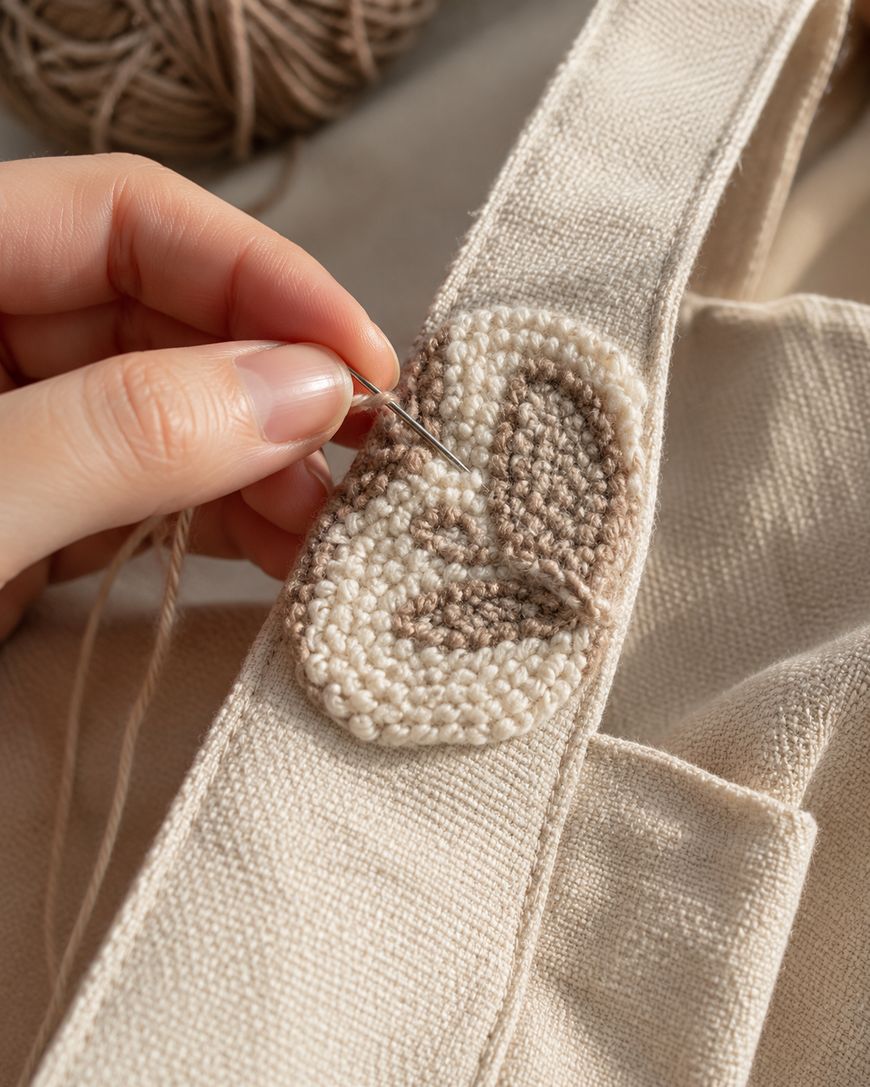
You can create small textured patches to sew onto plant hangers or tote bags for a dimensional, cozy look.
This idea works well if you want to practice loop height variation.
6. A Personalized Name Patch
Lettering is trickier than shapes, but a short name or single word is a manageable place to start.
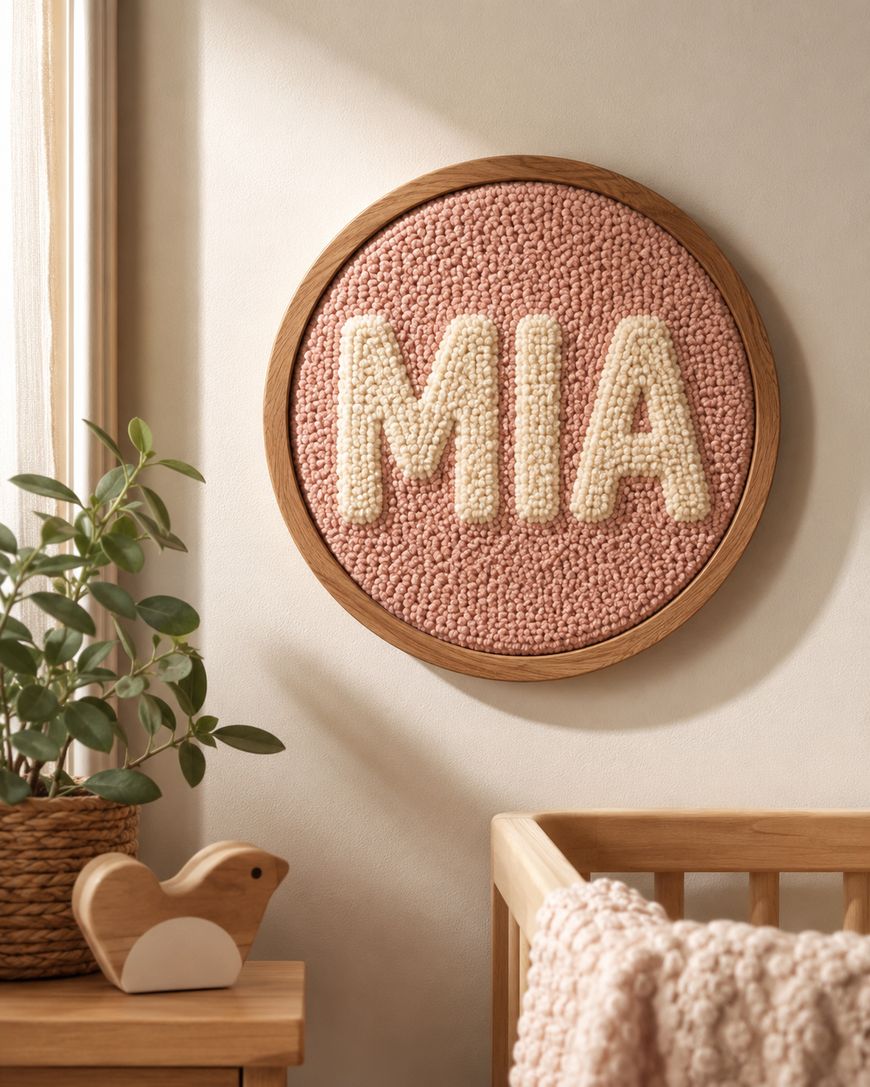
Use a bold, simple font and keep letters large enough to punch cleanly.
These patches make excellent nursery decor or gifts for a new home.
7. A Mini Animal Portrait
Animal portraits are one of the most popular punch needle ideas because they feel personal and display beautifully framed.
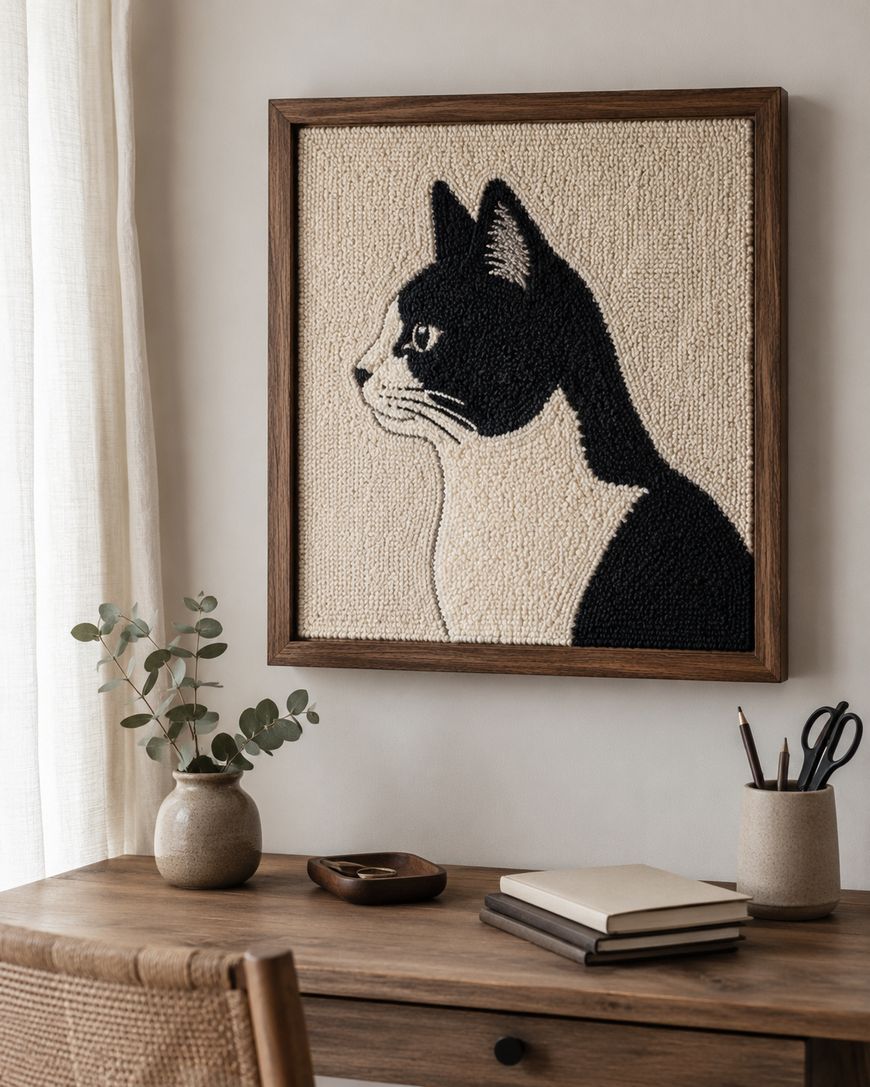
Start with a simple side profile, like a cat or a bird, rather than a detailed face.
Flat color blocks with one or two shading tones will keep the project approachable.
8. A Seasonal Mini Rug
Small punch needle rugs, sometimes called mug rugs or mini mats, are a fun way to bring in seasonal colors.
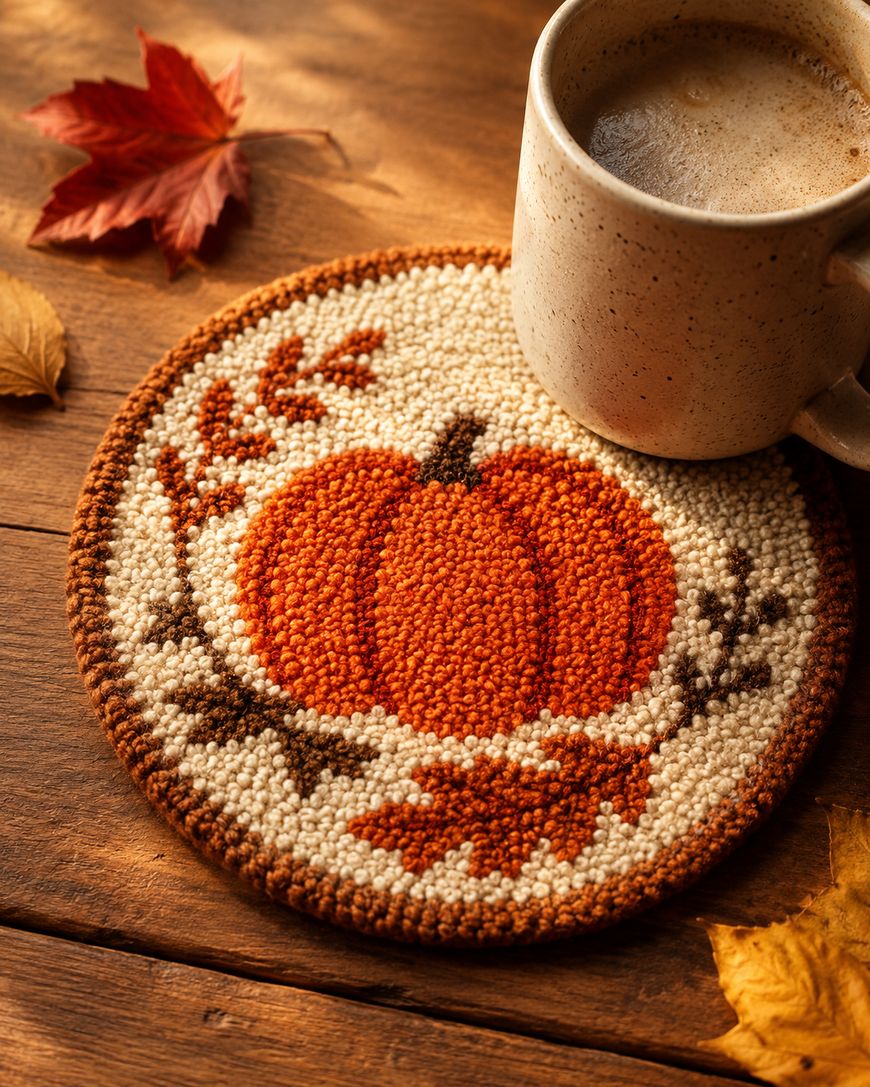
Think warm oranges and browns for fall, or soft pastels for spring.
These make lovely coasters for oversized mugs or small tabletop accents.
9. An Abstract Line Art Piece
If literal shapes feel intimidating, abstract line work is a forgiving alternative.
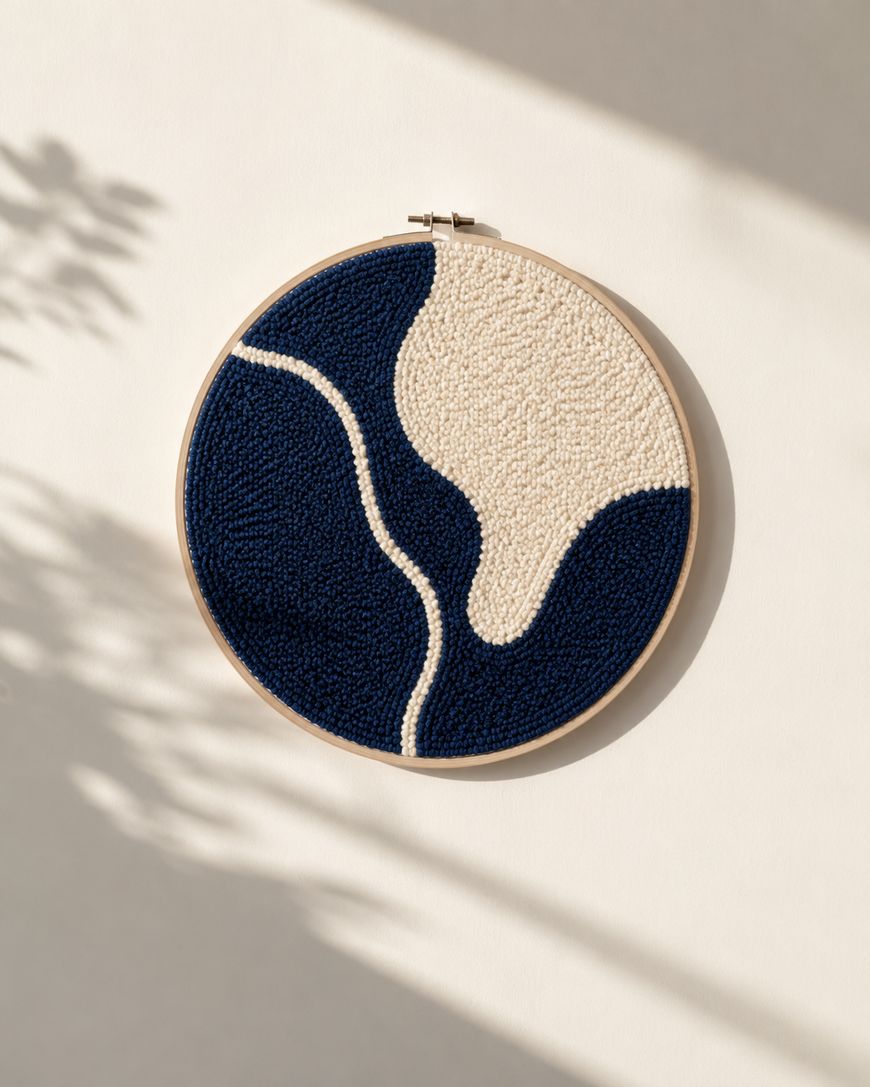
Punch a few curved or angled lines across the fabric in contrasting colors and let negative space do the rest.
This idea is especially good for practicing tension consistency across a larger piece.
10. A Layered Ombre Wall Piece
For a more advanced project, try blending several shades of the same color from light to dark across one canvas.
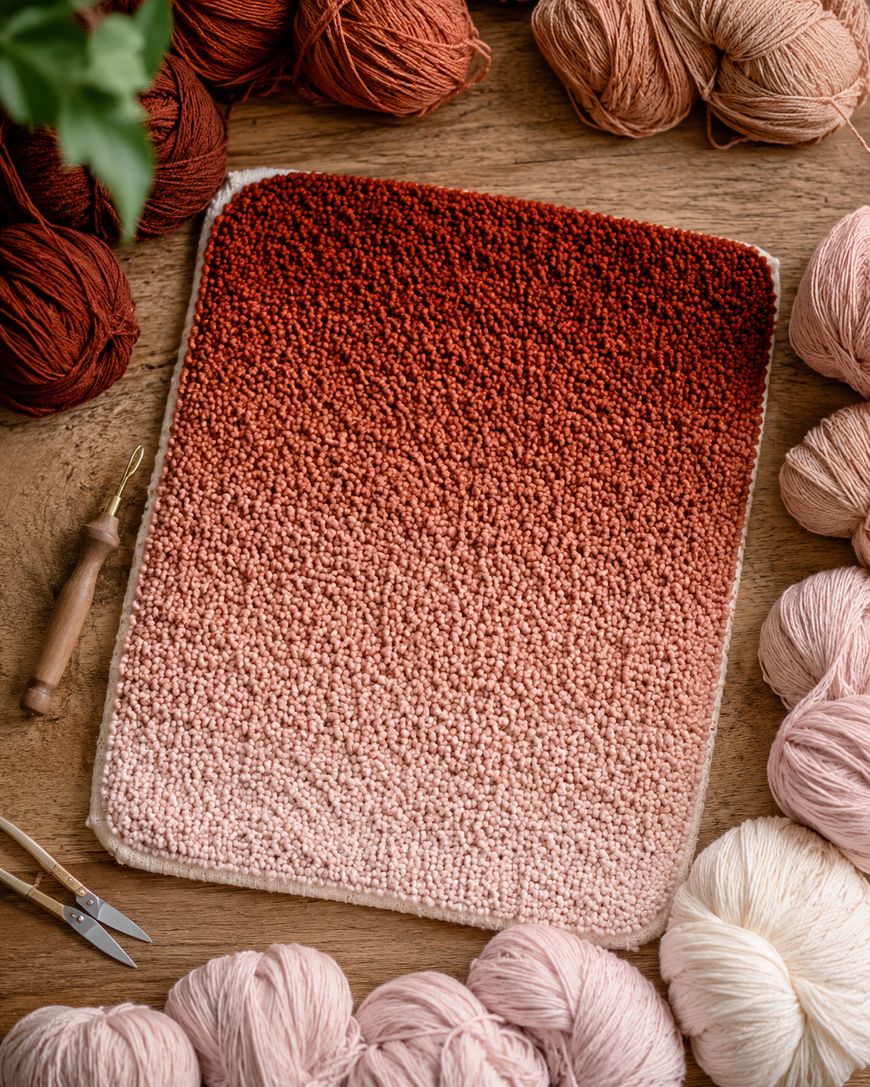
This teaches you how to transition yarn smoothly and adds a beautiful gradient effect to your finished piece.
It is a wonderful showcase project once you have built up confidence with the earlier ideas on this list.
Supplies You Need Before You Start
Getting your supplies right from the start will save you a lot of frustration.
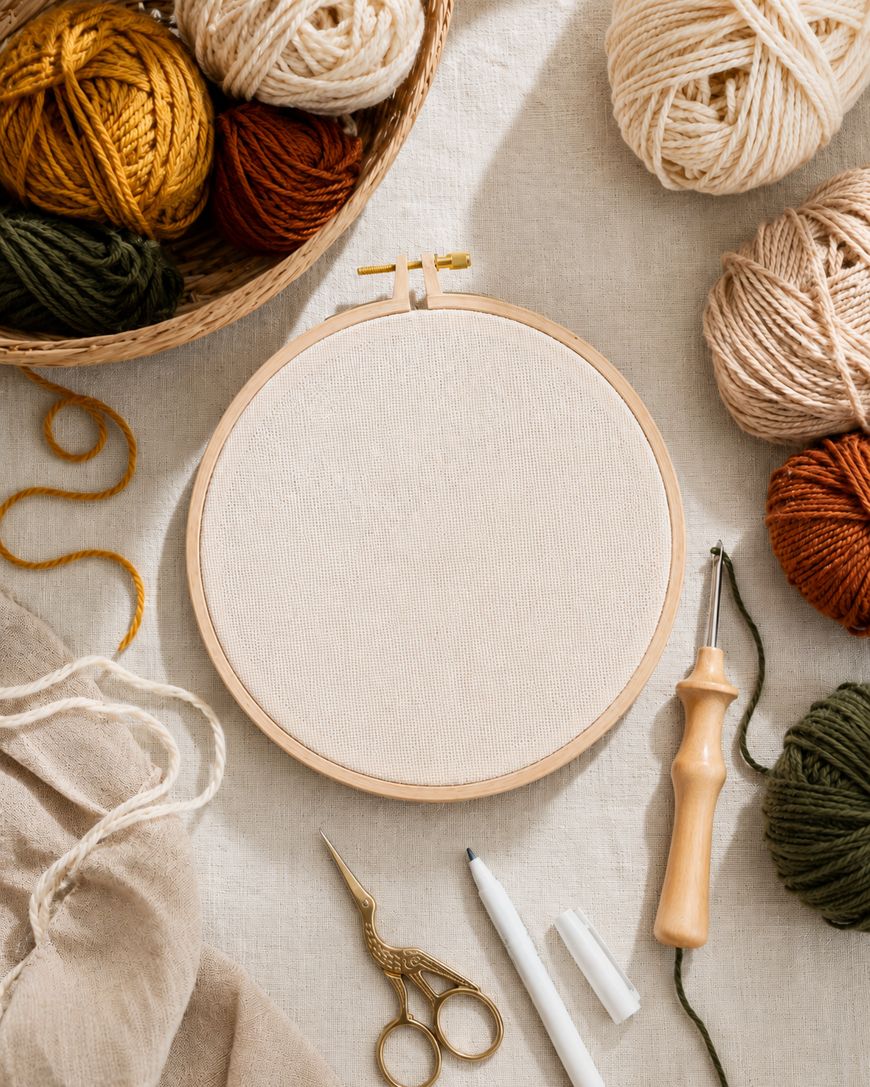
A punch needle tool, monk’s cloth or weaver’s cloth, an embroidery hoop or wooden frame, and yarn or embroidery floss are the essentials.
You will also want fabric scissors, a marking pen, and a way to secure the back of your work, such as fabric glue.
Choosing the Right Needle Size
Regular punch needles work with yarn weight materials, while fine punch needles work with embroidery floss or thread.
If you are working on your first project, a regular needle with worsted weight yarn is the easiest combination to control.
Fine needles create more detail but require steadier hands and more patience.
Picking the Right Fabric
Monk’s cloth is the most common choice because it has an even, breathable weave that holds loops securely.
Weaver’s cloth is a tighter weave and works well for smaller, more detailed pieces.
Whichever you choose, keep the fabric taut in your hoop or frame so your loops stay even.
Tips for Beginners Trying These Punch Needle Ideas
Consistency comes with practice, so do not worry if your first few rows look uneven.

Keep your needle at a consistent angle and let the fabric guide your speed rather than rushing through a section.
Working in small sections and stepping back often will help you catch mistakes early instead of after the whole piece is finished.
How to Fix Common Mistakes
If a loop pulls out, simply re-punch that spot rather than trying to patch it from the back.
Keep your working yarn under gentle tension so loops release cleanly and stay the same height throughout your design.
If your fabric puckers, it usually means your hoop is not tight enough, so re-tighten before continuing.
Frequently Asked Questions
Is punch needle hard to learn for beginners?
Punch needle is one of the more approachable fiber crafts for beginners because the basic technique only takes a few minutes to learn.
Most people can create a simple, recognizable design during their very first session.
The learning curve is mostly about consistency, which comes naturally with a bit of practice.
What yarn works best for punch needle projects?
Worsted weight yarn is the easiest starting point because it fills a regular needle well and creates satisfying texture.
Wool and wool blend yarns tend to hold their loops best over time.
You can experiment with cotton or acrylic once you feel comfortable adjusting your tension.
How long does a punch needle project take?
A small coaster or keychain can be finished in under an hour, while a pillow cover or wall hanging might take a few hours spread across a few days.
Larger rugs or detailed portraits can take a week or more depending on your pace.
Starting small helps you build confidence before committing to a bigger project.
Do I need a frame or is a hoop enough?
For larger pieces, a standing frame or lap frame keeps the fabric tight and makes long punching sessions more comfortable.
You can always start with a hoop and upgrade to a frame as your projects grow in size.
Can I use punch needle for functional home decor?
Absolutely, punch needle pieces work beautifully as pillow covers, small rugs, coasters, and wall art.
Just make sure to properly secure the back of any piece that will see regular handling, especially rugs and pillows.
A layer of fabric glue or a fused backing fabric will help your piece hold up over time.
Looking for another beginner-friendly sewing project? Check out our guide to beginner quilting projects.