Last updated: July 19, 2026
You want to give someone a gift that feels personal without spending a fortune, and sewing gifts are the answer.
Below you will find project ideas, fabric tips, and simple techniques you can use today.
We will walk through exactly what to make, how to choose materials, and how to finish each piece so it looks polished.
Why Sewing Gifts Feel So Special
A handmade gift tells the recipient that you spent real time thinking about them.
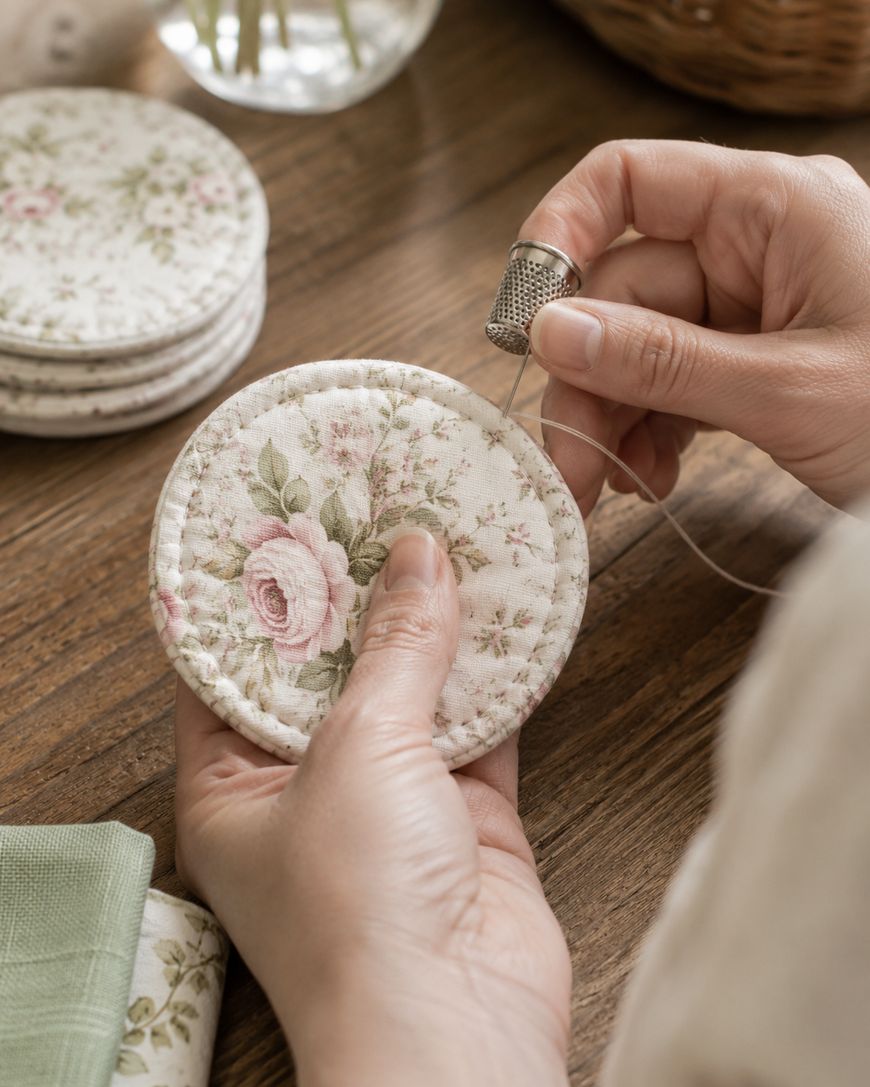
You are not grabbing something off a shelf at the last minute, you are choosing fabric, measuring twice, and stitching with intention.
That extra effort comes through in the finished product, and people notice it.
Sewing gifts also let you customize everything from color to size to embroidered initials.
You can make a baby blanket in the exact shade of a nursery, or a tote bag that matches someone’s favorite jacket.
This level of personalization is hard to find in a store, and it turns an ordinary present into something the recipient will keep for years.
Another reason sewing gifts feel so special is the story behind them.
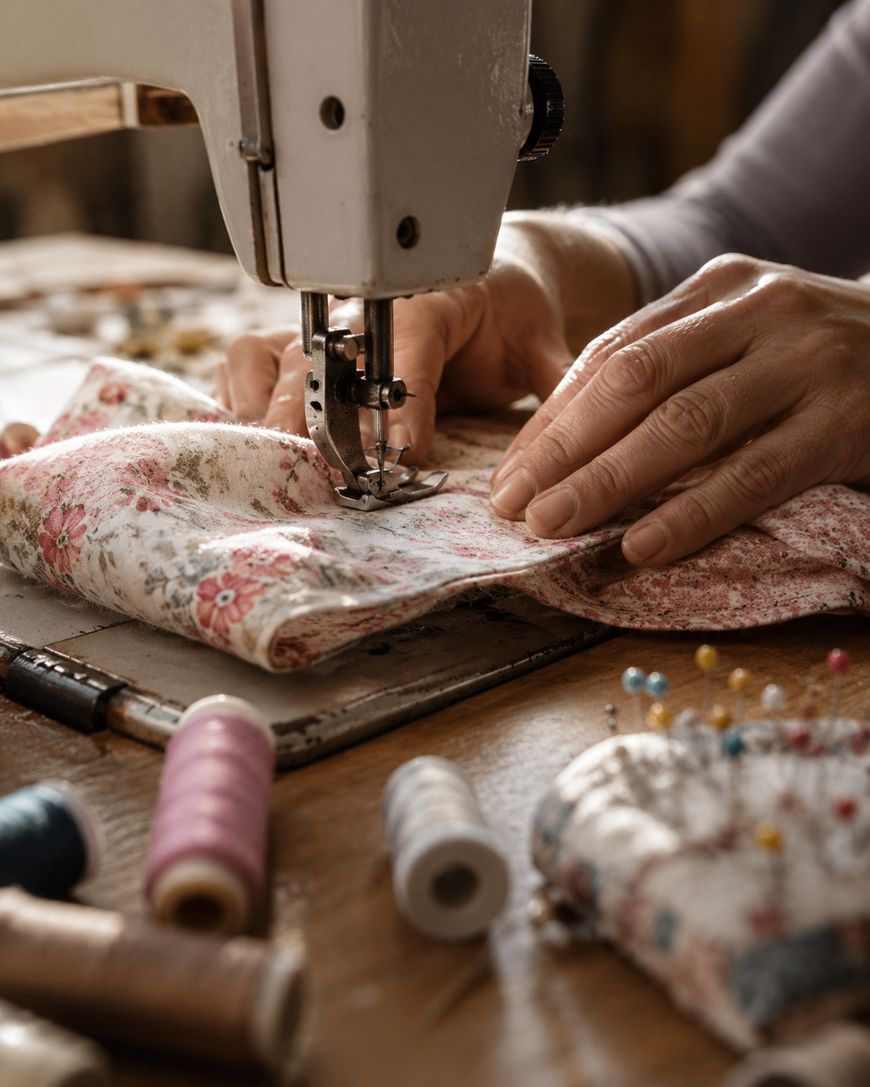
When you hand someone a quilt or a set of napkins you made yourself, you can share why you chose that fabric or pattern.
That story becomes part of the gift, and it deepens the connection between you and the person receiving it.
Easy Sewing Gift Ideas To Start With
If you are new to sewing gifts, start with projects that use straight seams and simple shapes.
Tote bags are a great first project because they only require a few pieces of fabric and basic stitching.
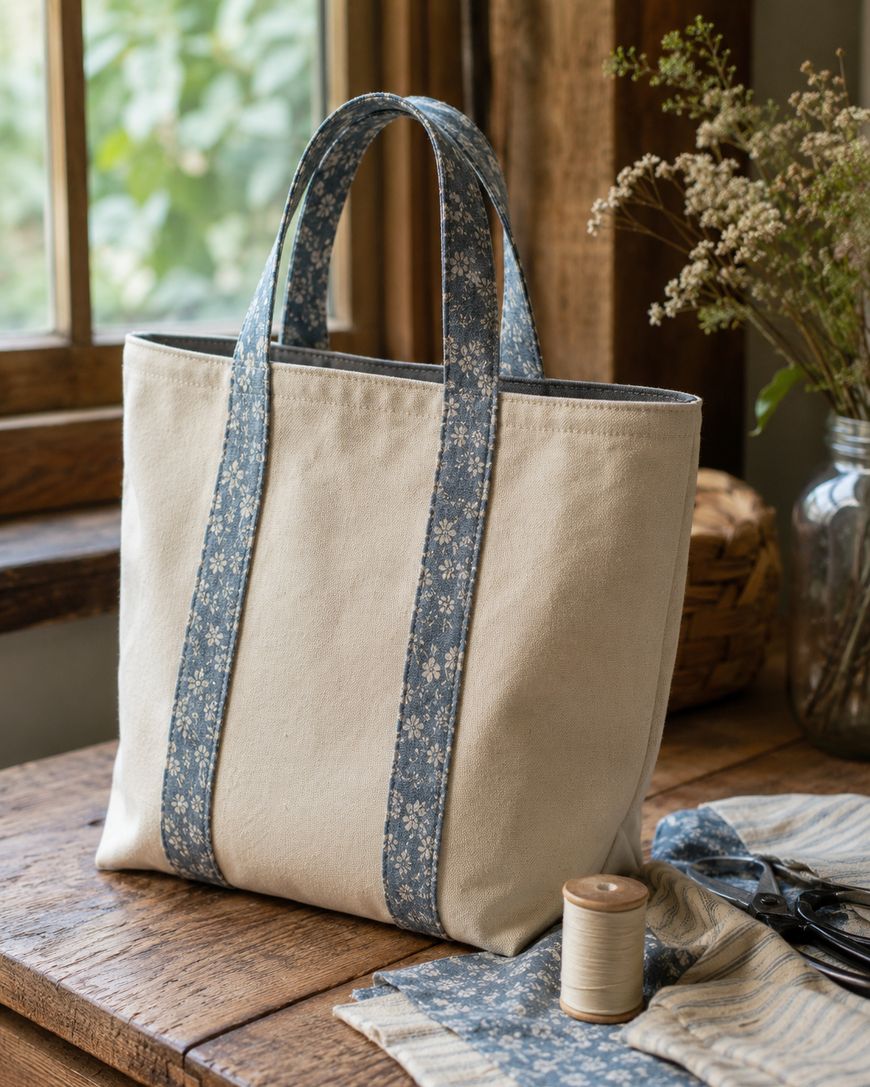
You can add a pocket, a fun print, or contrasting handles to make each one unique.
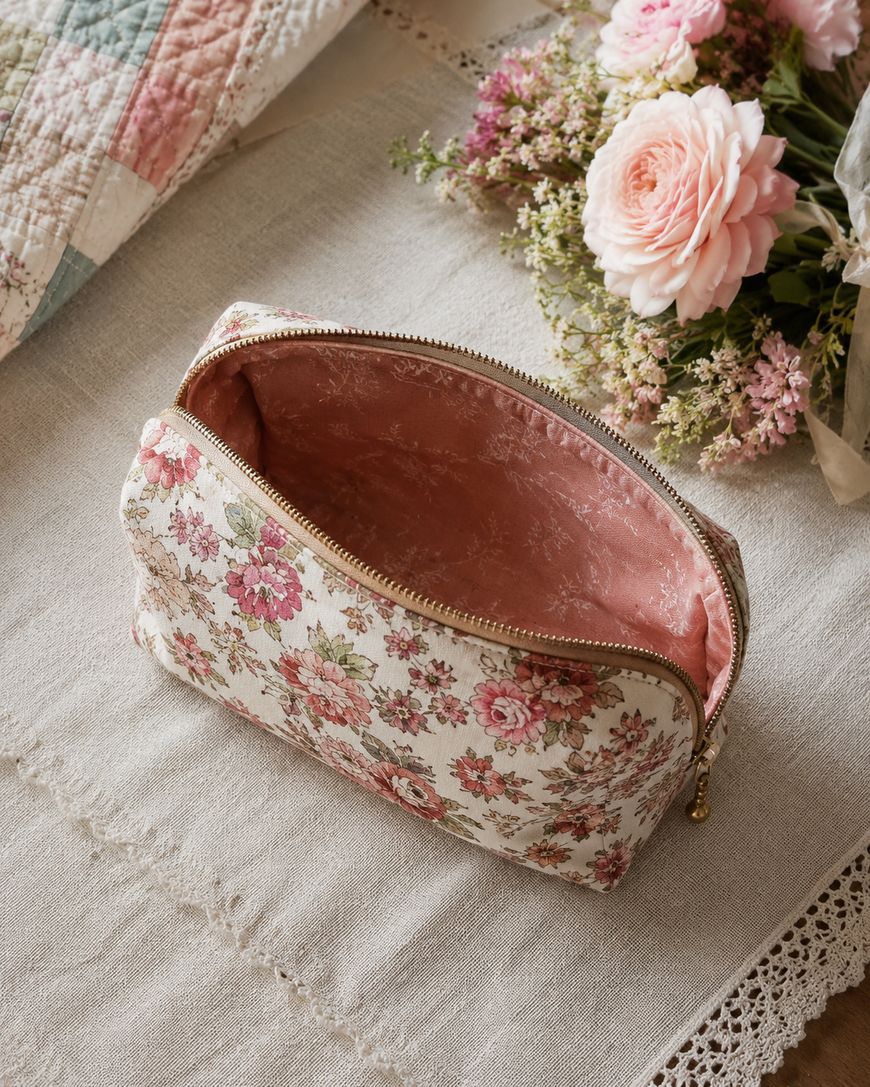
Zippered pouches are another beginner friendly option, and they work well for makeup bags, pencil cases, or travel organizers.
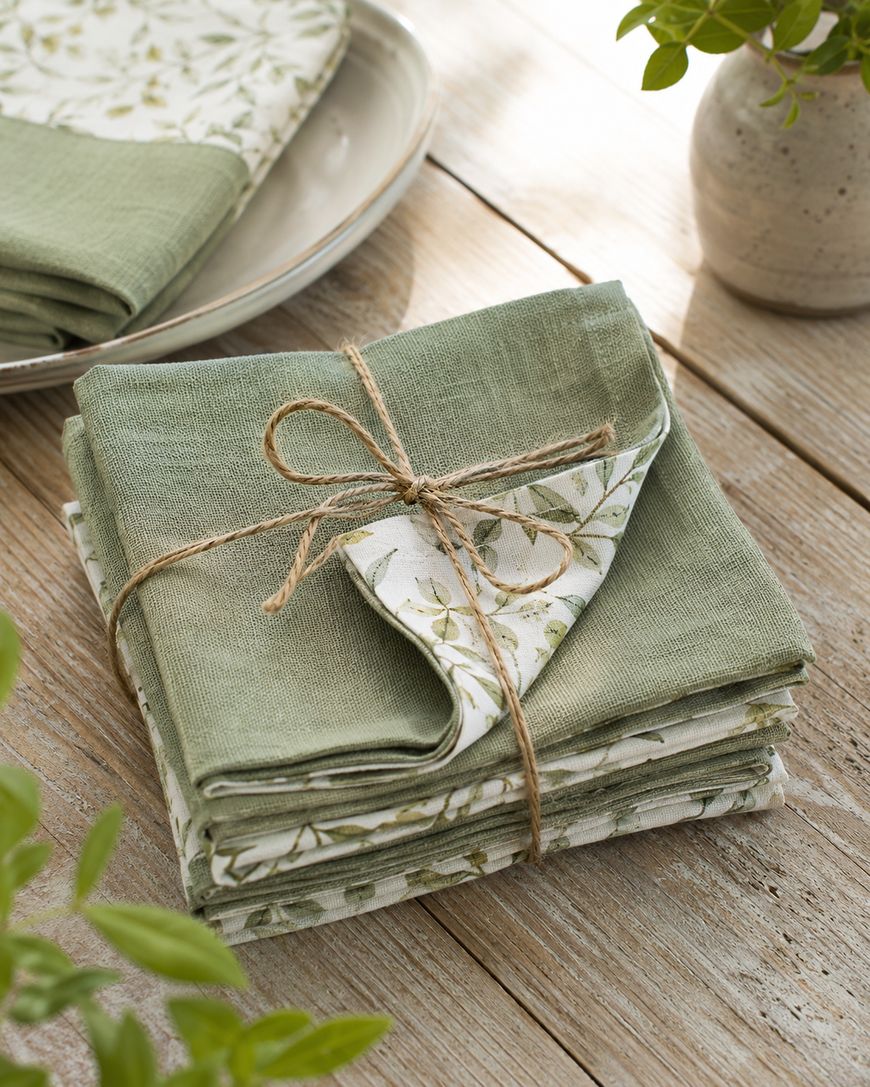
Cloth napkins and placemats come together quickly and make a lovely housewarming gift, especially when paired with a set of coasters.
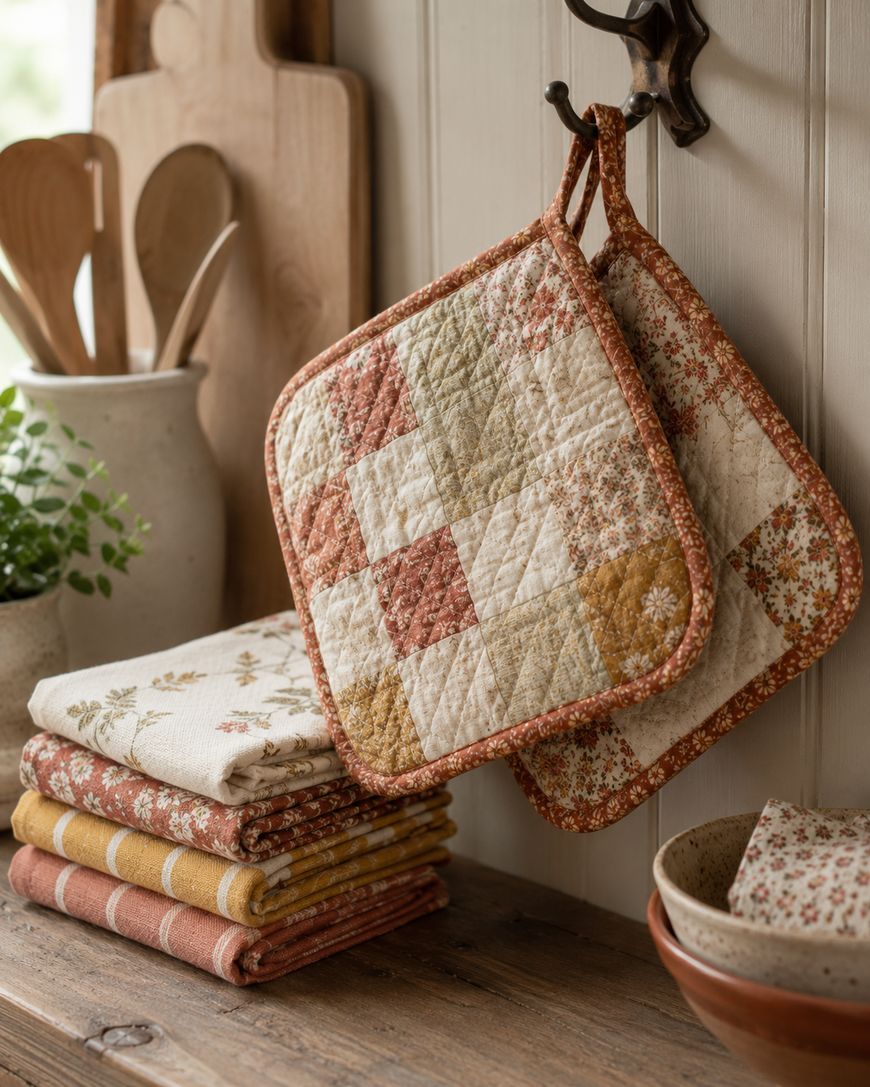
For someone who loves the kitchen, sew a set of reversible potholders using cotton fabric and heat resistant batting.
These small projects build your confidence while still producing a gift that looks intentional and thoughtful.
Once you feel comfortable, you can move on to slightly larger projects like a lap quilt or a set of pillow covers.
Choosing The Right Fabric For Your Project
Fabric choice can make or break a handmade gift, so take your time selecting it.
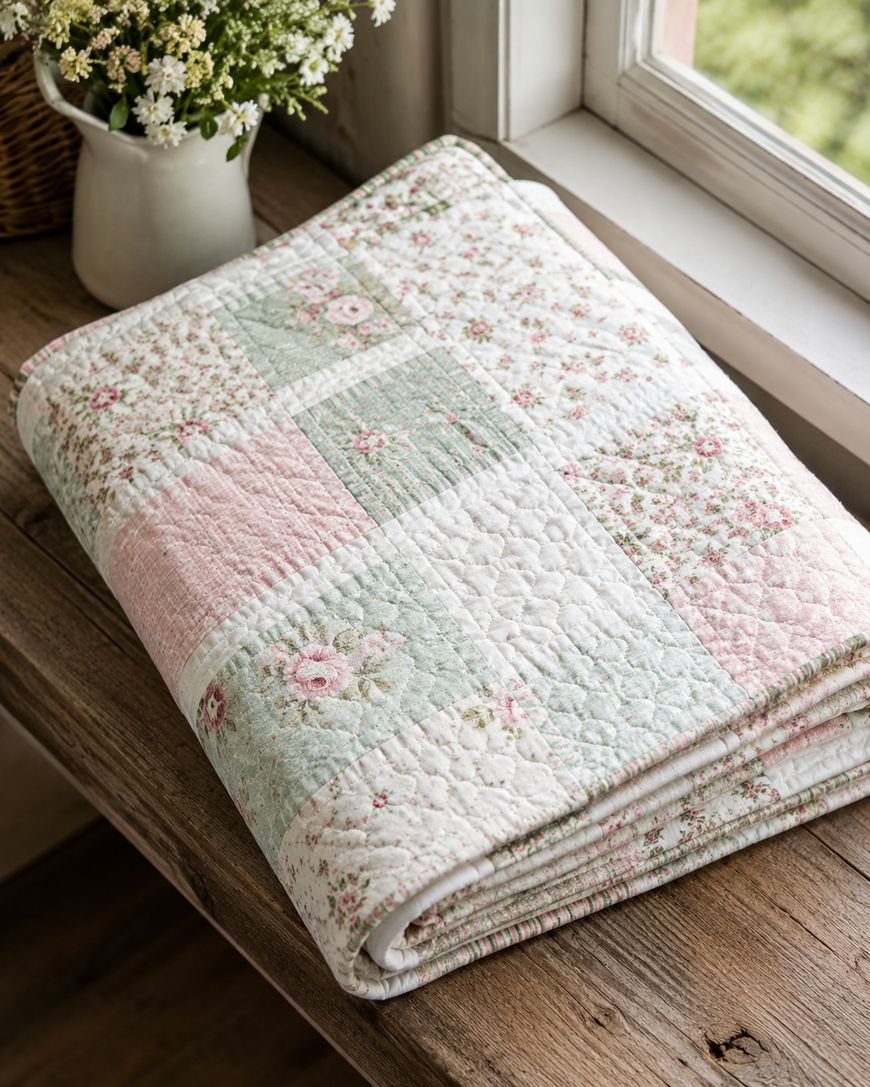
Quilting cotton works well for most beginner projects because it holds its shape and is easy to press.
If you are making something that will see daily use, like a tote bag or napkins, choose a fabric that can handle frequent washing.
Linen blends add a cozy, textured feel and work beautifully for table linens or simple aprons.
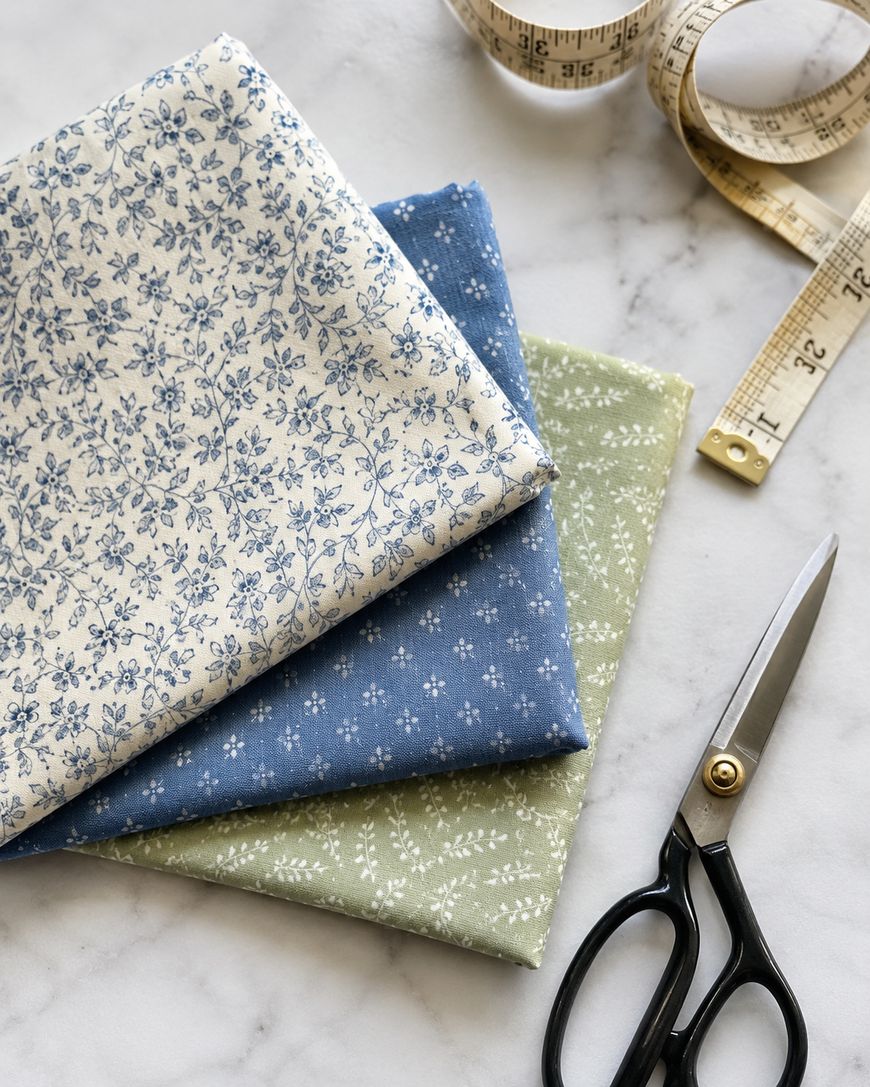
Flannel is a wonderful choice for baby blankets or cold weather accessories because it feels soft against the skin.
Always prewash your fabric before cutting, since many cottons shrink slightly the first time they are washed.
This step prevents your finished gift from puckering or shrinking unevenly after the recipient washes it at home.
When in mind, coordinate two or three fabrics rather than choosing a single busy print, since this gives you room to add contrast trim, binding, or a lining that ties the whole piece together.
Adding Personal Touches That Make A Difference
Small details are what transform a handmade item into a truly personal gift.
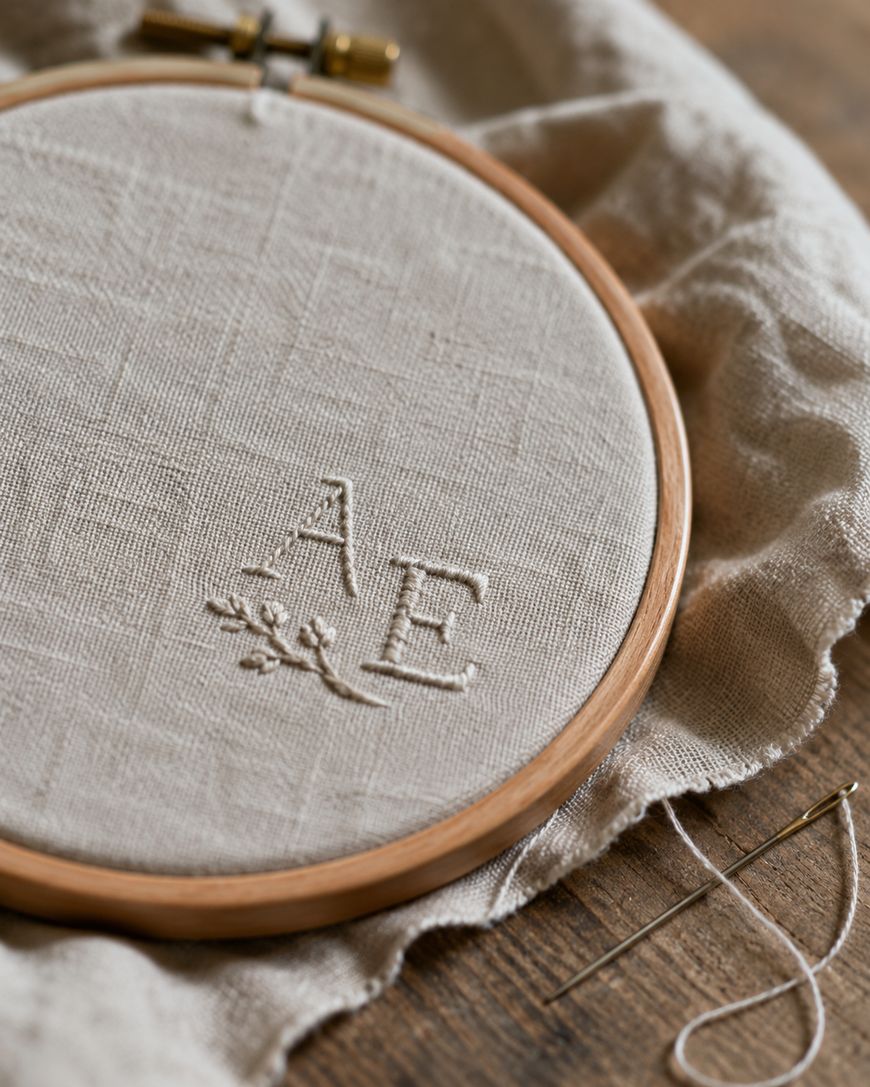
Embroidered initials on a corner of a napkin or tote bag add a custom touch without much extra effort.
You can also stitch a small fabric tag inside the seam with the recipient’s name or the date you made the gift.
Contrast binding is another simple way to personalize a project, and it lets you match the gift to someone’s favorite color palette.
If you sew a quilt, consider using a fabric that reflects a shared memory, like a print similar to a favorite childhood blanket.
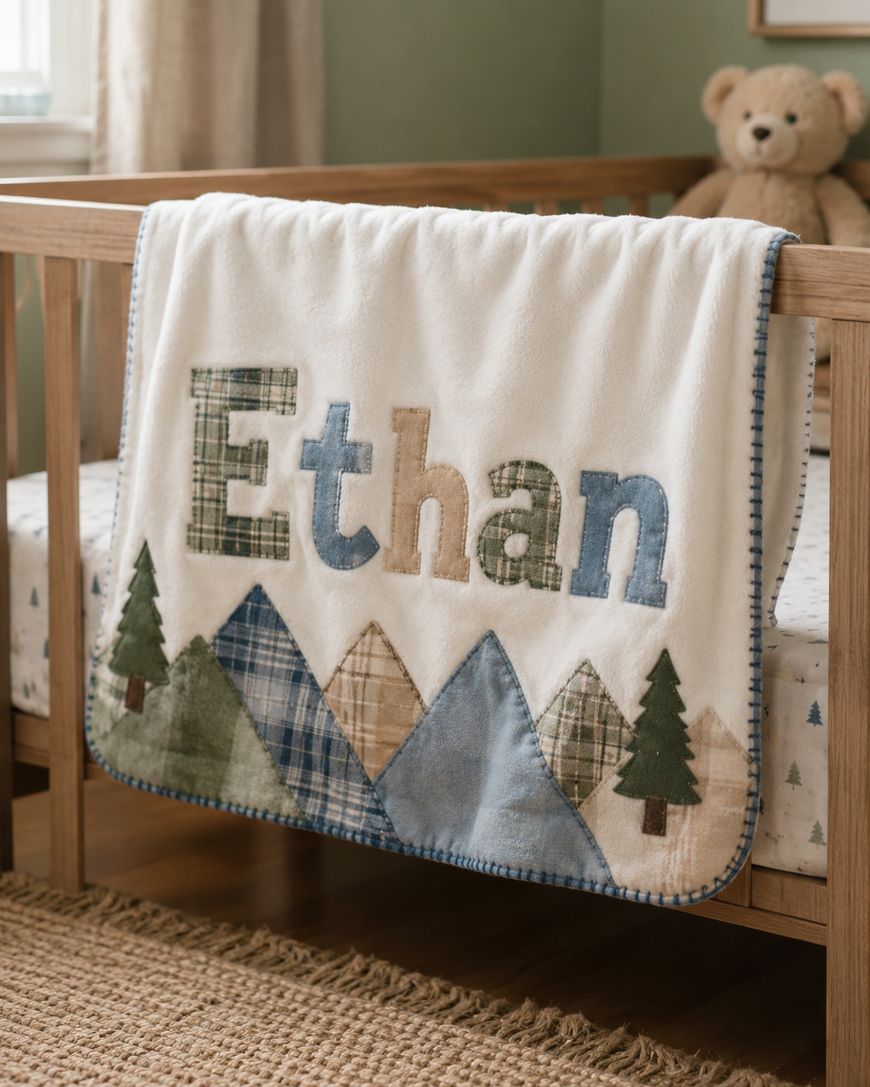
For a baby gift, adding the child’s name in appliqué letters turns a simple blanket into a keepsake the family will treasure.
Even something as small as a coordinating gift tag made from a fabric scrap shows that you thought through every part of the presentation.
Finishing Touches And Packaging
How you present a sewing gift matters almost as much as the gift itself.
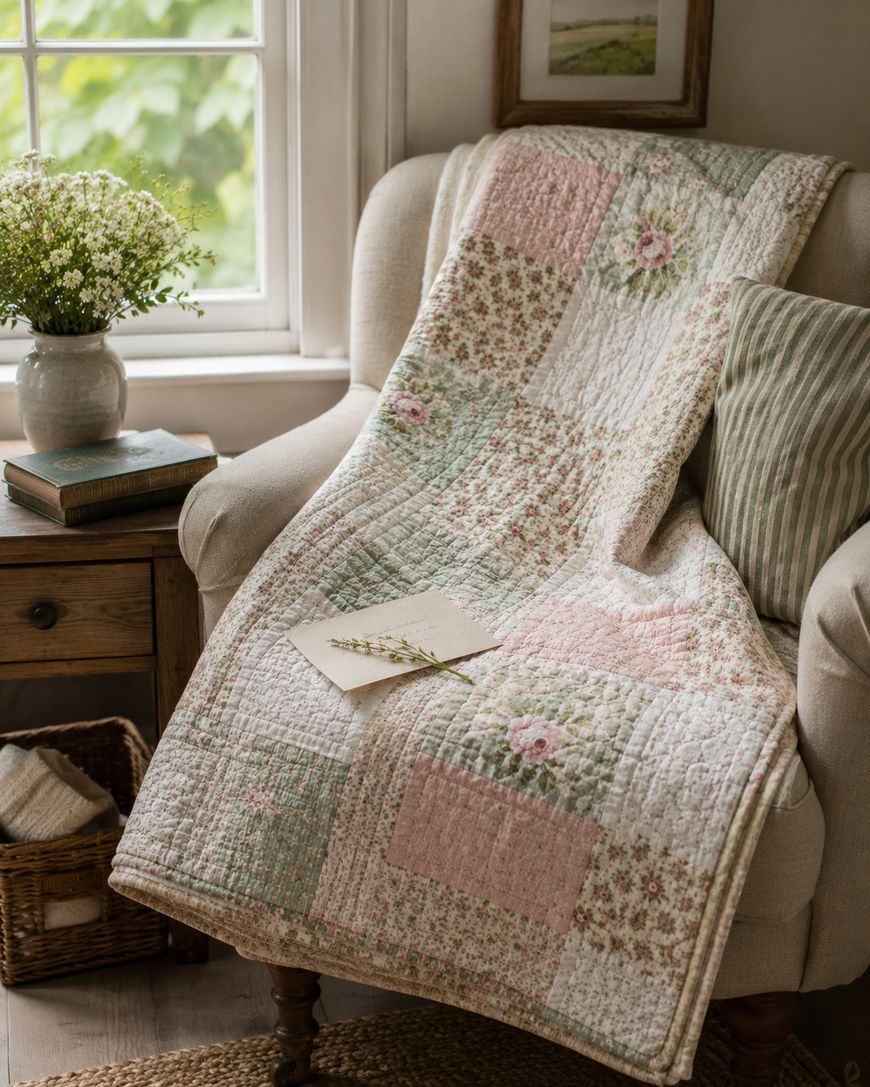
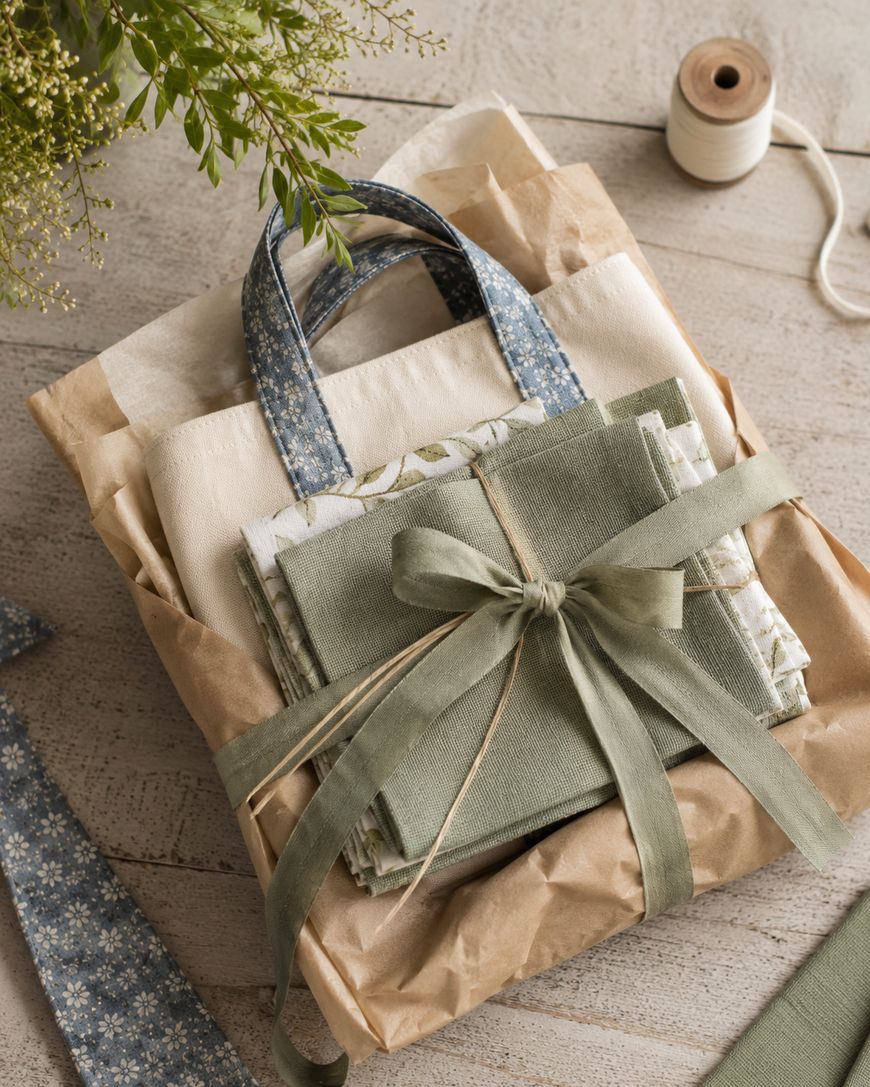
Fold soft items like blankets or napkins neatly and tie them with a ribbon in a complementary color.
A simple kraft paper box lined with tissue paper gives tote bags and pouches a boutique feel without much cost.
If you are gifting a set, like napkins and coasters, bundle them together so the recipient sees them as a cohesive set rather than separate pieces.
Include a small handwritten note describing the fabric choice or the inspiration behind the piece, since this adds warmth to the presentation.
Taking a few extra minutes on packaging shows the recipient that the thoughtfulness continued all the way through delivery.
Frequently Asked Questions
What sewing gifts are best for beginners?
Tote bags, zippered pouches, and cloth napkins are ideal for beginners because they use straight seams and simple shapes.
These projects teach core skills like pressing seams and topstitching without requiring advanced pattern reading.
How much fabric do I need for a typical gift?
Most small gifts like pouches or napkins use less than a yard of fabric, while a lap quilt may need three to four yards including backing.
Always buy a little extra fabric to account for cutting errors or shrinkage after prewashing.
Can I make sewing gifts without a sewing machine?
Yes, many small projects like coasters, sachets, or simple pouches can be hand sewn using a basic backstitch.
Hand sewing takes longer, but it works well for smaller items and adds a charming, rustic quality to the finished piece.
What is the best fabric for baby gifts?
Flannel and soft quilting cotton are both excellent choices for baby blankets, burp cloths, and stuffed toys.
Choose fabrics labeled as safe for babies and always prewash them to remove any manufacturing residue.
How do I make my sewing gift look more professional?
Press every seam as you go, use matching thread, and finish raw edges with a zigzag stitch or serger.
These small habits make a noticeable difference in how polished the final project looks.
How far in advance should I start a handmade gift?
Start at least two to three weeks before the occasion, especially for larger projects like quilts.
This timeline gives you room to fix mistakes, order more fabric if needed, and finish the piece without rushing.
Bring Your Sewing Gift Ideas To Life
You now have everything you need to choose a project, pick the right fabric, and add personal touches that make your gift memorable.
Pick one idea from this list and set aside an afternoon this week to get started.
The sooner you begin, the sooner you will have a handmade gift ready to give someone you love.