Last updated: September 13, 2026
Few things say cozy weekend morning quite like a batch of homemade cinnamon rolls fresh out of the oven. This post walks you through every stage of making them, and the recipe card below has the exact measurements and timing you need.
The Dough
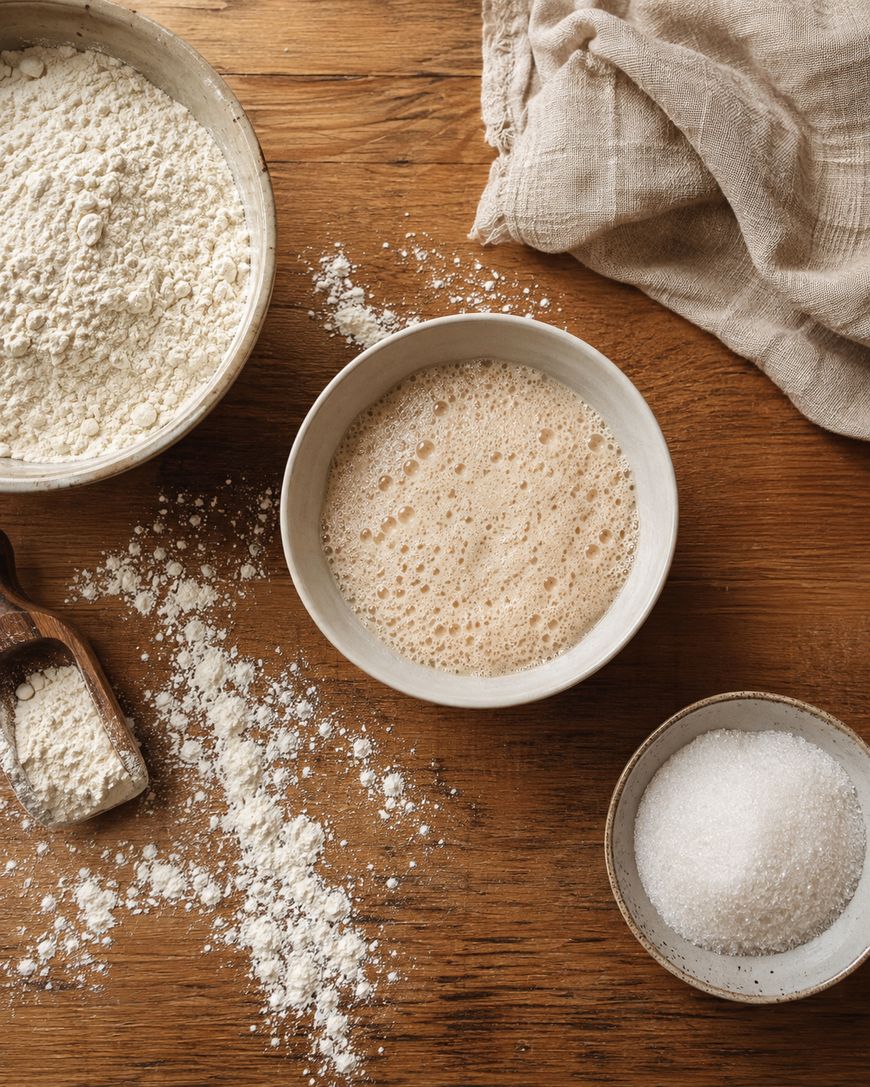
Start with whole milk warmed to about 110°F, since anything hotter can kill the yeast before it has a chance to work. Whisk in active dry yeast and a spoonful of sugar, then let the mixture sit until it turns foamy on top, which usually takes about five to ten minutes.
Once the yeast is active, mix in melted butter, eggs, more sugar, and salt before adding the flour a cup at a time. You want a dough that is soft and slightly tacky but no longer sticks heavily to your hands, similar to the texture bakers use for brioche or Parker House rolls.
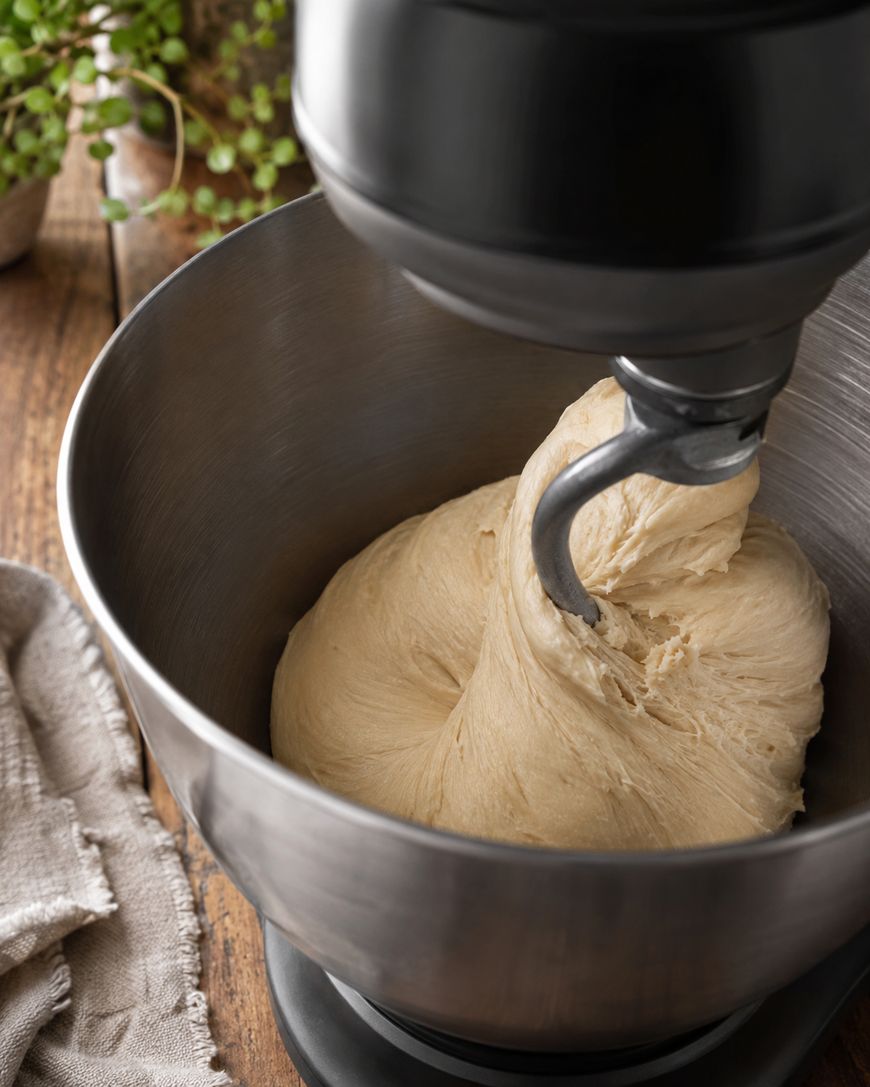
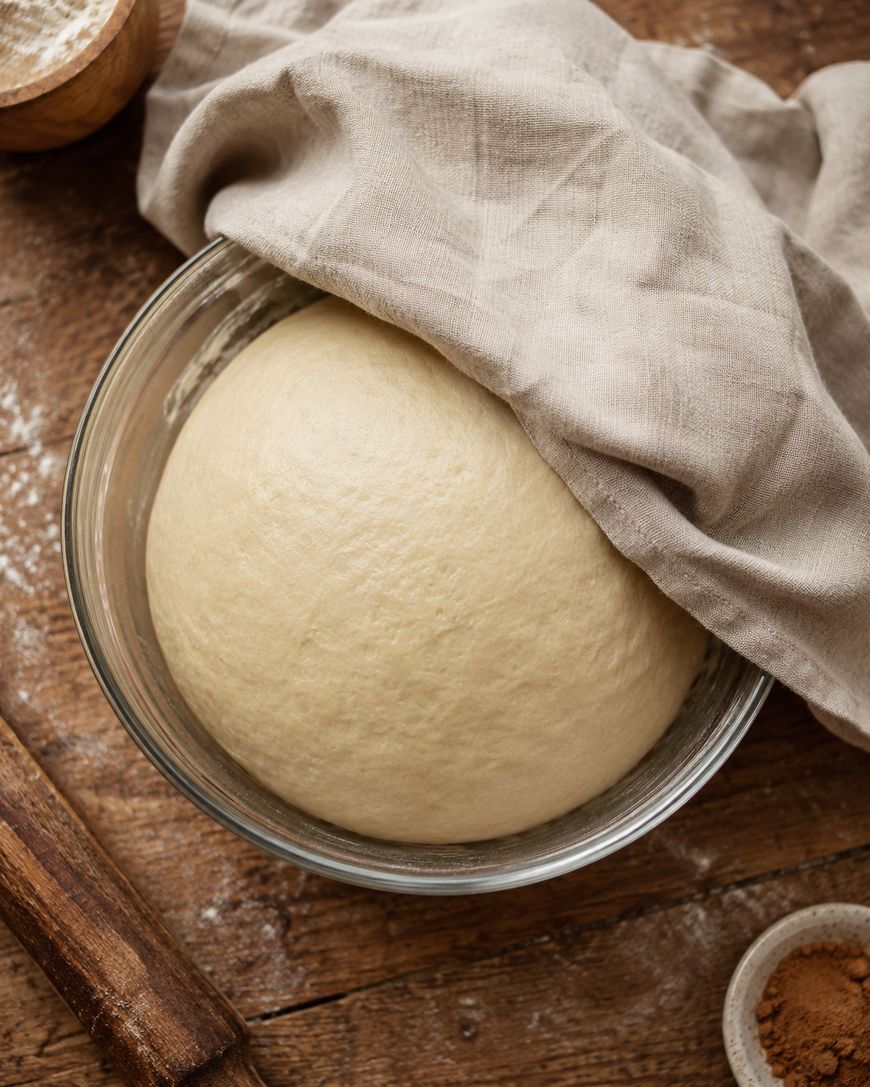
Knead the dough for about eight minutes, either by hand on a floured counter or with the dough hook on a stand mixer. Place it in a lightly oiled bowl, cover with a clean towel, and let it rise in a warm spot until doubled, which typically takes around ninety minutes.
The Filling
While the dough rises, soften a stick of unsalted butter until it is easy to spread but not melted. Combine light brown sugar with ground cinnamon in a separate bowl, and consider adding a pinch of nutmeg for warmth reminiscent of a Cinnabon-style filling.
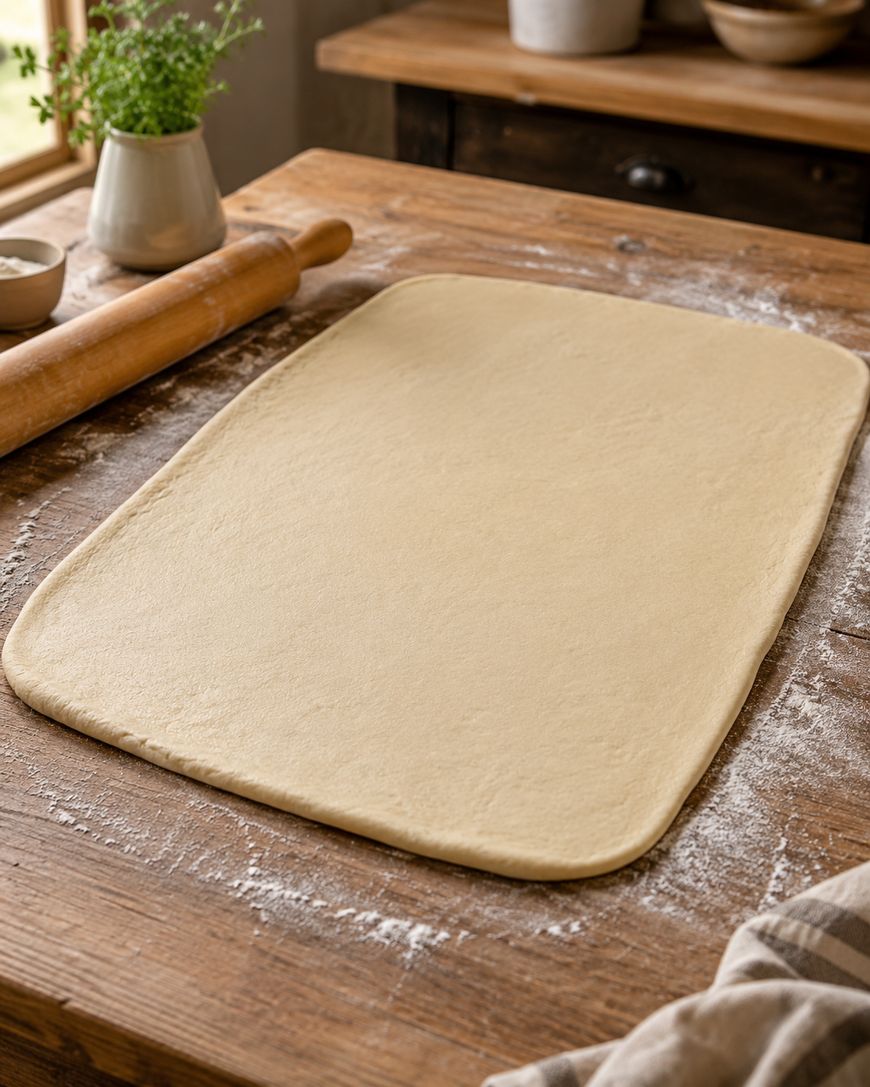
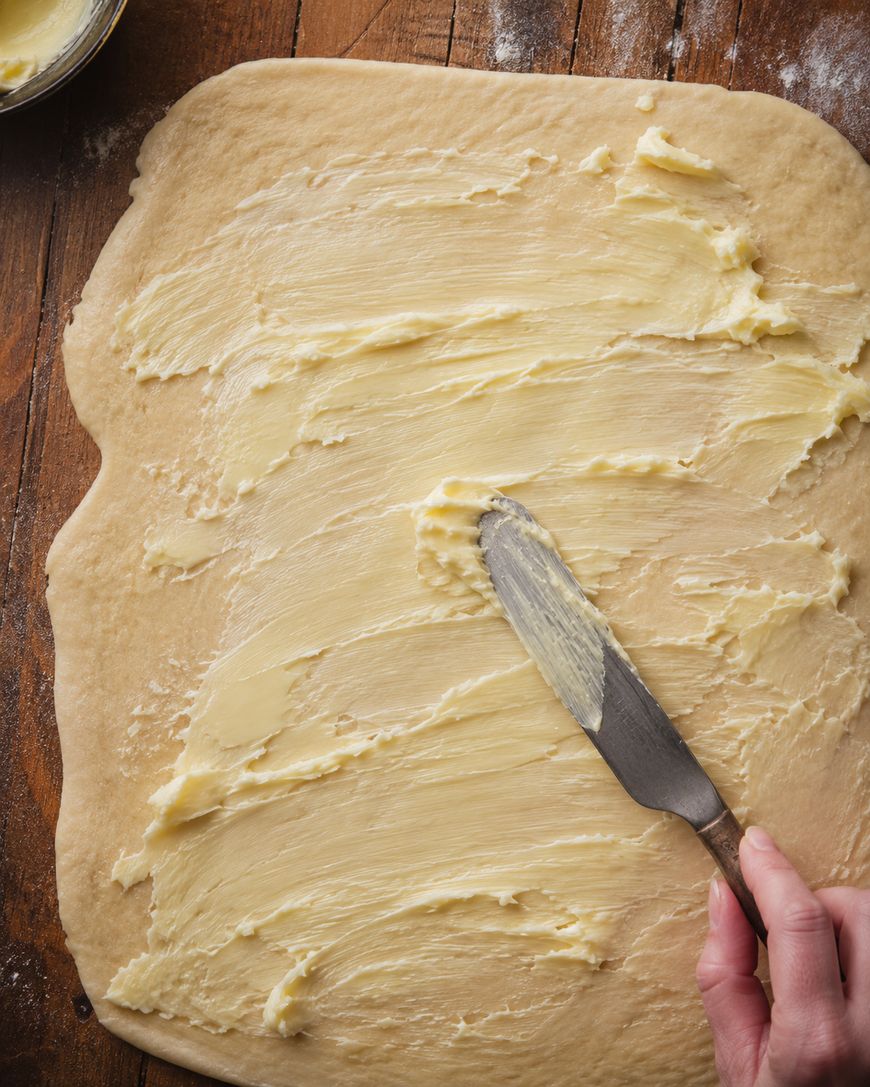
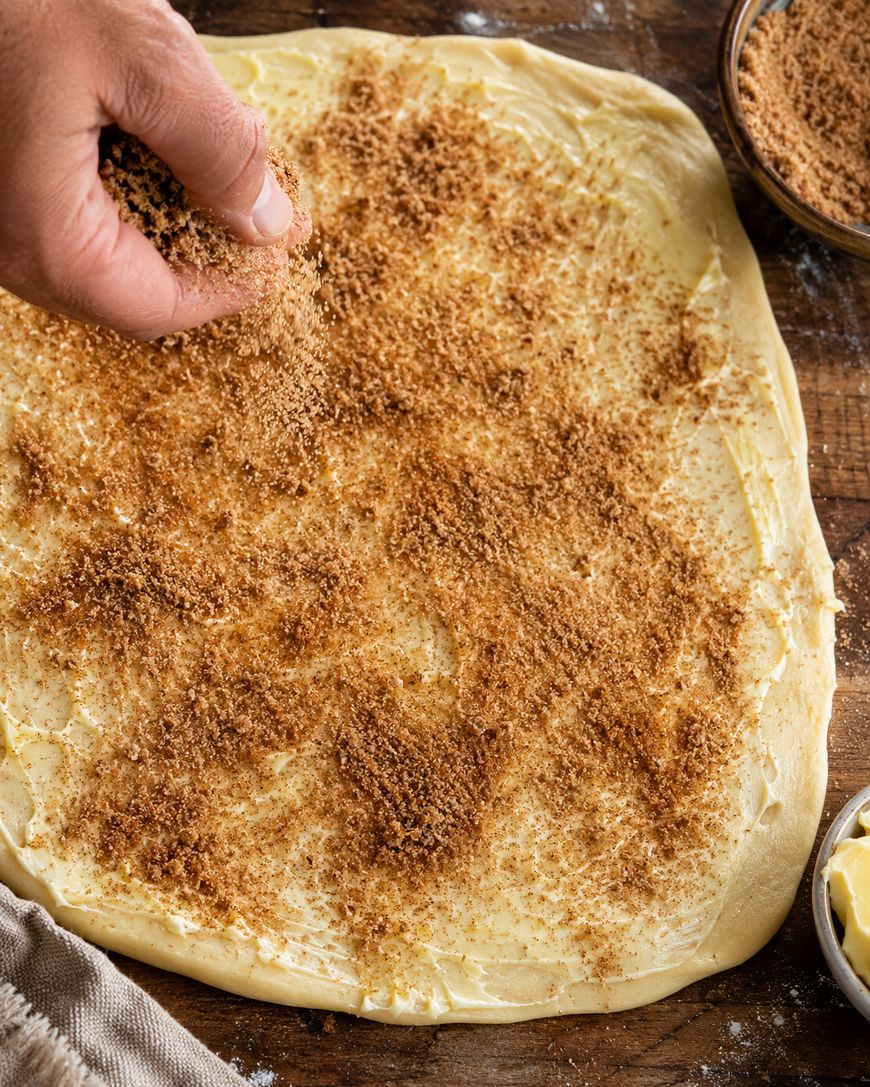
Once the dough has doubled, punch it down gently and roll it out on a floured surface into a large rectangle, roughly sixteen by twenty-one inches. Spread the softened butter evenly across the surface, leaving a small border along one long edge so the roll seals cleanly.
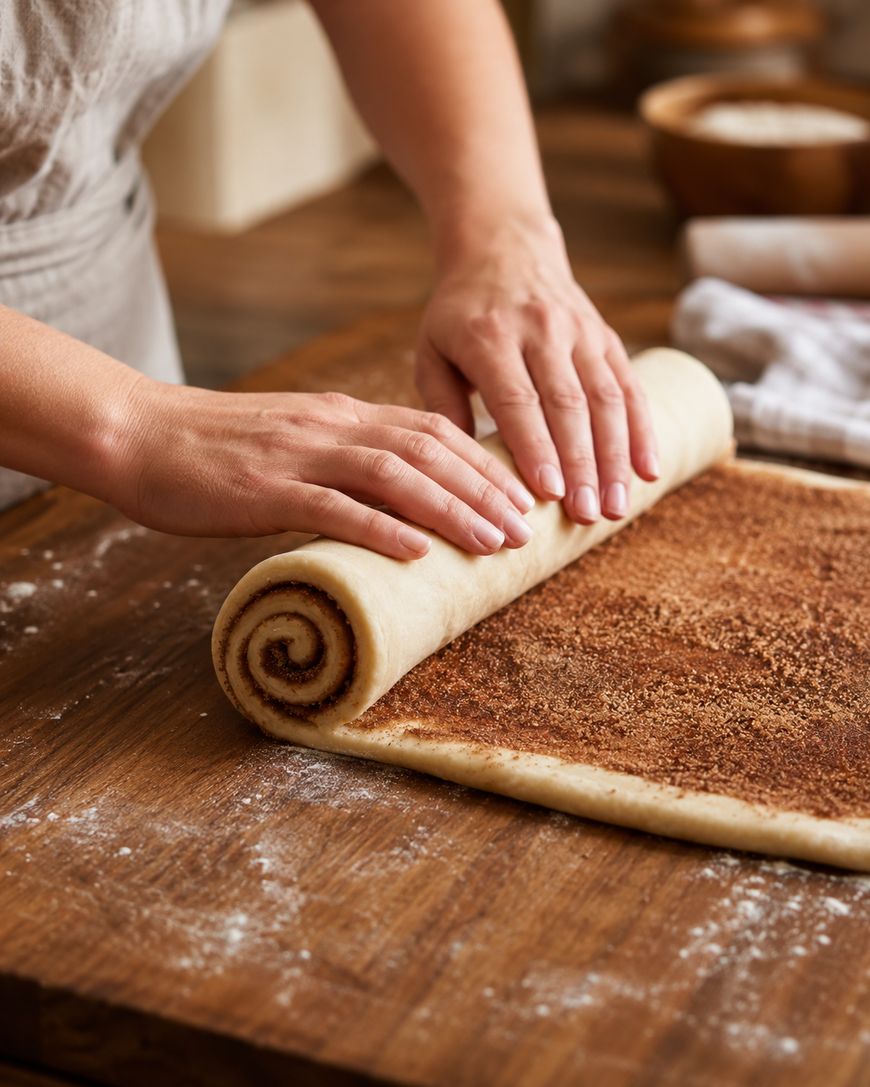
Sprinkle the brown sugar and cinnamon mixture over the butter, then press it down lightly with your palms so it adheres to the dough. Roll the dough up tightly starting from the long edge opposite the border, forming one continuous log.
Slicing and the Second Rise
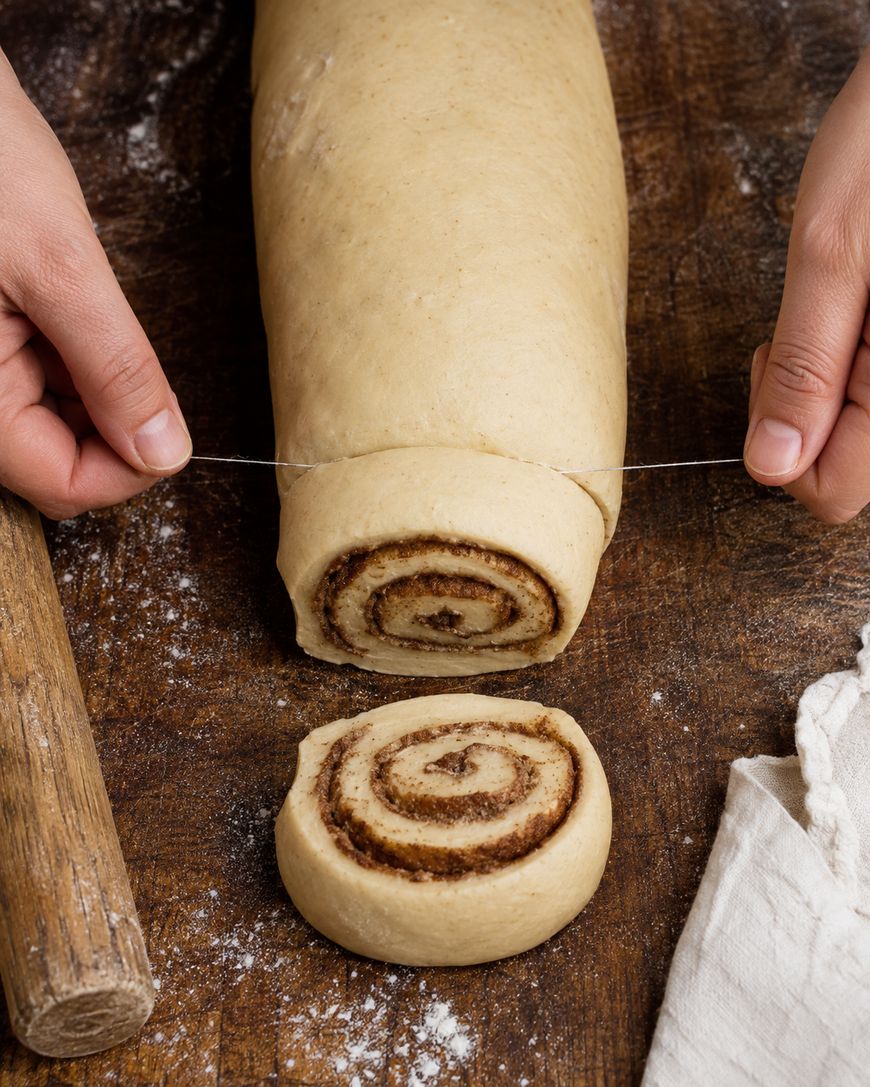
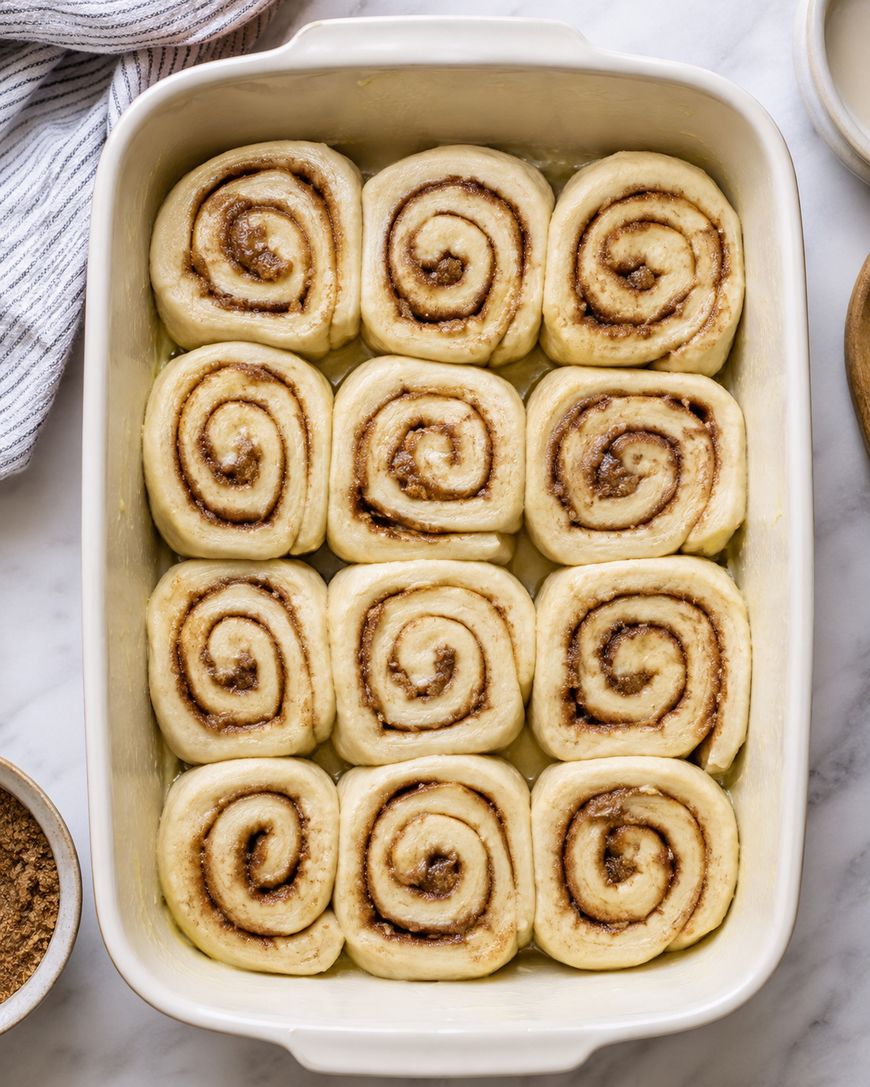
Use unflavored dental floss or a sharp serrated knife to slice the log into twelve even rolls, since floss tends to give the cleanest cut without squishing the dough. Arrange the rolls in a buttered nine by thirteen inch baking dish, leaving a little room between each one for expansion.
Cover the dish and let the rolls rise a second time for about forty-five minutes, until they are puffy and touching one another. This second rise is what gives finished cinnamon rolls their soft, fluffy layers, so avoid rushing it even if you are eager to bake.
Baking
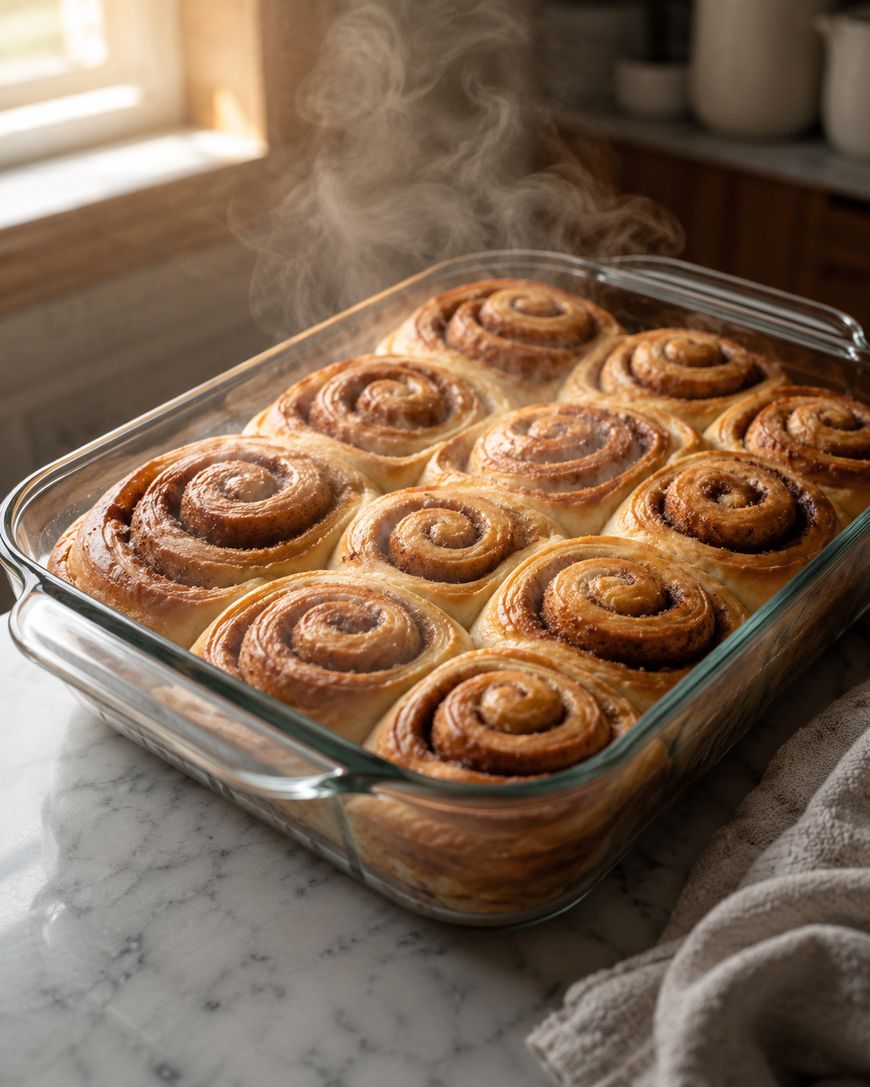
Bake the rolls in a 350°F oven for twenty-five to thirty minutes, until the tops are golden brown and the centers reach an internal temperature of about 190°F. Tent the dish loosely with foil partway through baking if the tops are browning faster than the centers are cooking.
Let the rolls cool for about ten minutes before icing them, since piping hot rolls will cause cream cheese icing to melt away instead of setting into that classic glossy layer. A short rest also makes the rolls easier to pull apart cleanly.
Cream Cheese Icing
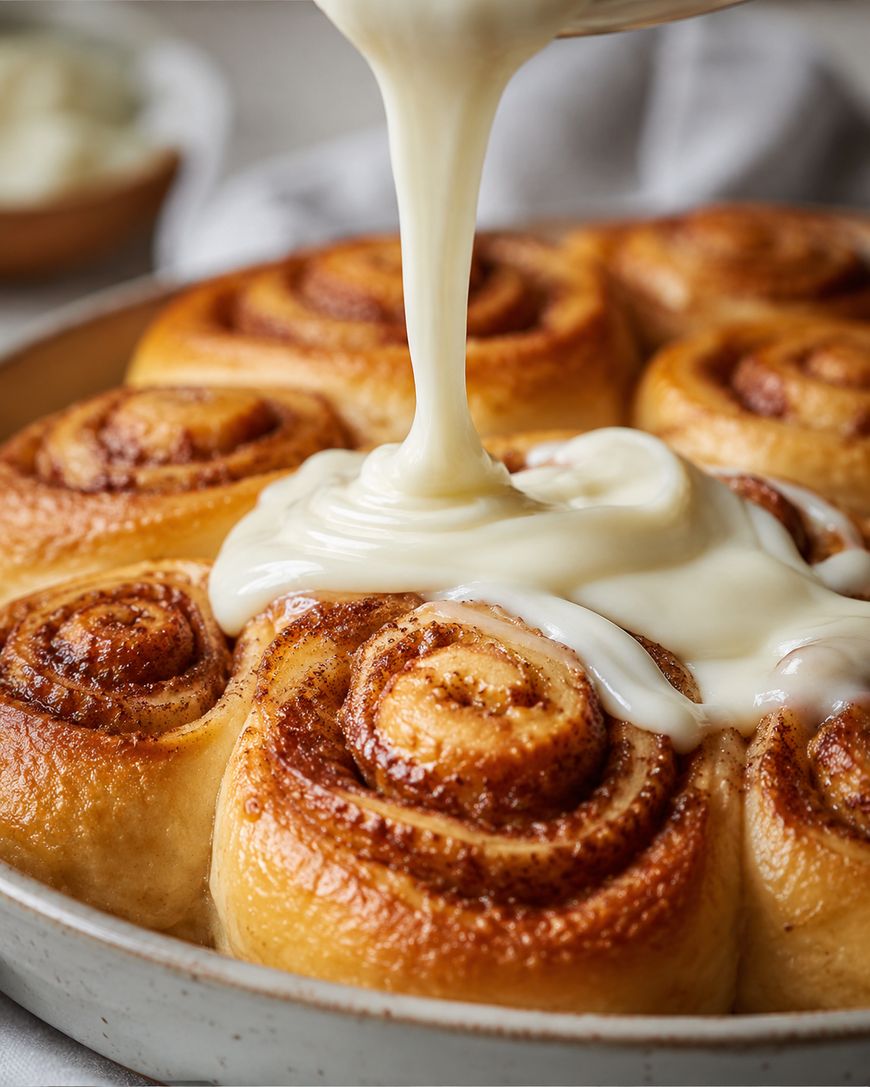
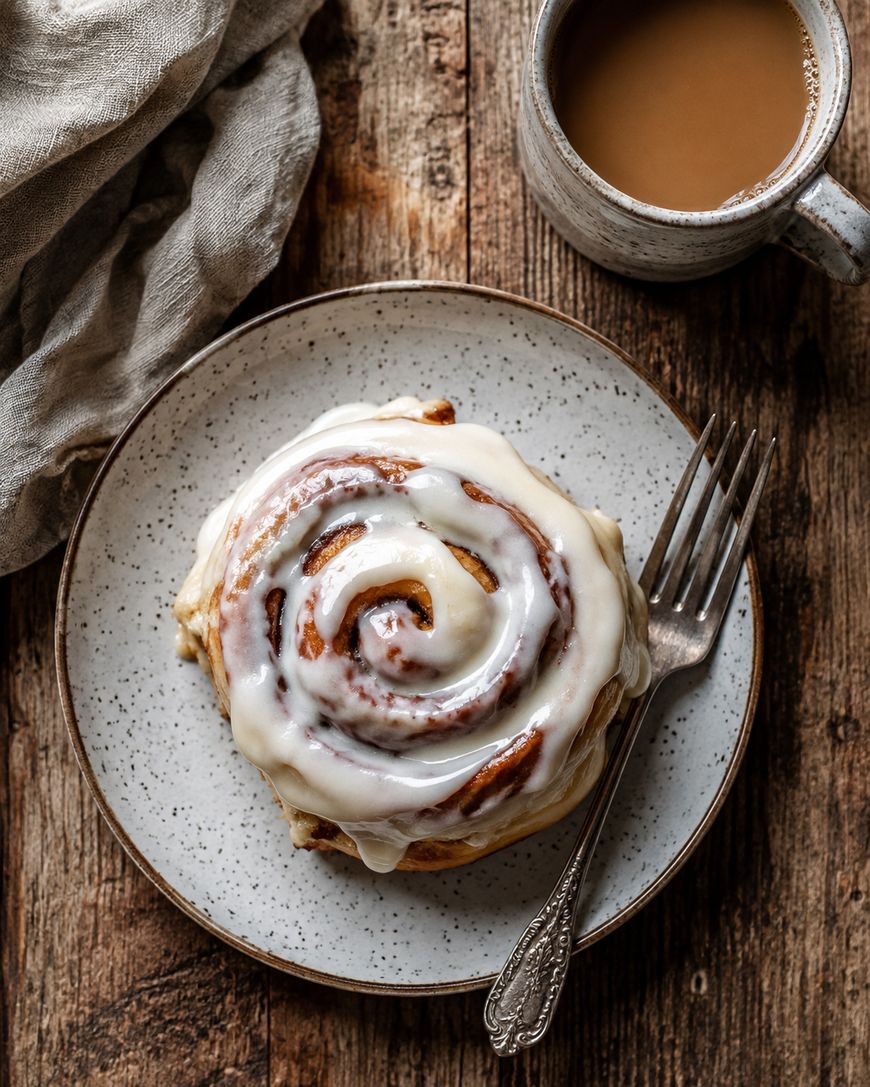
Beat softened cream cheese with butter until smooth, then add powdered sugar, vanilla extract, and a splash of milk until the icing reaches a thick but pourable consistency. Spread or drizzle the icing generously over the warm rolls so it melts slightly into every swirl.
Variations and Substitutions
Swap the plain filling for a maple pecan version by folding chopped pecans into the brown sugar mixture and using maple syrup in place of some of the vanilla in the icing. For an apple cinnamon roll, layer thin apple slices tossed in cinnamon sugar over the butter before rolling, similar to the fillings used in classic apple pie.
If you prefer a dairy-free version, substitute plant-based butter and a non-dairy milk alternative, and use a vegan cream cheese for the icing. Whole wheat pastry flour can replace up to half of the all-purpose flour for a slightly nuttier flavor, though the rolls will be a touch denser.
Storage and Make-Ahead Tips
Once they are iced, keep leftover cinnamon rolls in an airtight container in the refrigerator and eat them within 3 to 4 days — cream cheese frosting is not safe at room temperature. Un-iced rolls are fine on the counter for a day. Reheat individual rolls in the microwave for about fifteen seconds so the icing softens and the roll turns warm and tender again.
To make them ahead, assemble the rolls in the baking dish through the first slicing step, then cover tightly and refrigerate overnight instead of letting them do their second rise right away. The next morning, let the dish sit at room temperature for about thirty minutes before baking as directed, which lets the rolls finish their second rise gradually.
Cinnamon rolls also freeze well either baked or unbaked, so wrap them tightly in plastic wrap and foil before freezing for up to two months. Thaw overnight in the refrigerator, then reheat baked rolls in a low oven or bake unbaked rolls straight from frozen with a few extra minutes added to the bake time.
Serving Suggestions
Serve cinnamon rolls warm alongside a mug of coffee or hot chocolate for a classic weekend breakfast spread. They also pair well with fresh fruit or a simple scrambled egg for a more balanced brunch table.
The Origin of Cinnamon Rolls
Cinnamon rolls trace back to Swedish and German baking traditions, where sweet, spiced yeast breads called kanelbulle have been enjoyed for centuries. Swedish immigrants brought their love of cinnamon buns to the United States, where bakeries eventually added the thick cream cheese icing that defines the American style today.
Regional variations popped up over time, from the caramel-topped sticky buns of Philadelphia to the oversized, gooey rolls popularized by chains in shopping malls across the country. Despite all the regional twists, the basic formula of enriched dough, cinnamon sugar filling, and a sweet glaze has stayed remarkably consistent.
Ready to bring this tradition into your own kitchen? Use the recipe card below for exact measurements, timing, and step-by-step instructions.

Cinnamon Rolls
Soft, pillowy homemade cinnamon rolls swirled with brown sugar and cinnamon, topped with a rich cream cheese icing.
Ingredients
- 1 cup whole milk, warmed to 110°F
- 2 1/4 teaspoons active dry yeast (1 packet)
- 1/2 cup granulated sugar, divided
- 1/3 cup unsalted butter, melted
- 2 large eggs
- 1 teaspoon salt
- 4 1/2 cups all-purpose flour
- 1 cup unsalted butter, softened (for filling)
- 1 cup light brown sugar, packed
- 2 1/2 tablespoons ground cinnamon
- 4 ounces cream cheese, softened
- 1/4 cup unsalted butter, softened (for icing)
- 2 cups powdered sugar
- 1 teaspoon vanilla extract
- 2 tablespoons milk
Instructions
- Warm the milk to about 110°F and whisk in the yeast and 1 tablespoon of the sugar. Let sit until foamy, about 5 to 10 minutes.
- Whisk in the melted butter, eggs, remaining sugar, and salt.
- Gradually mix in the flour until a soft, slightly tacky dough forms.
- Knead the dough for about 8 minutes until smooth and elastic.
- Place the dough in an oiled bowl, cover, and let rise in a warm spot until doubled, about 90 minutes.
- Punch down the dough and roll it into a 16 by 21 inch rectangle on a floured surface.
- Spread the softened butter over the dough, leaving a small border along one long edge.
- Mix the brown sugar and cinnamon, then sprinkle evenly over the butter.
- Roll the dough into a tight log starting from the edge opposite the border.
- Slice into 12 even rolls using dental floss or a serrated knife.
- Arrange the rolls in a buttered 9x13 inch baking dish, cover, and let rise 45 minutes until puffy.
- Bake at 350°F for 25 to 30 minutes until golden brown and cooked through.
- Let cool 10 minutes, then beat cream cheese, butter, powdered sugar, vanilla, and milk together for the icing.
- Spread the icing over the warm rolls before serving.
Notes
For make-ahead rolls, refrigerate the sliced, unrisen rolls overnight and let them sit at room temperature for 30 minutes before baking. Rolls freeze well for up to two months, baked or unbaked.
Nutrition Information:
Yield:
12Serving Size:
1 rollAmount Per Serving: Calories: 410Total Fat: 17gSaturated Fat: 10gSodium: 260mgCarbohydrates: 58gFiber: 1gSugar: 28gProtein: 6g
This site provides estimated nutritional information. This information comes from online calculators. Although we try to provide accurate nutritional information, these figures are only estimates.
Cinnamon Rolls Frequently Asked Questions
Why didn’t my cinnamon rolls rise?
Your yeast may have been expired or the liquid used to activate it may have been too hot or too cold. Check that your kitchen is warm enough for rising, and give the dough extra time if your home tends to run cool.
Can I make cinnamon rolls without a stand mixer?
Yes, this dough can be kneaded entirely by hand on a floured surface for about eight to ten minutes. The dough should feel smooth and slightly springy when it is ready, even without mechanical kneading.
How do I keep the filling from leaking out during baking?
Make sure your butter is softened rather than melted before spreading it, since melted butter tends to run and pool at the edges. Sealing the seam of the rolled dough tightly and not overfilling the rolls also helps keep everything in place.
Can I use instant yeast instead of active dry yeast?
Instant yeast can be substituted in equal amounts, and you can skip the initial proofing step since instant yeast does not require blooming in warm milk first. Simply mix it directly into the dry ingredients before combining with the wet ingredients.
What is the best way to reheat leftover cinnamon rolls?
A quick fifteen to twenty second spin in the microwave brings back that fresh-baked softness better than an oven does for a single roll. If you are reheating a whole pan, cover it with foil and warm it in a 300°F oven for about ten minutes instead.
Can I freeze cinnamon rolls before baking them?
Yes, unbaked rolls freeze well once they are sliced and arranged in the baking dish, though it is best to freeze them before the second rise. Thaw them in the refrigerator overnight and let them come to room temperature before baking as directed.
Why This Cinnamon Rolls Recipe Works
The secret to truly great cinnamon rolls is patience with the dough, not a long ingredient list. A soft, enriched yeast dough gives you that pull-apart texture, while a generous brown sugar and cinnamon filling makes every bite taste like a bakery treat.
Final Thoughts on This Cinnamon Rolls Recipe
Homemade cinnamon rolls take a bit of time, but the soft, pillowy texture and warm cinnamon swirl make every step worth it. Once you try this recipe, you will find it becomes a regular request for lazy weekend mornings and holiday breakfasts alike.