Last updated: September 26, 2026
This brioche bread recipe delivers a deeply golden, feather-soft loaf enriched with eggs and butter — one of the most rewarding things you can bake at home. Everything you need to know is covered in the walkthrough below, and the full recipe card is waiting for you at the end.
What Makes Brioche Different From Regular Bread
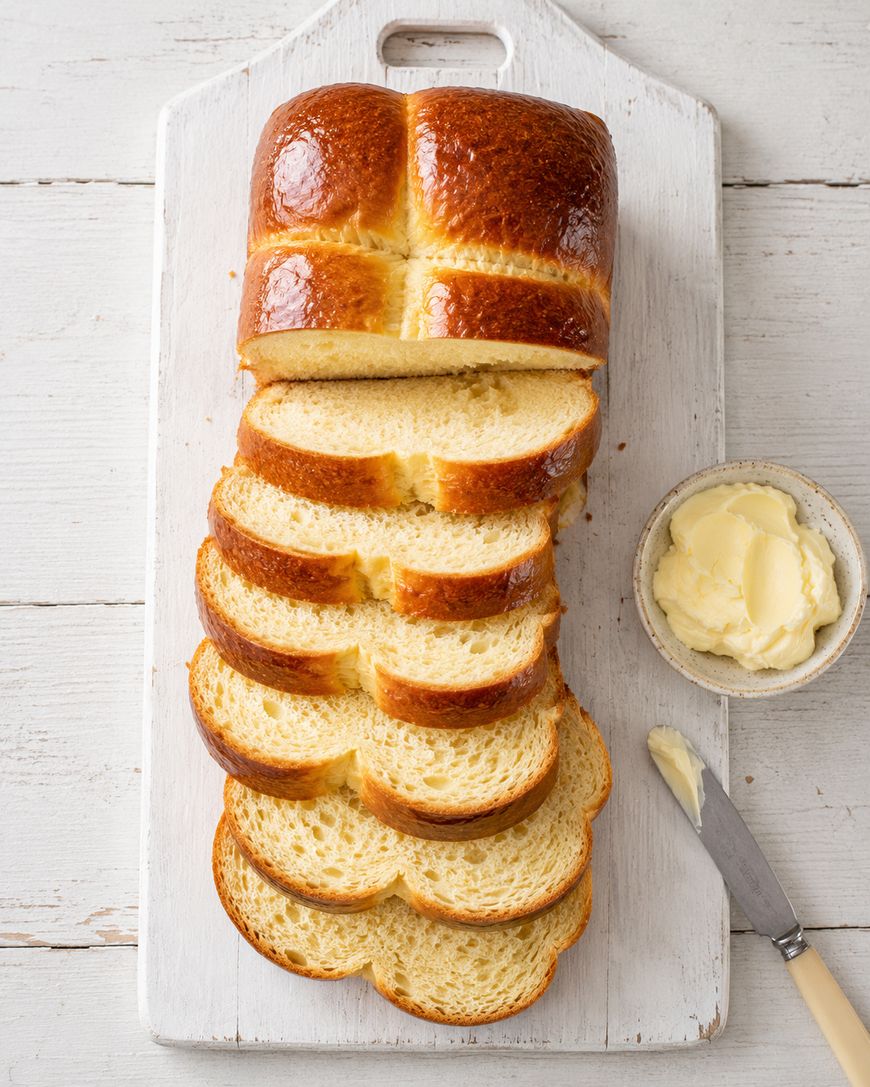
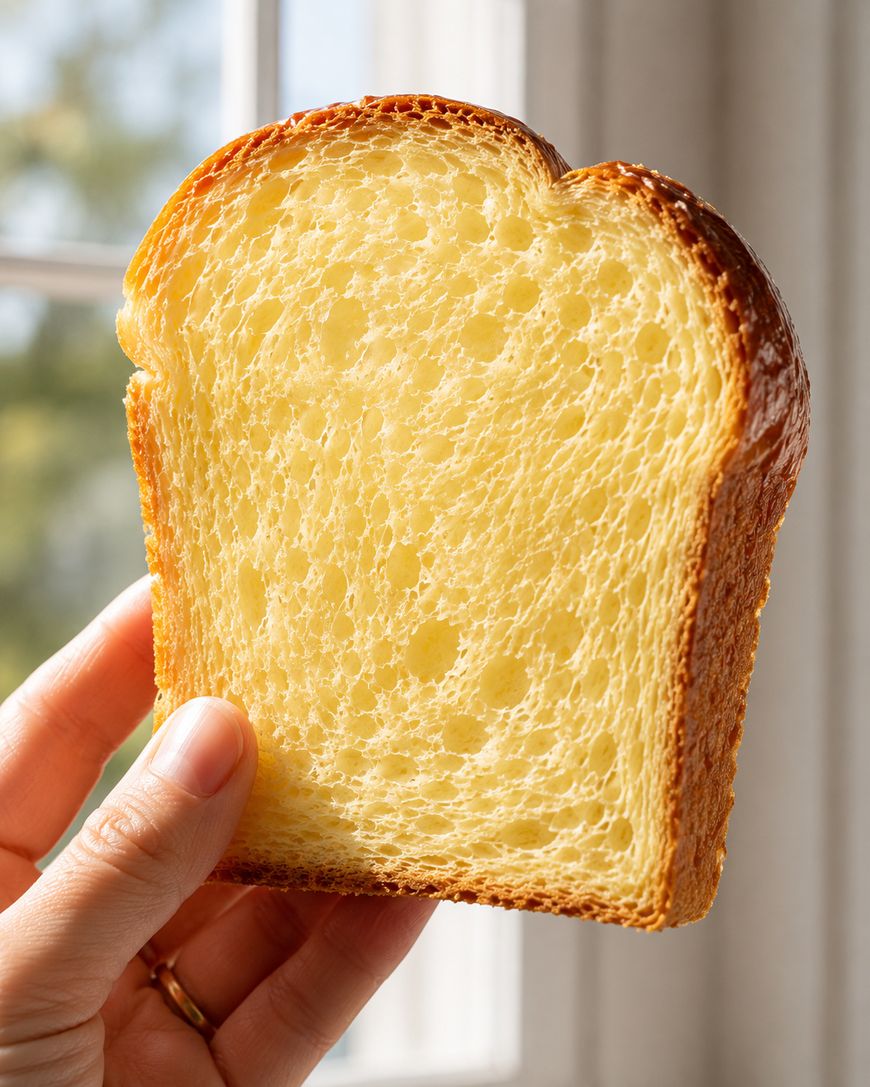
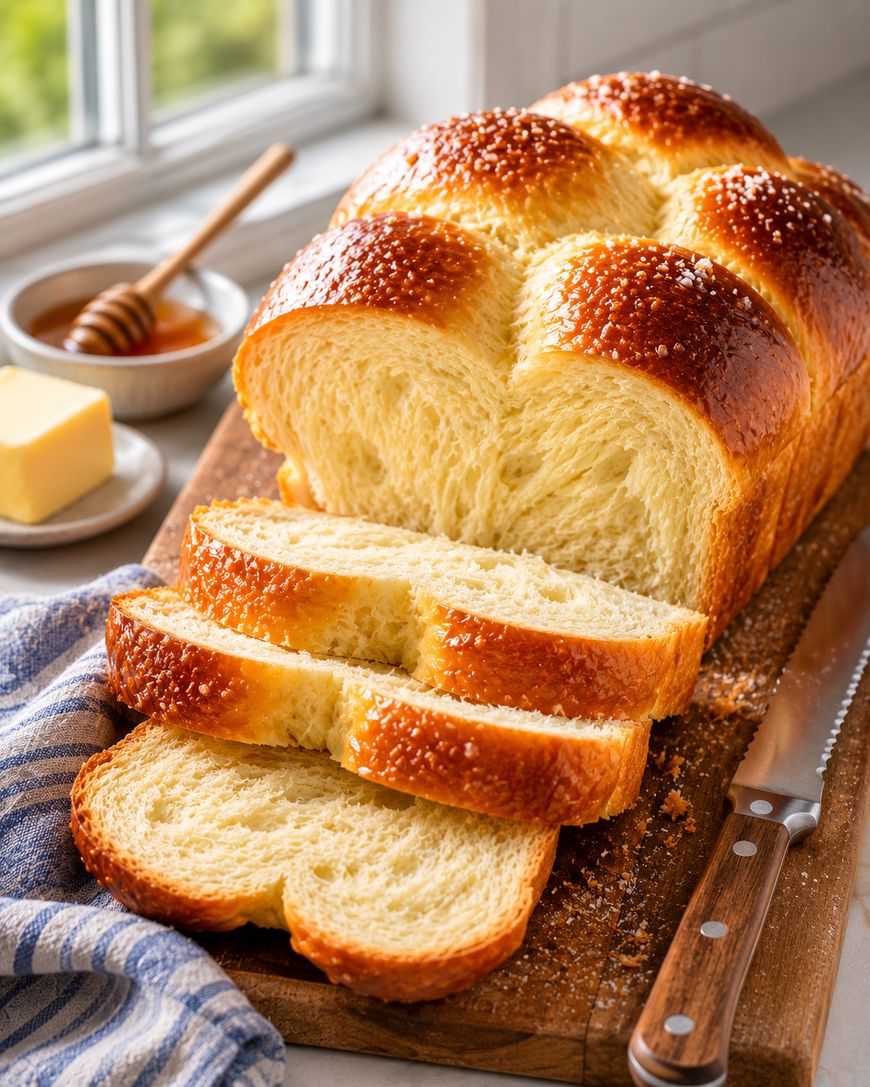
Brioche is a French enriched dough, meaning fat and eggs are worked into the flour alongside the usual water and yeast. The result is a crumb that is tender and slightly sweet, with a rich golden color from the egg yolks and a shiny, deep-brown crust from an egg wash.
Most lean breads hydrate flour with water alone. Brioche replaces that water with eggs and saturated fat from butter, which coats the gluten strands and produces a fine, cake-like texture rather than a chewy one.
Ingredients You Will Need
The Flour
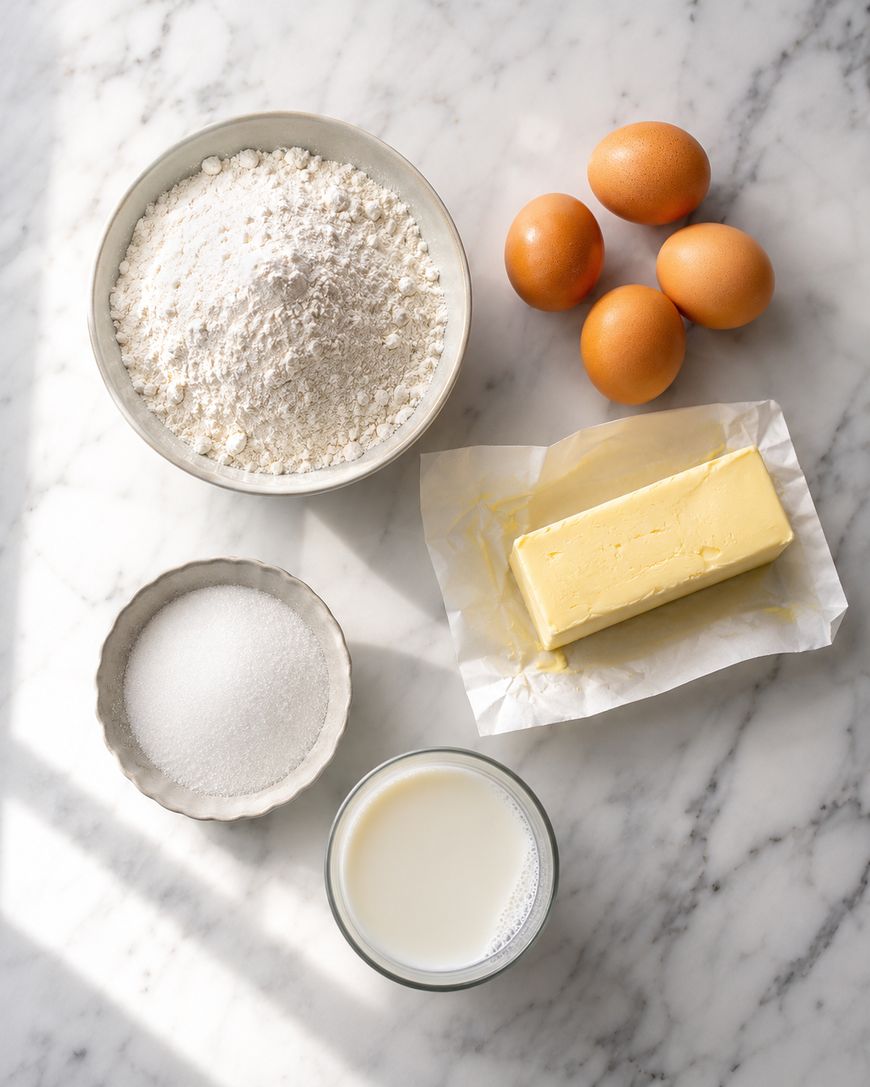
Bread flour is the best choice for brioche because its higher protein content builds enough gluten structure to hold all that butter without the loaf collapsing. All-purpose flour works in a pinch, but expect a slightly more delicate crumb.
Use 500 grams (about 4 cups) for a standard two-loaf batch.
The Yeast
Active dry yeast and instant yeast both work. Instant yeast can be added directly to the dry ingredients; active dry yeast benefits from blooming in a few tablespoons of warm milk (around 38C / 100F) for five minutes before mixing.
Two and a quarter teaspoons (one standard packet, 7g) is the right amount for this batch size.
The Eggs and Butter
Four large eggs at room temperature plus two extra yolks enrich the dough and give brioche its characteristic yellow crumb. Unsalted butter — 225 grams (1 cup), softened to room temperature — is cut into small cubes and added gradually during mixing. Cold butter seizes the dough; butter that is too warm makes it greasy and slack.
Sugar and Salt
Three tablespoons of granulated sugar provide gentle sweetness without tipping into cake territory. One and a half teaspoons of fine sea salt balances the richness and strengthens the gluten.
Milk
A quarter cup of whole milk adds a small amount of moisture and enriches the flavor. Reduce to two tablespoons in humid climates if the dough feels sticky before the butter stage.
How to Make Brioche Bread
Step One: Mix the Initial Dough
Combine flour, sugar, salt, and yeast in the bowl of a stand mixer fitted with a dough hook. Add the eggs, extra yolks, and milk. Mix on low speed until a shaggy dough forms, then increase to medium and mix for six to eight minutes until the dough becomes smooth and pulls away from the sides of the bowl.
The dough will feel quite stiff at this point — that is correct. It needs that structure to absorb the butter.
Step Two: Add the Butter
With the mixer running on medium-low, add the softened butter one or two pieces at a time, waiting for each addition to fully incorporate before adding the next. This process takes 10 to 15 minutes and cannot be rushed.
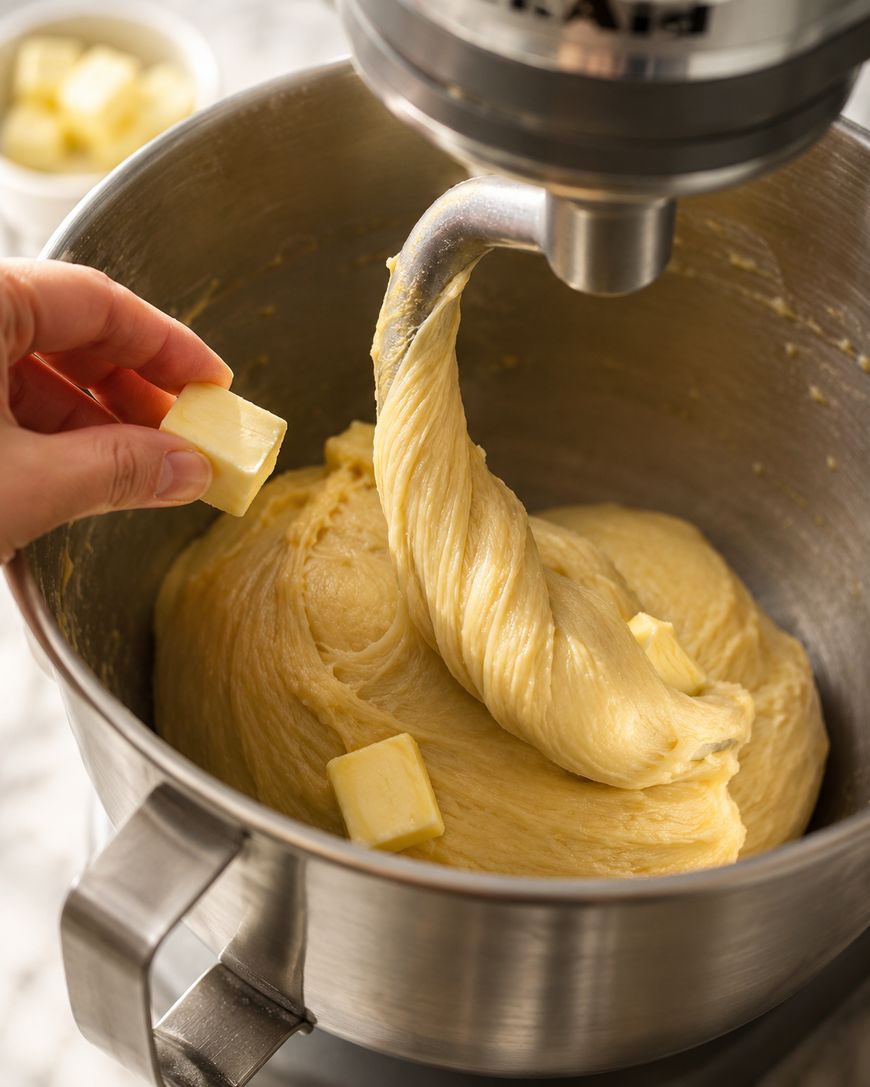
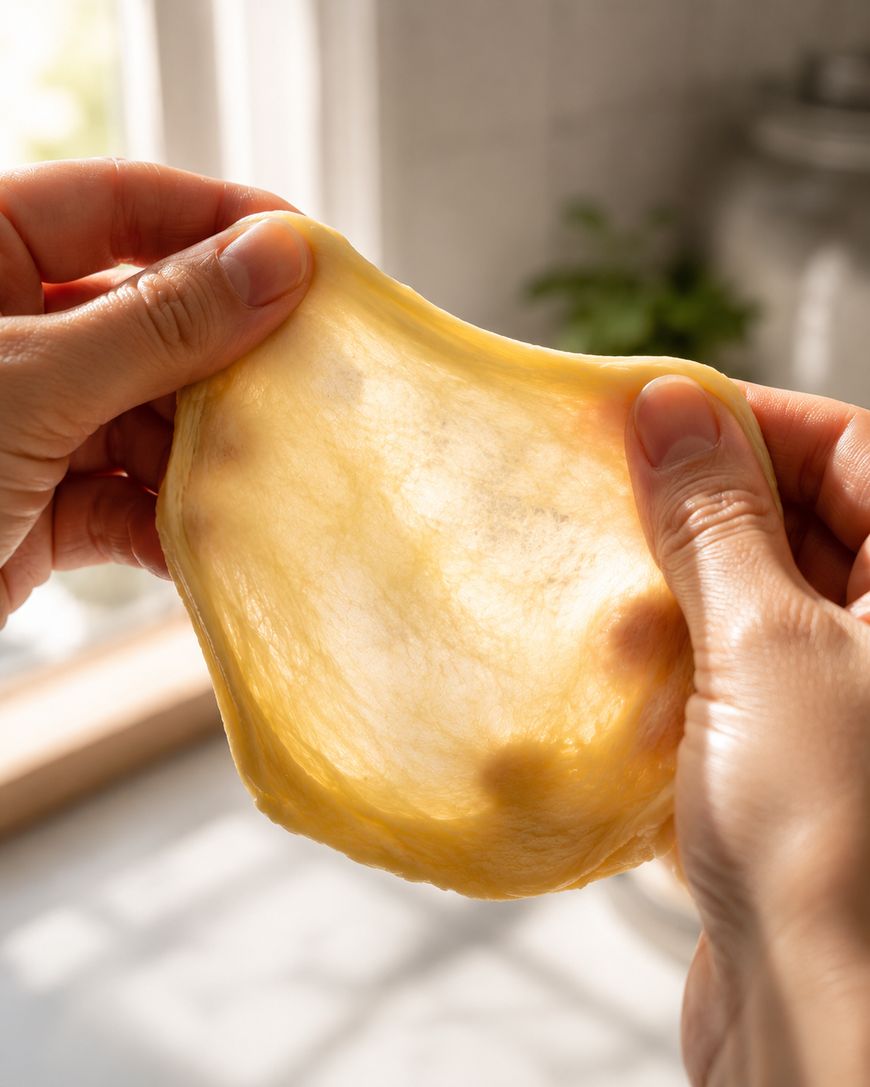
The dough is ready when it passes the windowpane test: stretch a small piece between your fingers. It should stretch thin enough to see light through without tearing.
Step Three: First Rise
Transfer the dough to a lightly buttered bowl, cover with plastic wrap, and refrigerate overnight (8 to 12 hours). The cold retard slows fermentation, develops flavor, and firms the butter so the dough is far easier to shape.
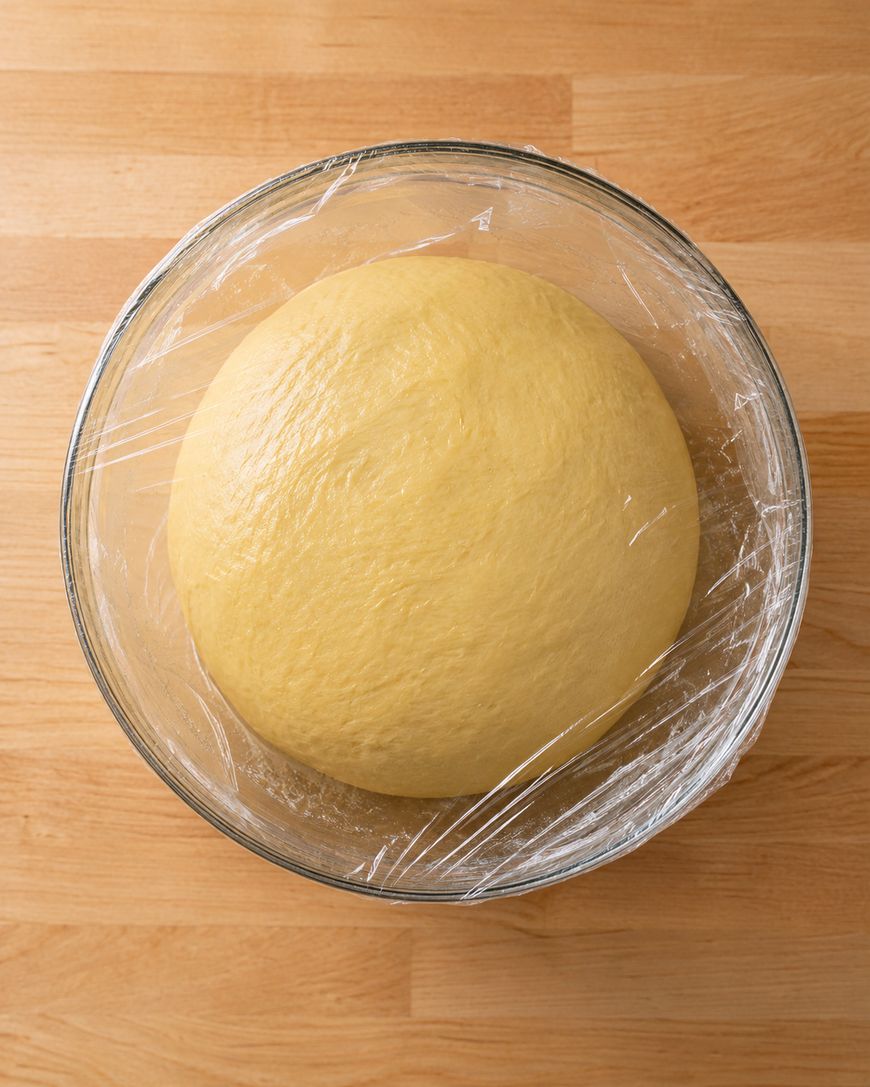
If you are short on time, a two-hour room-temperature rise (until doubled) works but produces a slightly less complex flavor.
Step Four: Shape the Loaves
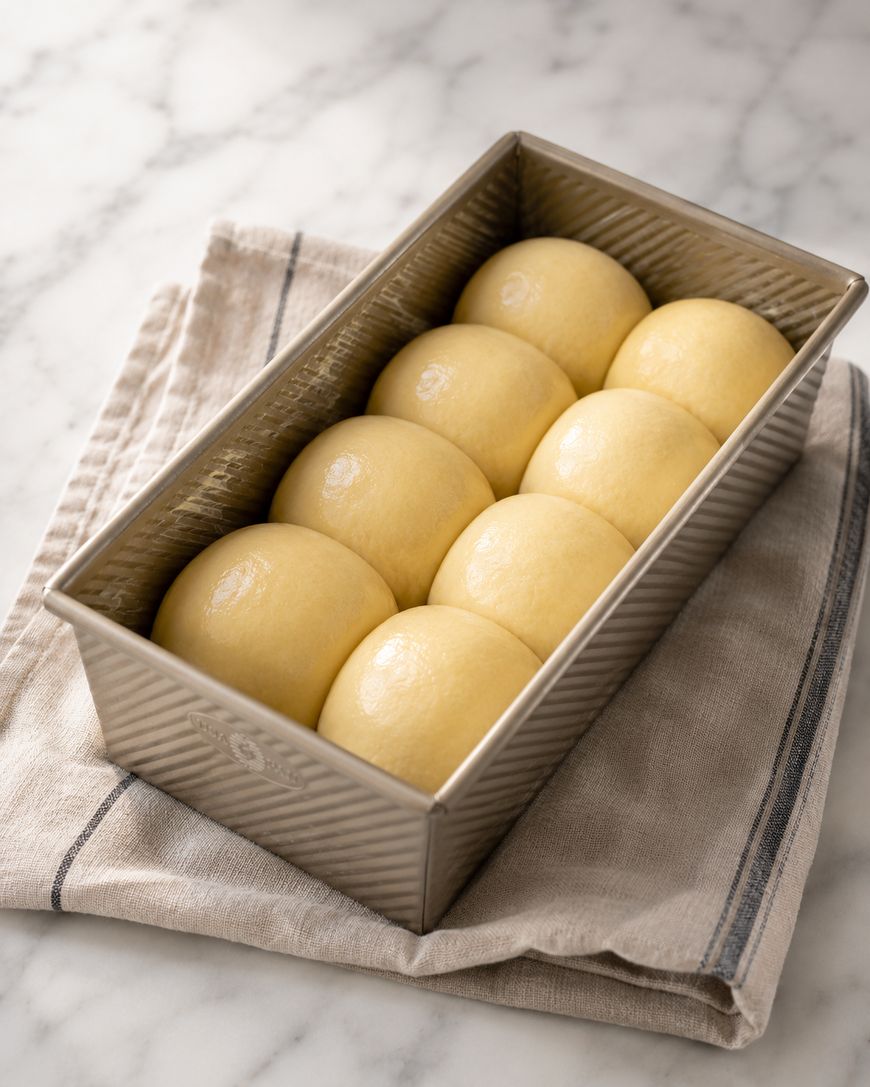
Divide the cold dough in half. For each loaf, divide the half into eight equal pieces and roll each into a smooth ball. Arrange four balls in each buttered 9×5 inch loaf pan in a single layer of two rows. The balls will fuse as they proof, creating the classic pull-apart crown.
For a single braided loaf, divide the dough into three equal ropes about 45cm (18 inches) long and braid from the center outward to each end.
Step Five: Final Proof
Cover the shaped loaves loosely with plastic wrap and leave at room temperature (around 22C / 72F) until the dough crowns about 2.5cm (1 inch) above the rim of the pan. This takes two to three hours from cold dough, or 60 to 90 minutes if your dough was room-temperature proofed.
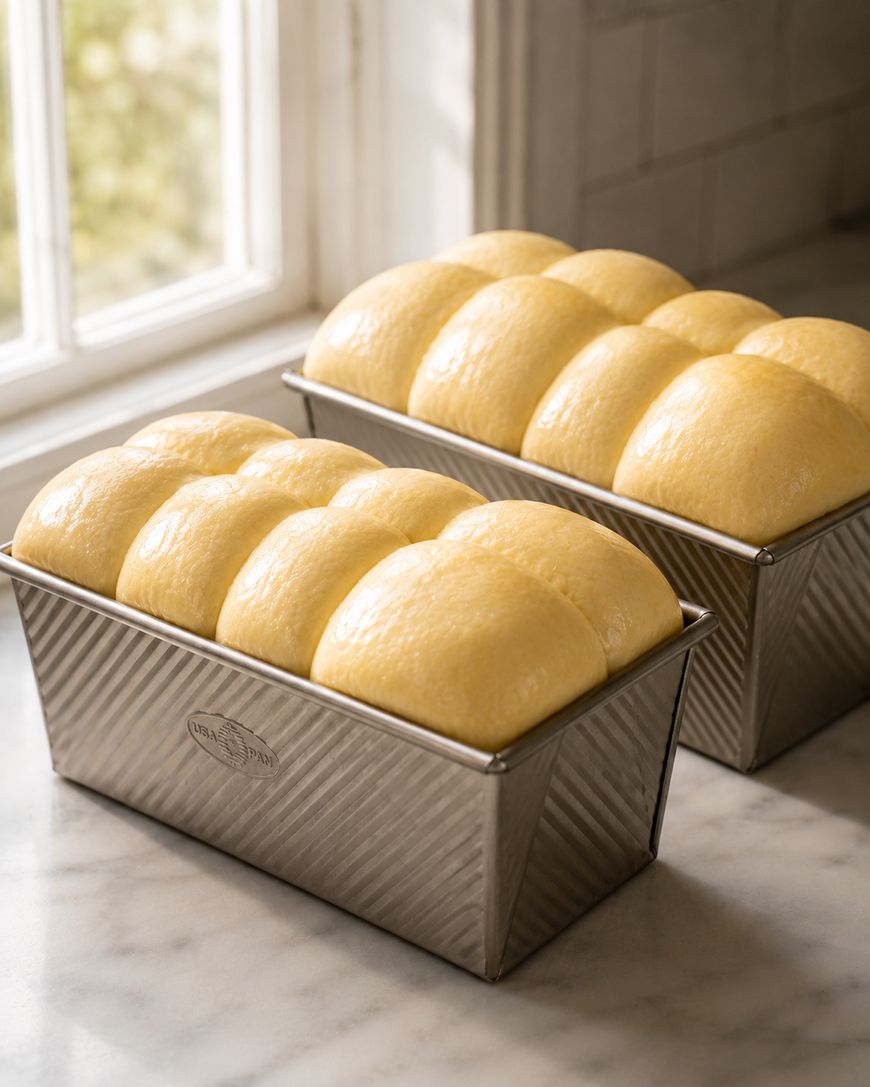
Do not rush the final proof. Under-proofed brioche tears at the sides during baking.
Step Six: Egg Wash and Bake
Preheat your oven to 175C / 350F. Whisk one egg with one tablespoon of milk and brush gently over the surface of each loaf. Avoid letting egg wash pool in the crevices or they will bake into hard seams.
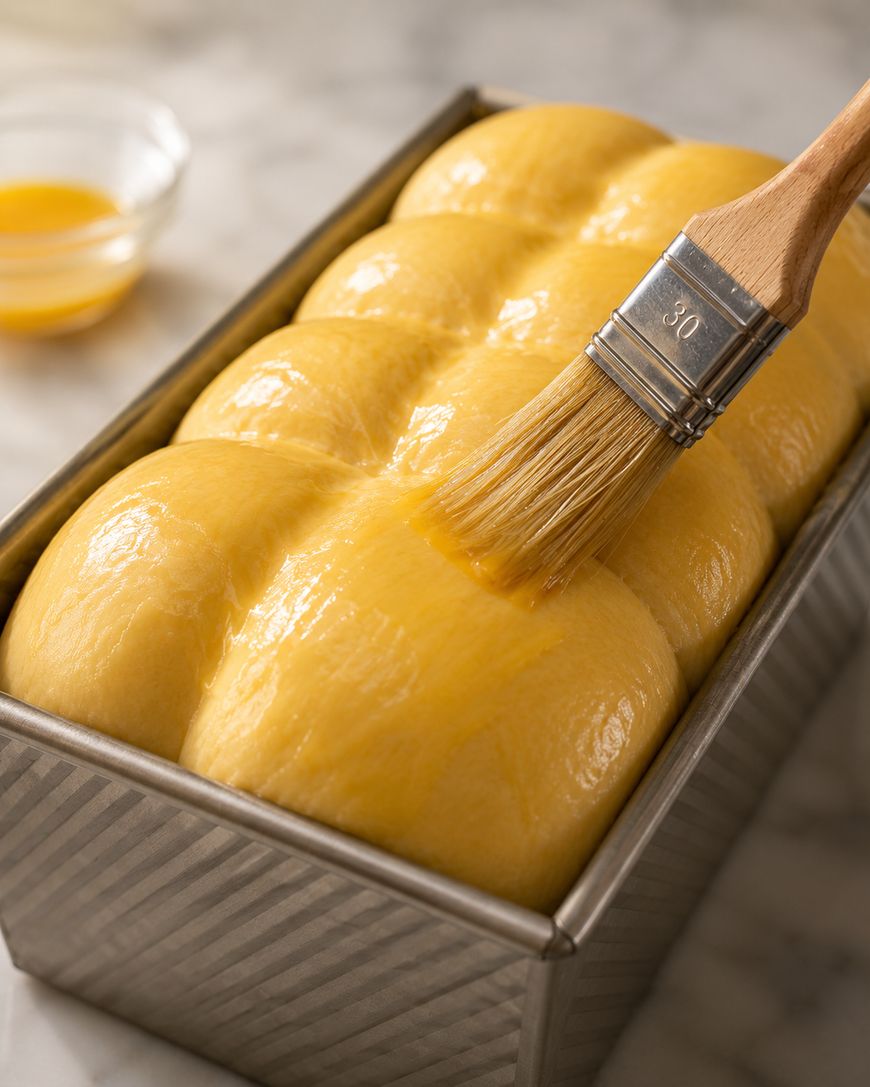
Bake for 30 to 35 minutes until the internal temperature reads 88 to 91C (190 to 195F) on an instant-read thermometer. Tent loosely with foil after the first 20 minutes if the top is browning faster than the center is cooking through.
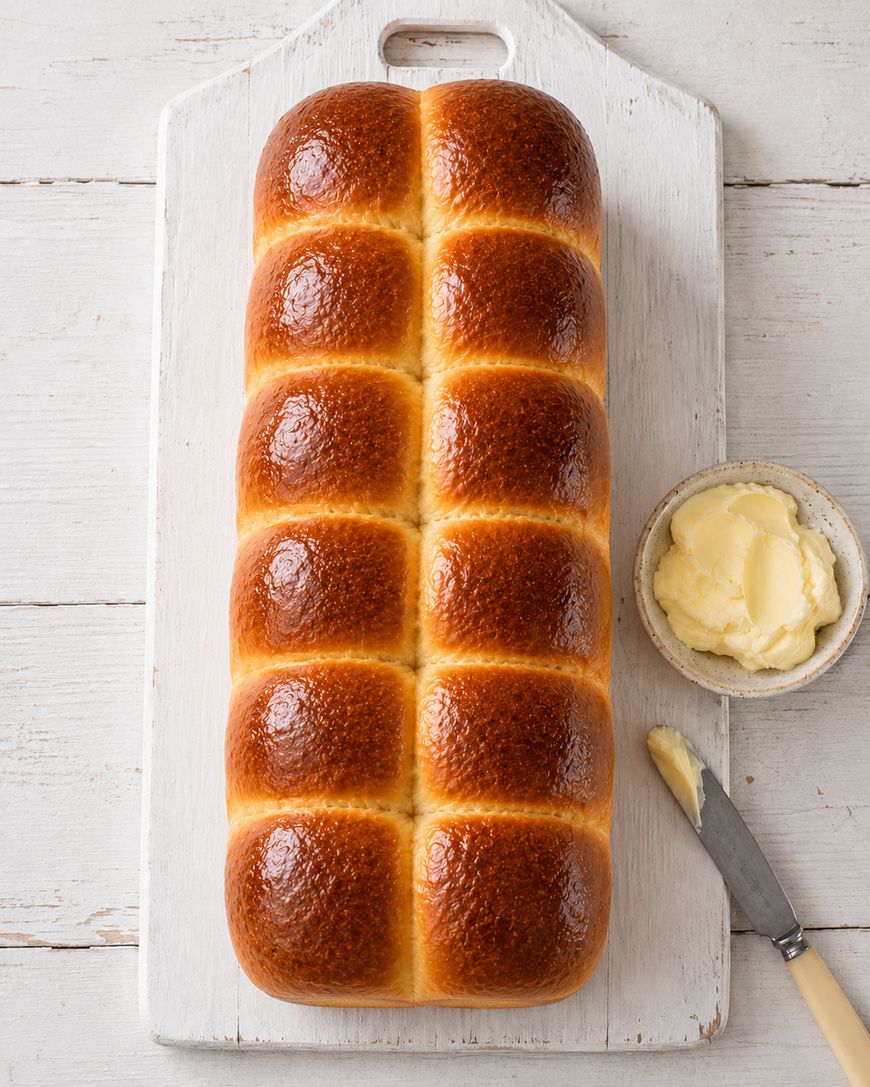
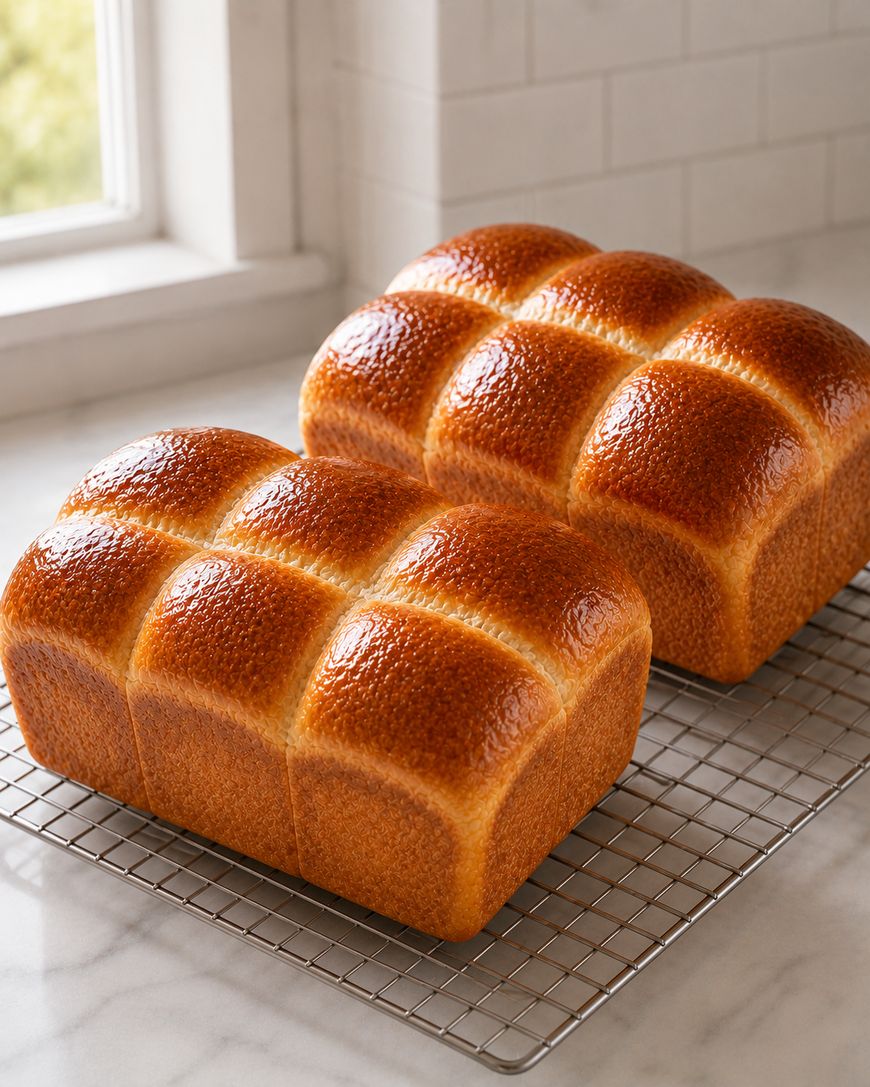
Cool in the pan for 10 minutes, then transfer to a wire rack. Resist slicing for at least 30 minutes — the crumb sets as it cools.
Variations and Substitutions
Brioche a Tete (Individual Rolls)
Divide the dough into 12 equal pieces. Roll each into a large ball and a small ball. Press the small ball into a dimple in the top of the large ball and nestle each pair into a buttered brioche mold or deep muffin cup. Proof and bake at 190C / 375F for 18 to 22 minutes.
Chocolate Swirl Brioche
After the cold retard, roll the dough into a large rectangle. Spread 100 grams of softened dark chocolate ganache (or Nutella) across the surface, roll tightly into a log, and slice in half lengthwise. Twist the two halves around each other and place in the loaf pan. The visual effect on the sliced loaf is striking.
Dairy-Free Substitution
Replace the butter with the same weight of refined coconut oil (solid at room temperature, not melted) and swap the milk for oat milk. The texture is slightly less silky but the loaf still proofs and bakes beautifully. Note that coconut oil has a lower melting point, so keep the dough cold throughout.
Whole Wheat Option
Replacing up to 30 percent of the bread flour with whole wheat flour adds a subtle nuttiness without significantly tightening the crumb. Beyond 30 percent, the loaf becomes noticeably denser.
Storage and Freezing
Brioche stales faster than lean bread because the butter eventually separates from the crumb. Store sliced brioche cut-side down on a cutting board, loosely covered with a clean towel, and consume within two days for best texture.
For longer storage, slice the cooled loaf completely and freeze individual slices separated by parchment paper in a zip-lock bag. Frozen brioche toasts directly from frozen in 90 seconds in a toaster, emerging indistinguishable from fresh.
Whole unsliced loaves can be wrapped tightly in plastic and foil and frozen for up to one month. Thaw at room temperature overnight.
Serving Suggestions
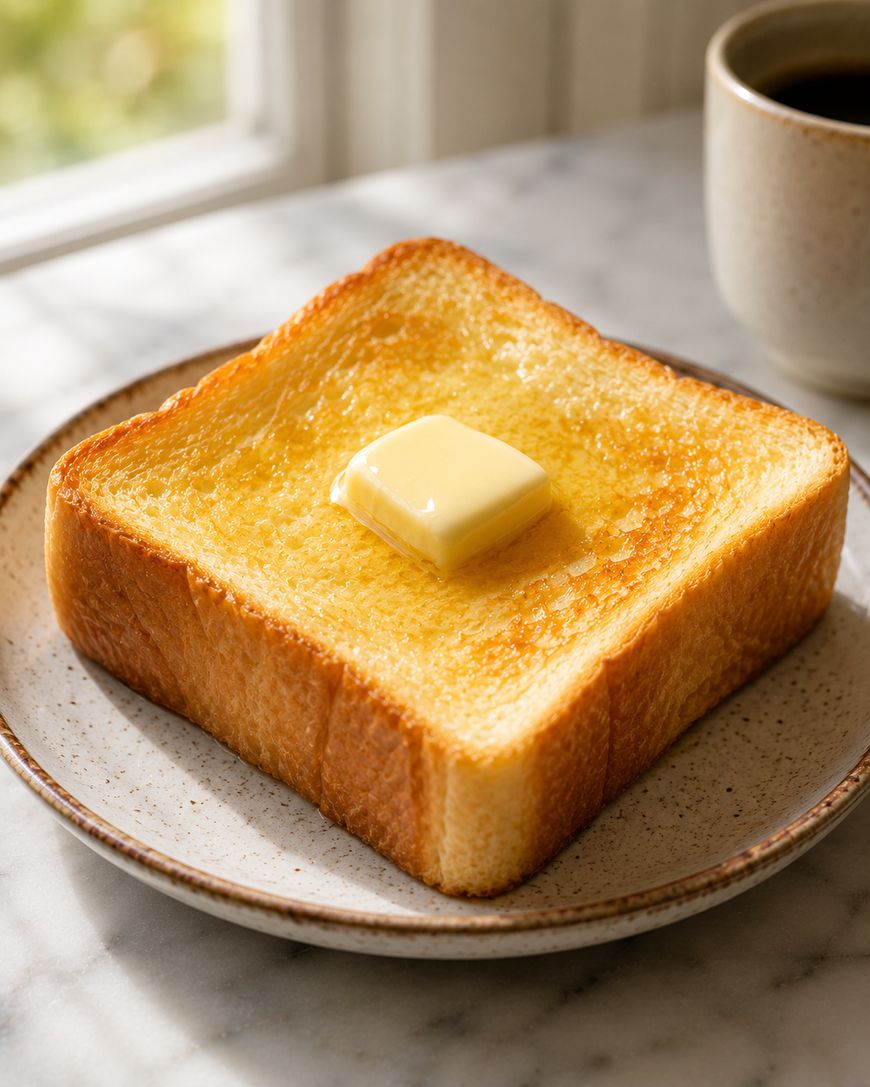
Thick-cut brioche toast with cultured butter and good sea salt is the simplest and most satisfying application. Brioche also makes exceptional French toast because the enriched crumb soaks custard without falling apart.
Use day-old brioche for bread pudding — its fat content means the pudding bakes up custardy rather than gummy. In savory applications, brioche buns elevate any burger, and thin slices make luxurious croutons for salads when fried in clarified butter.
The History and Origin of Brioche
Brioche originated in Normandy, France, where dairy farming supplied the cream and butter that enriched local baking from as early as the 15th century. The name appears in written records by 1404, and by the 17th century the bread was associated with festivity and celebration rather than everyday eating.
The phrase “Let them eat cake” — attributed (almost certainly falsely) to Marie Antoinette — is more accurately translated from the original French as “Let them eat brioche,” which better conveys the absurdity: brioche was a luxury product well beyond the reach of those suffering bread shortages.
Auguste Escoffier codified the modern brioche formula in the late 19th century, and French bakers have debated the correct butter ratio ever since. The enriched dough tradition spread through Europe and arrived in the United States through Louisiana’s Creole baking culture, where pain perdu (the original French toast) was a practical way to use leftover brioche.
Try this recipe once and you will understand why brioche has earned its reputation across six centuries of baking. The full instructions, yields, and nutrition details are all in the recipe card below.
Brioche Bread Recipe
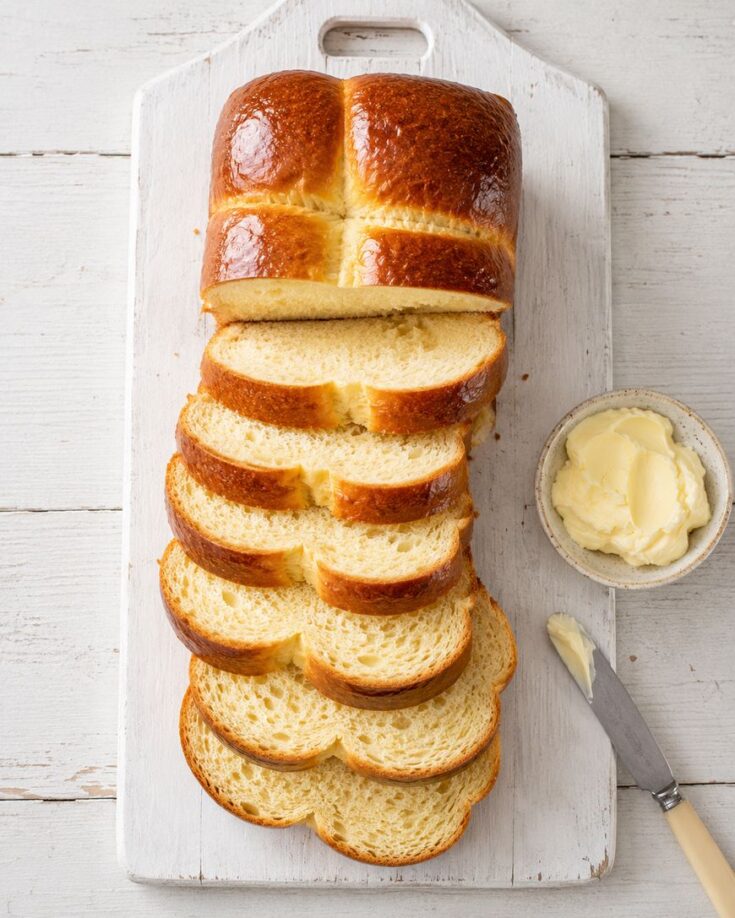
A classic French brioche bread recipe with a pillowy-soft crumb, rich buttery flavor, and deep golden crust. Made with an overnight cold retard for maximum flavor and easy shaping.
Ingredients
- 500g (4 cups) bread flour
- 3 tablespoons granulated sugar
- 1 1/2 teaspoons fine sea salt
- 2 1/4 teaspoons instant yeast (one 7g packet)
- 4 large eggs, room temperature
- 2 large egg yolks, room temperature
- 1/4 cup (60ml) whole milk, room temperature
- 225g (1 cup / 2 sticks) unsalted butter, softened and cut into 1-inch cubes
- 1 egg plus 1 tablespoon milk (for egg wash)
Instructions
- Combine flour, sugar, salt, and yeast in the bowl of a stand mixer fitted with a dough hook.
- Add the 4 eggs, 2 yolks, and milk. Mix on low until a shaggy dough forms, then increase to medium and mix 6 to 8 minutes until smooth and pulling away from the bowl sides.
- With the mixer on medium-low, add butter a few pieces at a time, fully incorporating each addition before adding more. This takes 10 to 15 minutes total.
- Mix until the dough passes the windowpane test -- a small piece stretches thin without tearing.
- Transfer to a buttered bowl, cover with plastic wrap, and refrigerate 8 to 12 hours (overnight).
- Remove dough from the refrigerator. Divide in half. Divide each half into 8 equal pieces and roll into smooth balls.
- Arrange 8 balls (2 rows of 4) in each buttered 9x5 inch loaf pan.
- Cover loosely and proof at room temperature until dough crowns about 1 inch above the pan rim, 2 to 3 hours.
- Preheat oven to 175C / 350F. Whisk together the egg and milk for the egg wash and brush gently over each loaf.
- Bake 30 to 35 minutes until deep golden brown and the internal temperature reaches 88 to 91C (190 to 195F). Tent with foil after 20 minutes if browning too quickly.
- Cool in pan 10 minutes, then transfer to a wire rack. Wait at least 30 minutes before slicing.
Notes
For best flavor, do not skip the overnight cold retard in the refrigerator.
Butter must be genuinely softened (not melted) -- it should hold its shape but yield easily when pressed.
Brioche freezes exceptionally well. Slice completely before freezing and toast directly from frozen.
Day-old brioche makes outstanding French toast and bread pudding.
Nutrition Information:
Yield:
16Serving Size:
1 sliceAmount Per Serving: Calories: 265Total Fat: 14gSaturated Fat: 8gSodium: 230mgCarbohydrates: 28gFiber: 1gSugar: 4gProtein: 6g
This site provides estimated nutritional information. This information comes from online calculators. Although we try to provide accurate nutritional information, these figures are only estimates.
Frequently Asked Questions
Can brioche be made without a stand mixer?
Brioche can be made by hand, but the process is demanding. The butter must be worked in using the fraisage technique — smearing the dough across a work surface with the heel of your hand — for 20 to 30 minutes until fully incorporated. A stand mixer makes the task far more consistent and less exhausting, particularly for first-time bakers.
Why did my brioche not rise properly?
The two most common culprits are inactive yeast and butter that was too cold when added. Always check yeast freshness by blooming it in warm milk before starting. Cold butter will not incorporate smoothly and can leave fat pockets that prevent proper gluten development, stalling the fermentation. The dough should also be fully smooth and windowpane-ready before it goes into the first rise.
Can the overnight refrigeration be skipped?
The cold retard can be skipped in favor of a two-hour room-temperature first rise, but the flavor will be noticeably less developed. The cold also firms the butter, making the dough much easier to shape without tearing. If you do skip it, chill the shaped loaves for 30 minutes after shaping before the final proof.
Why does my brioche collapse after baking?
Collapse after baking almost always means the loaf was over-proofed before it went into the oven. The gluten network becomes too fragile to support the structure once the steam of baking escapes. Pull the loaves at the windowpane stage during mixing, watch the final proof carefully (the dough should crown the pan by about 2.5cm, not overflow it), and verify the internal temperature reaches at least 88C before pulling.
Is brioche the same as challah?
Brioche and challah are both enriched breads, but they differ in fat source and flavor profile. Challah uses oil (traditionally for kosher reasons, to keep it pareve) rather than butter, and relies entirely on eggs for its golden color and rich flavor. The result is a slightly chewier, less tender crumb than brioche. Brioche is notably richer and more buttery in flavor.
Can the sugar be reduced for a more savory brioche?
Reducing the sugar to one tablespoon produces a more neutral loaf that works well for savory applications like burger buns or sandwich bread. Eliminating sugar entirely is not recommended — it slows yeast activity and produces a paler, less shiny crust.
Final Thoughts
This brioche bread recipe rewards patience at every step — proper butter incorporation, a slow cold rise, and a careful final proof all contribute to a loaf that is genuinely extraordinary. Whether you serve it toasted with cultured butter or use it as the base for the best French toast of your life, brioche is a skill worth building.