Last updated: September 13, 2026
You can have a warm, flaky crescent roll danish on the table in under thirty minutes, and this recipe walks you through every step so it comes out right the first time.
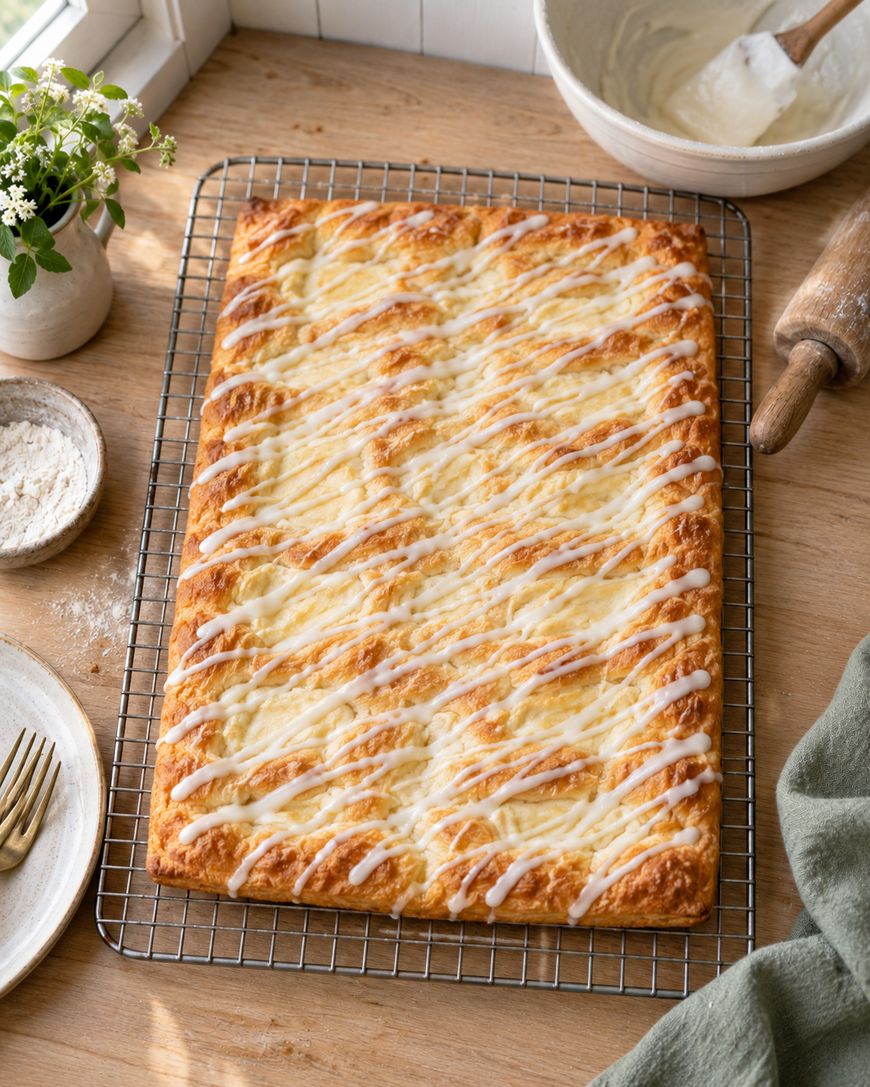
We use canned crescent roll dough and a simple sweet cream cheese filling, so there is no yeast to proof and no waiting around for dough to rise.
Why This Crescent Roll Danish Works So Well
A crescent roll danish takes the flaky, buttery layers of store bought crescent dough and wraps them around a filling that tastes like it came from a real bakery case.
You get all of the texture of a laminated pastry without the hours of folding and chilling that a traditional danish dough requires.
This version leans on full fat cream cheese, granulated sugar, vanilla extract, and a touch of lemon zest for the filling, which keeps things bright instead of overly sweet.
Once you see how simple the assembly is, you will understand why this crescent roll danish shows up on so many weekend breakfast tables and holiday brunch spreads.
What You Need for This Crescent Roll Danish
The Dough
Two standard 8 ounce cans of refrigerated crescent roll dough form the base of this recipe.

Look for the sheet style dough if your store carries it, since it has fewer seams, but the classic triangle cut dough works just as well once pressed together.
The Filling
You will need 8 ounces of full fat cream cheese, softened to room temperature so it blends smoothly without lumps.
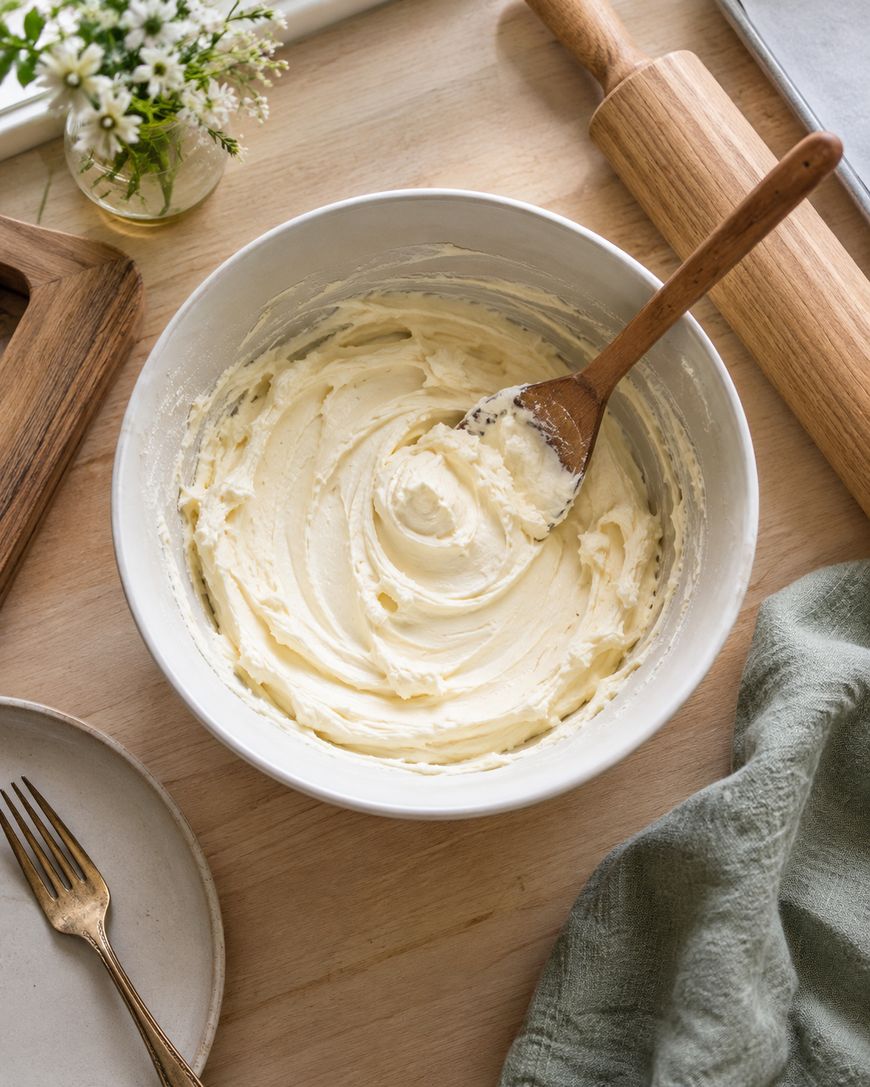
Half a cup of granulated sugar sweetens the filling, while one large egg yolk helps it set into a soft, custardy layer as it bakes.
A teaspoon of vanilla extract and the zest of one lemon round out the flavor, giving the filling a fresh, slightly tangy edge.
The Topping
One egg white beaten with a splash of water creates an egg wash that gives the crescent roll danish its golden, glossy finish.
A light dusting of coarse sugar on top adds sparkle and a little crunch, though this step is optional if you prefer a plain golden top.
How to Make a Crescent Roll Danish
Preparing the Pan and Dough
Preheat your oven to 375 degrees Fahrenheit and line a baking sheet with parchment paper.
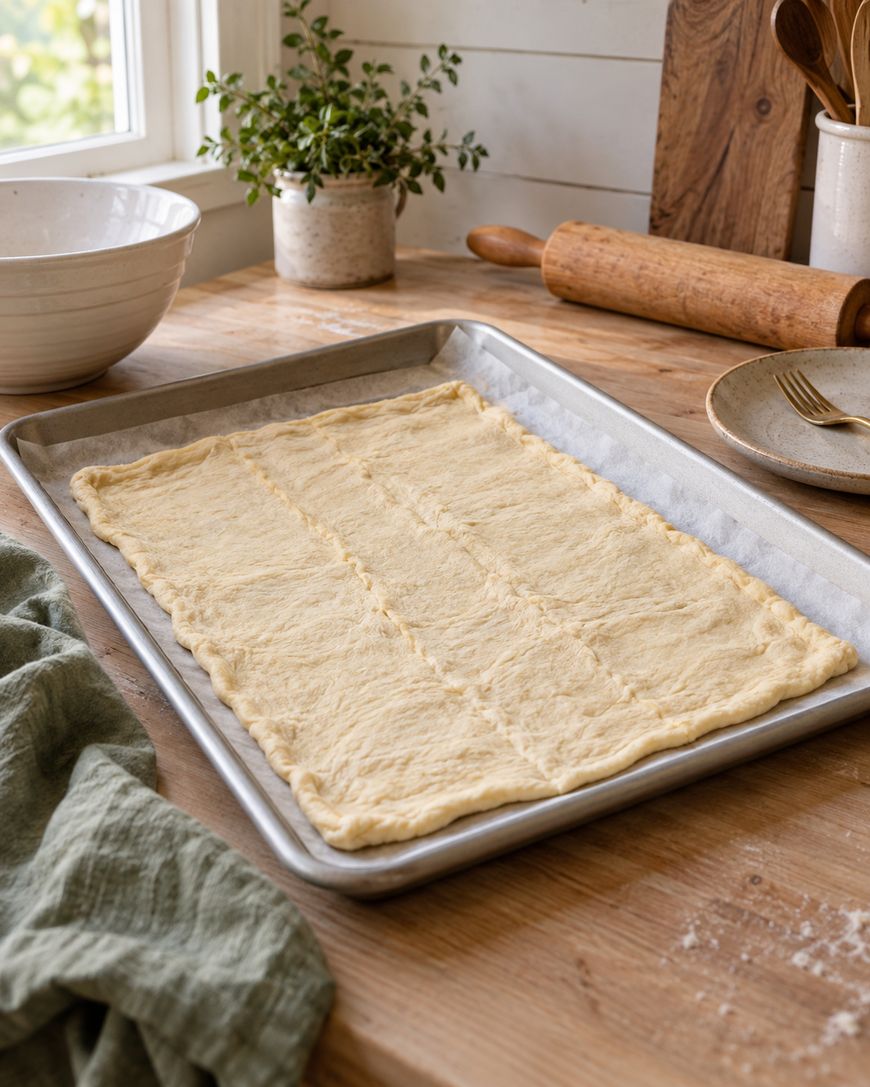
Unroll one can of crescent dough directly onto the parchment and press the seams together to form one solid rectangle.
Use your fingers or a rolling pin to smooth out any perforations so the dough holds the filling without leaking.
Mixing the Filling
In a medium bowl, beat the softened cream cheese until it is completely smooth with no lumps remaining.
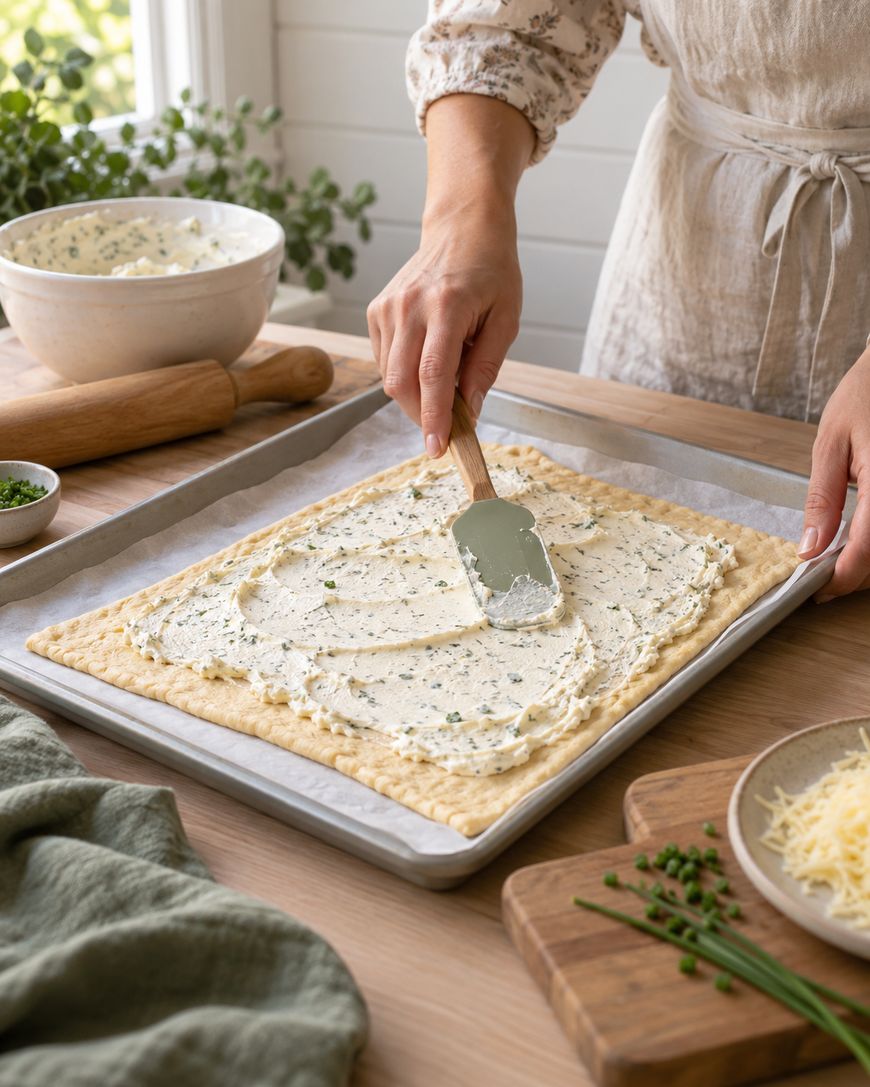
Add the sugar, egg yolk, vanilla extract, and lemon zest, then mix until the filling is light and creamy.
Spread the filling evenly over the dough rectangle, leaving about a one inch border bare on all sides.
Adding the Top Layer and Baking
Unroll the second can of crescent dough and lay it directly over the filling, pressing the edges to seal the two sheets together.
Brush the top with the egg wash and sprinkle with coarse sugar if you are using it.
Bake for 20 to 22 minutes, or until the top is deep golden brown and the filling is set in the center.
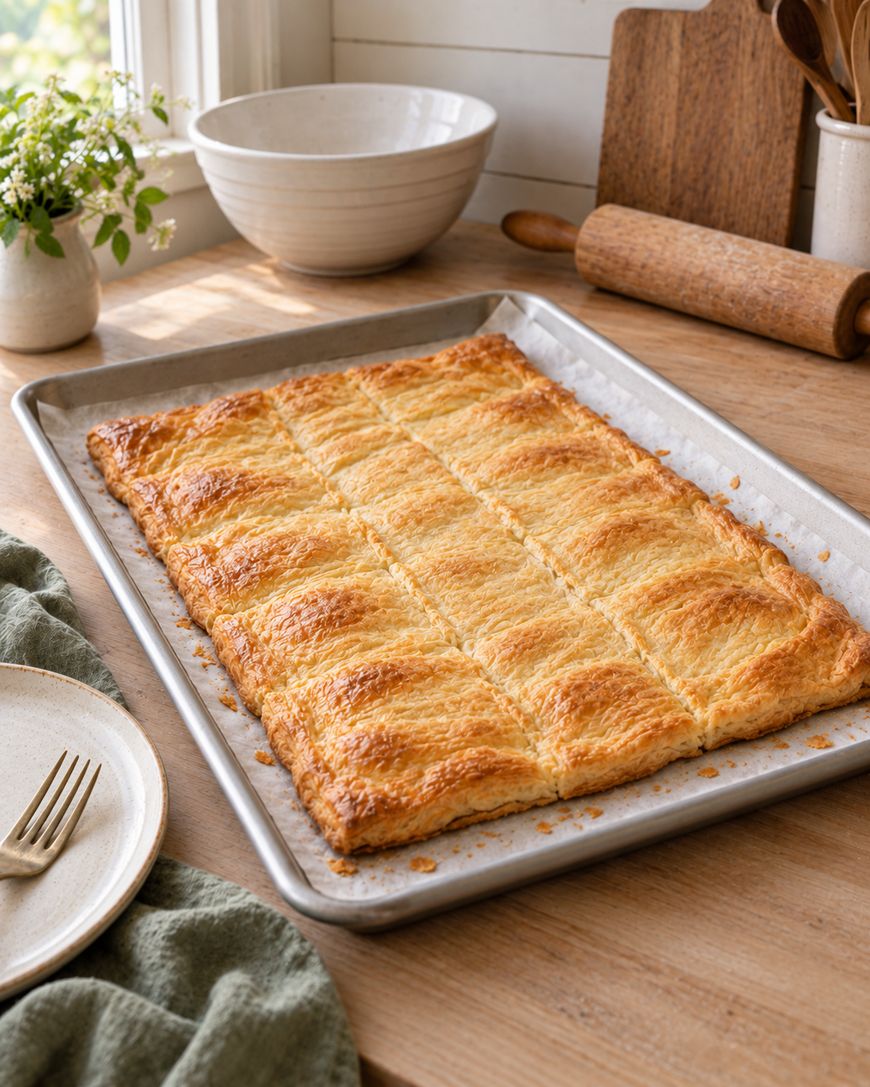
Let the crescent roll danish cool on the pan for at least 15 minutes before slicing, since the filling continues to firm up as it cools.
Variations on This Crescent Roll Danish
You can swap the plain cream cheese filling for a fruit forward version by folding in two tablespoons of your favorite jam or preserves right on top of the cream cheese layer before sealing the dough.
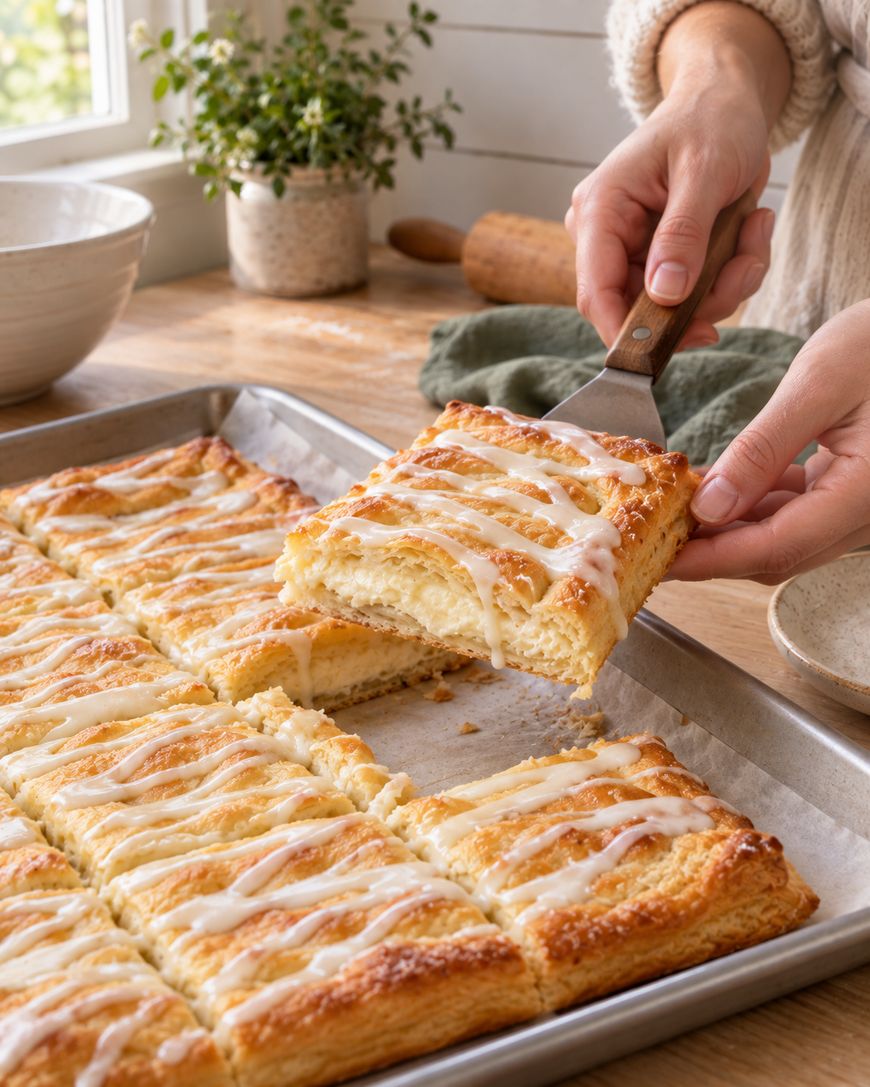
Cherry, raspberry, and apricot preserves all work beautifully and add a bright pop of color when the danish is sliced.
For a fall inspired take, swap the lemon zest for a half teaspoon of cinnamon and add a few spoonfuls of apple pie filling on top of the cream cheese layer.
If you want individual pastries instead of one large danish, cut the dough into smaller rectangles or use the classic triangle shape and roll each one around a spoonful of filling.
Storing and Reheating Your Crescent Roll Danish
Store any leftover crescent roll danish in an airtight container in the refrigerator for up to 3 days, since the cream cheese filling needs to stay chilled.
Reheat individual slices in the microwave for about 15 seconds, or warm the whole pan in a 300 degree oven for 8 to 10 minutes to bring back some of the flaky texture.
This crescent roll danish does not freeze particularly well once baked, since the cream cheese filling can turn watery after thawing, so it is best enjoyed fresh within a few days.
Where This Style of Danish Comes From
Traditional Danish pastry originated in Denmark, built from a laminated dough that takes hours of careful folding and chilling to achieve its signature flaky layers.
Home bakers in the United States began adapting the concept using canned crescent roll dough decades ago, trading some of that delicate lamination for a shortcut that still delivers a satisfying flaky bite.
This crescent roll danish is a direct descendant of that home baking tradition, built for cooks who want the flavor and texture of a bakery pastry without setting aside an entire afternoon.
You will find similar shortcut pastries showing up at potlucks, church breakfasts, and holiday brunches across the country, which speaks to just how well loved this approach has become.
Ready to see how the full recipe comes together step by step? The recipe card below has the exact ingredient amounts and instructions you need.
Crescent Roll Danish
A flaky, bakery style pastry made with canned crescent roll dough wrapped around a sweet lemon cream cheese filling.
Ingredients
- 2 (8 ounce) cans refrigerated crescent roll dough
- 8 ounces full fat cream cheese, softened
- 1/2 cup granulated sugar
- 1 large egg yolk
- 1 teaspoon vanilla extract
- 1 teaspoon lemon zest
- 1 egg white
- 1 tablespoon water
- 2 tablespoons coarse sugar (optional)
Instructions
- Preheat the oven to 375 degrees Fahrenheit and line a baking sheet with parchment paper.
- Unroll one can of crescent dough onto the parchment and press the seams together into one solid rectangle.
- In a medium bowl, beat the softened cream cheese until smooth.
- Add the sugar, egg yolk, vanilla extract, and lemon zest, and mix until light and creamy.
- Spread the filling evenly over the dough, leaving a 1 inch border on all sides.
- Unroll the second can of crescent dough and lay it over the filling, pressing the edges to seal.
- Whisk the egg white with the water and brush over the top layer of dough.
- Sprinkle with coarse sugar if using.
- Bake for 20 to 22 minutes, until deep golden brown and set in the center.
- Cool on the pan for at least 15 minutes before slicing and serving.
Notes
Store leftovers covered in the refrigerator for up to 3 days. Reheat individual slices in the microwave for 15 seconds or warm the whole pan at 300 degrees Fahrenheit for 8 to 10 minutes. Does not freeze well once baked.
Nutrition Information:
Yield:
8Serving Size:
1 danishAmount Per Serving: Calories: 260Total Fat: 17gSaturated Fat: 8gUnsaturated Fat: 5gCholesterol: 54mgSodium: 340mgCarbohydrates: 21gFiber: 0gSugar: 9gProtein: 5g
Crescent Roll Danish Questions and Answers
Can you use crescent roll sheets instead of the triangle cut dough?
Yes, crescent roll sheets work wonderfully for this recipe and actually save you a step since there are no seams to press together.
If your store only carries the triangle cut version, simply unroll it and pinch the perforated seams closed before adding the filling.
Why did my crescent roll danish filling leak out during baking?
This usually happens when the edges of the top and bottom dough layers were not sealed tightly enough before baking.
Press firmly along the entire border with your fingers or the tines of a fork to create a secure seal that holds the filling in.
Can you make this crescent roll danish ahead of time?
You can prepare the filling up to a day in advance and store it covered in the refrigerator until you are ready to assemble and bake.
The assembled, unbaked danish does not hold up well waiting in the fridge, so it is best to bake it shortly after putting it together.
What can you serve with a crescent roll danish?
A simple powdered sugar glaze drizzled over the top after baking adds extra sweetness and a bakery style finish.
Fresh coffee or tea pairs nicely alongside a slice, making this an easy addition to any brunch spread.
Can you make a savory version of this recipe?
Absolutely, you can swap the sweet filling for a mixture of cream cheese, chopped herbs, and shredded cheese for a savory crescent roll bake.
This savory twist works well as an appetizer or a side dish alongside soup or salad.
Why This Recipe Works
The key to this crescent roll danish is treating the canned dough as a stand in for laminated pastry dough, which means it needs a filling sturdy enough to hold its shape without soaking through the layers.
Using full fat cream cheese rather than a lighter version keeps the filling thick and prevents it from turning runny in the oven.
The egg yolk in the filling acts as a binder, helping the mixture set into a soft, sliceable layer instead of staying loose once baked.
Sealing the two dough layers firmly around the filling is what keeps every bit of that cream cheese mixture exactly where it belongs, so a careful seal is worth the extra thirty seconds it takes.
Bring This Crescent Roll Danish to Your Next Brunch
This crescent roll danish proves that a bakery style pastry does not have to come from an actual bakery or take all morning to make.
Give this recipe a try the next time you want a warm, flaky treat, and let us know in the comments how your family likes to fill theirs.