Last updated: June 7, 2026
Ermine frosting is the silkiest, least-sweet buttercream on the table, and this ermine frosting recipe walks you through every stage so your batch comes out perfectly smooth every single time. See the recipe card below for precise measurements and a printable version.
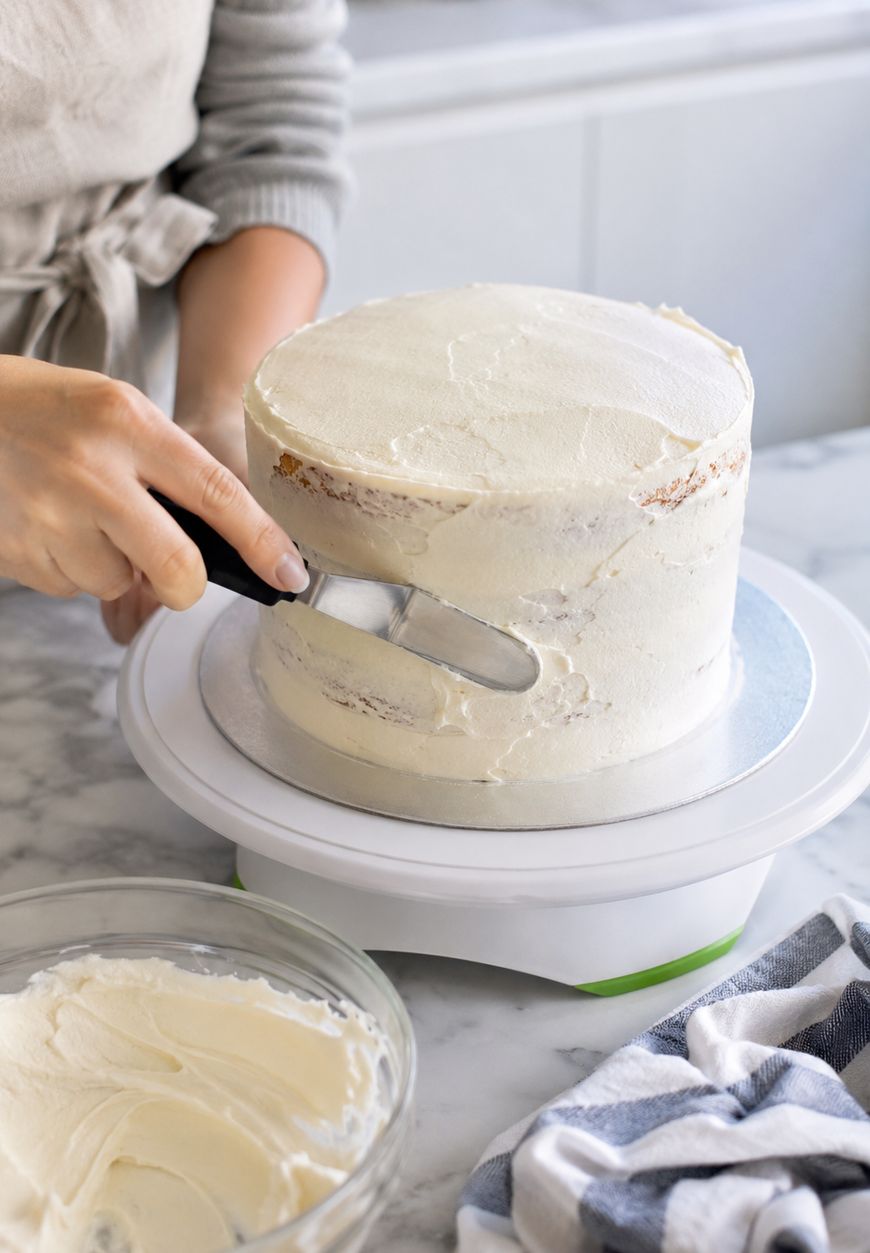
What Is Ermine Frosting?
Ermine frosting — also called flour buttercream, boiled milk frosting, or heritage buttercream — is a cooked-flour frosting that predates Swiss and Italian meringue buttercreams by well over a century. Unlike American buttercream, which relies on powdered sugar for structure, ermine frosting builds its body from a cooked paste of flour and milk, called a roux.
The result is a frosting that is lighter in sweetness, impossibly smooth in texture, and remarkably stable at room temperature. The name “ermine” likely comes from the white, silky appearance of the finished frosting, which resembles the soft fur lining of a monarch’s robe.
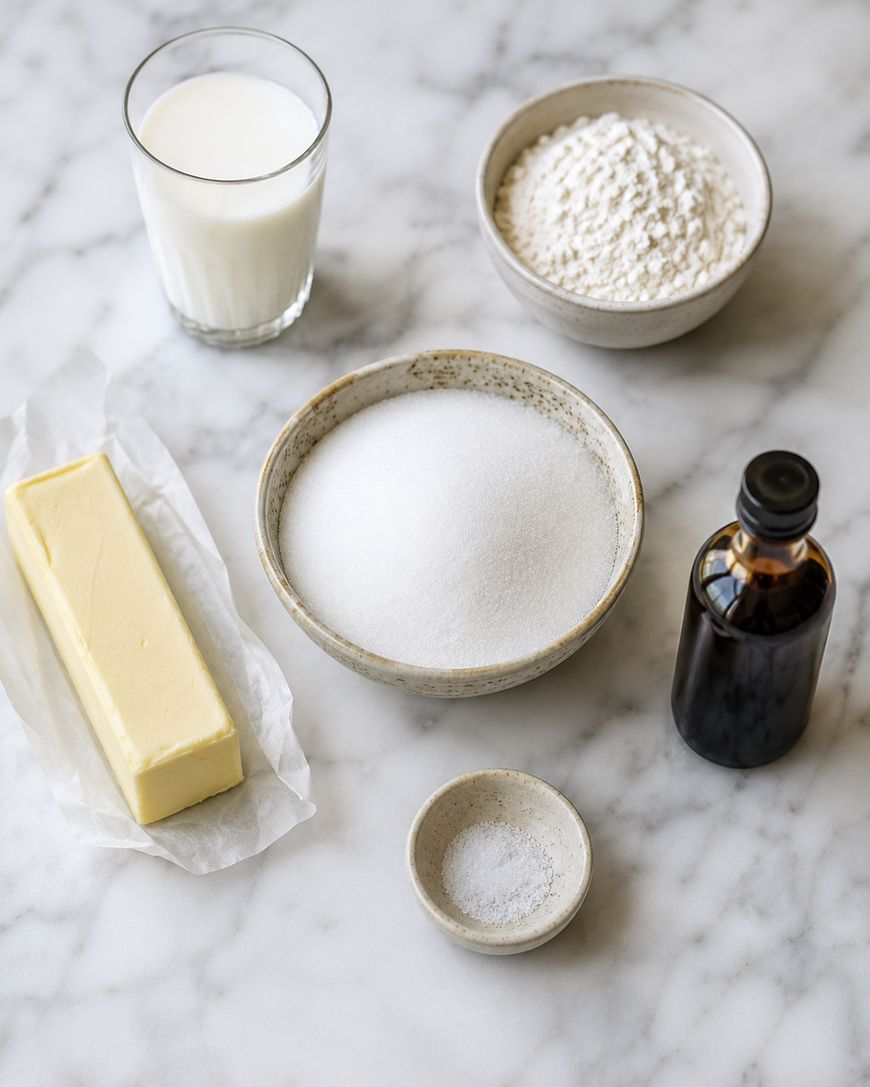
Ingredients for Ermine Frosting
The Flour Paste
The paste is the foundation of this recipe, and using the right ratio matters. Whole milk produces the richest flavor, though 2% milk works as a reliable substitute. All-purpose flour is the standard thickener, but a small number of bakers swap in cake flour for a slightly more delicate crumb in the paste.
Granulated white sugar is stirred directly into the milk before cooking, which dissolves it completely and eliminates any graininess in the finished frosting. The ratio of sugar to flour is intentionally low compared to American buttercream, which is what keeps ermine frosting from tasting cloying.
The Butter Base
Unsalted butter is strongly recommended here so that you control the salt level precisely. The butter must be at true room temperature — soft enough to leave an indent when pressed, but not so warm that it begins to look greasy or separated.
Cold butter will not cream properly into the paste, and melted butter will make the frosting soupy. Allow at least two hours for the butter to come to room temperature naturally on the counter.
How to Make Ermine Frosting Step by Step
Making the Roux Paste
Whisk the flour and granulated sugar together in a medium saucepan before adding any liquid. Pour in the whole milk slowly, whisking constantly, then set the pan over medium heat.
Stir continuously with a silicone spatula or whisk, making sure to scrape the bottom and corners of the pan. Pull the pan off the heat as soon as the paste reaches the consistency of thick pudding.
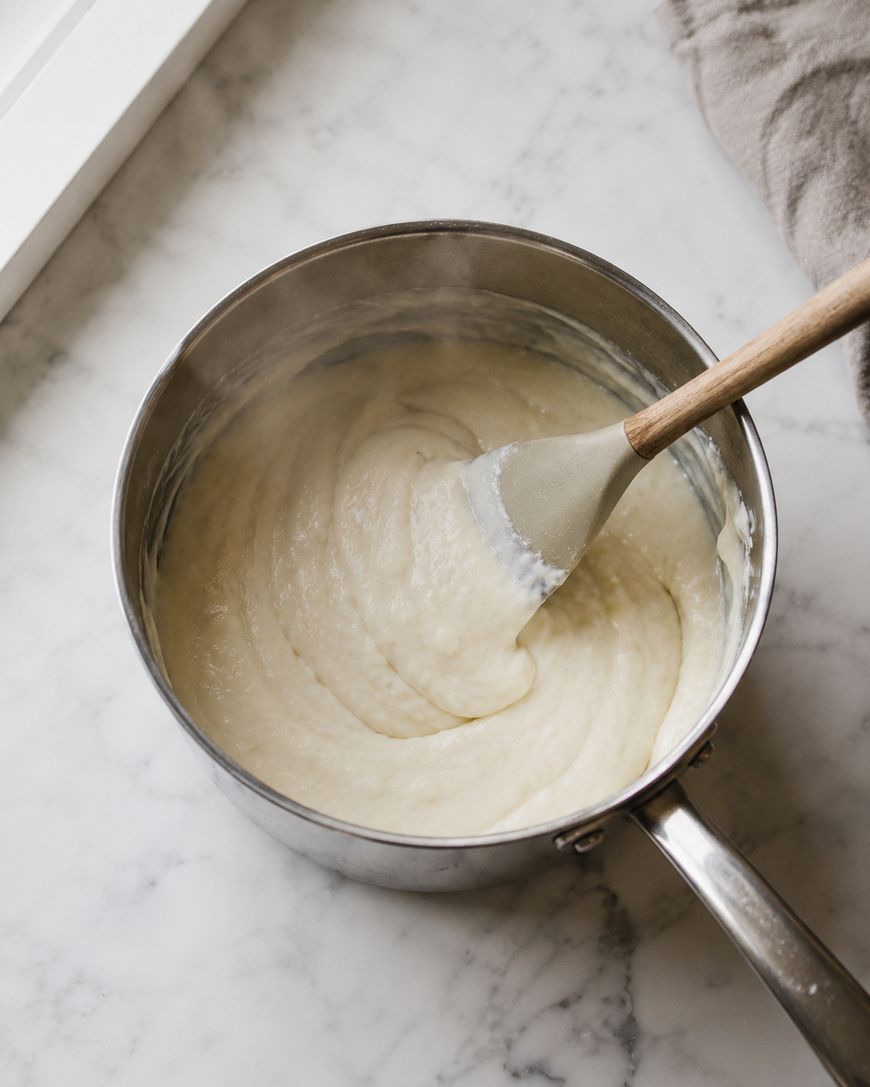
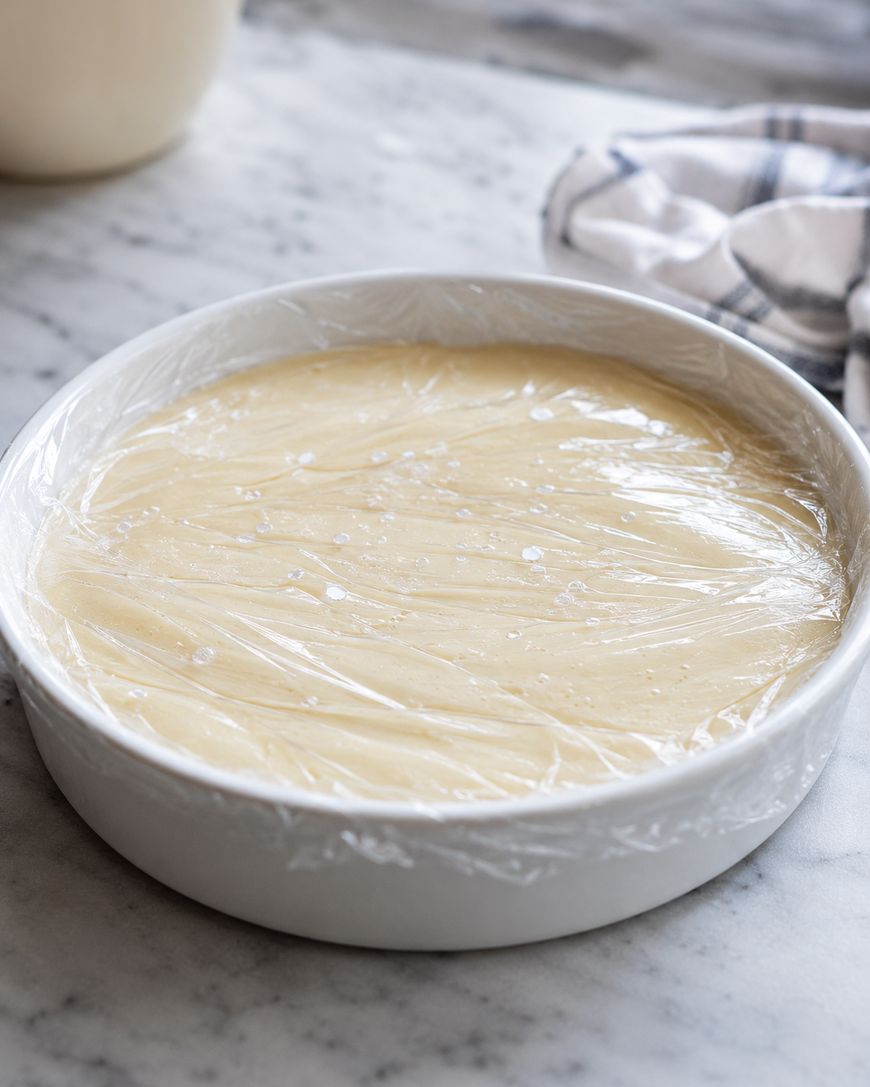
Transfer the paste immediately to a wide, shallow dish. Press a layer of plastic wrap directly onto the surface to prevent a skin from forming. The paste must cool completely to room temperature before it touches the butter.
Whipping the Butter
Beat the room-temperature unsalted butter in the bowl of a stand mixer fitted with the paddle attachment on medium-high speed for a full four to five minutes. The butter should turn very pale, almost white, and become noticeably light and fluffy.
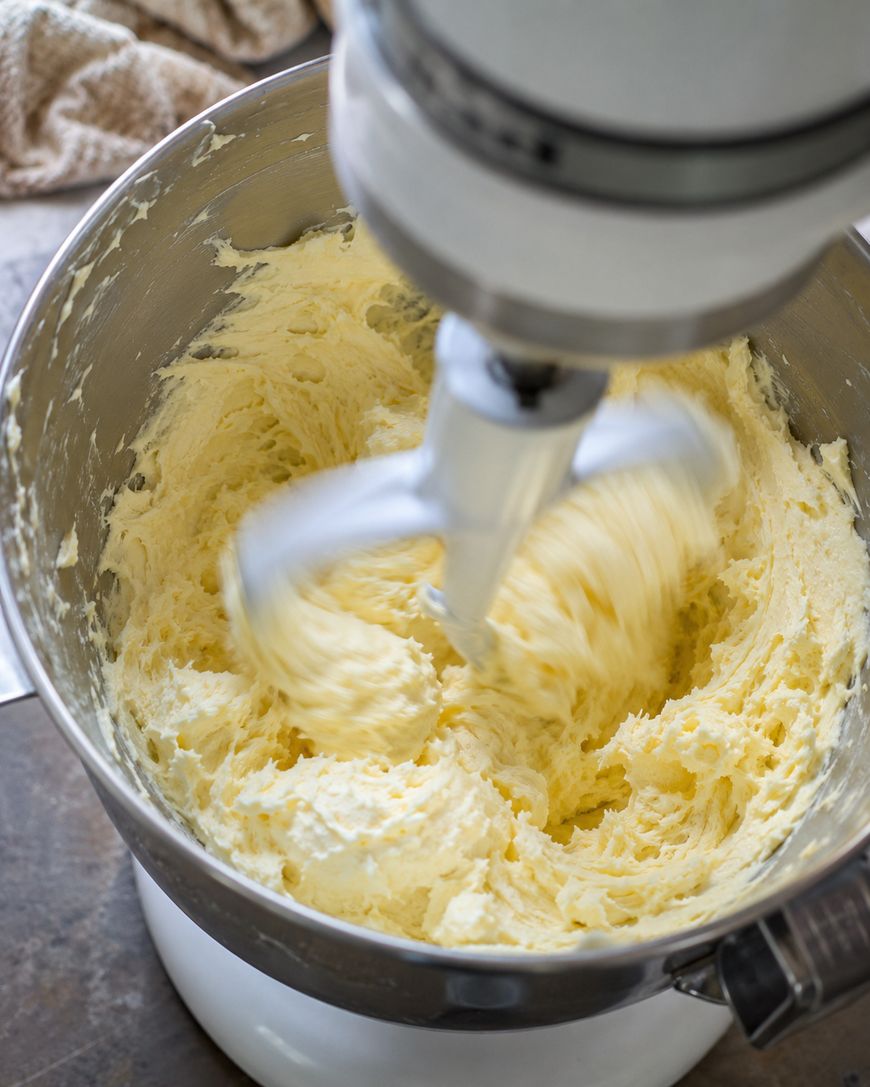
This extended beating is not optional — it aerates the butter, which is what gives ermine frosting its characteristic lightness. Add the salt and vanilla extract and mix briefly to combine.
Combining Paste and Butter
Add the cooled flour paste to the whipped butter one large spoonful at a time, beating on medium speed between each addition. Once all the paste has been incorporated, raise the speed to medium-high and beat for another two to three minutes until completely smooth.
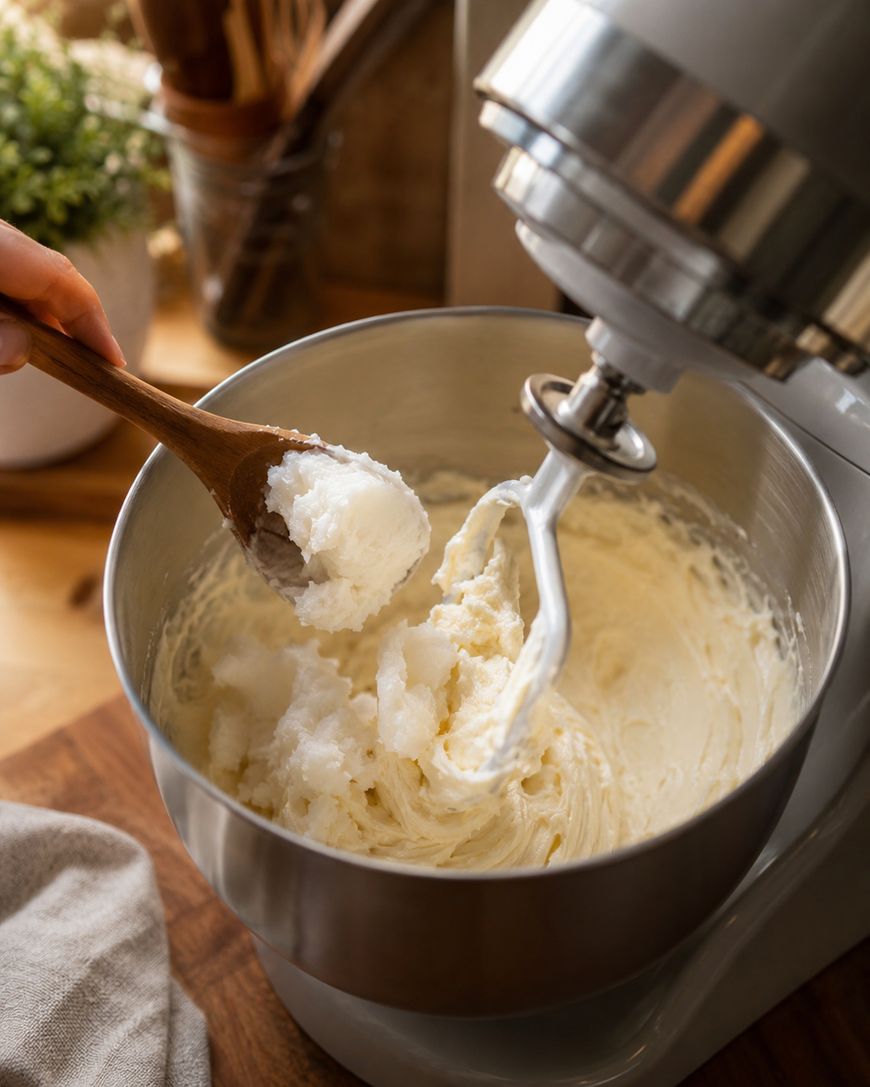
If the frosting looks curdled or broken at any point, stop the mixer, gently warm the bowl over a pot of simmering water for about ten seconds while stirring, then return to the mixer and beat again.
Variations and Substitutions
Chocolate Ermine Frosting
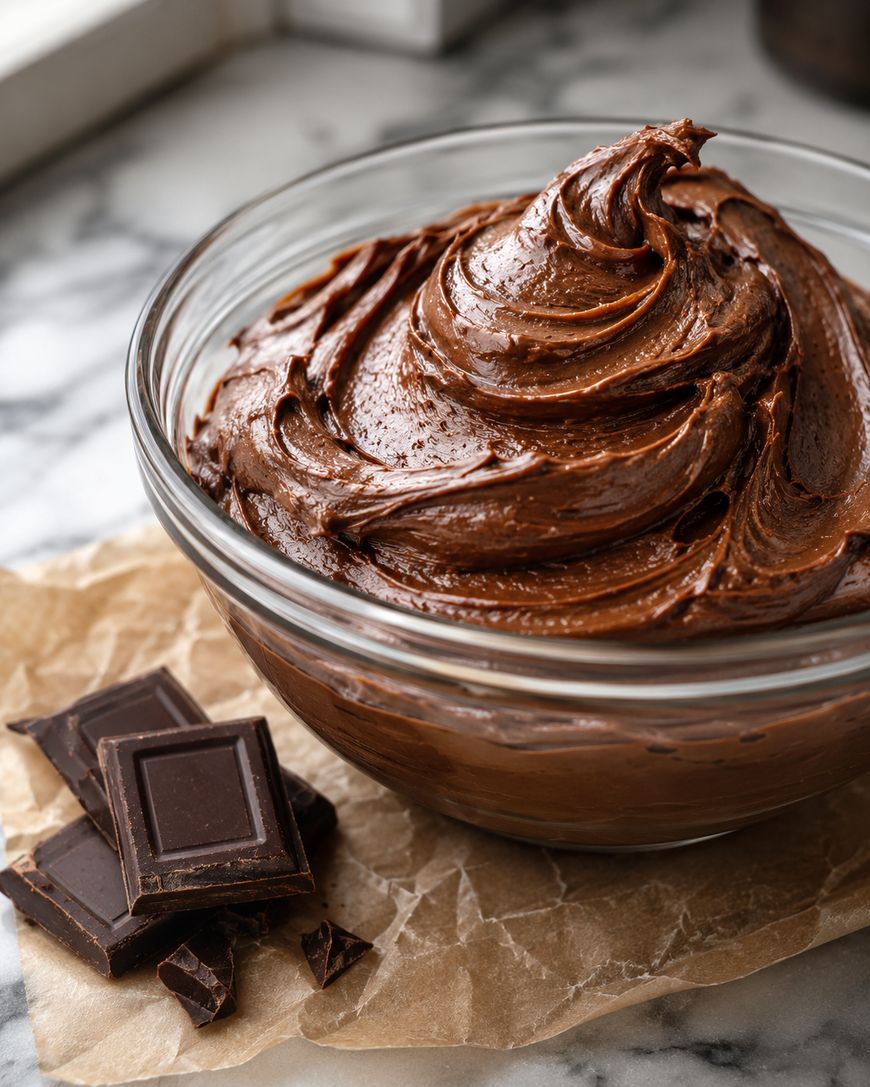
Melt 60 grams of good-quality dark chocolate and allow it to cool to room temperature. Beat the cooled chocolate into the finished frosting on low speed until fully incorporated.
Brown Butter Ermine Frosting
Brown the butter in a skillet over medium heat until the milk solids turn golden and the butter smells nutty, then cool it completely until it resolidifies. Use this browned butter in place of regular butter for a frosting with rich, caramel undertones.
Dairy-Free Version
Replace the whole milk with full-fat oat milk or cashew milk for a dairy-free version that behaves almost identically to the original. Replace the unsalted butter with a high-fat vegan butter such as Miyoko’s Creamery European Style.
Storage and Make-Ahead Tips
Ermine frosting keeps well at room temperature for up to two days if your kitchen is not warmer than 70 degrees Fahrenheit. Refrigerate it in an airtight container for up to five days, or freeze for up to three months.
Serving Suggestions
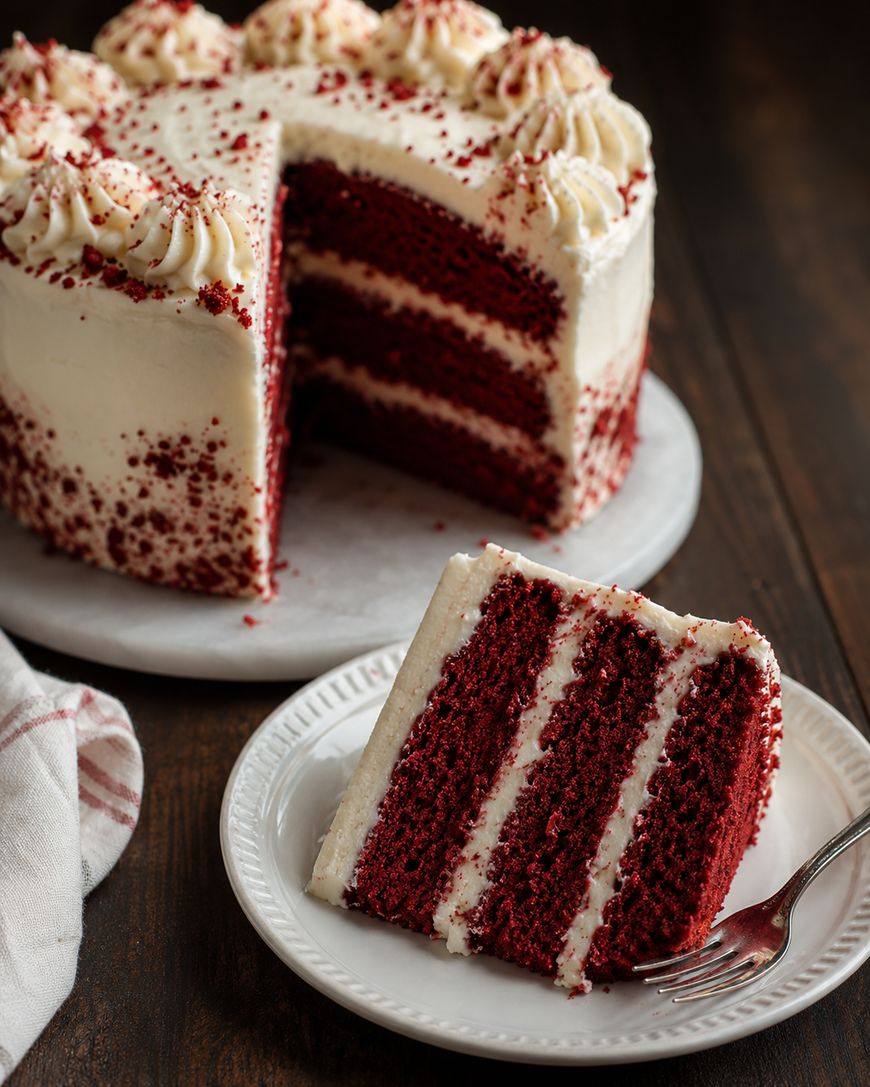
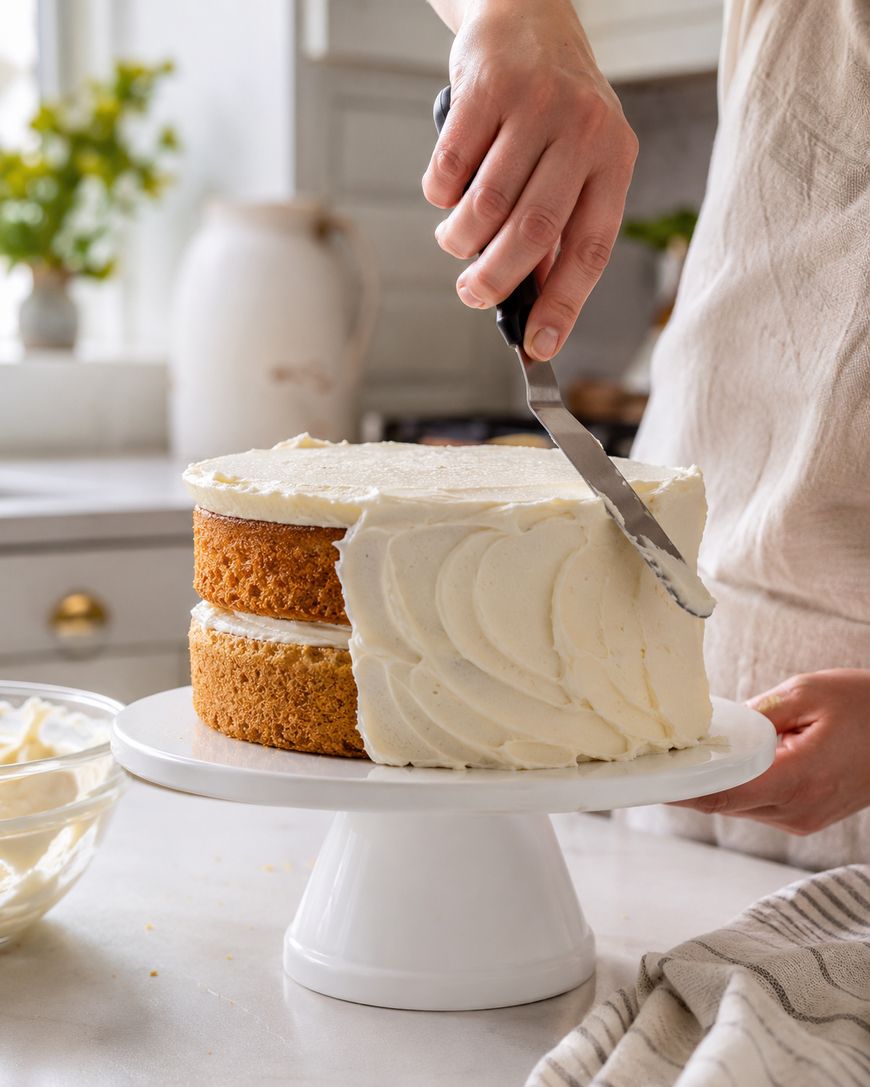
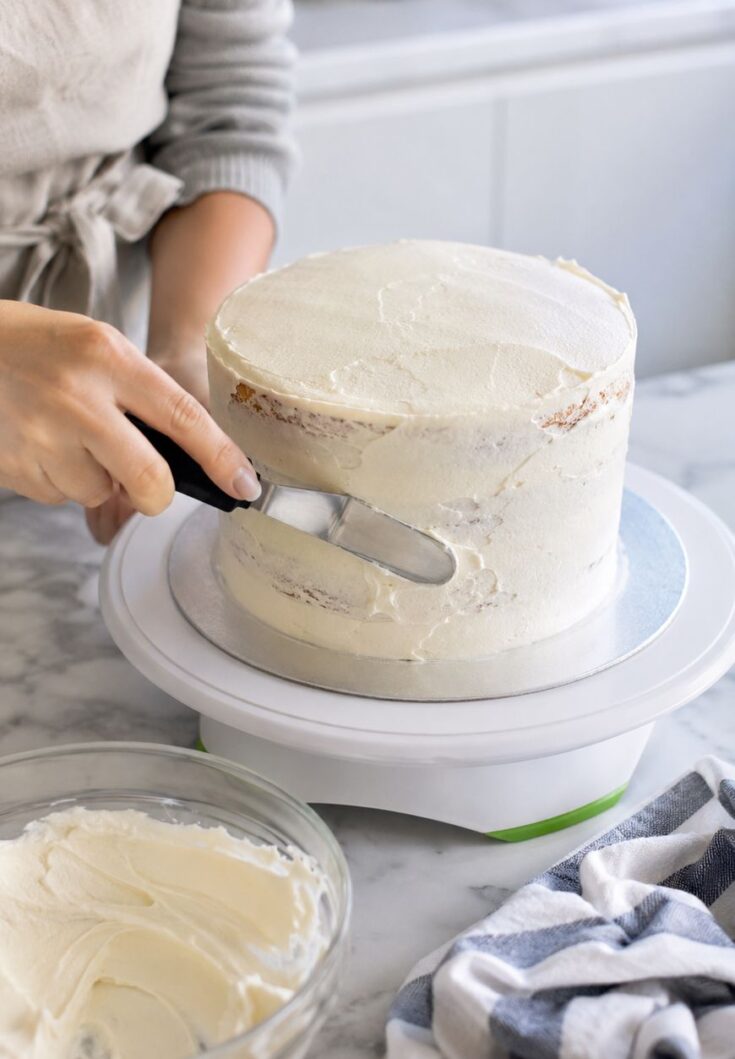
Ermine frosting is the classic pairing for red velvet cake, where its mild sweetness keeps the cocoa flavor front and center. It also works exceptionally well on vanilla butter cake, lemon layer cake, carrot cake, and spice cake.
The History and Origins of Ermine Frosting
Cooked flour frosting appears in American and British home-baking literature as far back as the 1880s. It was a practical solution for households without access to powdered sugar, which was both expensive and inconsistently milled in that era.

In recent years, food writers at outlets including Serious Eats and King Arthur Baking have revived interest in ermine frosting, noting that its less-sweet profile suits the tastes of modern bakers. Ready to make a batch? The complete ermine frosting recipe is just below.
Ermine Frosting Recipe
Ermine frosting is a silky, old-fashioned flour buttercream made by cooking a flour-and-milk paste and whipping it into creamed butter. It is less sweet than American buttercream and smoother than Swiss meringue, with a light, airy texture that spreads and pipes beautifully.
Ingredients
- For the Flour Paste:
- 5 tablespoons (40g) all-purpose flour
- 1 cup (200g) granulated white sugar
- 1 cup (240ml) whole milk
- Pinch of fine salt
- For the Butter Base:
- 1 cup (225g / 2 sticks) unsalted butter, at room temperature
- 1 teaspoon pure vanilla extract
- 1/2 teaspoon fine salt
Instructions
- Whisk the all-purpose flour, granulated sugar, and a pinch of salt together in a medium saucepan until combined.
- Slowly pour in the whole milk while whisking constantly to prevent lumps from forming.
- Place the saucepan over medium heat and cook, stirring continuously with a silicone spatula, until the mixture thickens to a pudding-like consistency, about 8 to 10 minutes.
- Immediately transfer the paste to a shallow dish or rimmed baking sheet. Press plastic wrap directly onto the surface to prevent a skin from forming.
- Allow the paste to cool completely to room temperature, about 30 to 45 minutes. Refrigerate for 30 minutes to speed cooling, then bring back to room temperature before using.
- Beat the room-temperature unsalted butter in a stand mixer fitted with the paddle attachment on medium-high speed for 4 to 5 minutes, until very pale and fluffy.
- Add the vanilla extract and fine salt to the whipped butter and mix briefly to combine.
- With the mixer running on medium speed, add the cooled flour paste one large spoonful at a time, waiting a few seconds between each addition.
- Once all the paste is incorporated, increase the speed to medium-high and beat for 2 to 3 minutes until the frosting is completely smooth and fluffy.
- Taste and adjust salt if needed. If the frosting seems stiff, beat in 1 tablespoon of milk. Use immediately or store as directed.
Notes
If the frosting looks curdled or greasy, the paste was likely too warm. Gently warm the outside of the mixer bowl over a pot of simmering water for 10 seconds while stirring, then re-beat. It should come together.
For chocolate ermine frosting, beat in 60g of melted, cooled dark chocolate after the frosting is complete.
For dairy-free ermine frosting, substitute full-fat oat milk or cashew milk for the whole milk, and use a high-fat vegan butter such as Miyoko's Creamery.
Store finished frosting at room temperature for up to 2 days, in the refrigerator for up to 5 days, or in the freezer for up to 3 months. Re-whip after refrigerating or freezing before using.
Nutrition Information:
Yield:
24Serving Size:
about 2 tablespoonsAmount Per Serving: Calories: 118Total Fat: 8gSaturated Fat: 5gTrans Fat: 0gUnsaturated Fat: 2gCholesterol: 21mgSodium: 78mgCarbohydrates: 11gFiber: 0gSugar: 10gProtein: 0g
This site provides estimated nutritional information. This information comes from online calculators. Although we try to provide accurate nutritional information, these figures are only estimates.
Frequently Asked Questions
Why did my ermine frosting turn out greasy or separated?
A greasy or curdled ermine frosting almost always comes down to a temperature mismatch between the flour paste and the butter. Make sure the paste has cooled fully to room temperature before you begin adding it to the whipped butter. Gentle warmth from a double boiler applied briefly to the outside of the mixer bowl while beating can rescue most broken batches.
Can ermine frosting be made ahead of time?
Ermine frosting can be made up to five days ahead and stored in an airtight container in the refrigerator. It also freezes for up to three months. In both cases, bring the frosting fully to room temperature and re-whip it in a stand mixer for two to three minutes before using.
How is ermine frosting different from American buttercream?
American buttercream is made by beating powdered sugar directly into butter, producing a very sweet, slightly grainy frosting. Ermine frosting uses a cooked flour-and-milk paste instead, resulting in a frosting that is noticeably less sweet, silkier in texture, and lighter in body.
What is the best cake to pair with ermine frosting?
Red velvet cake is the most traditional pairing. Vanilla butter cake, lemon cake, carrot cake, and spice cake are all excellent choices as well.
Can ermine frosting be colored or flavored?
Ermine frosting takes gel food coloring very well — add it at the very end and beat briefly to distribute the color evenly. Liquid food coloring can thin the frosting slightly, so gel is preferred for deeper or more precise colors.
Does ermine frosting need to be refrigerated?
A cake frosted with ermine frosting can sit at room temperature for up to two days if the kitchen temperature is below 70 degrees Fahrenheit. Remove the cake from the refrigerator about an hour before serving so the frosting softens back to its ideal creamy texture.
Make This Recipe Your Own
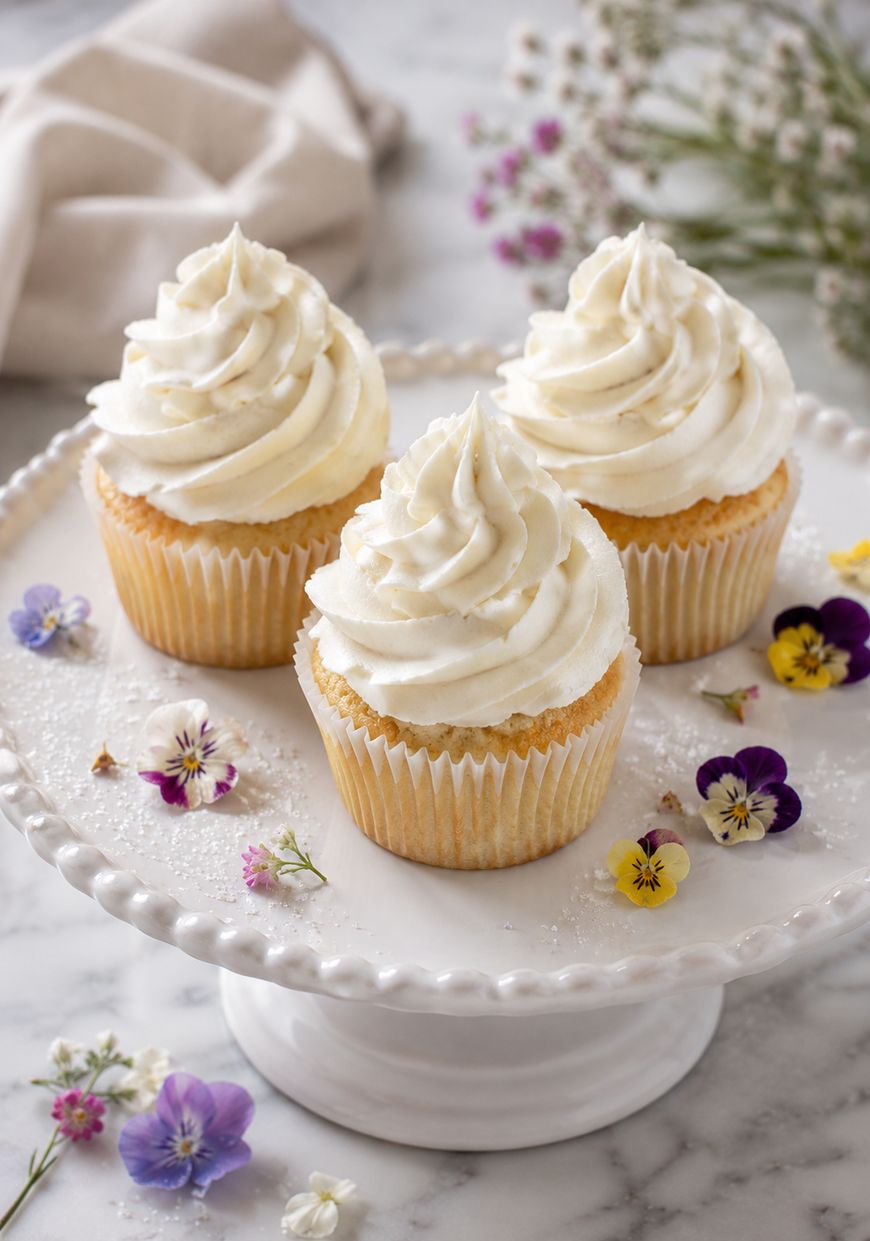
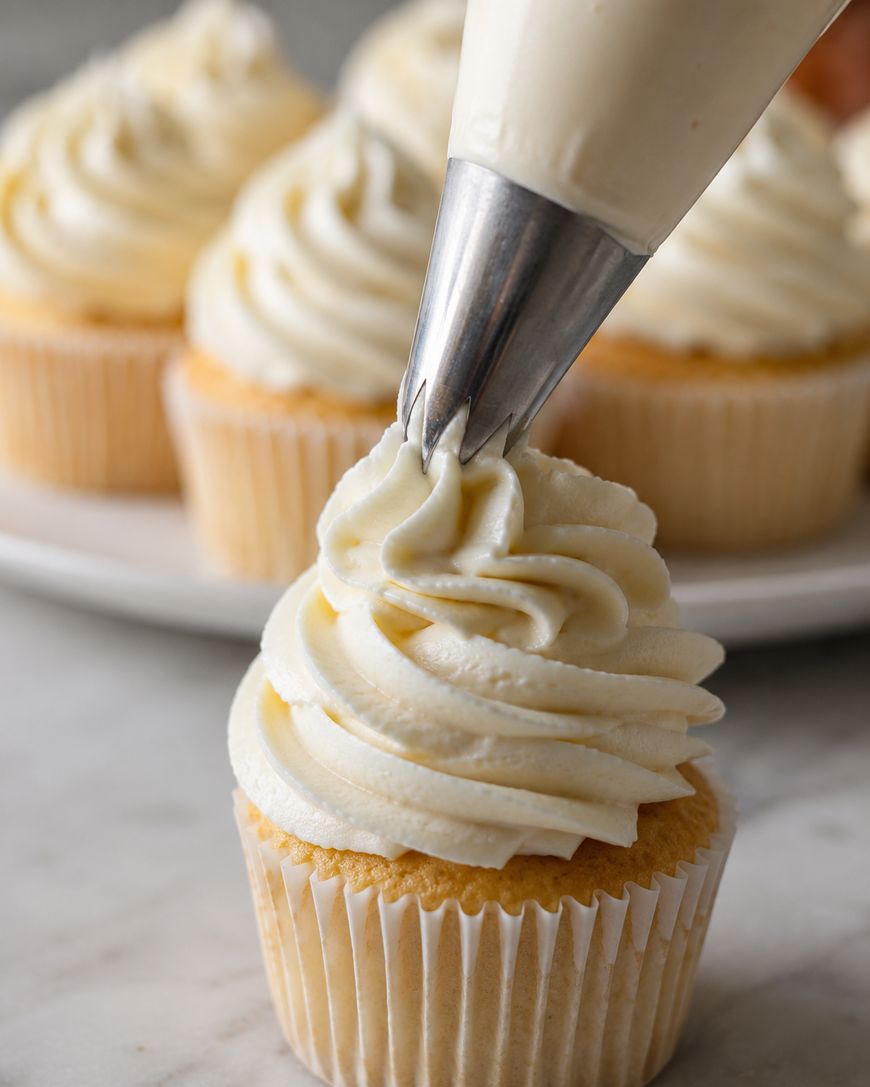
This ermine frosting recipe has stood the test of time because it produces a result that is genuinely different from every other buttercream on the market — silkier, lighter, and far more versatile than its modest ingredient list would suggest. Whether you are spreading it onto a classic red velvet layer cake or piping it onto a batch of vanilla cupcakes, ermine frosting delivers a bakery-quality finish that your guests will immediately notice and ask about.