Last updated: May 15, 2026
Hydroponic gardening grows plants in a nutrient-rich water solution without soil, and it is one of the fastest and most efficient ways to produce fresh vegetables, herbs, and greens year-round. This guide covers the best systems for beginners, the easiest crops to start with, and everything you need to know to set up a productive hydroponic garden at home.
What Is Hydroponic Gardening and Why It Works
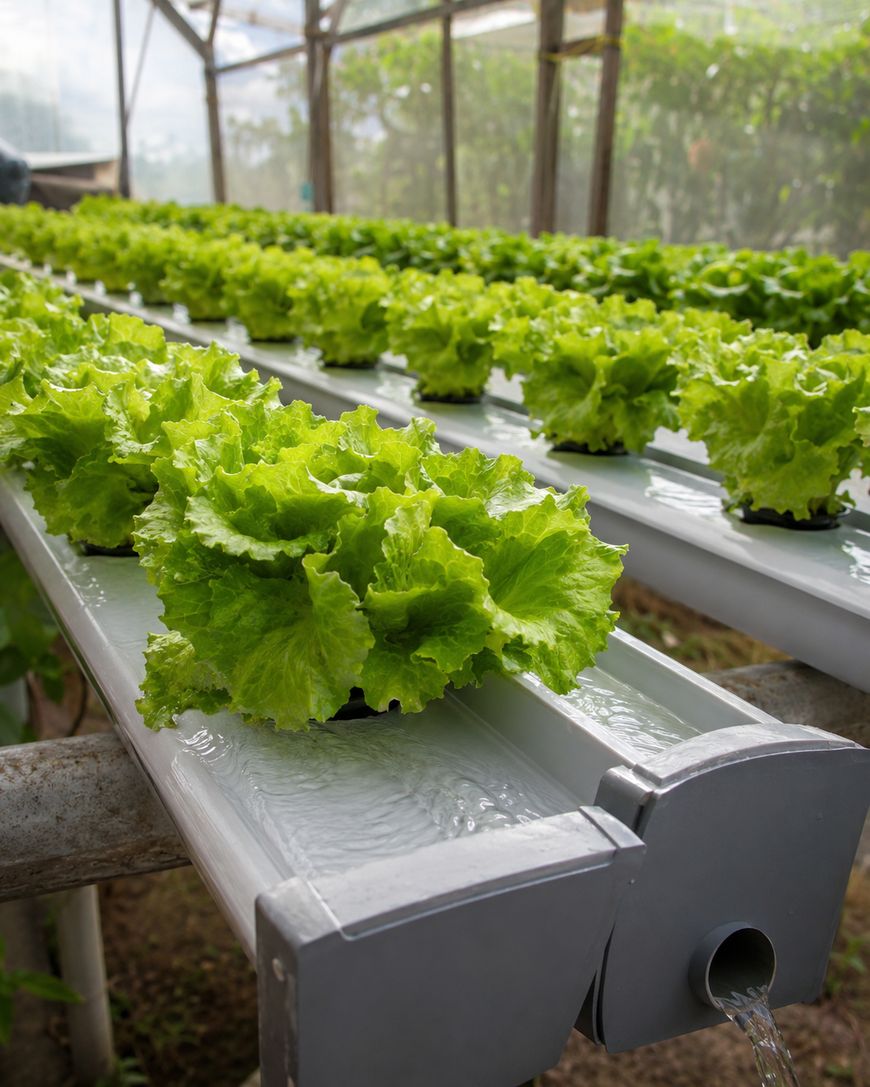
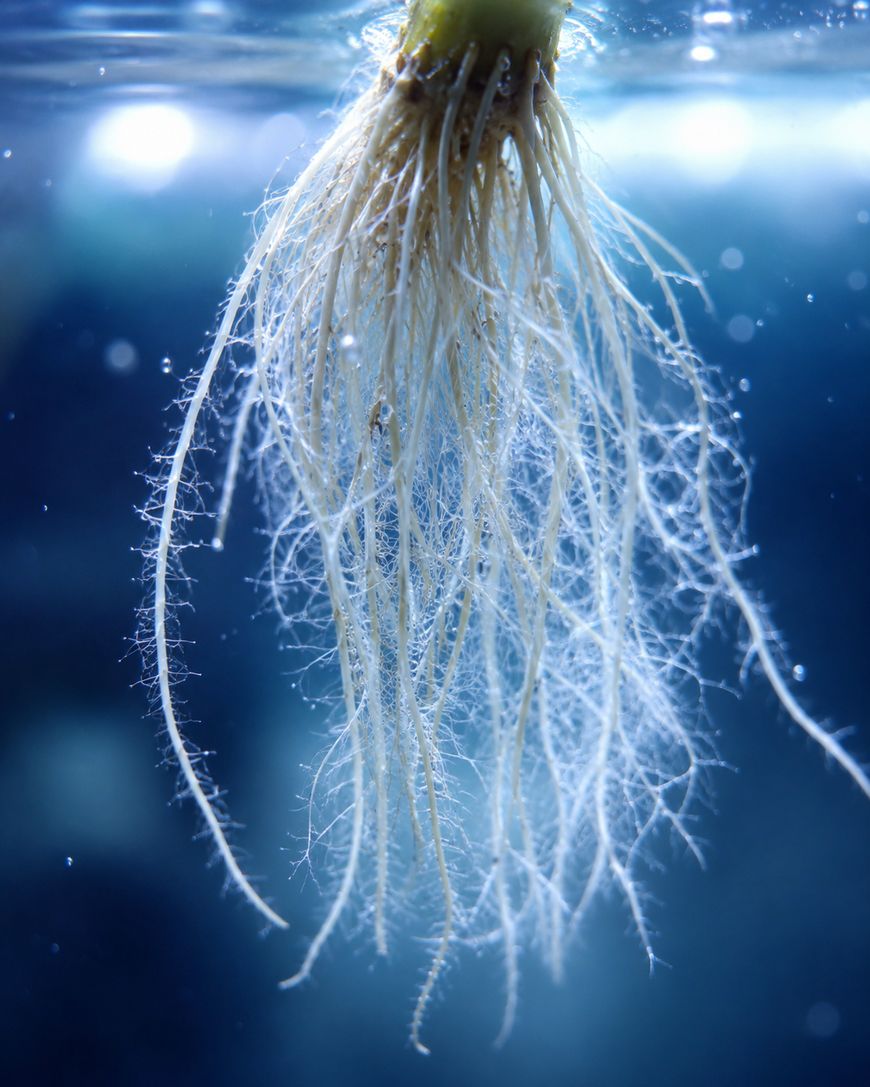
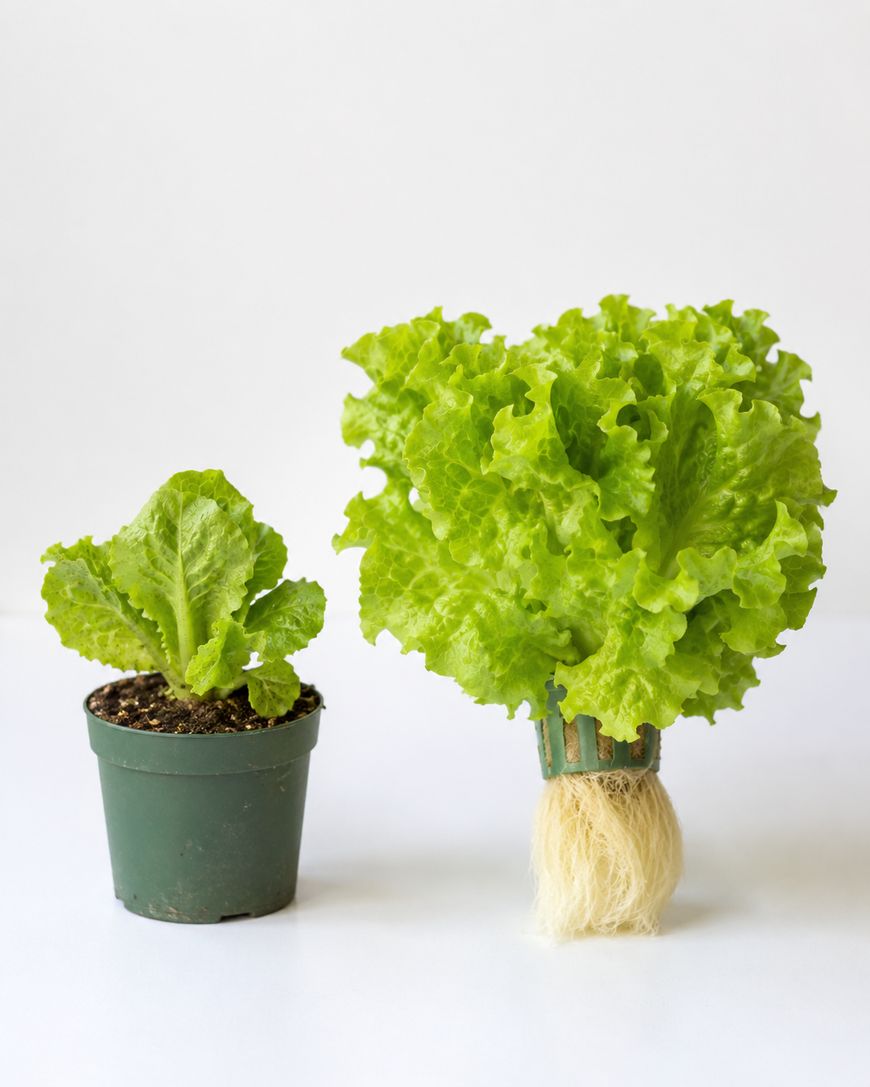
Hydroponic gardening delivers water and nutrients directly to plant roots, eliminating the need for soil entirely. Plants grown hydroponically typically grow 30 to 50 percent faster than soil-grown plants because they do not expend energy developing large root systems to search for nutrients.
The technique is used commercially to grow the majority of leafy greens sold in grocery stores, as well as tomatoes, cucumbers, and herbs. Home hydroponic systems have become increasingly affordable and compact, making this a practical option for anyone with a spare corner, closet, or countertop.
The Best Hydroponic Systems for Beginners
Choosing the right hydroponic system is the most important decision a new grower makes. Different systems suit different crops, budgets, and skill levels.
Deep Water Culture (DWC)
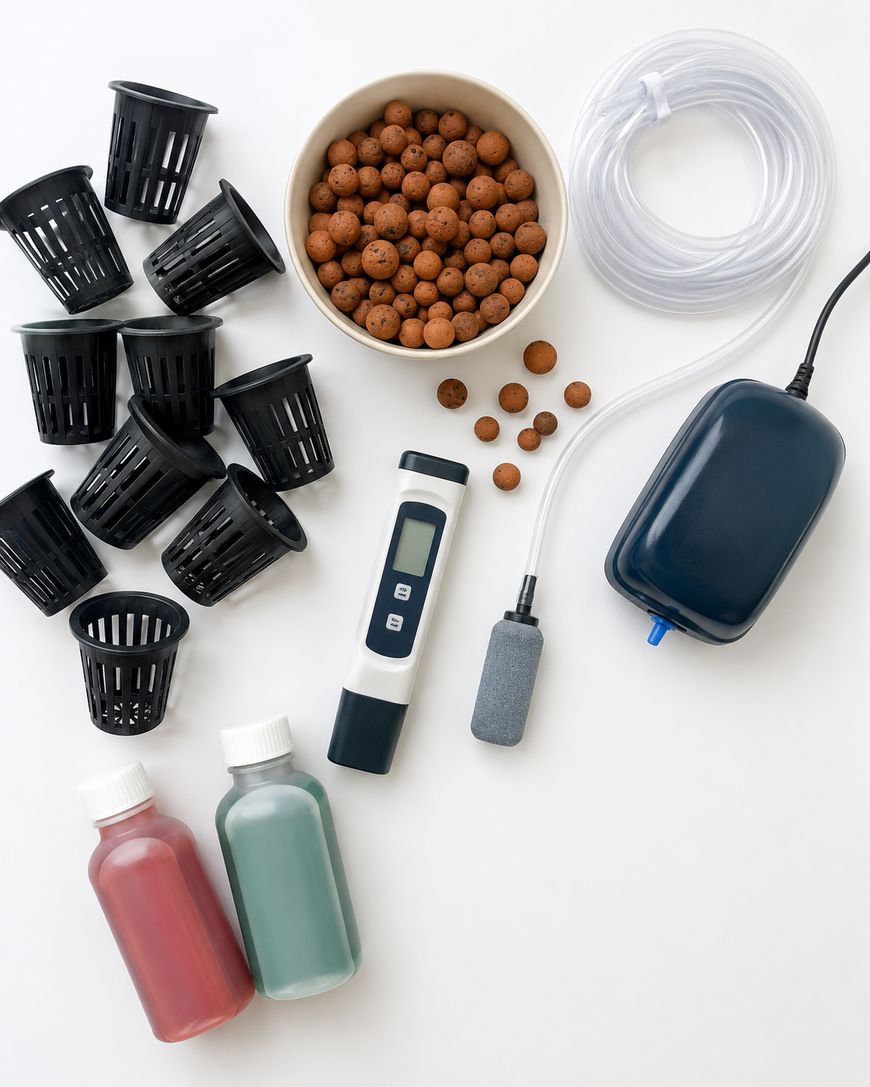
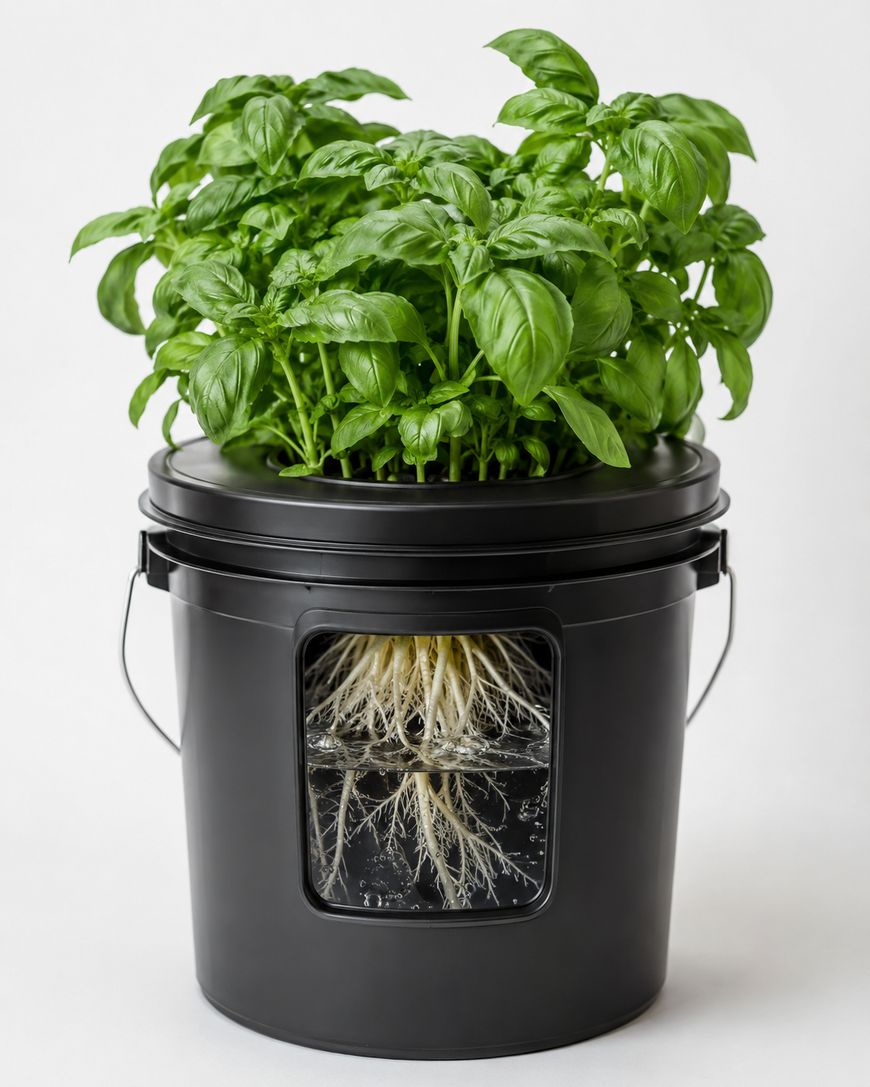
Deep Water Culture is the simplest and most widely recommended hydroponic system for beginners. Plants are suspended in net pots above a reservoir of nutrient solution, and an air pump with an airstone keeps the water oxygenated.
The General Hydroponics WaterFarm and the simple bucket DWC systems are popular entry-level choices that cost between $30 and $80. DWC works exceptionally well for lettuce, basil, chard, and kale, and beginners typically see their first harvest within three to four weeks.
Nutrient Film Technique (NFT)
Nutrient Film Technique runs a thin, continuous film of nutrient solution through angled channels past the roots of plants, which sit in net cups above the channel. The roots are partially exposed to air, which promotes rapid growth and excellent oxygenation.
NFT systems like the Hydrofarm RS5GPH are ideal for lettuce, herbs, and other lightweight crops. They are more complex than DWC but use less water and nutrient solution per cycle.
Kratky Method
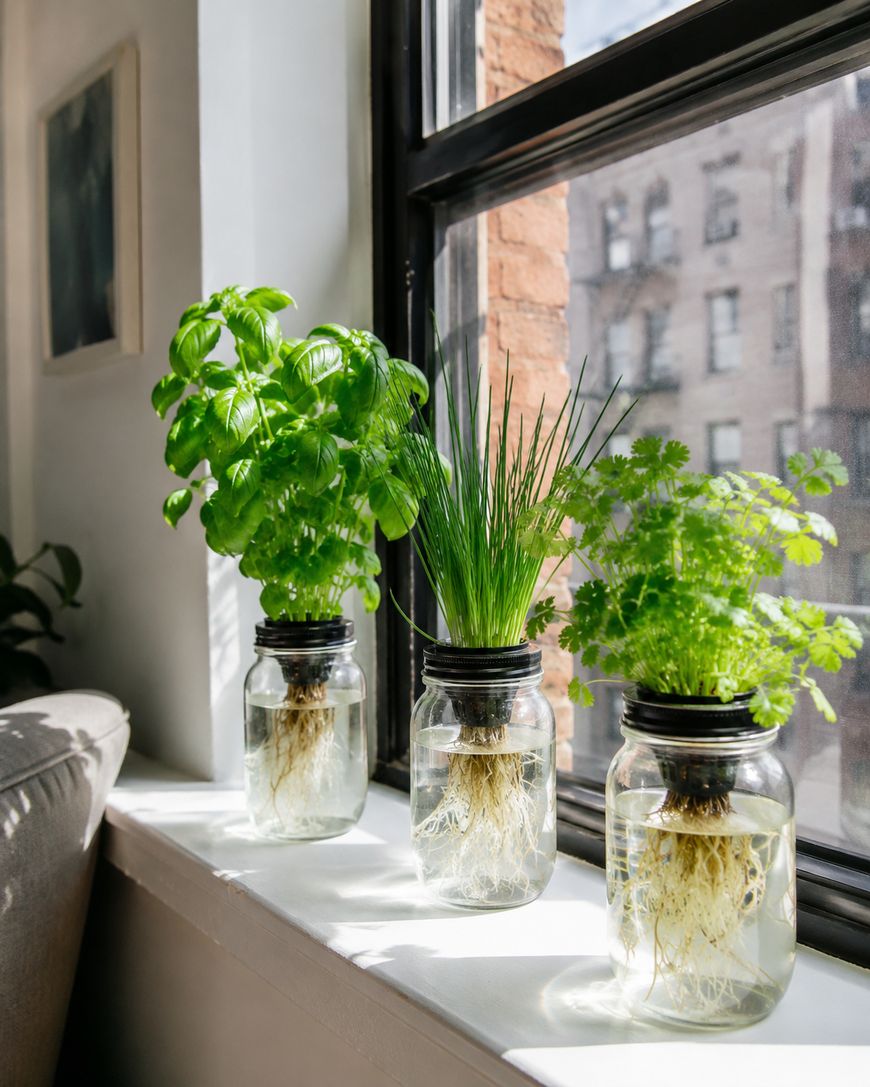
The Kratky Method is a passive, non-circulating hydroponic technique that requires no electricity, no pump, and no timer. Fill a container with nutrient solution, suspend a net pot holding a seedling above the solution, and leave a gap between the water surface and the net pot so roots have access to air.
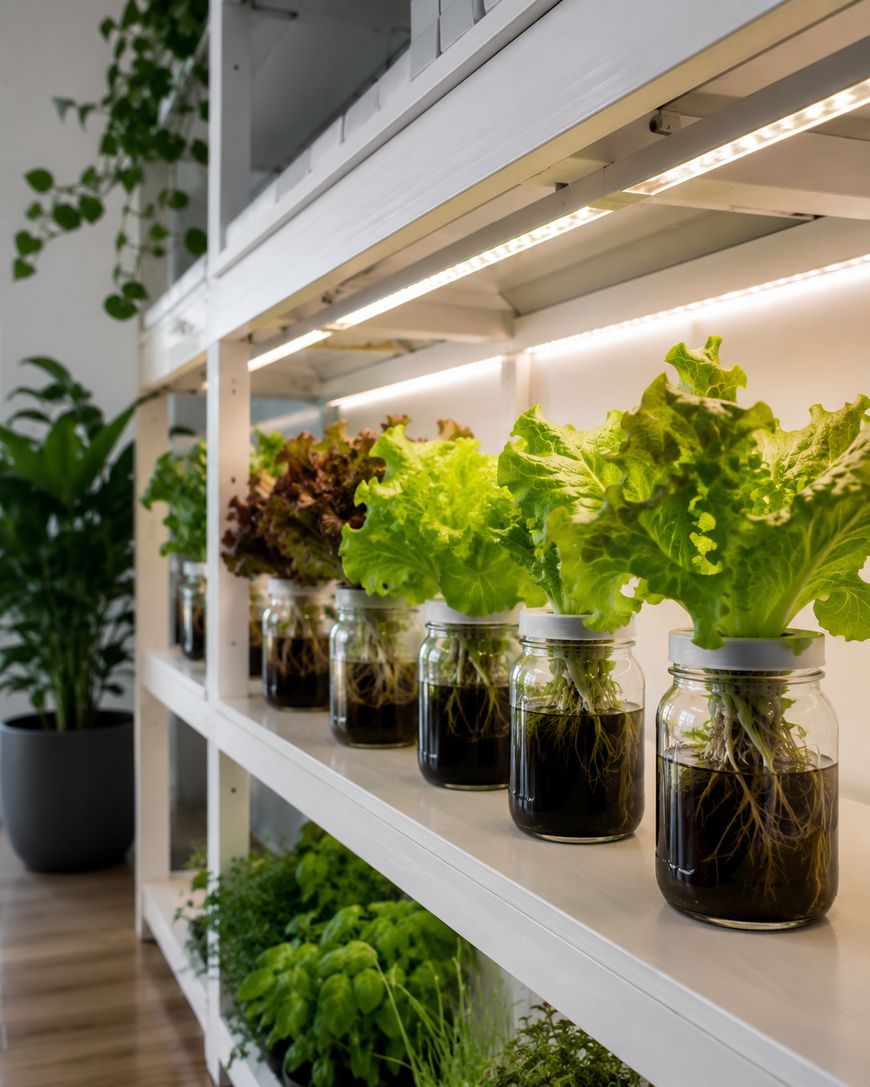
As the plant drinks the solution, the water level drops naturally and the air gap increases, giving roots more oxygen over time. This is the most beginner-friendly of all hydroponic methods and is ideal for growing lettuce and herbs on a windowsill or countertop with no ongoing maintenance beyond topping up the reservoir.
Ebb and Flow (Flood and Drain)
Ebb and Flow systems periodically flood a growing tray with nutrient solution and then drain it back into a reservoir below. A timer controls the pump that floods the tray, and gravity drains it back.
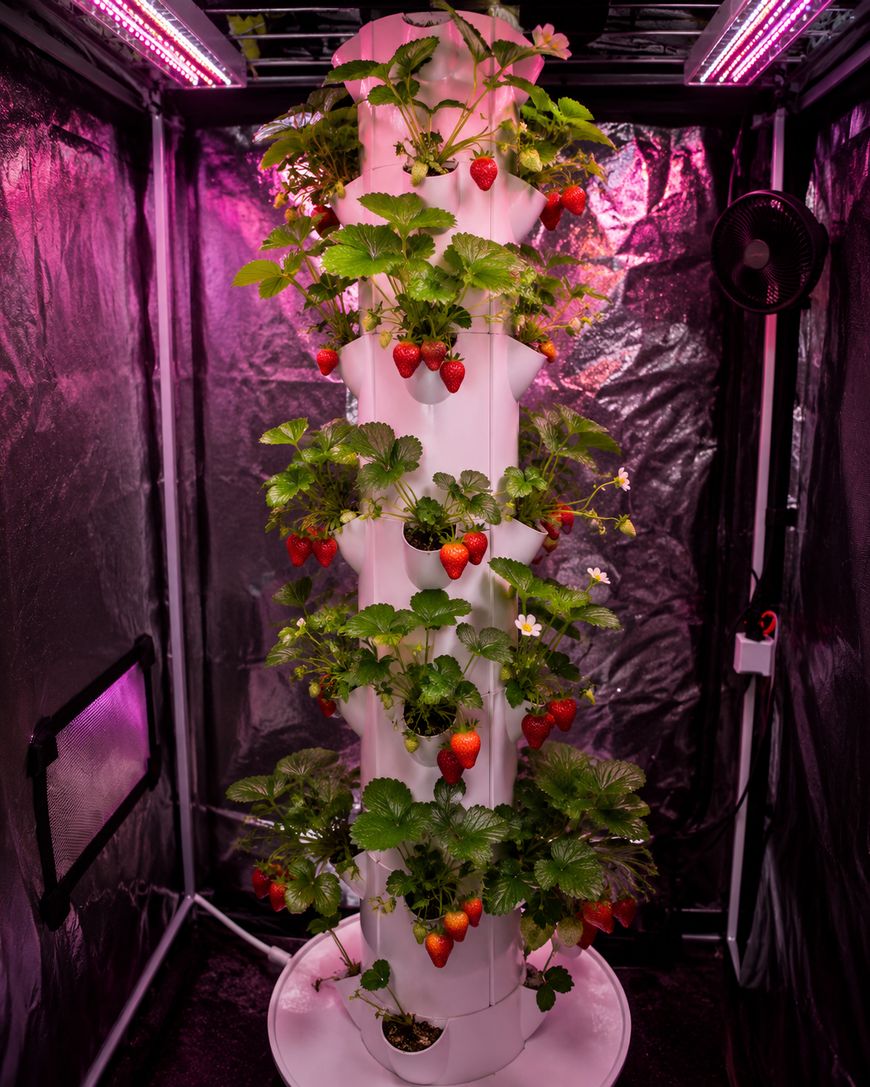
This system is versatile and supports a wide range of crops including tomatoes, peppers, strawberries, and herbs. It is a good choice for intermediate growers who want to expand beyond leafy greens into fruiting crops.
Aeroponics
Aeroponic systems suspend plant roots in air and mist them with nutrient solution at regular intervals. This is the most advanced and productive hydroponic method, and it is used in commercial high-yield growing operations.
The AeroGarden series brings a simplified version of aeroponic technology to the home kitchen counter, and it is one of the most popular entry points into hydroponic gardening for people who want a self-contained system with minimal setup.
The Best Crops for Hydroponic Gardening
Not all plants are equally suited to hydroponic growing. These crops consistently produce the best results in home systems.
Lettuce and Salad Greens
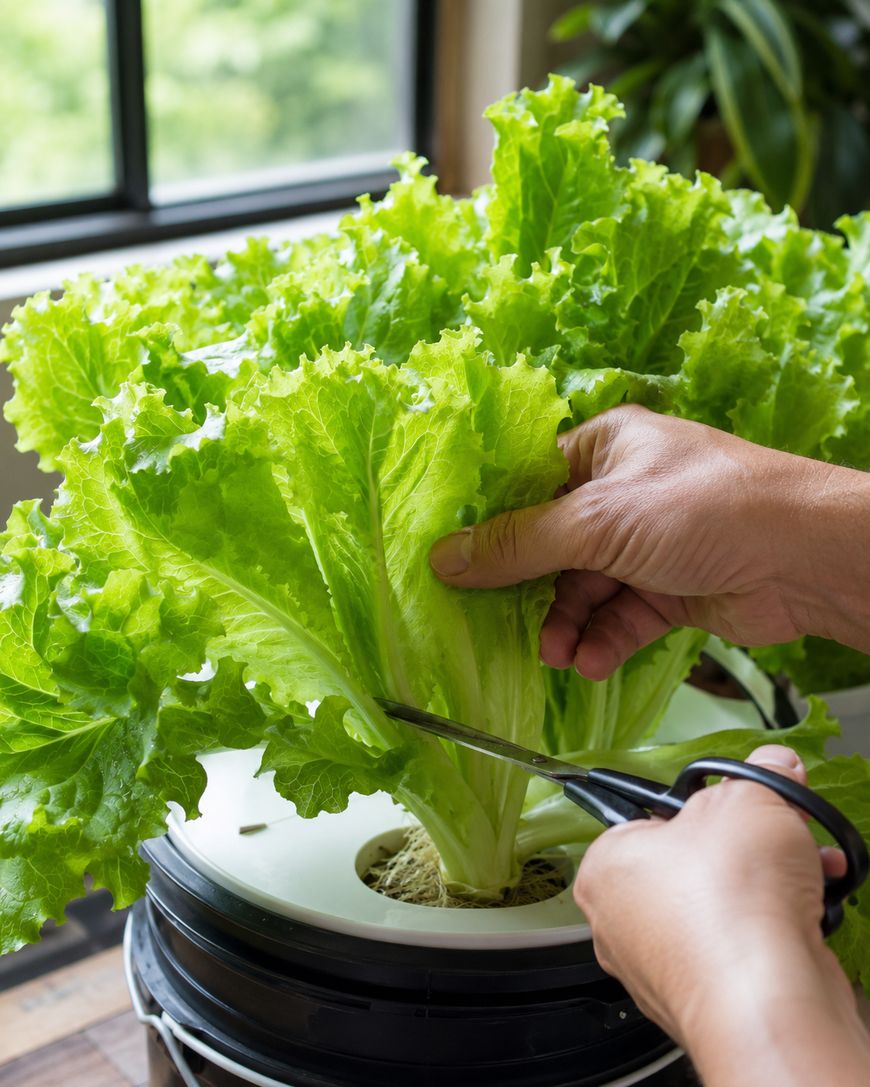
Lettuce is the ideal hydroponic crop: it grows fast, does not require high light intensity, and produces multiple harvests from a single planting using cut-and-come-again harvesting. Varieties like Buttercrunch, Romaine, Black Seeded Simpson, and Oakleaf are reliable performers.
Under LED grow lights, lettuce typically reaches harvest size in three to four weeks from transplant. A simple DWC or Kratky system with a 4,000K LED panel provides everything lettuce needs to thrive.
Basil and Fresh Herbs
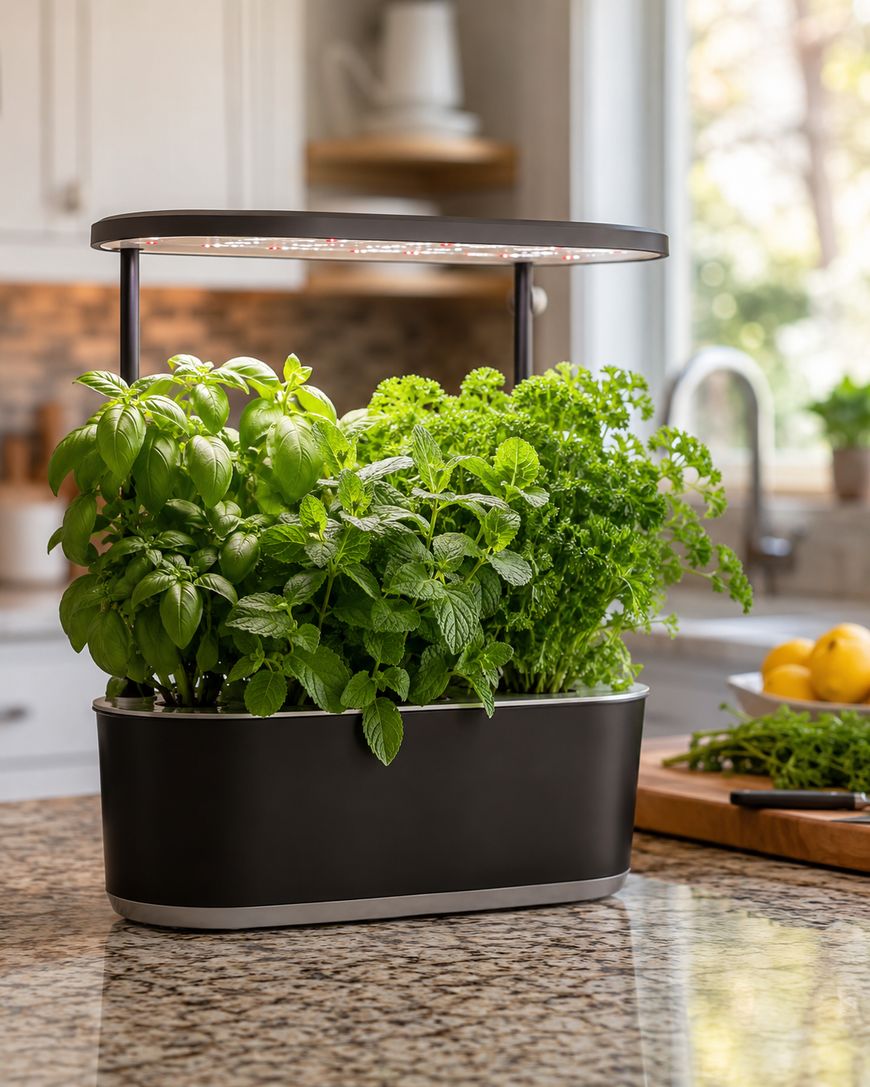
Basil, cilantro, parsley, mint, and chives all grow vigorously in hydroponic systems and produce more abundantly than soil-grown plants due to the constant access to water and nutrients. Basil in particular grows extraordinarily well hydroponically and can yield continuous harvests for months.
Grow basil under full-spectrum LED lights at 16 hours on and 8 hours off for best results. Harvest frequently by snipping just above a leaf node to keep the plant bushy and prevent premature flowering.
Cherry Tomatoes
Cherry tomato varieties like Sun Gold, Sweet 100, and Tumbling Tom perform well in hydroponic systems with adequate support and high-intensity lighting. They require a more robust nutrient solution than leafy greens and need 14 to 16 hours of bright light per day.
Use a DWC, ebb and flow, or drip system for tomatoes. They take longer to produce (approximately eight to ten weeks from transplant to first harvest) but yield abundantly once fruiting begins.

Cucumbers
Cucumbers grow rapidly hydroponically and produce impressive yields when supported with a trellis and given adequate light. Bush cucumber varieties like Bush Pickle or Spacemaster are better suited to indoor systems than vining types.
Cucumbers prefer slightly warmer growing conditions (70 to 80 degrees Fahrenheit) and a higher electrical conductivity (EC) in the nutrient solution than leafy greens. They typically produce their first fruits within five to six weeks of transplant in a well-maintained system.
Spinach and Chard
Spinach and Swiss chard are productive hydroponic crops that tolerate slightly lower light levels than tomatoes or cucumbers. Both are nutritious, fast-growing, and productive in DWC or Kratky systems.
Spinach prefers cooler temperatures and can bolt (go to seed) quickly in warm growing environments. Keep the nutrient solution temperature below 70 degrees Fahrenheit for the best spinach harvest.
Hydroponic Nutrients and Water Management
Getting the nutrient solution right is the most technically demanding aspect of hydroponic gardening, but it is manageable with the right tools and a basic understanding of what plants need.
Choosing a Hydroponic Nutrient Solution
A complete hydroponic nutrient solution provides all thirteen essential mineral nutrients that plants normally obtain from soil. General Hydroponics Flora Series (FloraGro, FloraBloom, FloraMicro) and the MaxiGro/MaxiBloom powder system are two of the most widely used and reliable three-part nutrient programs for home growers.
Mix nutrients according to the manufacturer’s instructions and always add them to water rather than adding water to nutrients. Check pH and electrical conductivity (EC) after mixing.
pH Management
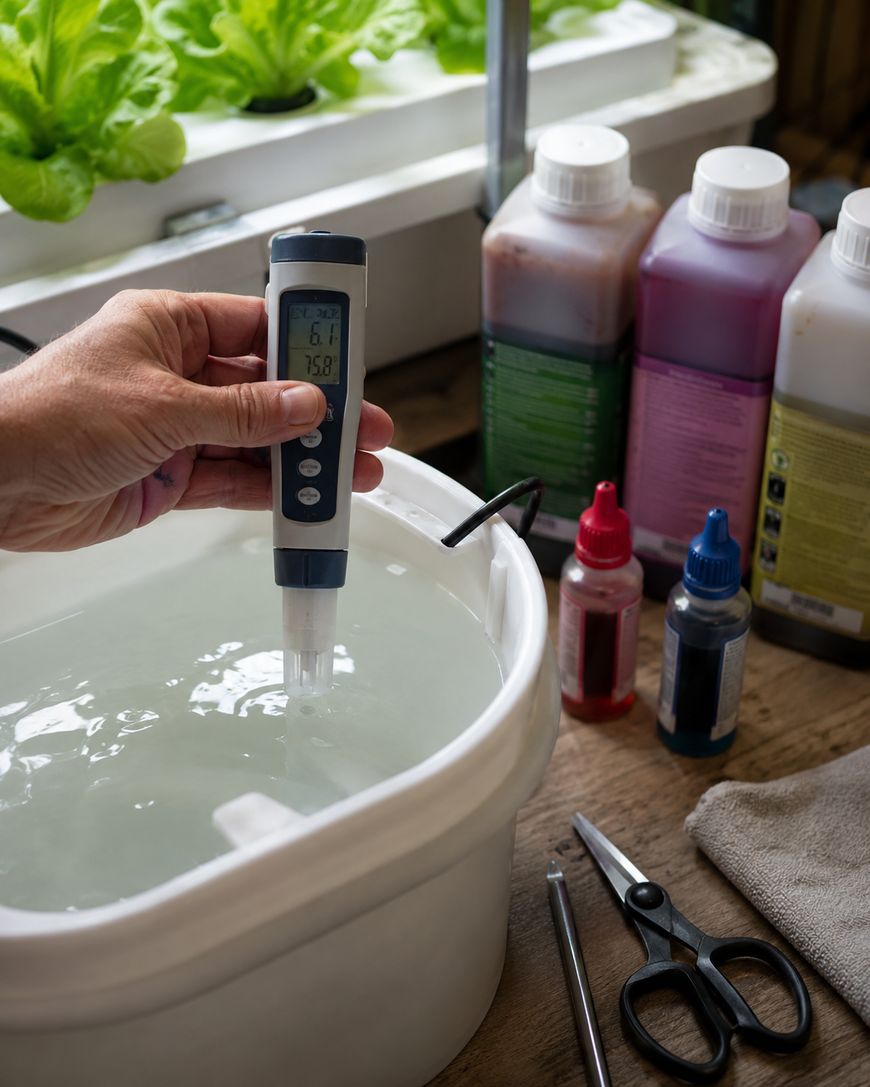
The ideal pH range for most hydroponic crops is 5.5 to 6.5. At pH levels outside this range, nutrients become chemically unavailable to plant roots even when they are present in the solution.
Test pH daily with a digital pH meter (Apera PC60 or Bluelab pH Pen are reliable choices) and adjust with pH Up (potassium hydroxide) or pH Down (phosphoric acid) as needed. Consistent pH management is the single most important factor in healthy hydroponic plant growth.
Questions About Hydroponic Gardening
Is hydroponic gardening expensive to set up?
A basic Kratky or DWC setup for growing lettuce and herbs can be assembled for $30 to $75 using a five-gallon bucket, net cups, a simple nutrient solution, and a grow light. More elaborate systems with multiple channels, pumps, and timers range from $150 to $500.
The AeroGarden Harvest, one of the most popular plug-and-play systems, retails for around $100 and is an excellent all-in-one option for beginners who want minimal setup. Ongoing costs are primarily nutrients, which are inexpensive per grow cycle.
What is the easiest crop for hydroponic gardening beginners?
Lettuce grown in a Kratky system is definitively the easiest hydroponic crop for beginners. It requires no pump, no timer, minimal nutrients, and produces a harvestable crop in three to four weeks.
Basil is a close second, equally forgiving and rewarding. Both crops tolerate a wide range of conditions and make the learning curve of hydroponic gardening feel manageable and enjoyable.
Do hydroponic plants need sunlight?
Hydroponic plants can grow under natural sunlight if placed near a bright south-facing window, but most indoor setups use full-spectrum LED grow lights. Modern LEDs like the Mars Hydro TS 600 or Spider Farmer SF-1000 are energy-efficient, produce minimal heat, and provide the full spectrum plants need for vegetative growth and fruiting.
For leafy greens and herbs, provide 14 to 16 hours of light per day. For fruiting crops like tomatoes and cucumbers, 16 to 18 hours of light is optimal.
How often do you change the water in a hydroponic system?
In a recirculating system (DWC, NFT, ebb and flow), change the reservoir completely every one to two weeks and top it up with fresh nutrient solution between changes. In a Kratky system, simply top up with nutrient solution as the level drops.
Always check pH and EC when adding fresh solution. Stale water can develop harmful pathogens and mineral imbalances that stress plant roots.
Start Growing With Hydroponic Gardening Today
Hydroponic gardening is one of the most efficient and satisfying ways to grow food at home, delivering fresh herbs and vegetables year-round regardless of outdoor conditions. A simple Kratky jar of lettuce on a countertop is all it takes to get started.
Choose a system that matches your available space and budget, start with lettuce or basil, and build your knowledge with each grow cycle. Hydroponic gardening rewards attention and curiosity, and the results on your plate are always worth the effort.