Last updated: May 15, 2026
Vegetable garden ideas work best when they match your space, your climate, and what you actually want to eat. This guide covers the most productive layouts, the easiest crops to grow, and the design techniques that maximize every square foot of your garden.
The Best Vegetable Garden Layout Ideas
A great vegetable garden layout maximizes sunlight, air circulation, and ease of access. The right layout depends on your available space, soil quality, and how much time you want to spend maintaining it.
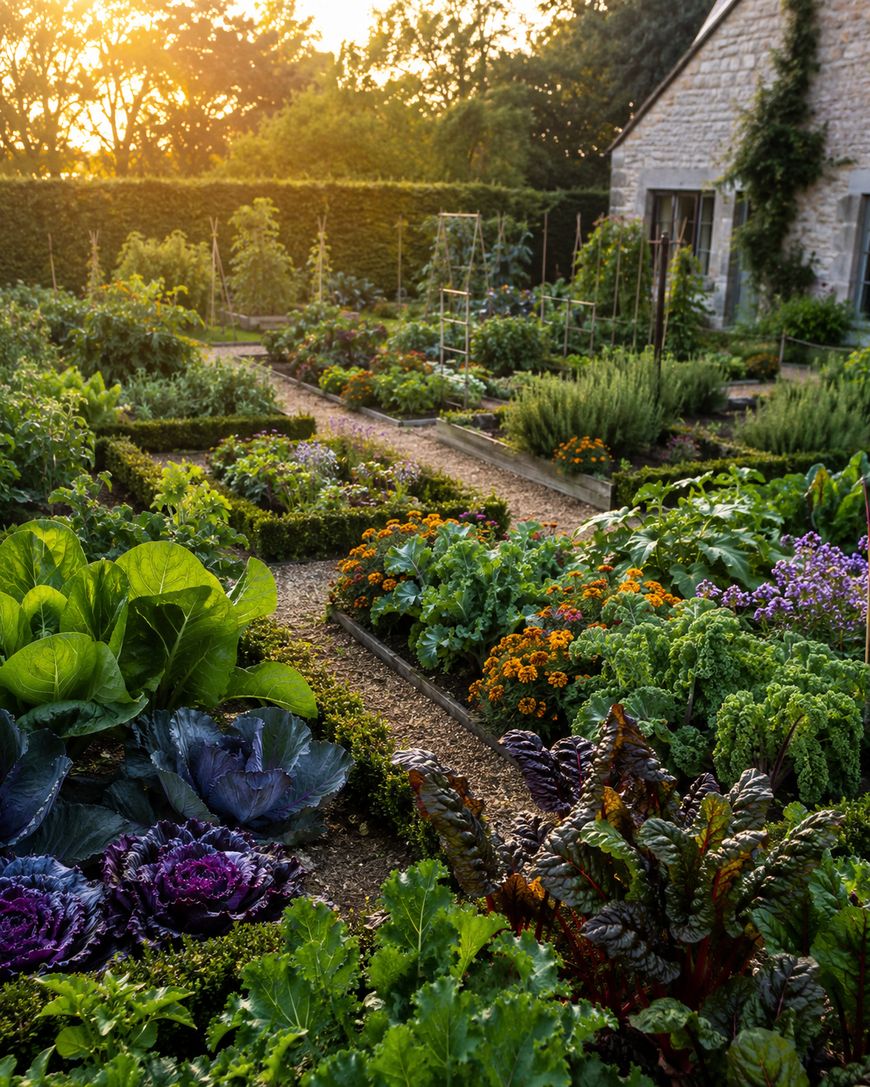
Raised Bed Vegetable Gardens
Raised bed gardens are the single most popular vegetable garden idea for good reason: they give you total control over soil quality, drain beautifully, warm up faster in spring, and reduce weeding dramatically. A standard 4-by-8-foot raised bed is the ideal size because you can reach every part of the bed without stepping in.

Fill raised beds with Mel’s Mix (one-third compost, one-third peat moss or coconut coir, one-third coarse vermiculite) for the best results. This formula, developed by Mel Bartholomew for Square Foot Gardening, produces loose, fertile, weed-resistant growing medium that supports high yields in a compact space.
Square Foot Gardening
Square Foot Gardening, developed by Mel Bartholomew, divides a raised bed into one-foot squares and assigns a specific number of plants to each square based on mature plant size. One tomato plant gets one square, while sixteen radishes or carrots fit into a single square.
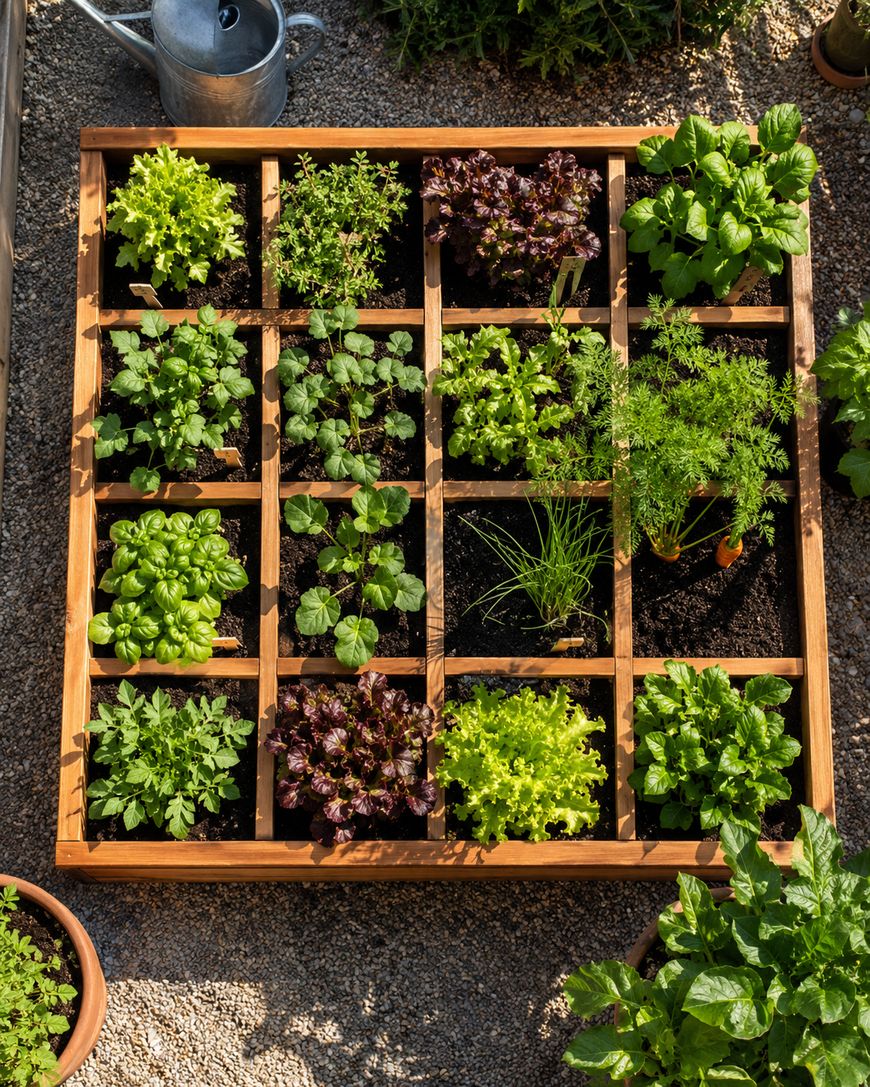
This system eliminates wasted space and makes planting, watering, and harvesting highly organized. It is one of the best vegetable garden ideas for beginners because it removes the guesswork and prevents the most common mistake of planting too far apart.
The Three Sisters Garden
The Three Sisters is a traditional Native American planting method that grows corn, beans, and squash together in a mutually beneficial arrangement. The corn provides a trellis for the beans, the beans fix nitrogen in the soil, and the squash sprawls along the ground to suppress weeds and retain moisture.
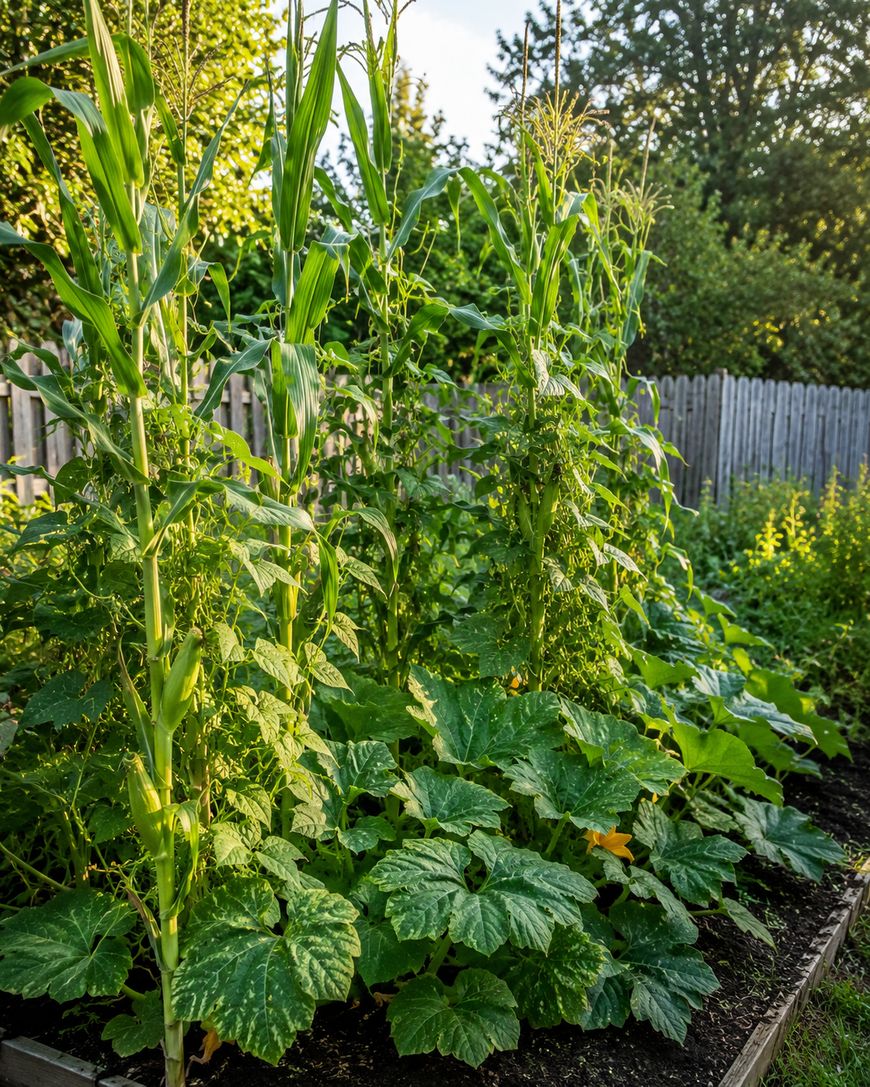
Plant in a mounded bed of at least four feet in diameter for best results. This is one of the most beautiful and productive vegetable garden ideas for those with space to spare in a sunny corner of the yard.
Vertical Vegetable Gardens
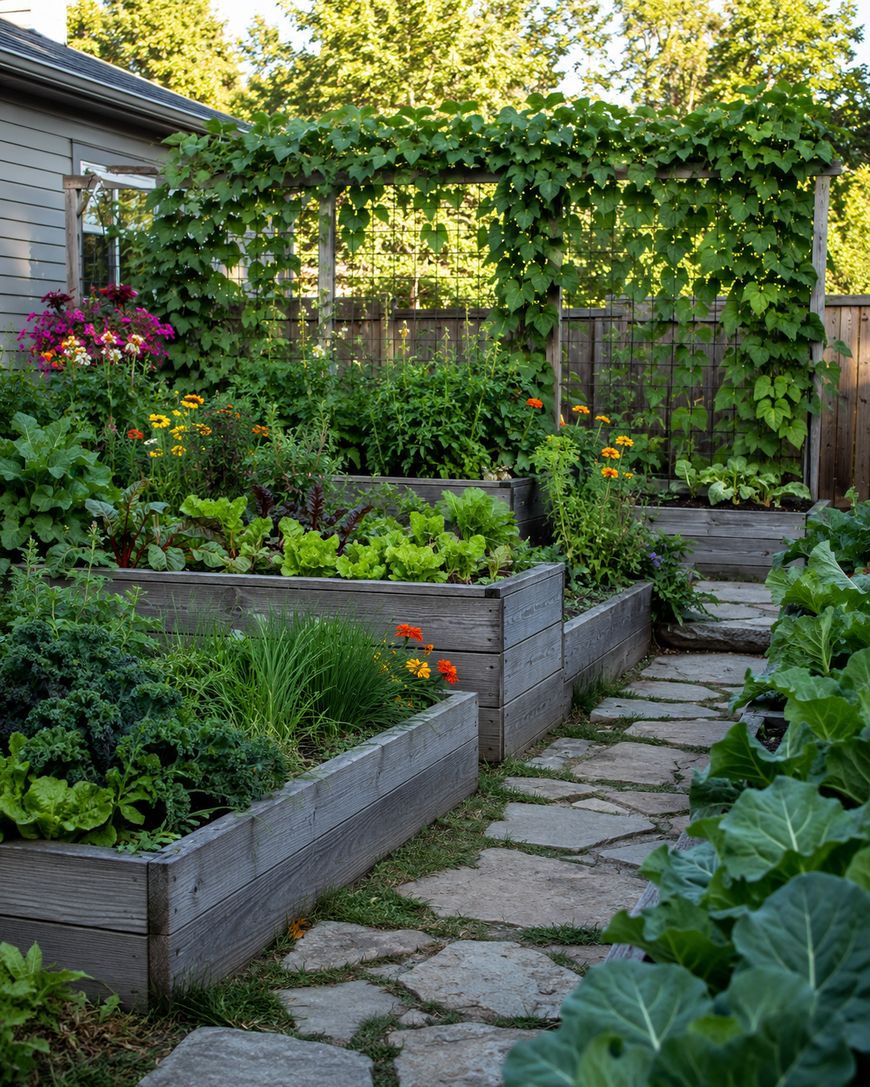
Vertical gardening uses trellises, cages, towers, and wall-mounted planters to grow vegetables upward instead of outward. Cucumbers, pole beans, cherry tomatoes, and peas all thrive on vertical support and produce more heavily when allowed to climb.
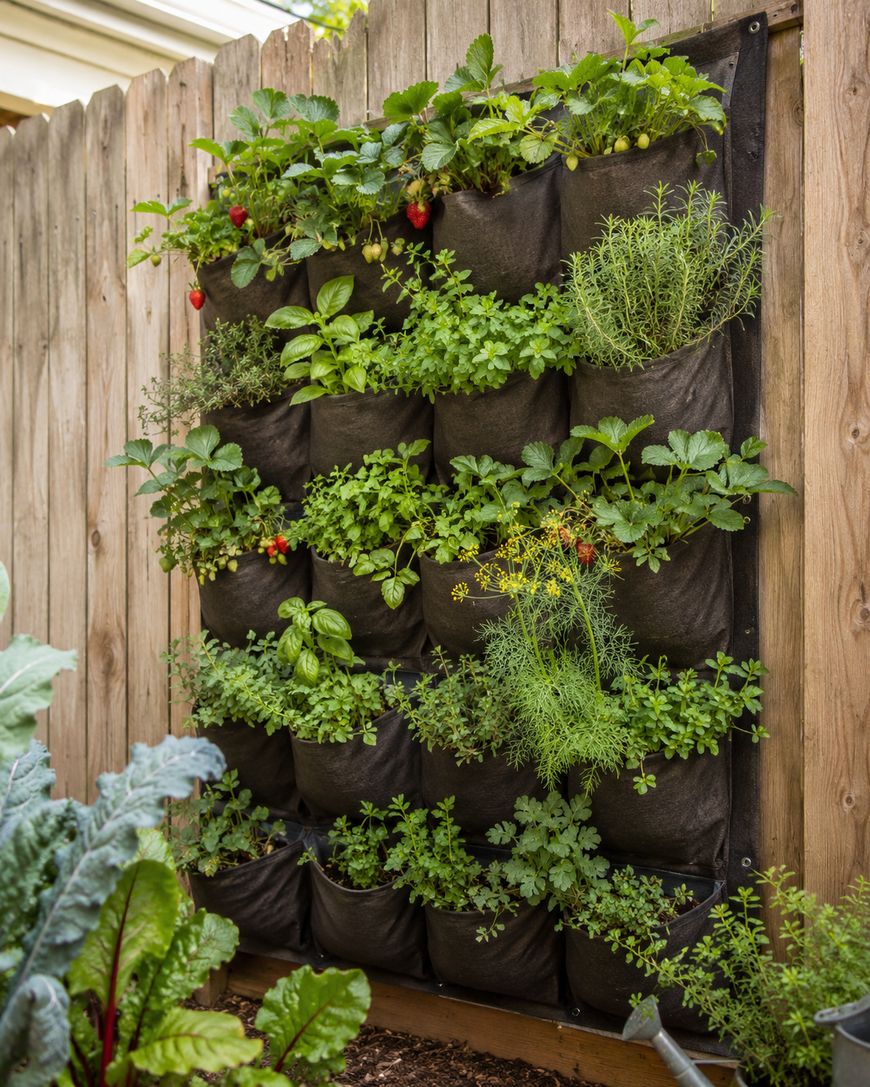
A simple A-frame trellis made from cedar stakes and garden twine is inexpensive and effective for cucumbers and beans. Vertical growing also improves air circulation around plants, which reduces the incidence of fungal diseases like powdery mildew and downy mildew.
Container Vegetable Gardens
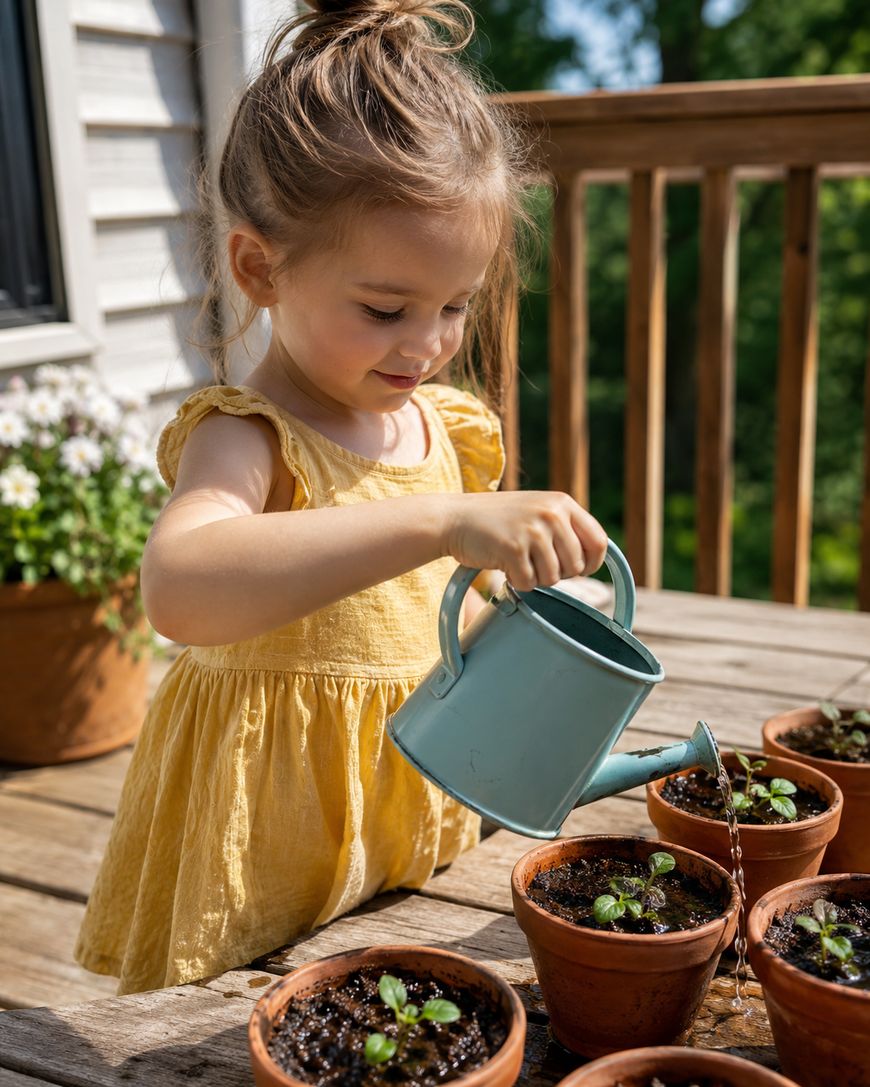
A container vegetable garden is one of the most flexible and accessible vegetable garden ideas for renters, apartment dwellers, or anyone with only a balcony or patio. Almost any vegetable can be grown in a container of sufficient size.
Tomatoes do well in five-gallon pots, while peppers, herbs, and lettuce thrive in smaller containers. Use a high-quality potting mix rather than garden soil, which compacts in containers and restricts root growth.
The Best Vegetables to Grow for Beginners
The most rewarding beginner vegetable garden ideas center on crops that are forgiving, fast-growing, and productive. These five vegetables consistently deliver excellent results for first-time growers.
Zucchini and Summer Squash
Zucchini is almost impossible to kill and produces so generously that a single plant in a sunny spot will supply a household from midsummer until frost. Direct sow seeds in well-amended soil after the last frost date for your region.
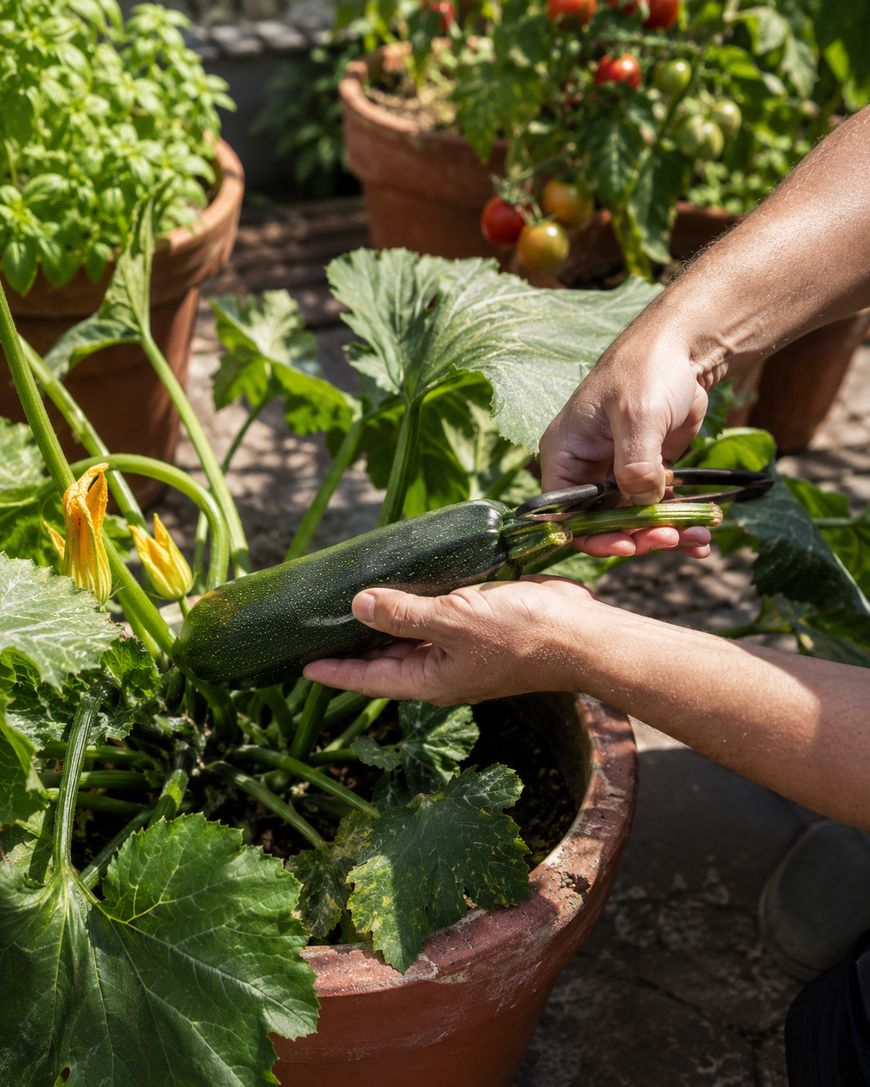
The most common mistake is planting too many: two plants per household is genuinely enough. Zucchini is a good first vegetable because it gives fast, visible results and teaches the basics of harvesting at the right size before the fruit becomes oversized.
Cherry Tomatoes
Cherry tomatoes like Sun Gold, Sweet Million, and Juliet are far easier for beginners than large beefsteak varieties. They are more disease-resistant, set fruit over a longer season, and require less precise watering than large-fruited types.
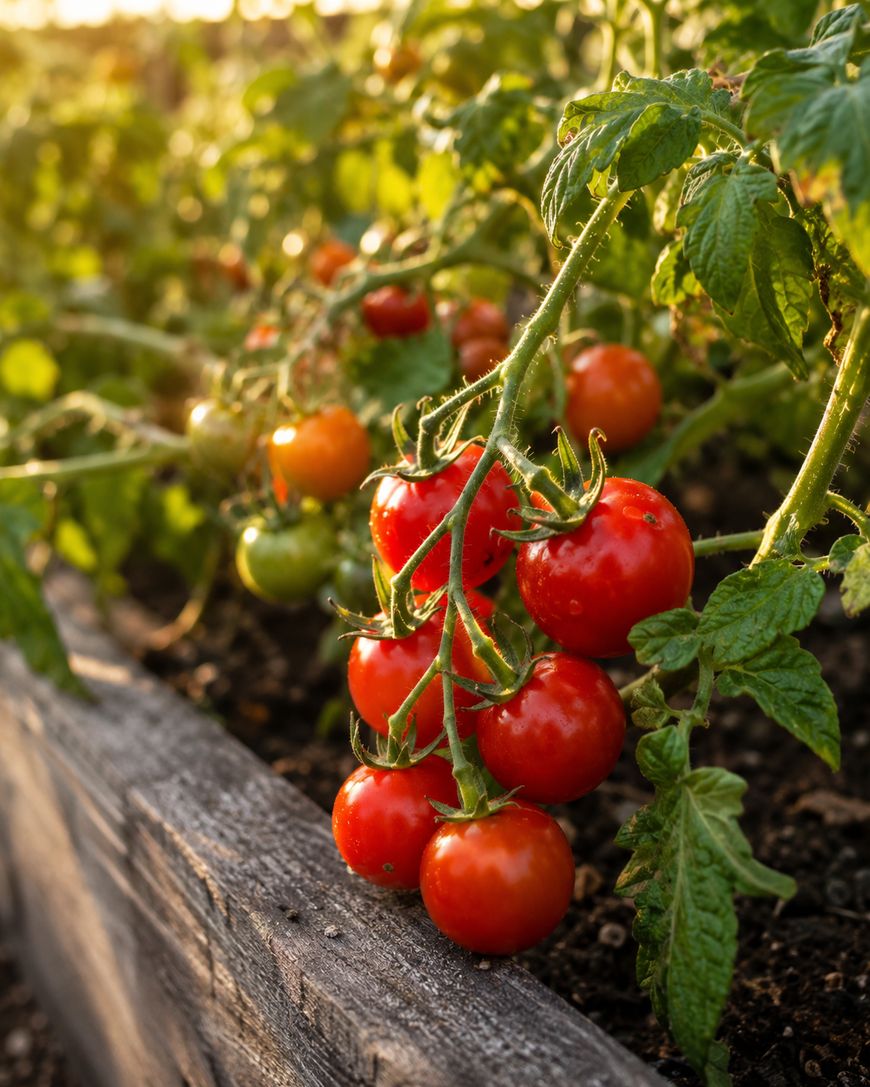
Plant in a full-sun location with a sturdy cage or stake, water consistently to prevent blossom end rot, and fertilize with a balanced tomato fertilizer every two weeks during the growing season. Sun Gold in particular produces sweet, tangerine-colored fruit that most gardeners consider the best-tasting cherry tomato available.
Lettuce and Salad Greens
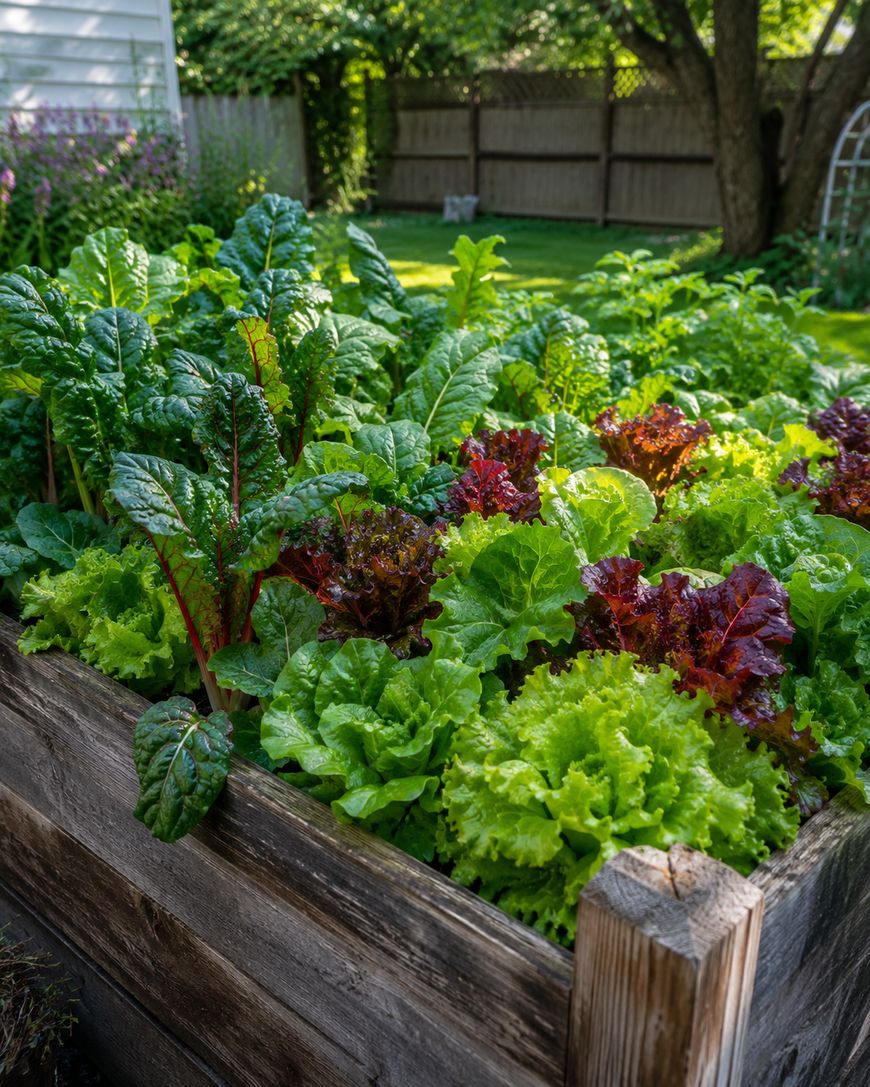
Lettuce, arugula, spinach, and mesclun mixes are among the fastest and easiest vegetables to grow, germinating in five to ten days and producing harvestable leaves in as little as three weeks for baby greens. Sow directly in the garden or in containers in early spring or fall when temperatures are cool.
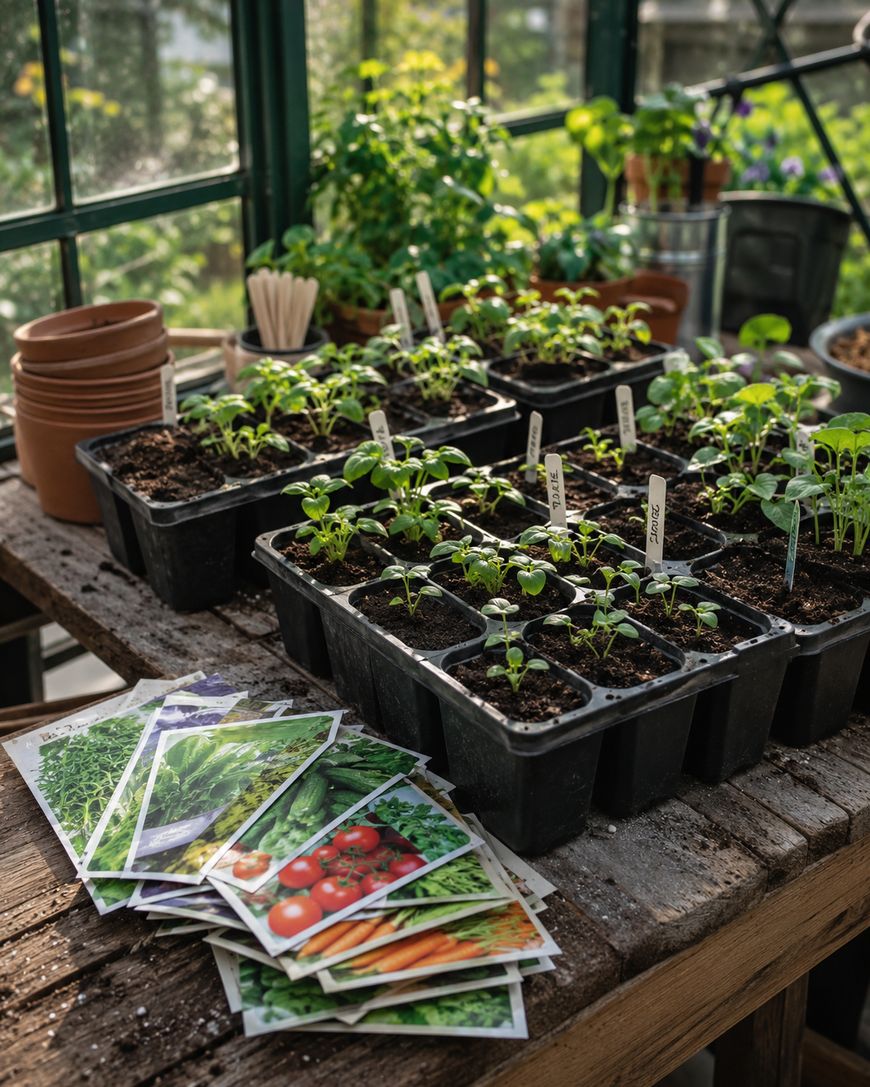
Use a cut-and-come-again harvesting method: cut outer leaves with scissors and the plant will continue producing from the center for weeks. This makes lettuce one of the highest-value crops per square foot in any vegetable garden.
Bush Beans
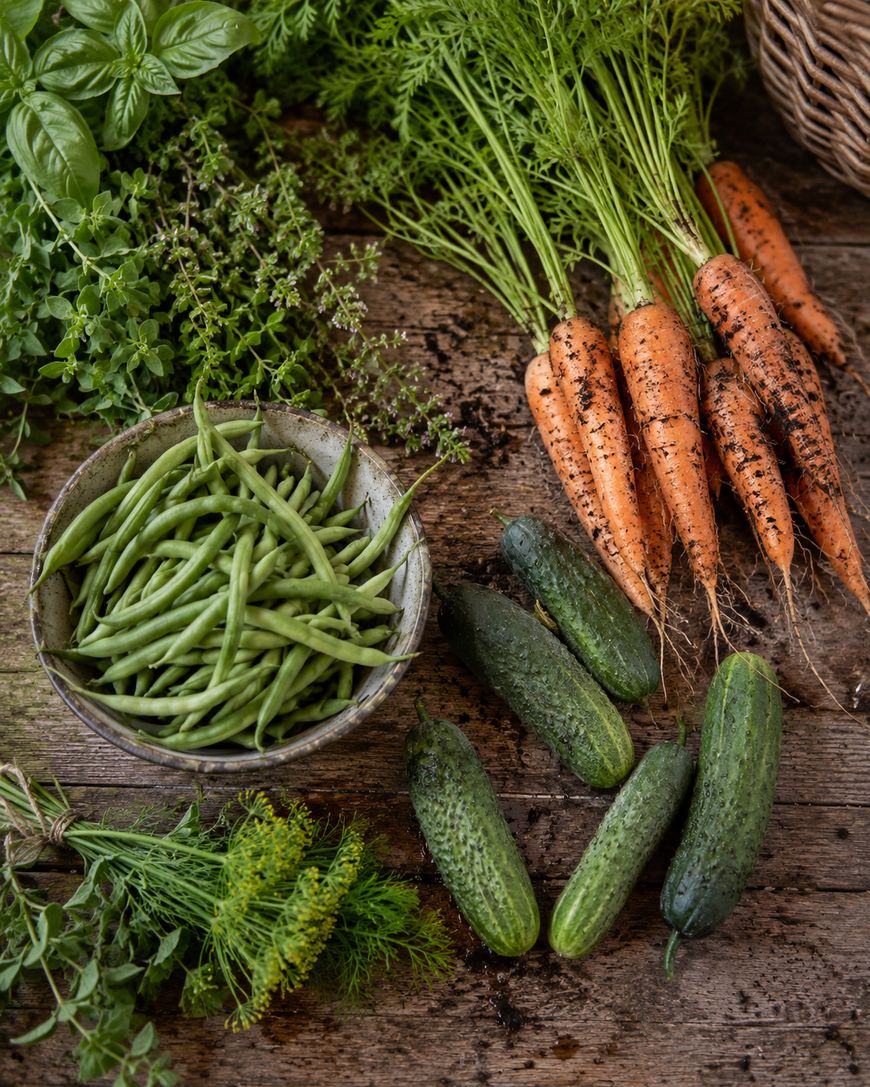
Bush beans like Provider, Contender, or Blue Lake 274 are direct-sown into warm soil, require no staking, and produce a heavy harvest in about 55 days. They are a perfect beginner crop because they need almost no maintenance between planting and harvest.
Sow seeds one inch deep and four inches apart in rows or blocks. Bush beans produce best when harvested frequently: pick pods every two to three days once they reach pencil thickness to keep the plant producing.
Herbs: Basil, Parsley, and Chives
Fresh herbs are one of the highest-value additions to any vegetable garden, both for daily cooking use and for the satisfaction of stepping outside to snip what you need. Basil, parsley, and chives are reliable and productive in most climates.
Basil thrives in full sun and warm temperatures; plant it alongside tomatoes where it grows beautifully and benefits from similar watering and light conditions. Chives are perennial in most zones and return reliably each spring with almost no care.
Creative Vegetable Garden Design Ideas
Good garden design makes your vegetable plot more productive, more beautiful, and easier to maintain over a long season.
Companion Planting
Companion planting pairs crops that benefit each other in the same bed. Classic pairings include tomatoes with basil (basil is said to repel aphids and improve tomato flavor), carrots with onions (the scents of each repel the other’s primary pest), and marigolds planted throughout the garden to deter nematodes and aphids.
French Marigold (Tagetes patula) is the most widely recommended companion plant in vegetable gardens. Plant it in borders and between beds to create a natural pest deterrent that also adds a burst of color to the garden.
Succession Planting
Succession planting means sowing a small amount of a fast-maturing crop every two to three weeks rather than planting everything at once. This extends your harvest window dramatically and prevents gluts.
Radishes, lettuce, and bush beans are the three crops most commonly grown by succession planting. A new sowing every two weeks from early spring through midsummer means you have fresh greens ready to pick all season long without a feast-or-famine cycle.
The Potager Garden
A potager garden is the French kitchen garden tradition of combining vegetables, herbs, fruit, and flowers in a structured, decorative design. Paths divide the beds into formal geometric shapes, and edible plants are chosen as much for their visual appeal as their productivity.
Purple basil, rainbow chard, and scarlet runner beans all make beautiful potager additions. This style of vegetable garden transforms the kitchen plot into a feature of the landscape rather than a utilitarian work area.
Questions About Vegetable Garden Ideas
What is the best vegetable garden layout for a small space?
Raised bed gardening using the Square Foot Gardening method is the best layout for a small space. A single 4-by-8-foot raised bed, properly planted, can produce a surprising abundance of salad greens, herbs, tomatoes, peppers, and beans.
Place the bed where it receives at least six to eight hours of direct sun per day. Most vegetables fail in shade, and sun exposure is the single most important factor in a productive vegetable garden.
When should you start a vegetable garden?
The best time to start a vegetable garden is four to six weeks before your last frost date for cool-season crops like lettuce, spinach, and peas, and after your last frost date for warm-season crops like tomatoes, peppers, zucchini, and beans. The Old Farmer’s Almanac frost date finder is a reliable tool for finding your specific last frost date by zip code.
Starting seeds indoors under grow lights six to eight weeks before transplanting is an effective strategy for getting a head start on tomatoes and peppers. For most other crops, direct sowing after the last frost is simpler and just as effective.
How do you improve garden soil for vegetables?
The best way to improve garden soil for vegetables is to add generous amounts of compost each season. Work two to four inches of finished compost into the top eight to twelve inches of soil before planting in spring.
If your soil is heavy clay, also add coarse sand or perlite to improve drainage. A soil test from your local cooperative extension service is the most accurate way to know exactly what your soil needs.
What vegetables grow well together?
Tomatoes and basil, corn and beans and squash (the Three Sisters), and carrots and onions are the most well-established companion planting combinations. Cucumbers also grow well with sunflowers, which provide a natural trellis.
Avoid planting fennel near most vegetables, as it releases allelopathic compounds that suppress the growth of neighboring plants. Brassicas like broccoli and cabbage should not be planted near strawberries or pole beans.
Grow Something Great With These Vegetable Garden Ideas
The best vegetable garden ideas are the ones that match your enthusiasm, your space, and your appetite. A single raised bed of tomatoes, basil, and zucchini is a genuinely satisfying garden, and there is no need to start with more than you can comfortably tend.
Pick one layout idea from this guide, choose three to five crops you love to eat, and plant this season. A vegetable garden rewards effort quickly, and nothing tastes better than food you grew yourself.